-
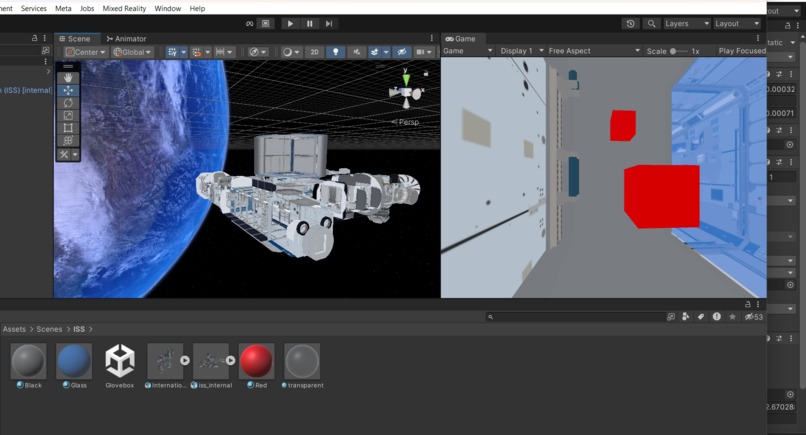
International Space Station Simulator
-
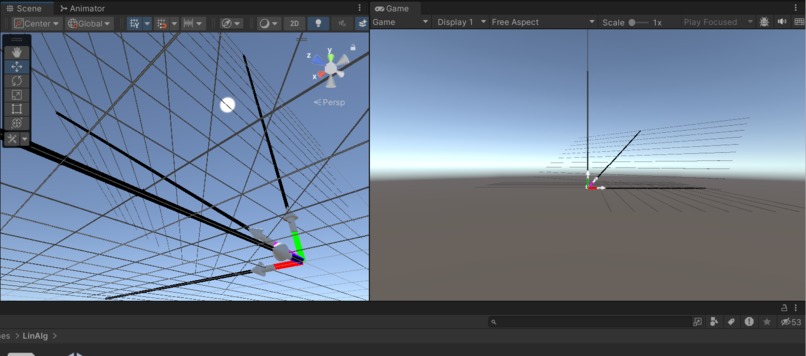
4D World Simulation


## Inspiration
Learning complex science concepts can be challenging. Traditional resources—textbooks, videos, and diagrams—often fall short in making abstract ideas truly understandable. This struggle inspired us to create a platform that immerses students in scientific worlds, making learning as engaging as experiencing the concepts firsthand. We asked ourselves, What if there was a Google for VR?—a place where students could explore and truly understand science through 3D environments.
What it does
Our VR platform revolutionizes education by allowing students to dive into interactive, 3D worlds where they can explore cell structures, witness chemical reactions, or travel through space. By immersing students in these virtual environments, we transform learning from passive observation to active exploration, fostering curiosity and retention through hands-on experiences.
How we built it
We combined several technologies to bring this vision to life:
- Unity & Three.js: Unity was our primary tool for creating immersive VR scenes, and we used Three.js to integrate interactive 3D models into a responsive web interface.
- React for the Interface: Inspired by Google’s minimalist design, we built an intuitive, search-driven interface in React that makes it easy for students to find and explore any scientific concept.
- 3D Modeling and Animation: We designed detailed 3D models of scientific phenomena, carefully crafting each scene to provide an authentic, educational experience.
Challenges we ran into
Building this platform presented several challenges:
- Performance Optimization: Rendering high-quality 3D models in real-time without compromising performance required careful balancing and optimization.
- Engagement Design: We wanted to make the experience educational without overwhelming users, so we carefully designed interactive elements to enhance learning without distraction.
- Device Compatibility: Ensuring the platform’s accessibility across various VR and non-VR devices required extensive testing and fine-tuning.
Accomplishments that we're proud of
We’re proud of creating an educational platform that’s more than just visually engaging—it’s a true learning experience. Developing interactive 3D models that bring science concepts to life, and making them accessible and intuitive, was a major accomplishment. This project has the potential to make learning more immersive and meaningful, fostering a deeper understanding of science for students.
What we learned
This journey taught us not only about VR and 3D development but also about the potential for technology to elevate education. We learned how to take static information and transform it into dynamic experiences, and we gained valuable insights into designing for both engagement and accessibility. The process helped us understand the incredible impact VR can have on learning.
What's next for Just VR It
We envision expanding the platform to cover more subjects and include collaborative features, where students can learn together in VR. We also aim to refine our platform’s accessibility, making it usable across all devices, from high-end VR headsets to basic web browsers, so that immersive learning can reach as many students as possible. Just VR It is just the beginning of our journey to make education truly experiential.


Log in or sign up for Devpost to join the conversation.