-
-
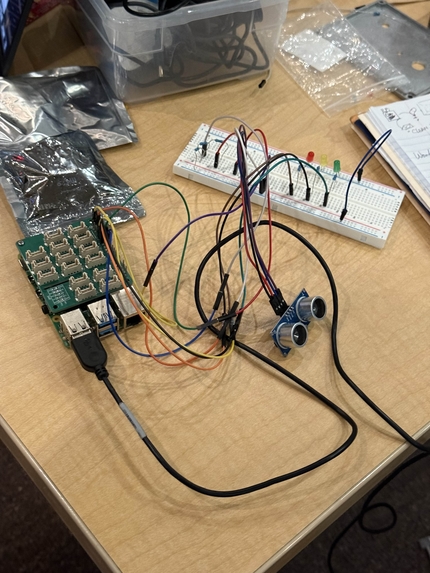
Dish Detector Prototyping
-
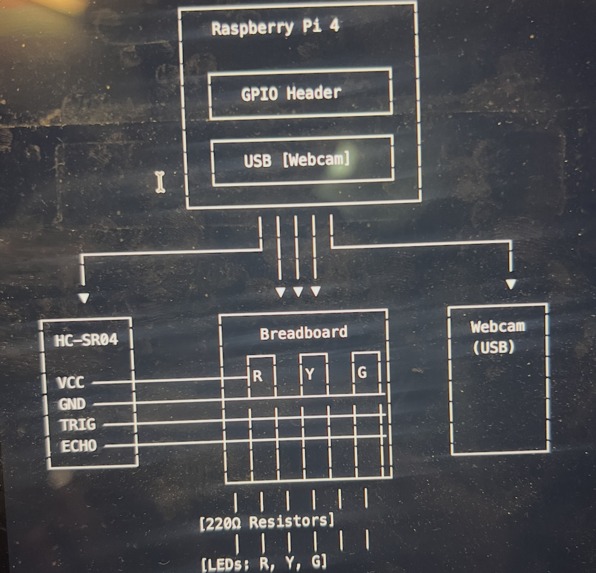
Hardware Diagram
-
-
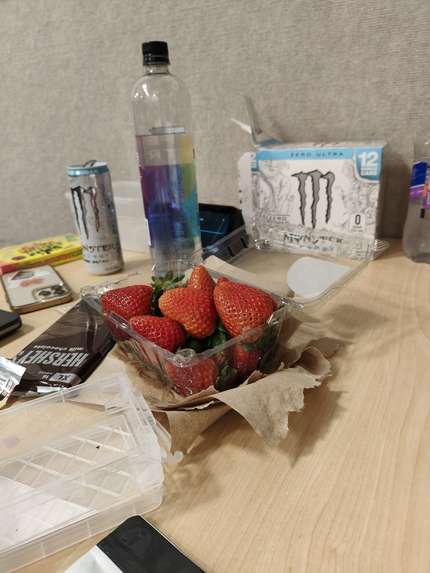
Strawberries and Monster
-
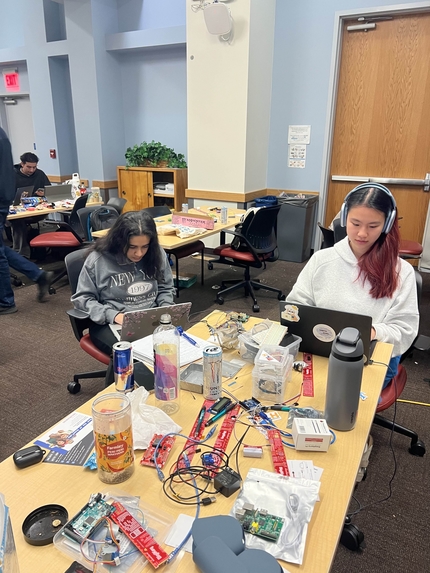
Locking in
-
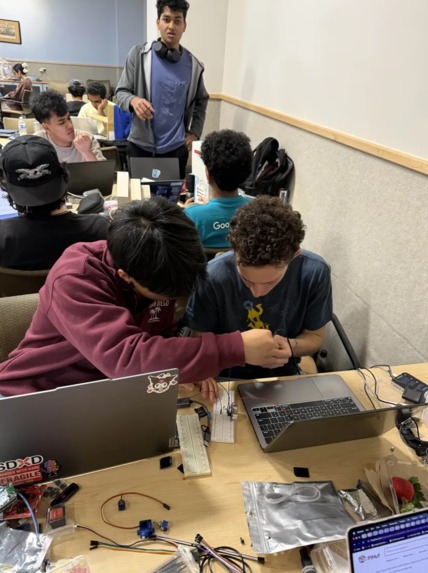
Locking in


Inspiration
One of our teammate’s friends, Paul, lives in a suite full of ten people. He would always rant about how one of his suite mates who would never do his dishes. After multiple hesitant, awkward confrontations of “It’s not mine!” and “I do my dishes!”, they gave up on each other. The dishes were left unwashed throughout the entirety of Winter Break (it’s 21 days long!).
JustWASHit is for Paul. JustWASHit is for everyone. Its for those who want to live with other people and don’t want dishes to ruin the vibe.
What it does
JustWASHit watches your sink so you don’t have to. It detects when dishes are left behind, identifies whose dish it is using AI, and sends escalating alerts — from polite reminders to “BROOO CLEAN YOUR DISHES” if it sits too long. LED lights show the urgency (green → yellow → red), so everyone knows the sink’s status at a glance. Basically, it turns awkward roommate confrontations into robot notifications.
How we built it
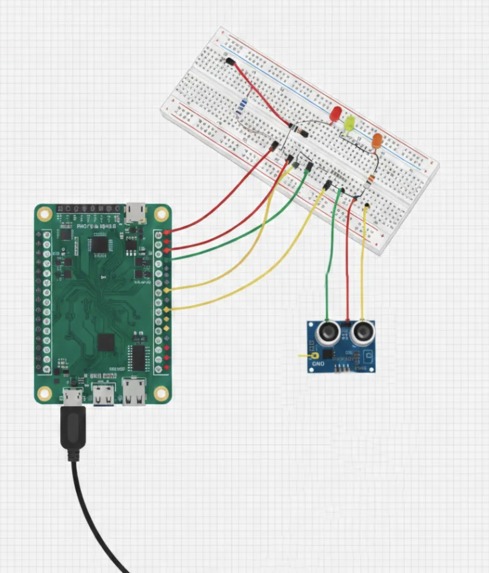
We built it using a Raspberry Pi 4 to process data and transfer power. Data is then sent via WIFI to our object detection model that we trained using pictures we took of dishes like bowls, cups, plates, etc. We detected fullness of the sink using ultrasonic sensors such that a shorter distance the wave travels means that the sink is full.
Challenges we ran into
Hardware pivot: Tested 4 sensors before the Raspberry Pi 4 could do reliable, near-instant detection. LED crisis: Original logic made lights flash randomly. Rebuilt as a state machine to behave correctly. File format nightmare: iPhone .HEIC and .MOV files broke our pipeline. Added a sanitization layer to auto-convert images. Dish ID problem: Needed a way to know whose dish is whose. Built an onboarding flow where users select themselves, show their dish, rotate it, and let AI handle the rest.
Accomplishments that we're proud of
Booting and configuring a Raspberry Pi for the first time Interfacing a USB camera and ultrasonic sensor reliably Training an object detection model that works in real-world conditions Building a full end-to-end pipeline: sensor → AI → notifications → LED indicators
What we learned
Hardware + software is messy. Small wiring or timing issues can break the whole system. Separating hardware control, AI inference, and the backend made debugging manageable. We also learned that tech can solve social friction — but only if it’s designed to be helpful, not judgmental.
Sources -
Gemini Documentation and Studio
Cursor with AI Models
What's next for JustWASHit
Next, we want to move JustWASHit beyond email alerts by integrating a mobile app for faster, more accessible notifications. The app would send push notifications when dishes are detected, allow users to set timers for when they plan to clean, and escalate reminders if no action is taken. This approach reduces friction and makes accountability immediate, something we were unable to fully implement due to time constraints.
We also plan to explore last-minute integrations that make the experience more engaging rather than punitive. For example, users could select a favorite song that automatically plays when they start doing the dishes, using Amazon Echo and the Amazon Music Web API. By pairing reminders with something positive, we hope to transform chores from a source of tension into a small moment of joy.
Looking further ahead, we want to scale JustWASHit into a full-featured home management platform, Let’sDOit, that helps with laundry, room cleanliness, and other household tasks. Our goal is simple: to turn everyday chores into manageable, even enjoyable habits, reduce stress in shared homes, and create technology that actually improves how people live together. We can’t wait to test it with real users, learn from their feedback, and see how automation can help roommates get along a little better - one dish at a time.
Built With
- faiss
- flask
- gemini
- lgpio
- python
- raspberry-pi
- sqlite


Log in or sign up for Devpost to join the conversation.