-
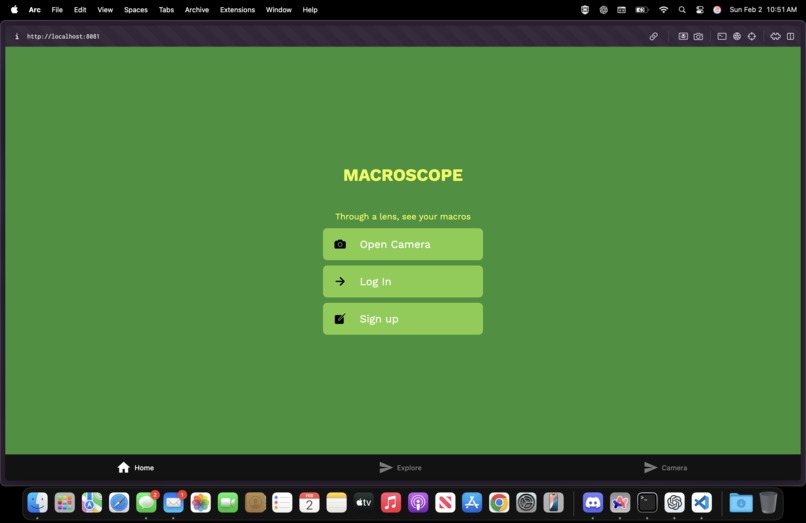
Picture of Main page
-
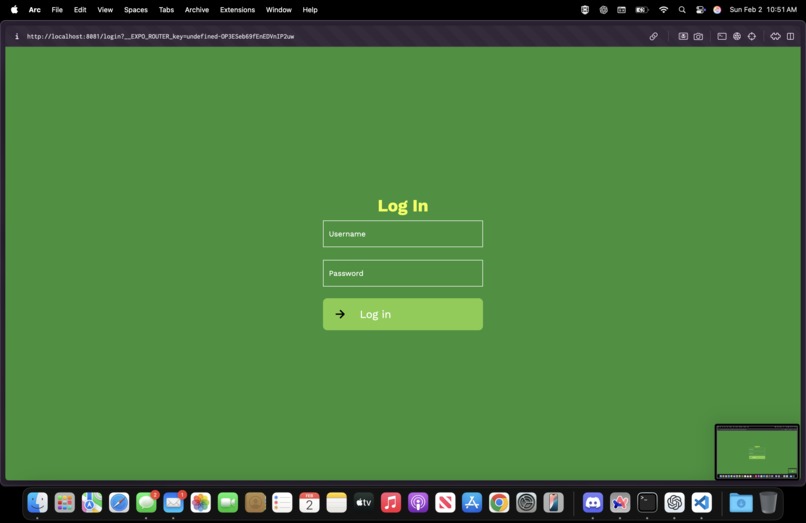
Picture of the Log in page
-
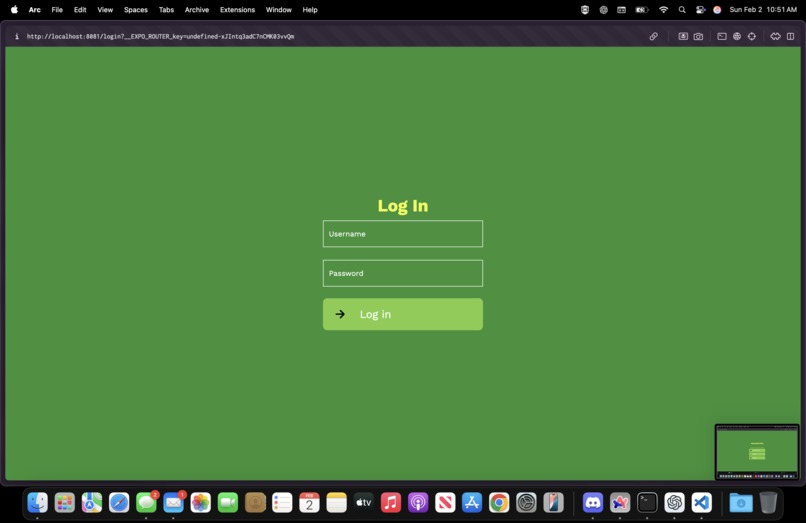
Picture of Sign Up page
-
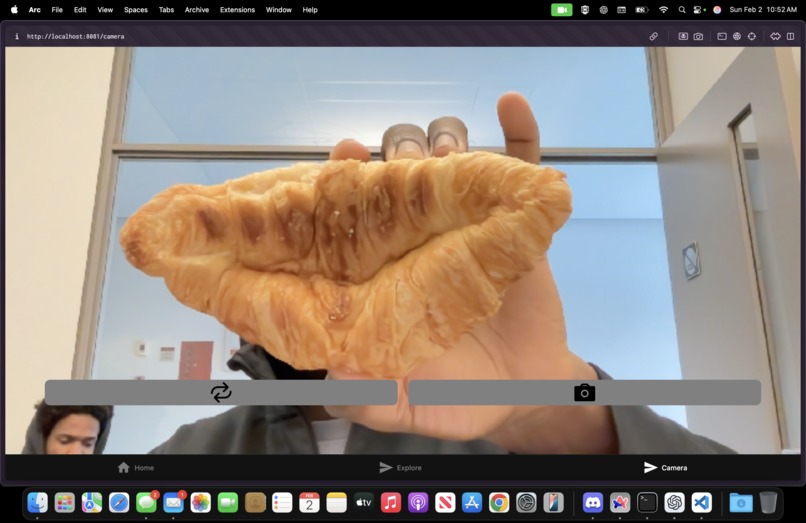
Picture of the Camera Enable


Inspiration
The idea for MACROscope came from the challenge of manually tracking macronutrients, which can be tedious and time-consuming. With the rise of fitness enthusiasts and individuals needing to track their nutrition more closely—whether for fitness goals or medical reasons—we wanted to create an intuitive solution to streamline this process using AI technology.
What it does
MACROscope uses AI image recognition and generative AI to analyze photos of food, calculate macronutrients (calories, protein, carbs, fats), and offer personalized meal recommendations. It makes tracking food intake easier and more efficient by automatically recognizing the food in a photo, estimating portion sizes, and providing actionable guidance to help users meet their nutritional goals.
How we built it
- Frontend: Built with React Native and Expo for a smooth, cross-platform mobile experience.
- Backend: Python for processing and MongoDB for database management and user authentication.
- AI: We integrated TensorFlow’s pre-trained food classification model (aiy/vision/classifier/food_V1) to recognize foods from photos.
- Database: We used Firebase to store user data (profile, food intake, nutritional goals) and track progress over time.
- Generative AI: We used AI to suggest meals and give nutritional advice based on user goals and dietary needs.
Challenges we ran into
- Food Recognition Accuracy: Ensuring the AI model accurately recognized various foods, especially when they weren’t in standard forms or with complex presentations, required fine-tuning and testing.
- Portion Size Estimation: Estimating the correct portion sizes from photos posed challenges, as the model had to account for food variability and the user’s camera angle.
- Integration of Multiple AI Components: Combining food recognition with generative AI for meal suggestions and macronutrient breakdowns required careful coordination between different models and backend systems.
Accomplishments that we're proud of
- Successfully built an app that combines AI image recognition and generative AI for personalized meal suggestions.
- Developed a seamless user experience where users can snap photos, track macros, and receive meal recommendations.
- Implemented a system to track progress toward daily nutritional goals, offering users actionable insights based on their food intake.
What we learned
- Working with AI models, particularly TensorFlow Lite, taught us about the intricacies of image classification and the challenges of ensuring reliable results from real-world photos.
- Integrating generative AI with nutrition tracking helped us realize the potential for personalized, AI-powered food advice and recommendations.
- The importance of user feedback—ensuring the app adapts to individual preferences and needs was crucial for making the app truly useful
What's next for MACROscope
- Social Sharing: Adding features that let users share their nutritional achievements, like a “200g protein day,” would enhance community engagement.
- Meal Logging History: Users could access historical data with insights about their eating habits, such as patterns in their carb intake over weekends.
- Expanding Recommendations: Continue improving the meal suggestions to better align with user goals, dietary restrictions, and preferences.


Log in or sign up for Devpost to join the conversation.