-
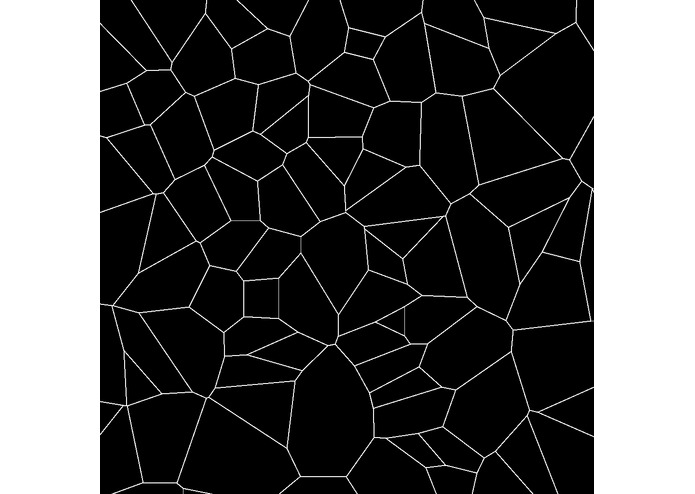
It's uncanny how beautiful this image is...

Inspiration
We were interested in developing a solution to automate the analysis of microscopic material images.
What it does
Our program utilizes image recognition and image processing tools such as edge detection, gradient analysis, gaussian/median/average filters, morphologies, image blending etc. to determine specific shapes of a microscopic image and apply binary thresholds for analysis. In addition, the program has the ability to differentiate between light and dark materials under poor lighting conditions, as well as calculate the average surface areas of grains and the percentage of dark grains.
How we built it
We used Python algorithms incorporated with OpenCV tools in the PyCharm developing environment.
Challenges we ran into
Contouring for images was extremely difficult considering there were many limitations and cleaning/calibrating data and threshold values. The time constraints also impacted us, as we would have liked to be able to develop a more accurate algorithm for our image analysis software.
Accomplishments that we're proud of
Making a breakthrough in iterative masking of the images to achieve an error percentage consistently below 0.5%. We're also incredibly proud of the fact that we were able to complete the majority of the challenge tasks as well as develop a user-friendly interface.
What we learned
We became better equipped with Python and the opensource materials available to all of us. We also learned valuable computer vision skills through practical applications as well as a developed a better understanding of data processing algorithms.
What's next for Material Arts 2000
We're looking to further refine our algorithms so that it will be of more practical use in the future. Potentially looking to expand from the specific field of microscopic materials to develop a more widely applicable algorithm.


Log in or sign up for Devpost to join the conversation.