-
logo
-
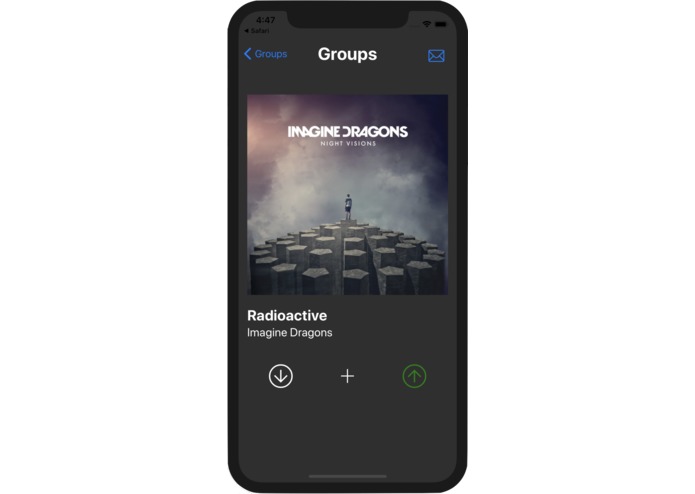
Playback feature of our application with up and down vote capabilities.
-
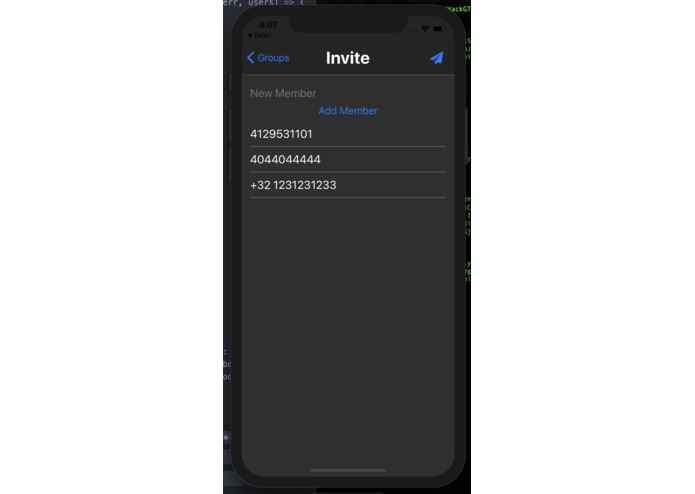
Invite page for a new group.
-
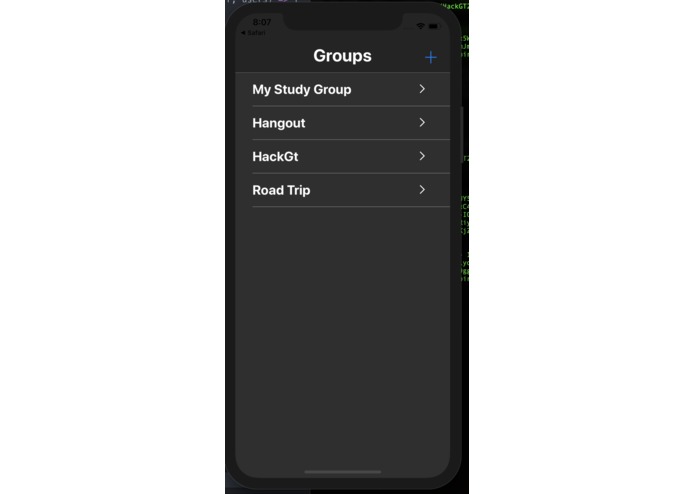
Group selecting page.
-


Inspiration
We were inspired by our time so far in college and how often there is a need to select music that everyone in a group can enjoy. For this reason we wanted to create a project that could enable anyone to form a group with their friends and instantly have a playlist made especially for them.
What it does
Mixtape enables users to create a group, add friends by phone number, and thus invite them all to join a group by logging in with their Spotify account. It then generates a playlist for them tailored to the groups unique tastes.
How we built it
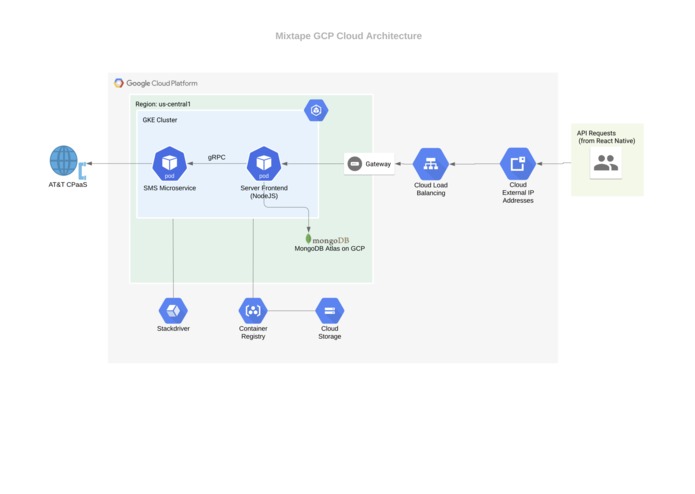
We used a Node backend to communicate with the Spotify API; multiple microservices, written in both JavaScript and Python; web and mobile (React Native) clients; and our database services. The server hosts a REST API (Express) to authenticate and communicate with the Spotify API. We also use the AT&T API for sending SMS invite links.
Challenges we ran into
We primarily ran into issues with connecting the different services necessary for our application including the micro services, the database, and the client.
Accomplishments that we're proud of
We are proud of the sms-based shareable function of our application that enables users to contribute to the playlist without having to install that application. We see this technology as potentially valuable to businesses, like coffee shops, that could use this software to allow customer preferences to influence songs being played at the establishment.
What we learned
As a team with differing levels of technical backgrounds we weren't sure what to expect in terms of implementation and integration of our stack. Throughout the project we were challenged by the daunting task of learning new skills and quickly integrating them with our entire workflow. For example, we learned a lot about the complexity of using external services with diverse authentication flows.
What's next for Mixtape
Focus on business facing integration that would allow for hassle free integration into a variety of public focused playlist generations. Nightlife and cafe type business would definitely be interested in a music feature set catered to their audience which we would be able to offer. Additionally, through potential wifi login integration we could reach an even larger audience. The model data created through these various applications would allow us to better predict and create playlist generation models through user in-app feedback.


Log in or sign up for Devpost to join the conversation.