-
-
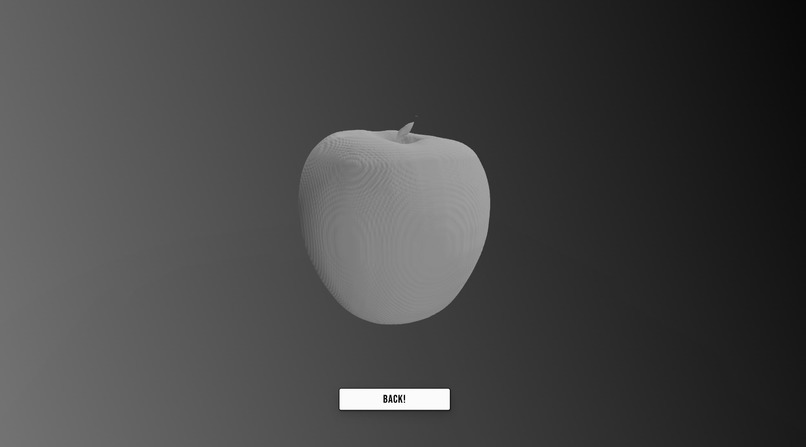
An apple made by our website
-
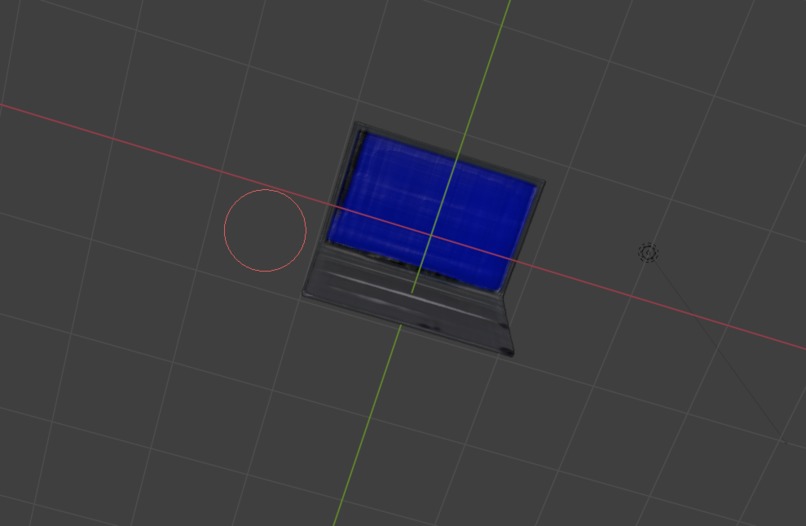
A laptop
-
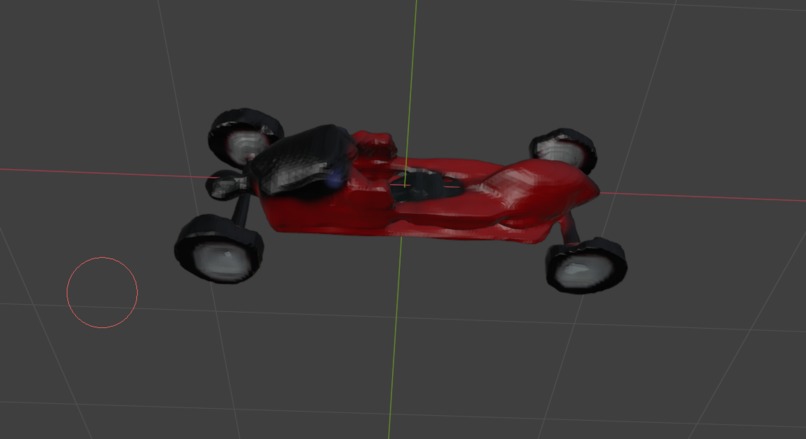
Formula racing car


Inspiration
The inspiration for Morphie arose from a keen interest in exploring AI-driven 3D modeling. The concept of inputting text and generating 3D assets for integration into Blender projects and websites proved intriguing, laying the groundwork for the development of Morphie.
What it does
Morphie, a platform converting textual descriptions into 3D models, allows users to input descriptive text. Leveraging its computational capabilities, Morphie renders intricate 3D designs. These models effortlessly integrate into diverse web platforms, sparing users the complexity of grappling with intricate 3D design tools.
How we built it
Morphie employs a tech stack that integrates Python and Flask for a robust backend. The frontend is crafted with React, HTML, CSS, and Spline, providing an intuitive, visually engaging interface. Amazon Web Services (AWS) powers the entire compute, utilizing an EC2 instance for modeling. Integration of OpenAI's Shap-e model enables language models and stable diffusion models to interpret text inputs, generating 3D designs. Notably, the open-source access to the Shap-e model allows us to run the entire model on a px2.large EC2 instance with an NVIDIA K80 GPU, distinguishing it from traditional API calls.
Challenges we ran into
Challenges in developing Morphie included setting up a server from scratch and configuring the GPUs performance through AWS for robust rendering. On the frontend, from rendering the 3D models to interacting and getting responses from the server posed its own challenges. Integrating OpenAI, demanded a nuanced approach to run the entire model and harness advanced language models for interpreting textual inputs into intricate 3D designs. Overcoming these challenges showcased the team's resilience in navigating complex technological situations.
Accomplishments that we're proud of
We were able to generate 3D models from text input. Just seeing the rendered 3D model was a great accomplishment. Everyone learnt and implemented diverse technologies, each team member overcame challenges, transforming hurdles into opportunities. Our collective achievement lies in helping users to effortlessly bring their ideas to life in the dynamic world of 3D design.
What we learned
The Morphie journey was an exciting exploration of virtual machines, AI technologies, and frontend development. Managing virtual machines improved our skills in handling technical infrastructure. Integrating aspects like GPU optimization and AI required flexible development approaches. Creating the user interface during frontend development highlighted the balance between complexity and user-friendly design. This overall experience showcased our team's adaptability and collaborative problem-solving skills, resulting in Morphie—a transformative technological solution.
What's next for Morphie
In the pipeline for Morphie, we're focusing on refining frontend interactivity, adding support to seamlessly integrate the 3d assets into websites as iframes , and elevating performance by integrating cloud machines. These strategic enhancements aim to provide users with an even more polished and high-performance platform for transforming textual ideas into captivating 3D realities.*


Log in or sign up for Devpost to join the conversation.