-
Slide1
-
Slide2
-
Structure
-

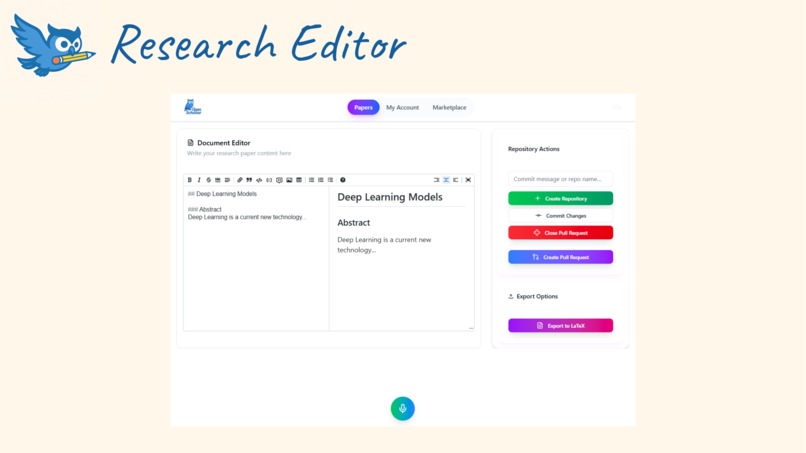
Web Interface
-
Marketplace
-
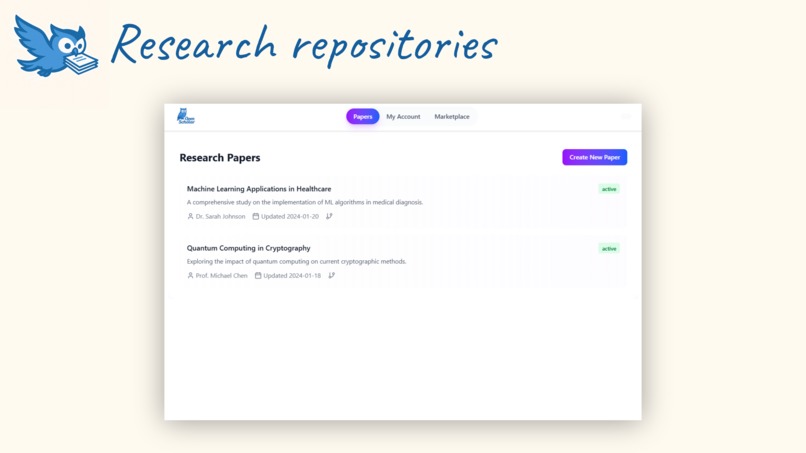
Repos
-
-

Agent
-
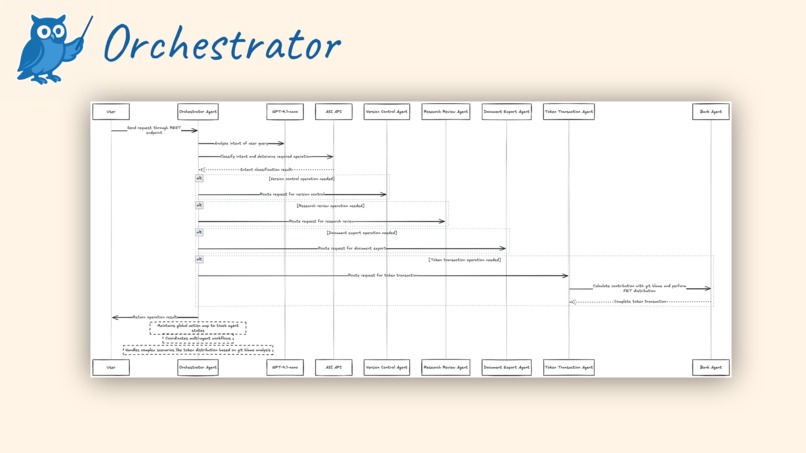
Orchestrator
-
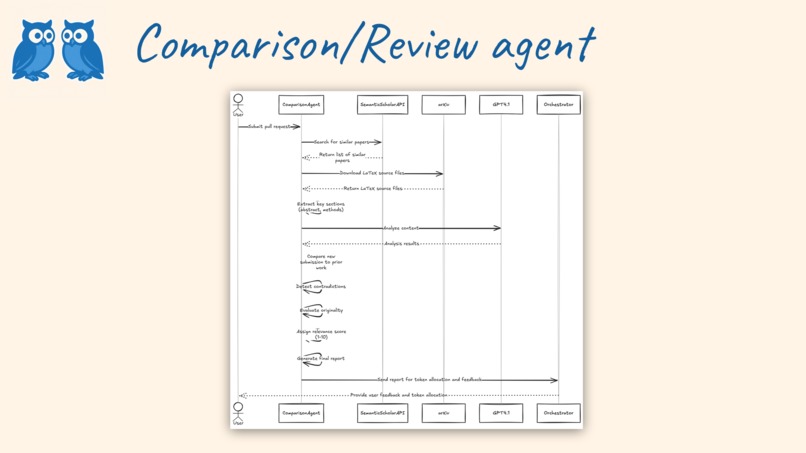
Comparison Agent
-
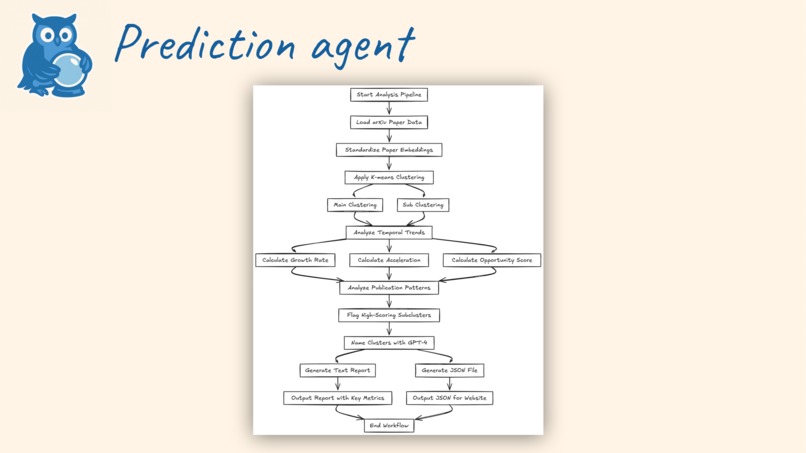
Prediction Agent


OpenScholar - Democratizing Independent Research Through Web3
Inspiration
The current research landscape presents significant barriers for aspiring researchers and small-to-medium companies alike. Many talented students and independent researchers want to contribute to meaningful research but face two major obstacles: university research labs are highly competitive and difficult to access, and independent researchers lack the necessary funding to pursue their work. Meanwhile, smaller companies need quality research but can't afford the high costs of traditional research institutions or consulting firms.
We were inspired to create a solution that bridges this gap - connecting passionate researchers with companies that need their expertise while removing traditional gatekeepers and bias from the funding process.
What it does
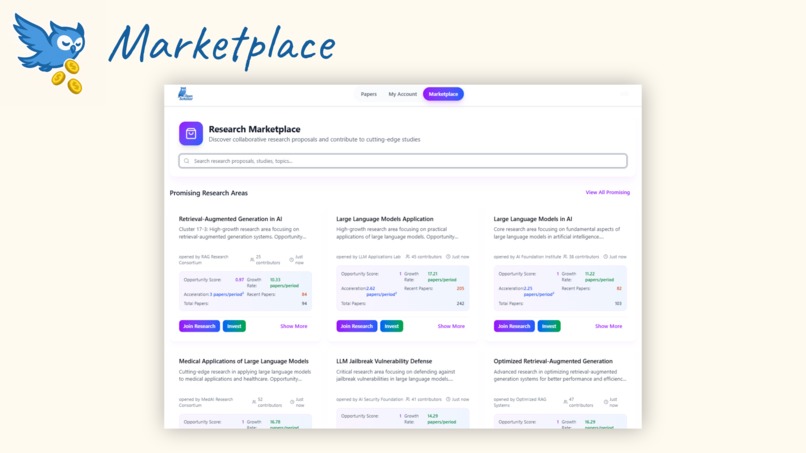
OpenScholar is a decentralized Web3 application that revolutionizes how independent research is conducted and funded. The platform creates a marketplace where:
- Companies can post research bounties on specific topics they need explored
- Independent researchers can discover and work on these research opportunities
- AI-powered review systems eliminate human bias in funding decisions
- Blockchain technology ensures transparent, immediate compensation
Key features include:
- Research bounty marketplace with FET token rewards
- AI-powered peer review system that evaluates research contributions objectively
- Pull request-based workflow for research collaboration
- Instant blockchain-based payments for completed work
- Company dashboard for managing research topics and closing bounties when satisfied
How we built it
OpenScholar leverages multiple cutting-edge technologies from the Fetch.AI ecosystem:
Core Infrastructure:
- AgentVerse: Powers our multi-agent system architecture
- ASL:One Wallet: Handles secure FET token transactions
- ASL:One LLM: Provides AI capabilities for research review and analysis
Multi-Agent System:
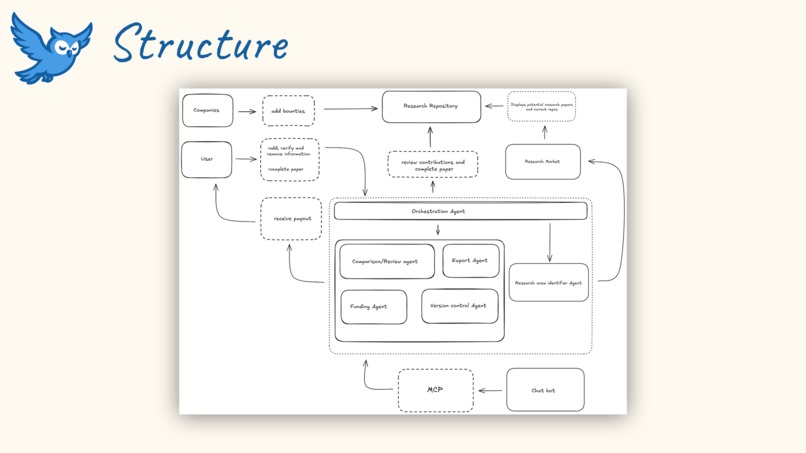
- Transacter Agent: Manages all blockchain transactions and FET token distributions
- Comparison Agent: Analyzes and compares research contributions for quality assessment
- GitHub Agent: Integrates with version control for research collaboration and pull request management
- Orchestrator Agent: Coordinates workflow between all agents and manages the research lifecycle
- Exporter Agent: Formats and delivers final research outputs to companies
Technical Stack:
- Web3 integration for decentralized functionality
- Smart contracts for automated bounty and payment management
- RESTful APIs connecting the frontend to our agent ecosystem
- Modern web technologies for an intuitive user interface
Challenges we ran into
Agent Coordination Complexity: Designing a multi-agent system where five different agents work seamlessly together required extensive planning and debugging. Ensuring proper communication protocols and error handling between agents was particularly challenging.
Blockchain Integration: Implementing reliable FET token transactions while maintaining user experience required careful balance between security and usability. We had to handle various edge cases in blockchain interactions.
AI Review Accuracy: Training our AI review system to evaluate research quality objectively without human bias while maintaining academic standards required extensive testing and refinement.
Research Workflow Adaptation: Translating traditional academic research processes into a pull request-based system required rethinking how research collaboration works in a decentralized environment.
Accomplishments that we're proud of
- Successfully integrated multiple Fetch.AI technologies into a cohesive platform
- Created an unbiased AI review system that can evaluate research contributions fairly
- Built a working multi-agent architecture where five specialized agents collaborate effectively
- Developed a novel research incentive model that rewards incremental contributions through blockchain technology
- Designed an intuitive interface that makes Web3 research accessible to non-technical users
- Established a sustainable economic model where companies get quality research and researchers get fair compensation
What we learned
Multi-Agent Systems are Powerful: We discovered how specialized agents working together can handle complex workflows more effectively than monolithic systems. Each agent focusing on its specific domain created better overall performance.
Blockchain Incentives Drive Behavior: Implementing immediate FET token rewards for research contributions created strong motivation for quality work, demonstrating the power of properly aligned economic incentives.
AI Can Reduce Bias in Academia: Our AI review system showed promising results in evaluating research objectively, potentially addressing long-standing issues of bias in academic funding and peer review.
Web3 Accessibility Matters: We learned the importance of abstracting blockchain complexity from end users while maintaining the benefits of decentralization.
Research Democratization is Needed: Through user feedback, we confirmed there's significant demand for alternative research funding mechanisms outside traditional academic institutions.
OpenScholar represents the future of research funding - democratized, decentralized, and driven by merit rather than institutional access. We're excited to continue building this platform and transforming how research gets done.
Built With
- arxiv
- asi
- claude
- fetch
- semantic-scholar
- typescript


Log in or sign up for Devpost to join the conversation.