-
-

Title
-
App Design/Idea
-
Our Simulation Using Raspberry Pi
-
Model Scores


Inspiration:
At Park-EZ, we believe accessibility should never be a guessing game. The inspiration behind our project stems from recognizing the everyday challenges faced by disabled drivers when finding parking spaces, especially in busy areas like hospitals or garages. With ParkHub’s innovative solutions in mind, we decided to take on the challenge of using computer vision to detect accessible vehicles, while also building a platform that streamlines the parking experience for disabled users.
What it does:
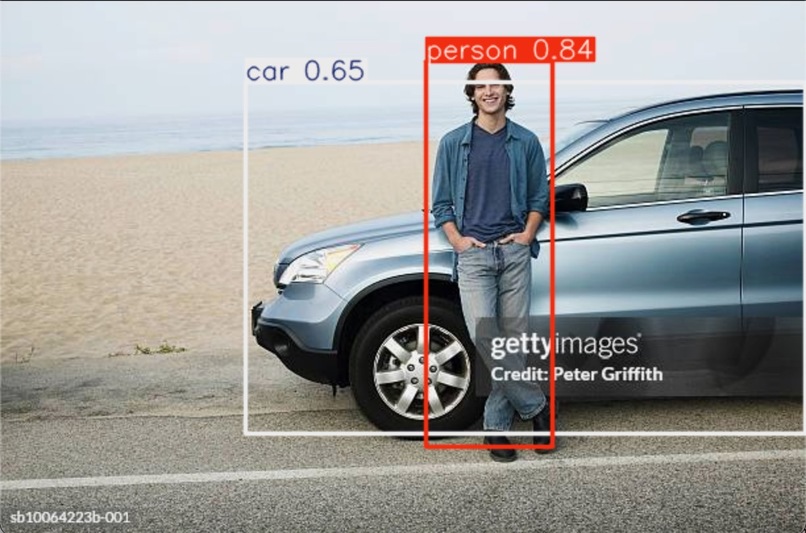
Park-EZ creates an algorithm capable of detecting the International Symbol of Access (ISA) on license plates or windows in video streams, ensuring the detection is fast, lightweight, and accurate. Using open datasets, our algorithm outputs bounding boxes around detected symbols, with corresponding confidence scores, ensuring quick real-time processing without dropped frames at 30fps.
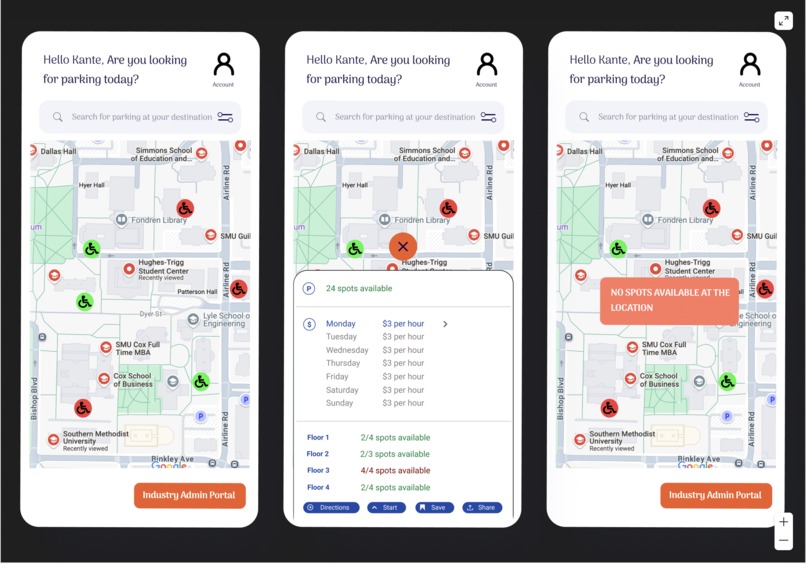
In addition to the detection algorithm, we took this solution one step further by creating an accessible platform. This platform allows disabled users to check the availability of accessible parking spots in real-time, saving time and reducing stress, especially in multi-level garages or large areas like hospital parking lots. The platform integrates seamlessly with ParkHub’s existing technology, giving users a smoother and more user-friendly experience.
How we built it:
- Algorithm: We used open computer vision datasets to train our model for detecting ISA symbols on vehicles. The model processes a video stream in real-time, identifying handicapped tags on license plates and windows, with output bounding boxes and confidence scores.
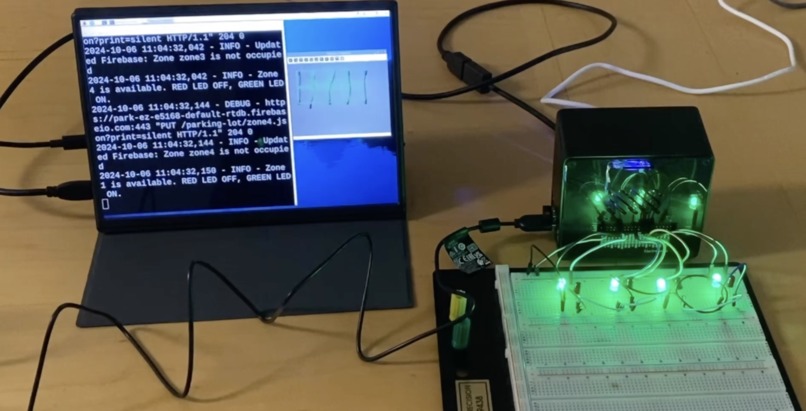
- Simulation: To demonstrate this in action, we also built a simulation using a Raspberry Pi 5, connected to LEDs that indicate parking spot availability. A web dashboard allows users to monitor real-time availability, providing an intuitive and easy-to-navigate interface.
- Web Platform: Our accessible platform is designed for disabled users to check parking spot availability remotely, giving them a convenient way to plan their trips and ensuring they spend less time navigating parking lots.
Challenges we ran into:
The biggest challenge was ensuring that our algorithm could process video streams fast enough to maintain 30fps without dropping frames, while also achieving high accuracy in detecting the ISA symbol. Another challenge was seamlessly integrating the Raspberry Pi-based simulation into the web platform and ensuring the dashboard accurately reflects real-time parking availability.
Accomplishments that we’re proud of:
- Achieving real-time detection with a processing speed under 33ms per frame.
- Building a user-friendly platform that has the potential to make parking more accessible for disabled individuals.
- Creating a small-scale simulation with Raspberry Pi 5, demonstrating our concept in action.
What’s next for Park-EZ:
We see enormous potential for Park-EZ beyond this hackathon. Our vision is to further refine the platform, allowing users to reserve spots in advance or get notifications when accessible parking becomes available in their vicinity. Integrating additional features like predictive spot availability using machine learning models could further enhance the user experience. We also plan to extend our simulation to a real-world deployment in collaboration with parking facilities.




Log in or sign up for Devpost to join the conversation.