-
-

Logo
-

Russian Babushka
-
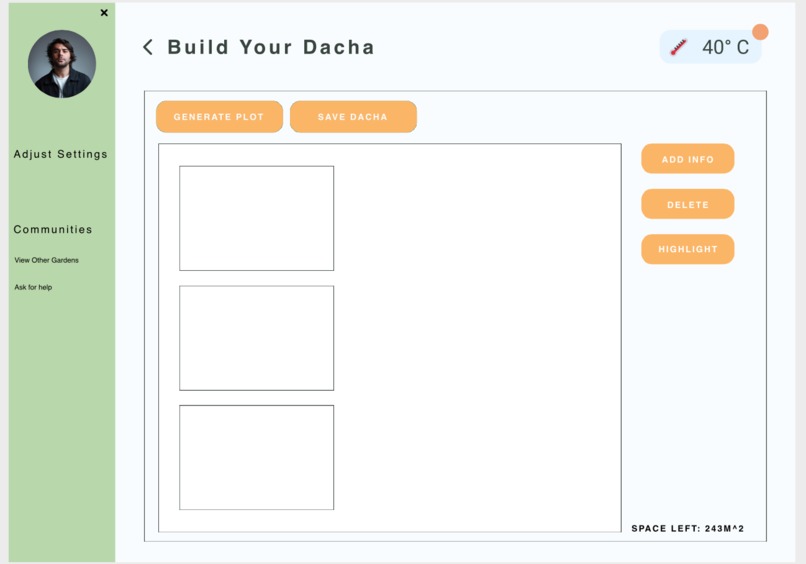
Design Template 1
-
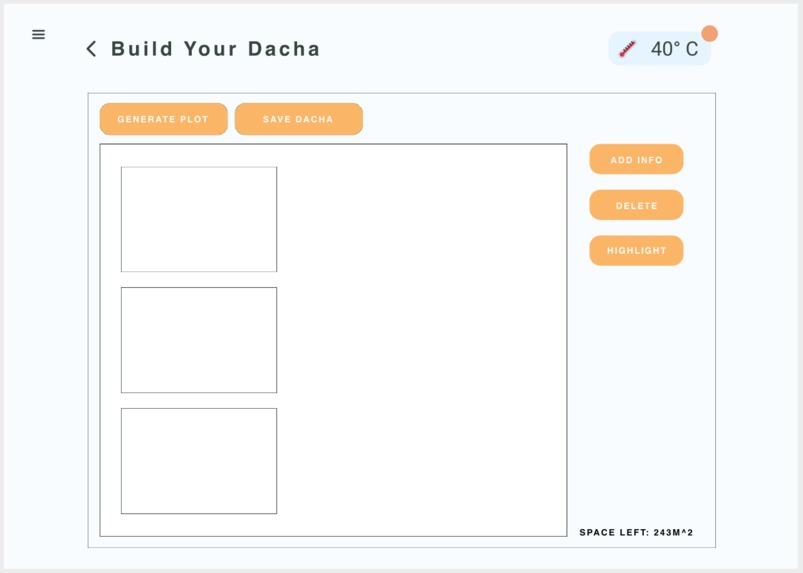
Design Temlate 2
-
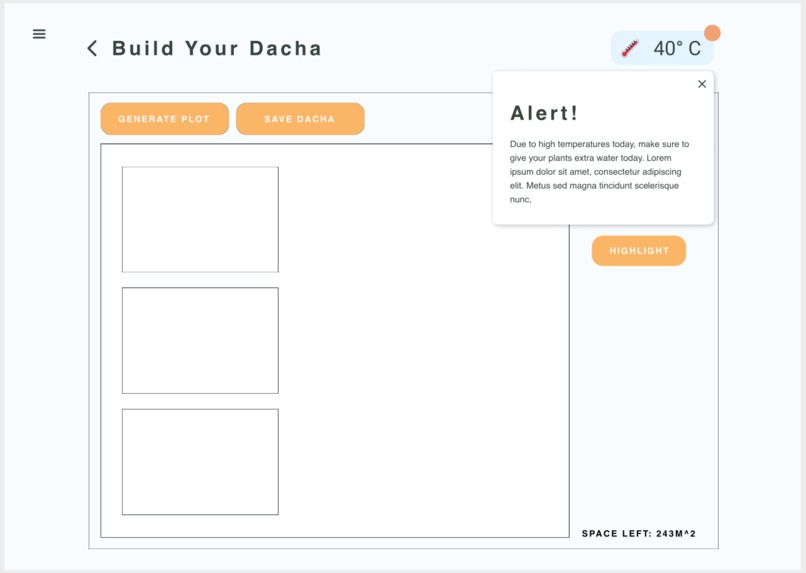
Design Template 3


Inspiration
A dacha is a seasonal or year-round second home, often located in the exurbs of Russian-speaking and other post-Soviet countries. Dacha’s are a community: this is the place where the retired people find the hobby of their life such as gardening and farming. According to official government statistics in 2000, over 35 million families (approximately 105 million people or 71% of the population) were engaged in dacha gardening. These dachas grow an astounding 50% by value of the food eaten by Russians. Despite their significant contribution to the national food economy, the majority of dachas mostly function outside of the cash economy, as most dacha gardeners prefer to first share their surplus with relatives and friends after saving enough to feed them through the winter, and only then look at selling what remains. Dachas have been given out to families in the early 1960s that are passed down to multiple generations. It is difficult for younger users to “buy” dachas. Also, schools are unavailable where there are dachas. Therefore, our target audience are older users who are retired and families using dachas as “summer homes.” Dacha gardens help create communities and connections with land, nature, and traditions within Russia. People will share excess food out of a sense of abundance, positively sharing among the community. However, it is difficult for users to effectively plan their dachas with love and care without a centralized platform that can quickly iterate what their dacha will grow and look like. Also, it is difficult for families to know what will happen to their gardens when they are away for the season.
What it does
“plant.dacha” provides a platform where users can easily gather information on their planted crops, accurately visualize their dachas (gardens), and monitor changes to their gardens. Additionally, users can connect with other gardeners and share their experiences and advice on how to efficiently garden, adding a social factor.
How we built it
Challenges we ran into
We ran into the challenge of doing everything in time. The project became really ambitious, but the time was limited.
Accomplishments that we're proud of
We are proud of working in a team and of our design templates as well as a working prototype.
What's next for plant.dacha
We plan to continue working with pro Daha, we want to add registration as well as authentification for the users. And of course, deploy, so the general public can make use of it.


Log in or sign up for Devpost to join the conversation.