-
-
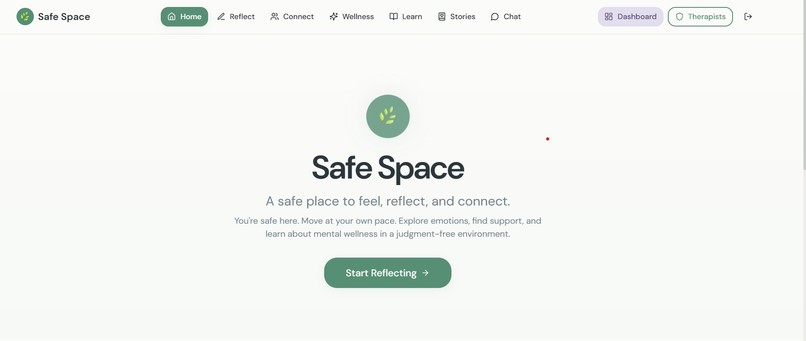
Landing Page
-
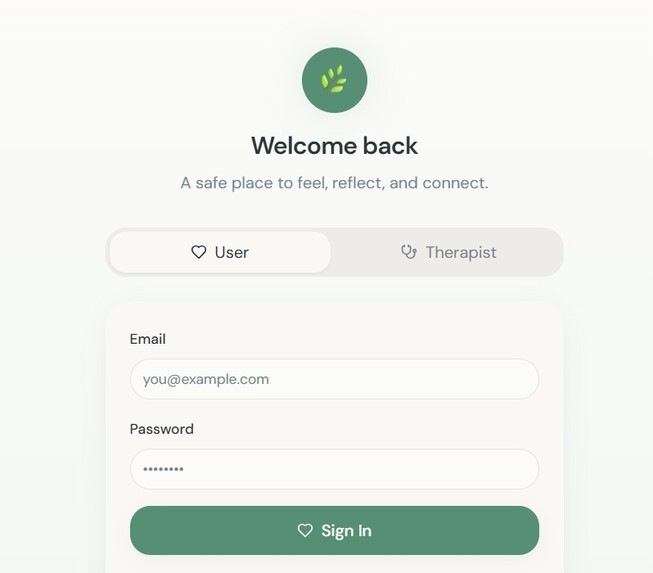
Sign in Page
-
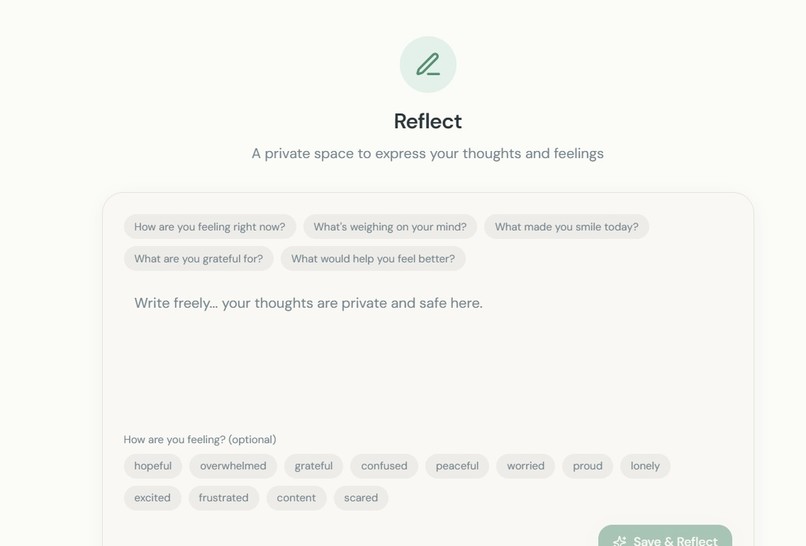
Reflect
-
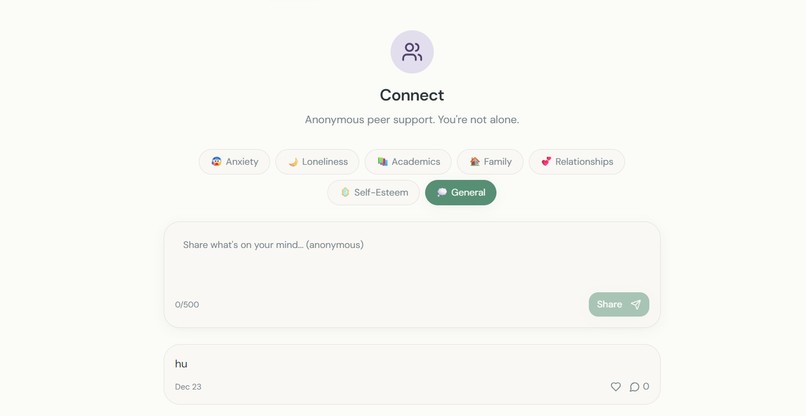
Connect
-
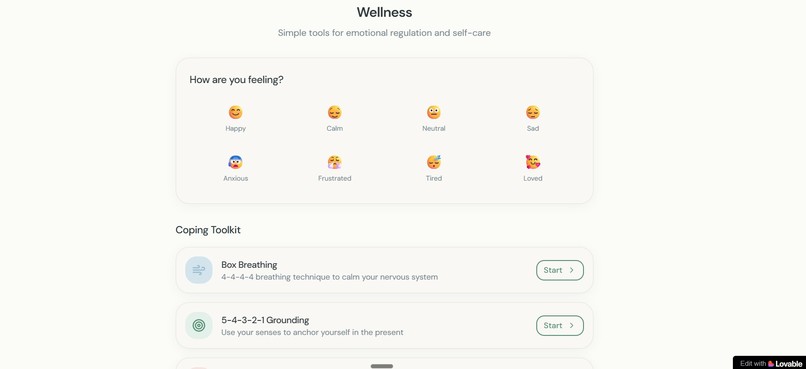
Wellness
-
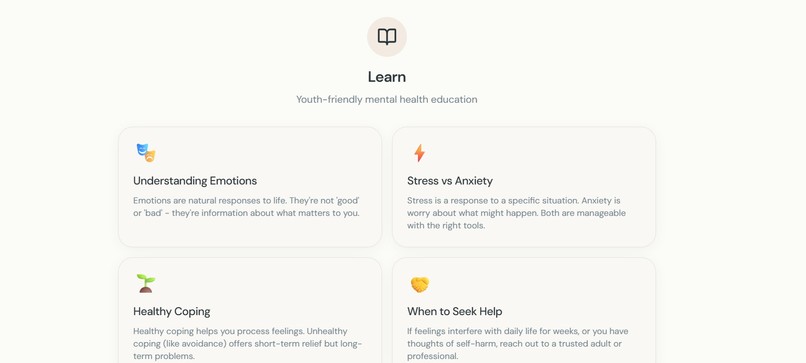
Learn
-
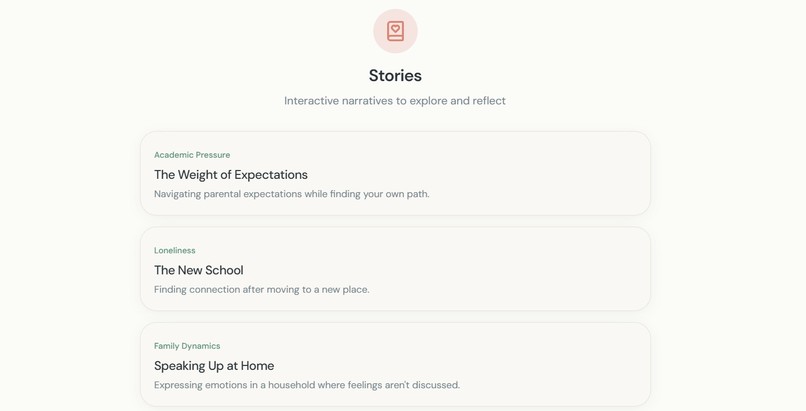
Stories
-
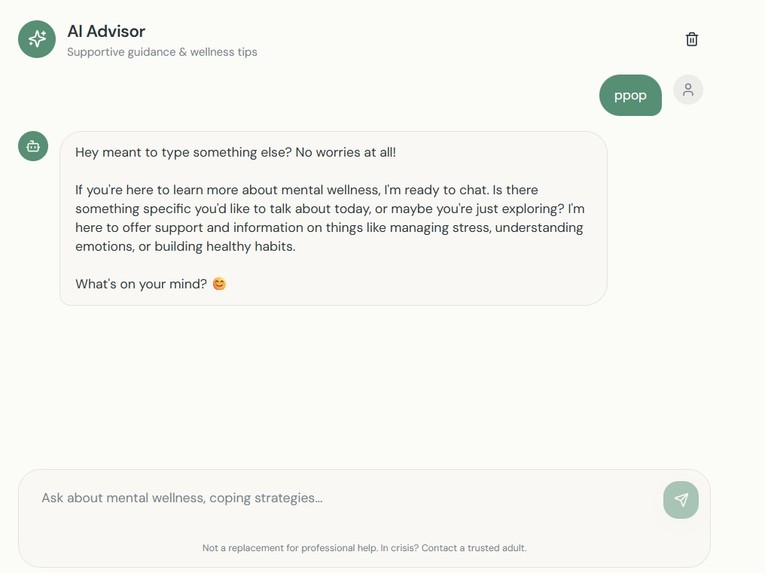
AI assisstant
-
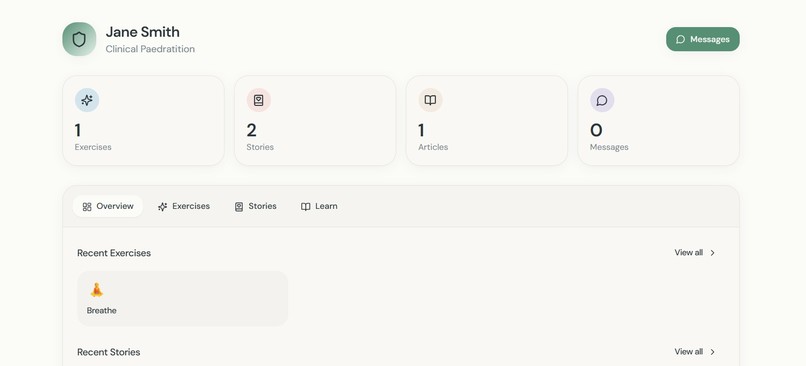
Therapist dashboard
-
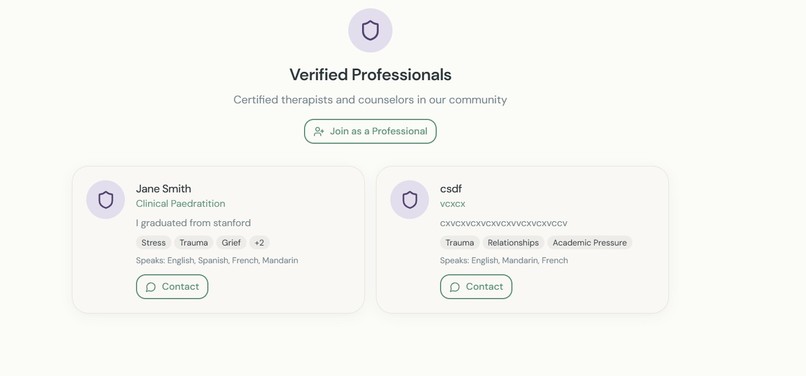
Therapist page
-
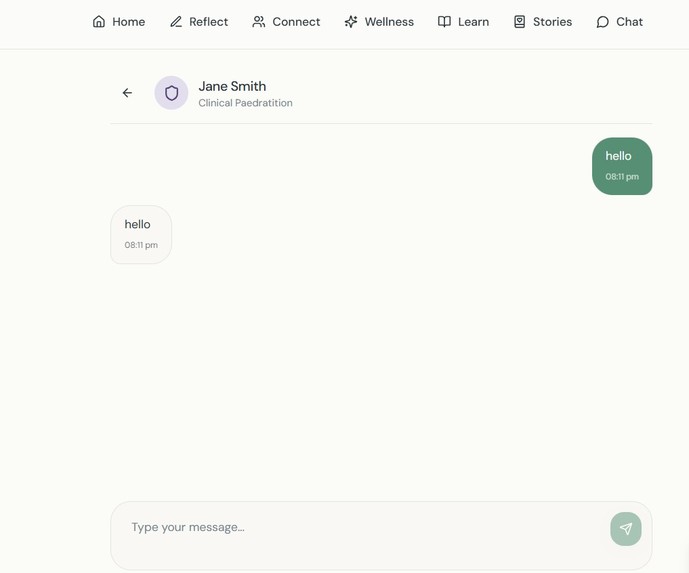
User chat with therapist


Inspiration
Safe Space was inspired by the growing mental health challenges faced by young people, especially adolescents and young adults who often feel unheard, judged, or unsafe expressing their emotions. Many existing mental health platforms feel clinical, overwhelming, or inaccessible, and there is a strong stigma around seeking help, particularly in peer and family environments. I wanted to create a digital space that feels calm, human, and emotionally safe — a place where users can slow down, reflect, connect, and learn without fear of judgment or exposure. The inspiration was to build a platform that prioritizes emotional safety over engagement metrics, anonymity over visibility, and empathy over diagnosis, while still allowing access to real, certified mental health professionals when needed.
What it does
Safe Space is a web-based mental health and emotional wellness platform designed to support users through reflection, peer connection, learning, and guided support. The platform includes multiple thoughtfully designed sections such as Reflect, where users can privately journal their thoughts, emotions, gratitude, and daily reflections in a completely personal and safe environment. The Connect section allows anonymous peer-to-peer sharing around themes like anxiety, loneliness, academics, family, relationships, and self-esteem, helping users realize they are not alone.
Safe Space also features a Wellness section with simple emotional check-ins and self-regulation tools that help users identify how they are feeling in the moment. The Learn section offers educational content, exercises, and resources around mental health, emotional awareness, and self-care, while the Stories section provides interactive and relatable narratives that help users learn through lived experiences.
A key feature of Safe Space is the AI Mental Health Advisor, which provides supportive, non-diagnostic guidance and suggestions in a gentle, conversational way. In addition, Safe Space includes a dedicated Therapist Login, allowing verified therapists and doctors to join the platform, interact in a certified capacity, contribute content, and support users through anonymous chat — all while maintaining user privacy and safety. (Posting stories for therapist is private but the articles and exercises are public)
How I built it
Safe Space was built using Lovable, which enabled me to rapidly design, iterate, and refine both the user experience and functional flows of the platform. Lovable allowed me to focus deeply on emotional design, accessibility, and clarity while building complex features such as anonymous posting, role-based logins, therapist dashboards, and AI-assisted guidance.
I structured the platform with a clear separation between user experiences and therapist experiences. Users interact anonymously across reflection, connection, wellness, and learning spaces, while therapists access a dedicated dashboard where they can manage interactions, view engagement insights, respond in certified roles, and create educational content. The system was designed to ensure privacy, safety, and smooth navigation while maintaining a calming visual and emotional tone throughout the platform.
Challenges I ran into
During development, I encountered several technical and design challenges, particularly related to user-facing errors, authentication flows, and role-based access control. Managing anonymity while still enabling therapist verification and secure chat required careful logic and extensive testing. I also faced challenges in handling interface states, navigation consistency across sections, and ensuring that all features worked smoothly without overwhelming the user.
Balancing AI support with ethical responsibility was another major challenge. I had to ensure that the AI mental health advisor remained supportive, non-judgmental, and non-diagnostic at all times. Through trial, error, and iteration, I resolved these issues by debugging extensively, refining flows, and continuously improving both the technical stability and emotional clarity of the platform.
Accomplishments I’m proud of
I am especially proud of building a holistic, end-to-end mental health platform that combines reflection, peer support, professional involvement, AI guidance, and learning in one cohesive experience. Creating a fully anonymous environment while still allowing certified therapists to participate meaningfully is a significant accomplishment.
The therapist dashboard stands out as a major achievement, enabling professionals to manage their presence, contribute educational content, create exercises for the Learn section, and support users effectively. I am also proud of the clean, calming UI, the emotionally sensitive prompts, and the seamless flow between sections such as Reflect, Connect, Wellness, Learn, Stories, and Chat. Most importantly, I created a space that genuinely feels safe, intentional, and human-centered.
What I learned
Through building Safe Space, I learned that mental health technology requires far more than functional correctness — it demands emotional intelligence, ethical responsibility, and thoughtful design. I learned how crucial anonymity is for encouraging honest expression, and how even small design choices can significantly impact user comfort.
I also gained valuable experience in handling errors, refining UX through iteration, and designing systems for multiple user roles. Working with AI in a mental health context taught me the importance of boundaries, tone, and transparency. Overall, this project helped me understand how technology can be used not just to solve problems, but to create emotionally supportive experiences.
What’s next for Safe Space
The future of Safe Space includes expanding therapist onboarding and verification, enhancing the therapist dashboard with deeper insights and moderation tools, and growing the Learn section with more interactive exercises, workshops, and guided programs created by professionals. I plan to improve the AI mental health advisor by making it more context-aware while maintaining ethical safeguards.
Additional goals include better personalization of content, improved accessibility, mobile optimization, and community moderation tools that further enhance safety. Ultimately, Safe Space aims to grow into a trusted, inclusive digital sanctuary where young people can feel supported, learn emotional skills, and access help — all at their own pace, in their own way.
Built With
- css
- lovable
- plpgsql
- supabase
- typescript


Log in or sign up for Devpost to join the conversation.