-
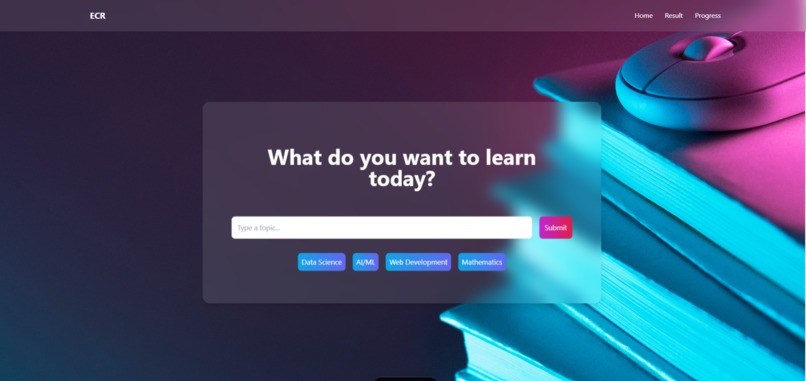
Landing page
-
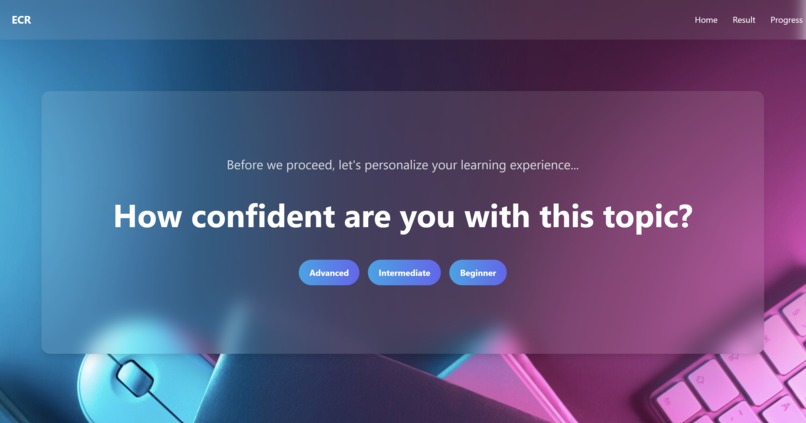
Pop-up personalized quiz
-
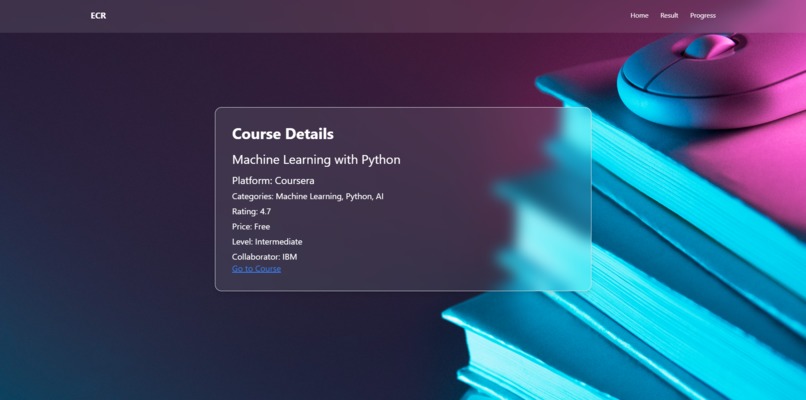
Returning the data to user
-
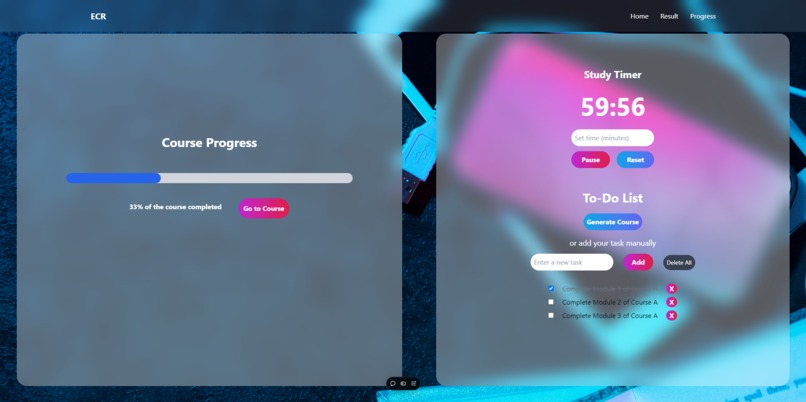
Tracking progress page


Inspiration
We’re passionate about free learning and believe education should be accessible for everyone. While there are plenty of free resources online, they’re scattered across different platforms, making it hard to track progress and stay motivated. Therefore, We built Courseeker to centralize these resources, making learning easier to access and track, all in one place.
What it does
Courseeker offers personalized course recommendations based on a quiz and tracks users' progress with a timer and to-do list. Users can see all their learning in one place, making self-learning more organized and disciplined.
How we built it
Since we’re sophomores and not very familiar with Node.js, we chose Python Flask for the backend. The tech stack includes: Frontend: React.js Backend: Python Flask Database: MongoDB Atlas for storing courses and user progress. Building both the frontend and backend was a learning experience, as we had no prior experience with backend development
Challenges we ran into
We struggled with pulling APIs from Coursera since it requires a business account to deploy. Our team also had to navigate time zone differences, with one of us in the US and the other in Canada. Additionally, connecting the front-end and back-end was challenging since neither of us had experience in full-stack development before this project. We also don't have that much experience with hosting a web, so we have to host the backend ourself in order to see the data retrieve from database.
Accomplishments that we're proud of
We’re proud of successfully integrating MongoDB to store and retrieve course data. Even though it seems simple, this was a big achievement for us, especially considering we’ve never participated in a hackathon or taken courses in database management or web development before.
What we learned
We learned a lot about building both the frontend and backend of a web application from scratch, using React.js and Python Flask. We also became familiar with GitHub for code collaboration and learned to apply the basics of Agile methodology. Learning to control data flow in Flask and setting up a functional MongoDB database were particularly eye-opening.
What's next for Courseeker
In the future, we plan to integrate APIs from platforms like Khan Academy and develop a semantic AI to scrape recommendations from social media. We’ll also focus on improving the user experience and enhancing the progress tracking system.


Log in or sign up for Devpost to join the conversation.