-
-

The circle highlight feature that users can use and ask the AI teacher whatever questions they want.
-
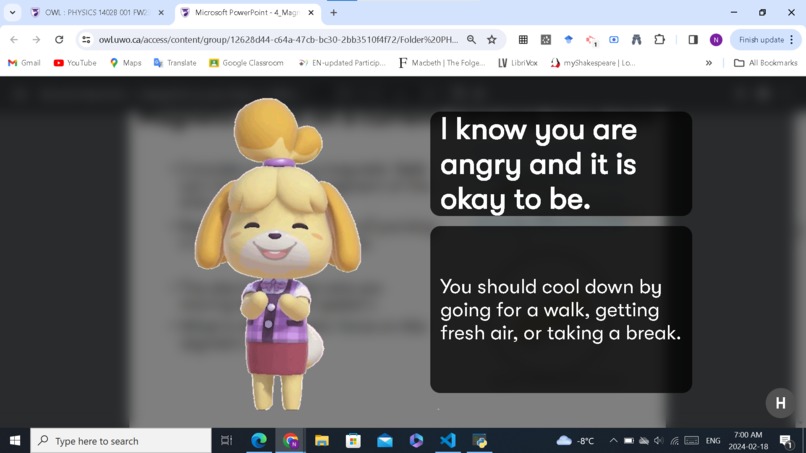
The Nanny popup after it detected a lot of the anger emotion in the user.
-
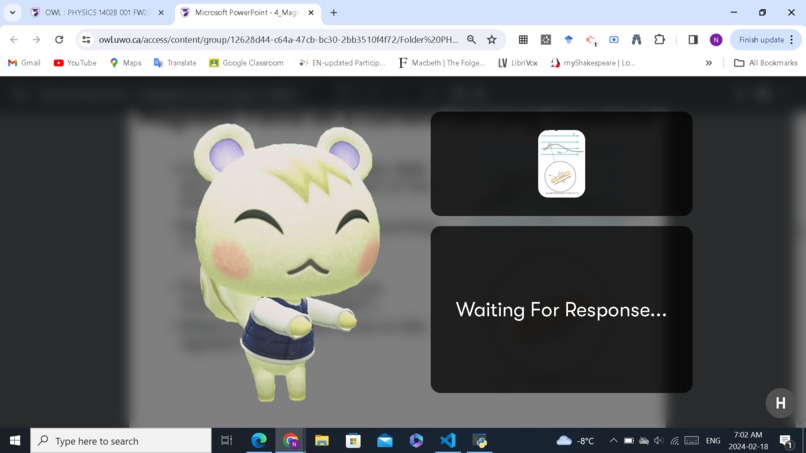
How the popup looks like after entering the prompt to the teacher.
-
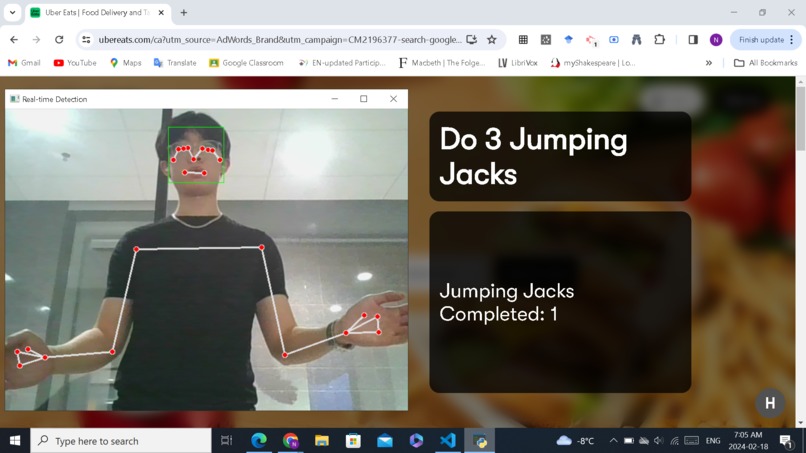
How the extension can detect if the workout is being done through mediapipe.
-
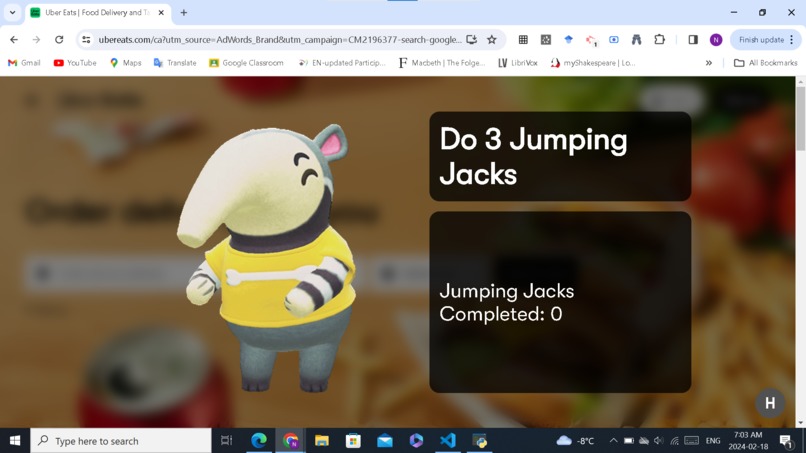
The popup of the coach to do 3 jumping jacks since the user went on Uber Eats.
-
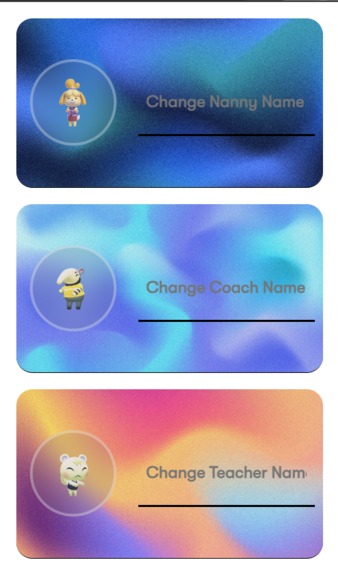
The extension popup menu that takes in names for the nanny, coach, and teacher


Inspiration
The inspiration for the Sherpas project emerged at the intersection of two compelling hackathon themes: "Socially Responsible Platforms" and "Learning Reimagined." In an era where digital platforms profoundly shape our daily lives, Sherpas aims to harness the ethical potential of AI, big data, and digital innovation to foster individual wellbeing. Recognizing the growing influence and responsibility of tech in societal development, Sherpas is designed as a beacon of responsible technology, offering a harmonized solution that addresses mental health, physical wellness, and educational growth.
Simultaneously, the project taps into the "Learning Reimagined" theme by acknowledging the evolving landscape of education. In a world brimming with distractions and the diminishing relevance of traditional educational frameworks, Sherpas introduces a novel approach to learning. By integrating AI-driven tutoring, emotional recognition for enhanced focus, and digital coaching for physical health, Sherpas offers a personalized, interactive, and accessible learning experience. It embodies the gamification of education, making learning not just an obligation but a journey of holistic self-improvement and discovery. Sherpas is not merely a tool but a companion in the digital age, guiding users through the challenges of modern life with a comprehensive support system tailored to their needs.
What it does
Sherpas is a pioneering Chrome extension designed to be your personal guide to wellness and learning in the digital age. With its trio of digital personas—Teacher, Coach, and Nanny—Sherpas offers a comprehensive approach to personal development and well-being.
Teacher Persona: Transforms learning by reading notes directly from your camera, using AI to provide clear explanations, and even highlighting or circling content on your screen for in-depth analysis.
Coach Persona: Keeps you physically active with hourly workout prompts, choosing from a variety of exercises like squats, pushups, jumping jacks, and bicep curls. It encourages healthy habits by suggesting physical activity whenever you visit "blacklisted" sites known to impact health negatively.
Nanny Persona: Offers emotional support tailored to your current mood. It detects when you're sad to tell a joke, offers suggestions when you're angry, and provides encouragement when you're happy. Additionally, Nanny helps maintain your focus by steering you away from banned sites, ensuring you stay on track with your work.
Sherpas embodies the spirit of its namesake, guiding users through the challenges of modern digital life with a blend of education, physical wellness, and emotional support.
How we built it
The development of Sherpa, a comprehensive wellness and learning Chrome extension, harnessed a blend of cutting-edge technologies and programming languages to bring its innovative features to life. At its core, Sherpa utilizes MediaPipe for advanced body and facial recognition, enabling it to track users' emotions for tailored emotional support and monitor physical activities for workout tracking. The extension is built on the Chrome platform, leveraging various APIs, including speech-to-text, to enhance interactivity and user engagement. Python serves as the backbone for complex background logic, while Flask is employed to manage server-side operations and maintain the state of variables efficiently.
For data management, including storing user preferences for blocked websites, Firebase offers a robust and scalable database solution, ensuring a personalized and secure user experience. The user interface is meticulously styled with CSS, providing an aesthetically pleasing and intuitive design that enhances user interaction. The structure of the extension is laid out in HTML, creating a solid foundation for the web content. Finally, JavaScript ties all these components together, facilitating dynamic content updates, handling user interactions, and integrating the backend services seamlessly with the frontend.
Together, these technologies empower Sherpa to act as a virtual guide, helping users navigate the complexities of digital life by promoting emotional well-being, physical health, and educational growth.
Challenges we ran into
One significant challenge we encountered during the development of Sherpa was envisioning and determining the final product's appearance and functionality. The integration of diverse technologies—such as MediaPipe for body and facial recognition, Chrome extensions for deploying our service directly into the user’s browser, and various APIs for features like speech-to-text—presented a complex puzzle. We needed to ensure a seamless user experience while harnessing Python for our core logic, Flask for managing server-side operations, Firebase for user-customizable settings like blocked websites, and HTML/CSS for the user interface. Balancing these components' technical demands with our vision for an intuitive, helpful, and visually appealing tool was a formidable task. It required iterative design and testing phases, constant team collaboration, and feedback incorporation to refine Sherpa into the engaging wellness companion we envisioned.
Accomplishments that we're proud of
Developing Sherpa has been a journey filled with numerous accomplishments that our team takes great pride in. Here are some of the key achievements that stand out:
Integration of MediaPipe: Successfully integrating MediaPipe for real-time body and facial recognition was a technical milestone. This allowed us to offer features like emotion detection and workout tracking, setting Sherpa apart from conventional wellness tools.
Creating a Responsive Chrome Extension: Developing Sherpa as a Chrome extension enabled us to embed our solution directly into the user's digital life. Achieving this seamless integration, where users can access Sherpa's functionalities without leaving their browser, was a proud moment for the team.
Utilizing Advanced APIs: Implementing advanced API features, such as speech-to-text, was another accomplishment. This not only enhanced user interaction but also made Sherpa more accessible and user-friendly, catering to a wider audience.
Employing Python and Flask: Leveraging Python for the backbone of our logic and Flask for server-side operations allowed us to build a robust and scalable platform. This combination ensured that Sherpa could handle complex functionalities, such as managing variable states and processing user requests efficiently.
Firebase Integration: Integrating Firebase to allow users to set and manage blocked websites was crucial for the nanny feature of Sherpa. This accomplishment enabled personalized user experiences, fostering healthier digital habits.
Styling with CSS: We take pride in the aesthetic and functional design of Sherpa, achieved through meticulous CSS styling. Creating an intuitive and engaging interface that users find pleasure in interacting with was a significant achievement.
Cross-functional Team Collaboration: Perhaps our greatest accomplishment was the synergy of our cross-functional team. Combining expertise in different areas, from frontend to backend development, and overcoming the challenges of integrating various technologies, showcased our team's dedication and capability.
Each of these accomplishments reflects our commitment to innovation, user-centric design, and the goal of fostering well-being through technology. Sherpa is not just a product of our technical skills but also of our vision to make a positive impact on individuals' daily lives.
What we learned
Developing Sherpa was a rich learning experience for our team, encompassing both technical skills and insights into the process of creating a user-centric digital tool. Here's what we learned:
The Power of Integration: Combining various technologies like MediaPipe, Chrome Extensions, Python, Firebase, and Flask taught us the importance and challenge of creating a seamless integration across different platforms and tools. It highlighted the necessity of a deep understanding of each technology and how they can work together to create a cohesive product.
User Experience is Key: Focusing on the user interface and experience, we learned that functionality alone isn't enough. The way users interact with Sherpa, from the simplicity of the UI to the intuitiveness of the features, plays a crucial role in its success. This emphasized the importance of design thinking and user feedback in the development process.
Adapting to User Needs: Implementing features like emotion detection, workout prompts, and blocked websites allowed us to understand the diverse needs and preferences of our users. It taught us the value of adaptability and personalized experiences in creating technology that truly benefits its users.
The Challenges of AI Implementation: Working with AI technologies such as facial and emotion recognition and speech-to-text APIs was both exciting and challenging. It gave us firsthand experience in the complexities of training models, ensuring accuracy, and integrating AI in a way that enhances, rather than complicates, the user experience.
Importance of Privacy and Security: Handling sensitive data, especially with features like emotion detection and website blocking, underscored the importance of implementing robust privacy and security measures. We learned the significance of designing with privacy in mind, ensuring user data is protected and securely managed.
Teamwork and Collaboration: The development of Sherpa reinforced the value of teamwork, clear communication, and collaboration. Bringing together individuals with different skills and perspectives was crucial in overcoming challenges and innovating solutions.
Iterative Development and Feedback: Finally, Sherpa's development process taught us the importance of iterative design and incorporating user feedback. Launching with a minimum viable product (MVP) and then refining based on real-world use was invaluable for making meaningful improvements.
Overall, developing Sherpa was as much about learning and growth as it was about creating a product. The lessons we learned extend beyond the technical realm, providing insights into the collaborative, user-focused approach necessary for developing meaningful digital solutions.
What's next for Sherpas
The development of Sherpa has set a solid foundation for its evolution, with the future roadmap aiming to expand its capabilities and reach. Building upon the hackathon themes of "Socially Responsible Platforms" and "Learning Reimagined," here are several features and directions that could shape the next phase of Sherpa:
** 1. Enhanced Personalization through Machine Learning ** Leverage machine learning algorithms to analyze user behavior and preferences more deeply, enabling Sherpa to offer more personalized suggestions for learning content, emotional support, and physical activities. This could include adaptive learning paths that adjust to the user's progress and interests.
** 2. Broader Educational Content ** Expand the educational aspect by incorporating a wider range of subjects and skills, especially focusing on sustainable living, digital literacy, and social responsibility. Partner with educational content creators to offer exclusive materials that promote critical thinking and global awareness.
** 3. Community Features** Introduce social features that allow users to connect with peers who have similar learning goals or wellness interests. This could include study groups, fitness challenges, and emotional support circles, fostering a sense of community and shared progress.
** 4. Gamification and Rewards** Implement a gamification framework that motivates users through achievements, badges, and even tangible rewards for reaching wellness and learning milestones. This could enhance engagement and provide additional incentives for users to stick with their goals.
** 5. Integration with Wearable Devices** Expand Sherpa's capabilities to integrate with wearable technology, such as fitness trackers and smartwatches, allowing for more accurate tracking of physical activities and offering real-time suggestions based on physiological data.
** 6. Advanced Emotional Support ** Develop more sophisticated AI-driven emotional support mechanisms, possibly incorporating natural language processing to better understand user moods and provide more nuanced responses. This could help in offering more effective coping strategies and personalized mental health support.
** 7. Offline Accessibility ** Enhance Sherpa's functionality to offer key features offline, ensuring users have access to educational content and wellness exercises even without an internet connection. This could be particularly beneficial for users in areas with unreliable internet access.
** 8. Data Privacy Enhancements ** Further strengthen Sherpa's commitment to user privacy by implementing blockchain or other secure technologies for data management, ensuring that users' information and activity records are kept confidential and secure.
9. Multilingual Support To reach a wider audience, adding multilingual support for Sherpa's content and interfaces could break down language barriers, making the platform accessible to non-English speakers worldwide.
** 10. Expansion to Other Platforms** Beyond a Chrome extension, developing versions of Sherpa for other browsers and even standalone apps for iOS and Android could significantly increase its user base.
By pursuing these directions, Sherpa can continue to innovate at the intersection of wellness, education, and social responsibility, staying true to the hackathon themes while evolving to meet the needs of a broader audience.




Log in or sign up for Devpost to join the conversation.