-
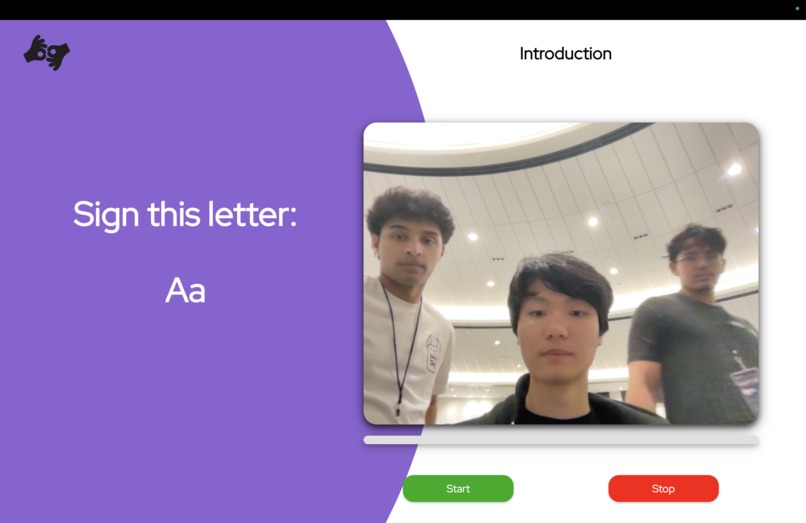
Character Page
-
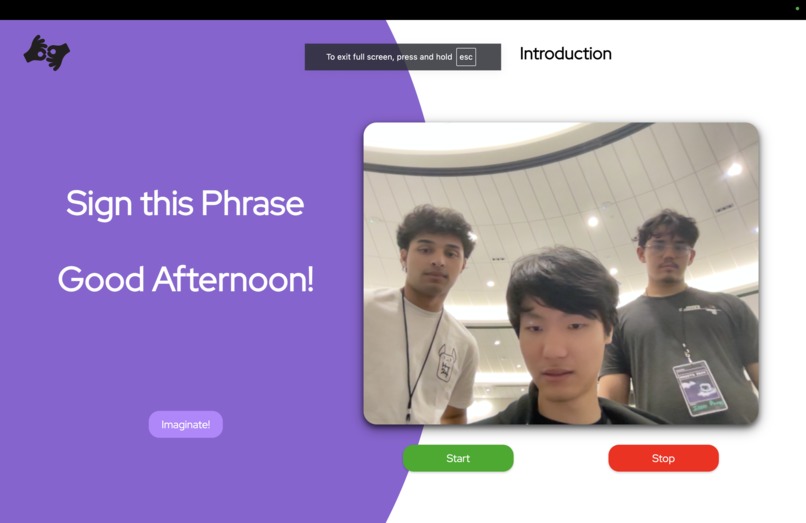
Phrase Page
-
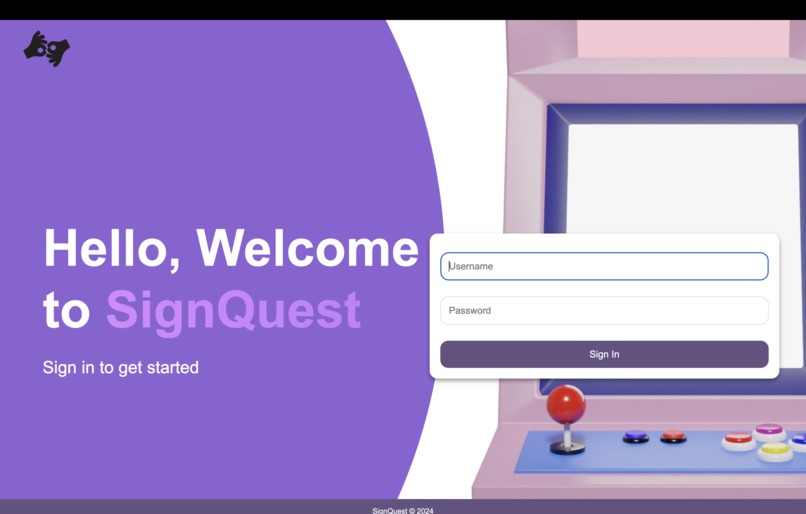
Intro page
-

SignQuest Logo
-
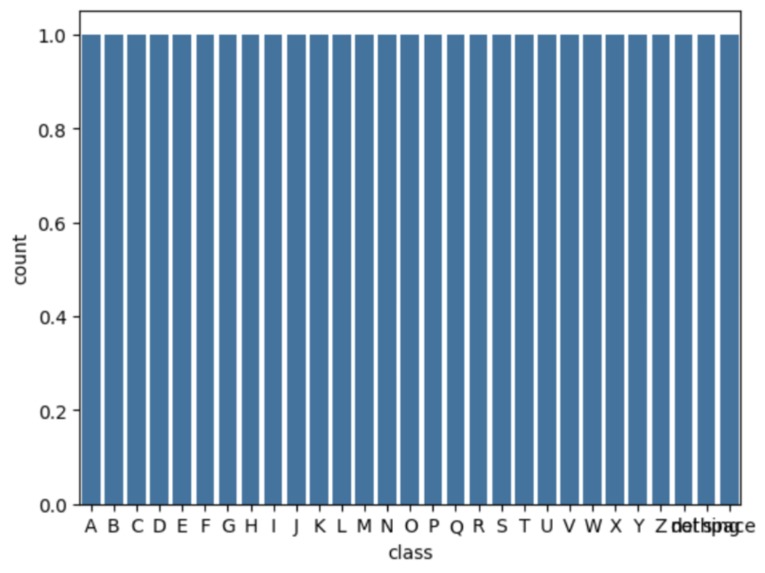
-


Inspiration
With over 34 million children worldwide affected by hearing loss or speaking disabilities, and approximately 1 in every 1,000 babies born with significant hearing impairment, early access to sign language is crucial. Studies show that deaf and hard-of-hearing children face significant communication barriers, often leading to social isolation and educational delays. SignQuest was created to bridge these gaps, making ASL learning accessible, engaging, and interactive. By empowering children with a tool that supports both learning and social connection, we aim to foster confidence, adaptation, and inclusion in their communities.
What it does
- SignQuest is a comprehensive ASL learning platform that supports:
- Real-time ASL recognition: Uses a camera to detect and translate ASL gestures, allowing children to practice and receive instant feedback.
- Personalized learning paths: Parents and teachers can monitor progress, set appropriate learning levels, and identify areas for improvement to guide children effectively through their ASL journey.
- Interactive games and rewards: Engaging games motivate children to practice ASL skills while earning rewards, making the learning process enjoyable.
- Progress tracking dashboard: Provides a detailed view of each child’s progress, strengths, and areas for growth, helping caregivers understand the child’s journey.
- Social skill development: Through role-play and conversation exercises, children practice real-life ASL interactions, fostering communication skills and building confidence for social settings.
- Support for families and educators: Resources and tips are available for families to help them engage with ASL learning alongside their children, creating a supportive, inclusive environment at home and school.
How we built it
- Frontend: Built with HTML, CSS, and JavaScript for a clean, user-friendly interface.
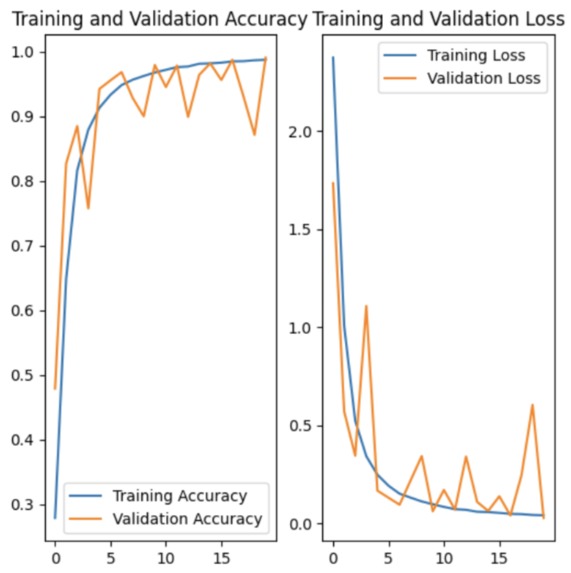
- ASL Recognition: Integrated using computer vision and machine learning models to detect hand signs and provide real-time feedback.
- Backend: Node.js for handling user progress, saving data, and providing analytics for families and teachers.
Challenges we ran into
- Implementing accurate ASL recognition with limited training data.
- Designing an interface that’s both intuitive for children and insightful for parents/teachers.
- Ensuring privacy and security with real-time camera-based recognition.
Accomplishments that we're proud of
- Successfully developed a real-time ASL recognition feature that is accurate and easy for children to use.
- Built a dynamic, accessible dashboard for parents and teachers to monitor progress and support the child’s learning path.
- Created an engaging learning experience through interactive games and rewards that encourage consistent practice.
What we learned
Developing SignQuest taught us a great deal about the complexities of real-time gesture recognition and accessible design. We learned how to optimize machine learning models for child-friendly applications and gained insight into designing with empathy for young users and their unique learning needs. This project deepened our understanding of how powerful educational tools can be in supporting inclusive learning, bridging social barriers, and reinforcing our commitment to accessible technology.
What's next for SignQuest
- Expand ASL vocabulary: Include more words, phrases, and expressions for advanced communication.
- Advanced analytics: Offer detailed insights for teachers and parents to tailor support effectively.
- Community support: Connect families and educators through a SignQuest community for shared learning experiences and peer support.
- Gamified learning paths: Develop skill-based ASL challenges and badges to motivate children as they progress.


Log in or sign up for Devpost to join the conversation.