-
-
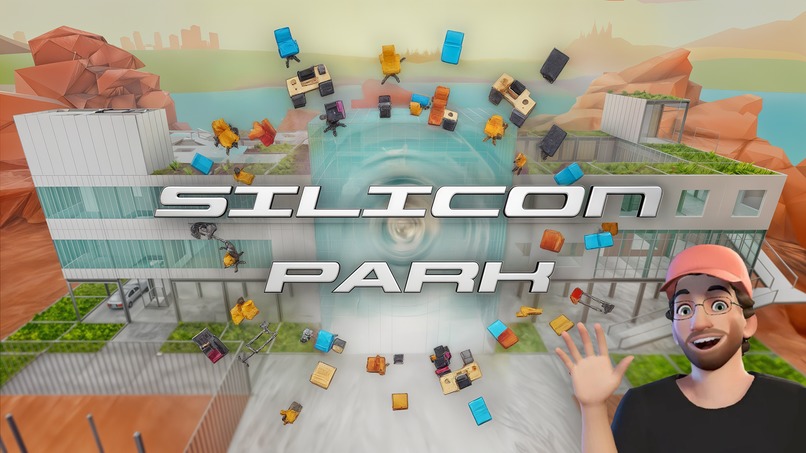
Welcome to Silicon Park
-
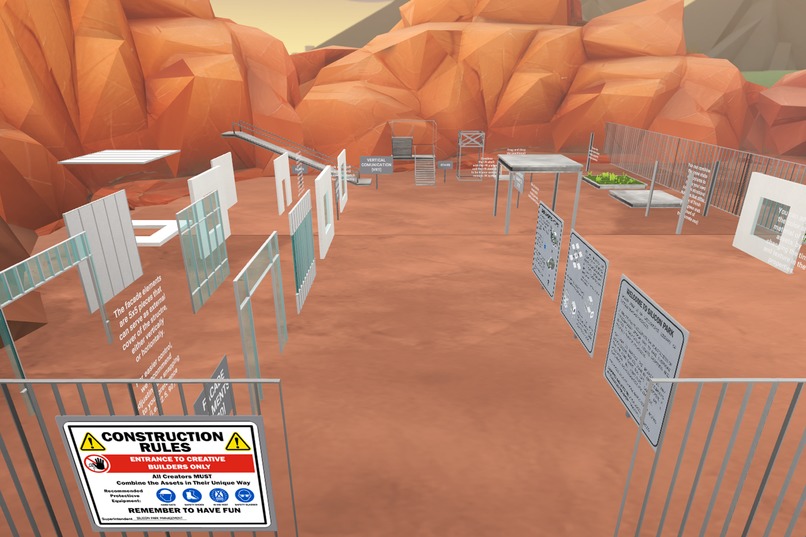
The construction site at Silicon Park
-
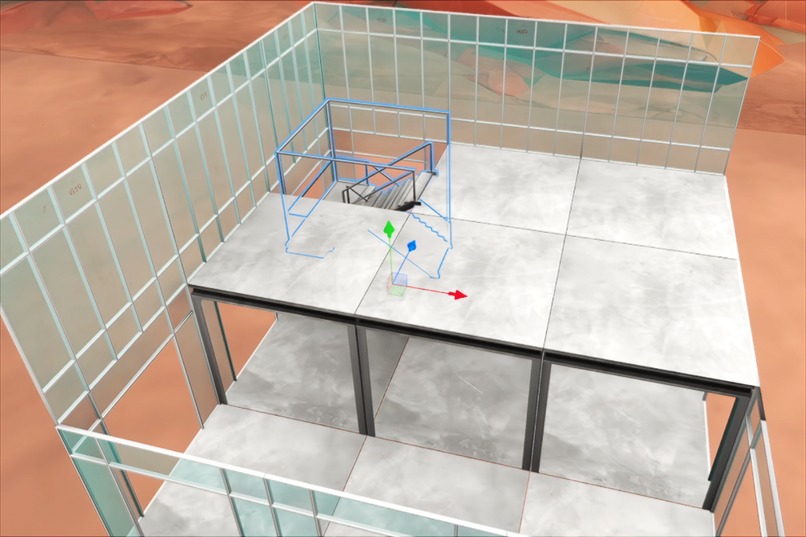
The building modules of Silicon Park
-
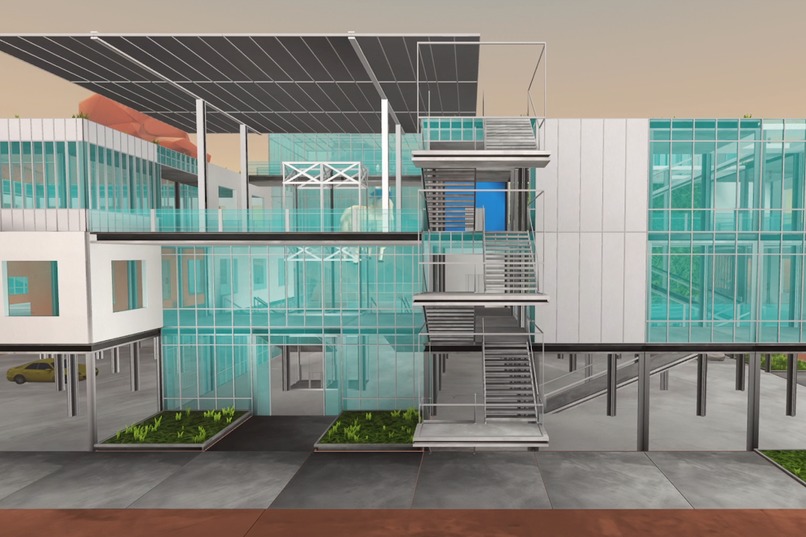
Silicon Park back facade
-
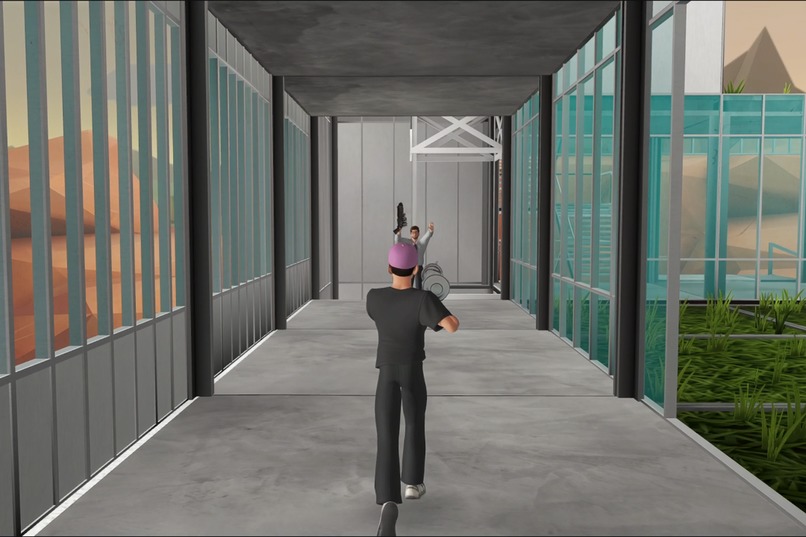
Silicon Park as a shooter game
-
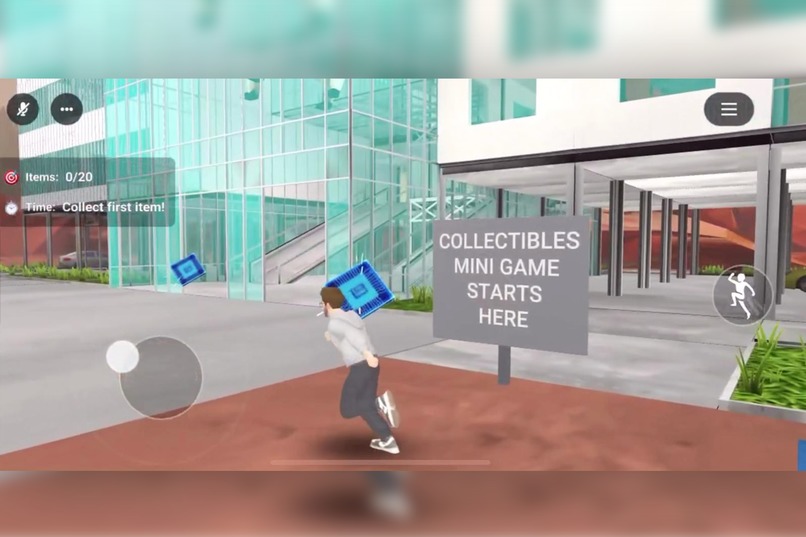
Silicon Park as a treasure hunt game
-
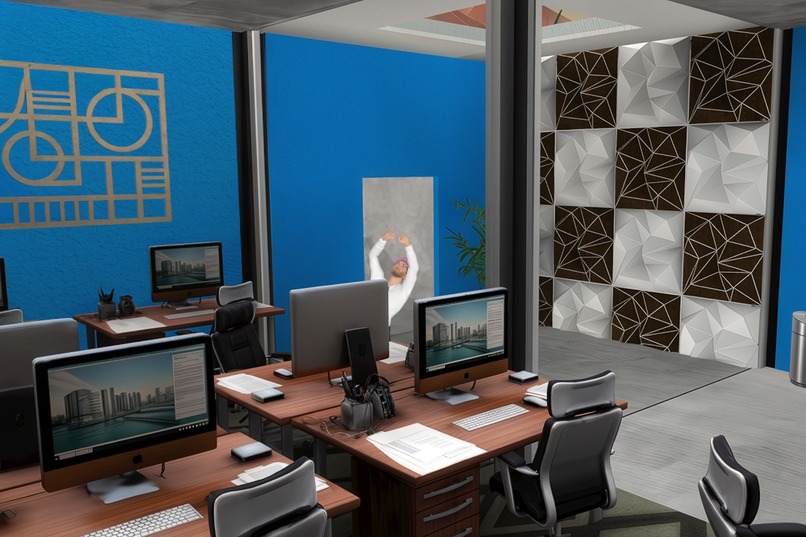
Silicon Park as an office simulation game
-
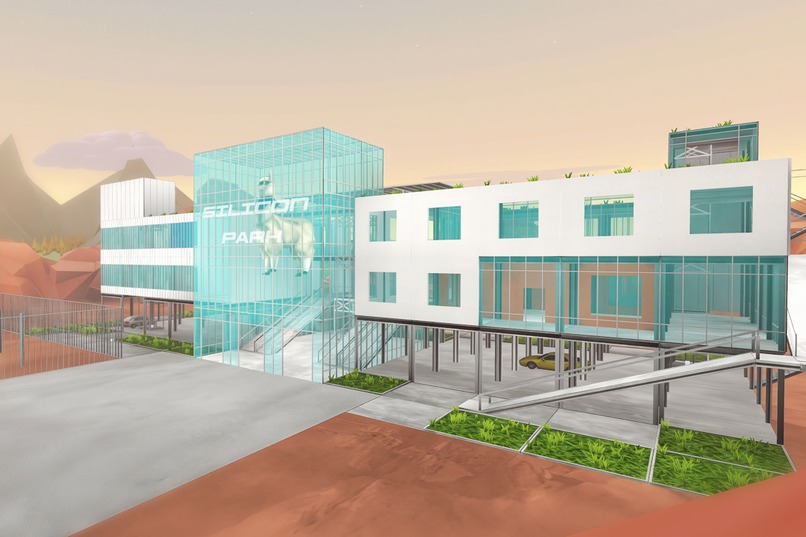
Silicon Park front facade


Inspiration
Silicon Park was inspired by the flexible and iconic architecture of Frank Gehry, especially the Meta HQ in Menlo Park. Gehry’s approach celebrates openness, adaptability, and the feeling of loose parts coming together. We applied this principle to Horizon Worlds by giving creators modular building blocks that shift character depending on the game or experience they are used in. The open-source theme encouraged us to design a system that invites everyone to build, remix, and play.
What it does
Silicon Park is an open-source library of building modules designed on a 5x5x5 grid system. These modules can be freely combined inside Horizon Worlds to form environments for any genre: a shooter, a platformer, a social hub, or a simulation. Each piece is optimized for creators, with adjustable colors for solid and glass parts and the option to apply AI-generated textures. The system functions like a puzzle set that unlocks endless remix possibilities.
How we built it
We created the assets in VR using Gravity Sketch, then refined them in Blender and Substance Painter, and prepared them for Horizon Worlds with Typescript workflows. Designing inside VR let us test the modules as we made them, physically snapping them together to check performance and usability. This process ensured the parts stayed playful, functional, and lightweight while retaining their architectural style.
Challenges we ran into
The main challenge was deciding how to divide our Gehry-inspired HQ concept into modular pieces that worked both as a system and as standalone assets. We had to balance architectural fidelity, usability, and performance limits. Optimizing the assets meant refining the workflow from 3D tools to Horizon Worlds, ensuring clean geometry with no shading glitches while keeping the modules efficient enough to be multiplied across a world.
Accomplishments that we’re proud of
We are proud of creating a consistent library of modules that interconnect smoothly and allow creators to design in unexpected ways. The system gives freedom to build structures that look iconic while staying open to playful remixing. Building directly in VR gave us a more intuitive and collaborative workflow, resulting in parts that feel fun to use and professional in quality.
What we learned
We learned how to create clean and optimized Horizon Worlds assets that are both lightweight and customizable. Through iteration, we developed an efficient pipeline from VR sketching to final upload. We also discovered the importance of giving users freedom by designing features like adjustable color separation for glass and solid elements.
What’s next for Silicon Park
We hope Silicon Park becomes a living resource in Horizon Worlds, used by creators in games and experiences. Our dream is to one day enter a popular world and see our modules forming the architecture, transformed by the imagination of the community. The project doesn’t end here, hopefully. It begins as soon as creators start to remix, expand, and give Silicon Park new life.
Built With
- blender
- gravitysketch
- substancepainter
- typescript




Log in or sign up for Devpost to join the conversation.