-
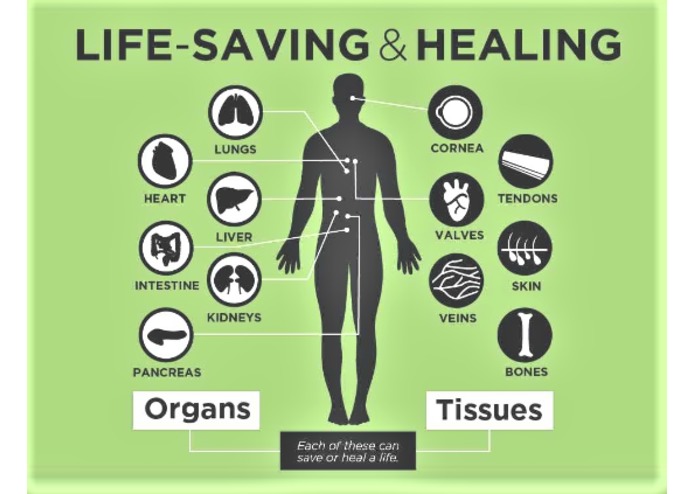
Organ Donation

Inspiration
One of our team members, an international student from India, shocked us with troubling statistics about the organ donation infrastructure in his home country. Where 200,000 people need new kidneys and 100,000 need new livers each year, only around 2% actually receive them. This figure is a product of bureaucratic red tape and inefficient donor matching. Though the system in the United States is far from perfect, we take the associated medical infrastructure almost for granted. We were truly humbled by this realization and spent our Pennapps trying to tackle this problem in any way possible.
HOW SODA WORKS
In developing countries (such as India) where there is little existing infrastructure for electronic patient records as well as a lack of an efficient emergency organ donation system, SODA serves as a comprehensive web application to store patient records online, efficiently and rapidly match available organs (in the case of accidental death) to nearby acceptors based on a host of medical factors such as disease history, blood type, behavioral patterns and other significant elements. SODA's is grant thousands of organ recipients a second chance at life and save many more lives! SODA provides an online infrastructure for hospitals to store information necessary for patients receiving and giving organ transplants and match viable candidates using a prioritization algorithm. Hospitals create accounts on the webapp and register patients in lists of donors and acceptors through a detailed form. If a donor passes away and their organs are avavilable, a separate form feeds into an organ-acceptor matching algorithm to determine the viable locations and candidates.
How we built it
HTML/CSS, Google Maps API, Python/Flask, Bootstrap, MongoDB, Github
Challenges we ran into
-Setting up the database backend -Building an efficient matching algorithm, when none of us had a medical/biology background
- Conflicting CSS schemes
- Multiple people editing template files
Accomplishments that we're proud of
Putting our research efforts to good use by using the data we collected to make a comprehensive medical form for patients (Donors and Acceptors) and organ matching algorithm. Pulling through at 5 am with the database component with no prior experience and building a successful, non-local database (MongoDB)
What's next for Soda
Amazon Alexa! According to a study, many doctors spend 2/3 or more of their daily schedule filling out paperwork. We originally explored integration of organ donation checklists with Alexa, but based on our interests and priorities, decided to focus solely on the web app for this hackathon. In the future, we would like to link voice control to the patient medical database to save doctors energy and time. Furthermore, Alexa could ask patient history questions and tabulate answers so as to use this data to determine whether a person is an eligible donor for an organ as well to find the optimal acceptor match.


Log in or sign up for Devpost to join the conversation.