-
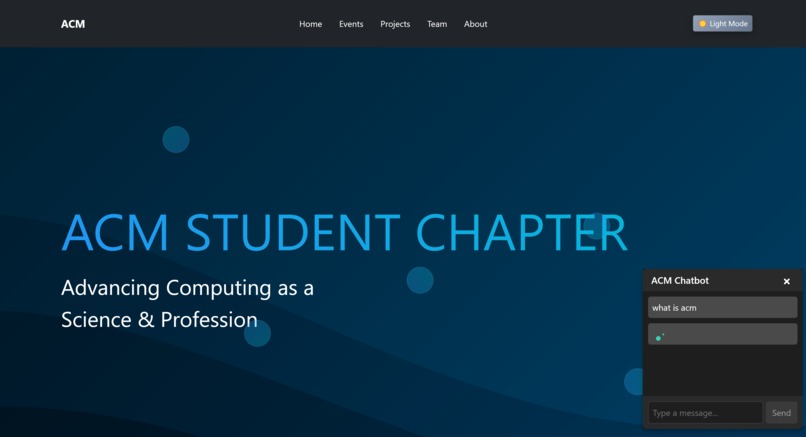
Chatbot
-
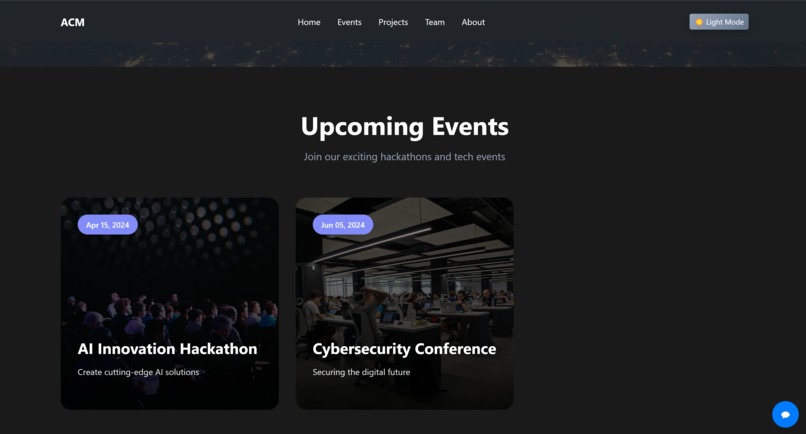
Events Section
-
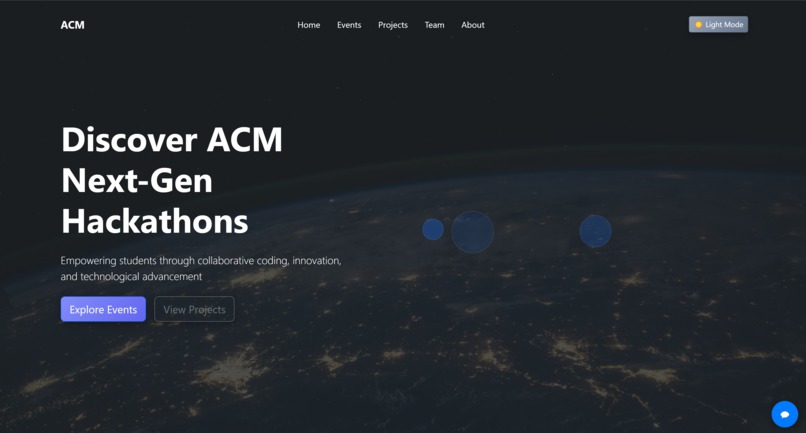
Hero Sectioon


Inspiration
The inspiration for Soloist came from the need to provide individuals with a personalized and intelligent assistant that can help manage their daily tasks and provide insights into their personal projects. With the rise of AI and machine learning, we saw an opportunity to create a tool that not only assists users but also learns from their interactions to offer more tailored support.
What it does
Soloist is an AI-powered assistant designed to help users manage their projects and daily activities. It provides real-time insights into project progress, offers recommendations based on user behavior, and integrates with various tools to streamline workflows. Soloist can also engage in natural language conversations, making it easy for users to interact with the system and get the information they need quickly.
How we built it
Frontend: Built using React, the frontend is designed with a component-based architecture to ensure modularity and reusability. We used CSS modules for styling and
framer-motionfor animations to enhance the user experience.Backend: Developed with C# and Entity Framework Core, the backend follows a clean architecture pattern. This ensures a clear separation of concerns and facilitates easy maintenance and scalability. We used EF Core migrations for database management and data seeding for initial setup.
Chatbot: The chatbot leverages natural language processing (NLP) to understand and respond to user queries. It is integrated with the backend to fetch and provide relevant information dynamically.
Challenges we ran into
One of the main challenges was ensuring seamless integration between the chatbot and the backend, especially in handling real-time data updates. We also faced difficulties in optimizing the NLP models to accurately understand and process user inputs across different languages and contexts.
Accomplishments that we're proud of
We are proud of creating a robust and scalable architecture that supports real-time interactions and provides a seamless user experience. The successful integration of AI and machine learning to offer personalized recommendations and insights is a significant achievement. Additionally, the multi-language support in the chatbot is a feature that enhances accessibility for a global audience.
What we learned
Throughout the development of Soloist, we learned the importance of modular design and the benefits of using modern frameworks and libraries to enhance development efficiency. We also gained valuable insights into the challenges of implementing NLP and the importance of continuous testing and iteration to improve model accuracy.
What's next for Soloist
Looking ahead, we plan to expand Soloist's capabilities by integrating more third-party services and enhancing its predictive analytics features. We aim to improve the chatbot's conversational abilities by incorporating more advanced NLP techniques and expanding its language support. Additionally, we are exploring the use of machine learning to provide even more personalized user experiences and insights.
Built With
- asp.net
- asp.net-core
- c#
- entity-framework
- faiss
- flask
- jsx
- langchain
- natural-language-processing
- openai
- python
- react
- sqlserver
- tensorflow


Log in or sign up for Devpost to join the conversation.