-
-
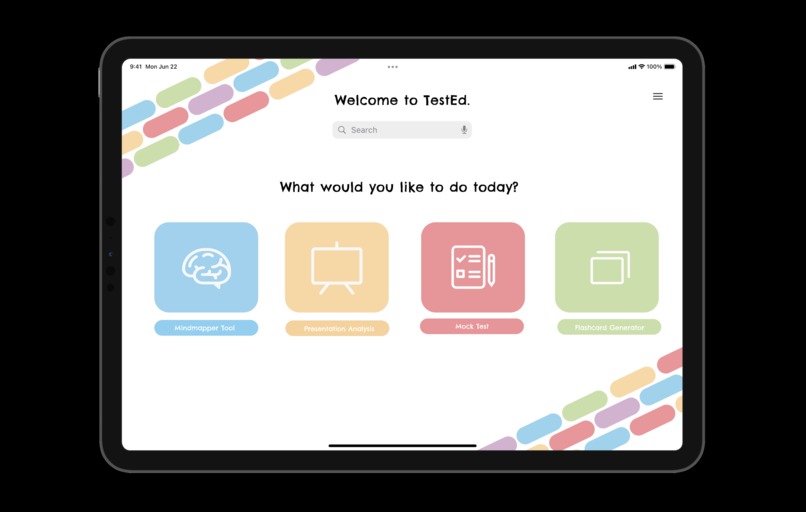
Visual from our Figma Prototype
-
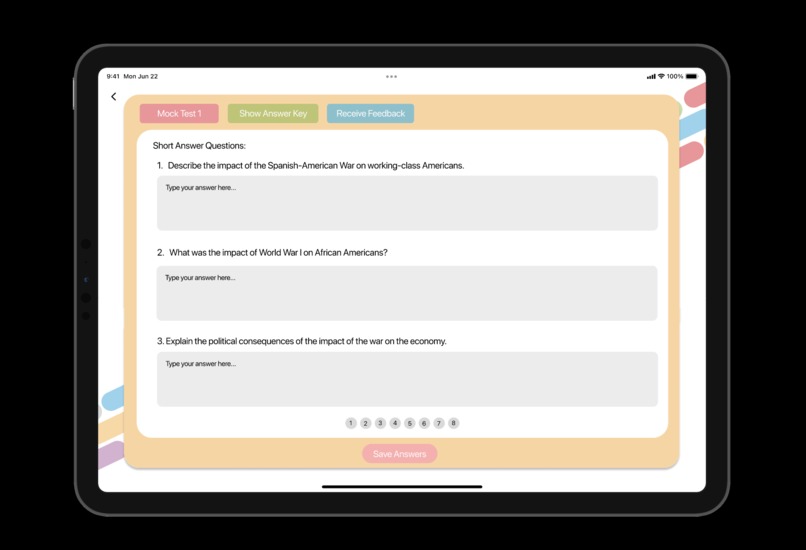
Visual from our Figma Prototype
-
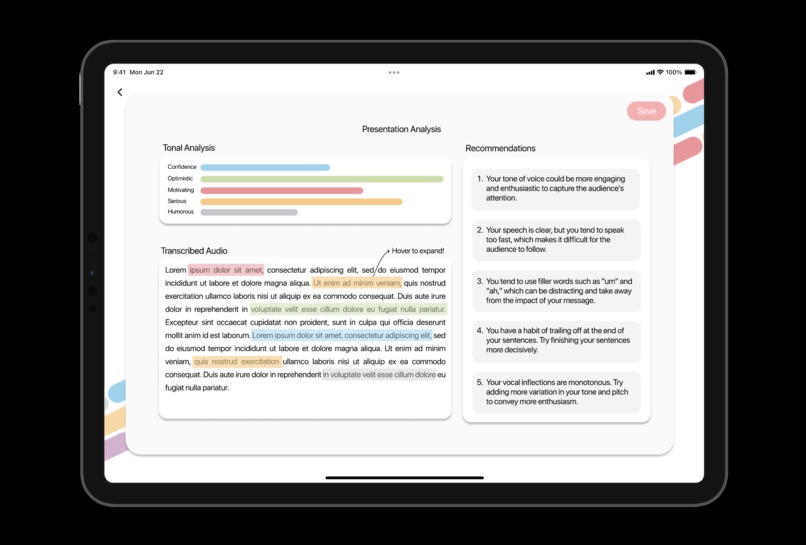
Visual from our Figma Prototype
-
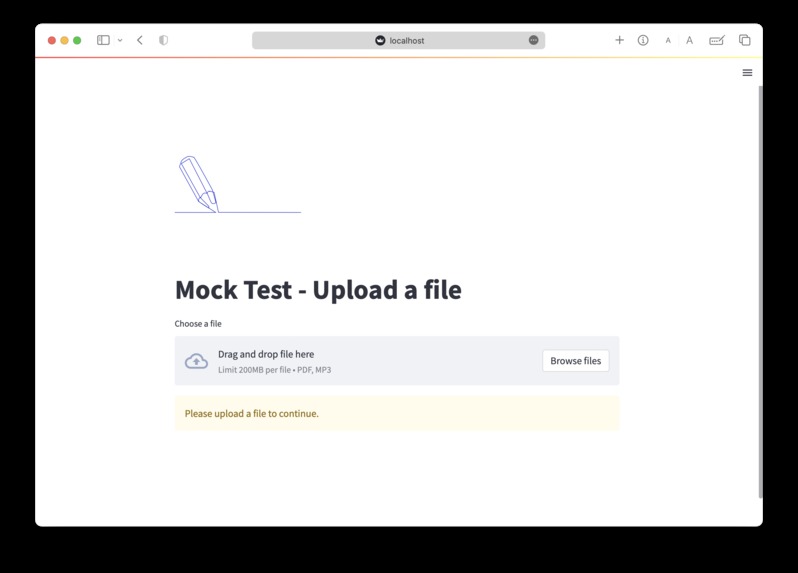
Visual from our web app created with Streamlit
-
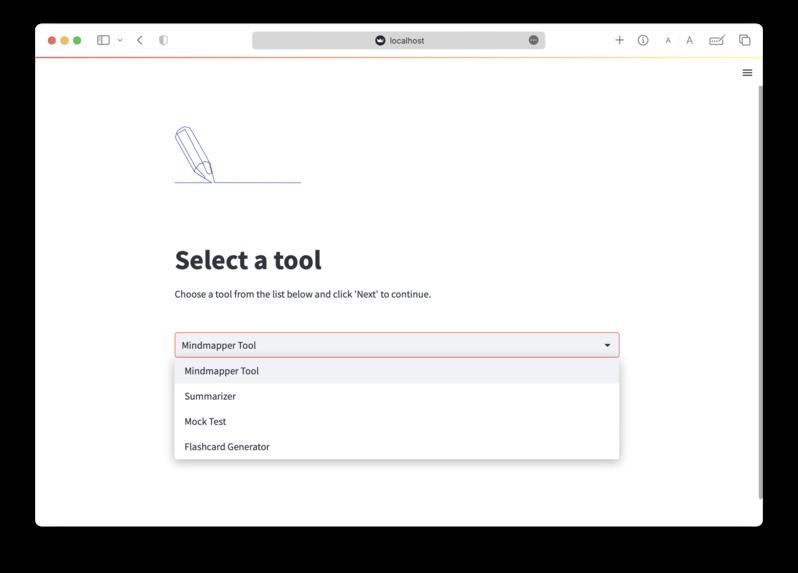
Visual from our web app created with Streamlit
-
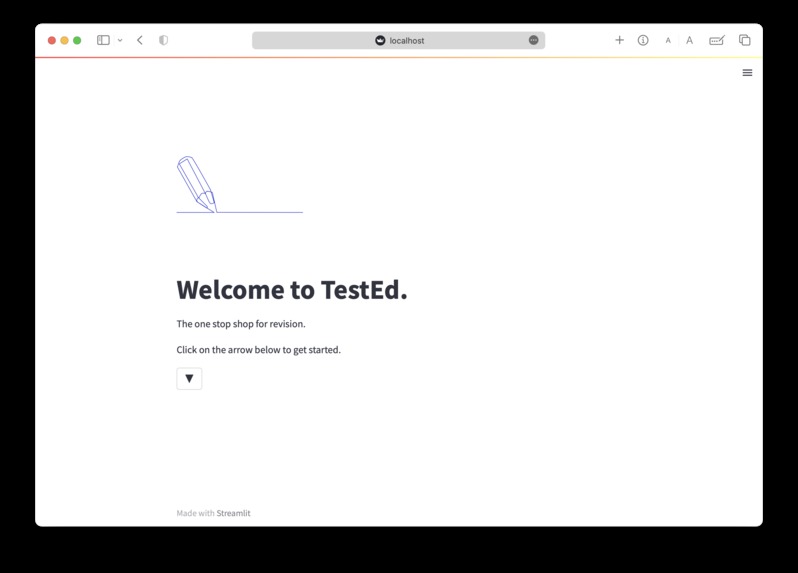
Visual from our web app created with Streamlit
-
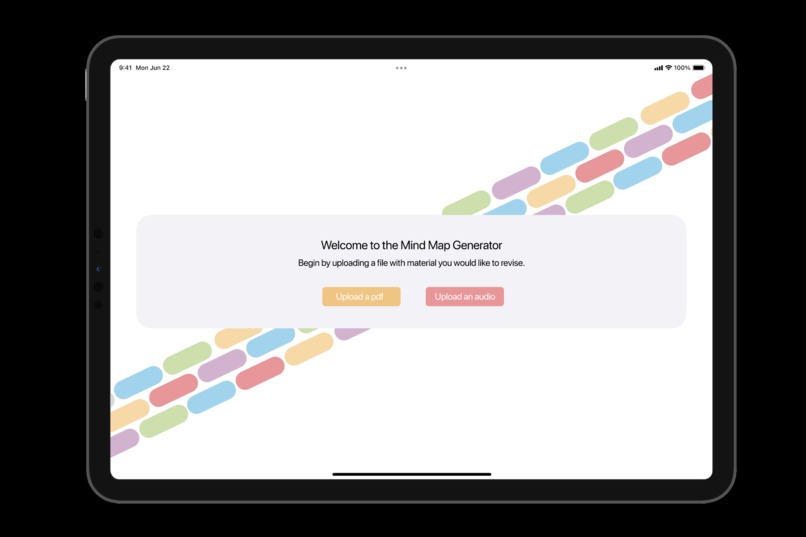
Visual from our Figma Prototype


Inspiration
In the US, there are over 6.1 million school-going children diagnosed with ADHD. For students with ADHD, acing a midterm isn’t as simple as grinding through a study session. It can often be daunting, frustrating, and tiring, especially when the education system is designed to be normalized to the needs of the more able. So, when brainstorming our project, the primary goal was not to help students with ADHD study longer or harder but to help them study differently – in ways that suit their learning needs.
This problem is also personal to our team. Two of our members have ADHD and belong to communities where it isn’t widely accepted. Since one of the biggest problems associated with ADHD is inattentiveness and distractibility, there exists the need for a tool that can help minimize the impact of these on long-term academic success.
That's where we come in!
What it does
TestEd serves as a one-stop platform to seamlessly transition from one way of learning to another, depending on your needs. Here is how our tool deals with different problems encountered by students with ADHD.
- Reading: Chugging through a long, never-ending text for your APUSH exam can seem daunting. Reading is a passive activity for the ADHD brain. Our test generator tool takes in audio or text inputs and generates practice questions to help you stay engaged. TestEd even provides feedback through sentiment analysis, suggesting ways to improve your responses. So for example, if your response has too many filler words, like ‘but’, TestEd will comment on it and suggest ways to circumvent that shortcoming.
- Listening: There is nothing worse than being unable to focus on a 1.5-hour lecture on a topic you're actually interested in. To help ADHD brains deal with this problem, we have a summary generator feature that summarizes the main points of a lecture for you. You can either upload a transcript of your lecture or an mp3/wav file. The summary generator feature simplifies lengthy lectures by extracting key points, allowing you to stay focused and retain information.
- Visualizing: Our mindmap tool converts lecture notes and recordings into visual maps, making revision more efficient.
How we built it
Our tech stack for TestEd included:
- Streamlit for the frontend and backend integration
- Python as the backbone for frontend and database construction
- vaderSentiment for sentiment analysis
- summa for text summarization
- BERT for extracting key phrases from text
- PDFPlumber to read pdf files
- json to interact with the API
- AssemblyAI's API for speech-to-text conversion
- OpenAI's API for mock test and mindmap generation
- Figma for prototyping the Phase 2 development
Challenges we ran into
During the development of TestEd, we faced a few challenges that required creative problem-solving:
- Integrating NLTK and Streamlit: The aim was to utilize NLTK for sentiment analysis in conjunction with Streamlit. The process would involve converting audio input to text, and tokenizing it to facilitate easier interpretation. However, some python packages caused issues with the validation of requests. To work around this problem, vaderSentiment was used instead, which accomplished the same objective.
- Measuring someone’s tone/providing feedback: The project involved creating criteria to evaluate an individual's tone, which led to us doing a deep dive into English grammatical structures. We had to create our very own library of words associated with a specific tone, such as passiveness, to accomplish this.
- Integrating the front end with the backend
- Generating a visual mindmap: We encountered issues with generating a visual mindmap and were only able to generate a mindmap in text format in such a limited time.
Accomplishments that we're proud of
- Successfully creating a platform that can address multiple learning challenges faced by students with ADHD, as well as potentially helping other learners with different needs.
- Developing and integrating various tools and technologies, such as Streamlit, NLTK, vaderSentiment, BERT, and the OpenAI API, to create a comprehensive solution for different aspects of learning.
- Overcoming challenges during the development process, such as integrating the front end with the backend, creating a library of words associated with specific tones, and generating mindmaps.
- Providing feedback to students on the quality of their responses and helping them to improve their writing and speaking skills through sentiment analysis.
- Helping students to better engage with lectures by generating summaries and questions, making the learning process more interactive and personalized.
- Creating a more accessible and streamlined way for students to plan and focus on key topics, potentially helping them to better manage their time and prioritize their learning goals.
What we learned
Anika: I had never used BERT before, so it was interesting to write and fine-tune code to extract keywords from different forms of inputs! Coming up with my own library of words for sentiment analysis for definitely challenging but since I am very much interested in linguistics, it was an exciting process.
Arnav: I learned how to create API calls and use interactive APIs such as openAI. I got introduced to many new python libraries such as summa, BERT, vaderSentiment. Integrating the Front end and Back end together using StreamLit.
Teena: Over the course of this hackathon, I had the opportunity to learn some amazing new skills. One of the most exciting things I learned was how to use the Streamlit framework to create a sleek and user-friendly interface that integrates perfectly with the back-end. And, thanks to this hackathon, I got to take my Figma skills to the next level by diving into prototyping and wireframing for the very first time. It was such a thrilling experience to expand my knowledge in this way and I'm looking forward to putting these new skills to use in future projects!
Siddhartha: I worked on the front end of the app and this was the first time that I dealt with summarising text and providing mind maps. I also learned how different APIs work. I gained some valuable skills in frontend development, particularly creating user-friendly interfaces that seamlessly integrate with backend development. Overall, I had a great experience working on this project.
What's next for TestEd
We are excited about the future of TestEd and have divided our plans into two phases:
PHASE 1: Enhancing the Platform In this phase, we aim to:
- Develop a more visually appealing mind-map feature
- Expand the range of tones and writing styles detected by our sentiment analysis tool, allowing for more precise feedback on student responses
- Enhance the logic behind the connection of nodes in the mind-map feature, making it more intuitive and user-friendly.
PHASE 2: Mobile/iPad/Tablet App Development We plan to develop a mobile app for iOS and Android that will:
- Allow users to input live recordings for processing, making the platform even more dynamic
- Continuously update the mind map with new information uploaded by the user
- Enable on-the-go studying with access to all the features of TestEd, anywhere, anytime.
Team Members (Discord Usernames):
- Arnav Nigam: @GodMagdon117#6014
- Anika Sharma: @Anika17#2415
- Teena Bhatia: @Teena#9111
- Siddhartha Reddy Pullannagari: @sidzz#3594


Log in or sign up for Devpost to join the conversation.