-
-
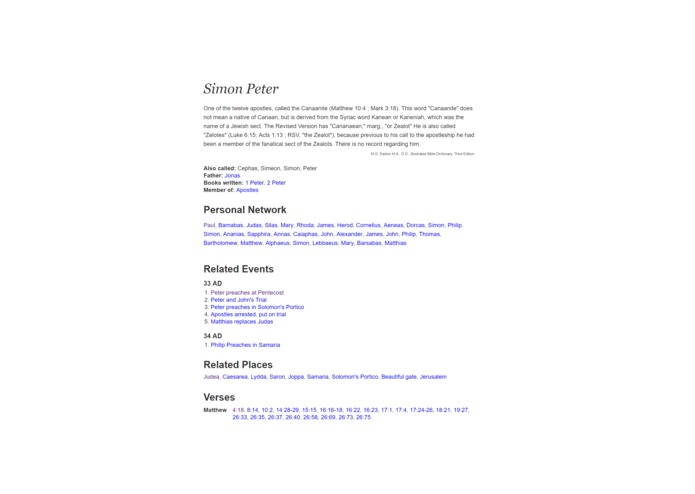
People
-
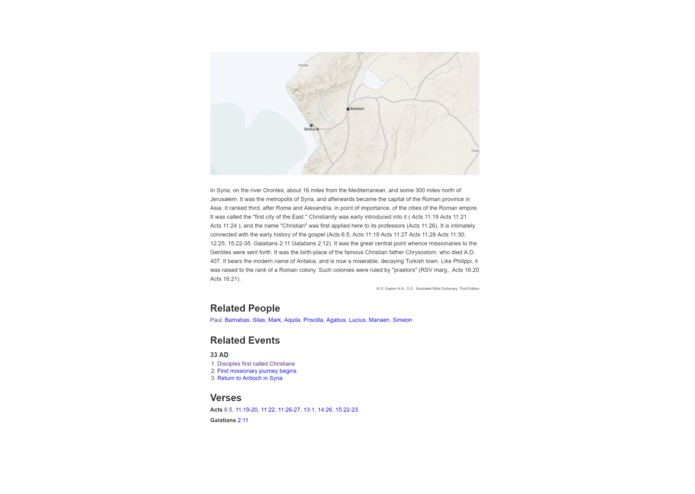
Places
-
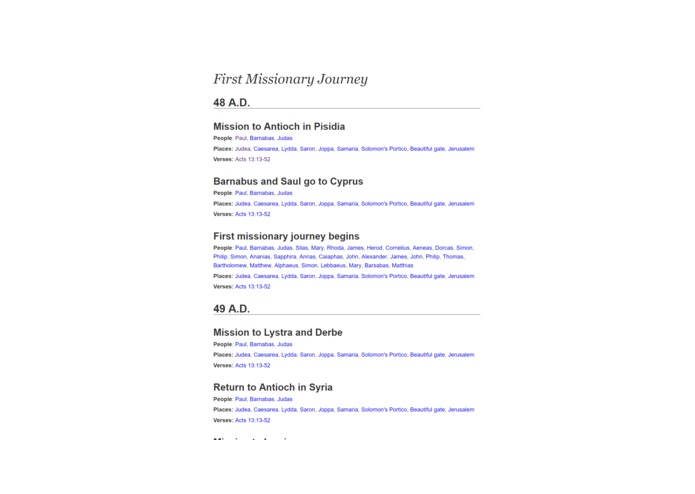
Periods
-
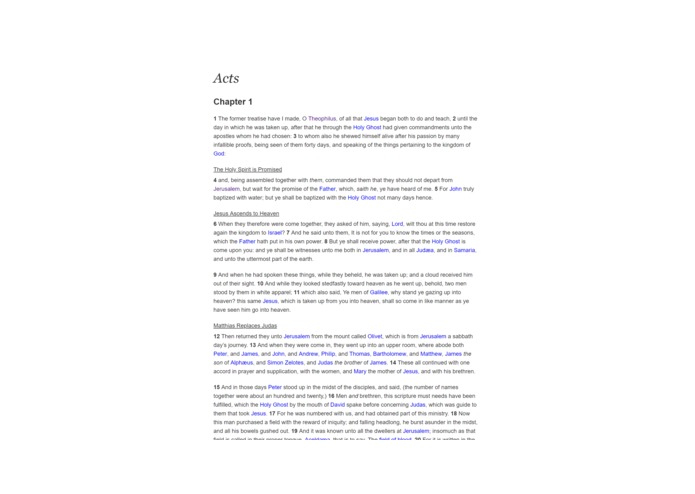
Passages
-
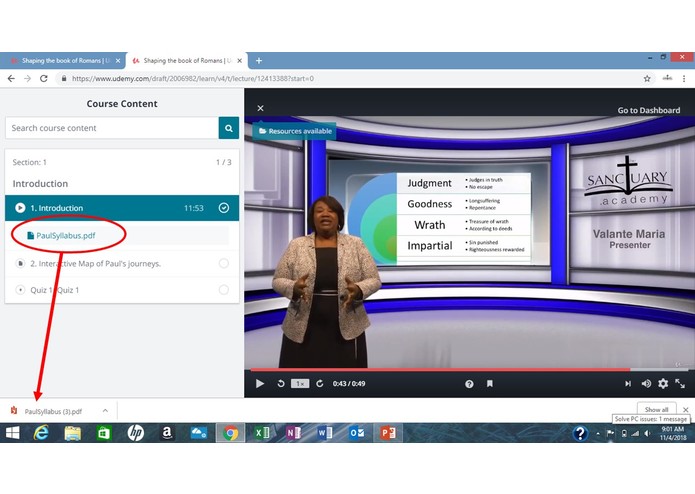
Udemy course video
-
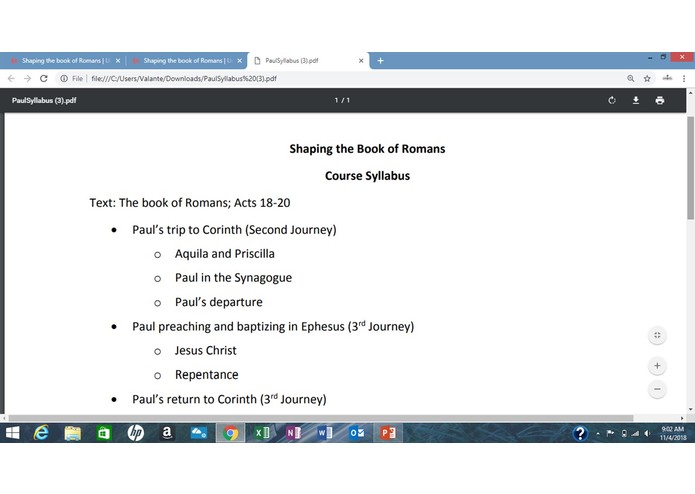
Course outline
-
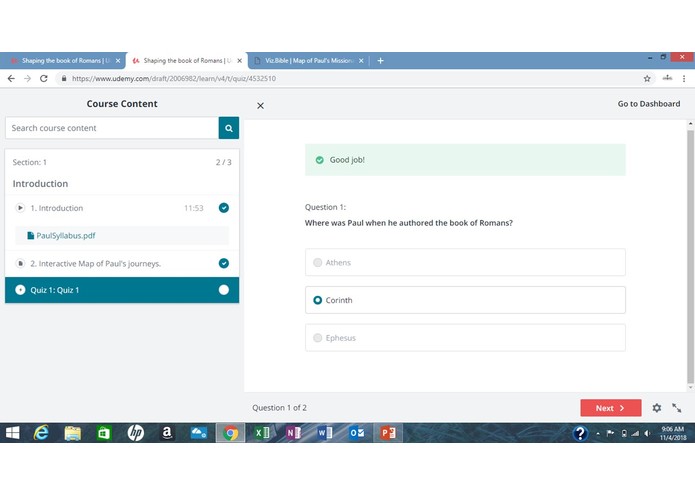
Course quiz


Inspiration
To inspire curiosity and guide discovery about the Bible in a digital context.
What it does
Wikipedia-like web pages give brief descriptions of every person, place, and event and link to related subjects. By making it easy to answer a question, as easy as one click away, users will want to ask more questions. We began with the book of Acts.
For example, a page describing the Apostle Paul will link to the places he has been, the, people he encountered or traveled with, and give a timeline of events in his life. Everything links back to the source text of the Bible. When reading the Bible, the names of people and places are linked to those subject pages. Place pages start with maps centered on that location with a regional overview and zoomed-in details. Those maps show the Roman world including provinces, roads, and cities.
We also explored how this content might be used in a teaching context. Our team built an example course page on Udemy to demonstrate ways we can take Biblical information from a web page and into people's minds.
How we built it
Map images were generated with PHP gathering data from an Airtable database and the Mapbox Static API. Pages were built using Gatsby, a static site generator based on React, pulling data from the Airtable API.
Challenges we ran into
There was a learning curve getting started with GraphQL and Gatsby to pull data and iterate over it correctly. The Airtable database was built to be human-readable for easy data entry and management. Inconsistencies in field names led to a few bugs in linking data. We also ran into a few script configuration challenges handing off code from Mac OS to Windows.
Accomplishments that we're proud of
We generated 95 map images and over 4,200 web pages describing every place and person in the database. The template designs capture a simple aesthetic that will translate across devices (including e-readers) and print materials.
What we learned
Besides learning the APIs and frameworks involved, some interesting things about the Bible data emerged in testing. Antioch, for example is a city in Syria and in Pisidia. There are 8 people named "Simon" and 4 of those are in the book of Acts. We had to do some work with the Bible dictionary text to get the right descriptions instead of bulleted lists.
What's next for Theographic
There are template pages that are not yet coded, so we'll need to finish those. Next, we'll make "stub" pages where data is incomplete with calls to action leading to ways to support ongoing project development.
Once those are complete, all pages can be published online and as a downloadable e-book. We'll also explore further ideas around developing online tutorial videos and course content that uses Theographic as reference material.


Log in or sign up for Devpost to join the conversation.