-
Test Flight
-
Test Flight
-


Inspiration
This project was born out of the interest for virtual and augmented reality and learning to push the limits of 3D graphics in modeling real-time flight physics. The project was inspired by our team member Eric, who works in the virtual reality lab, working with programs such as Unity to understand the physics of different vehicles and objects.
What it does
How we built it
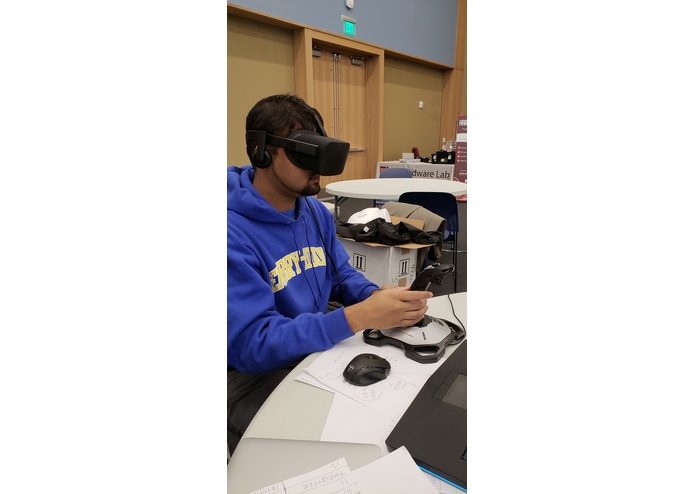
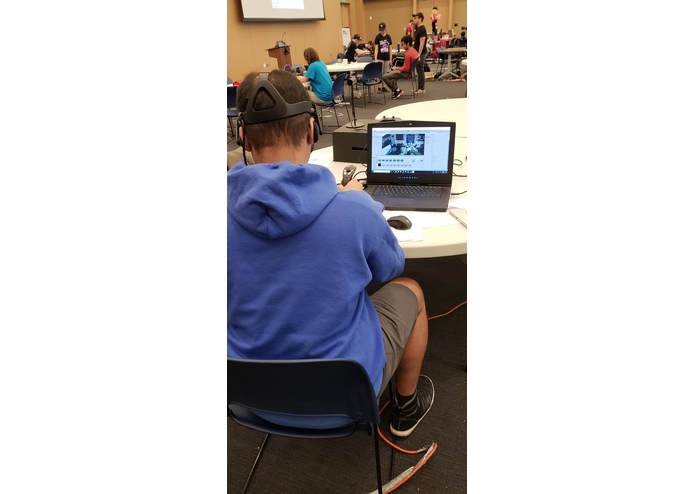
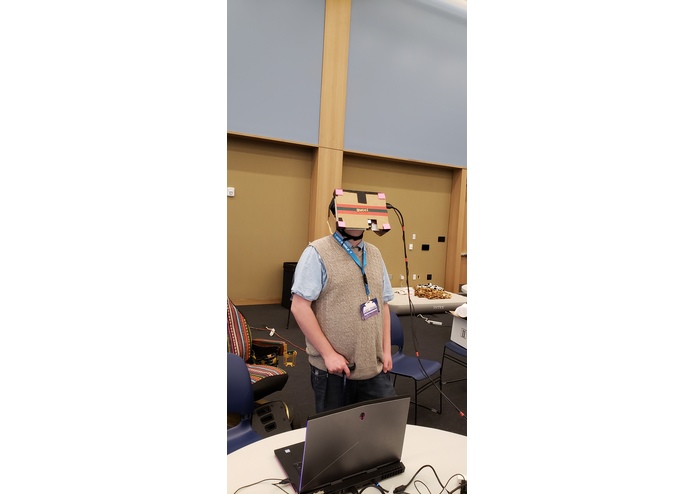
We built this simulator using a game engine called Unity and coded the flight controls using C#. The end result is rendered using an Occulus Rift with head sensing and a joystick to emulate an actual cockpit and flight scenario.
Challenges we ran into
There were a number of challenges we ran into:
- The terrain rendering consumed a lot of the GPU's power that didn't enable the flight to be as efficient at first.
- The flight physics were made using simpler equations as compared to actual stability and control law equations which would've made the process much more complicated.
Accomplishments that we're proud of
We managed to achieve a flight simulation experience that is very detailed to the actual F-35 aircraft. The flight controls were calculated using equations that were calculated to mimic the F-35 experience very closely. The terrain that we had mapped is very detailed and includes aspects that were tweaked to the dot.
What we learned
We now have a better understanding of flight simulation and how to manipulate equations to get the best performance in an aircraft. For many of us, it was the first time using C# and now we have picked up a new programming language.
What's next for Virtual Augmented Flight Simulator
Now that we have a base down for the VR headset, we plan on developing our model even better to obtain a more detailed simulation with a larger terrain for the aircraft to explore. We also plan on expanding our skills using Unity to different applications in VR.

Log in or sign up for Devpost to join the conversation.