-
-
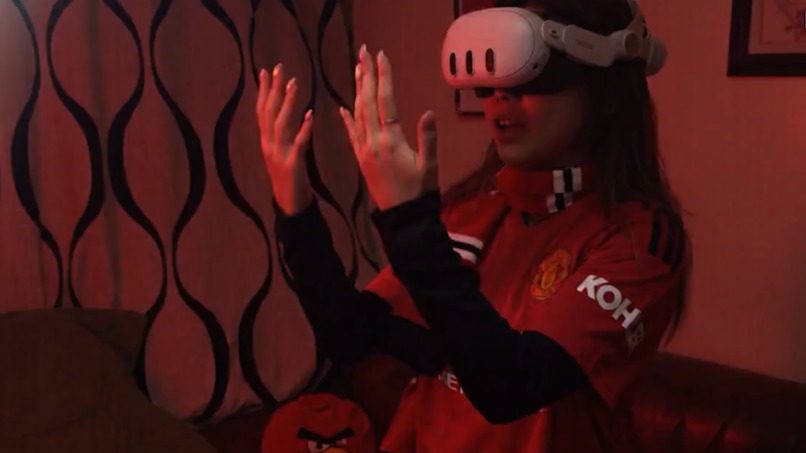
-
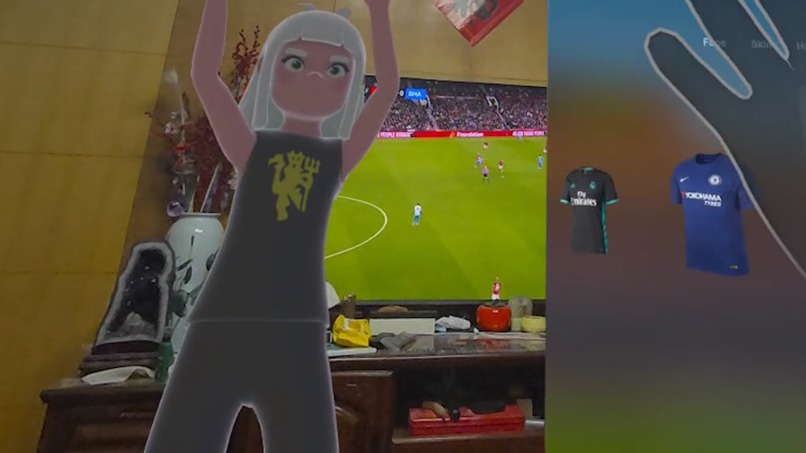
Customize your avatar
-
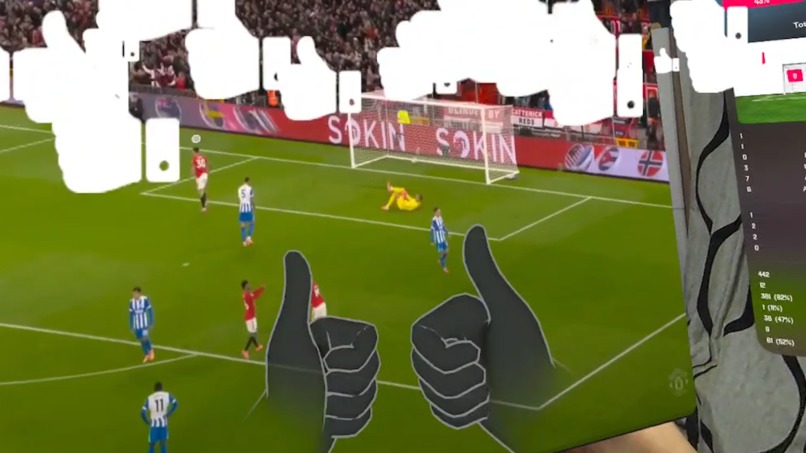
Hand gesture celebration
-
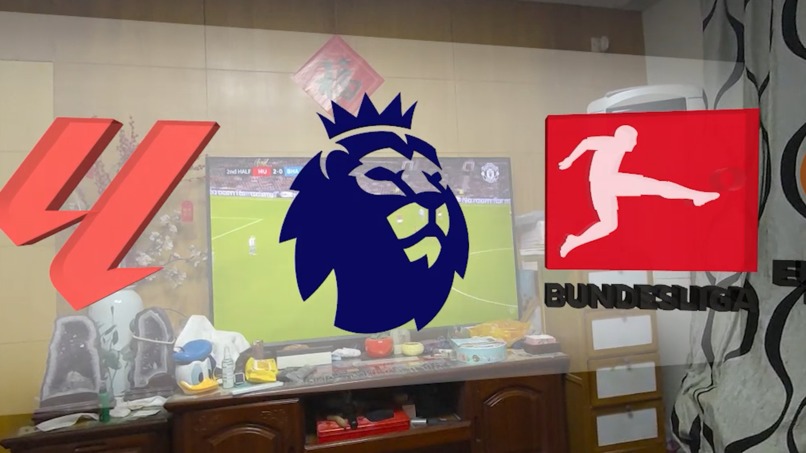
Choose your favorite league
-
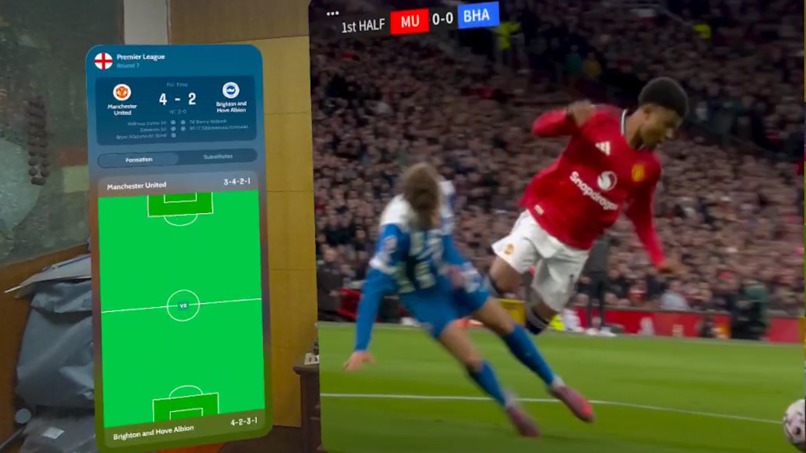
Immersive watching experience
-
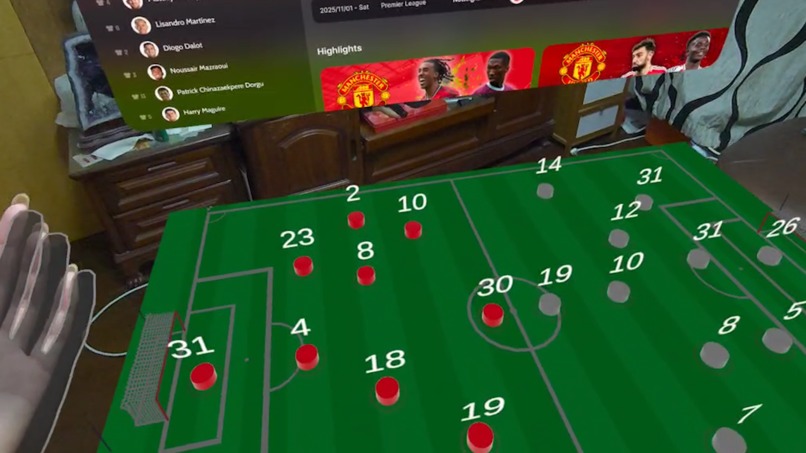
Real time player stats
-
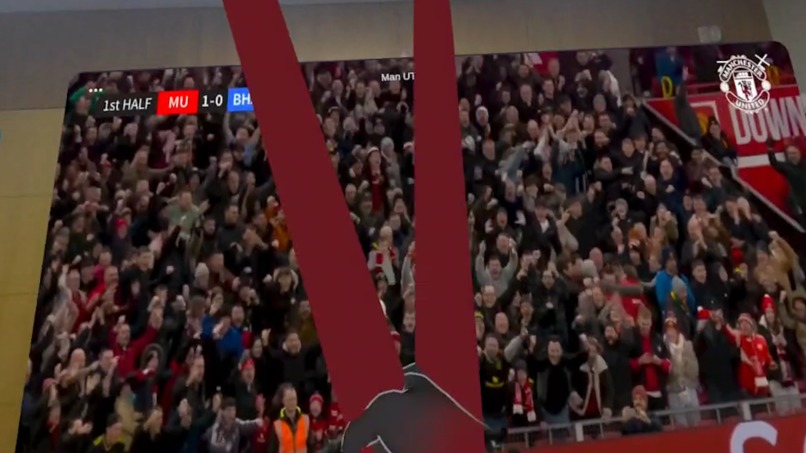
In app celebration props
-
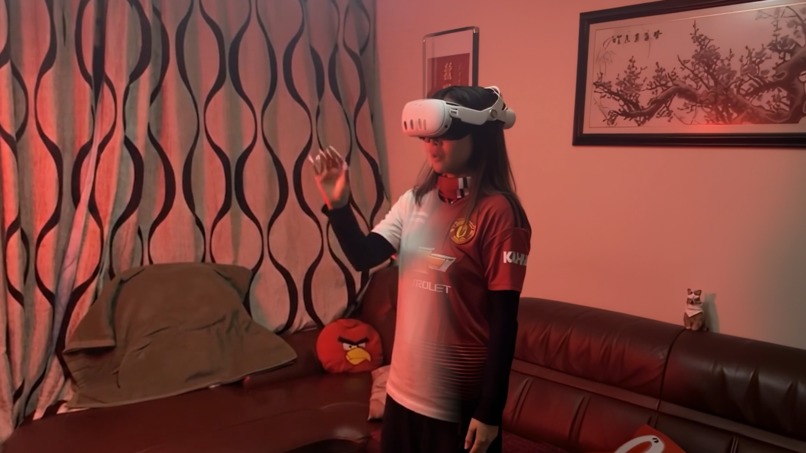
Customize your avatar
-
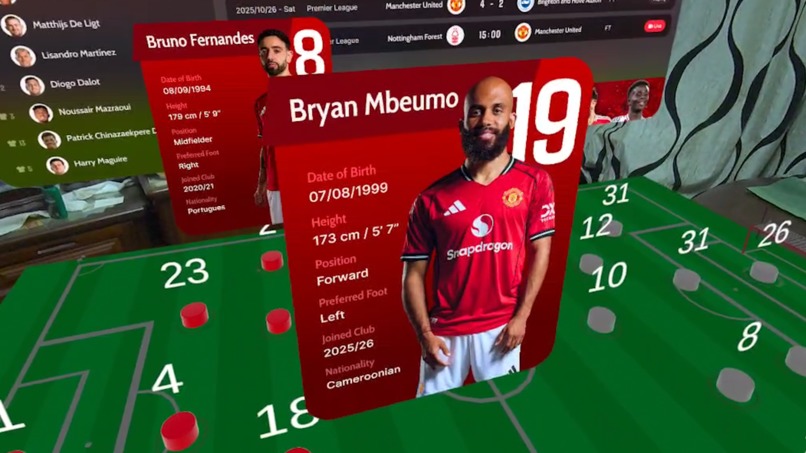
Real time player stats
-
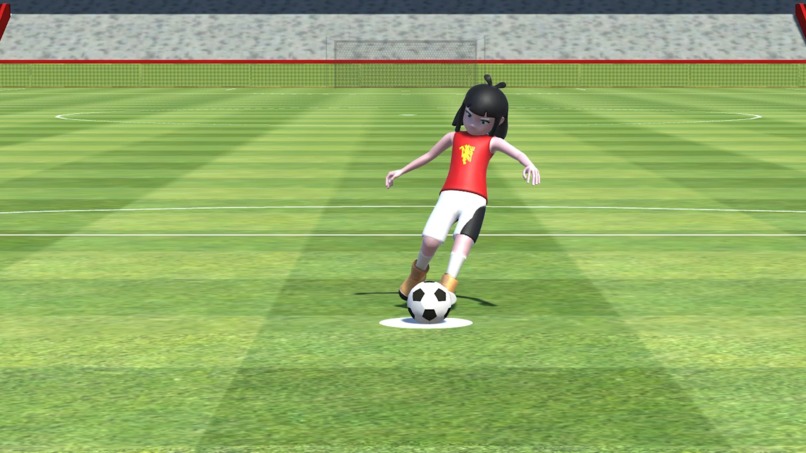
Play Mini Games
-
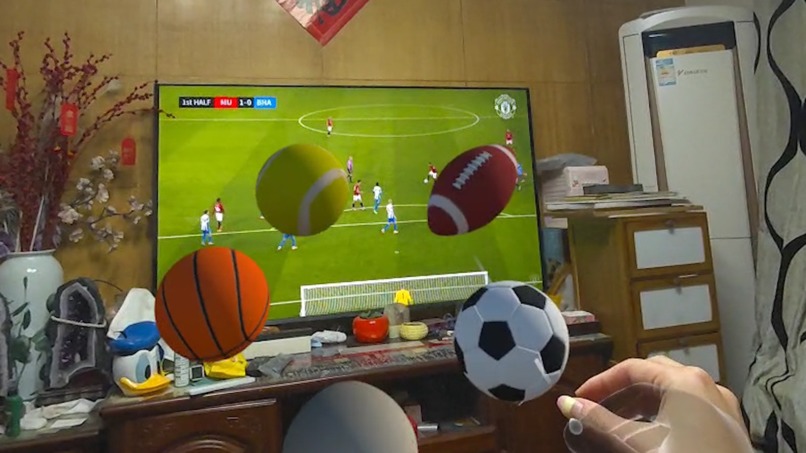
Palm Menu to choose your favour sport
-
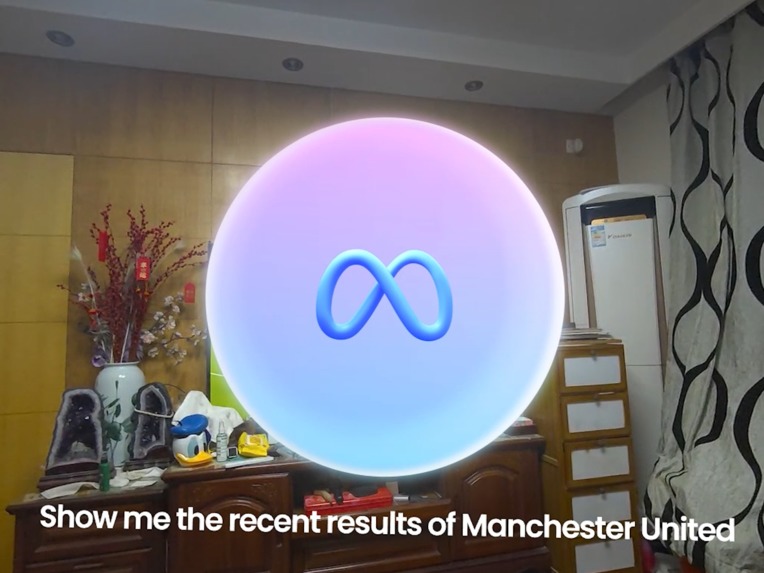
AI-Powered Assistant


Inspiration
We love sports but hate how passive and isolating watching from home can feel. Inspired by the social energy of stadiums and the power of MR to change environments, we wanted to build something that not only brought sports into your living room—but made you feel like you're at the center of the action. We set out to create a platform where every game feels immersive, social, and unforgettable, whether you're watching alone or with friends across the globe.
What it does
Our app uses MR to overlay live sports content—like scores, stats, and replays—onto your physical environment, creating a spatial sports hub. Users can watch live streams in AR/MR, interact with 3D holographics, and join friends in shared virtual arenas. When the game pauses, they can seamlessly switch to playing MR mini-games that mirror the sports action, keeping the energy and engagement high even during breaks. Users can interact with AI-powered assistant - an AI agent in real time to ask for the latest scores, match updates, or player stats, without leaving the XR environment. This makes the experience more intuitive and dynamic, allowing fans to get instant insights, personalized highlights, or explanations of game events while staying fully immersed in the virtual arena. Integrating conversational AI takes the platform from passive viewing to an interactive, personalized sports companion.
How we built it
We built the main MR experience using Unity and C#, leveraging its spatial computing capabilities to create interactive 3D environments. Early stage prototyping was done in ShapesXR, which allowed us to quickly iterate on spatial layouts and interactions. For UI/UX, we designed intuitive interfaces in Figma, ensuring a fluid and modern visual experience. Despite being in different time zones and managing full-time jobs, we collaborated effectively using async workflows, version control, and lots of late-night stand-ups to bring this vision to life.
Challenges we ran into
One of the biggest challenges was coordinating a fully remote team across different time zones, where everyone also had full-time jobs. We could only work on the project after our regular work hours, which meant careful planning, asynchronous communication, and a lot of late-night collaboration. Another hurdle was that this was our first time using ShapesXR—it took time to learn the platform, figure out best practices, and align on how to prototype spatial interactions efficiently. Finally, integrating every feature—live streaming, real-time stats, social interaction, and mini-games—into one seamless MR experience proved technically demanding. Balancing performance, usability, and smooth transitions between different modes pushed our skills to the limit. Despite these challenges, we successfully combined all elements into a polished, immersive experience, which we’re incredibly proud of.
Accomplishments that we're proud of
We’re incredibly proud that, despite being a fully distributed team with busy schedules, we were able to build a fully functional XR sports streaming app that feels both polished and fun. We didn’t just build a prototype—we created a multiplayer, immersive experience that works across devices, complete with dynamic interactions and seamless transitions between watching and playing. Seeing everything come together in one shared space for the first time was a moment we’ll never forget.
What we learned
One of the biggest lessons from this project was how much we could grow by stepping into new territory. Our UI designer was working on spatial UI for the first time, and through trial and error, we learned how to design interfaces that feel natural and intuitive in a 3D space. We also learned the importance of prioritizing tasks—with limited time and so many features we wanted to implement, we had to make tough decisions on what to focus on first to ensure a polished experience. On top of that, we realized how crucial team coordination and communication are when working fully remotely across different time zones. Planning, documenting decisions clearly, and being proactive about asynchronous collaboration were key to keeping the project moving forward. Overall, we came away with not just technical and design skills, but also stronger teamwork, discipline, and problem-solving under pressure.
What's next for XRena
Next time, we would aim to bring 3D players into real time on the table, so that users can see fully interactive, miniature avatars of the athletes or players right in their physical space. This would allow users to watch live plays, see movements, and interact with the game in a more tangible way, making the XR experience even more immersive and social. Adding real-time 3D player representation would be a major step toward bridging the gap between watching a game and feeling like you are part of the action.
Built With
- 3/
- c#/
- meta
- quest
- shapesxr/
- unity/



Log in or sign up for Devpost to join the conversation.