-
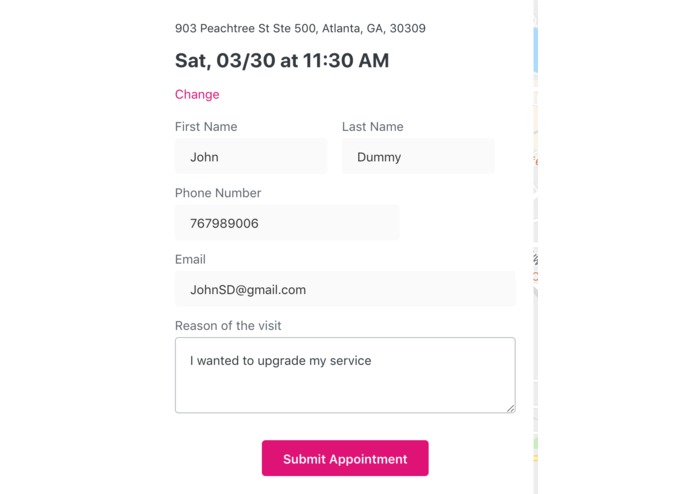
Appt form with AI
-
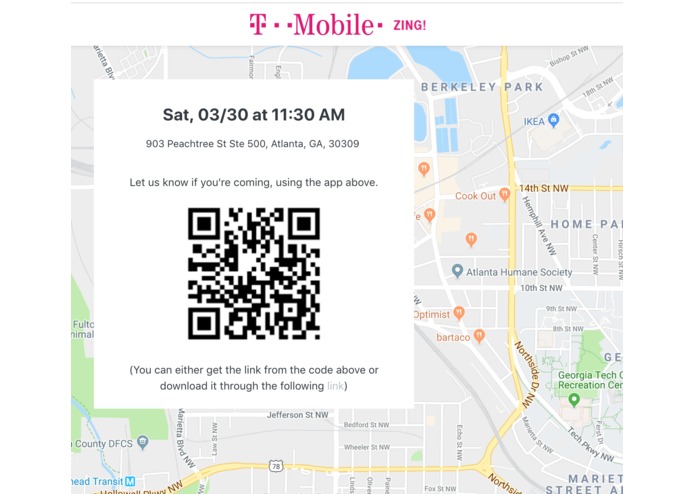
After Appt Submission
-
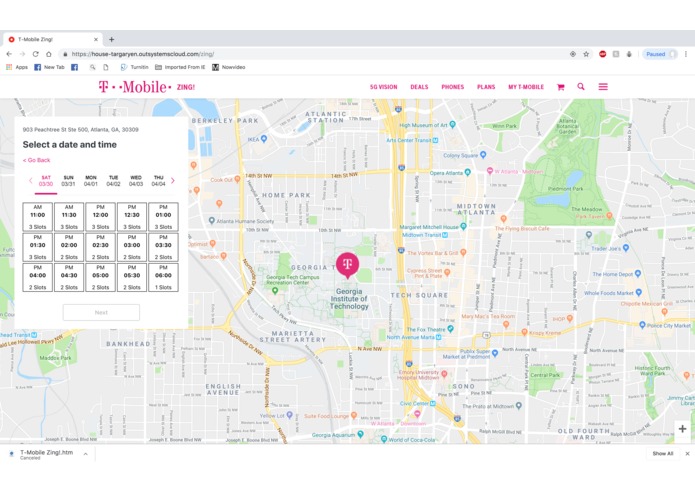
Calendar for appts with limited appts according to traffic
-
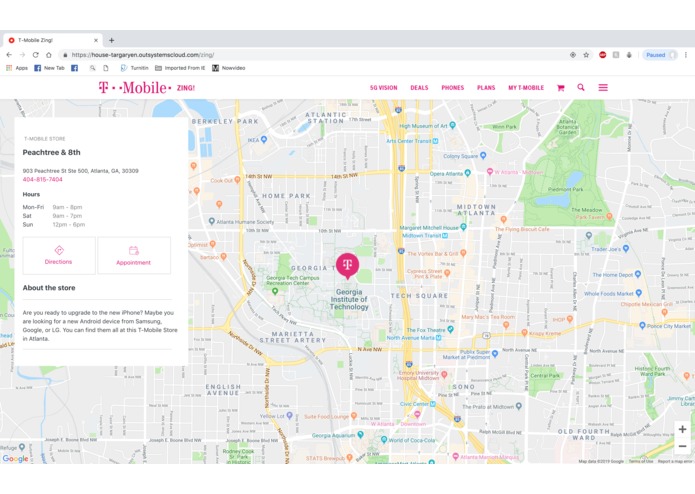
Google maps, and store location
-
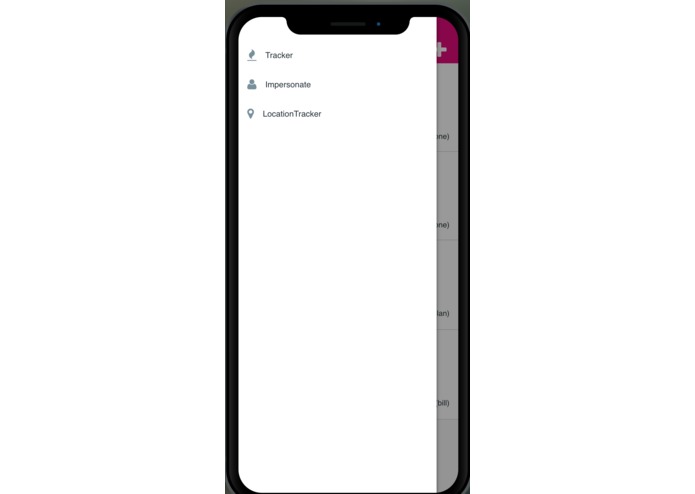
Mobile App Menu
-
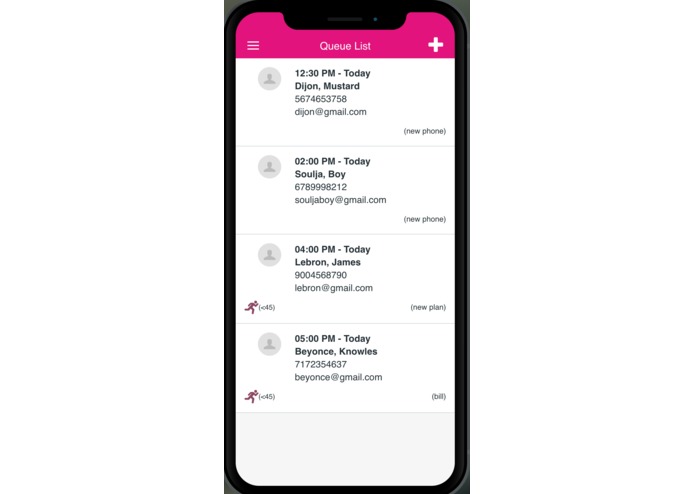
Queue list
-
-
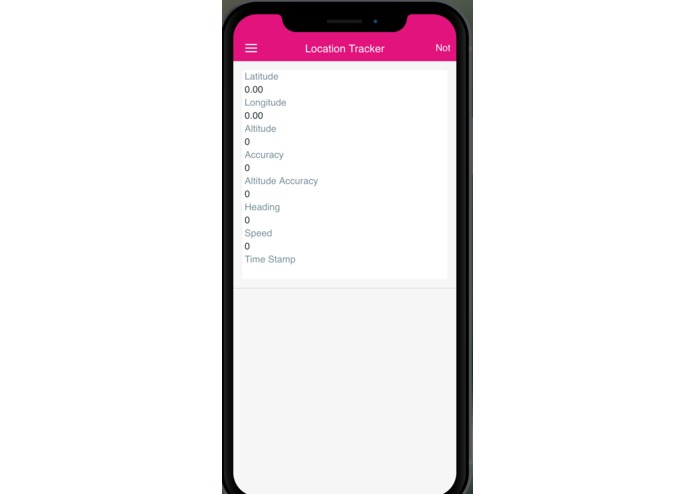
Location Tracker for customer
-
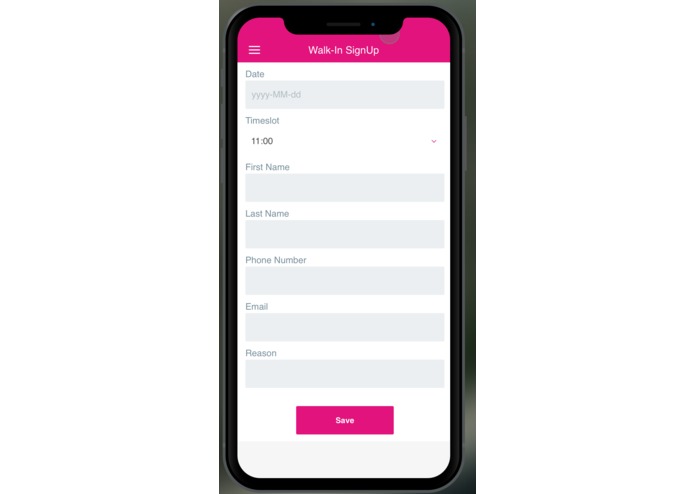
Walk- ins
-
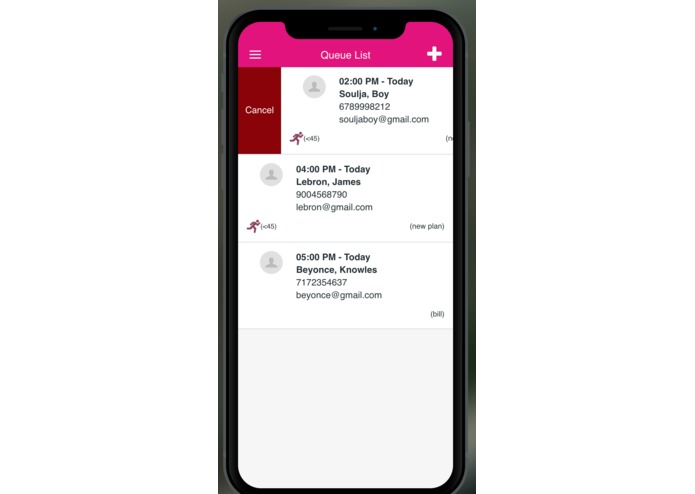
Cancel if a customer doesn't show up
-
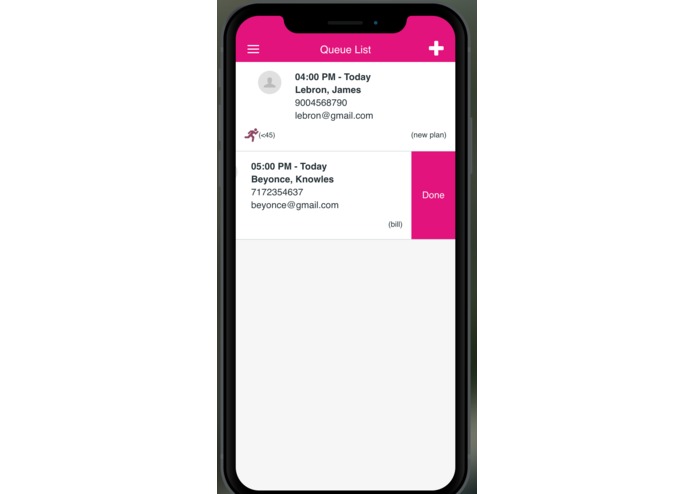
Swipe after finishing walk or appt
-
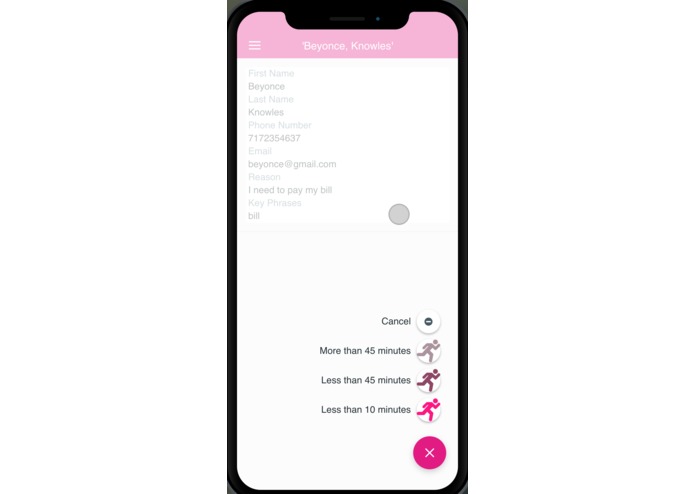
Alert for employee


Inspiration
Upon talking with several T-Mobile store associates, we discovered two unanimous complaints: the effect of store congestion on the quality of customer service and customer satisfaction, and how frustrating it is for both the customers and employees that T-Mobile's systems are not coordinated.
What it does
Our application Zing! uses a google API for popular times to predict traffic in T-Mobile stores, we then use this information to set the appointment capacity. This helps the Team to know roughly how many team members they need on specific days and hours, thus reducing the over scheduling conflict you guys mentioned.
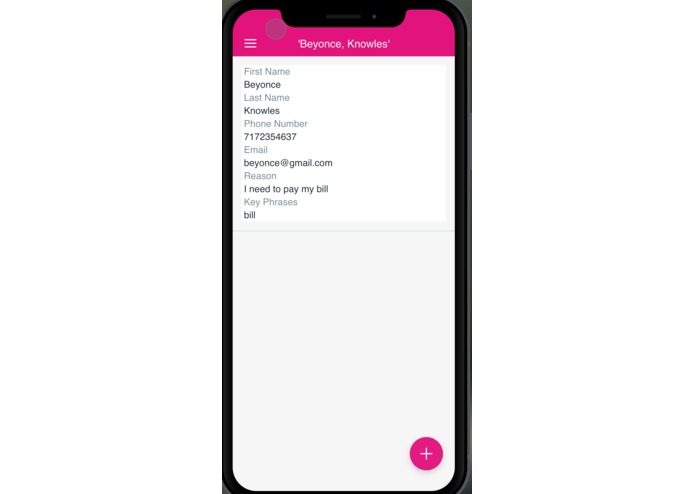
Our application allows customers to set appointments on the appointment form in the app. This form detects customer needs using AI, it uses this AI to alert the employee who is going to be taking care of that customer later about their problem or reason for coming. This enables T-Mobile employees to better assist the customers when they walk in the store and give them the best customer service possible.
After the customer finishes filling in their appointment, there is a prompt that asks the customer if they want to download a mobile application that will make their Retail Experience better and give us permission to use their location when they have an appointment set. This mobile application is an extension of Zing, and is directly connected with our web app. This application tracks the customer's location and sends a notification to the team member who is assigned to the customer when they are nearby. This allows our team members to get ready or to add other people who might be waiting inline if the customer is really far away. We used a Location Services API on the phone to track the customers so its pretty accurate.
Our application also allows employees to cancel people from the queue, or add people to the queue, and to close tasks in the queue in real time on app that is connected to the web app. Essentially we have 3 apps that are seamlessly connected, and we really worked hard on this because this was a huge pain point for most of the the people from T-Mobile we talked to
How we built it
We built the application using Outsystems, HTML 5, CSS3, Javascript and several API Keys including a google maps key, and an azure api key.
Challenges we ran into
We tried to tackle all the cases, and we put a lot on our plate because we wanted the perfect solution, and that in turn slowed us down a little bit.
Also, we didn't have enough data to work with. For example, we didn't have personal information for the customers that T-mobile would normally have to integrate a better use of the AI.
Accomplishments that we're proud of
We are really proud of the fact that we feel like this solution can actually be implemented in the real world, and also that we were able to make 3 separate applications that essentially function as 1.
What we learned
We learned the importance of cross integration between technology platforms in business.
What's next for Zing
Hopefully we'll get access to actual Data sets that we can use to better our AI.


Log in or sign up for Devpost to join the conversation.