


DIHAD HUMANITARIAN COLLEGE

Teaching Method:
Hybrid

Credits:
60 ECTS

Duration:
16 Months

Modules:
9
College and University



Brief
Acknowledging the pivotal role of education in fostering sustainable progress, DIHAD Humanitarian College embarked on a groundbreaking initiative focused on promoting sustainable development, resilience, and equity, while instilling a sustainable mindset in future generations – the first-ever Master’s Degree Program in Sustainable Humanitarian Action.
The DIHAD Humanitarian College proudly introduced in 2022, the world’s first Master’s Degree Program in Sustainable Humanitarian Action. This innovative program was meticulously crafted to equip students with essential concepts, practical knowledge, and a sustainable outlook to tackle the multifaceted challenges of humanitarian work. DIHAD College resembles a beacon of hope and inspiration in the field of education and Humanitarianism.
Teaching Methods
- Physical lectures
- Online lectures
- Seminars
- Study visits
- Conferences
Objective
- Obtain key concepts and practical knowledge in sustainable humanitarian action in addition to gaining insights on how to adapt to the future of humanitarian work.
- Acquire a sustainable mindset to deliver sustainable projects.
- Attain critical humanitarian management skills and knowledge.
Curriculum | 2026/2027
Subjects
- Foundations and Principles of Humanitarian Action
- The International Humanitarian System
- Humanitarian Action: The Issues and the Actors
- Humanitarian Global Coordination and Architecture
- The Politics and Neutrality of Humanitarian Aid
ECTS: 5 ECTS Delivery Method: Online
Subjects
- Global Trends and International Tensions
- Humanitarian Diplomacy and Multilateral Engagement
- Negotiation, Mediation, and Conflict Resolution
- Foreign Policy and Humanitarian Action
ECTS: 6 ECTS Delivery Method: Online
Subjects
- Foundations and Contemporary Challenges of the (IHL)
- Compliance, Accountability, and Justice in Humanitarian Contexts
- Ethics and Moral Responsibility in Humanitarian Action
ECTS: 5 ECTS Delivery Method: Online
Subjects
- Strategic Leadership Foundations and Emotional Intelligence
- Leading with Influence, Presence, and Inclusion in Humanitarian Contexts
- Adaptive Leadership and Systems Thinking for Humanitarian Challenges
- Executive Crisis Leadership and High-Stakes Decision-Making
ECTS: 8 ECTS Delivery Method: Optional Physical in ROME
Subjects
- Localization and Community Engagement
- Sustainable Logistics and Supply Chain
- Humanitarian Financing and the Aid Economy
- Crisis Communication, Media, and Narrative
- Conflict Sensitivity & Peacebuilding
- Climate Adaptation & Environmental Resilience
ECTS: 7 ECTS Delivery Method: Online
Subjects
- Managing Humanitarian Systems in a Changing World
- Strategic Planning and Innovation for Sustainable Humanitarian Action
- Scenario Planning and Risk Anticipation for Complex Crises
- Foresight and Futures Thinking in Humanitarian Contexts
ECTS: 6 ECTS Delivery Method: Online
Subjects
- Digital Transformation and Emerging Technologies in Humanitarian Action
- Human-Centered Innovation and Design for Humanitarian Solutions
- Data for Humanitarian Impact
- Ethics, Risks, and Governance in the Digital Humanitarian Space
ECTS: 8 ECTS Delivery Method: Physical in Dubai
Subjects
- The Evolving Landscape of Humanitarian Action
- Rethinking Humanitarian Principles and Systemic Reform
- Rebuilding Trust and Legitimacy in Humanitarian Action
- Shaping the Future of Humanitarianism: New Models and Narratives
ECTS: 8 ECTS Delivery Method: Physical in Dubai
Subjects
- Election, Preparation, and VIVA of the Master’s Thesis
ECTS: 7 ECTS Delivery Method: Hybrid


The Faculty

H.E. Amb. Prof. Abdulsalam AlMadani
Chairman of DIHAD Sustainable Organisation and Chairman of DISAB; Roving Ambassador of the Parliamentary Assembly of the Mediterranean (PAM) for the GCC Region
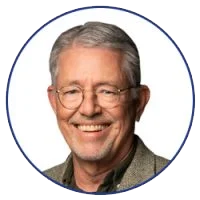
H.E. Amb. Gerhard Putman-Cramer
Ambassador, Permanent Delegation of the Parliamentary Assembly of the Mediterranean to the United Nations and other International Organisations in Geneva
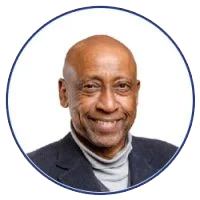
Mr. Amin Awad
President of the Foundation Council, DCAF Genève Center for Security Governance; Former United Nations Assistant Secretary-General and Crisis Coordinator for Ukraine; Senior Fellow, Advanced Leadership Initiative, Harvard University
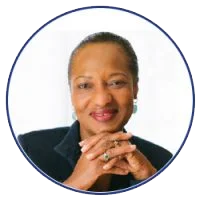
Ms. Ann Encontre
Former Director, the Ethics Office, United Nations High Commissioner for Refugees (UNHCR), Geneva

Mr. Claus Sorensen
Senior Adviser on Resilience,
Humanitarian Aid and Crisis Response, Norwegian Refugee Council; Former Director-General, ECHO
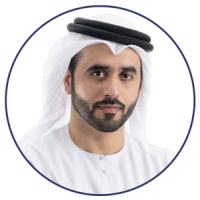
Eng. Khaled Al Attar
Director-General of DIHAD Sustainable Organisation
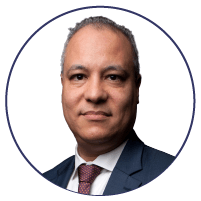
Dr. Khaled Khalifa
Senior Advisor and Representative to the GCC Countries, United Nations High Commissioner for Refugees (UNHCR)
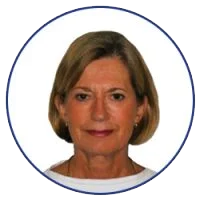
Ms. Magda Ninaber van Eyben
Senior Humanitarian Aid Advisor
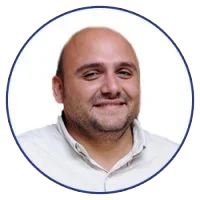
Mr. Mario Stephan
Director of Philanthropic Partnerships, Center for Civilians in Conflict
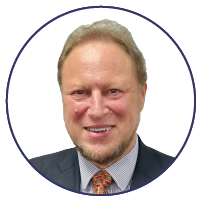
Professor Dr. Michael A. Köhler
Grand Bargain Ambassador; Professor at the College of Europe, Bruges; Deputy Director-General, European Commission (ret.)
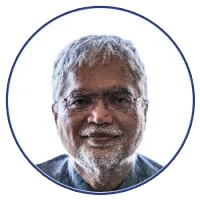
Dr. Mukesh Kapila
Professor Emeritus,
Global Health & Humanitarian Affairs, University of Manchester; Senior Adviser to the Parliament Assembly for the Mediterranean (PAM); Adviser on the Strategic and Technical Advisory Group for Antimicrobial Resistance for the World Health Organization (WHO)
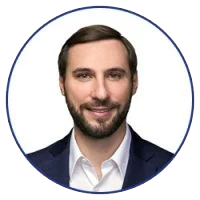
Dr. Paolo Petrocelli
Director General,
Stauffer Center for Strings; Founder & President, Euro Mediterranean Music Academy – EMMA for Peace; Honorary President & Co-Founder, Italian Youth Association for UNESCO
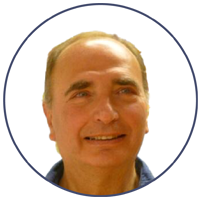
Prof. Randolph Kent
Director, Humanitarian Futures; Director and Senior Research Associate, Royal United Services Institute; Visiting Professor, African Leadership Centre; King’s College, London
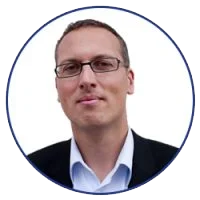
Drs. Yannick du Pont
Member of the Development Cooperation Committee at the Dutch Advisory Council on International Affairs; Founder of Spark, Amsterdam
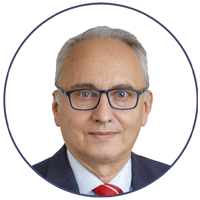
H.E. Amb. Dr. Zoran Jolevski
Former Minister of Defense; Vice Rector, European University – Skopje; Senior Fellow, Harvard University; an Ambassador to the United States and Secretary General of the Cabinet of the late President Boris Trajkovski
Guest Lecturers
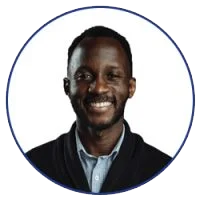
Mr. Adrian Kitimbo
Research Officer,
UN Migration Agency (IOM); Research Associate at GIBS, University of Pretoria
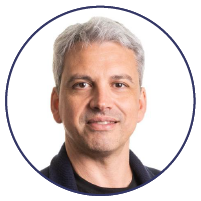
Dr. Andrea Atzori
CEO, Doctors with Africa CUAMM UK

Ms. Bérangère Böell
United Nations Resident Coordinator for the UAE

Ms. Clare Dalton
Advisor, Policy Planning Department, United Arab Emirates Ministry of Foreign Affairs
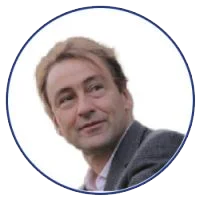
Mr. David Harland
Executive Director of the Centre for Humanitarian Dialogue;
Member of the United Nations Secretary-General’s High-Level Advisory Board on Mediation, United Nations

Ms. Dina L. Storey
CEO, Optimum Green Ventures, COO, HawanaWater, Executive Advisor and Subject-Matter, Expert Climate Change and Sustainability | Former Director of Sustainability Operations Expo 2020 Dubai
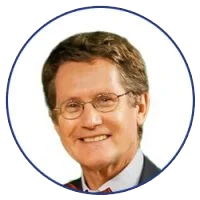
Dr. Eric de Roodenbeke
International Consultant; Past Chief Executive Officer,
International Hospital Federation (IHF)
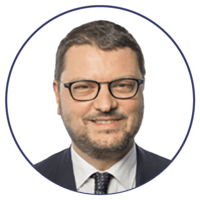
H.E. Hon. Gennaro Migliore
Board Member and Director, Centre for Global Studies – CGS
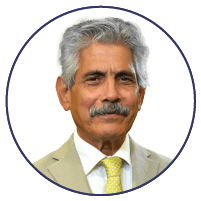
Mr. Giuseppe Saba
Chief Executive Officer of Dubai Humanitarian; Founder of UNHRD Network and former Network Coordinator

Ms. Hatice Beton
Executive Director & Co-Founder of the G20 & G7 Health and Development Partnership

Mr. James DR Brown
Disaster Response & Humanitarian Assistance Specialist; UK Member of the United Nations Disaster Assessment & Coordination (UNDAC) Team; Visiting Lecturer in Disaster Response

Dr. Manal Taryam
CEO and Board Member of Noor Dubai Foundation
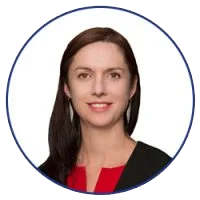
Dr. Marie McAuliffe
Head, Migration Research and Publications Division;
Editor, World Migration Report, Department of Policy and Research, International Organization for Migration (IOM)
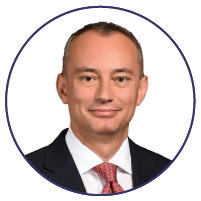
H.E. Nickolay Mladenov
Director General of the Anwar Gargash Diplomatic Academy

H.E. Panos Moumtzis
Executive Director and Former United Nations Assistant Secretary General, Global Executive Leadership Initiative (GELI)

Ms. Sajeda Shawa
Head of United Nations Office for the Coordination of Humanitarian Affairs (UN OCHA) Office in the UAE
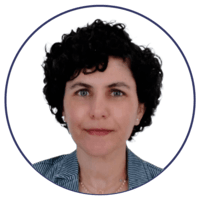
Dr. Sama Al-Shawi
Legal Advisor, International Committee of the Red Cross (ICRC), UAE
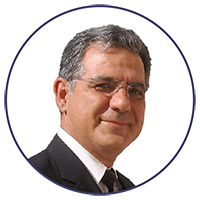
H.E. Amb. Sergio Piazzi
Secretary-General, Parliamentary Assembly of the Mediterranean (PAM)

Mr. Stephen Anderson
Former Director, World Food Programme (WFP) UAE Office and Representative to the GCC Region

H.E. Xavier Castellanos Mosquera
Under Secretary General for National Society Development and Coordination, The International Federation of Red Cross and Red Crescent Societies (IFRC)
Outcomes
By joining DIHAD Humanitarian College you’ll have a chance to upskill your humanitarian talents and obtaining a degree in Sustainable Humanitarian Action. The program provides candidates with a chance to meet top names in the field which qualifies people from around the world to prepare and respond to crises wherever they are, in addition to refining leadership skills in aims to deliver relief to people on a worldwide scale and altering society.
DIHAD Humanitarian College also builds a highly skilled workforce equipped to prepare and respond more effectively and efficiently to catastrophes from all kinds by curating and sharing top notch humanitarian knowledge and building a network of aspiring future pioneers of hope.
Admission Requirements
- Candidates must have obtained a Bachelor’s degree program with a minimum of 3.0 GPA on a scale of 4.0.
- Candidates are required to have a recognized qualification in the English language; for example, a score of 6.0 in IELTS or an equivalent of 500 in TOEFL.
- A minimum of 2 years of experience in the humanitarian field or a minimum of 2000 certified volunteering hours in the humanitarian field.
- All qualified applicants must pass a personal interview with the committee.
- Letter of recommendation.
- Passport copy.
Career Opportunities
The Master’s Degree in Sustainable Humanitarian Action offers a wide range of career opportunities. The program will qualify graduates to start or boost their existing careers within Non-Governmental Organisations, International Humanitarian Organizations, United Nations agencies, National Government Authorities, Red Cross/Red Crescent Movement, Humanitarian Foundations and Charities, Academic Institutions, or the Private Sector. This will ultimately give students the chance to become specialists in humanitarian sustainability and a wide range of career opportunities become available such as field project/program officers, managers and directors, consultants, and even corporate social responsibility (CSR) departments in private companies.
Our Students’ Feedback

11352+
Applications

128
Students

93
Nationalities

125
Organisations

63
Bachelor’s

59
Master’s

6
Doctorate/PhD

1012
Total Years of Experience

Main Sponsors




Head Office
INDEX Holding HQ, Road D-62 , Opposite
Nad Al Hamar, Dubai, UAE P.O. Box 13636
© DIHAD Sustainable Organisation
