
Last updated on January 2, 2026

Archetype of Finality | Illustration by Chris Rahn
Magic has an abundance of decks that have been developed over its 30-year history. These decks use a wide range of cards, win conditions and alternate win conditions to bring an end to the game. This diversity is a large part of Magic's appeal.
But, as diverse as the card options may be, there are often underlying ideas and themes that bind decks together across decades and formats. These underlying tenants are the archetypes of decks. Understanding deck archetypes is vital to improving as a player; it helps you play better and aids in deck building so you can brew decks, not just piles of cards.
Let's talk about that!
What Is an Archetype in Magic?

Archetype of Endurance | Illustration by Slawomir Maniak
Archetypes in Magic refer to the strategy and game plan of a decklist. The difference between deck lists isn’t just the cards they play, but why they play them. A control deck plays Lightning Bolt primarily for removal, while an aggro deck uses it to end the game.
Archetypes are one of the most fundamental parts of the game. The first questions you should ask yourself when you build a deck or try to understand that brew that Top 8’d your local PTQ is: “What’s the archetype? How do you plan to win?”
To start, I tend to view Magic archetypes as sitting on a spectrum defined by aggro and control on either end. The archetypes I cover here are the foundations of deckbuilding, and numbered just to help myself keep them straight. I'll also take a look at what happens when they intermingle, or when other strategies get introduced.
#1. Aggro

Screaming Nemesis | Illustration by Liiga Smilshkalne
Creature (23)
Magebane Lizard x3
Manifold Mouse x4
Emberheart Challenger x4
Heartfire Hero x4
Hired Claw x4
Screaming Nemesis x4
Instant (14)
Might of the Meek x2
Witchstalker Frenzy x4
Burst Lightning x4
Monstrous Rage x4
Sorcery (1)
Land (22)
Mountain x16
Rockface Village x4
Soulstone Sanctuary x2
Sideboard (15)
Scorching Shot
Soul-Guide Lantern x2
Torch the Tower x2
Twisted Fealty
Sunspine Lynx x4
Magebane Lizard
Mountain
Case of the Crimson Pulse
Ghost Vacuum x2
At one end of our spectrum are aggro decks. These decks look to end the game ASAP with a critical mass of cheap creatures to rush down your opponent. Aggro decks tend to go all in on winning within the first turns of the game and don’t have much removal or many grindy cards to help an extended game; win or lose, aggro matches tend to be decided early.
Aggro decks are full of cheap creatures and cheap spells with a low land count that facilitates playing spells as quickly as possible, ensuring they have the critical mass of damage needed to take an opponent out.


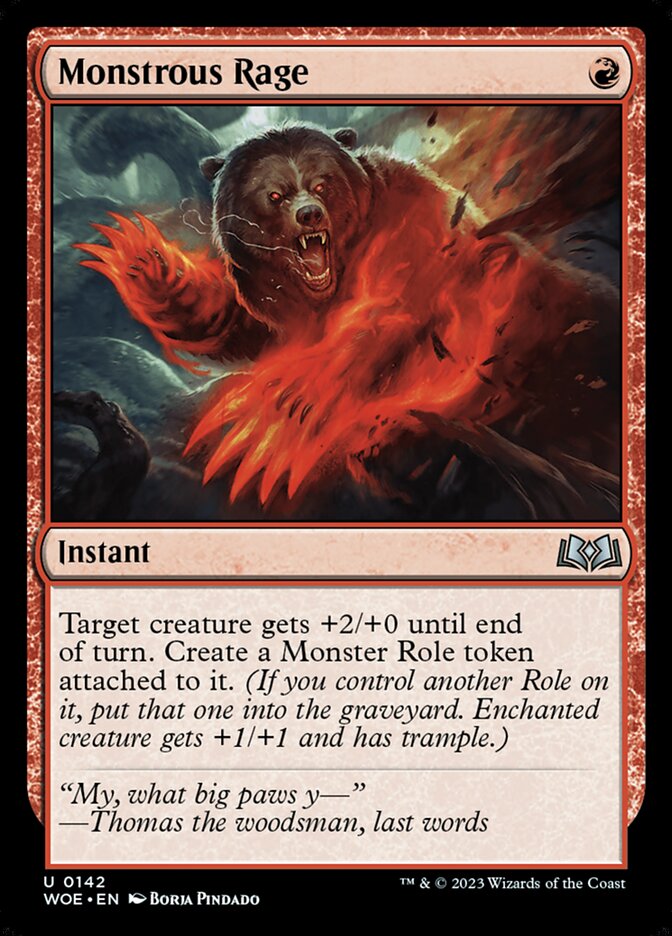

A great example of an aggro deck is a former Standard red aggro build (the decklist above contains cards that were eventually banned in the format), which takes advantage of the synergies between mouse creatures like Heartfire Hero and Manifold Mouse. Using Manifold Mouse to trigger Heartfire Hero’s valiant ability grows it and gives it double strike, and you can go even further with cards like Monstrous Rage and Might of the Meek.


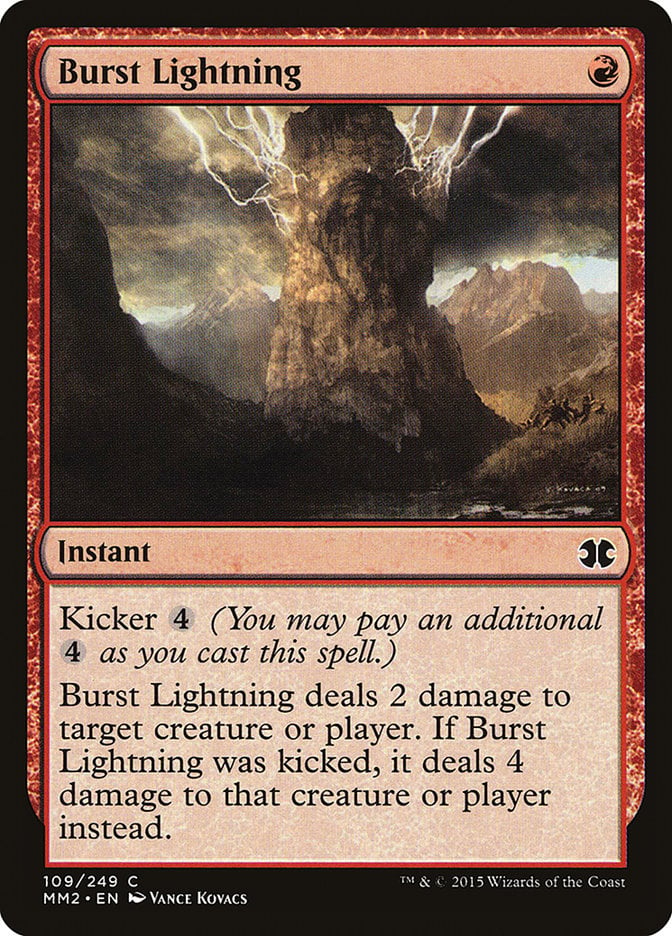
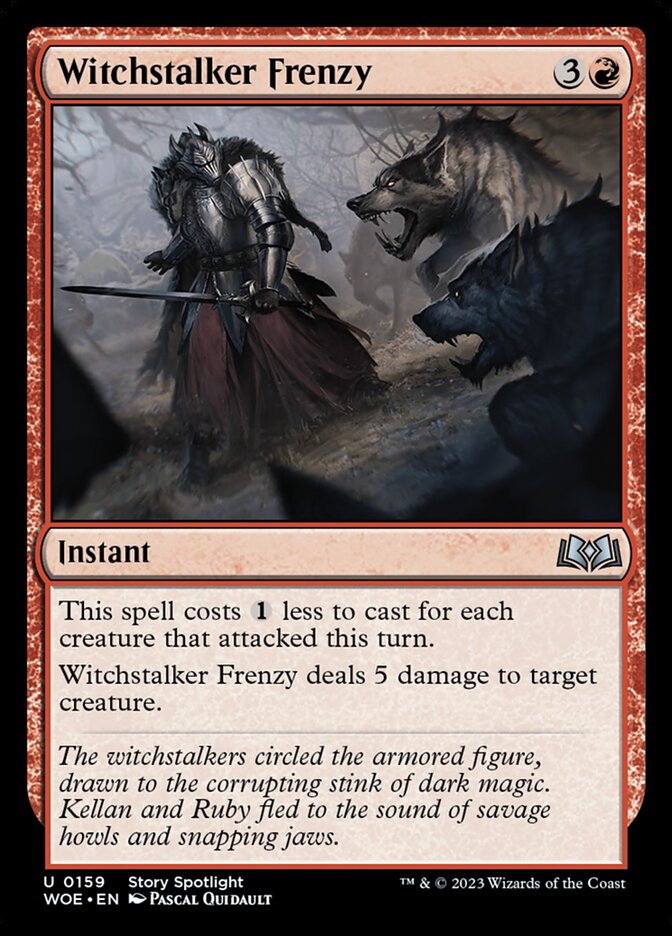
Cards like Hired Claw and Screaming Nemesis aren’t mice, but they help with the “attack every turn” game plan. A land like Rockface Village helps by giving our creatures haste, while Burst Lightning often finishes games or clears away early blockers. The only card in this decklist that doesn’t help with direct damage is Witchstalker Frenzy, but it’s our best way to clear up big blockers—and you can still turn it into a burn spell if you cast it on your Screaming Nemesis.
#2. Control

Lay Down Arms | Illustration by Liiga Smilshkalne
Planeswalkers (7)
Teferi, Hero of Dominaria x3
The Wandering Emperor x4
Instants (15)
Absorb x4
Dovin's Veto x3
Fateful Absence
March of Otherworldly Light x2
Memory Deluge x3
No More Lies x2
Sorceries (6)
Lay Down Arms x4
Supreme Verdict x2
Enchantments (5)
Shark Typhoon x3
Temporary Lockdown x2
Lands (27)
Castle Ardenvale
Castle Vantress
Eiganjo, Seat of the Empire
Field of Ruin x3
Hall of Storm Giants x2
Hallowed Fountain x4
Irrigated Farmland x4
Island x2
Otawara, Soaring City
Plains x4
Prairie Stream x4
Sideboard (15)
Aether Gust
Dovin's Veto
Dream Trawler
Hallowed Moonlight x2
Hullbreaker Horror
Mystical Dispute x2
Narset's Reversal
Narset, Parter of Veils
Rest in Peace x3
Supreme Verdict
Test of Talents
Control dominates the other end of the spectrum. Control decks are about as far from aggro as you can get. These decks use a bunch of cheap interaction to extend the game as long as possible so they can win at their leisure.
Card advantage is also important to a strong control strategy. You need to see more cards than your opponents so that you can bury them beneath all your removal. Control decks are often multicolor decks that use blue for access to card advantage like Memory Deluge, and countermagic like Essence Scatter and Three Steps Ahead.
The secondary color usually gives access to removal that blue lacks. A popular pairing in Pioneer right now is white. You'll see these decks use white to access interaction like Lay Down Arms and Supreme Verdict as well as finishers like Teferi, Hero of Dominaria and The Wandering Emperor.
It's also a great example of how slowly a control deck can win the game. Once you’ve taken control with your wraths and counterspells and such, you can win at your own pace by chipping away with tokens from The Wandering Emperor and Castle Ardenvale. You can even win by putting Teferi, Hero of Dominaria back into your library with its -3 ability to force your opponent to mill out.
Control decks thrive in metas with access to plentiful interaction to disrupt their opponents. This archetype is great for players who enjoy long games and want to outthink their opponents. It’s also a good fit for players with a deep knowledge of all the decks in their format so they can pinpoint and exploit those decks’ weaknesses.
#3. Midrange
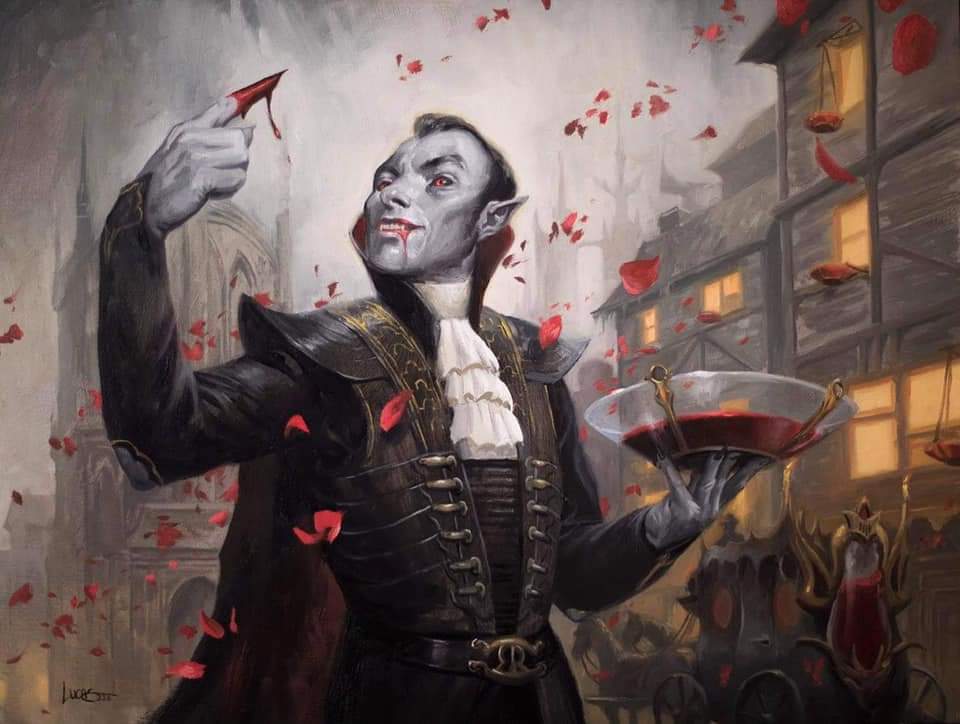
Bloodtithe Harvester | Illustration by Lucas Graciano
Creature (13)
Fear of Missing Out x3
Sheoldred, the Apocalypse x3
Blade of the Oni x2
Bloodtithe Harvester x4
Kroxa, Titan of Death's Hunger
Enchantment (8)
Unholy Annex x4
Fable of the Mirror-Breaker x4
Instant (8)
Abrade x2
Fatal Push x4
Go for the Throat x2
Sorcery (6)
Duress x2
Thoughtseize x4
Land (25)
Blood Crypt x4
Urborg, Tomb of Yawgmoth
Swamp x3
Mutavault x4
Blackcleave Cliffs x4
Mountain
Blightstep Pathway x4
Sulfurous Springs
Blazemire Verge x3
Sideboard (15)
Kolaghan's Command
Duress
Extinction Event x2
Go Blank
Invoke Despair x3
Unlicensed Hearse x2
Anoint with Affliction
Torch the Tower x2
Damping Sphere x2
Midrange sits in the middle of our spectrum between control and aggro, borrowing a few pieces from each. There will often be plenty of cheap interaction just like you’d see in a control deck, paired with efficient threats that one could see in an aggro deck. It often walks the line between the two, looking to out-aggro the control decks and win quickly, but slowing down against aggro decks and grinding them out in a longer game.
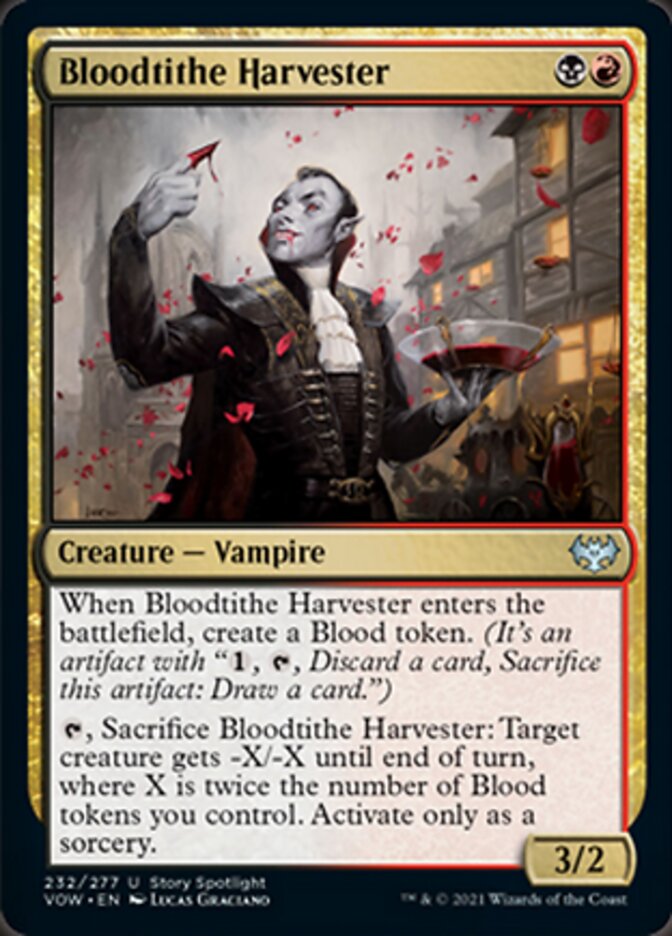
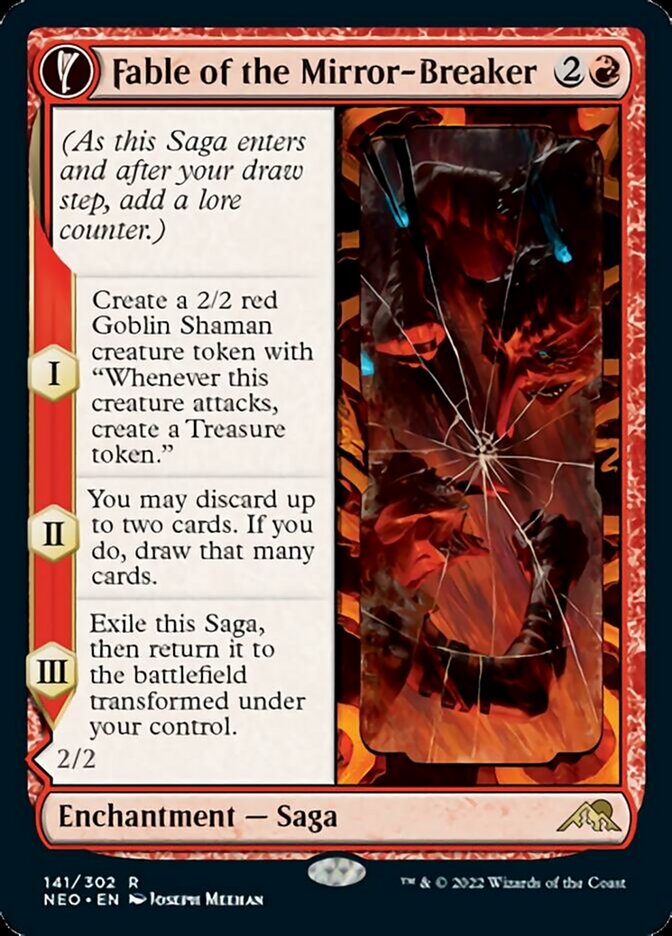
A good example is a typical black midrange deck in Pioneer. You have creatures that pressure your opponent’s life total while leaving good value behind, and are also good at blocking aggro creatures. The versatility of a card like Bloodtithe Harvester demonstrates what a midrange deck wants from its threats: It attacks, blocks, loots via the Blood token, and can be a good removal spell. Fable of the Mirror-Breaker is an all-star, giving you ramp, card filtering, and late-game power. You also have a discard suite to ruin control decks while also disrupting other midrange decks. These decks’ sideboards are crucial because you want to be more controlling against aggro, and be more aggressive/disruptive against control and combo.
Midrange decks are fantastic for players looking for a challenge. I’ve always found them to be the hardest decks to pilot as they ask you to be the control player and the aggro player depending on the matchup, and it even shifts multiple times over the course of a game. It requires adaptability and a solid understanding of not just your turn, but also the next turns of your and your opponent’s gameplay. Because midrange decks tread the space between aggro and control they have a jack-of-all-trades-master-of-none vibe that’s challenging and rewarding when you play it perfectly.
#4. Combo
Atraxa, Grand Unifier | Illustration by Marta Nael
Creatures (12)
Serra's Emissary
Archon of Cruelty x3
Atraxa, Grand Unifier
Grief x4
Griselbrand x3
Instants (8)
Dark Ritual x4
Entomb x4
Sorceries (18)
Exhume x4
Faithless Looting x4
Reanimate x4
Thoughtseize x2
Unmask x4
Enchantments (4)
Animate Dead x4
Artifacts (4)
Lotus Petal x4
Lands (14)
Badlands x2
Bloodstained Mire x2
Marsh Flats x2
Polluted Delta x2
Scrubland
Swamp x2
Underground Sea
Verdant Catacombs x2
Sideboard (15)
Dauthi Voidwalker x4
Faerie Macabre x3
Show and Tell x4
Thoughtseize
Wear / Tear x3
If we look at our previous archetypes as points on a line representing our spectrum, aggro and control are on opposite ends, with midrange being a point in the middle. The point representing combo decks would be off the line because this is a whole other card game. We’re entering the realm of unfair decks.
The other decks we’ve looked at are, by and large, fair. They follow the quintessential rules of Magic: They deploy creatures and spells to take their opponents to 0, just with different plans of how they want to get there. They play Magic as Richard Garfield intended. Combo wins out of left field, invoking other strategies that use cards in interesting ways to skirt the intentions of the creator.
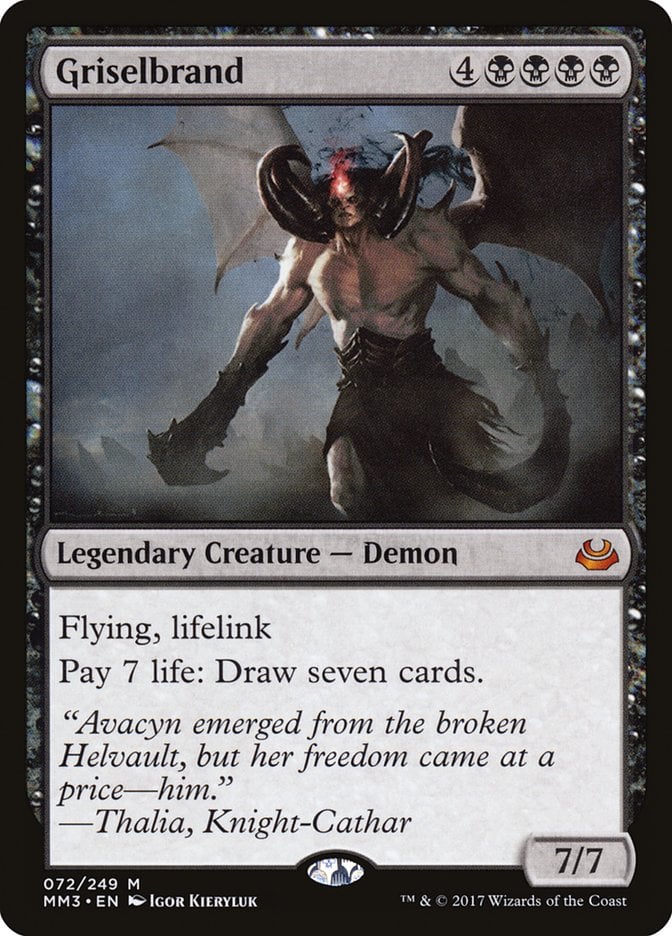
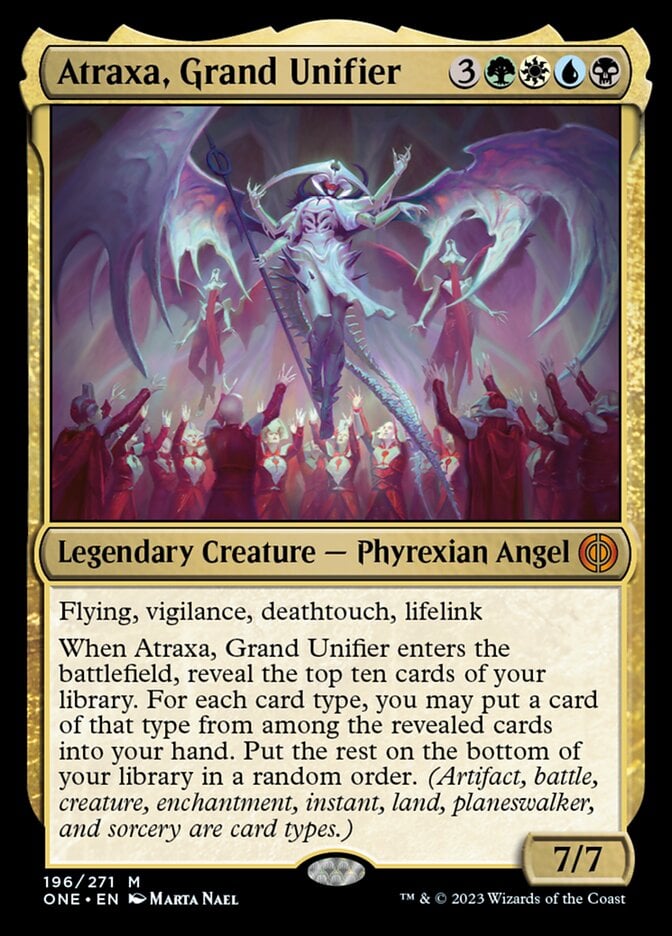
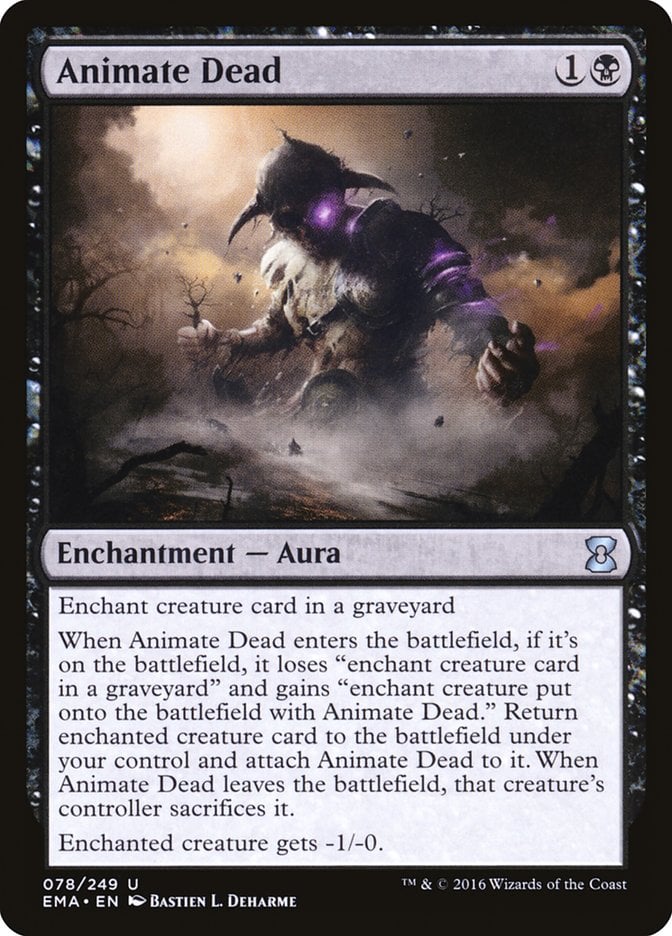
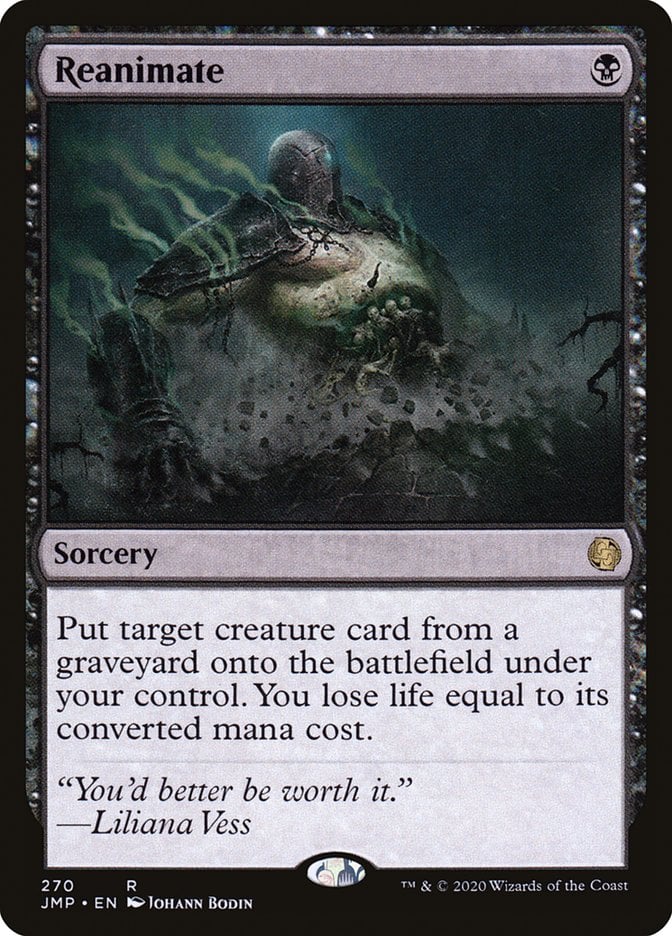
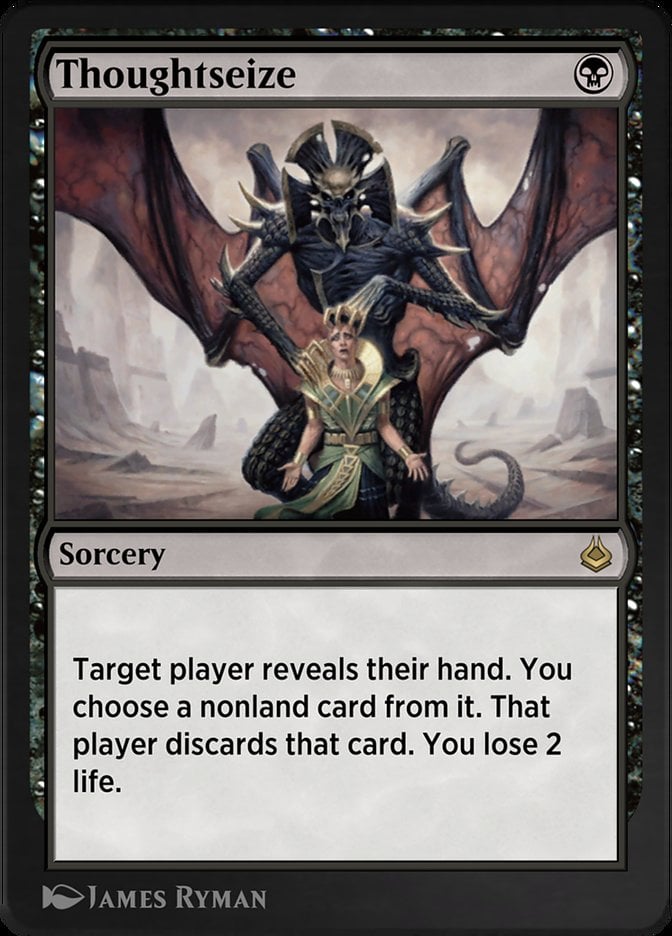
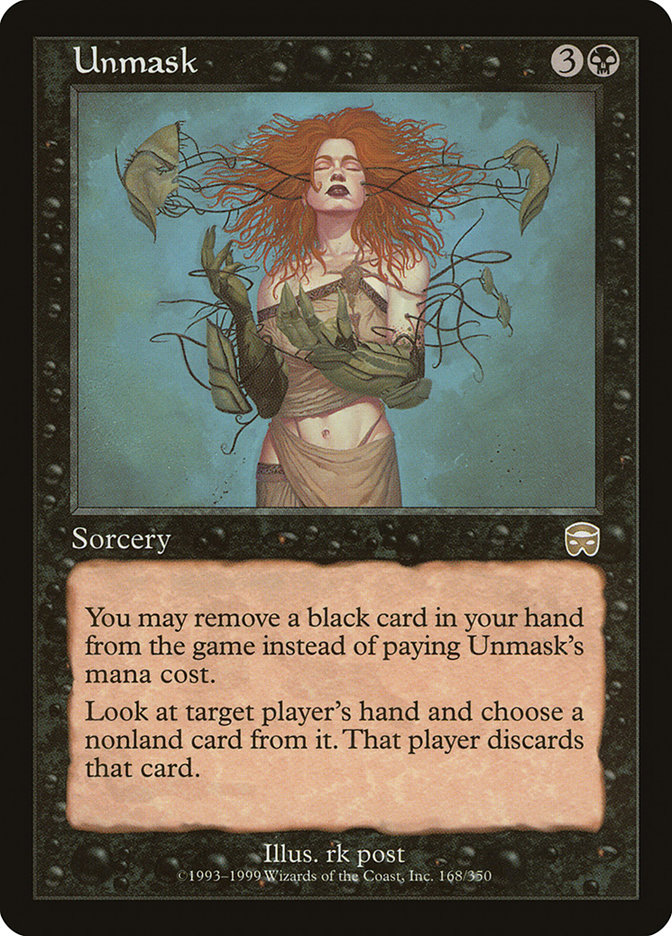
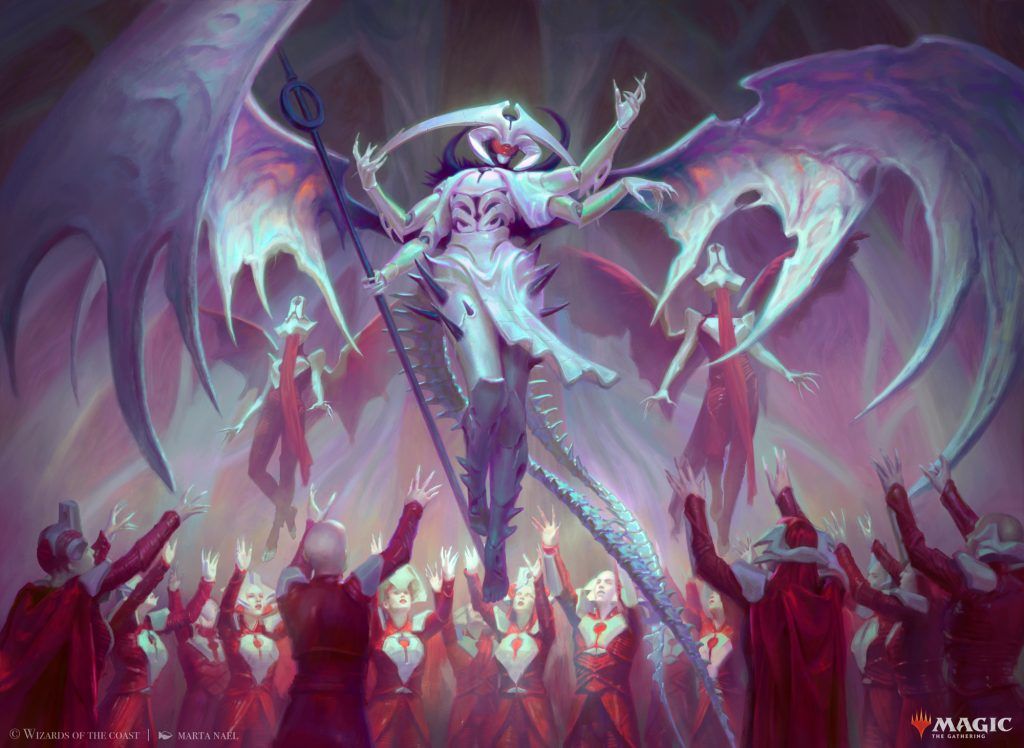
Take this Legacy reanimator deck. It wins with Griselbrand and Atraxa, Grand Unifier, but it’s certainly not paying for them honestly. The deck drops them in the graveyard and uses spells like Animate Dead and Reanimate to get them back. It has some disruptive elements in Thoughtseize and Unmask to help get the combo off, but the whole deck is basically an engine with one purpose: reanimate.
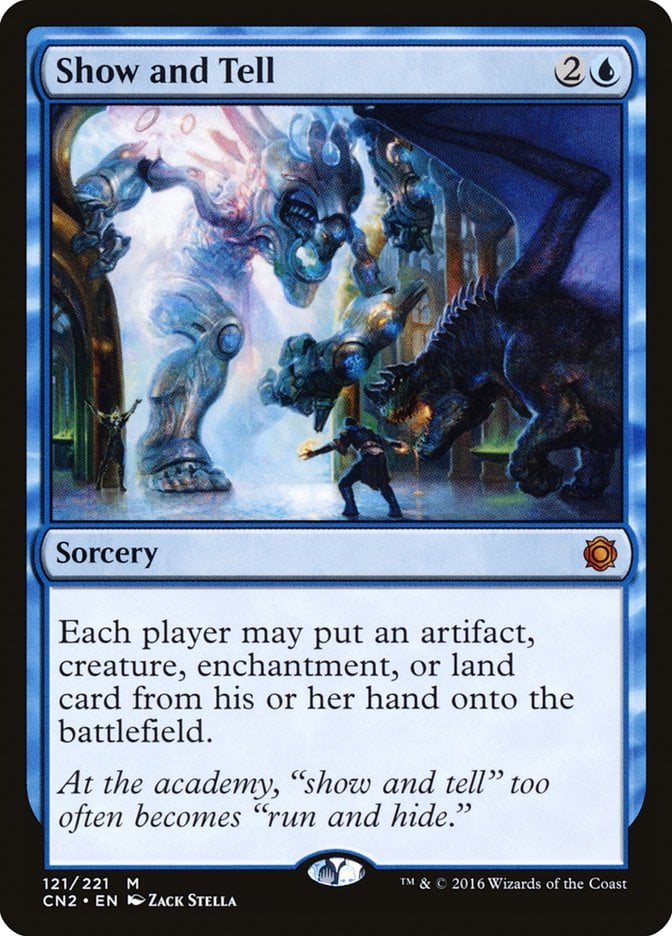
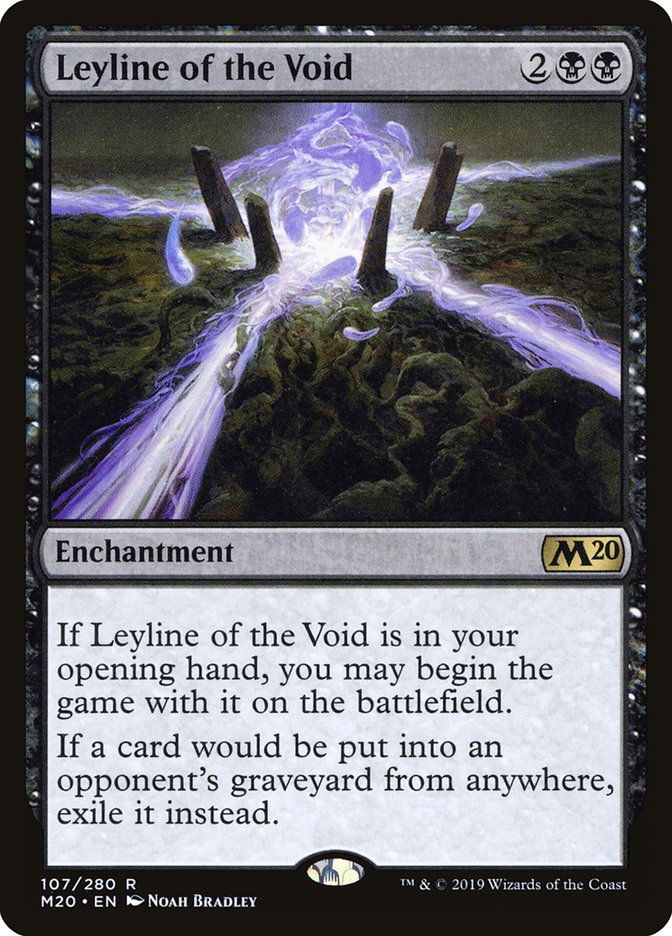
You’ll often find combo decks with a strong engine feel like this. There aren’t a lot of cards on the list for value or to help in various matchups. It’s all geared towards doing “the thing” as quickly as possible. Any situational tech is in the sideboard to respond to your opponent’s sideboarding; for example, cards in the reanimator sideboard like Show and Tell and Wear // Tear are great against opposing decks trying to use cards like Leyline of the Void to disrupt your graveyard.
Combo decks are unconventional and use strategies far off the beaten path. These decks are great for players who want to puzzle out the best route to victory. Playing combo decks well is about understanding the lines you take to get from zero to Griselbrand and executing them around whatever disruptive elements your opponents might be playing. This is the perfect archetype for anybody who looks at their hand and sees how they want to win.
#5. Combo-Control
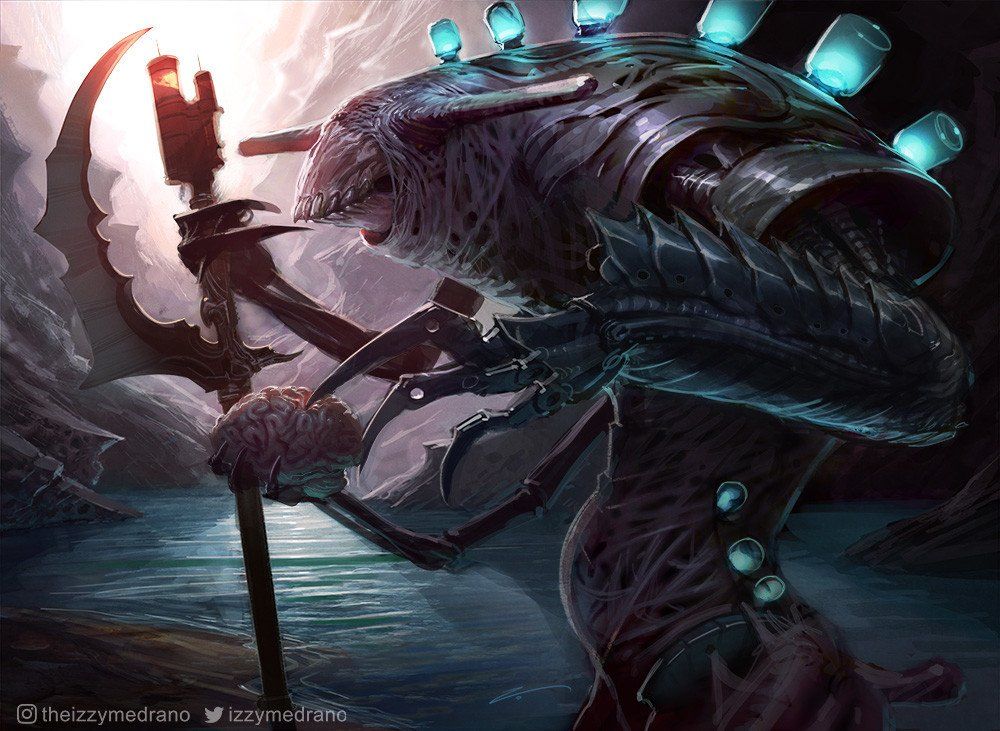
Deceiver Exarch | Illustration by Izzy
Creatures (15)
Deceiver Exarch x4
Kiki-Jiki, Mirror Breaker
Pestermite x2
Snapcaster Mage x4
Spellskite x2
Vendilion Clique x2
Instants (13)
Cryptic Command
Dispel
Electrolyze
Lightning Bolt x4
Remand x4
Twisted Image
Peek
Sorceries (5)
Enchantments (4)
Lands (23)
Cascade Bluffs
Desolate Lighthouse
Island x5
Misty Rainforest x4
Mountain
Scalding Tarn x4
Steam Vents x3
Stomping Ground
Sulfur Falls x2
Tectonic Edge
Sideboard (15)
Ancient Grudge x2
Anger of the Gods x2
Batterskull
Blood Moon x2
Combust
Echoing Truth
Keranos, God of Storms x2
Relic of Progenitus
Swan Song x2
Threads of Disloyalty
Combo-control is what happens when fair meets unfair. These decks combine the elements of a control deck with a combo finisher. These often aren’t built around engine combos the way combo decks like reanimator or storm are, but they work off 2-card combos that close the game after using cheap interaction to maneuver themselves into a position to combo off with ease.
The best-known example of combo control is the Modern Splinter Twin deck (with an early prototype version displayed above). Its primary win condition was the 2-card infinite of Splinter Twin with Deceiver Exarch or Pestermite to end the game as soon as turn 4.
Rather than being geared to churn out the combo as soon as possible, this deck is surrounded by a suite of cards that wouldn’t look out of place in a control deck. There’s cheap removal like Lightning Bolt and Flame Slash, and counterspells like Dispel and Remand. Splinter Twin plays out a controlling game plan before using the combo as a finisher.
The inclusion of control elements gives the deck more strength in a longer game than a traditional combo might have, while the combo gives the control shell an explosive finish, making it harder for an opponent to top deck out of a losing situation. Combo-control decks are great for players who enjoy the controlling strategy but don’t want to spend their evenings tucking Teferi 50 times, or for players who like the idea of combo decks but don’t care for the all-or-nothing playstyle that engines can result in.
#6. Aggro-Control/Tempo

Into the Flood Maw | Illustration by Danny Schwartz
Creature (4)
Enchantment (4)
Artifact (4)
Instant (19)
Monstrous Rage x4
Torch the Tower x3
Into the Flood Maw x3
Sleight of Hand x4
Opt x4
Abrade
Sorcery (8)
Land (21)
Spirebluff Canal x4
Shivan Reef x4
Island x6
Mountain x3
Riverpyre Verge x4
Sideboard (15)
Torch the Tower
Unable to Scream
Get Out x2
Ghost Vacuum x2
Witchstalker Frenzy
Enduring Curiosity x2
Into the Flood Maw
Spell Pierce x3
Ral, Crackling Wit x2
Aggro-control decks, also called tempo decks, borrow from control’s love of cheap interaction but pair it with more efficient creatures rather than a combo finisher. Tempo decks don’t pop up often since they need a specific blend of interaction and creatures to really work.
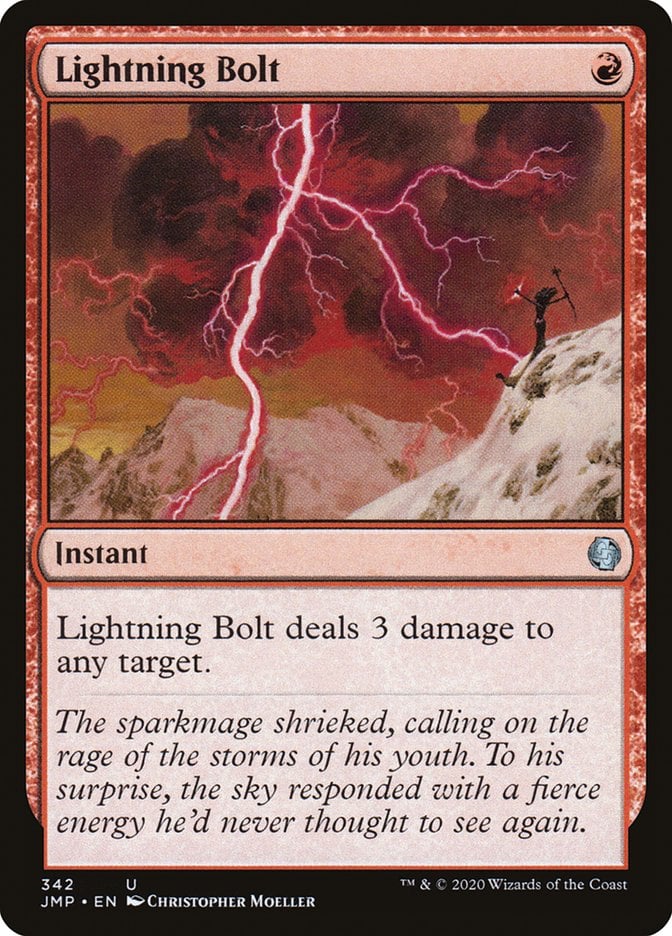
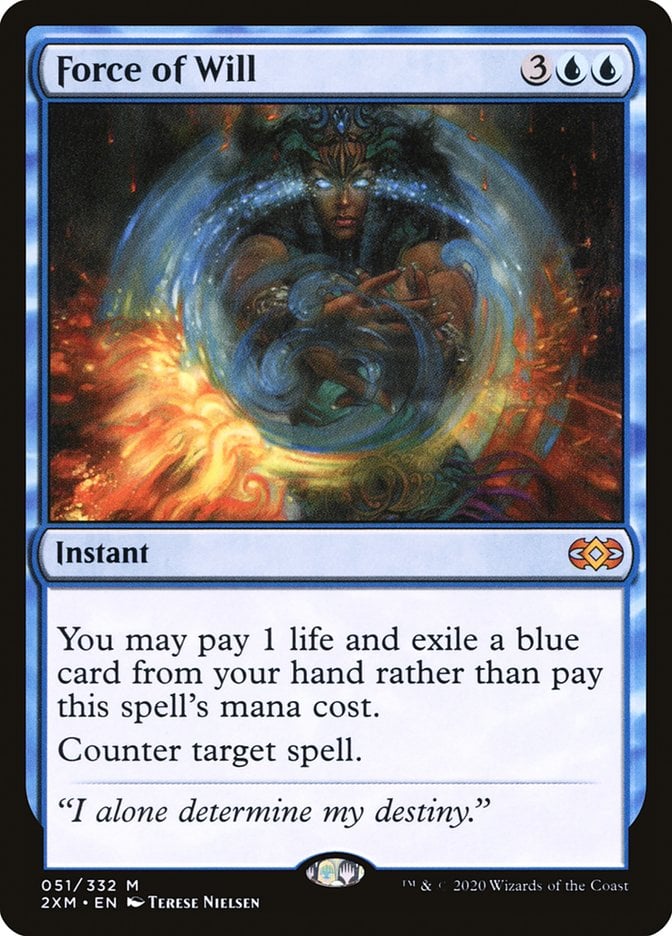
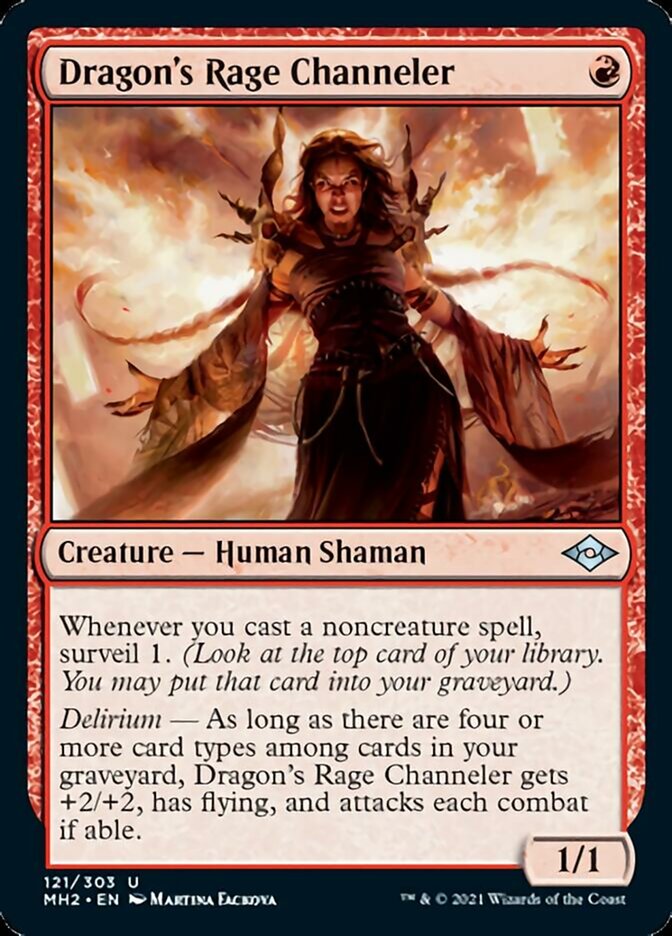
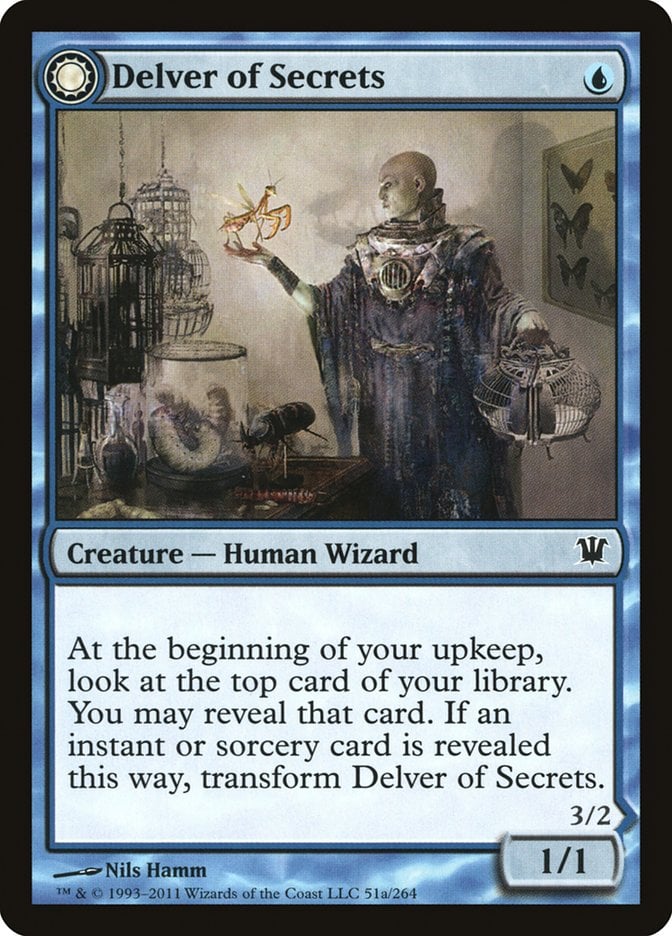
The prime example of tempo is Legacy’s perennial Izzet Delver deck. We can see the control influence with cards like Lightning Bolt and Force of Will, and we’ve got some of the best aggressive creatures ever printed, like Dragon's Rage Channeler and Delver of Secrets.
Aggro-control decks are one-of-a-kind in that they try to be the control deck, using cheap interaction and counterspells, while benefiting from said cards when their creatures are in play. Against aggressive decks, you want to kill their creatures or counter their spells, and against control, you want to stick a threat and ride it to victory, using your counterspells to protect your threats or to counter their bigger threats. Aggro-control decks usually have a small window to win the game, and mechanics like prowess and flurry translates into casting a bunch of spells and attacking with a big threat.

Across MTG formats, we have classic aggro-control decks like UB Faeries, UB Rogues, or UR Delver. In Standard, we currently have the Izzet Prowess deck using the key card Cori-Steel Cutter that adds explosiveness. Once this powerful equipment is in play, you can play cantrips or burn spells on your opponent’s turns, triggering flurry and making a token. Next turn, you play a haste creature and another cantrip, which makes another token while triggering the prowess abilities from other creatures you have around. It’s possible to attack for 12 or so just by doing this. Even if you don’t kill your opponent, they still need to deal with all the tokens you have lying around.
Aggro-control decks depend on a combination of cheap, instant-speed interaction and threats that can get played around those spells. The typical weakness of a creature deck with a bunch of countermagic is that it conflicts with your mana. If you cast a creature spell on your turn, you can’t hold up mana for your counters. But if you hold up countermagic, you can’t meaningfully impact the board.
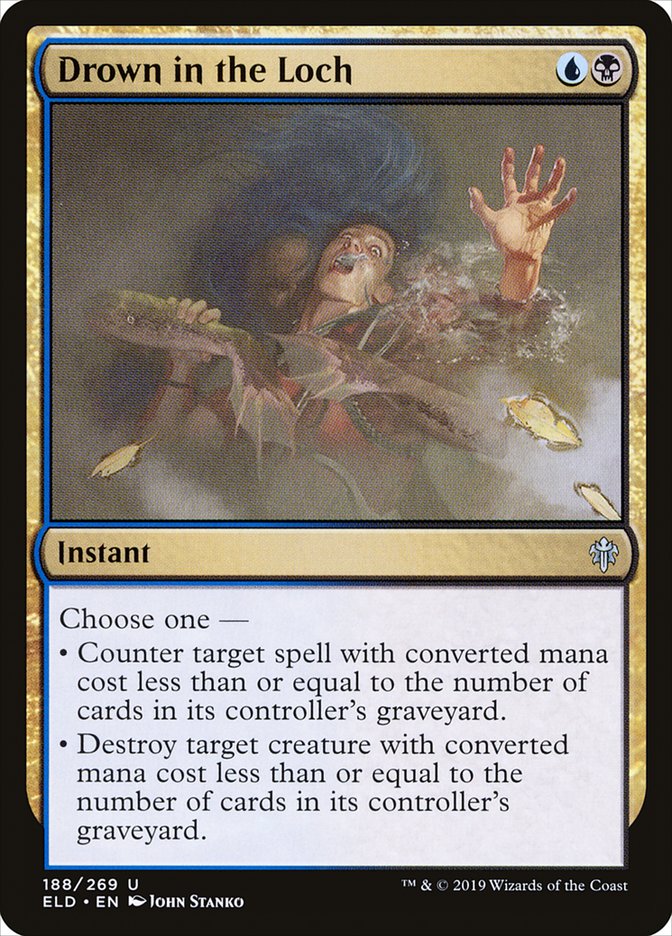
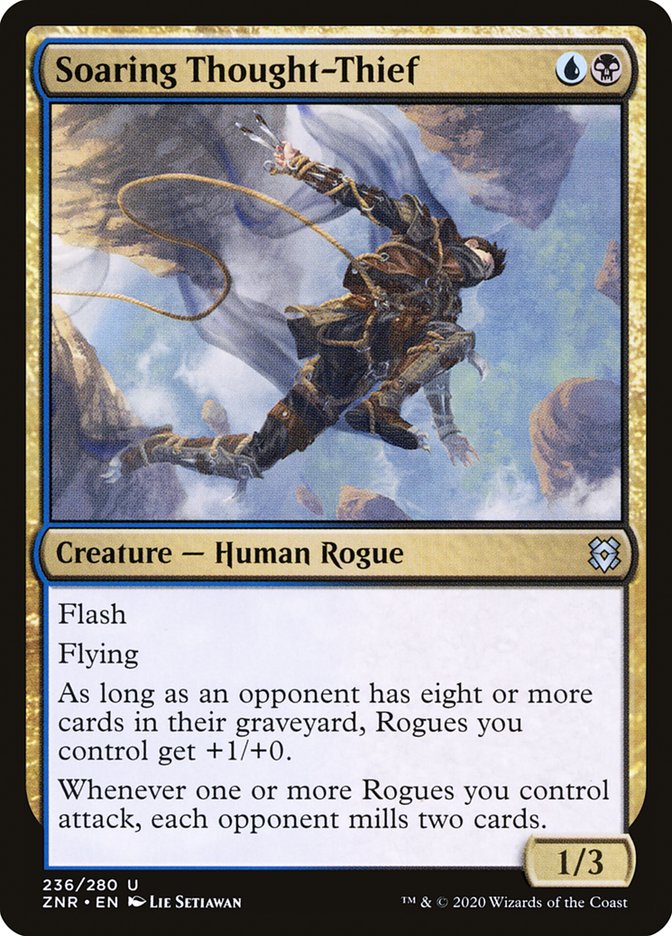
Flash creatures can get around this. This made the Standard rogues deck so potent back in Zendikar Rising Standard. They could hold up interaction like Drown in the Loch and threats like Soaring Thought-Thief and deploy whatever was most appropriate. You also have decks, like Delver, that get around this restriction by playing free countermagic and tapping out on their turn.
Aggro-control decks are my favorite to play. They’re similar to midrange in that they constantly keep you on your toes and ask you to rapidly switch between being the control player and the aggro player. This is a great option for players who like playing tricky decks that reward careful sequencing and quick thinking.
#7. Ramp
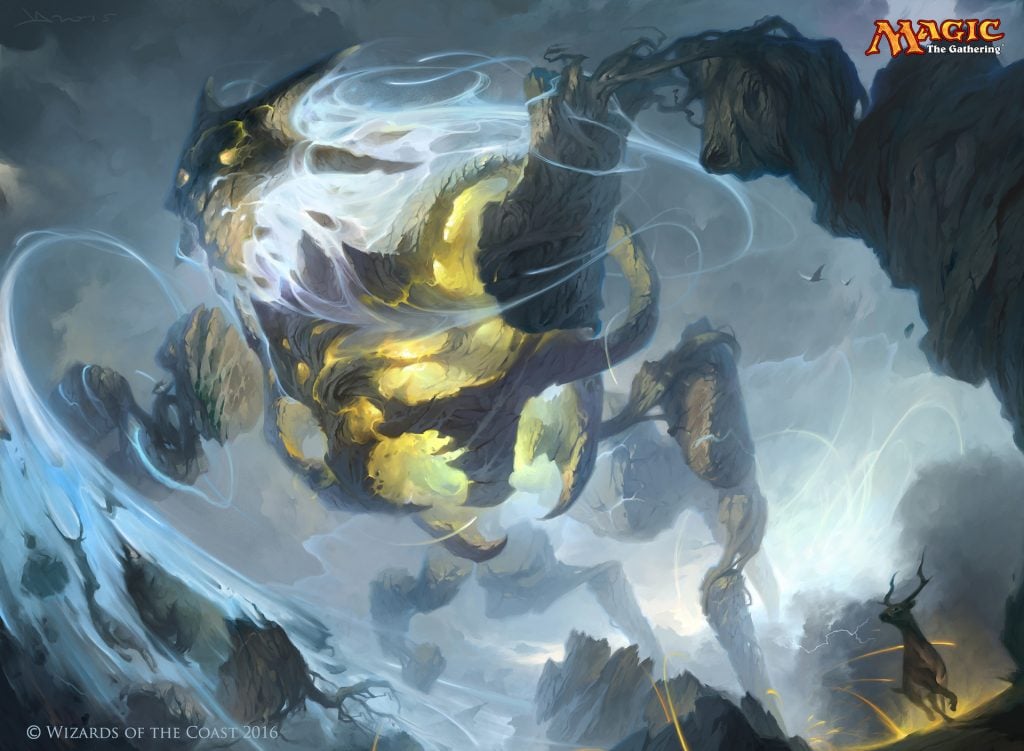
Maelstrom Wanderer | Illustration by Victor Adame Minguez
Commander (1)
Planeswalker (1)
Creature (33)
Apex Devastator
Aurora Phoenix
Averna, the Chaos Bloom
Balefire Dragon
Consecrated Sphinx
Drakuseth, Maw of Flames
Etali, Primal Conqueror
Etali, Primal Storm
Goreclaw, Terror of Qal Sisma
Gwenna, Eyes of Gaea
Hullbreaker Horror
Imoti, Celebrant of Bounty
Inferno Titan
Klauth, Unrivaled Ancient
Kodama of the East Tree
Kogla and Yidaro
Kogla, the Titan Ape
Koma, Cosmos Serpent
Koma, World-Eater
Moraug, Fury of Akoum
Nezahal, Primal Tide
Nyxbloom Ancient
Old Gnawbone
Pathbreaker Ibex
Sakura-Tribe Elder
Selvala, Heart of the Wilds
Somberwald Sage
Surrak Dragonclaw
Temur Sabertooth
Terror of the Peaks
Thryx, the Sudden Storm
Trumpeting Carnosaur
Zopandrel, Hunger Dominus
Enchantment (6)
Garruk's Uprising
Monstrous Vortex
Sunbird's Invocation
Up the Beanstalk
Warstorm Surge
Zendikar Resurgent
Artifact (5)
Arcane Signet
Crystal Shard
Gilded Lotus
Sol Ring
Thran Dynamo
Instant (4)
Beast Within
Chaos Warp
Nexus of Fate
Release to the Wind
Sorcery (14)
Blasphemous Act
Call Forth the Tempest
Cultivate
Farseek
Genesis Ultimatum
Kodama's Reach
Migration Path
Nature's Lore
Rampant Growth
Rishkar's Expertise
Selvala's Stampede
Skyshroud Claim
Three Visits
Turntimber Symbiosis
Land (36)
Ancient Tomb
Breeding Pool
Cinder Glade
Command Tower
Exotic Orchard
Forest x7
Frontier Bivouac
Hinterland Harbor
Island x2
Ketria Triome
Misty Rainforest
Mosswort Bridge
Mountain x4
Rejuvenating Springs
Rootbound Crag
Sanctum of Eternity
Scalding Tarn
Shivan Reef
Spire Garden
Steam Vents
Stomping Ground
Sulfur Falls
Temple of the False God
Training Center
Wooded Foothills
Yavimaya Coast
Ramp decks typically sacrifice the early turns in the game to build a superior mana position. That can be done via mana rocks: artifacts like the Signets, or Mana Crypt/Mana Vault; or via green spells: Llanowar Elves, Farseek, Cultivate. Either way, you want to be dropping 6 and 7-mana bombs as soon as possible. Not that long ago, Standard had a deck whose sole purpose was to cast Emergent Ultimatum and win from there, so it was racing to get to mana.
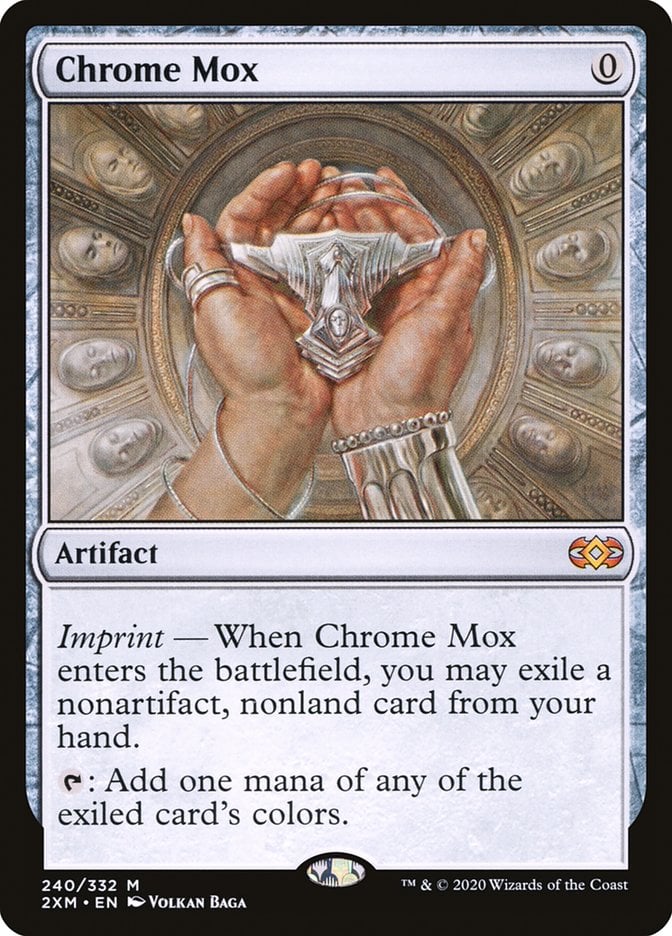
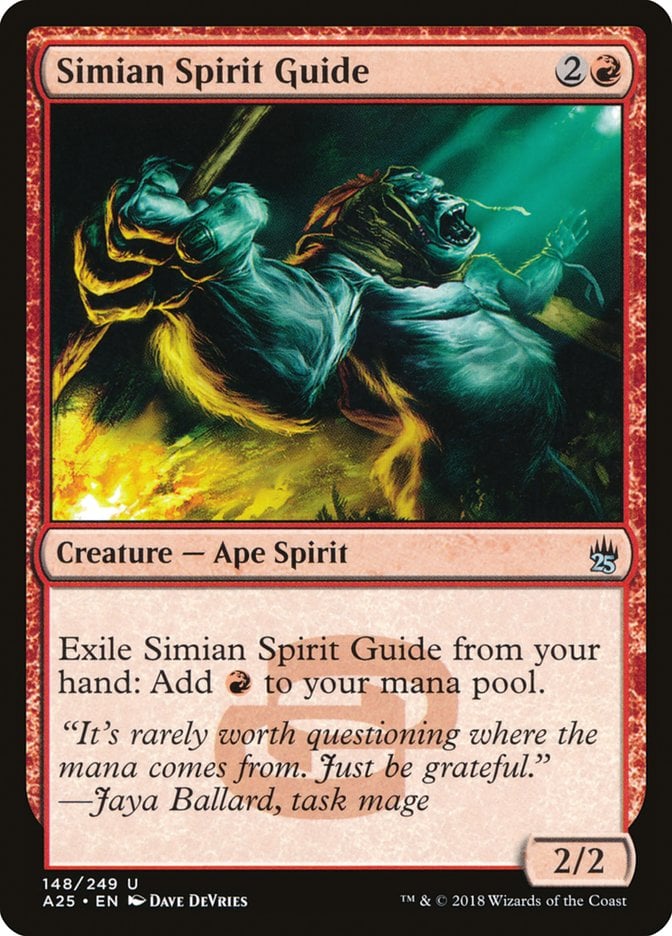
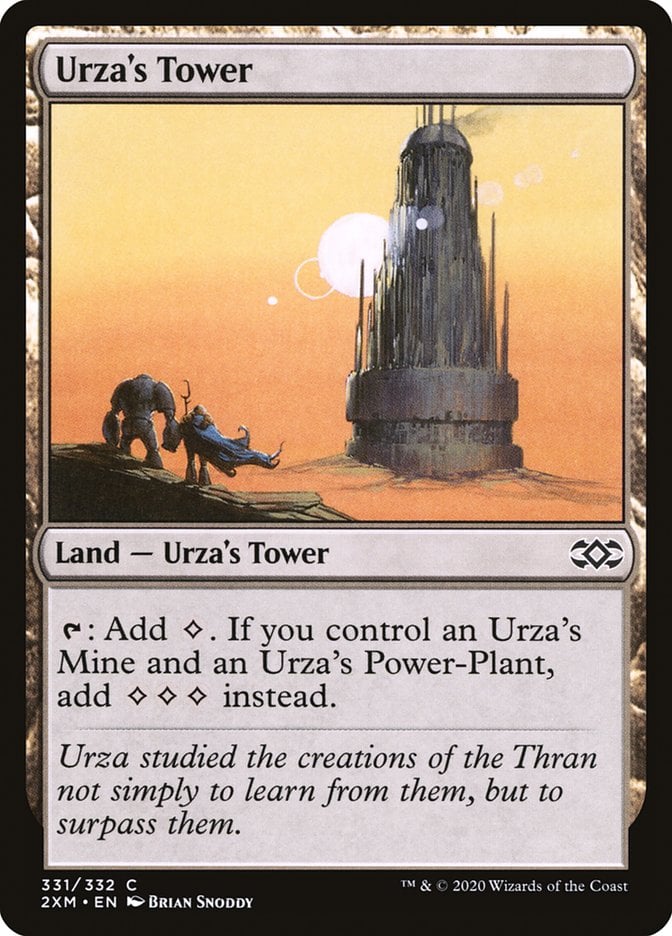
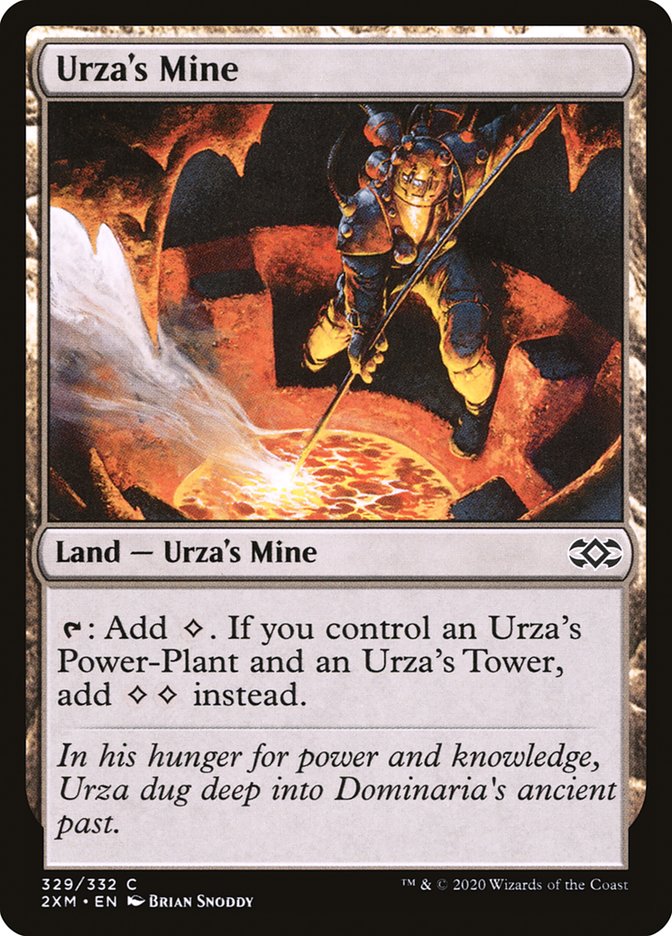
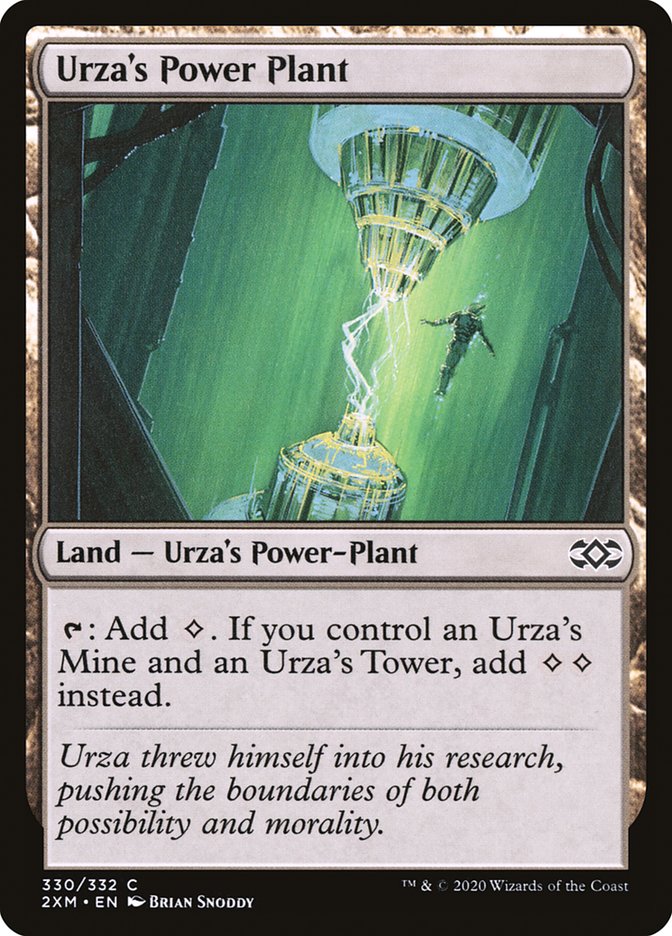
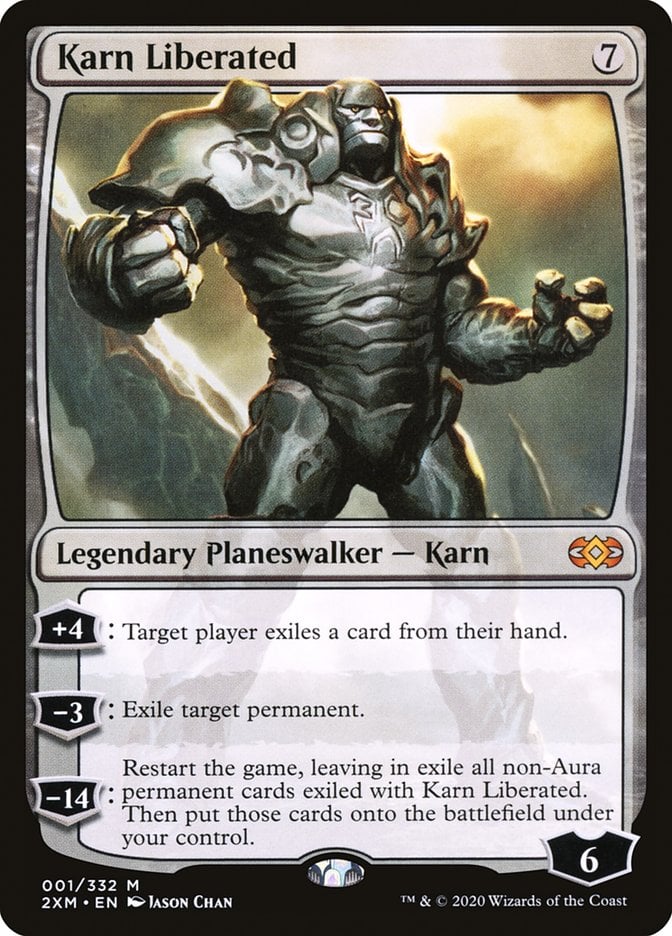
Not all ramp decks focus on lands. A lot work off other forms of fast mana. Legacy has a great example in dragon stompy that uses cards like Chrome Mox and Simian Spirit Guide to accelerate out disruptive cards like Blood Moon and Chalice of the Void to lock your opponents out of the game. Another deck that turbos out threats is Urza Tron in Modern, which uses the Urza lands (Urza's Tower, Urza's Mine, and Urza's Power Plant) to drop cards like Karn Liberated on turn 3.
Commander, especially casual Commander, is one of the best formats to play ramp decks. It’s a slower format that’s decided by who’s the last standing, so you have plenty of time to deploy your expensive spells. Some Commander decks have very expensive commanders that create a huge advantage if you resolve them, so you need to get there ASAP. The decklist I have here is a typical Maelstrom Wanderer deck from EDHREC. Not only do you want to cast it because of all the cascade triggers, but you also want to cascade into high mana value spells. Your decklist ends up having a high mana curve overall, and the dream is to cascade into two 7-cost cards.
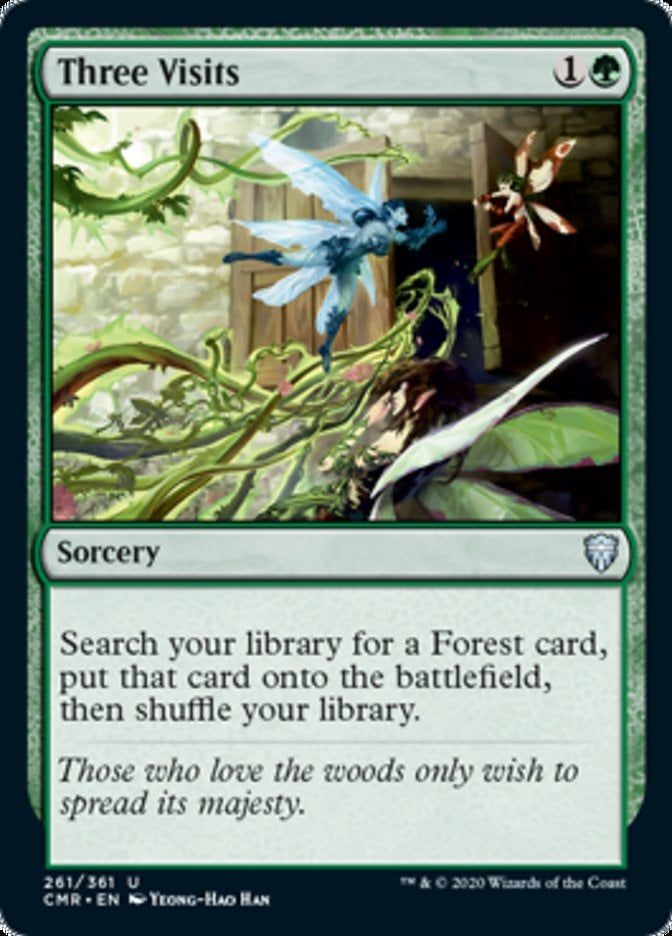
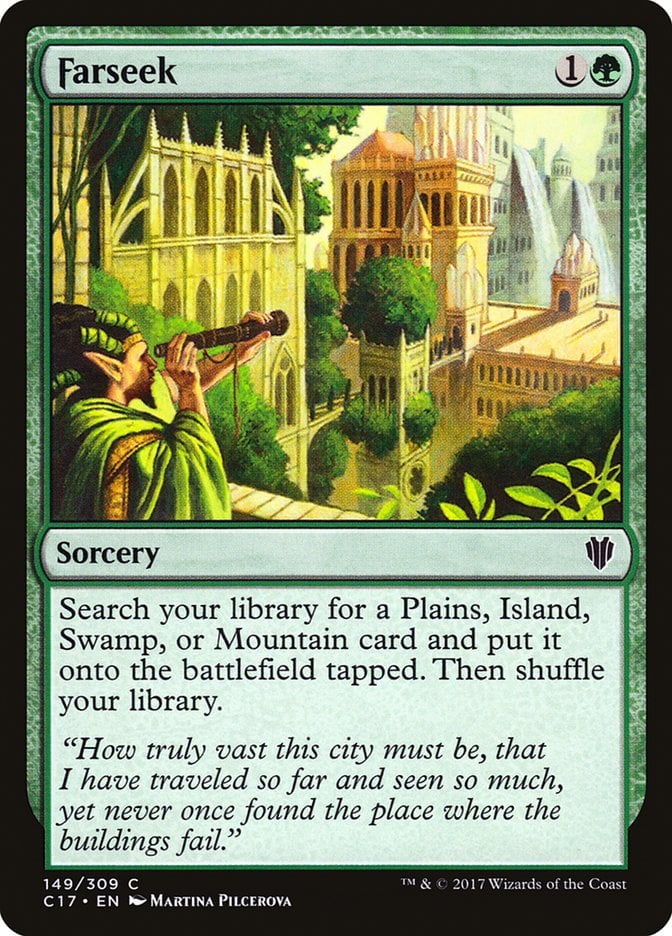
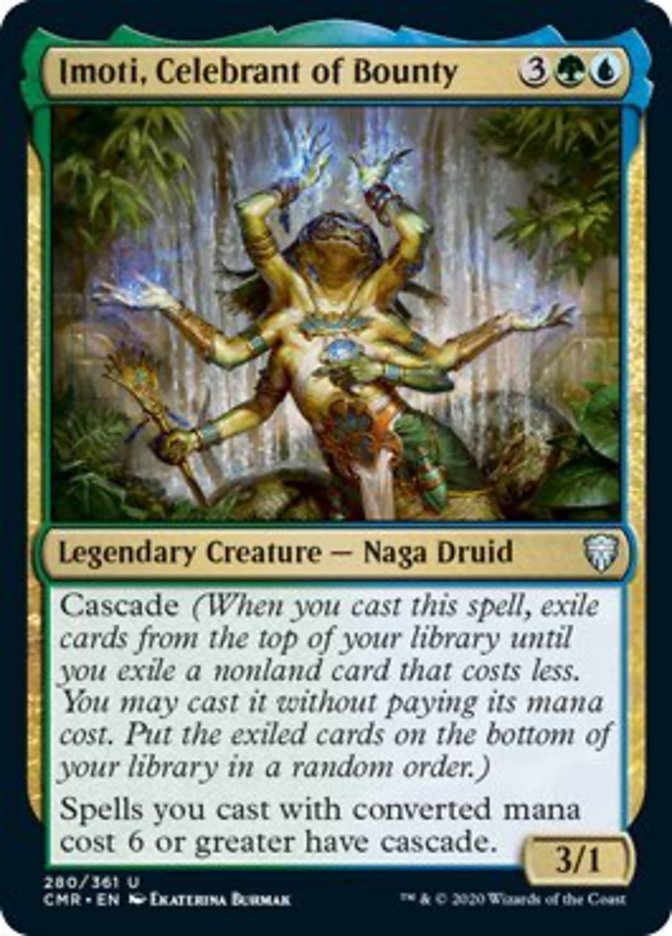
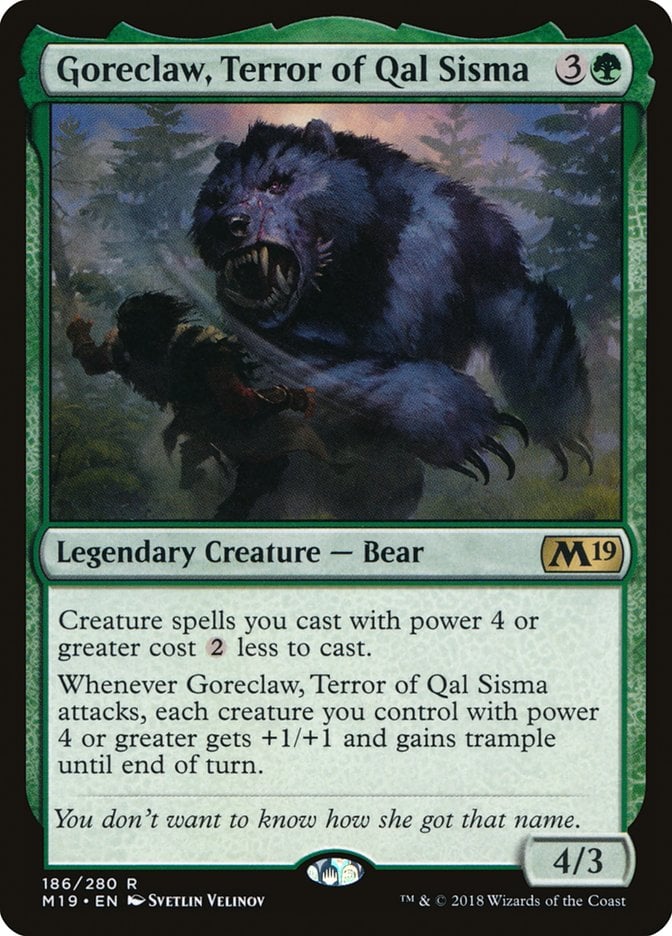
This deck has plenty of 5- to 7-mana creatures that work as both cards we want to cast normally and cascade targets. This deck has many lands and uses cards like Three Visits and Farseek to make extra land drops, so we can cast expensive cards ahead of curve. Cards like Imoti, Celebrant of Bounty and Goreclaw, Terror of Qal Sisma act as intermediate milestones when you’re developing your board.
Ramp decks are another great option for newer players thanks to their straightforward gameplan. They’re also great for players who love jamming giant spells and overwhelming their opponents with value.
Archetypes in Limited

Cloud's Limit Break | Illustration by Billy Christian
A lot of these archetypes are present in Limited, but they’ll look very different. The only major archetype that’s not present in the vast majority of Limited formats is combo. It doesn’t come together unless the format specifically seeds in a combo, like Foundations Limited, in which you could open the bomb mythic Bloodthirsty Conqueror and combo off with Marauding Blight-Priest.


Control is the archetype that changes the most. You almost never hit a critical mass of removal intense enough to avoid playing creatures; everybody prioritizes removal super highly. You need early defensive creatures that block well, like Dragon Sniper to defend early against aggro, and a bomb like Dragonback Assault or Jeskai Revelation that wins you the game in the long run. Creatures that help control decks a lot are small bodies that give you an advantage, such as drawing cards, scrying, gaining life, and so on. Note that, without a big splashy finisher, you’re usually playing midrange in Draft/Sealed.
How Do Archetypes Differ by Format?

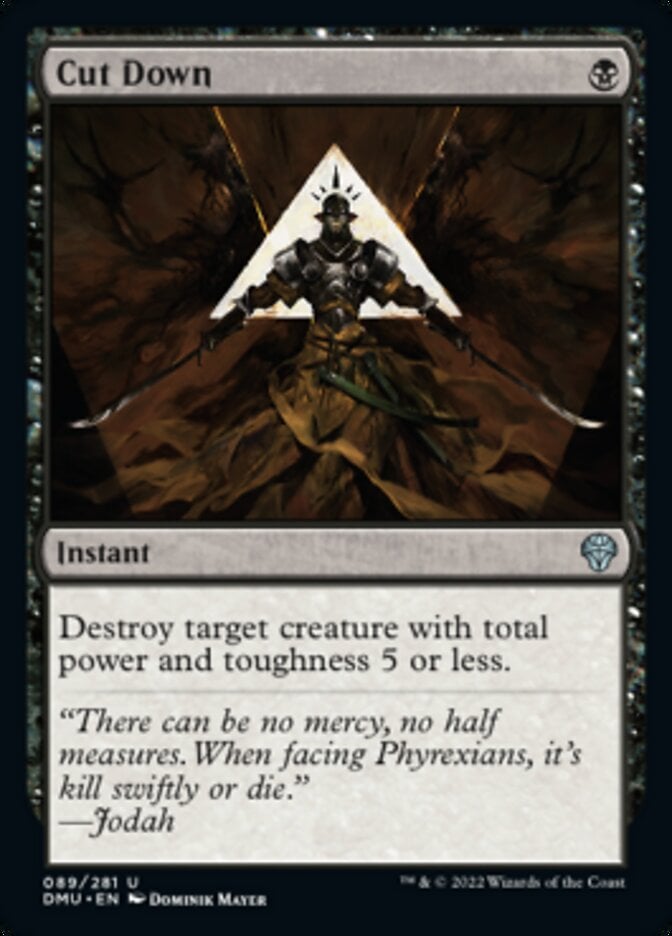
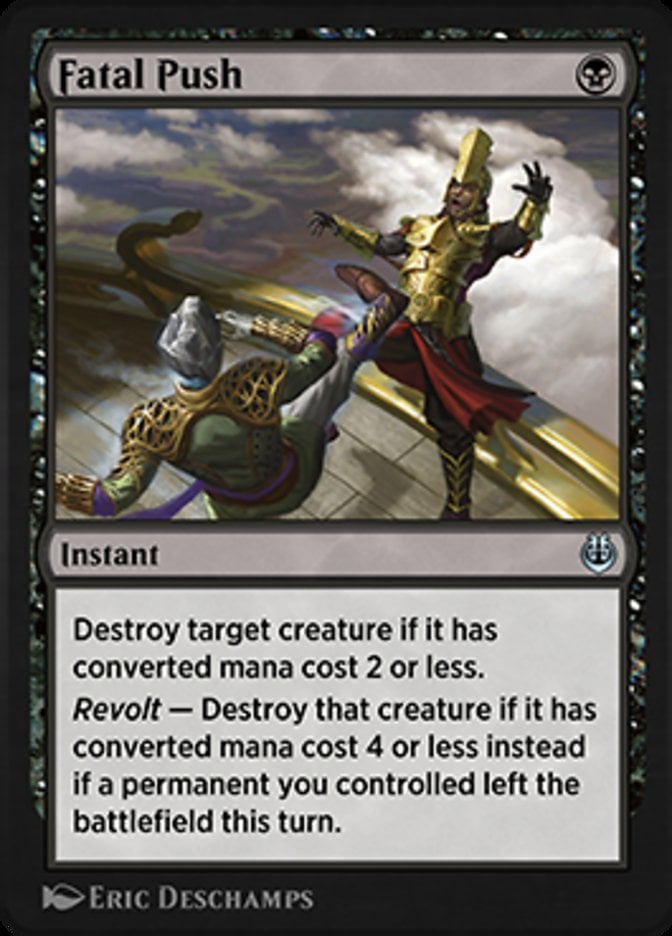
The card pool of a format impacts what decks are available. For example. blue and black aggro-control decks have a good card in common across multiple formats (Kaito, Bane of Nightmares), but the 1-drop enablers, payoffs, and counterspells/removal spells vary greatly. Some formats have only Cut Down as cheap removal, while others have access to Fatal Push. You can have cards like Ponder and Psychic Frog, or you must make do with Opt and Enduring Curiosity. As for combo decks, even formats like Standard have something they can pull off on turns 3-4 (mainly reanimator), while Eternal formats win on turns 1-2.
Metas also have a big impact on which archetypes are viable. Some archetypes might be weaker in a format, but as the meta-chosen decks shift, they can become much better.
The tools available to an archetype will change more between formats than the ideas of the deck.
Wrap Up

Archetype of Courage | Illustration by Willian Murai
Understanding deck archetypes is essential for deckbuilding and playing Magic. You gain a deeper understanding of how to pilot your decks better and pressure your opponent’s weak points once you understand how archetypes work and why they play the cards they do. It also gives you more room to innovate with your deck.
Knowing what your deck wants to do and following through makes playing the game much easier. It also gives you fundamental skills as a Magic player that are transferable across formats.
What’s your favorite deck archetype? Do you prefer to brew or net deck? Let me know in the comments, or on Draftsim's official Twitter.
Stay healthy, stay happy, and thank you for reading!
Follow Draftsim for awesome articles and set updates:










4 Comments
“Tempo is shorthand for “temporary” in reference to cards and effects that grant a temporary advantage, usually on the board in exchange for cards in hand.”
Small feedback. Tempo isn’t shorthand for anything. Tempo is its own word. It’s a musical term and apparently dates back to fencing as well, but it’s the speed or pacing of something. Maintaining tempo is maintaining the pace and the initiative of the game.
Totally right, thanks for the correction! It’s been fixed 🙂
Hello ! Your first example of an Aggro red deck is no longer legal in Standard, because the “Heartfire Hero”, “Monstrous Rage” and “Screaming Nemesis” were banned from Standard (and you mentioned that in another article).
But it IS legal in Modern, at least in MtGO, and alas I’m not yet good enough to suggest replacements for the three banned cards.
Hey Lorcryst!
I didn’t modify the decklist, but instead made a note that it contains cards banned in Standard, since it’s still a great example of the archetype we’re highlighting. In other words, this deck would look a lot different if you tried to replicate it. I’d suggest Tersa Lightshatter as a replacement for Screaming Nemesis, and the others would just become a mix of good red cards.
Thanks for pointing this out!
Add Comment