
Last updated on April 18, 2025
Alesha, Who Smiles at Death | Illustration by Anastasia Ovchinnikova
Commander is a beloved format for many casual and competitive players worldwide. They can share their experiences and playstyles with others using their favorite strategies.
The first commander I wanted to build with was Thalia, Guardian of Thraben. I'd liked it since my Constructed days and didn’t want to spend tons of money on other commanders that needed more colors. But I quickly learned one sad truth about Thalia: It’s a 1v1 commander, not a multiplayer one. I had to switch from Thalia to Elesh Norn, Grand Cenobite since it was more suited for the field.
But I didn't want to drop Thalia and kept using it in 1v1 games. But eventually another way to play with commanders was introduced. While it’s more restrictive, it’s also funnier in some ways. You know what that way to play is?
Let's dig in and discover all the secrets of Tiny Leaders!
What is Tiny Leaders?
Anafenza, Kin-Tree Spirit | Illustration by Ryan Yee
Tiny Leaders is a fast-paced, one-on-one Magic: The Gathering format that plays like a miniature version of Commander, as it uses many of the same rules on a smaller scale:
- 50-card decks: You build a singleton deck of 50 cards (that includes your commander). There’s an option for a 10-card sideboard for tournament play.
- Legendary leader: You choose a legendary creature as your commander (or even a suitable planeswalker as your commander, since Tiny Leaders allows certain planeswalkers to lead a deck). This card sits in the command zone just like in EDH, defining your deck’s color identity.
- Mana value ≤ 3: Here’s the big twist – every card in your deck, including your commander, must have a mana value of 3 or less. That means no huge Eldrazi or expensive spells; you’re literally limited to “tiny” cards.
- One-on-one play: Tiny Leaders is primarily a 1v1 format (though casual multiplayer is possible). It’s designed for duel play, similar to formats like Duel Commander or Brawl.
- Eternal card pool: It’s an Eternal format, meaning you can use cards from across Magic’s history (Legacy-legal cards) as long as they meet the size restriction. So all those cheap-cost cards from any set are fair game, except for those on the banned list (we’ll get to that).
- Life total: Traditionally, Tiny Leaders started players at 25 life (a bit less than Commander’s 40 to account for the faster games). However, the Tiny Leaders Reborn update has adjusted the starting life to 20. This 20-life start brings Tiny Leaders more in line with other 1v1 formats and makes aggressive strategies more viable.
Other than these tweaks, gameplay follows the Commander rules for things like the command zone, commander tax (you pay an extra each time you recast your commander after it dies or is exiled), and color identity restrictions. One notable difference: Commander damage is not a win condition in Tiny Leaders (more on that later). The format is intended to be a faster, duel-oriented spin on Commander where only the smallest spells and creatures are used.
Who is Tiny Leaders For?
This is a format aimed at players that prefer 1v1 but also like the Commander mechanics around generals. Tiny Leaders is also famous for limiting your pool to only cards with mana value 3 or less. Players will experience a fairer play environment, and it’s ideal for players looking for deckbuilding challenges.
Tiny Leaders is also known as an aggro format and decks tend to end a bit faster than in regular 1v1 Commander games.
Tiny Leaders-Legal Sets
Geist of Saint Traft | Illustration by Daarken
As far as set legality, Tiny Leaders is an Eternal format. This means every 3-mana value card that's been printed can be played, aside from banned cards of course.
Tiny Leaders Rules
- Each deck is led by a legendary creature or planeswalker designated as it's commander.
- This is a 2-player format. It could also use multiplayer rules, in which case the default format is multiplayer free-for-all.
- “Commander” isn’t a characteristic of a card, it’s an attribute. Your commander is still your commander even if it’s a copy of another card, and a card copying your commander doesn't copy being your commander. Your commander also determines which cards can be played in the deck.
- Tiny Leaders uses the concept of color identity. In short, a card’s color identity is the color of each mana symbol on that card, any color granted by an ability on that card, and any color indicators on the card.
- Each deck must have exactly 50 cards including its commander(s).
- Each card must have a mana value of 3 or less. Cards with X in their mana cost count X as 0 for this purpose. Split cards are legal only if both halves’ combined mana value is 3 or less.
- Other than basic lands, each card in a Tiny Leaders deck must have a different English name (i.e. singleton format).
- A card can be included in a Tiny Leaders deck only if every color in its color identity is also found in the commander’s color identity.
- A card with a basic land type can be included in a Tiny Leaders deck only if every color of mana it can produce is also found in the commander’s color identity.
- Each player may also have a sideboard with no more than 10 cards. The singleton rule applies to both the main deck and the sideboard combined.
- The starting life total is 25.
- Each player draws a hand of eight minus the number of cards in their command zone (usually one).
Can Planeswalkers be Tiny Leaders?
Yes, planeswalkers can be your commander in Tiny Leaders. In fact, one of the most dominating decks out there has Dakkon, Shadow Slayer as one of its commanders.
Tiny Leaders Ban List
Counterbalance | Illustration by Joseph Meehan
The Tiny Leaders banlist closely resembles that of the normal Commander banlist, with some shifts based on the premise of the format.
- Ancestral Recall
- Balance
- Black Lotus
- Channel
- Chaos Orb
- Chrome Mox
- Counterbalance
- Court of Cunning
- Deflecting Swat
- Demonic Tutor
- Earthcraft
- Edric, Spymaster of Trest
- Falling Star
- Fastbond
- Fierce Guardianship
- Forth Eorlingas!
- Gaea's Cradle
- Grindstone
- Hermit Druid
- High Tide
- Imperial Seal
- Jeweled Lotus
- Karakas
- Library of Alexandria
- Lion's Eye Diamond
- Maddening Hex
- Mana Crypt
- Mana Vault
- Metalworker
- Mind Twist
- Mishra's Workshop
- Mox Amber
- Mox Diamond
- Mox Emerald
- Mox Jet
- Mox Opal
- Mox Pearl
- Mox Ruby
- Mox Sapphire
- Mystical Tutor
- Necropotence
- Oko, Thief of Crowns
- Price of Progress
- Shahrazad
- Skullclamp
- Sol Ring
- Strip Mine
- Survival of the Fittest
- Tasha's Hideous Laughter
- Teferi, Time Raveler
- Thassa's Oracle
- The Tabernacle at Pendrell Vale
- Time Vault
- Time Walk
- Timetwister
- Tolarian Academy
- True-Name Nemesis
- Umezawa's Jitte
- Vampiric Tutor
- Wheel of Fortune
- White Plume Adventurer
- Yawgmoth's Will
On top of this, some cards aren’t banned from the main deck or sideboard but they are banned from being your commander. Those cards are:
- Ajani, Nacatl Pariah
- Ashiok, Dream Render
- Derevi, Empyrial Tactician
- Erayo, Soratami Ascendant
- Jeska, Thrice Reborn
- Nadu, Winged Wisdom
- Rofellos, Llanowar Emissary
- Uro, Titan of Nature's Wrath
- Wrenn and Six
What Happened to Tiny Leaders? Is it Dead?
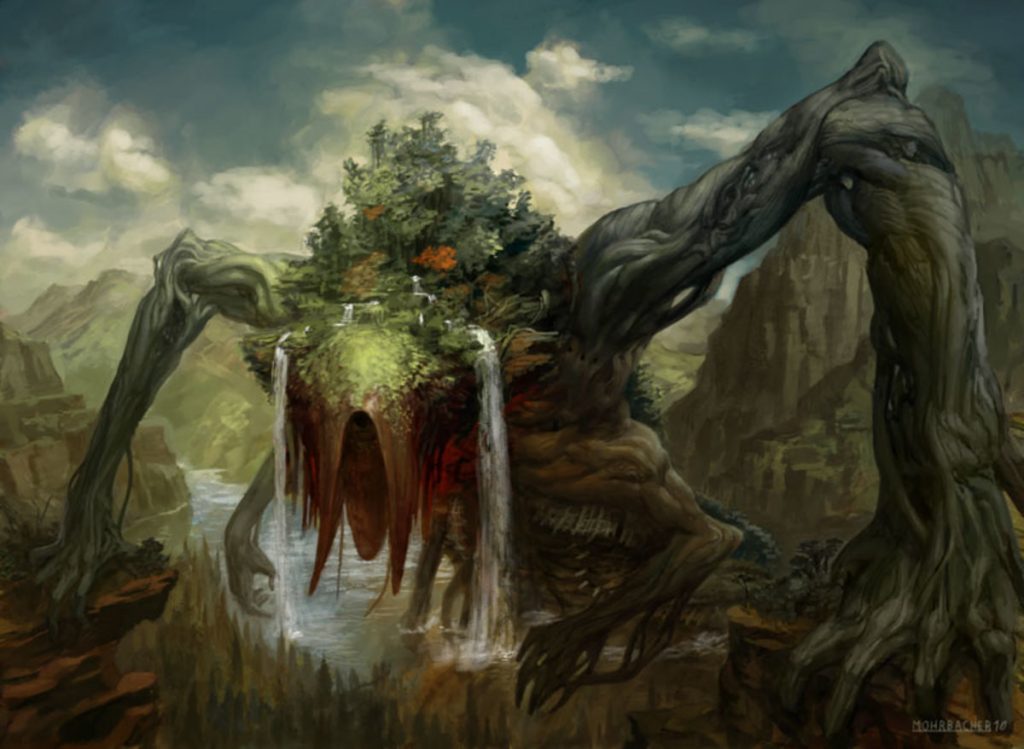
Animar, Soul of Elements | Illustration Peter Mohrbacher
Tiny Leaders was born in 2013 and rose in popularity around 2014–2015. Players were excited by the idea of a compact Commander format and brewed lots of creative decks, and it was even briefly supported on Magic Online, and local game stores ran Tiny Leaders events. If you were into Magic at that time, you probably heard the buzz or maybe built a deck yourself.
However, interest shrank after that initial boom. There were a few reasons:
- Stagnation and no official support: Tiny Leaders was a fan format (created by Bramwell Tackaberry and Steven Hamonic in 2013). Wizards of the Coast never officially endorsed it. After a while, the format’s rules and banned list weren’t being updated to keep up with new cards, which led to some broken strategies dominating the meta. Without fresh balance changes or promotion, players drifted away.
- Competition from other formats: As Commander itself grew even more popular, Tiny Leaders kind of got lost in the shuffle. Many players who tried it eventually went back to EDH or picked up other formats.
- Meta issues: Some people felt the Tiny Leaders card pool (only cards ≤3 mana) made certain archetypes too strong. For example, combo decks using cheap cards or hyper-efficient aggro could feel oppressive, and some iconic commanders (like Edric, Spymaster of Trest or Rofellos, Llanowar Emissary) were clearly busted in such a small format. There were bannings, but without an active committee, the ban list didn’t adapt fast enough for some players’ liking.
For a few years, it looked like Tiny Leaders had all but died out. But it’s not dead! In fact, a dedicated group of fans in Europe picked up the torch to keep the format alive. Eventually, they formed the Tiny Leaders Reborn Committee, a community-driven council focused on curating a healthier meta and bringing new life to the format. Since its founding, the committee has actively maintained the ban list and refined the rules, aiming to strike a balance between competitive viability and creative deckbuilding.
Notable current members include Mike Plata (M1-K3 on Discord), along with five consultants from around the world—three from North America, one from Argentina, and one from Germany. They’re joined by a Level 2 Judge who acts as the Rules and Policy Manager, as well as two former Core Members who continue to advise on meta diversity, bans, and other developments.
According to committee members, the format has a modest but passionate player base that’s growing again thanks to these revival efforts.
So no, Tiny Leaders isn’t truly dead. It’s actually experiencing a small renaissance. There are ongoing online leagues and tournaments, an updated ban list, and new players joining the fun.
What Is the Difference Between Tiny Leaders and Tiny Leaders Reborn?

Ashiok, Dream Render | Illustration by Cynthia Sheppard
You’ll see references to Tiny Leaders: Reborn a lot – that’s basically the current, community-maintained version of the format. If you remember the old rules or have an old deck, a few things have been updated in Reborn:
- Starting life total is now 20 (not 25) – Tiny Leaders was originally 25 life, but the Reborn committee changed it to 20 life for each player. This was done to speed up games a bit and make the format feel closer to other duel formats like Duel Commander (which also uses 20 life). At 25 life, some aggro decks struggled to close out games; at 20 life, games are faster and aggressive decks have a better shot.
- No 3-color limit – Originally, Tiny Leaders imposed a rule that your deck’s color identity could be at most three colors (even if a commander with more colors or partner pairing would otherwise be allowed). This restriction has been removed in Tiny Leaders Reborn. Now you can use any commander with any number of colors, as long as the card’s mana value is 3 or less. In other words, if a legendary creature is four or even five colors and costs ≤3 mana, it’s legal to play. For example, a 5-color commander like Najeela, the Blade-Blossom is legal in Reborn – opening up new possibilities for deck building.
- Expanded commander options (planeswalkers) – Tiny Leaders always allowed “suitable planeswalkers” as commanders (similar to Oathbreaker or Brawl). The Reborn rules clarify this and have even banned a few powerful ones specifically as commanders. Essentially any planeswalker that could be a commander in EDH or that makes sense in singleton can be your Tiny Leader if it costs 3 or less. This means you might see some unusual commanders like Ashiok, Dream Render or Wrenn and Six… except those particular ones are actually banned as commanders now because they proved too strong! The key point: You aren’t strictly limited to creatures if a low-cost planeswalker fits your strategy.
- Banned list updates – The Tiny Leaders Reborn format uses its own ban list which has evolved beyond the original 2015-era banned cards. Many new cards from recent sets have been evaluated, and some have been banned to keep the format healthy. Also, the Reborn ban list has a concept of “banned as commander” for certain legends. This means a card might be legal in your 50-card deck, but not allowed to be your commander. These were commanders know for warping the meta if always available in the command zone.
- Meta philosophy – The Tiny Leaders Reborn committee is actively monitoring the format. They’ve stated that they want a diverse meta where powerful plays are possible, but degenerate strategies (especially ones that win extremely fast or consistently) are kept in check. Unlike the wild west days after the original creators stopped updating things, there are now regular announcements addressing problem cards. For example, when a partner commander combo became too dominant, they took action (banning one of the offenders as a commander). The format is continually being fine-tuned by its players, which is a big difference from when Tiny Leaders was “abandoned” and stagnant.
To sum up: Tiny Leaders Reborn is basically the same format concept as Tiny Leaders, but with some important rules tweaks (20 life, no color cap) and a maintained banned list to accommodate the ever-growing pool of cards that cost ≤3 mana.
Is There a Rule About Partners in Tiny Leaders?
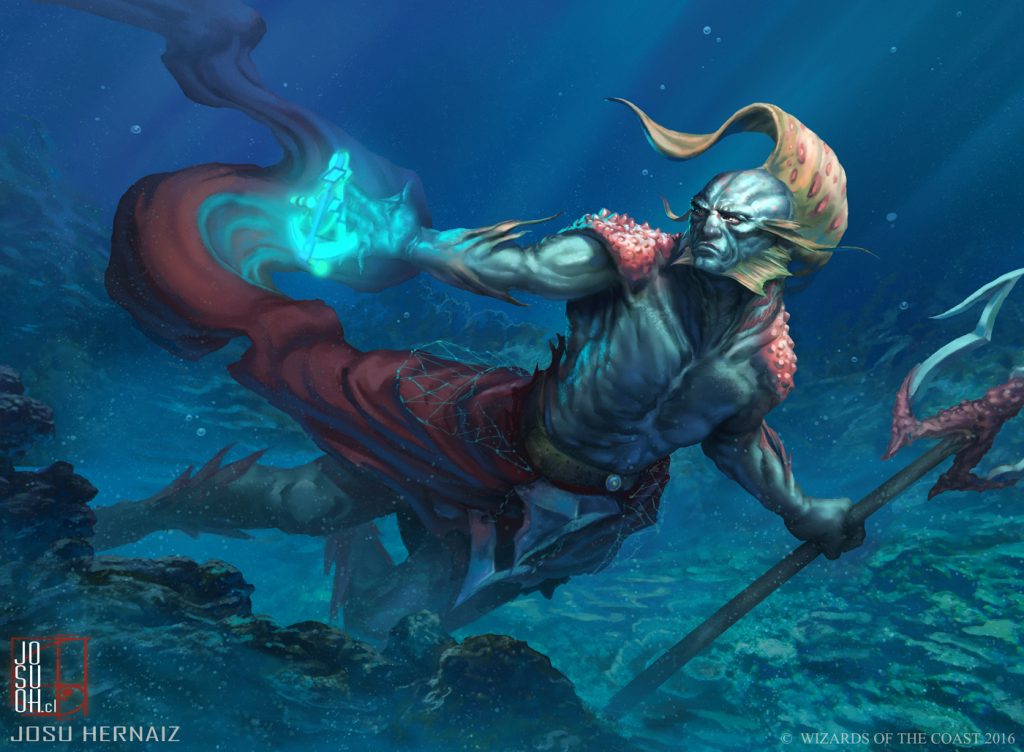
Thrasios, Triton Hero | Illustration by Josu Hernaiz
Yes, Tiny Leaders does support the partner mechanic for commanders, but there are special rules to keep it fair. If you choose to run two partner commanders, then you effectively have two Tiny Leaders leading one deck. This can give you extra colors to work with and two different commander abilities. However, to balance the advantage of an extra card, Tiny Leaders imposes a kind of “forced mulligan” rule for partner commanders.
If you start the game with two commanders (partners) in your command zone, your starting hand size is reduced by one. In other words, instead of drawing seven cards in your opening hand, you draw 6. This rule has been around since the original format – it’s explicitly stated as “each player’s starting hand size is eight minus the number of cards in their command zone.” So a single commander deck gets seven cards; a partner (two commander) deck gets six cards to start.
This hand-size reduction is crucial for balance. Partners can be very powerful (having two different commanders’ abilities and increased color access), so the format makes you pay a cost in consistency by giving you fewer cards to start with.
Is There Commander Damage in Tiny Leaders?
No, commander damage is not a win condition in Tiny Leaders.
Where to Play Tiny Leaders
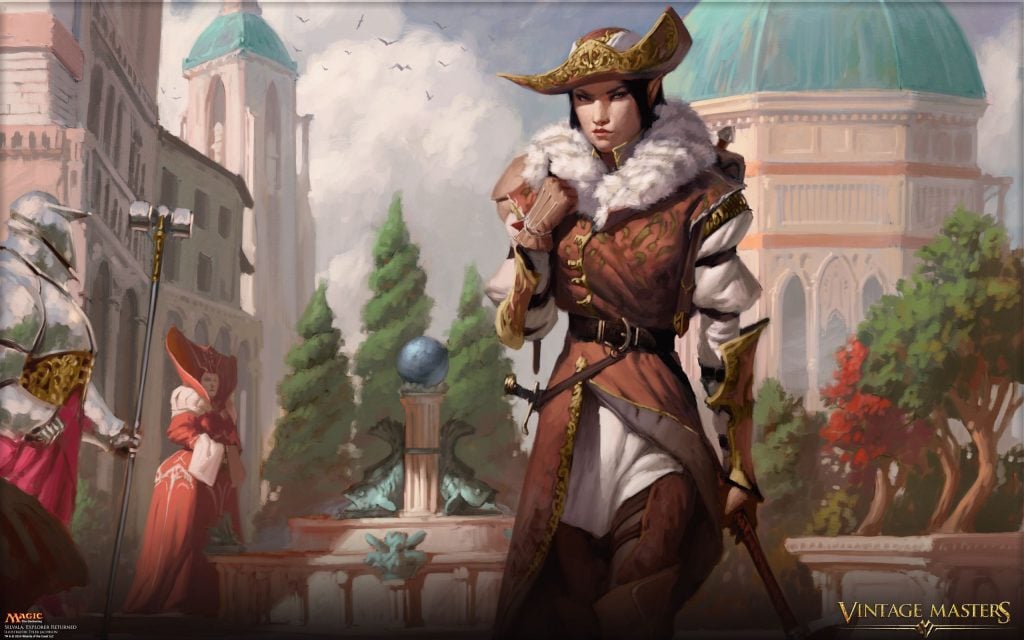
Selvala, Explorer Returned | Illustration by Tyler Jacobson
Tiny Leaders used to be available on Magic Online, but WotC removed it when they decided not to support the format anymore. With that in mind, the only options to play Tiny Leaders now are your own kitchen table or LGS games and online. Let’s go over some of your options if you decide to play online.
The first two options below require you to manually tap and play your cards and cycle through phases, while the latter is the closest thing to actually playing with others without being in the same room.
Untap.in
Untap.in is an online simulator where you can create decks for free and playtest with other players.
Cockatrice
Cockatrice is another online simulation used to create your Tiny Leaders decks and playtest with others. Cockatrice also runs tournaments that are regularly announced on their official Discord server.
SpellTable
The Tiny Leaders Reborn community runs monthly leagues through their Discord. These are often free or low-entry events where you play a number of matches over the month and report results, sometimes with small prizes or bragging rights on the line. There have also been occasional online tournaments (some communities in Europe have hosted webcam tourneys via SpellTable). Keep an eye on community announcements if you’re interested in competitive play – it does happen, even if it’s all community-organized.
Tiny Leader Decks
Marath, Will of the Wild by SkoomaPuma
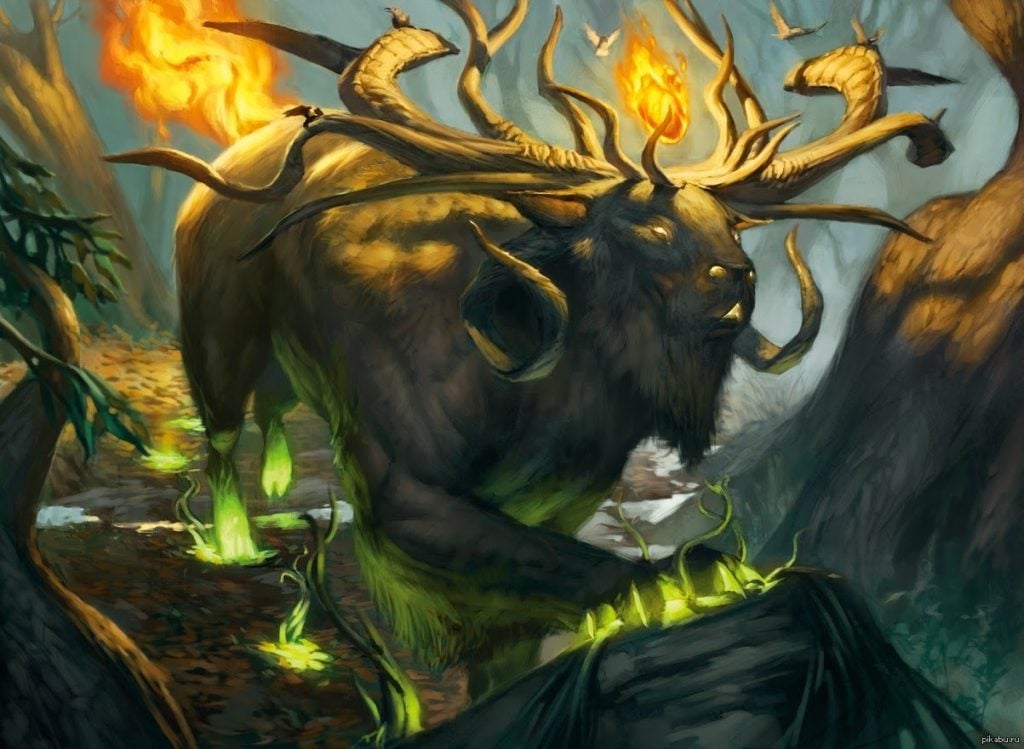
Marath, Will of the Wild | Illustration by Tyler Jacobson
Commander (1)
Planeswalker (1)
Creature (13)
Cryptic Trilobite
Walking Ballista
Mother of Runes
Dragon's Rage Channeler
Ragavan, Nimble Pilferer
Wild Nacatl
Mawloc
Bristly Bill, Spine Sower
Questing Druid
Conclave Mentor
Skyclave Apparition
Laelia, the Blade Reforged
Freestrider Lookout
Sorcery (3)
Prismatic Ending
Chain Lightning
Forth Eorlingas!
Instant (6)
Swords to Plowshares
Lightning Bolt
Unholy Heat
Get Lost
Lightning Helix
Delayed Blast Fireball
Enchantment (3)
Hardened Scales
Underworld Breach
Fable of the Mirror-Breaker
Artifact (5)
Lotus Petal
Mishra's Bauble
Urza's Bauble
Agatha's Soul Cauldron
Ozolith, the Shattered Spire
Land (18)
Arid Mesa
Boseiju, Who Endures
Command Tower
Flooded Strand
Forest
Marsh Flats
Misty Rainforest
Plains
Plateau
Sacred Foundry
Savannah
Stomping Ground
Taiga
Temple Garden
Verdant Catacombs
Wasteland
Windswept Heath
Wooded Foothills
Sideboard (10)
Klothys, God of Destiny
Endurance
Lithomantic Barrage
March of Otherworldly Light
Rending Volley
Natural State
Veil of Summer
Flawless Maneuver
Absolute Grace
Unlicensed Hearse
Marath, Will of the Wild is widely considered the best commander in Tiny Leaders—and for good reason. Marath is insanely flexible, acting as removal, a token engine, or a win condition all on its own. Since it always comes back stronger thanks to commander tax increasing its power, Marath scales perfectly into the late game. Combine that with access to Naya’s deep pool of efficient creatures, burn, and protection spells, and you’ve got a leader that can adapt to almost any matchup and win through sheer versatility. One of the most notable cards is Taii Wakeen, Perfect Shot which serves as both a card draw engine and a wincon.
Mathas, Fiend Seeker by Esper_Compleat
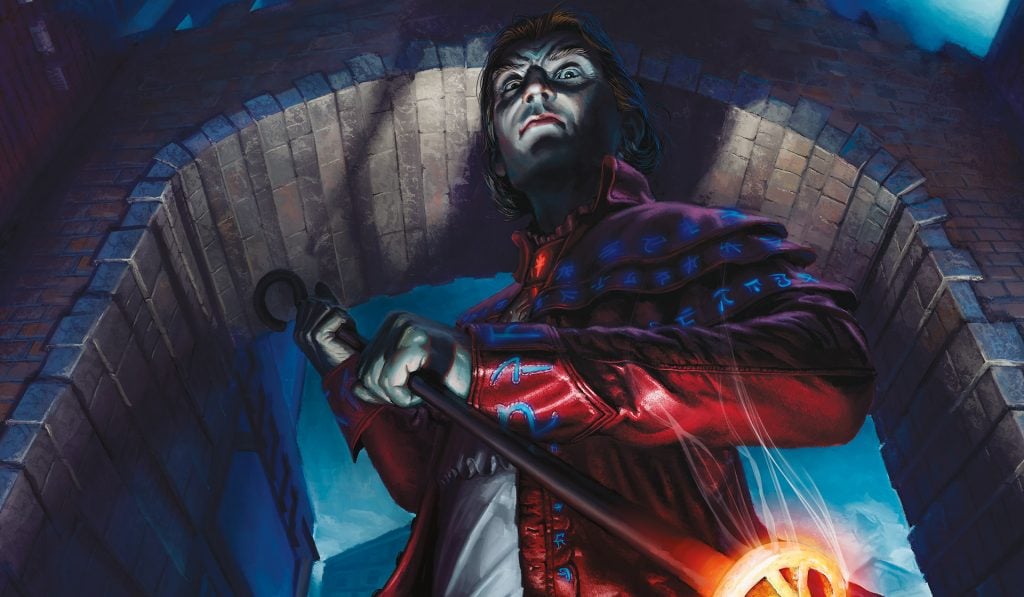
Mathas, Fiend Seeker | Illustration by Joe Slucher
Commander (1)
Creature (14)
Ocelot Pride
Nethergoyf
Dragon's Rage Channeler
Ragavan, Nimble Pilferer
Ajani, Nacatl Pariah
Orcish Bowmasters
Sorin of House Markov
Kroxa, Titan of Death's Hunger
White Plume Adventurer
Barrowgoyf
Boggart Trawler
Bonecrusher Giant
Broadside Bombardiers
Phlage, Titan of Fire's Fury
Sorcery (4)
Prismatic Ending
Inquisition of Kozilek
Thoughtseize
Flame Slash
Instant (9)
Swords to Plowshares
Fatal Push
Lightning Bolt
Thraben Charm
Long Goodbye
Lightning Helix
Dismember
Fire Covenant
Ghostfire Slice
Enchantment (3)
The Meathook Massacre
Ripples of Undeath
Fable of the Mirror-Breaker
Artifact (2)
Land (17)
Arena of Glory
Arid Mesa
Badlands
Bloodstained Mire
Command Tower
Flooded Strand
Godless Shrine
Marsh Flats
Plains
Plateau
Polluted Delta
Raucous Theater
Sacred Foundry
Scrubland
Swamp
Verdant Catacombs
Windswept Heath
Sideboard (10)
Auriok Champion
Plague Engineer
Pyroblast
Rending Volley
Warmth
Ghost Vacuum
Pithing Needle
Shadowspear
Disruptor Flute
Unlicensed Hearse
Mathas is a removal-heavy midrange/control deck that leans on late-game finishers like Phlage, Titan of Fire's Fury and Barrowgoyf to overpower opponents who've been dismantled by format staples such as Lightning Bolt, Inquisition of Kozilek, and Fable of the Mirror-Breaker.
Later in the game, we can turn our lifegain into a weapon with powerful tools like Fire Covenant and the standout Ripples of Undeath, giving us more firepower than most decks can handle
Grist, the Hunger Tide by TheCosmerian

Grist, the Hunger Tide | Illustration by Yongjae Choi
Commander (1)
Creature (38)
Haywire Mite
Hex Parasite
Battlefly Swarm
Bilious Skulldweller
Carrion Beetles
Changeling Outcast
Mortician Beetle
Plague Beetle
Skittering Heartstopper
Stirge
Caustic Caterpillar
Molt Tender
Xantid Swarm
Halo Scarab
Blightbeetle
Blister Beetle
Brain Maggot
Dross Hopper
Pestilent Syphoner
Virus Beetle
Wasp of the Bitter End
Fog of Gnats
Nantuko Shade
Kraul Whipcracker
Loam Larva
Masked Vandal
Skylasher
Webstrike Elite
Carrion Locust
Infesting Radroach
Nantuko Husk
Spire Mangler
Stinging Cave Crawler
Devouring Swarm
Caustic Wasps
Nantuko Elder
Nullmage Advocate
Spineseeker Centipede
Instant (1)
Land (10)
Bayou
Cavern of Souls
Command Tower
Crypt of Agadeem
Ebon Stronghold
Golgari Rot Farm
Havenwood Battleground
Hickory Woodlot
Peat Bog
Swamp
Sideboard (10)
Allosaurus Shepherd
Life from the Loam
Tamiyo's Safekeeping
Veil of Summer
Boseiju, Who Endures
Forest x2
Prismatic Vista
Swamp
Verdant Catacombs
The plan is even simpler for Grist, the Hunger Tide. The deck runs just 10 lands and 39 bugs. The goal is to play Grist on turn 2 and start spinning into an absurd number of insects. From there, you win either by overwhelming the opponent with repeated bug attacks or by chaining Grist ultimates for unstoppable value.
Lagrella, the Magpie by TheCosmerian
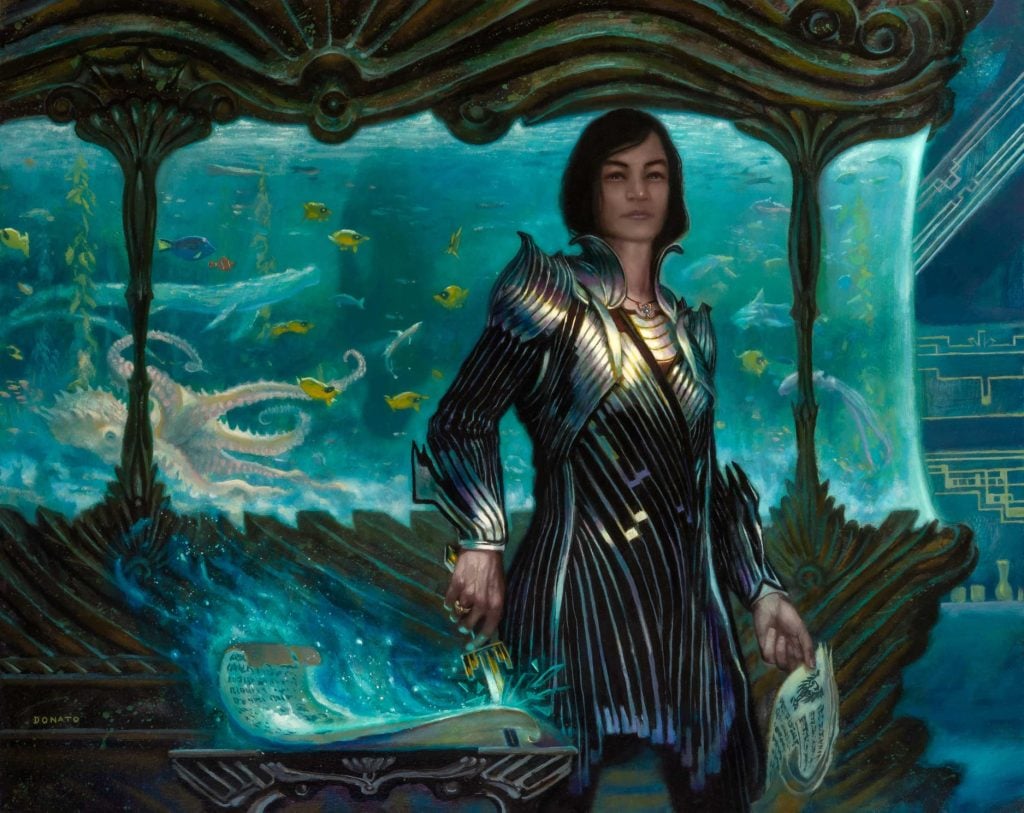
Lagrella, the Magpie | Illustration by Donato Giancola
Commander (1)
Creature (20)
Giver of Runes
Guide of Souls
Mother of Runes
Tamiyo, Inquisitive Student
Charming Prince
Phelia, Exuberant Shepherd
Sunstrike Legionnaire
Wall of Omens
Gilded Drake
Ice-Fang Coatl
Keen-Eyed Curator
Delney, Streetwise Lookout
Extraction Specialist
Recruiter of the Guard
Skyclave Apparition
Soulherder
Plagon, Lord of the Beach
Nadu, Winged Wisdom
Uro, Titan of Nature's Wrath
Eternal Witness
Sorcery (1)
Instant (10)
March of Otherworldly Light
Ephemerate
Swords to Plowshares
Mental Misstep
Stern Scolding
Wash Away
Legolas's Quick Reflexes
Parting Gust
Mana Drain
Once Upon a Time
Enchantment (1)
Land (17)
Arid Mesa
Boseiju, Who Endures
Breeding Pool
Command Tower
Flooded Strand
Hallowed Fountain
Marsh Flats
Meticulous Archive
Misty Rainforest
Savannah
Snow-Covered Forest
Snow-Covered Island
Snow-Covered Plains
Temple Garden
Tropical Island
Tundra
Windswept Heath
Sideboard (10)
Sanctifier en-Vec
White Orchid Phantom
Wrath of the Skies
Pick Your Poison
Blue Elemental Blast
Hydroblast
Absolute Grace
Absolute Law
Pithing Needle
Disruptor Flute
Lagrella, the Magpie is one of my personal favorites in Duel Commander and Brawl—and in Tiny Leaders, they make for a fantastic blink commander ready to outvalue your opponents in the blink of an eye. The goal of the deck is simple: Play a bunch of two-for-one threats (usually flickerable) that demand answers before they take over the game with sheer value. Since these threats often replace themselves or generate more value, each one is likely to lead to another must-kill creature, eventually exhausting the opponent’s removal and closing out the game.
Curie, Emergent Intelligence by plumblossoms

Curie, Emergent Intelligence | Illustration by Daniel Romanovsky
Commander (1)
Creature (8)
Ornithopter
Gingerbrute
Phyrexian Dreadnought
K-9, Mark I
Silver Raven
Hydroelectric Specimen
Skilled Animator
Unctus's Retrofitter
Sorcery (3)
Instant (12)
March of Swirling Mist
Mental Misstep
Behind the Mask
Consign to Memory
Slip Out the Back
Stifle
Stubborn Denial
Wash Away
Disrupting Shoal
Daze
Force of Negation
Sink into Stupor
Enchantment (4)
Urza's Saga
Case of the Filched Falcon
Ensoul Artifact
Zoetic Glyph
Artifact (10)
Darksteel Relic
Lotus Petal
Mishra's Bauble
Welding Jar
Darksteel Citadel
Seat of the Synod
Lavaspur Boots
Shadowspear
The Blackstaff of Waterdeep
Silver Shroud Costume
Land (12)
Ancient Tomb
City of Traitors
Command Beacon
Gemstone Caverns
Island x3
Misty Rainforest
Otawara, Soaring City
Polluted Delta
Saprazzan Skerry
Scalding Tarn
Sideboard (10)
Harbinger of the Seas
Blue Elemental Blast
Hydroblast
Spell Pierce
Stern Scolding
Cyber Conversion
Mystical Dispute
Tormod's Crypt
Pithing Needle
Wasteland
If you're looking for a competitive and fun artifact-themed deck, Curie, Emergent Intelligence is a great choice! It's a Stiflenought-style combo list with Curie as the primary win condition and Ensoul Artifact as a backup plan. Drawing 12 cards a turn lets you easily find counterspells to pitch and protect your combo for the next lethal swing.
Getting Started with Tiny Leaders
Pithing Needle | Illustration by Ovidio Cartagena
One of the best ways to get into Tiny Leaders is to start by choosing a mono-colored commander like Thalia, Guardian of Thraben and building around it. You don't need to spend tons of money on your deck and there are plenty of aggro creatures in all colors that you can choose from. Starting aggressive is the best way to approach this format.
Because games are quick, you’ll get a feel fast for what works and what doesn’t in your deck. Maybe you’ll find out you need more removal, or that a certain 3-drop creature never gets to shine.
Net-decking isn’t frowned upon here. Feel free to check Moxfield for Tiny Leaders decks others have made. The Discord has a deckbuilding channel where people toss around ideas. It’s a great way to sanity-check your deck or get suggestions for card choices.
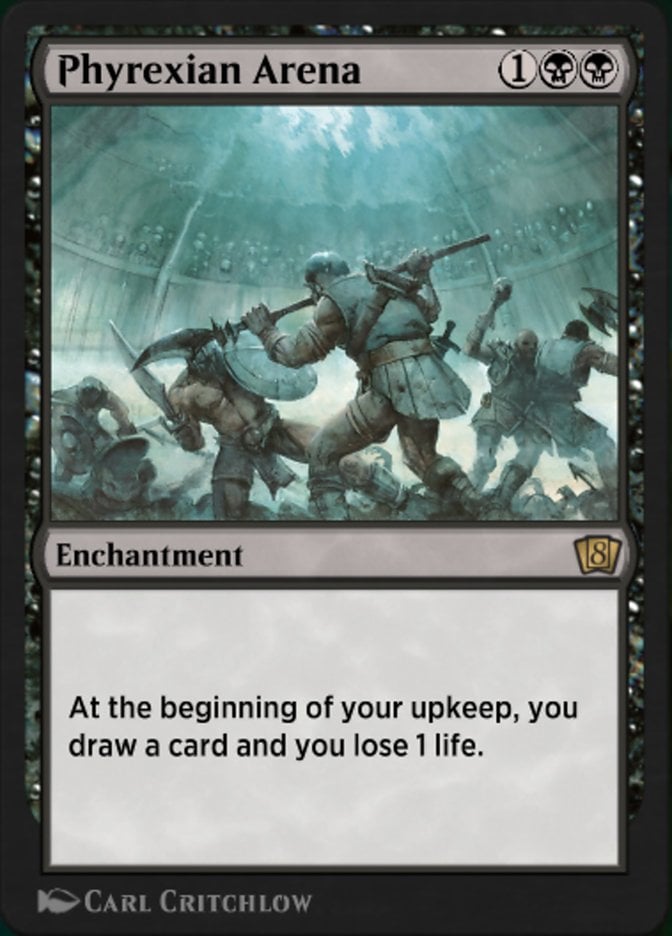
Get your hands on a precon with a good, cheap commander, like the Commander 2015 Call the Spirits deck. Not only will it give you a playable commander for the format, you also get some Commander staples like Phyrexian Arena that you can use in Tiny Leaders.
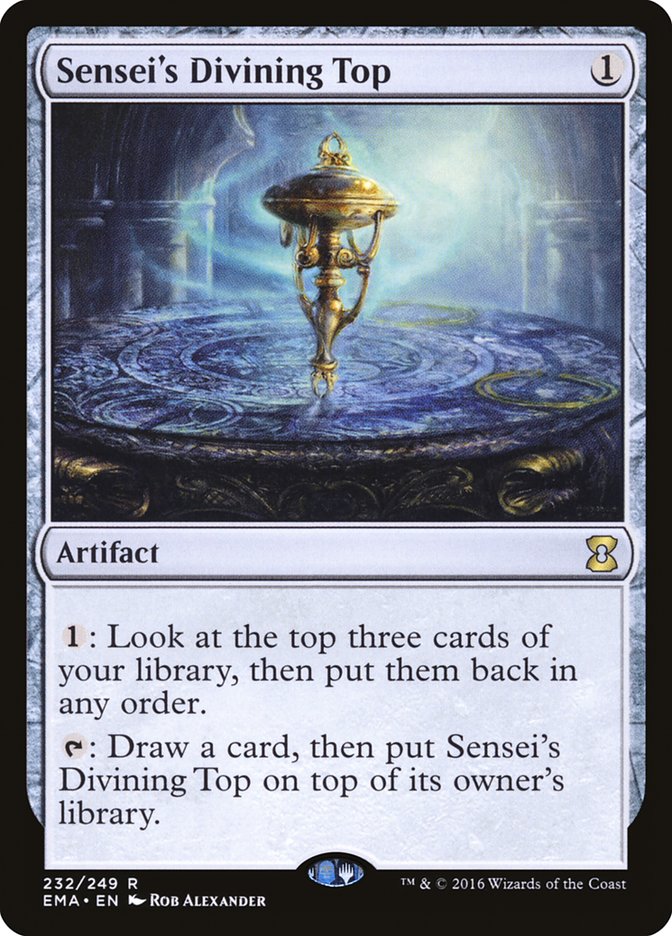
You should prioritize artifacts since they can be run in any deck. Sensei's Divining Top is the first one that comes to mind. It’s a great example of a good card that can fit into any deck, even if it’s a bit expensive.
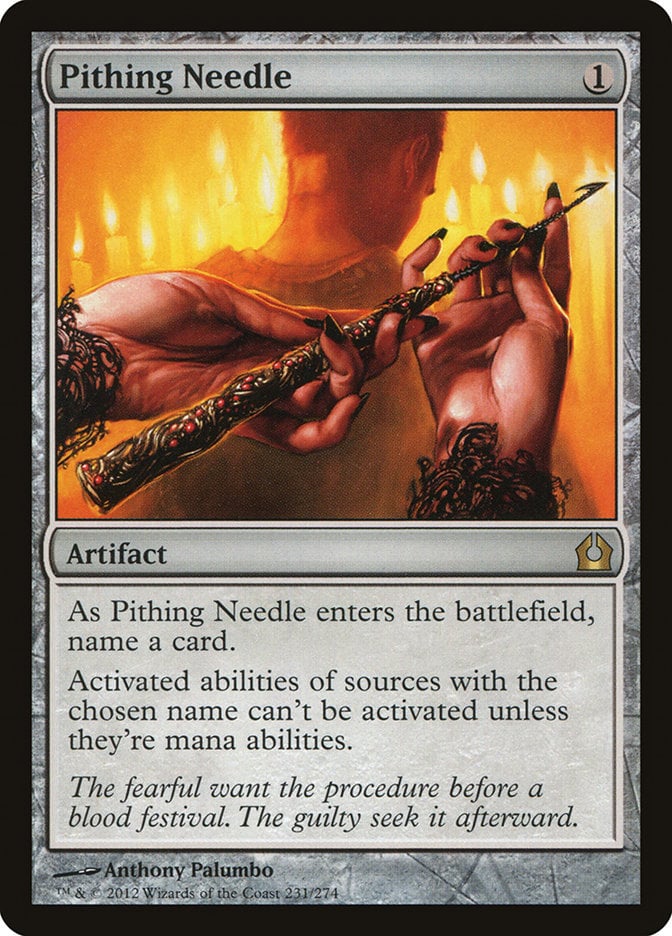
Remember that sideboards are also a thing in Tiny Leaders, and some decks fall apart with a single Pithing Needle post-sideboard, like those using planeswalkers as their commanders. You should get your hands on cards like this.
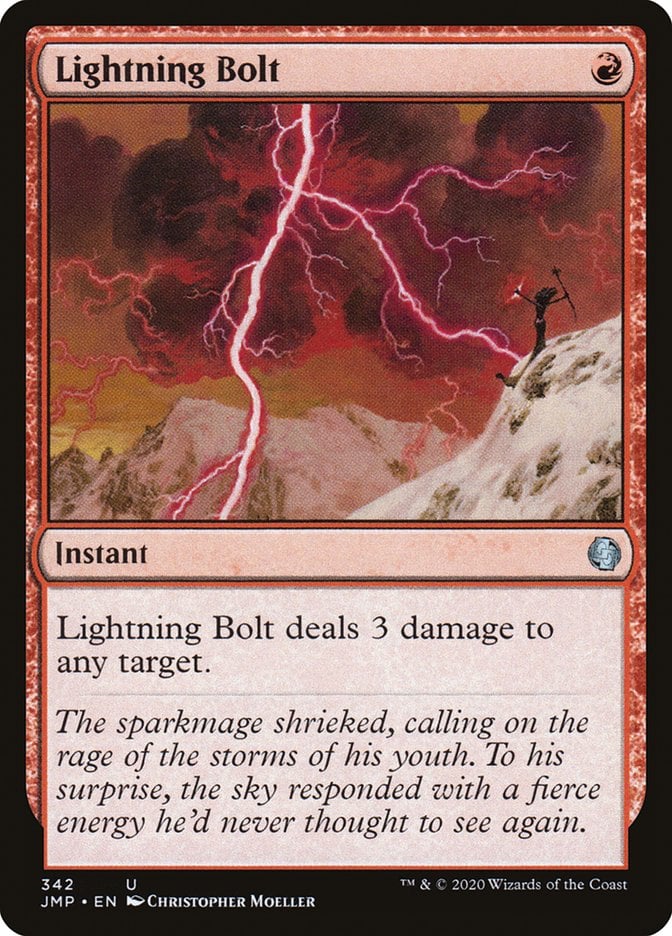
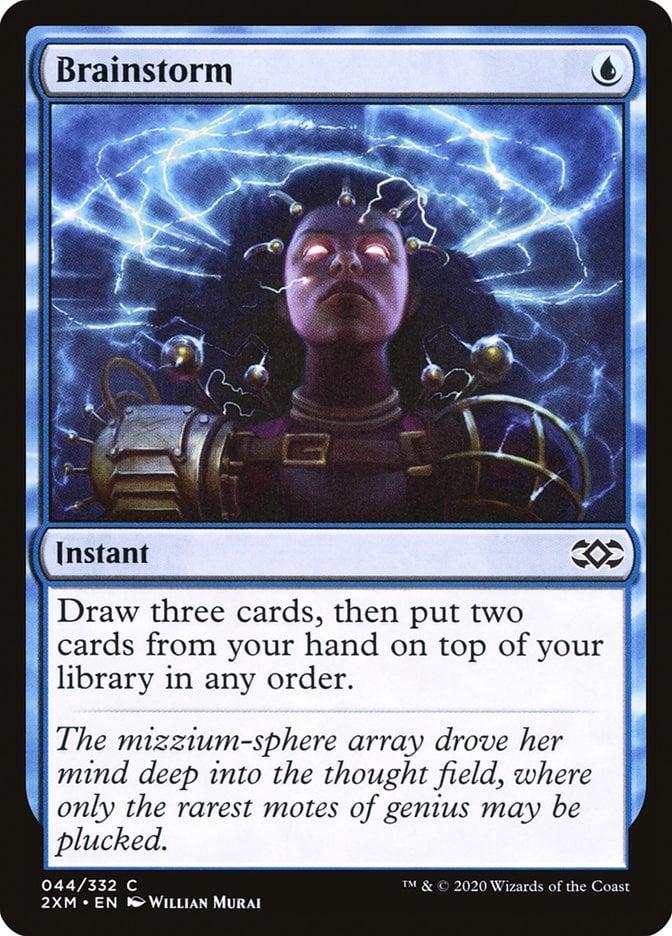
Finally, get some cantrips and cheap removal that see play in more than one deck like Lightning Bolt and Brainstorm.
What’s a Typical Land Count for Tiny Leaders?
Evolving Wilds | Illustration by Alayna Danner
Land counts in Tiny Leaders can be tricky. It depends on whether your deck is a control or aggressive strategy.
An aggressive deck with mostly 1- and 2-drops can run reasonably well with 16 lands at a minimum. A midrange deck usually uses 18 lands since its density of 2- and 3-drops is higher. A control deck with multiple X-cost spells tends to use at least 20 lands along with mana rocks.
What is Pauper Tiny Leaders?
Pauper Tiny Leaders is another way to play the format. As its name suggests, it only consists of cards that have a common rarity aside from your commander.
Your commander can be of any rarity, or it might be limited to uncommon depending on your playgroup.
Tiny Leaders Communities
Here are the main communities and resources you want if you’re looking to get your hands dirty in the format. Not only can you look for brews and inspiration, some of these groups also schedule play sessions and start discussions about the format.
- Tiny Leaders Facebook page
- Official Tiny Leaders Facebook group
- Tiny Leaders Discord server
- Tiny Leaders Reborn Discord server
- r/TinyLeaders
- Tiny Leaders Reborn official website
Wrap Up
Apocalypse Hydra | Illustration by Jason Chan
Tiny Leaders is a fun format that puts your deckbuilding skills to the test by limiting your card pool. The format allows for faster gameplay, and it's because of that that I enjoyed playing and writing about it. There are definitely some oppressive strategies like Geist of Saint Traft, but even the mighty cleric has fallen from grace nowadays and players have learned to deal with it.
What do you think? Has this format caught your attention? Are you ready to start brewing? Let us know in the comments down below or head over to the official Draftsim Discord.
As always, take care and I’ll see you in the next one!
Note: this post contains affiliate links. If you use these links to make a purchase, you’ll help Draftsim continue to provide awesome free articles and apps.
Follow Draftsim for awesome articles and set updates:










4 Comments
I think it’d be a fun format for Magic Arena, where Brawl has already stuck as a popular 1v1 commander replacement. It’s a shame they never supported it… or Oathbreaker…
Yeah actually, I could see it being tested out in Midweek Magic, and if it gets attention sticking around.
I believe you can play this format through freeform on MTGO
Oh that’s cool, thanks for letting us know Joe!
Add Comment