
Last updated on November 12, 2025
Ephemerate | Illustration by Bastien L. Deharme
While I thoroughly enjoy playing Constructed MTG formats, there are times when it becomes challenging to compete at higher levels without straining my budget. In most formats, particularly in the post-rotation Standard, acquiring new cards and building decks from scratch can become prohibitively expensive due to the high cost of mythic and rare cards.
But what if I told you that instead of spending $60 on a playset of rare cards, there's a format where you can invest the same amount to obtain an entire competitive deck? Would it sweeten the deal if I mentioned that you can even try these decks for free on Magic: The Gathering Online (MTGO)? Well, that's precisely what we explore today.
Curious to learn more about this format? Let’s delve into Pauper, the budget-friendly and competitive format that has gained popularity among players like Andrea Mengucci, a former World Magic Cup winner.
What is Pauper?
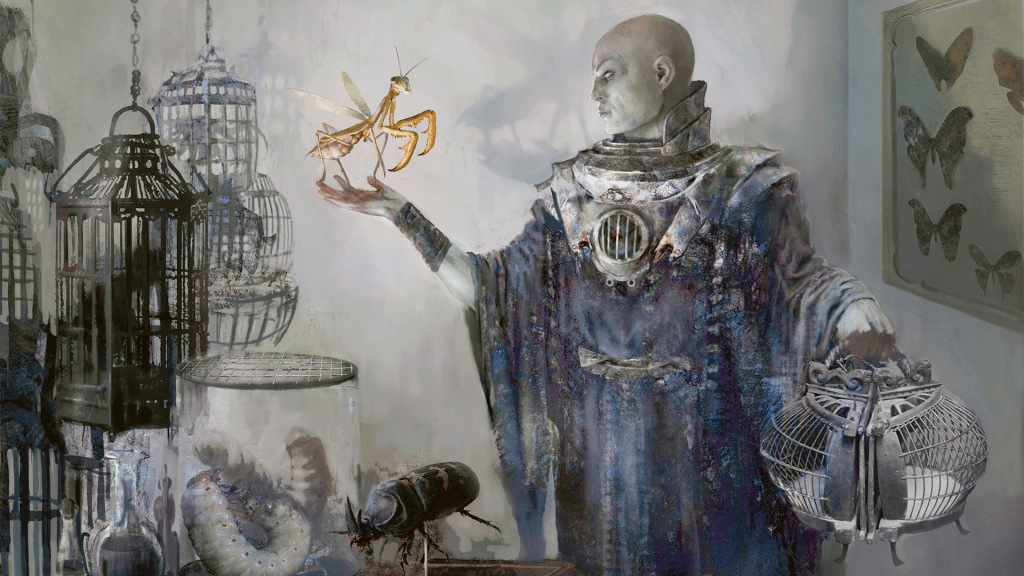
Delver of Secrets | Illustration by Nils Hamm
Pauper is an Eternal Constructed format with card legality restricted by rarity, that only allows cards printed at common. This condition makes for an affordable but competitive format that grabs players' interest.
Who is Pauper For?
The primary target audience for Pauper includes players aiming to construct competitive decks on a budget or those looking to enter Constructed formats without depleting their finances. Despite the substantial competitive scene in this format, especially when compared to other Eternal formats like Legacy or Modern, Pauper offers a surprisingly cost-effective option.
This format is also well-suited for players who wish to demonstrate that winning games doesn't necessarily require overpowered rares or mythics. It emphasizes that strategic gameplay and synergies can be just as competitive when combined with the right deckbuilding, regardless of card rarity.
Pauper Rules
Pauper, like the vast majority of two-player formats, has a fixed set of rules:
- Deck size must be at least 60 cards with up to 15 additional sideboard cards.
- The deck can only contain up to four copies of any individual card in the main deck and sideboard combined, excluding basic lands.
- Legality includes basic lands, and only cards printed at common in any paper product or MTGO, including nonbasic lands that were printed with a common set symbol.


This last one can be tricky. Take Mortician Beetle. It was first printed at rare in Rise of the Eldrazi, so it wasn’t legal in Pauper. However, it was downshifted to common in Modern Masters 2017, and both versions have been legal in Pauper ever since.


On the other side, if a card that was initially printed as a common is later upshifted to a higher rarity, it isn’t excluded from the format. The first version already met the conditions for both the common and higher rarity printings being legal in the format. For example, you can play the uncommon Iconic Masters version of Topan Freeblade in your Pauper deck, because the original Magic Origins version was already a common.
Pauper Banlist
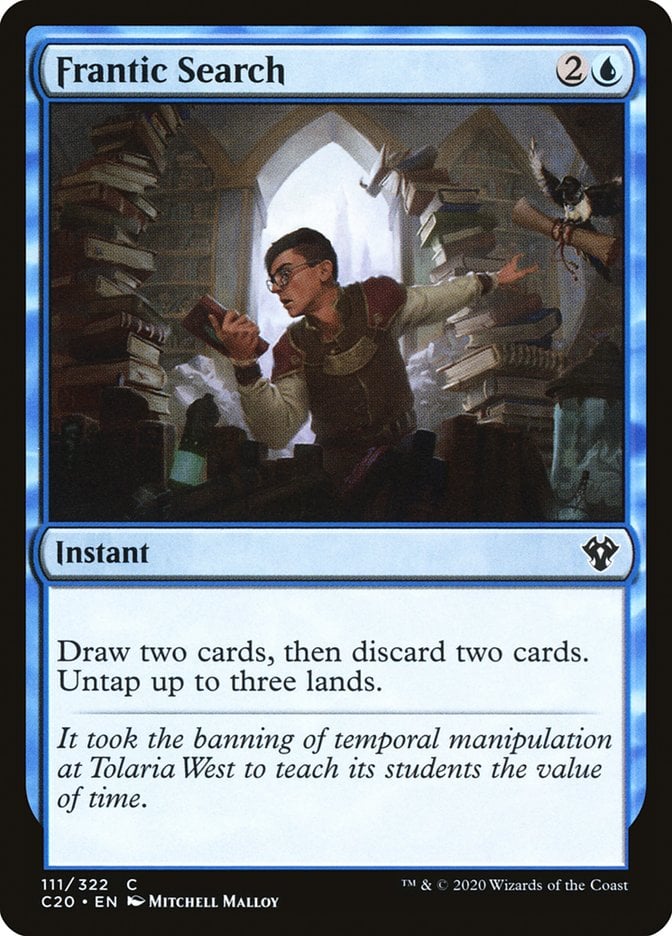
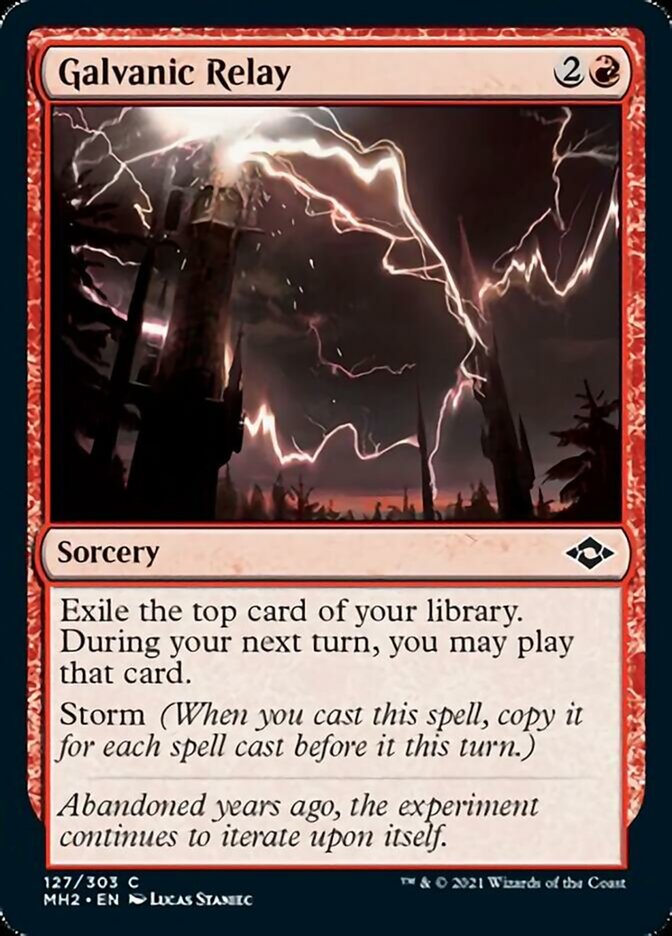
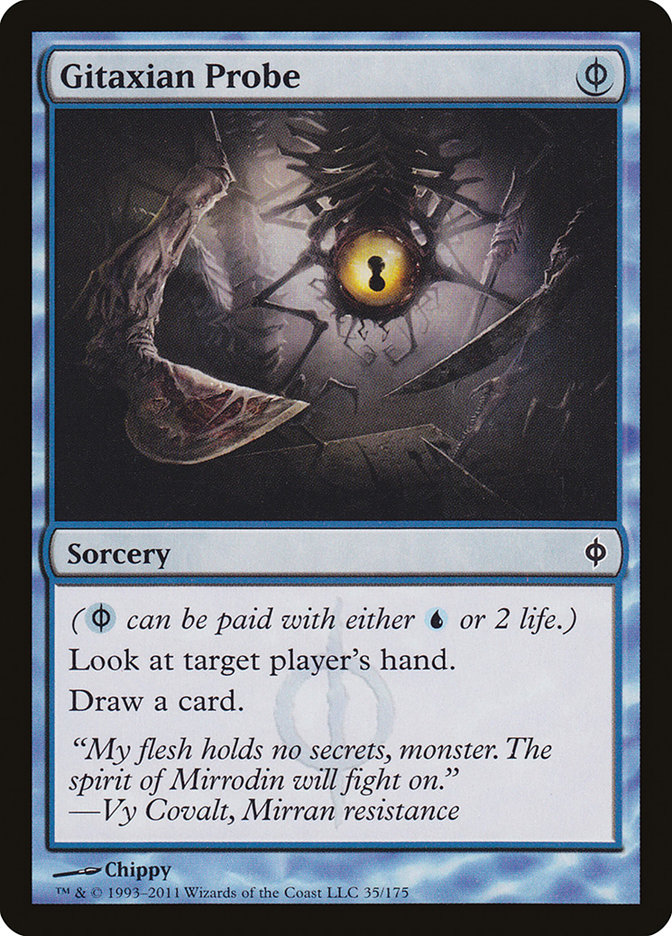
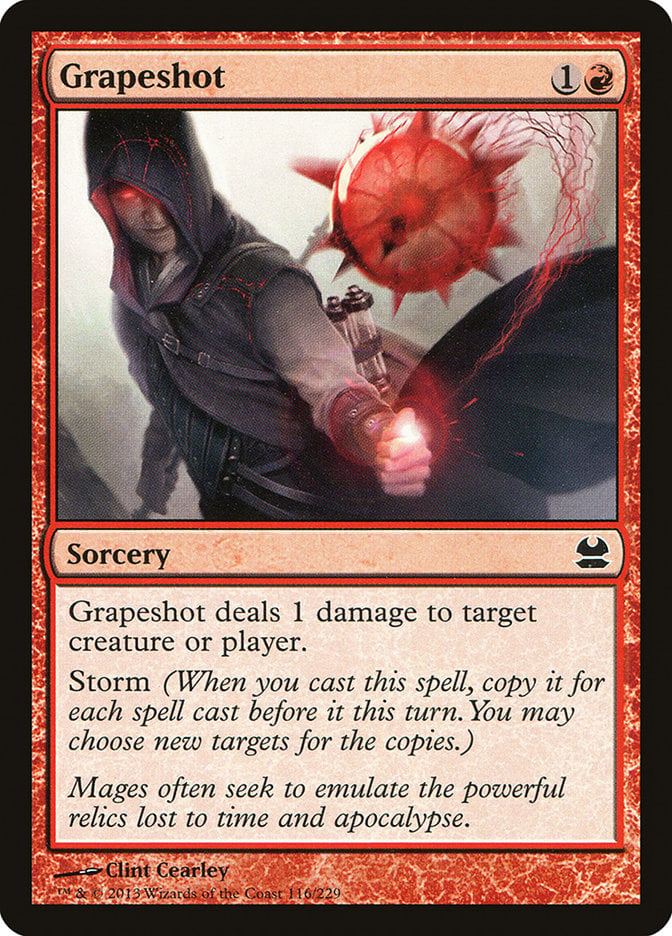
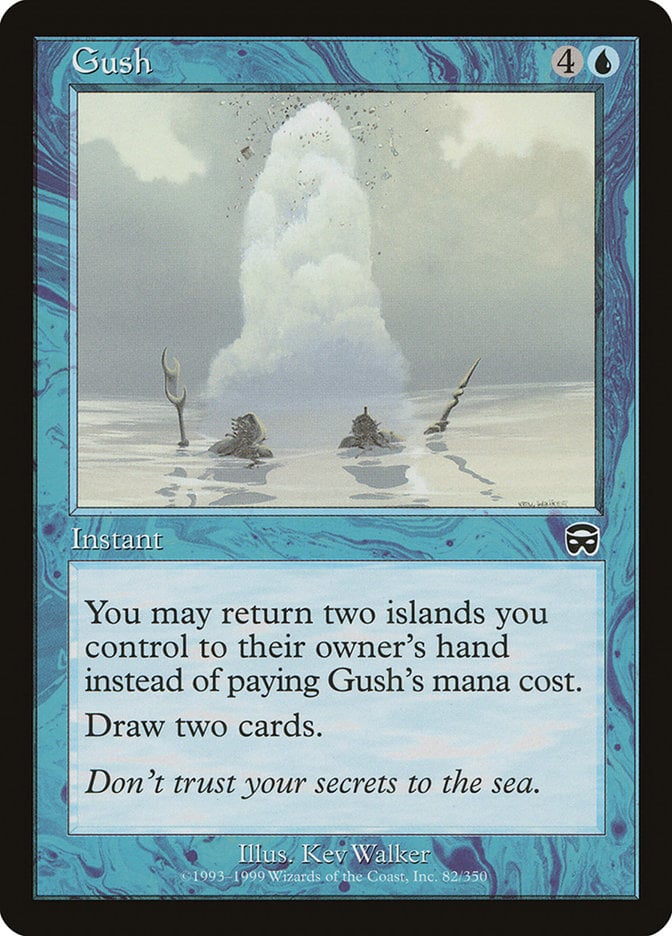
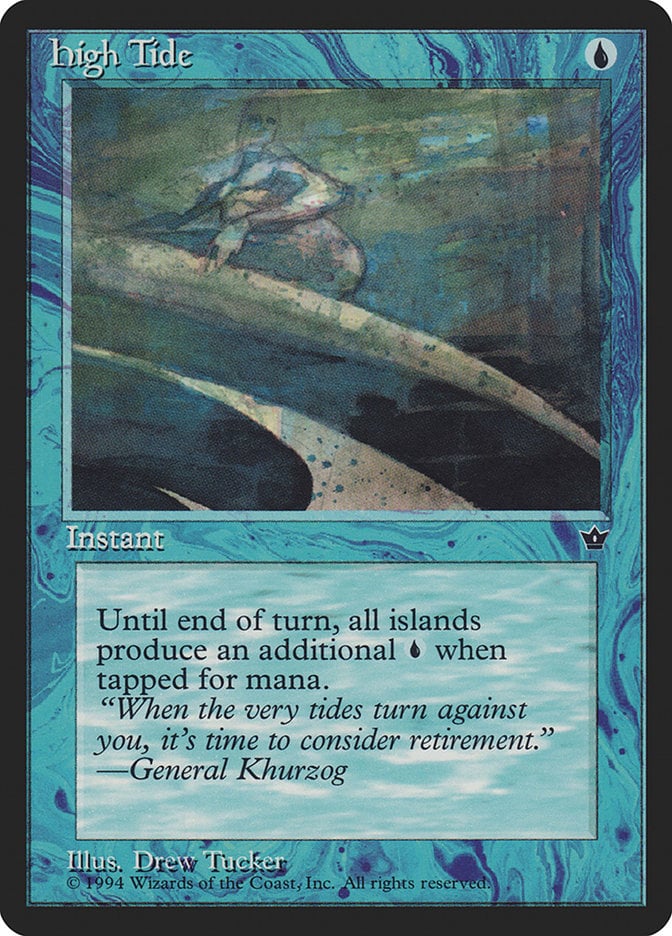
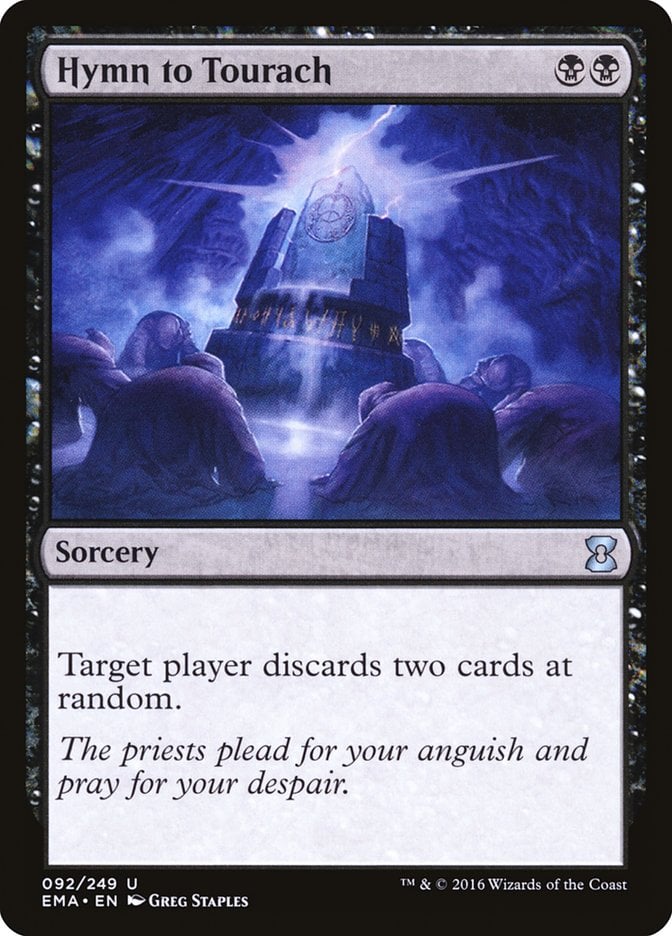
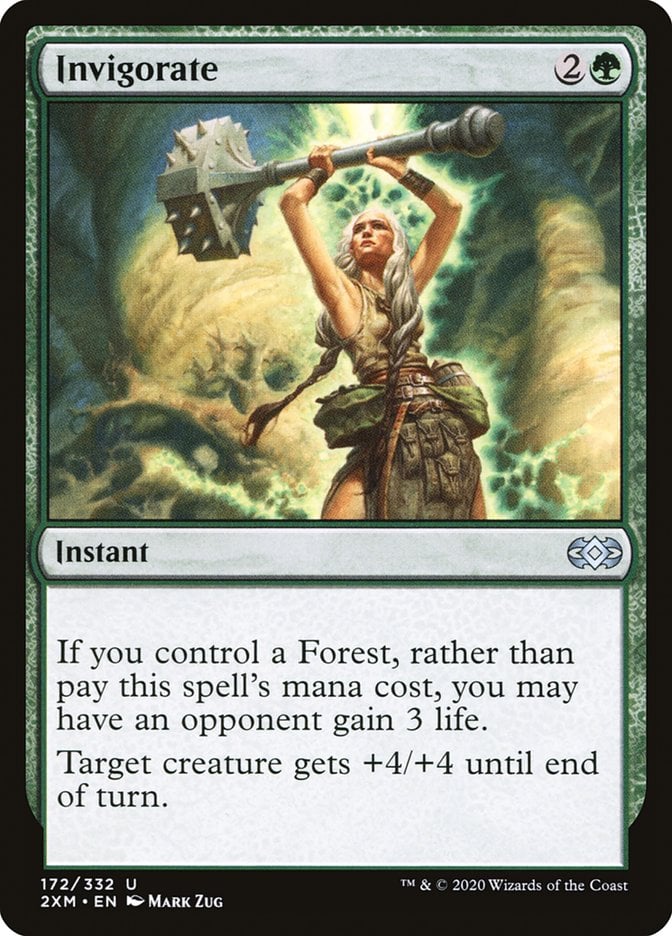
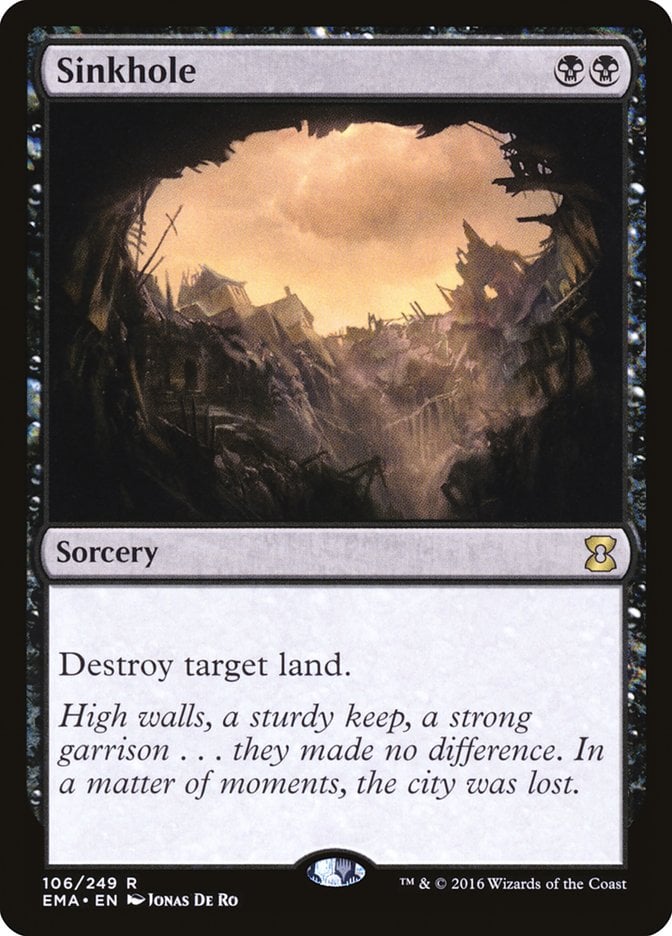
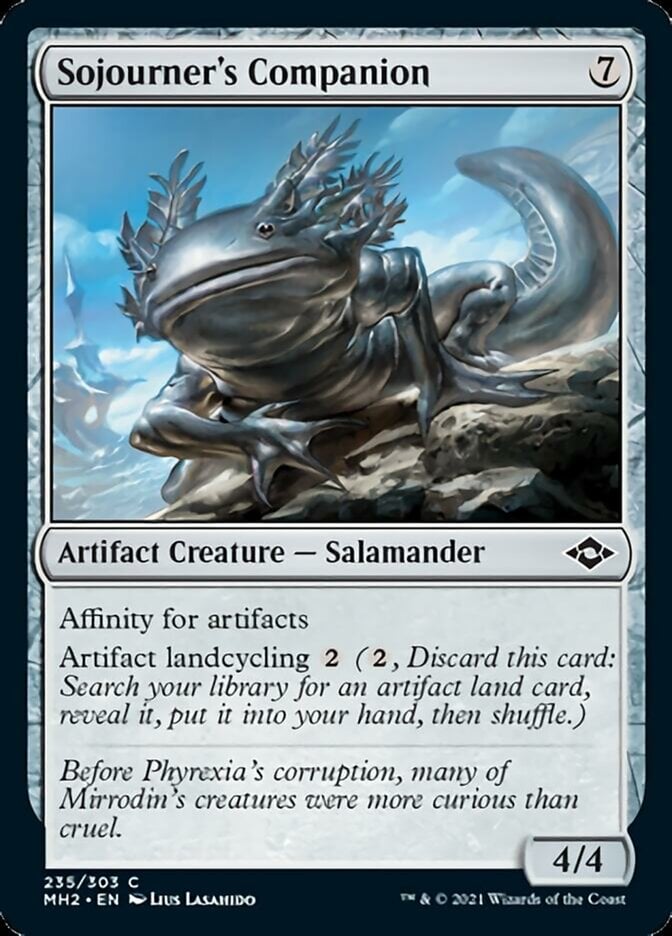
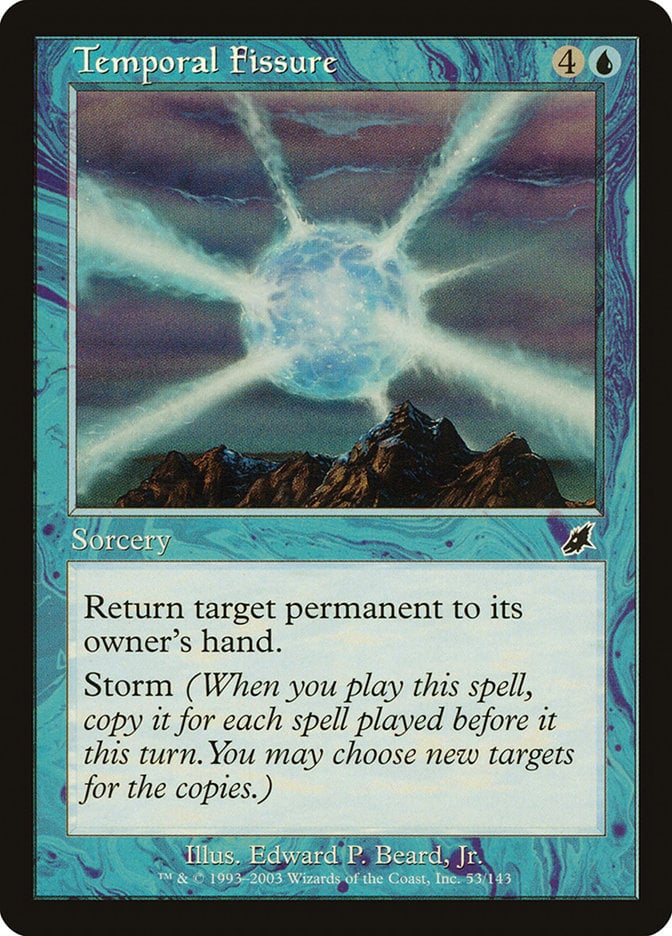
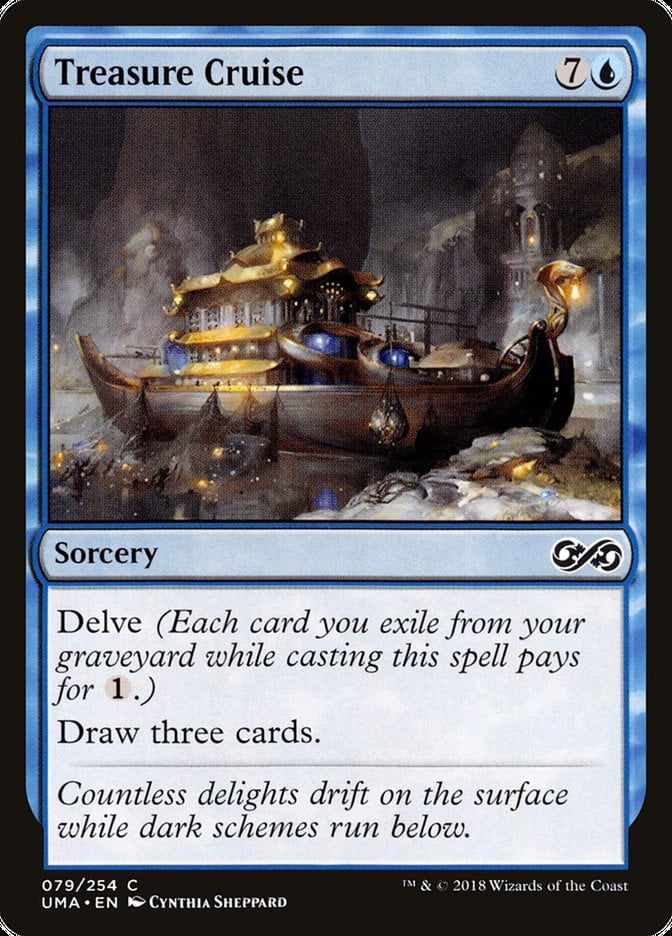
Like many other formats, Pauper has a list of cards that have proven to be too much. Below, you’ll find all the cards that are banned in the format:
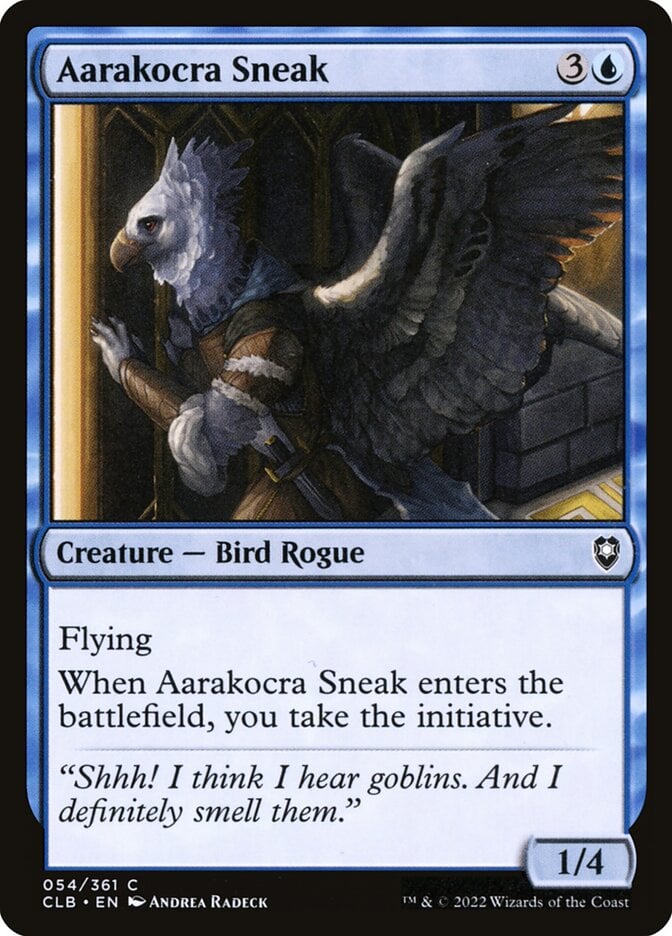
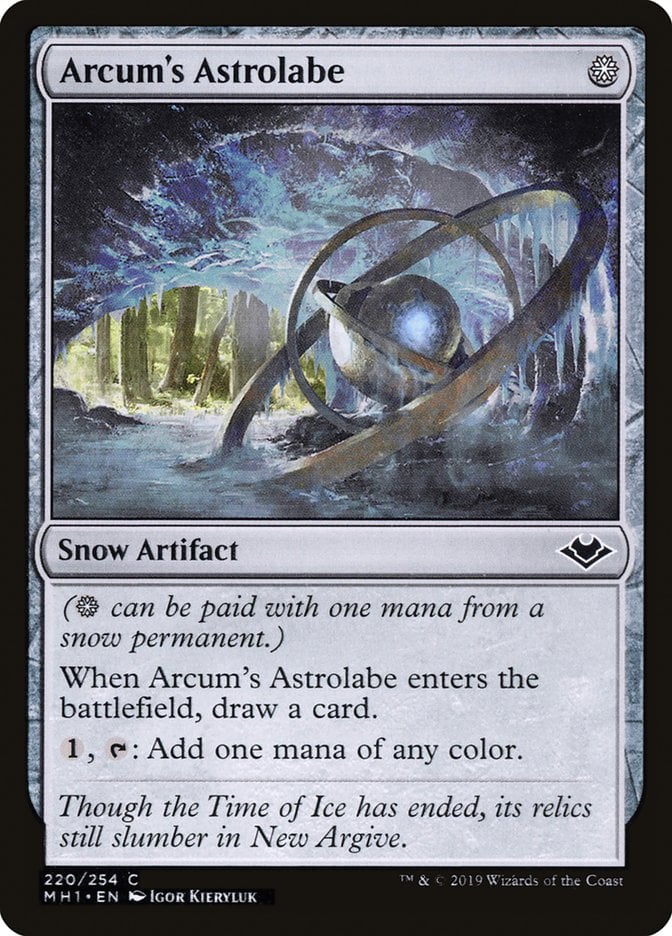
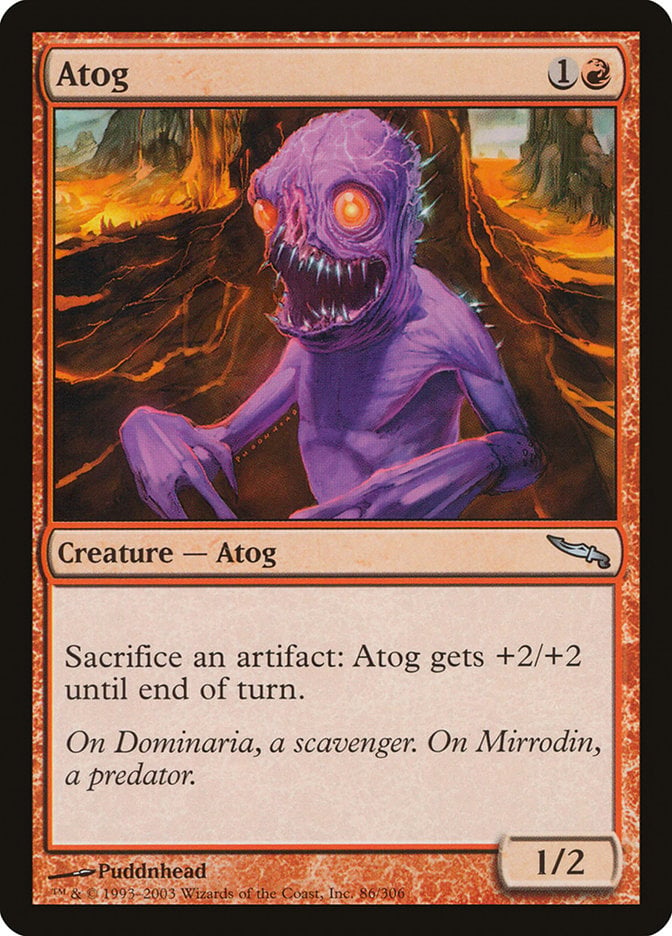

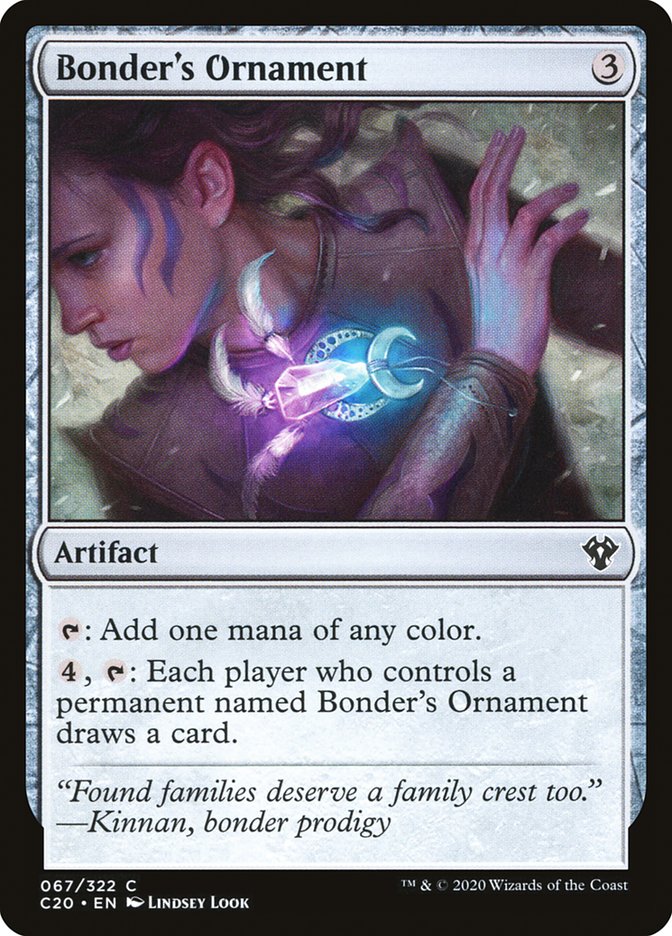
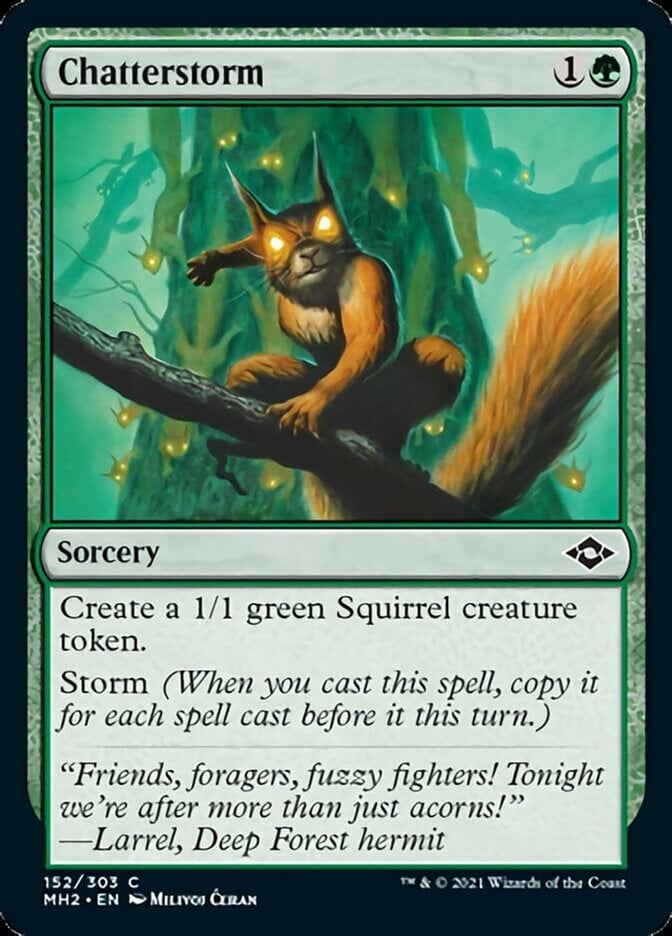
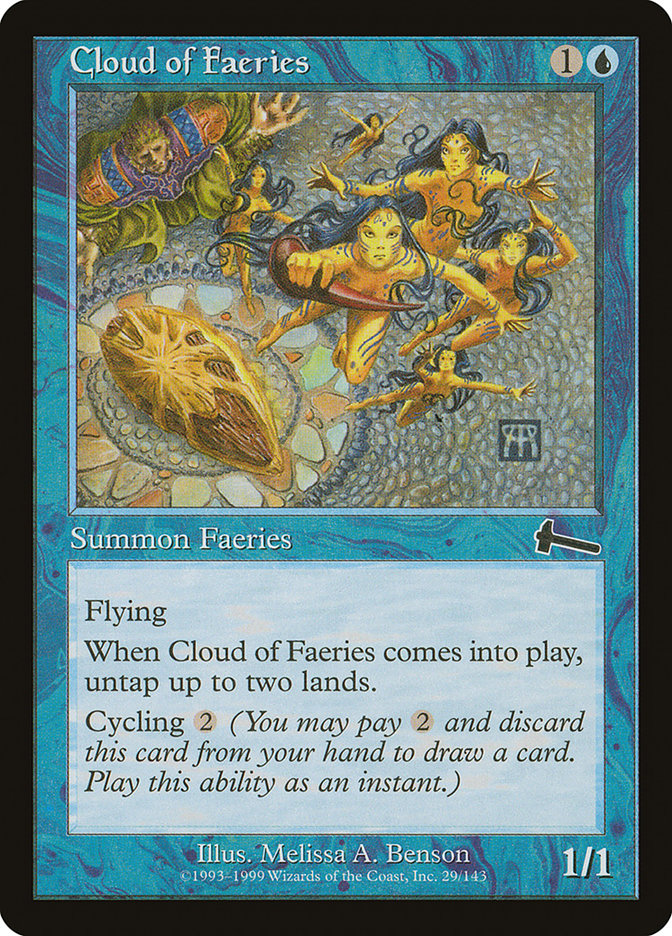
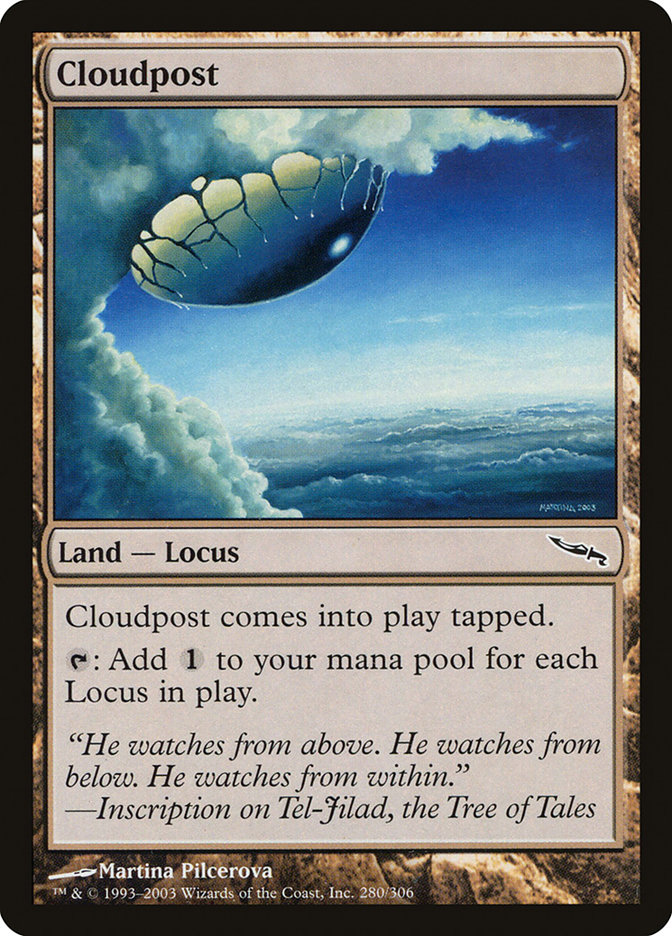
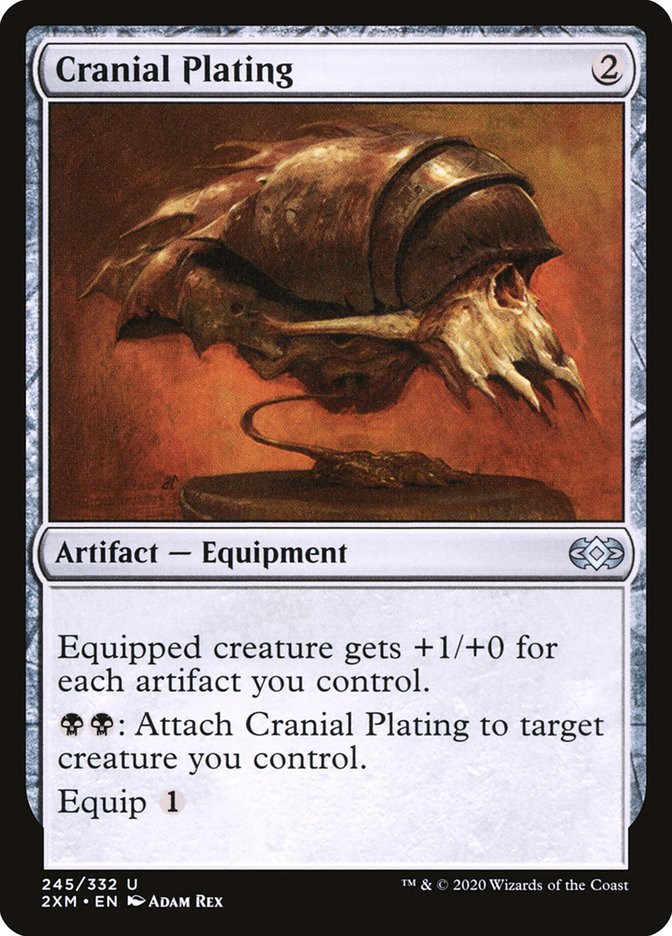

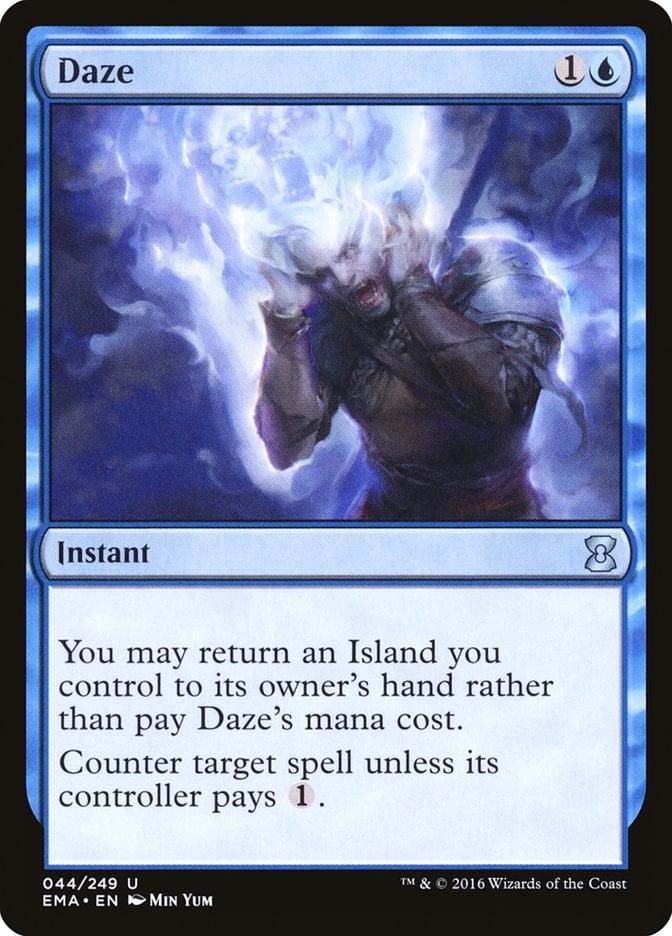
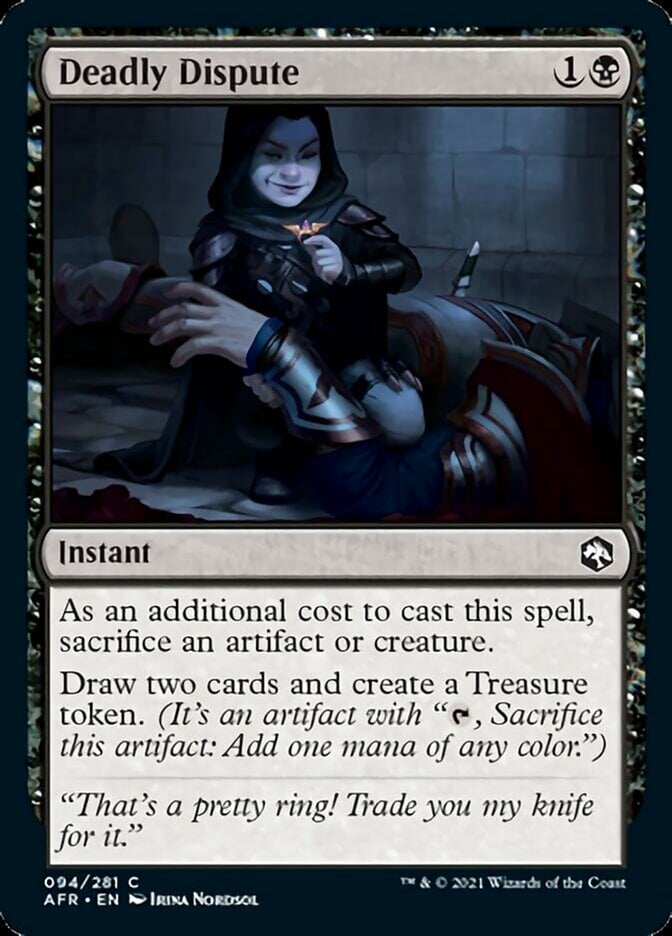
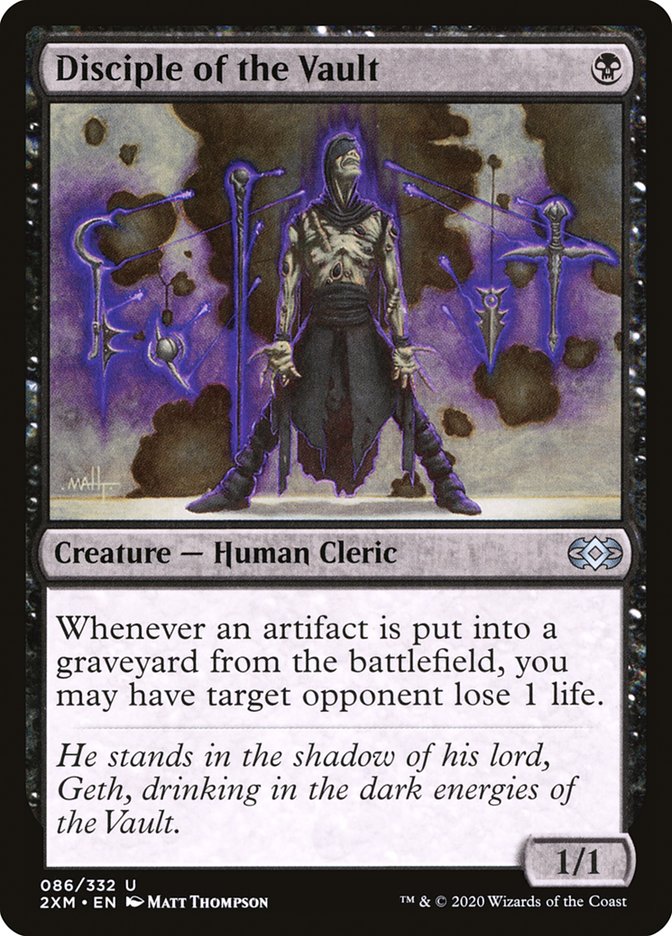
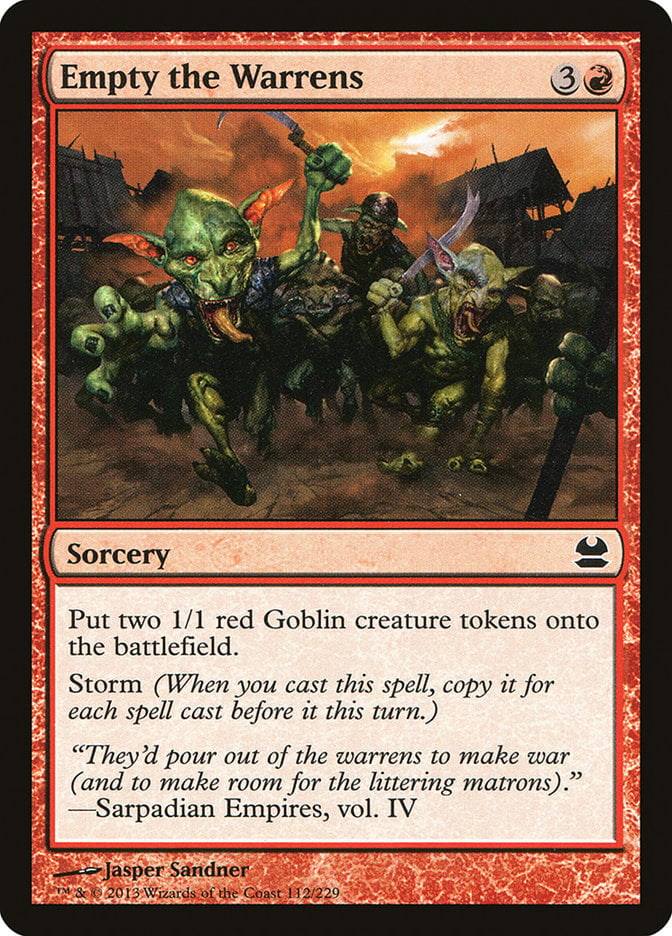
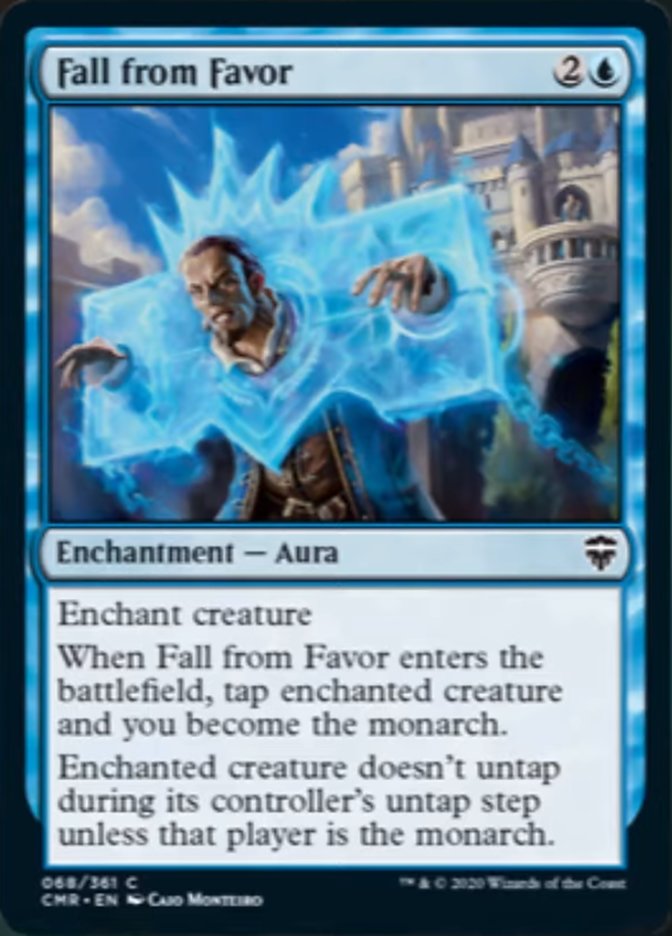
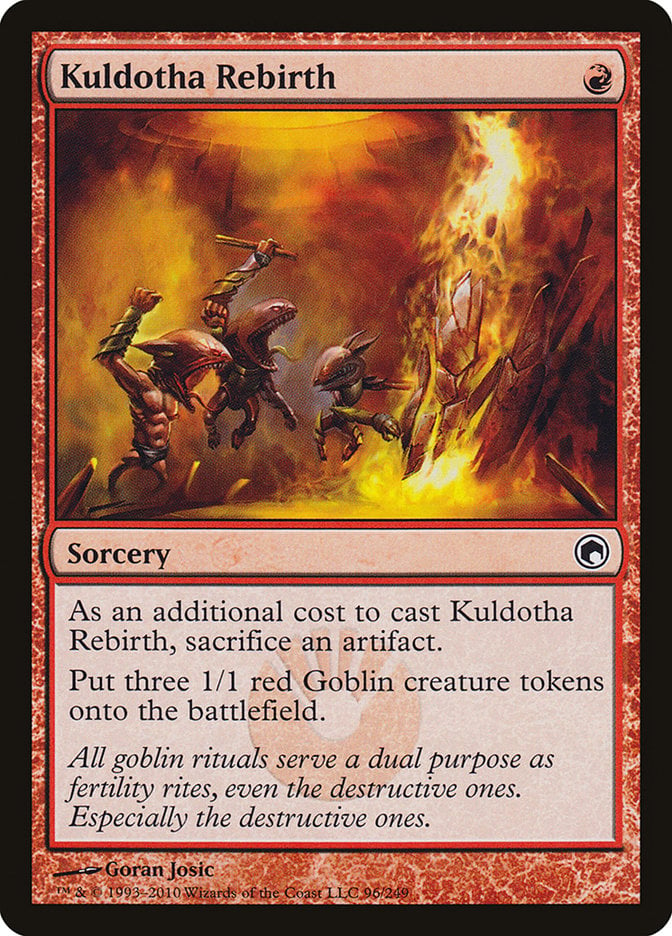
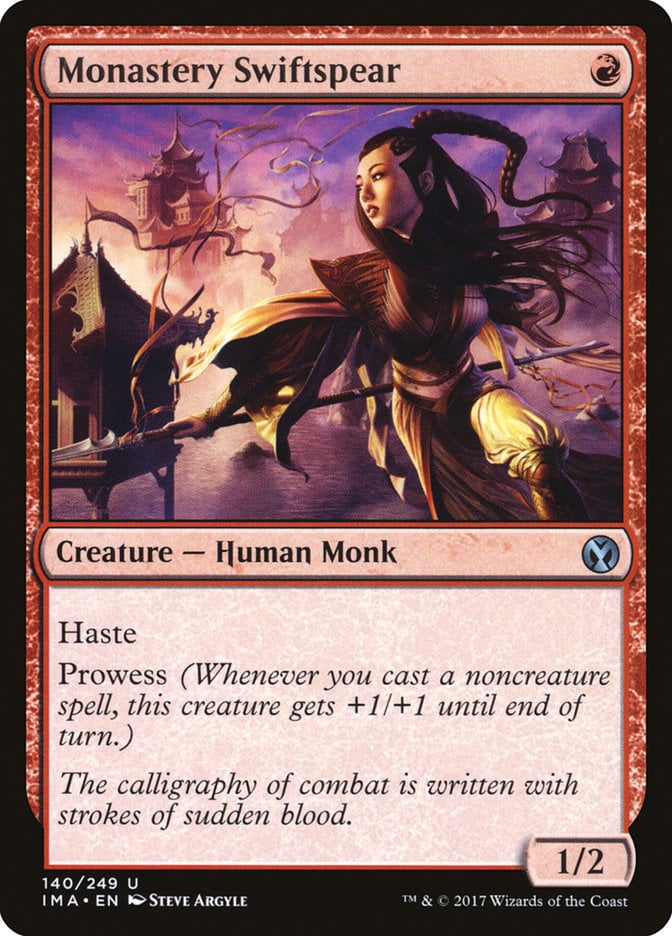
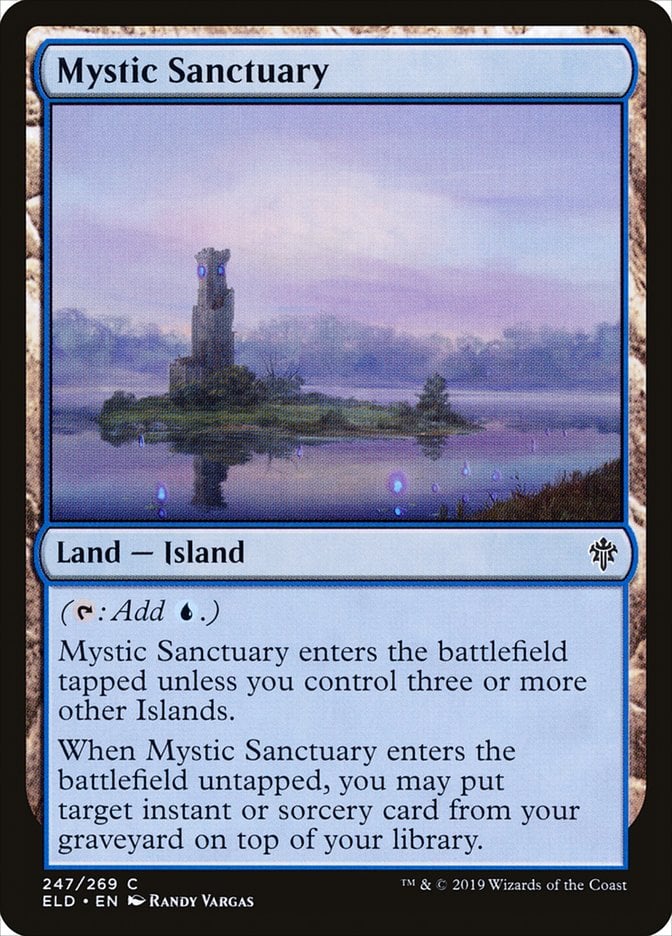
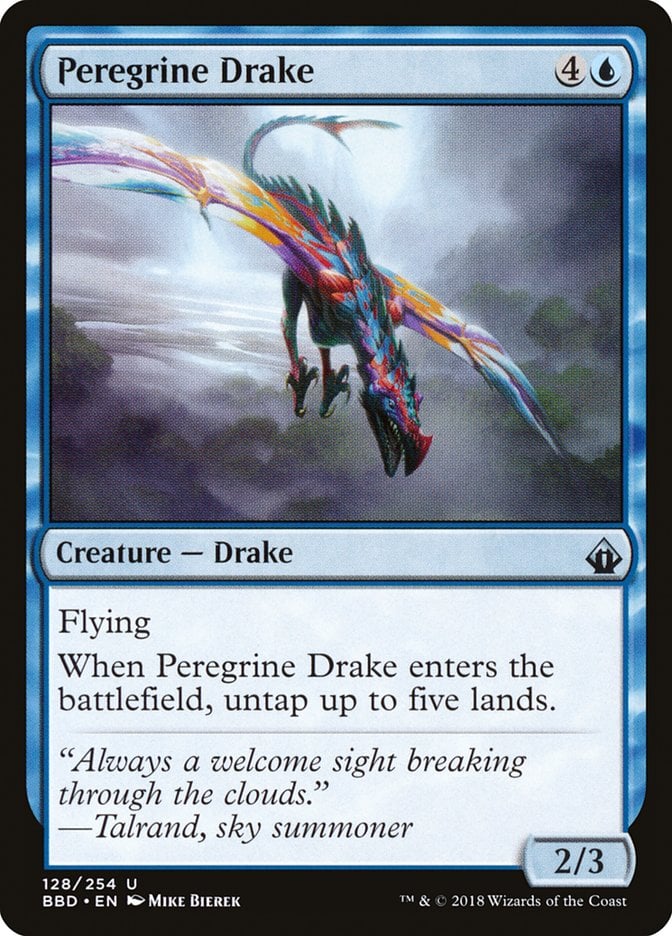
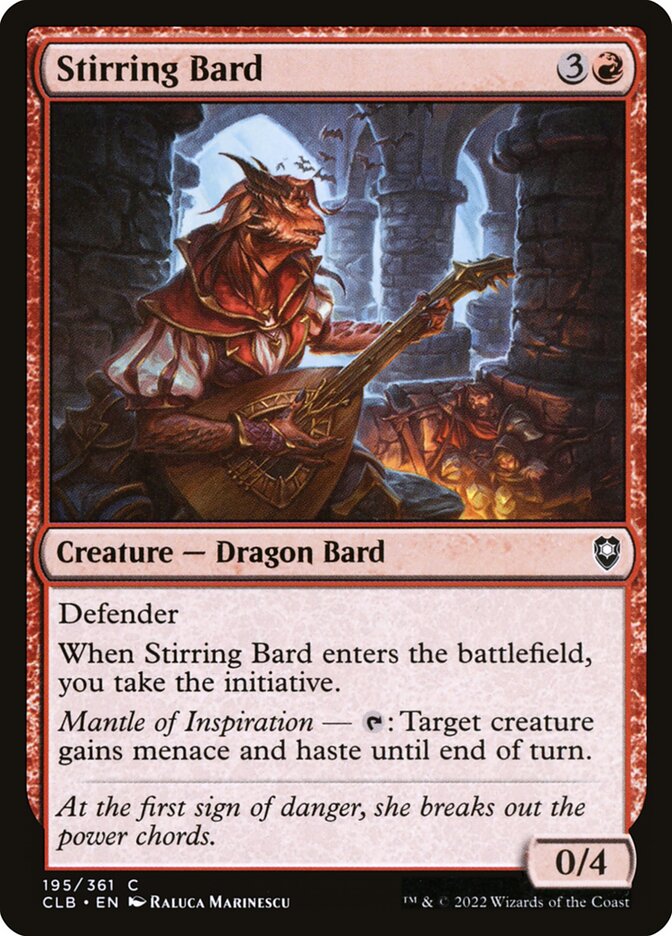
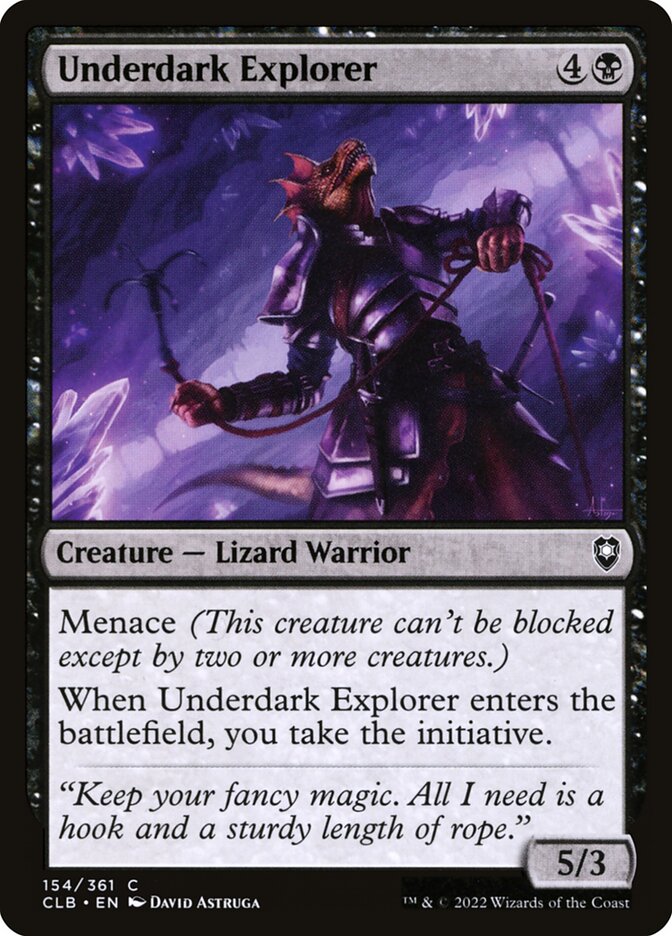
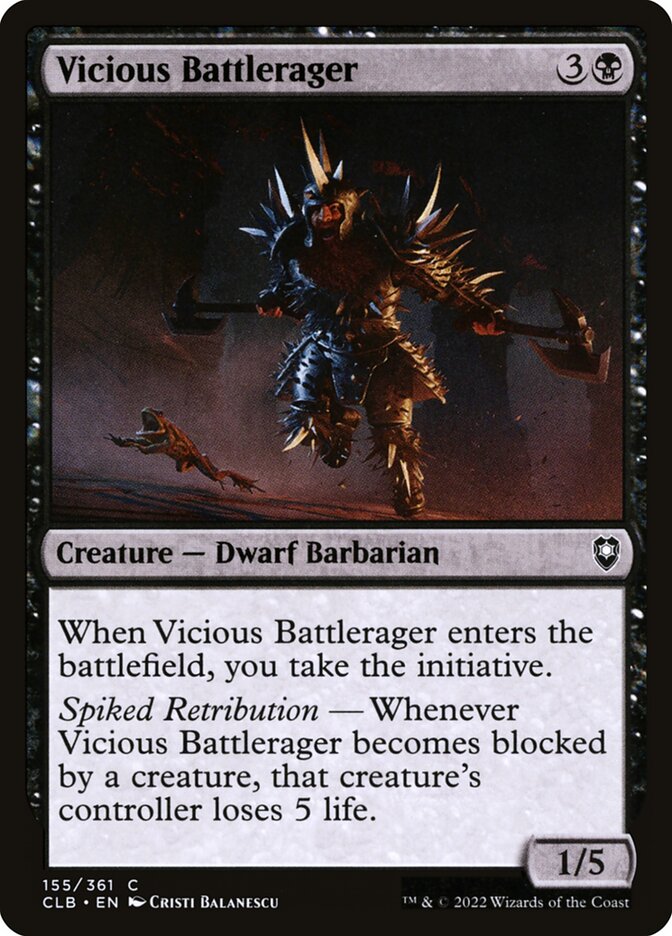
- Aarakocra Sneak
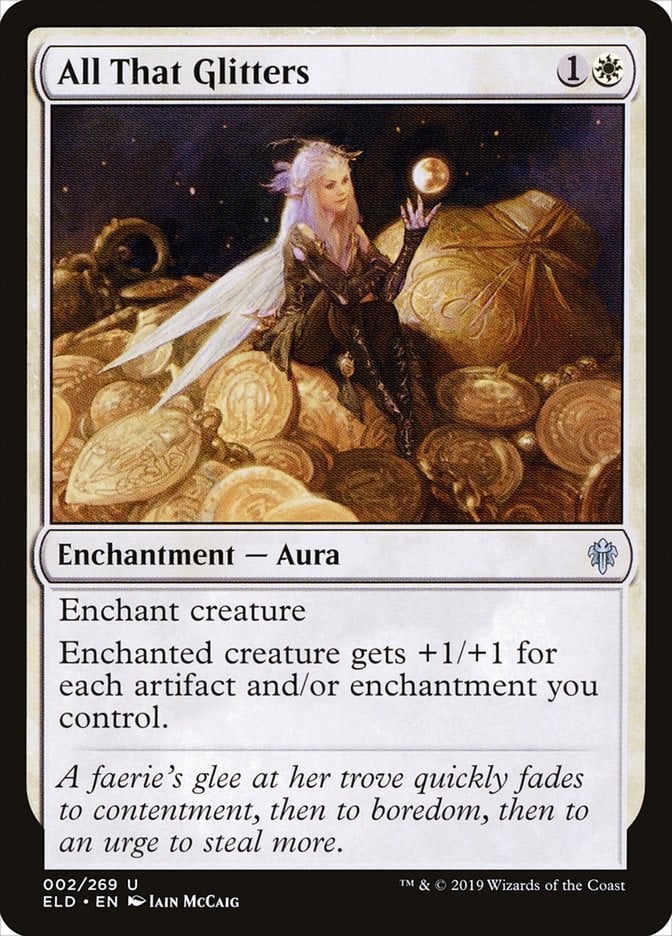
- All That Glitters
- Arcum's Astrolabe
- Atog
- Basking Broodscale
- Bonder's Ornament
- Chatterstorm
- Cloud of Faeries
- Cloudpost
- Cranial Plating
- Cranial Ram
- Daze
- Deadly Dispute
- Disciple of the Vault
- Empty the Warrens
- Fall from Favor
- Frantic Search
- Galvanic Relay
- Gitaxian Probe
- Grapeshot
- Gush
- High Tide
- Hymn to Tourach
- Invigorate
- Kuldotha Rebirth
- Monastery Swiftspear
- Mystic Sanctuary
- Peregrine Drake
- Sinkhole
- Sojourner's Companion
- Temporal Fissure
- Treasure Cruise
- Stirring Bard
- Underdark Explorer
- Vicious Battlerager
Where to Play Pauper
Before I discuss the places where Pauper is most popular, let's address the fact that Pauper was initially introduced on MTGO before becoming an official format for paper play. Consequently, its popularity was somewhat limited in the physical card game world, with notable exceptions being countries like Brazil and Italy.
However, Pauper's presence solidified with time, and it's no surprise that the majority of Pauper games still take place on the MTGO client, considering its origins.
Over time, the format's popularity expanded into the paper, with more and more countries taking an interest, including the UK, Chile, and the USA.
As part of a personal project, I've compiled a list of places to play Pauper, primarily in Paper. The addresses may vary, but it's a helpful starting point to see if any of them are near you. Keep in mind that they may not host Pauper events every day, so it's always a good idea to inquire before making travel plans.
Open up the map with the brackets on the top right.
Today, the Pauper community has garnered significant interest in both the US and the UK. However, the most passionate Pauper enthusiasts are known to be in the Brazilian and Italian communities. They have wholeheartedly embraced Pauper as their primary way of playing Magic and have even formed teams that have participated in various Pauper tournaments throughout the years.
The rest of Europe exhibits a considerable demand for the format, with its player base primarily concentrated around physical events like PAUPERGEDDON. These events are exclusive to Italy, but there have been discussions about expanding them to other regions.
Pauper Archetypes

For the Common Good | Illustration by Serena Malyon
Of all Constructed Eternal formats, Pauper has to have the most archetypes available under its belt. Because of this, I’ll cover the most popular ones based on their playability.
It’s worth noting that some staple cards like Lightning Bolt and Delver of Secrets are cards that are wildly popular in Eternal formats like Legacy. If you’re looking for another format to try them out, Pauper is the perfect place to be.
Aggro Decks

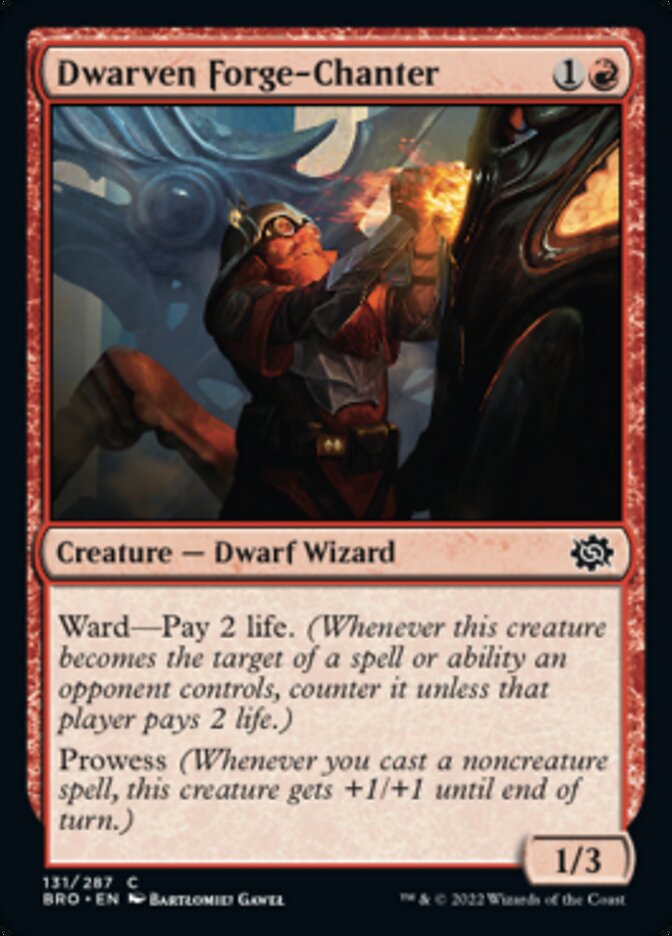
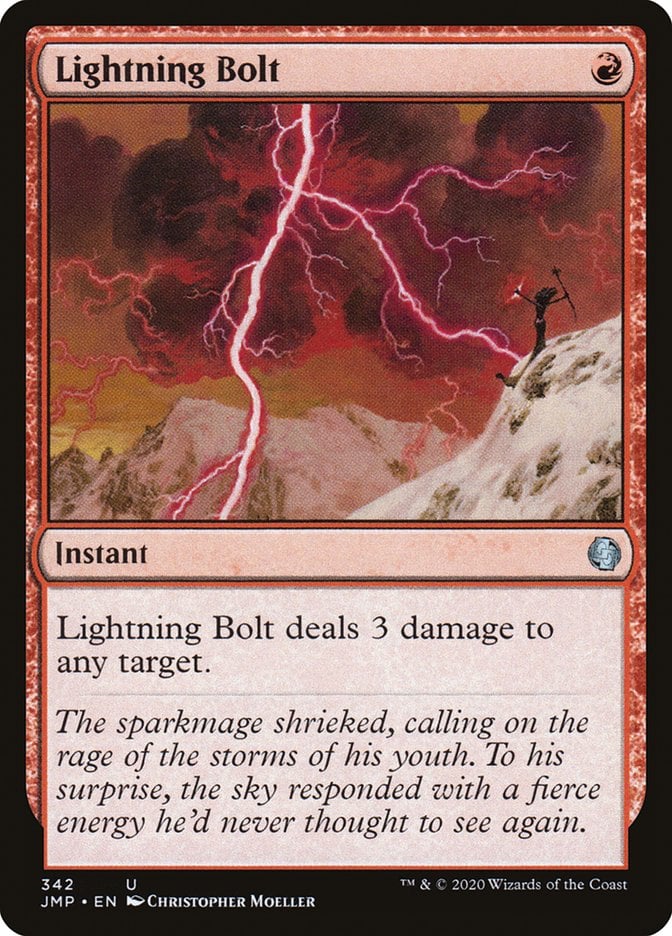
Burn has maintained a presence in the metagame for a long time. With multiple card advantage effects like Grab the Prize, powerful support creatures like Dwarven Forge-Chanter, and various versions of Lightning Bolt at its disposal, Burn stands out as one of the most robust decks, if not the strongest in the current metagame.
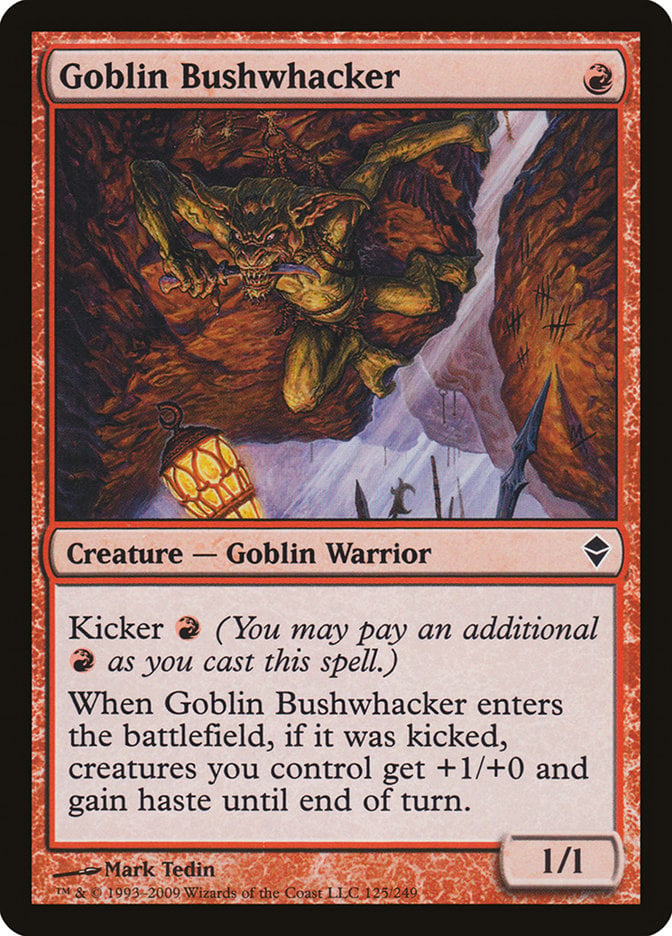
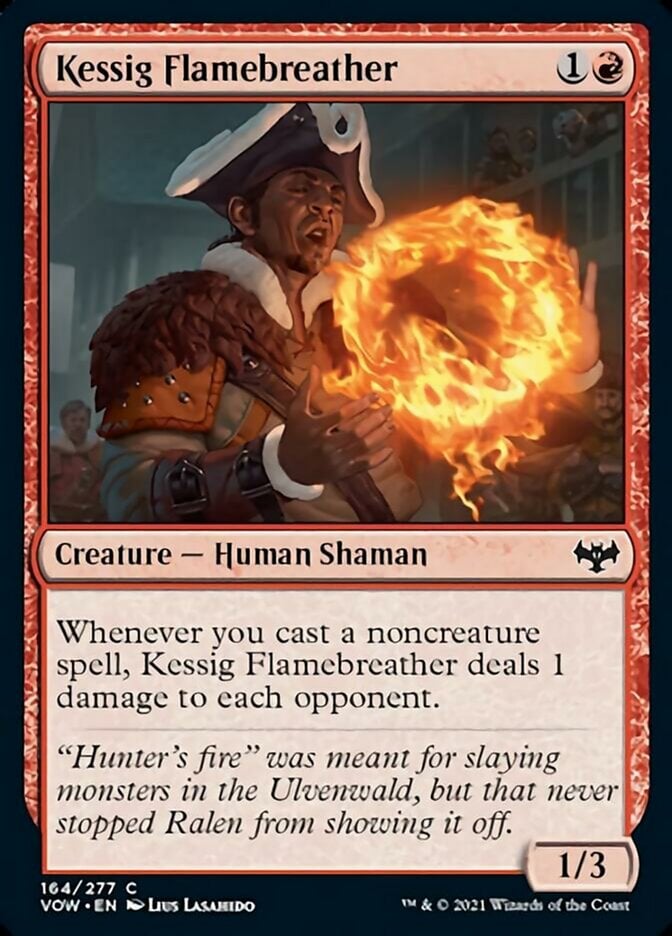
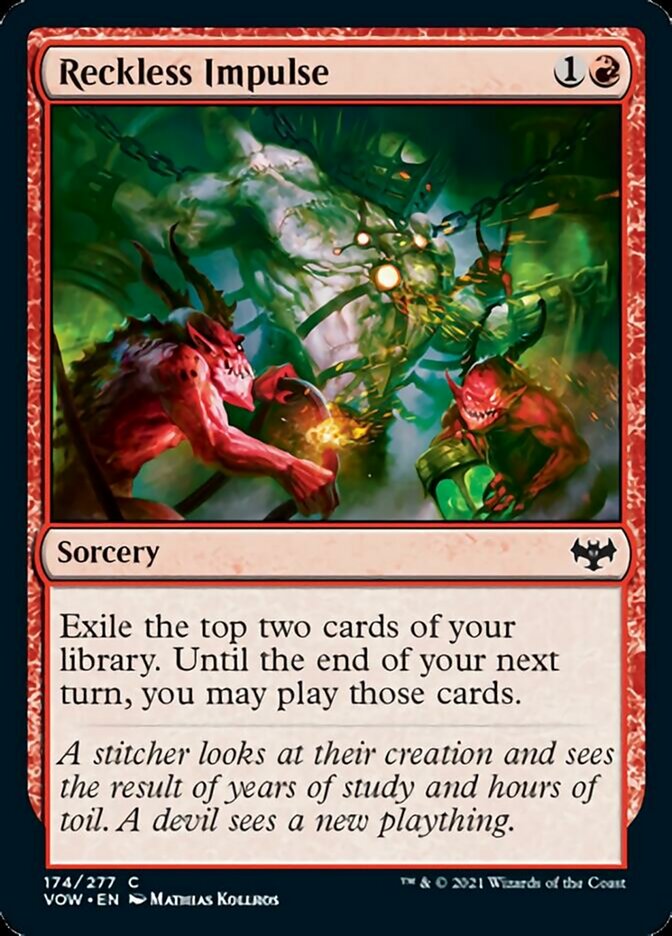
Burn comes in different variations that rise and fall in popularity depending on how the metagame evolves. When a faster and more aggressive start is necessary, you'll often see these decks incorporating cards like Goblin Bushwhacker to close out games more swiftly. Conversely, when the metagame leans towards attrition, burn decks tend to adopt a slower and more value-oriented approach with cards like Kessig Flamebreather and a playset of Reckless Impulse.
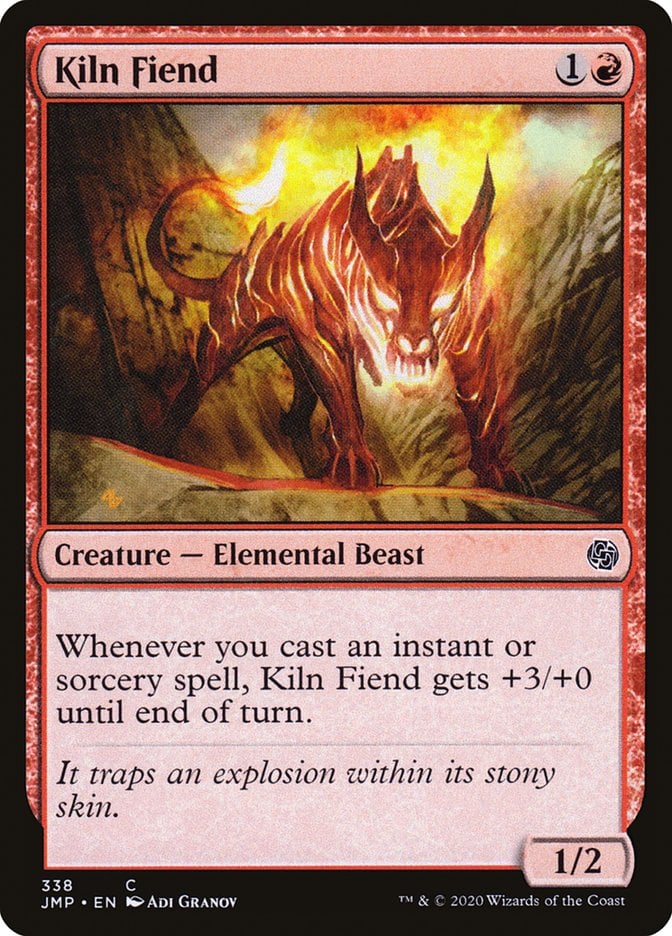
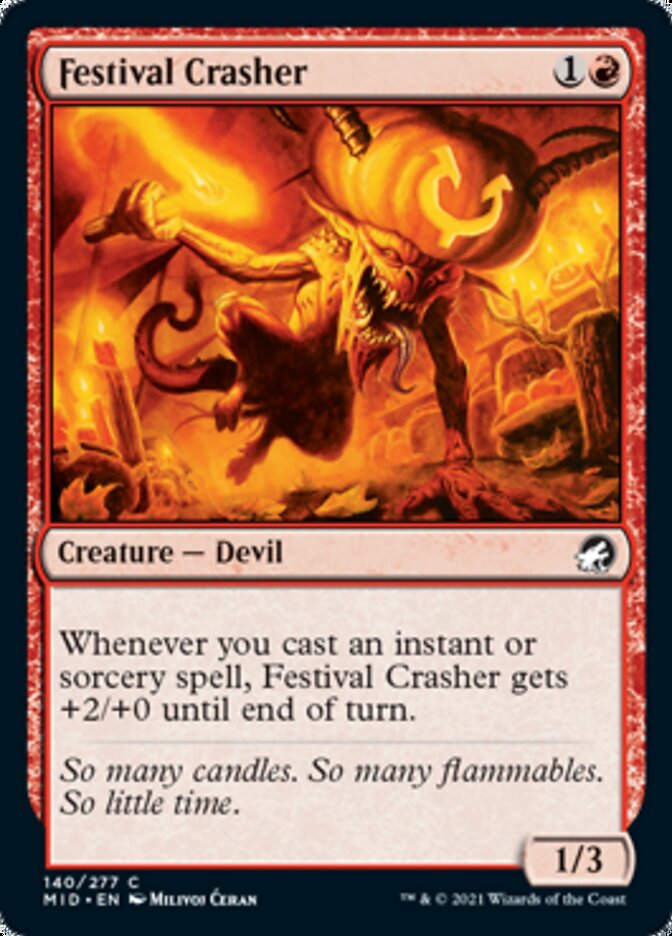
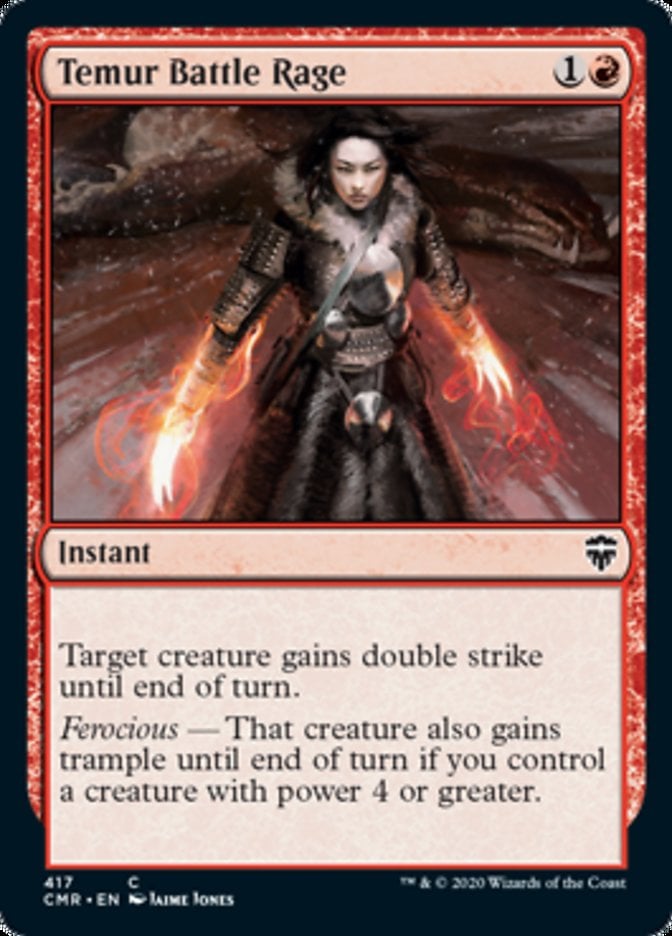
If you prefer to defeat your opponents in just a single turn, certain versions of the deck utilize creatures like Kiln Fiend and Festival Crasher to finish games in a matter of seconds by chaining multiple burn spells and sealing the deal with Temur Battle Rage. What all these decks share are a few of the best 1-drops in Pauper, along with the most cost-effective and efficient red removal spells in the format.
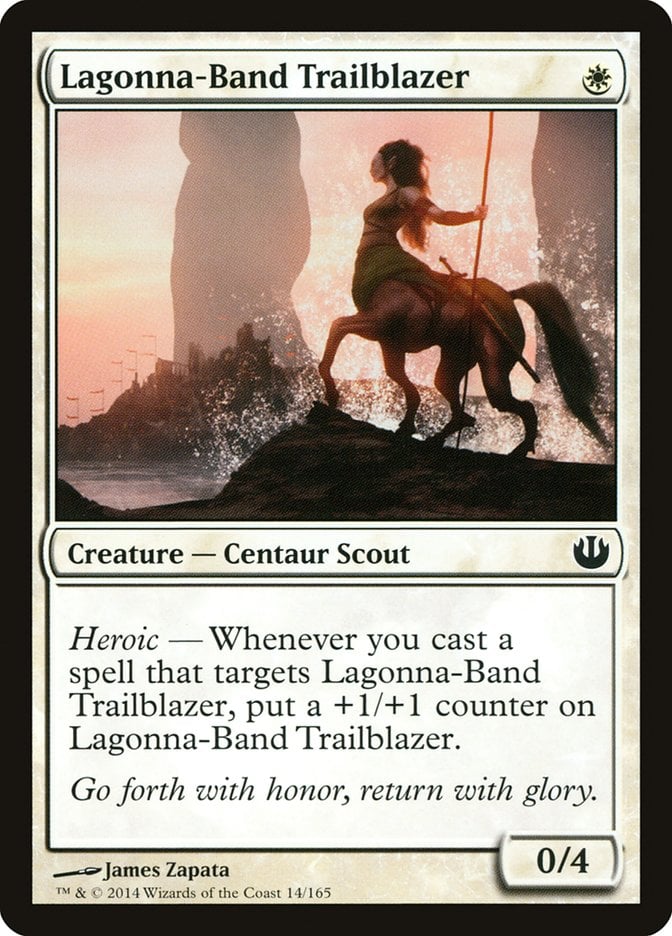
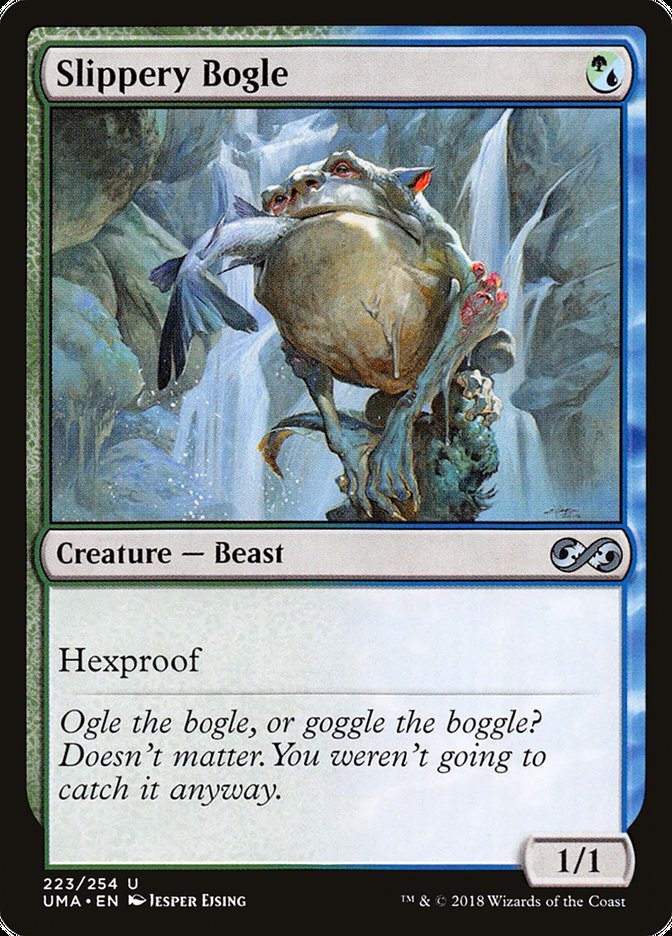
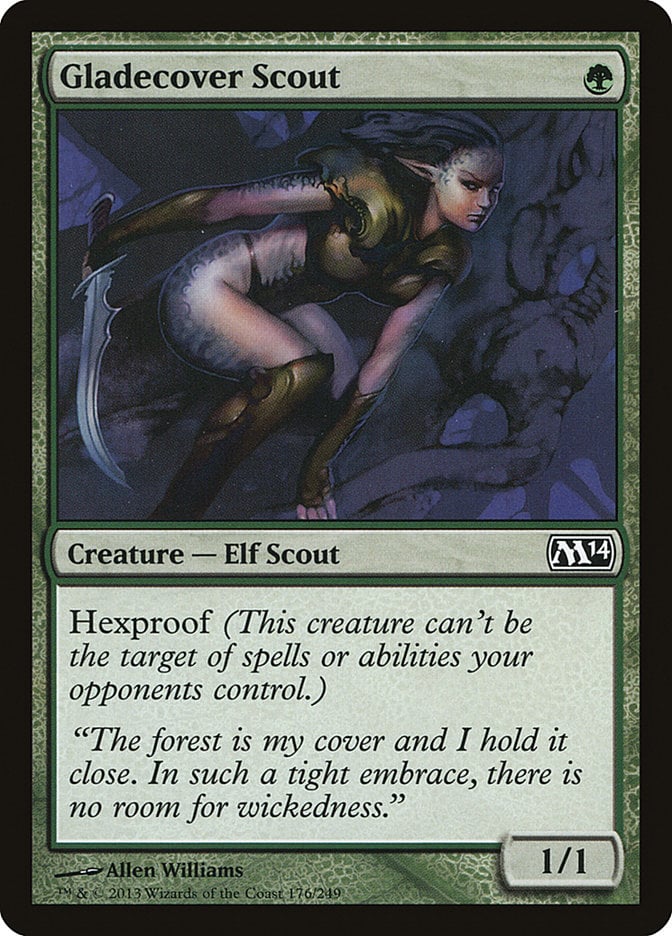
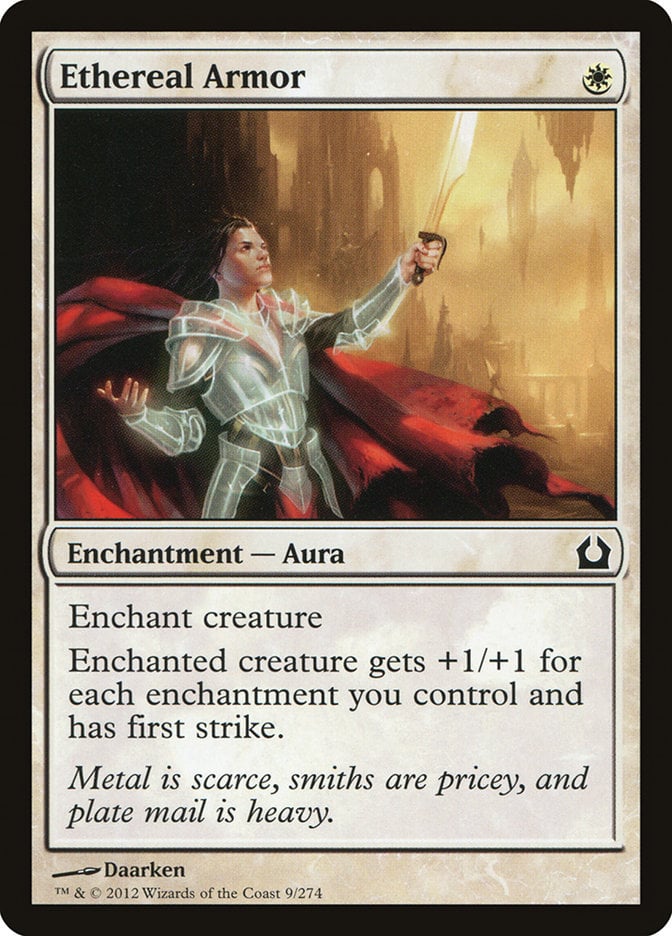
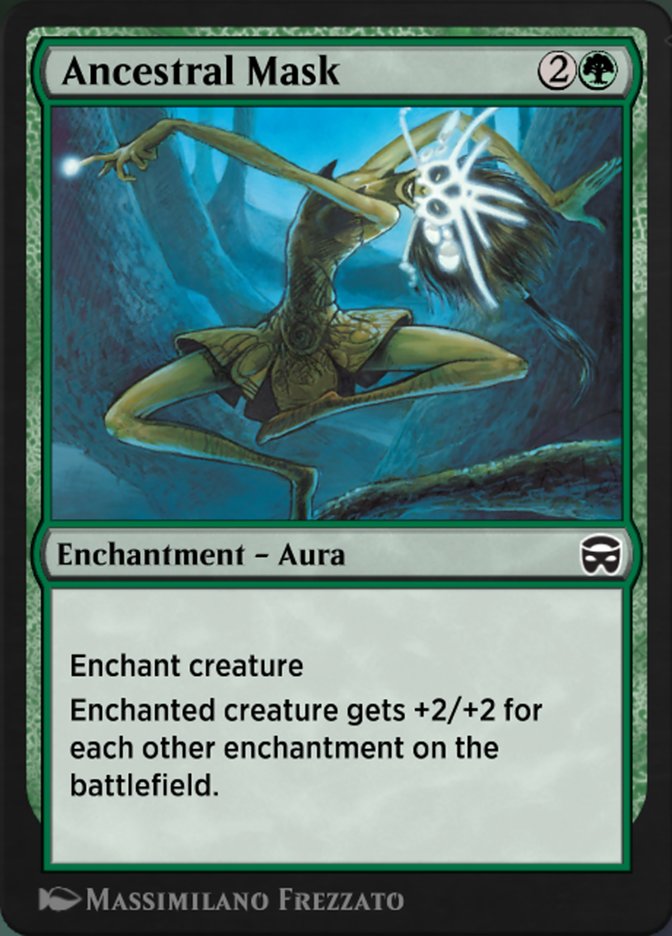

Some other aggressive decks employ pseudo-Bogles strategies, as seen in Selesnya () Bogles and certain mono-white strategies featuring creatures like Lagonna-Band Trailblazer with the heroic mechanic. While both decks operate similarly by attaching multiple auras to a single creature, Selesnya Bogles in particular shines because it boasts creatures with hexproof like Slippery Bogle (the reason for the deck's name) and other cards that reward you for playing multiple enchantments like Ethereal Armor and Ancestral Mask.
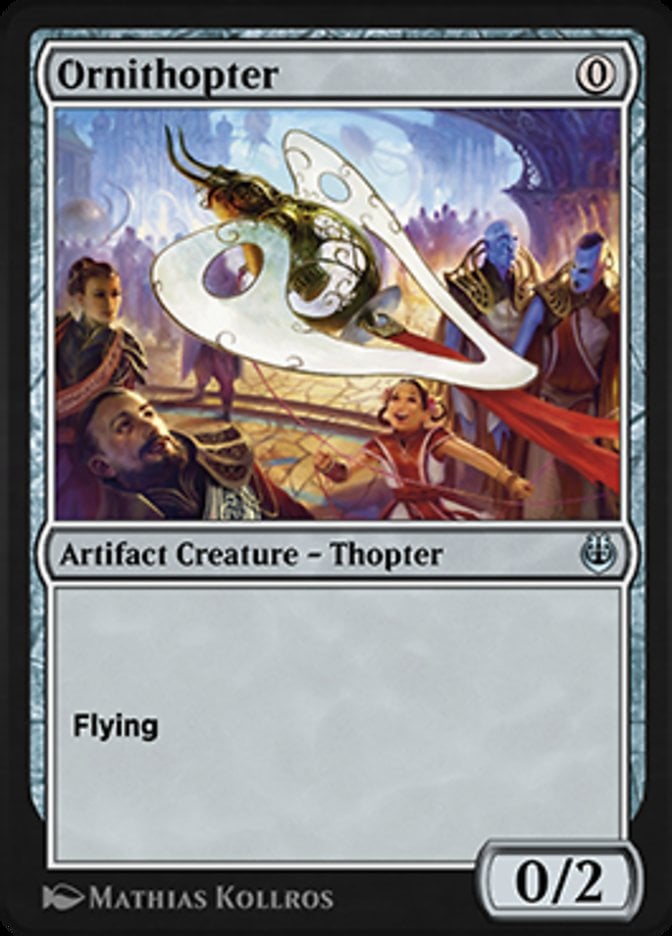
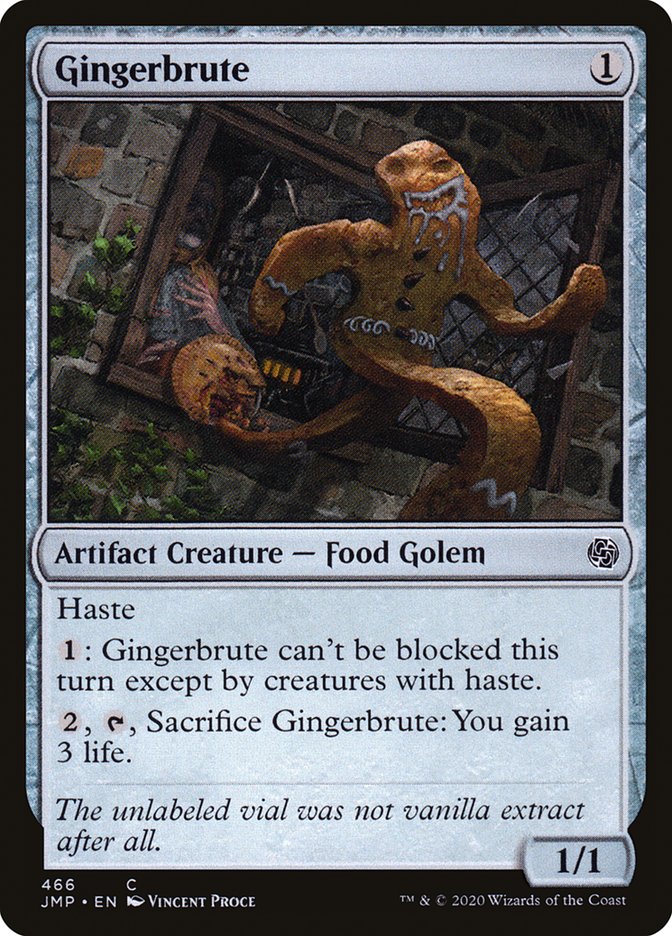

On the other hand, if you're interested in closing out games swiftly with an unexpected twist, you might want to explore Affinity. These decks provides access to inexpensive and evasive creatures like Ornithopter, Gingerbrute, or Refurbished Familiar capable of using support, or carrying inexpensive auras or equipment to victory.
Midrange Decks
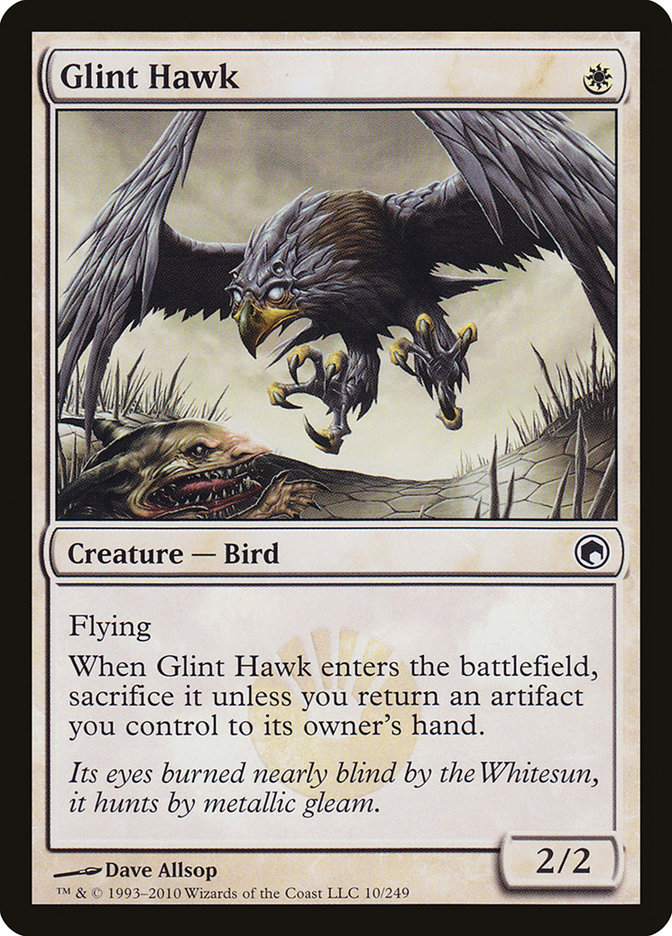
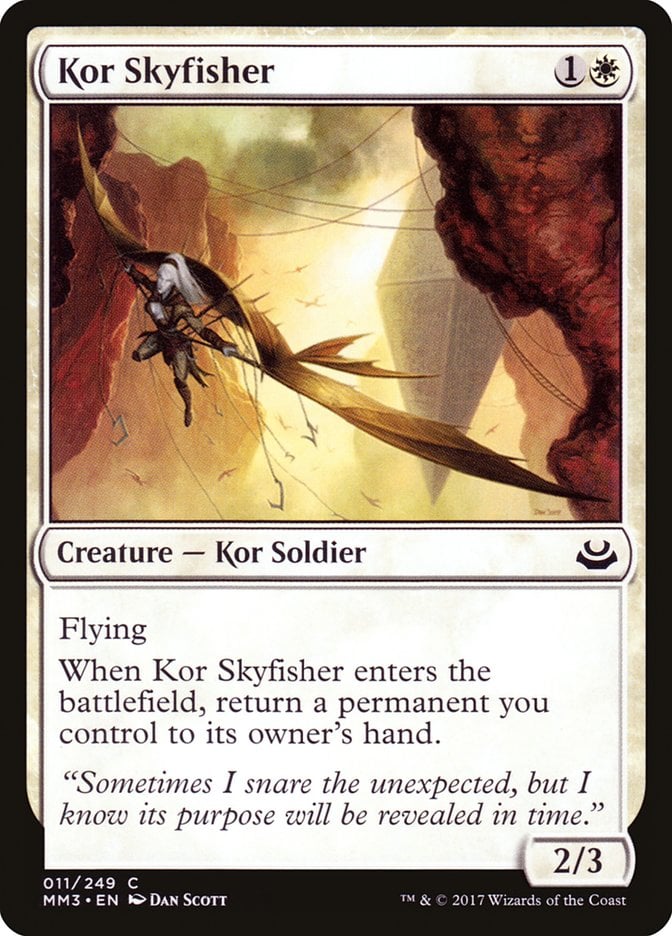
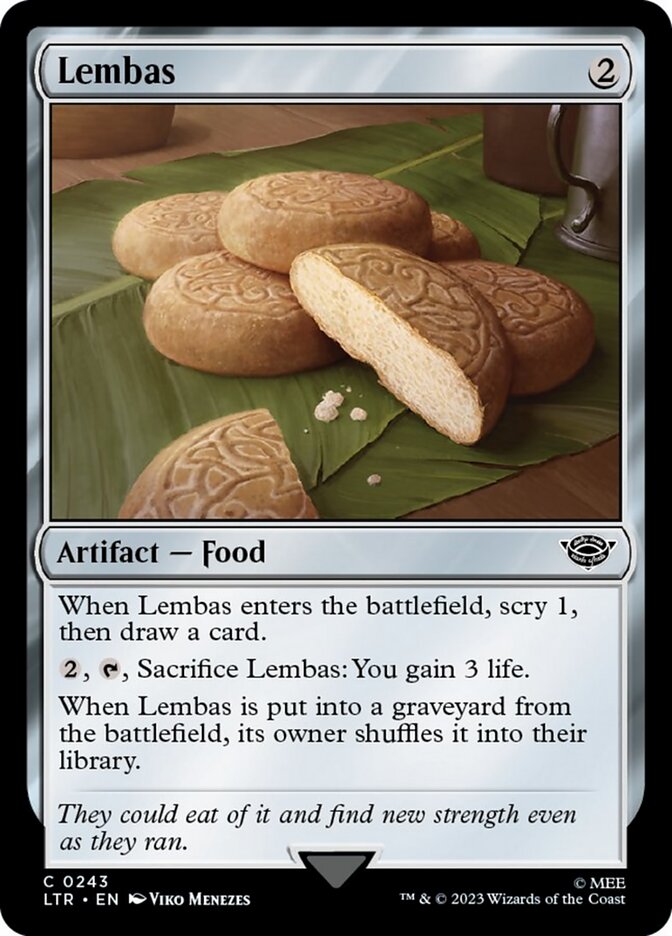
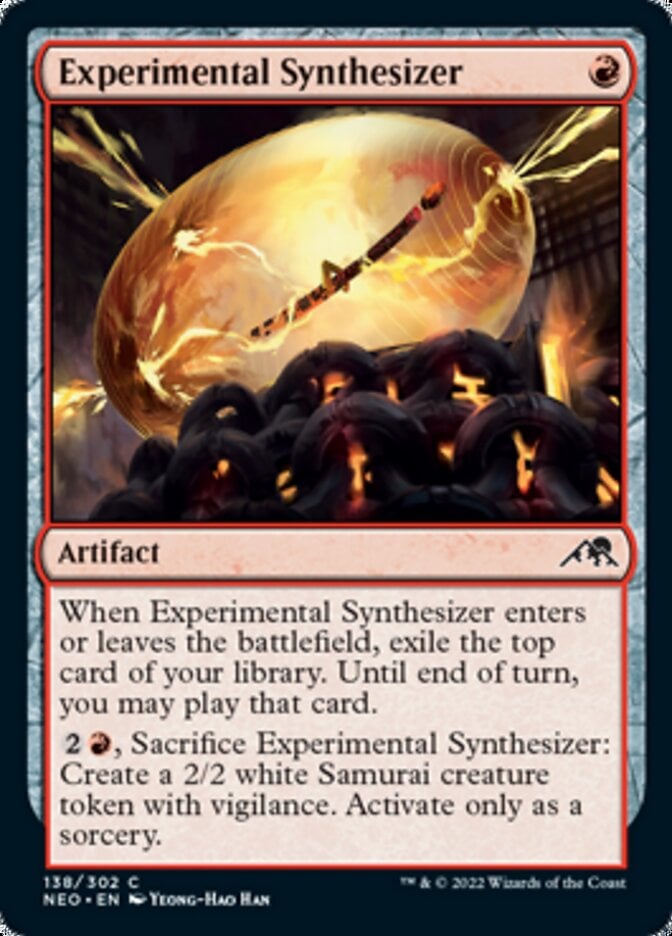
Boros () is one of the most solid midrange decks in the format because it has access to strong and cheap creatures like Glint Hawk or Kor Skyfisher that can return artifacts like Lembas and Experimental Synthesizer to use them as a raw card advantage engine.
Some other midrange decks, like Ponza, aim to destroy your opponent's lands to slow their plans down while you ramp up into deadly threats.
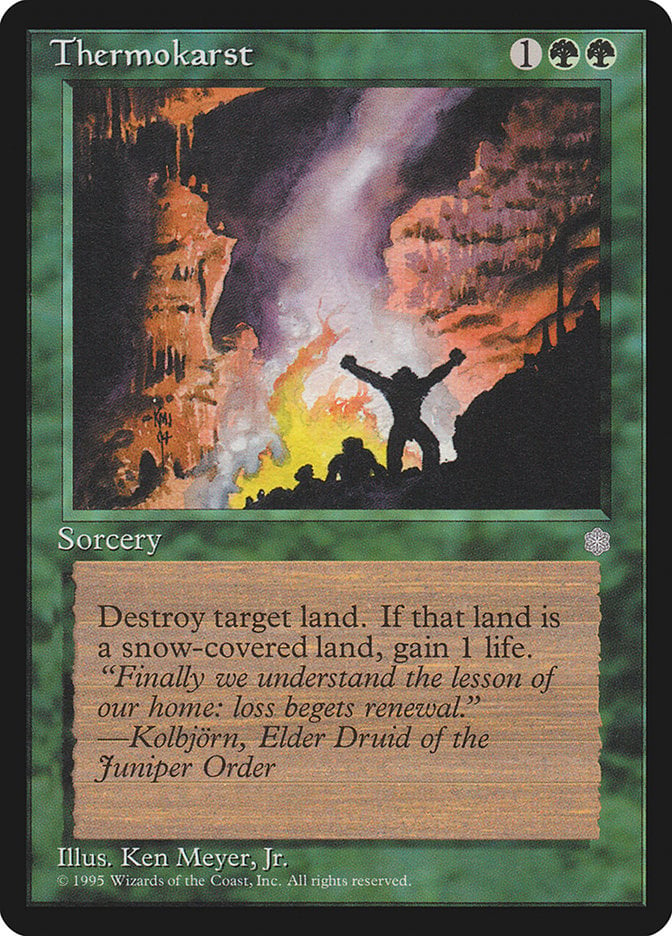
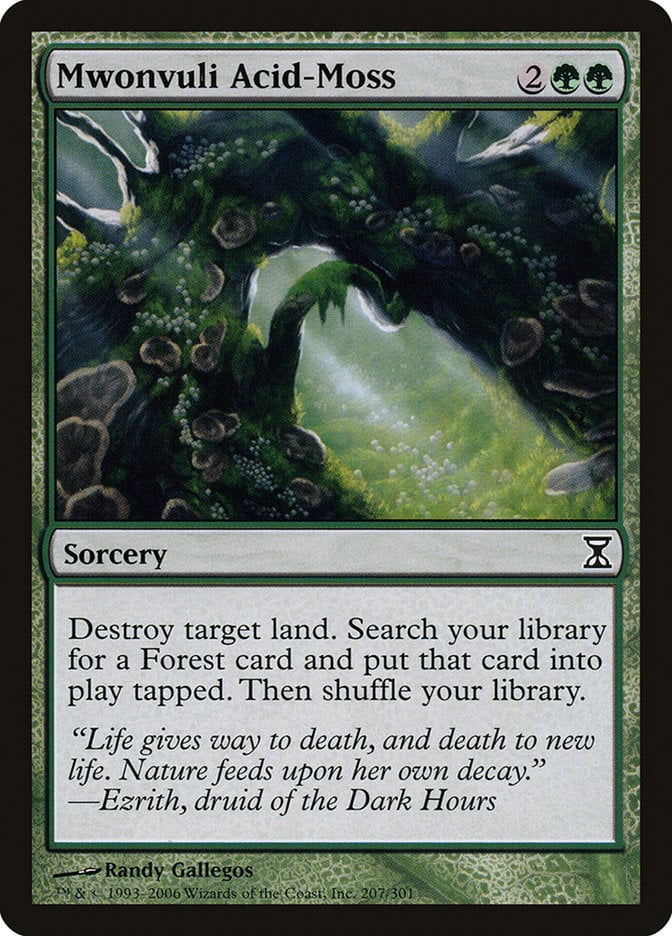
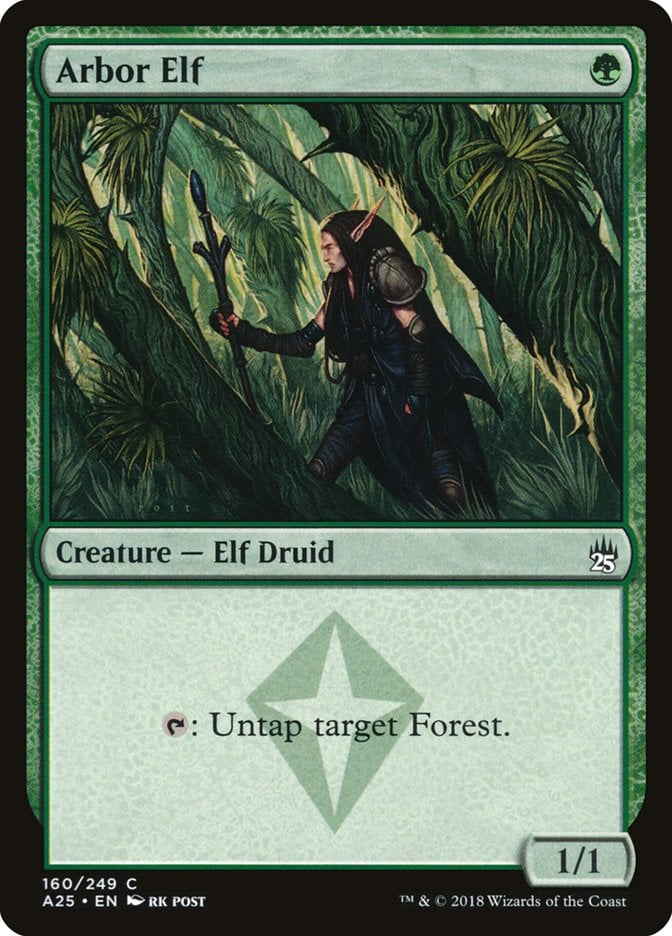
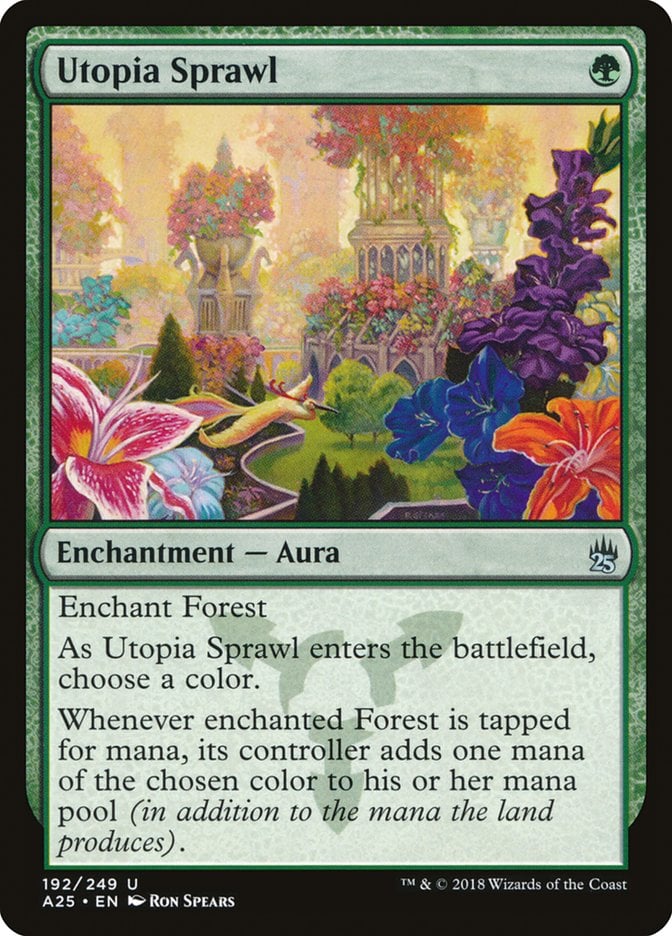
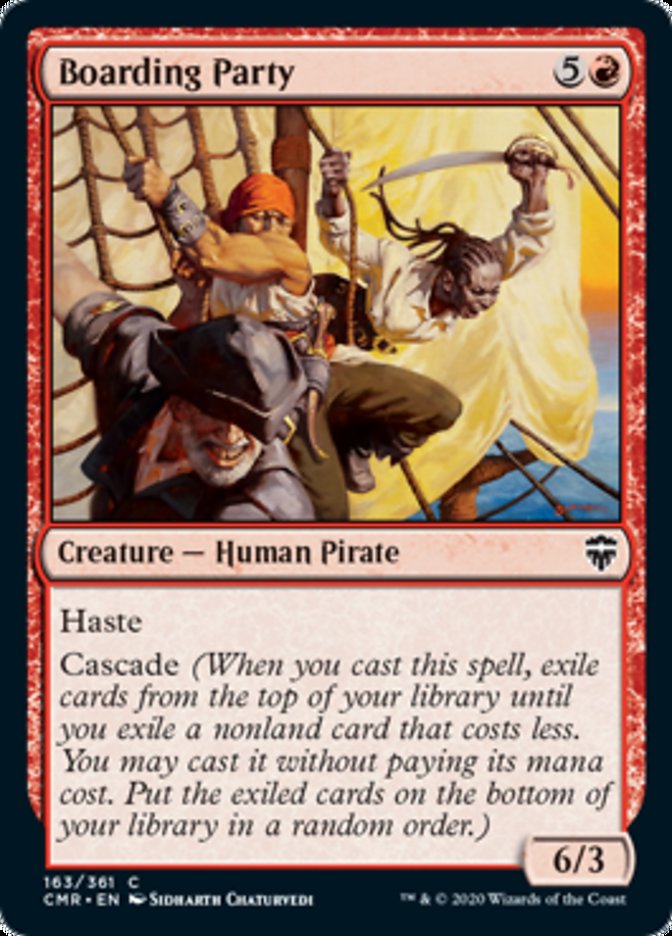
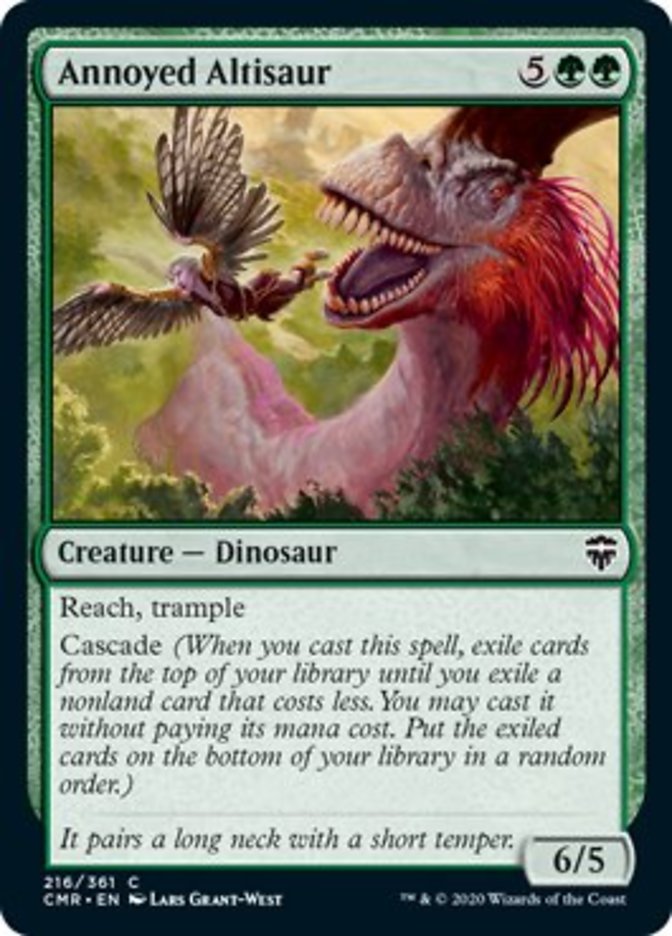
Pauper has access to some of the most efficient ways to destroy lands like Thermokarst and Mwonvuli Acid-Moss, efficient and synergistic ramp spells like Arbor Elf and Utopia Sprawl, and big creatures that can cast other spells for free in the form of Boarding Party and Annoyed Altisaur.
However, the most solid midrange strategy that dominates Pauper must be Grixis () Affinity.
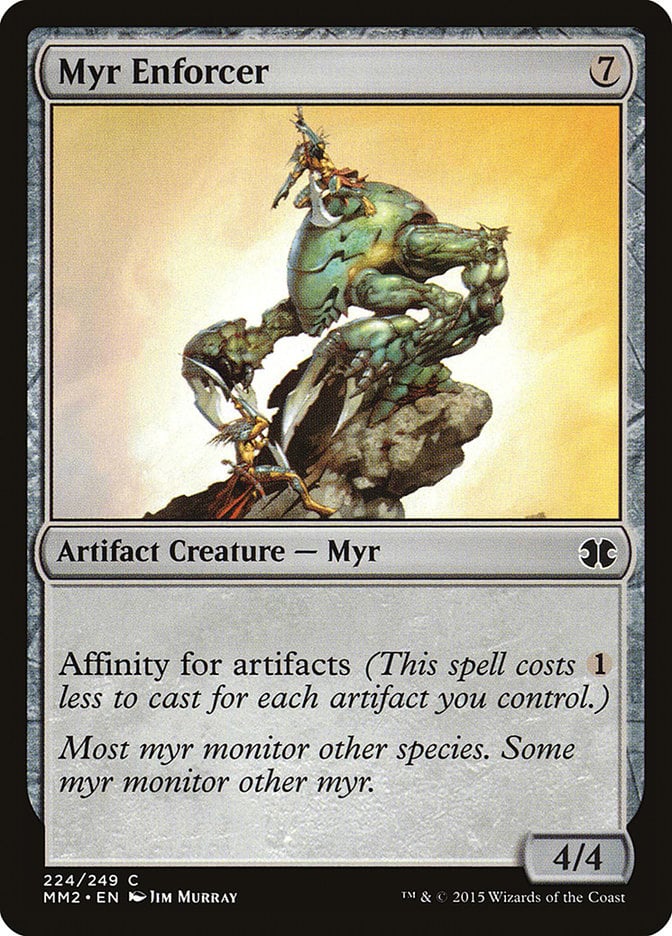
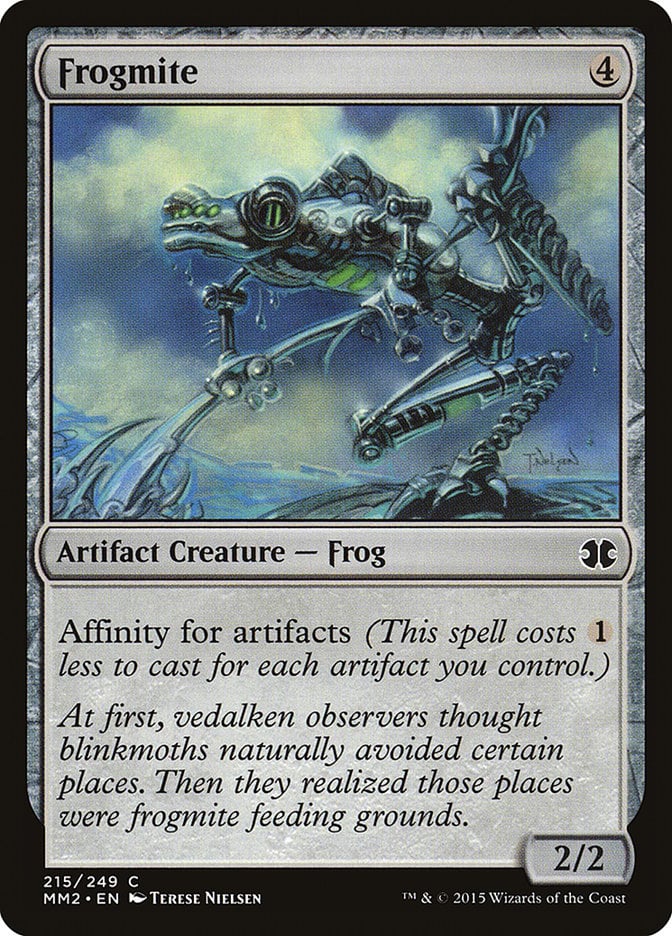
The core of it is the artifact lands that enable casting some powerful creatures that have the affinity ability like Myr Enforcer and Frogmite.
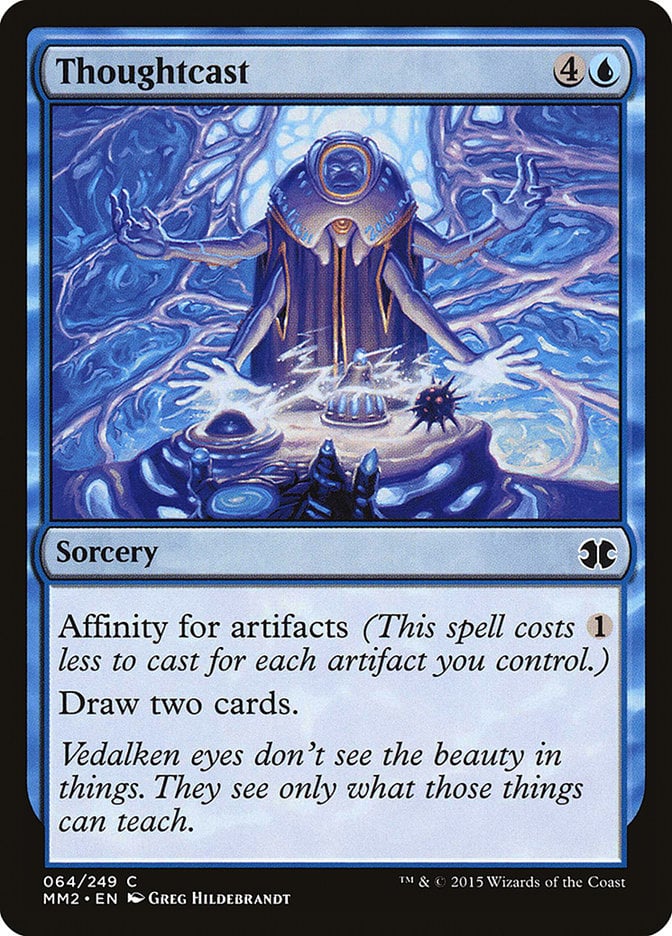

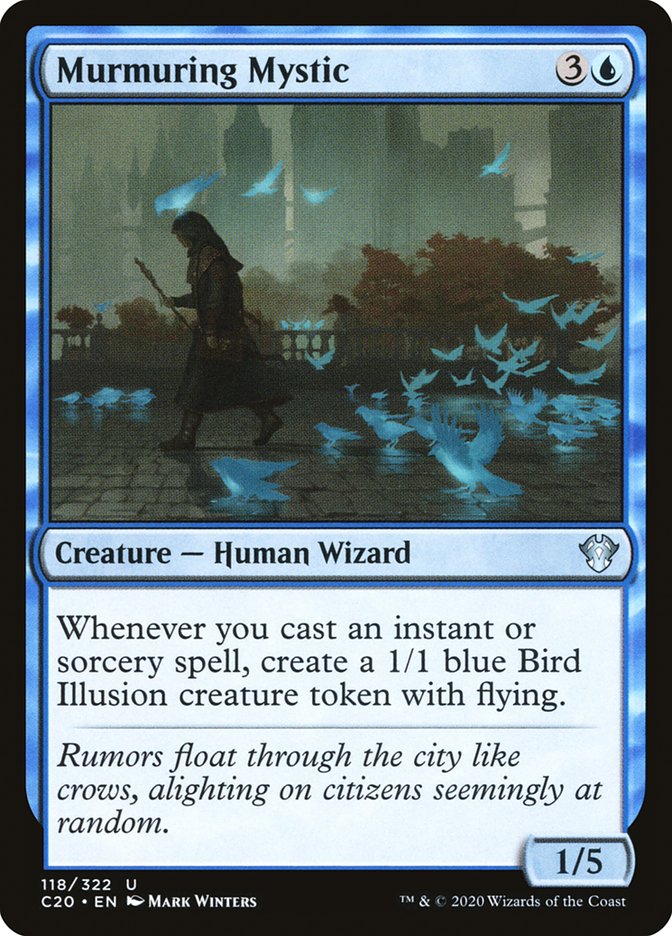
If you like grindy matches and outvaluing your opponents with cards like Thoughtcast, Sneaky Snacker, and Murmuring Mystic, this deck packs all the tools needed to beat other midrange and control decks. It also has access to a wide range of sideboard cards that the Grixis combination provides.
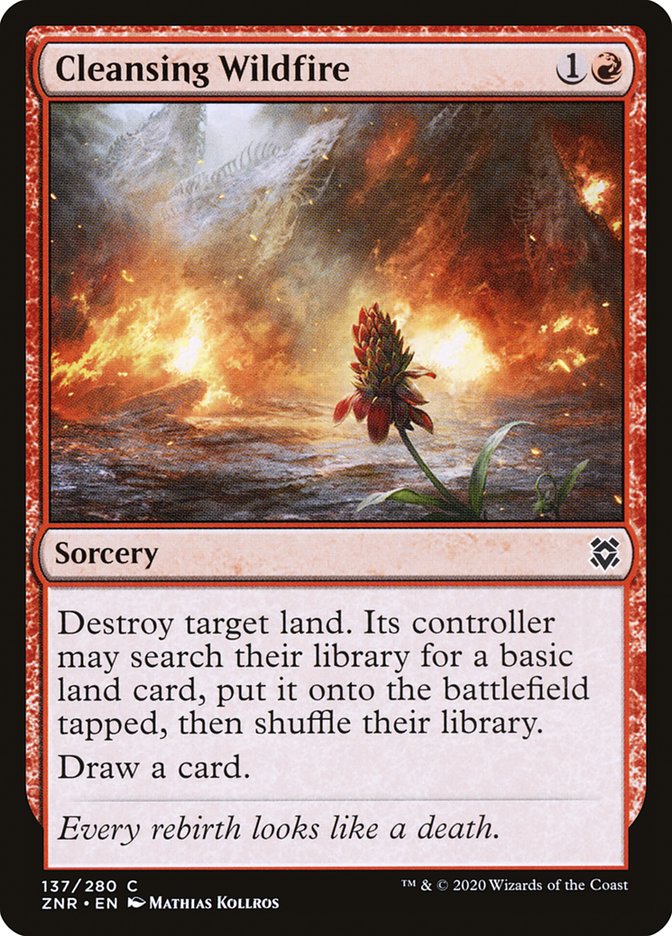
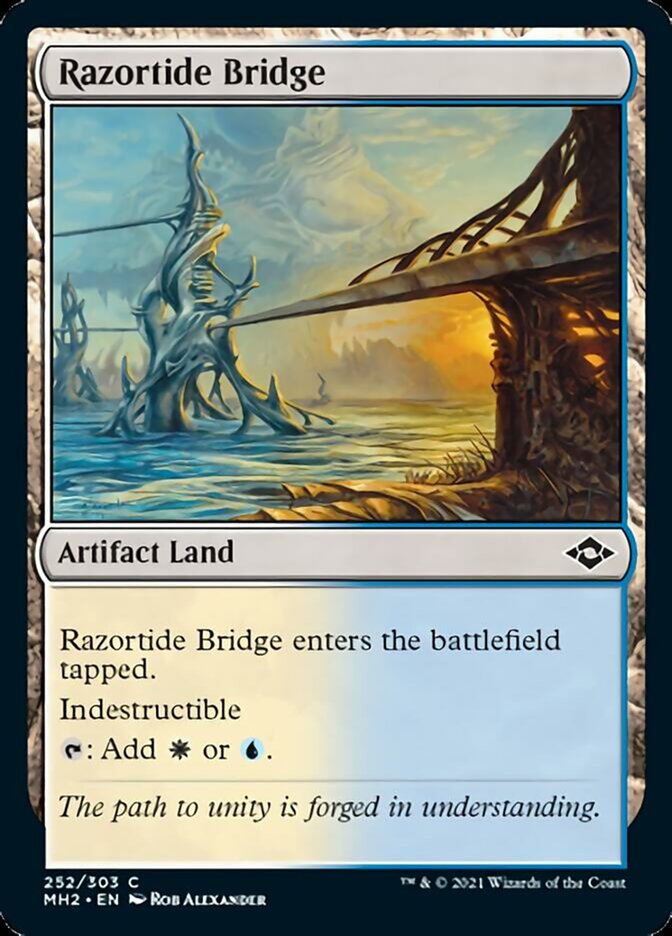
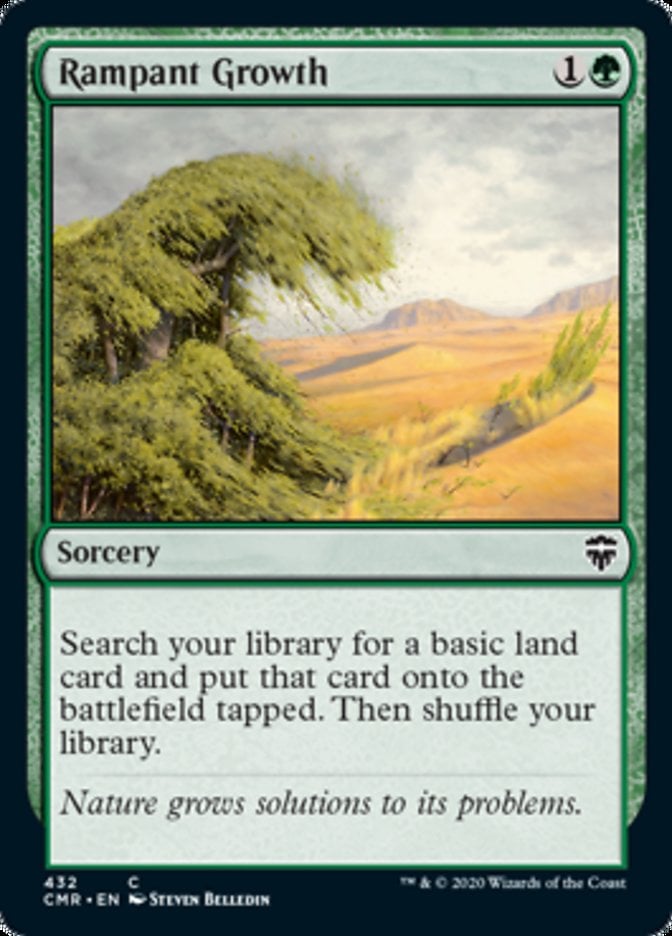
Speaking of artifacts, Cleansing Wildfire is the only reason indestructible artifact lands like Razortide Bridge aren’t banned from Pauper, because the niche interaction between them and the red card is somewhat popular in the format despite looking like a glorified Rampant Growth (it is).
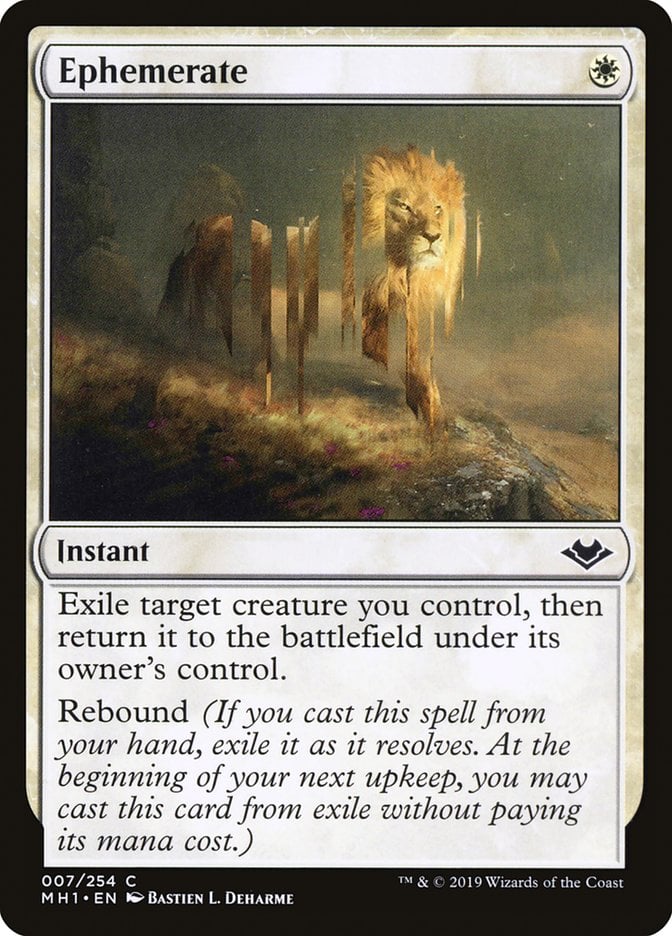
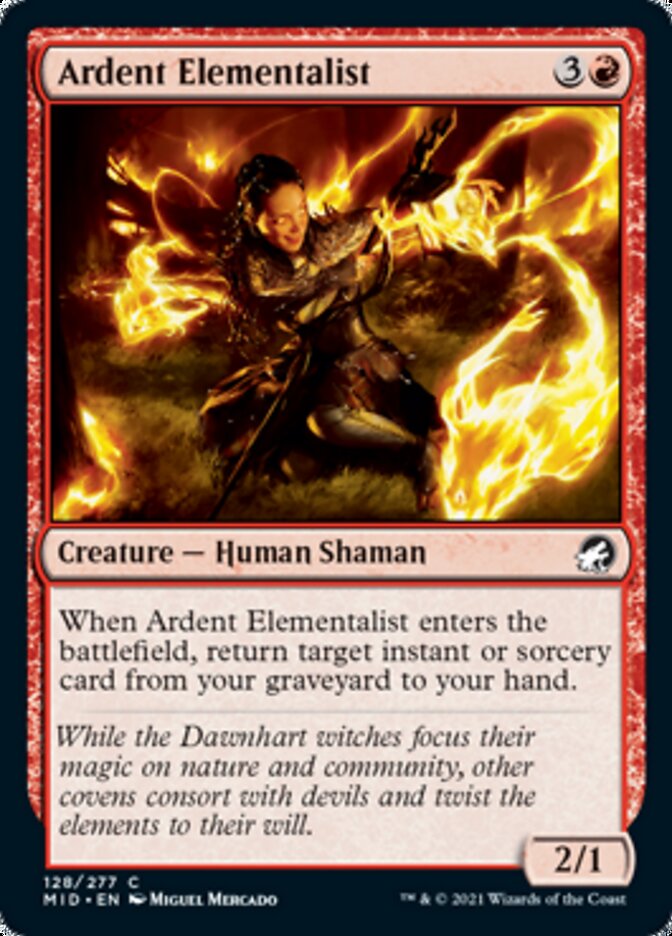
From there, you can use it in midrange decks like Jund () or Naya () to fix your mana and help you cast bigger creatures like Boarding Party and Annoyed Altisaur. Or, throw it into control shells using Ephemerate and Ardent Elementalist.
Tempo Decks
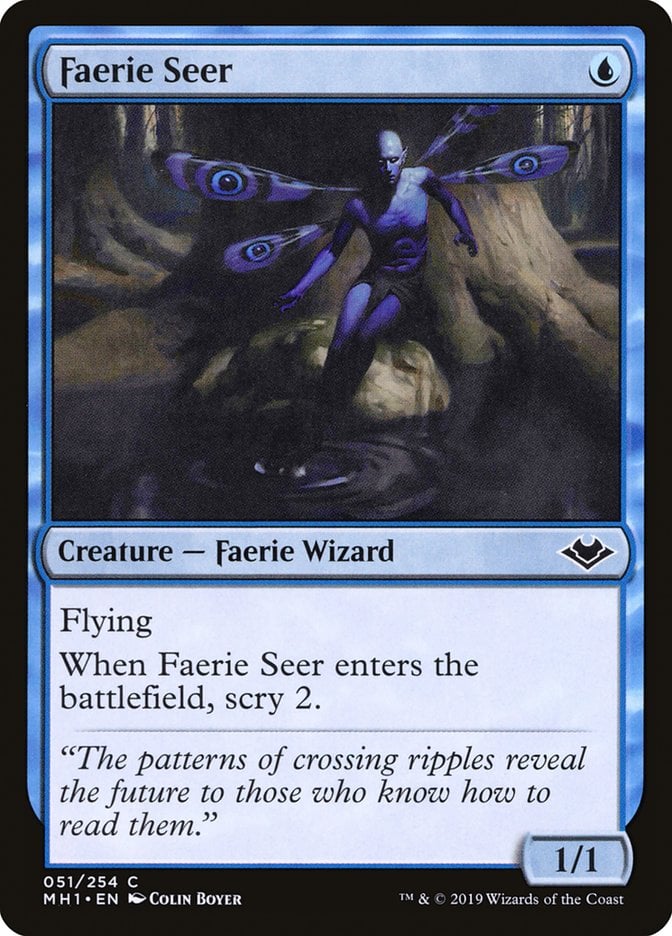
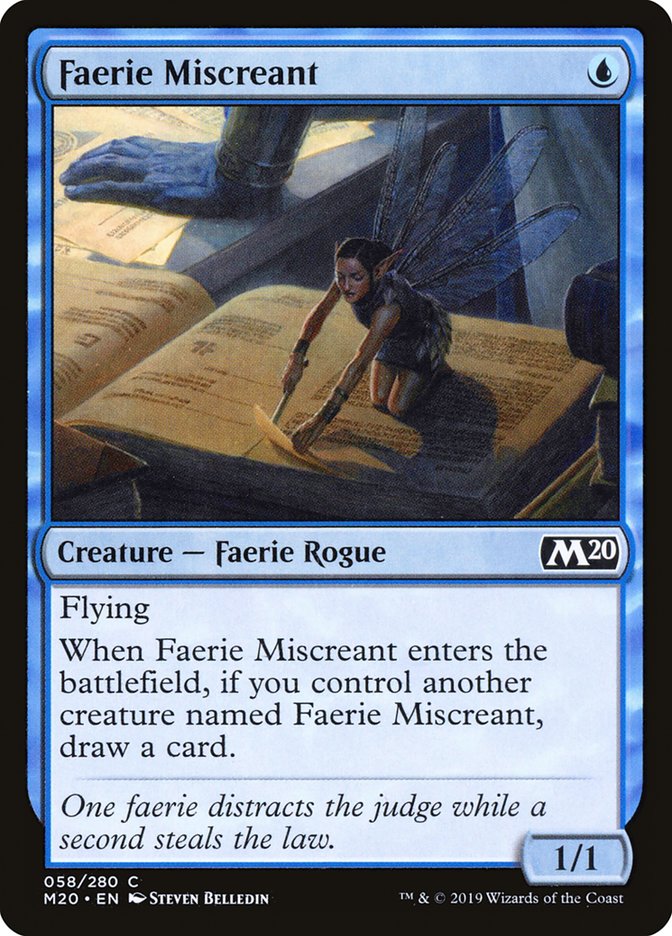
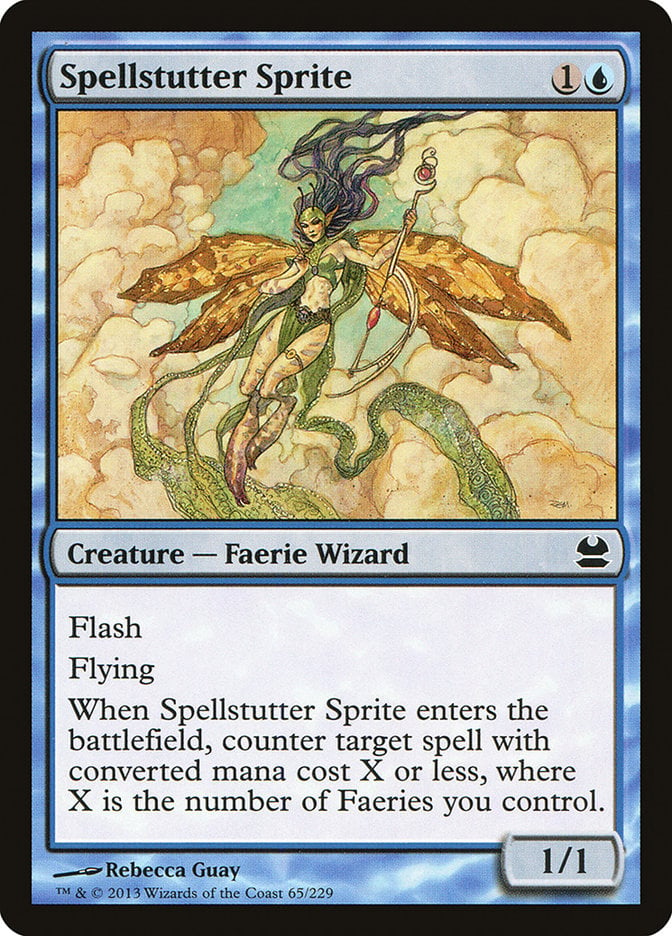
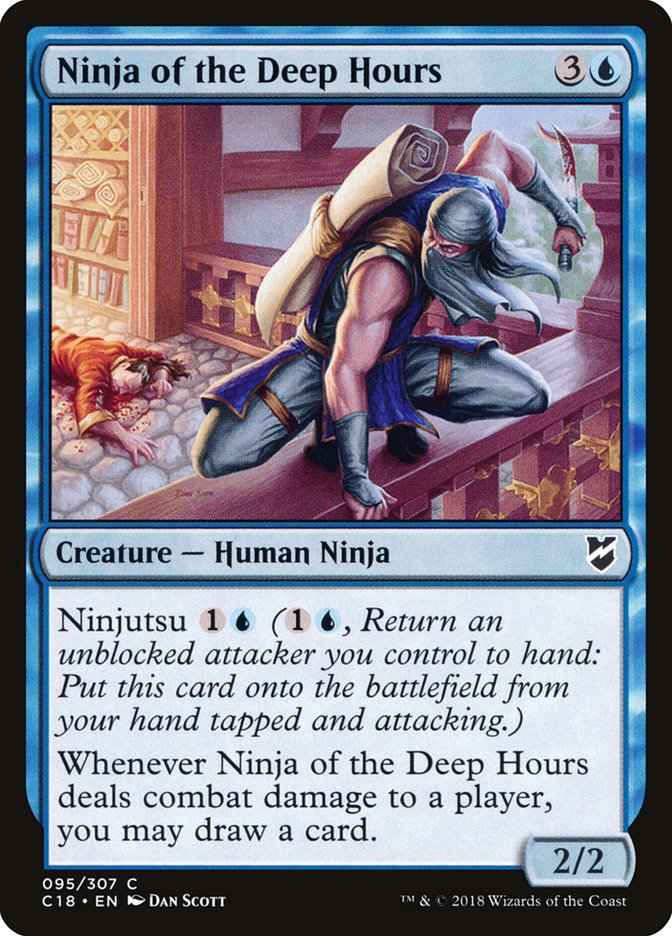
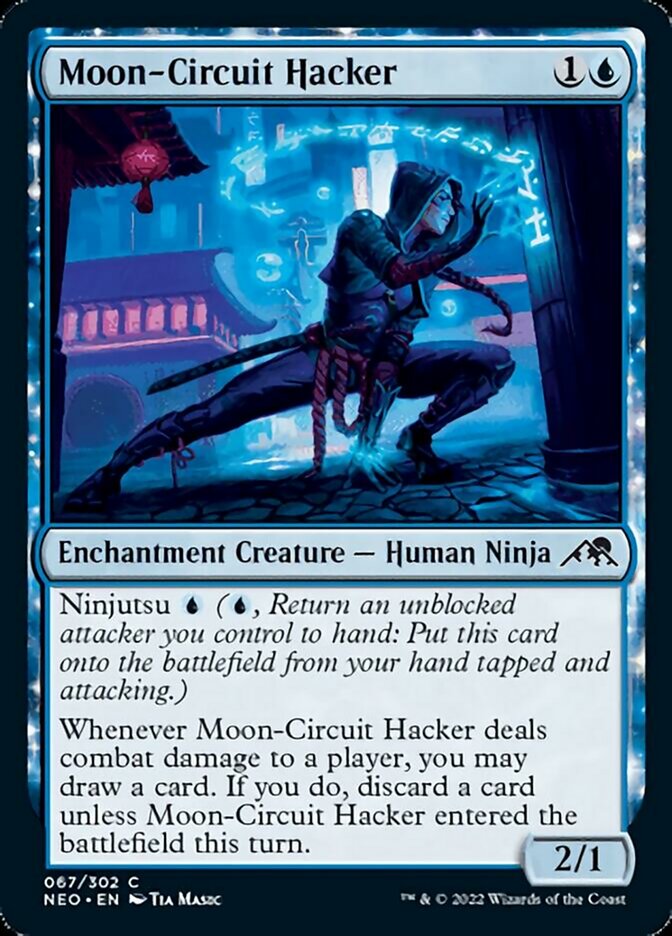
If you like tempo strategies, you’ll love Faeries in Pauper. The core strategy is to play cheap creatures with evasion (faeries) like Faerie Seer, Faerie Miscreant and Spellstutter Sprite to sneak in some damage with other creatures in the realm of Ninja of the Deep Hours and Moon-Circuit Hacker.
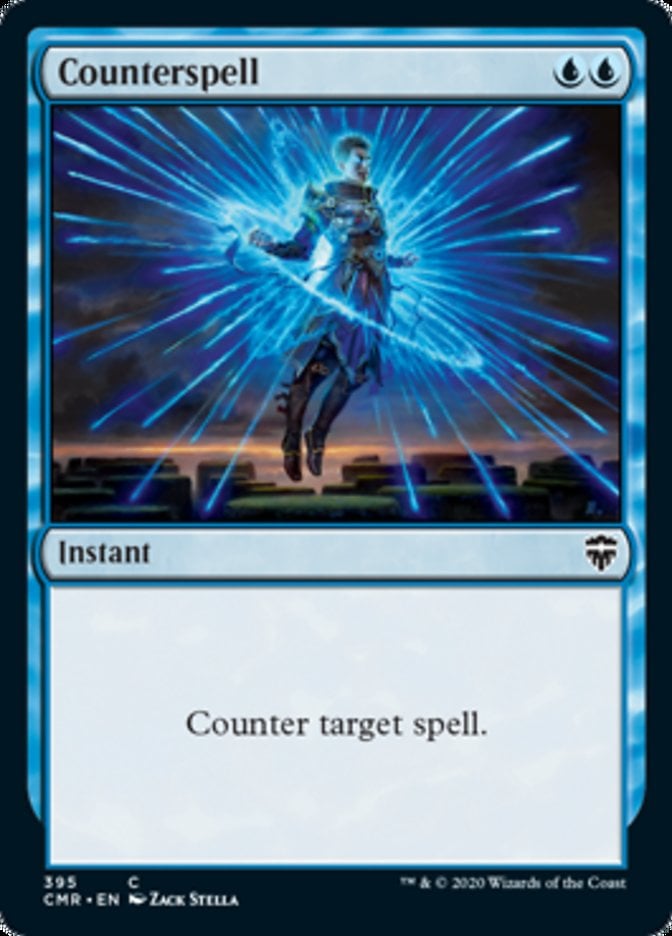
From there, it's just a matter of killing every other creature on the field and using counters like Counterspell to deny cards that threaten yours or that can prove too difficult to beat if they resolve.
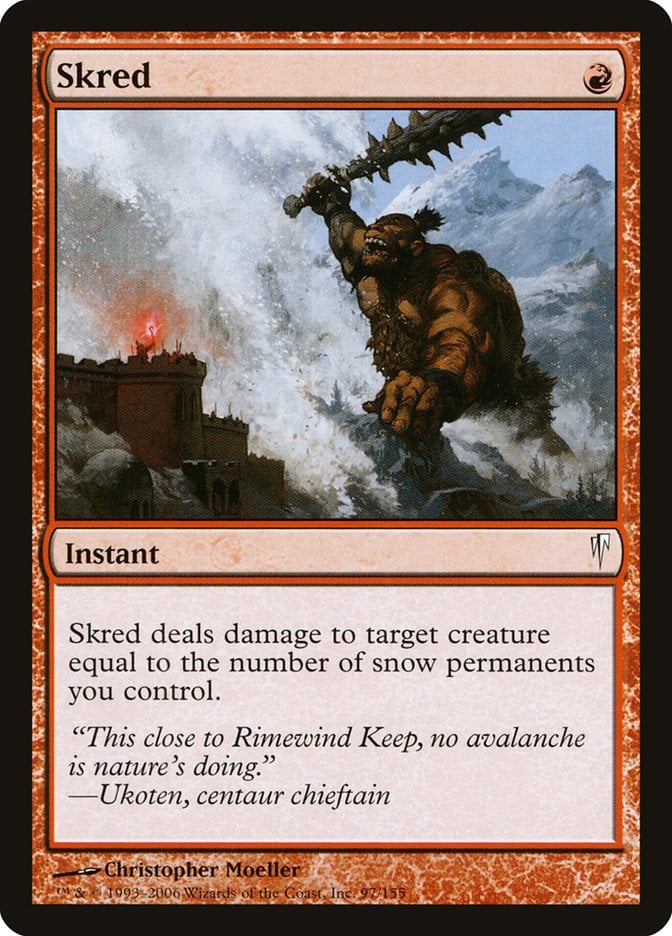
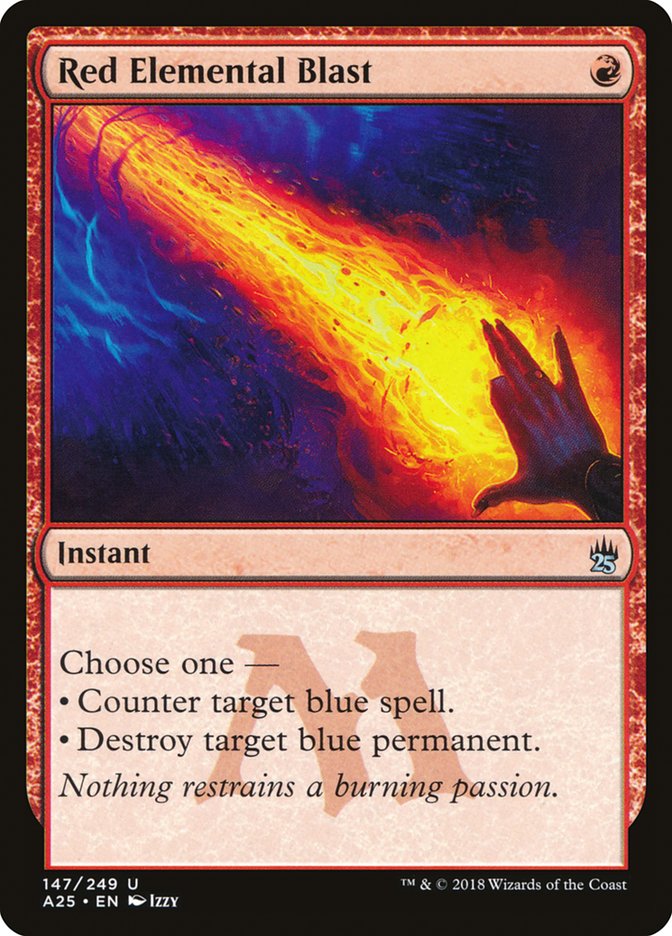
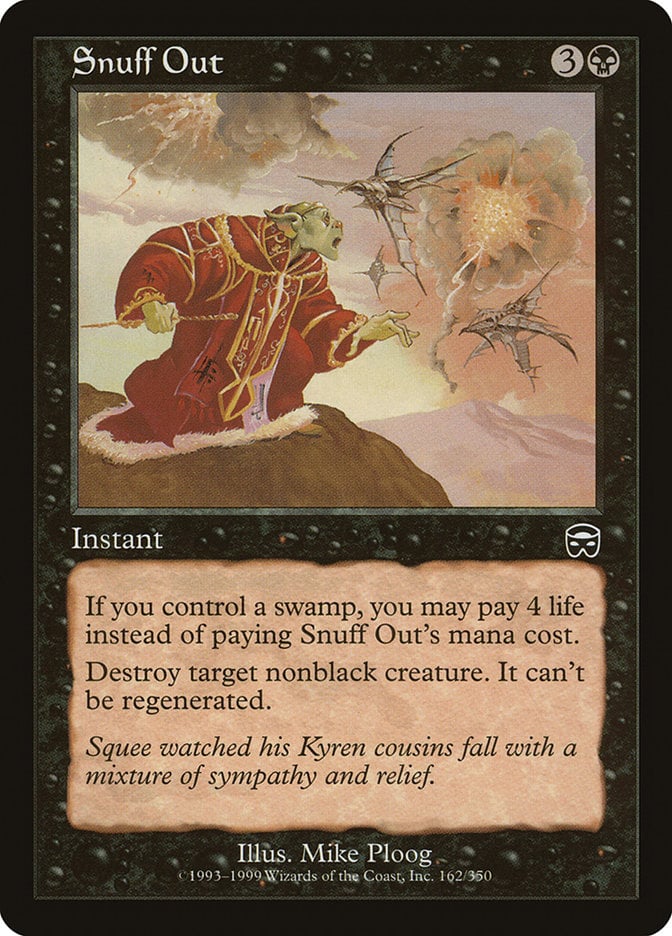
While that’s the core idea of these kinds of archetypes, all that’s left to do is to choose which color pair is better suited for the metagame. You can pair with red for access to Lightning Bolt, Skred, and Red Elemental Blast, or black for the almighty Snuff Out.
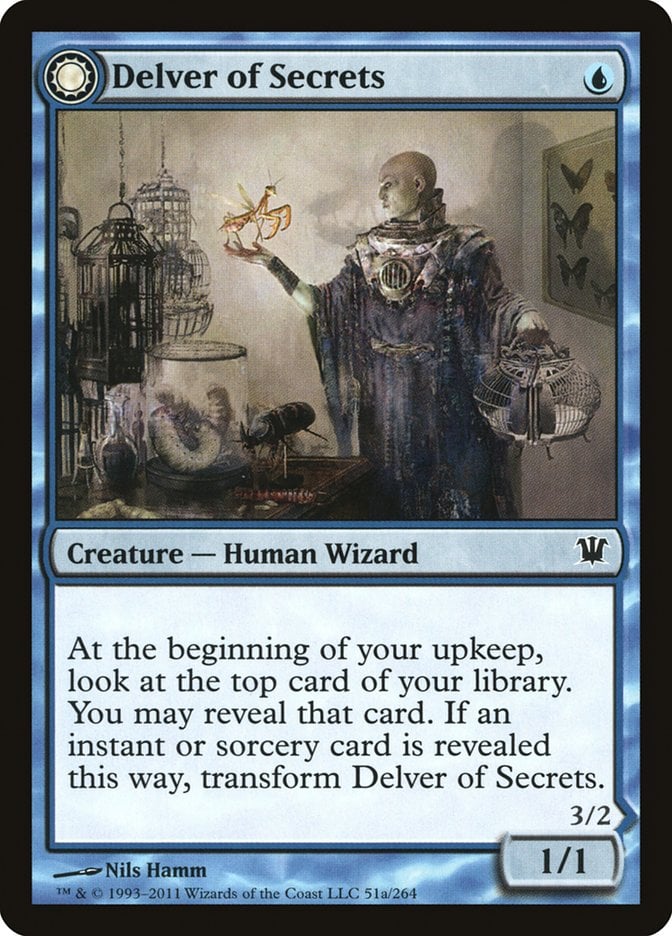
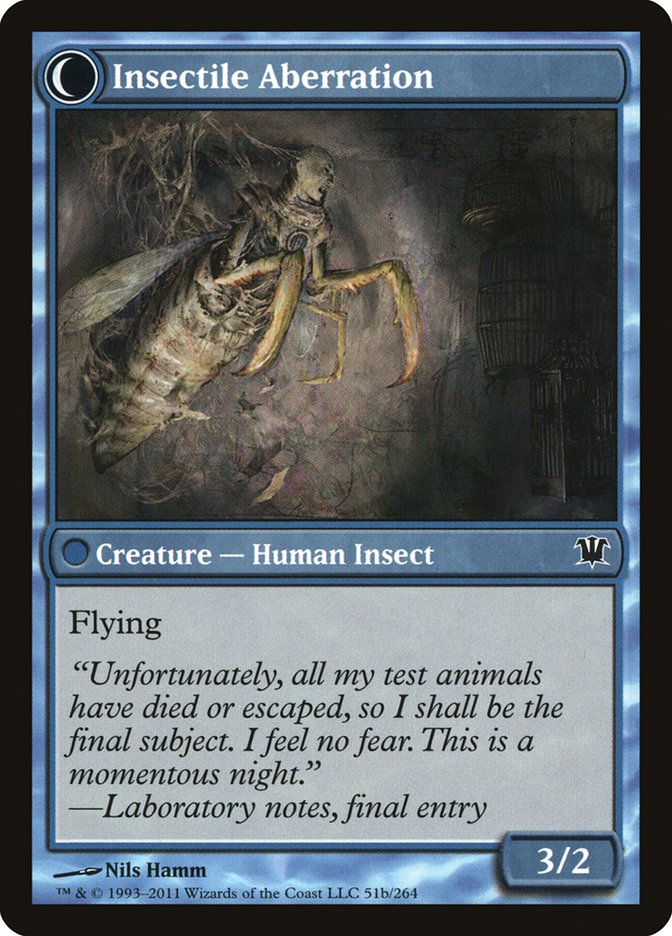
You can also choose a full mono-blue approach and add some other creatures like Delver of Secrets for a more solid and aggressive slant.
Control Decks
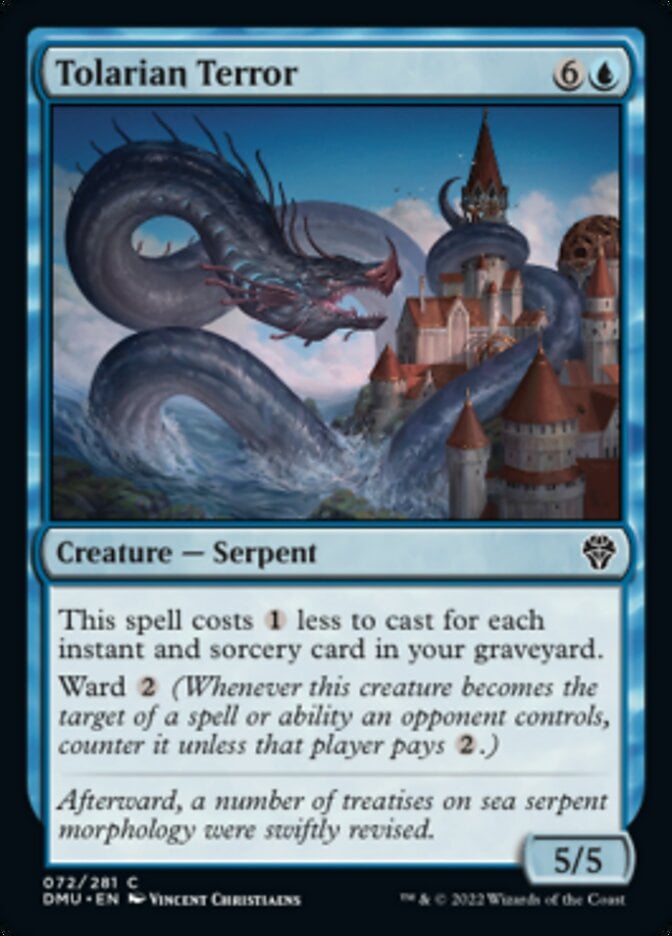
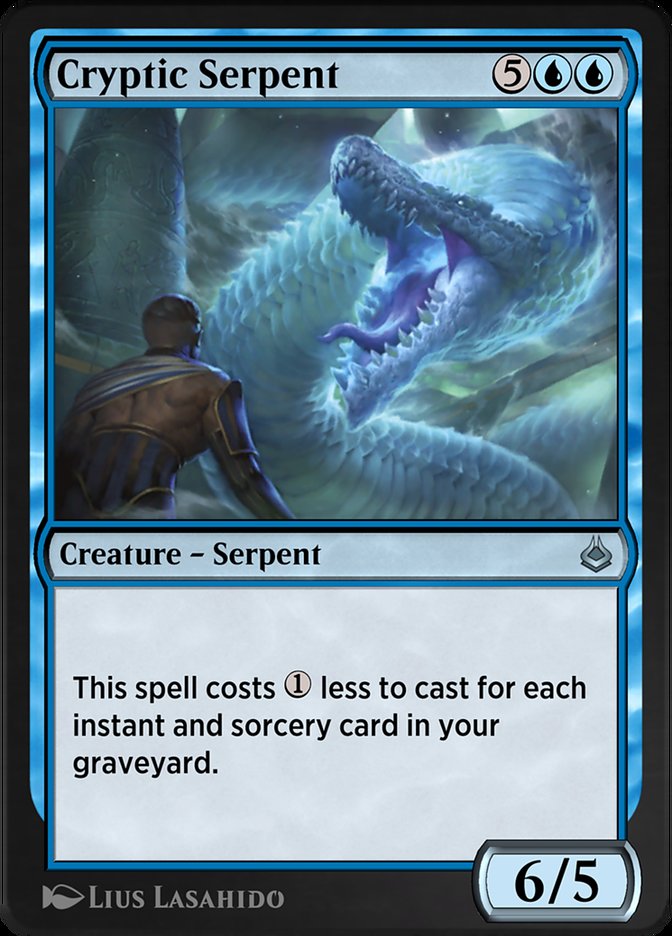
Like Faeries, Ux Control decks can be Izzet (), Dimir (), or mono-blue. The choice ultimately comes down to what’s best for the metagame you expect. Unlike their faeries counterpart, these decks rely on chaining together cheap, big creatures like Tolarian Terror or Cryptic Serpent, to add crazy amounts of pressure to your opponents early in the game.
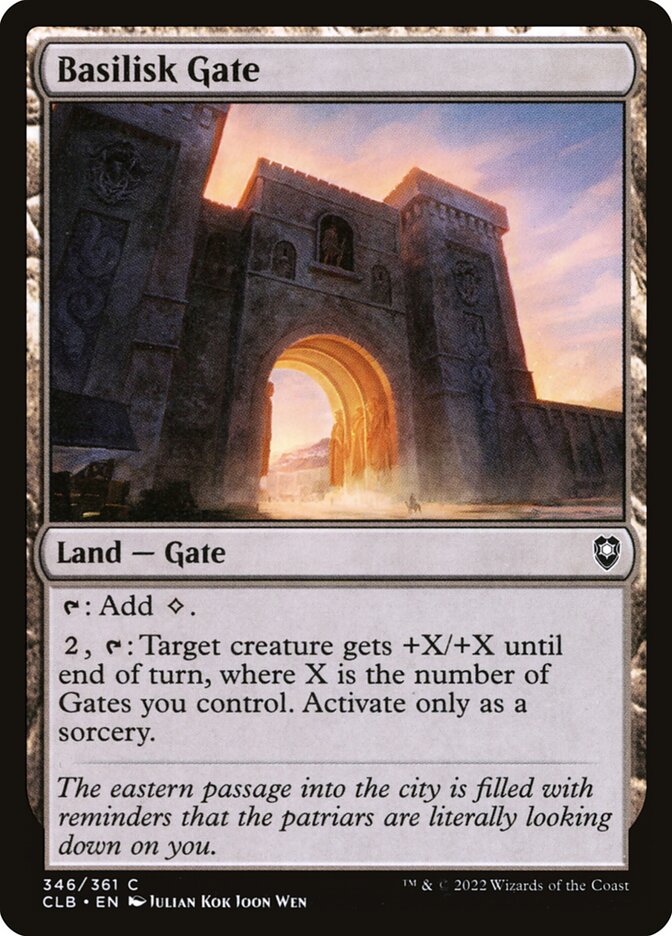
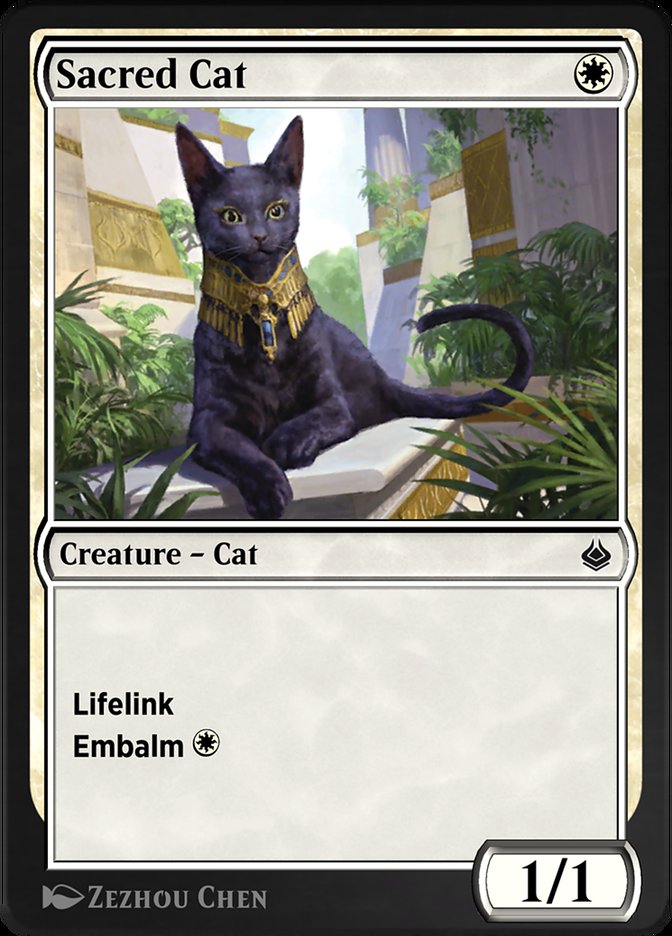
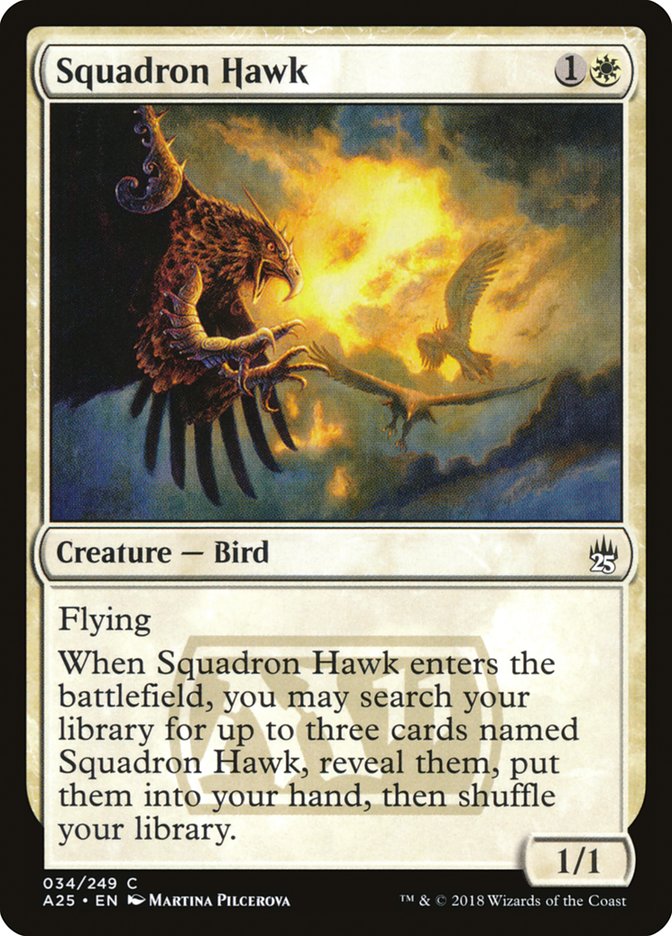
Another way to play control is by playing Caw Gates. Basilisk Gate is the signature card for this archetype that relies on cheap creatures with strong abilities like Sacred Cat and Squadron Hawk. The deck puts pressure on your opponent's life points by turning creatures like these into deadly assassins. Meanwhile, you can control the board with your countermagic and removal.
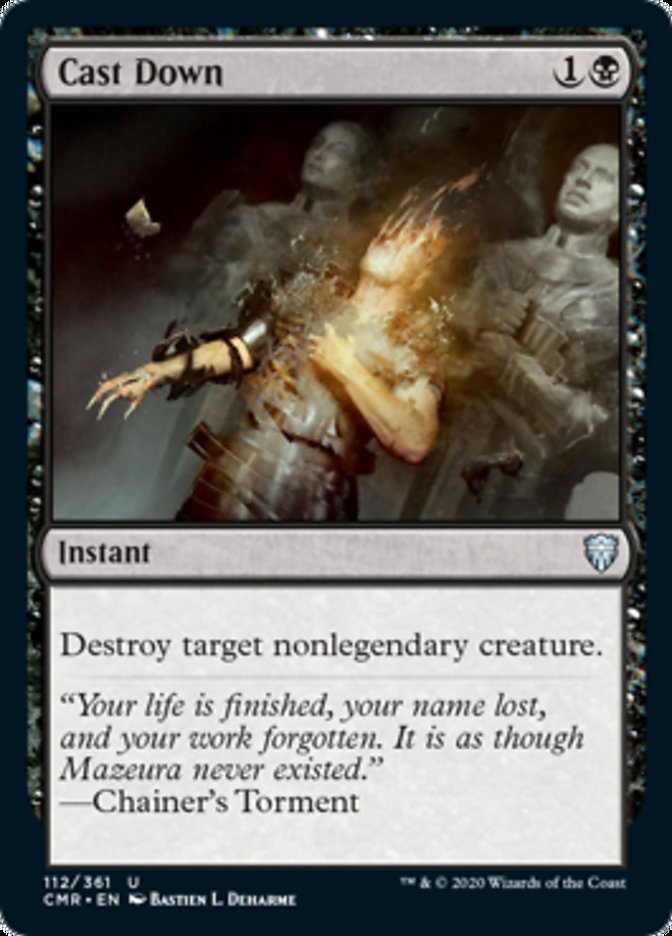
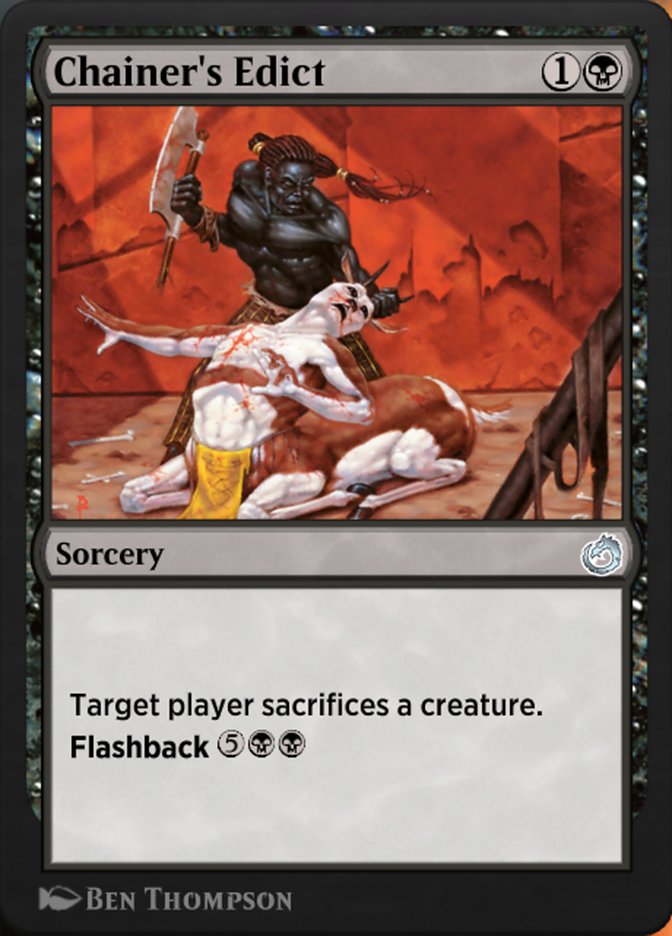
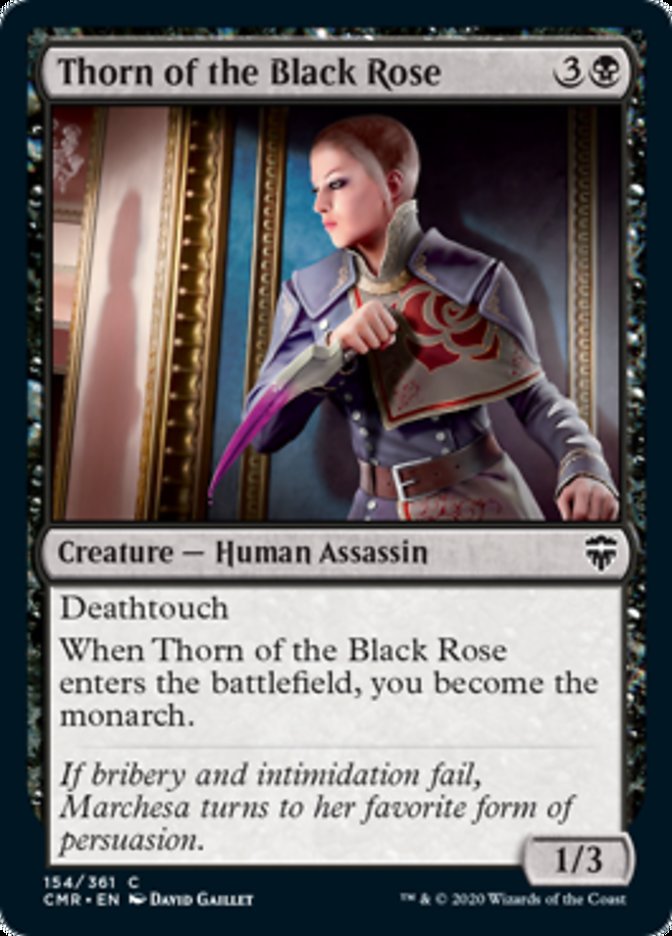
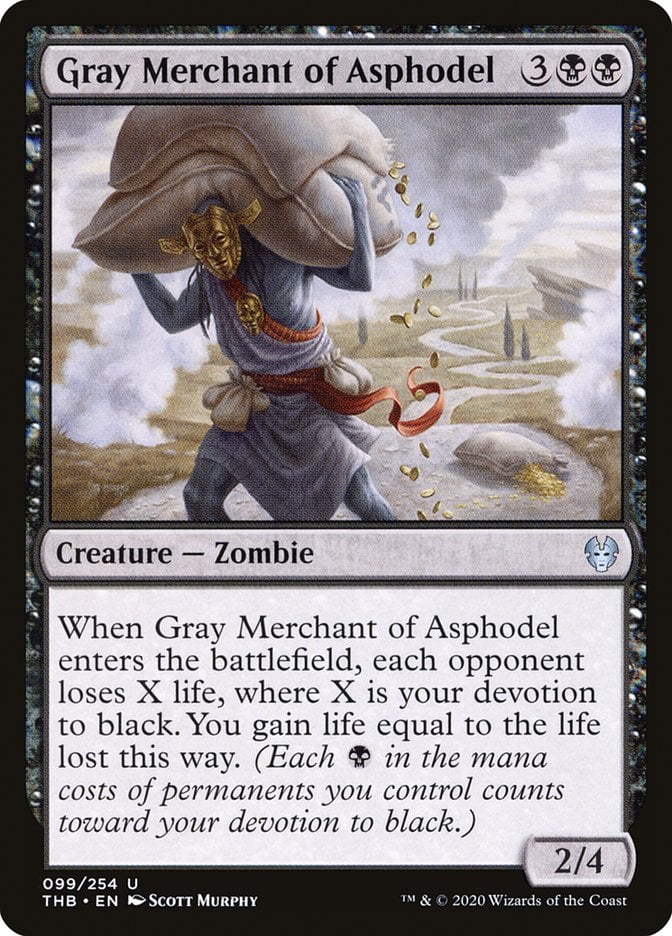
Last but not least, Mono-Black Control, or Mono-Black devotion as most call it, is a control deck filled with tons of removal spells like Cast Down and Chainer's Edict to keep the board clean and ensure that creatures like Thorn of the Black Rose and Gray Merchant of Asphodel can take over games.
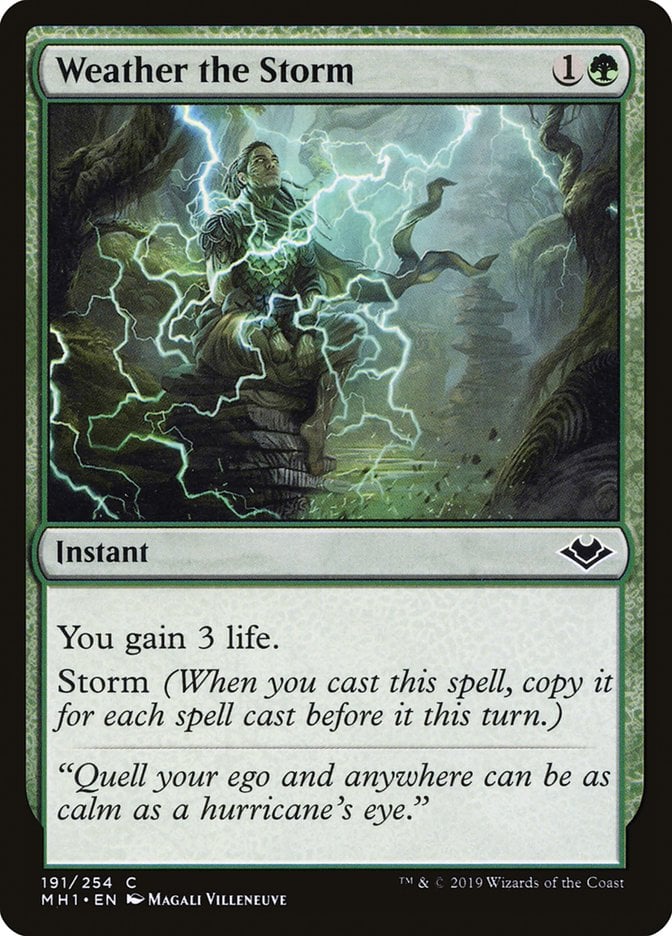
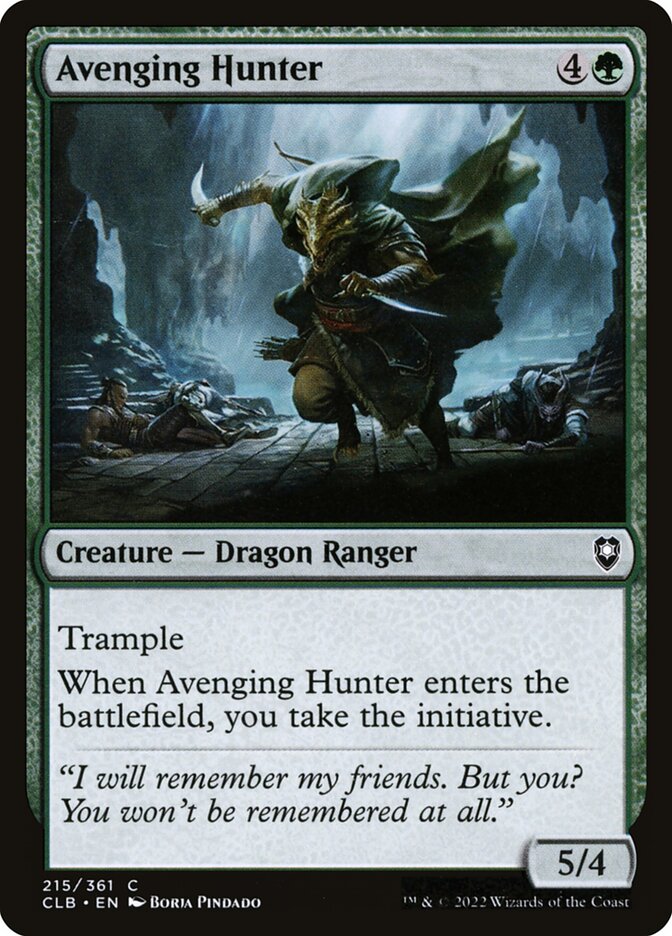
You can also add green to these decks to gain access to Weather the Storm, but more importantly Avenging Hunter, one of the only cards with initiative still legal in the format.
Typal Decks
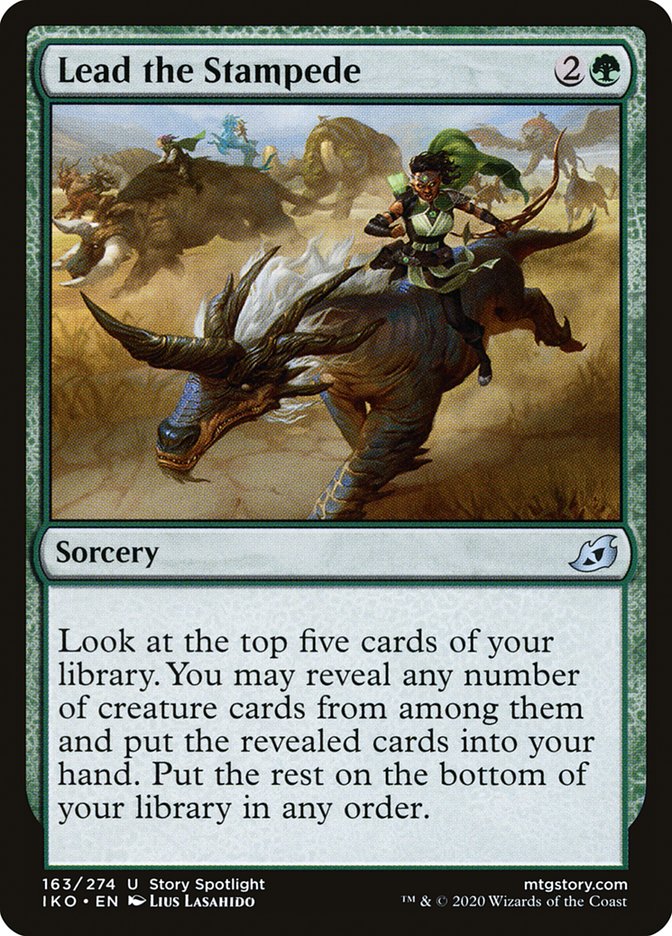
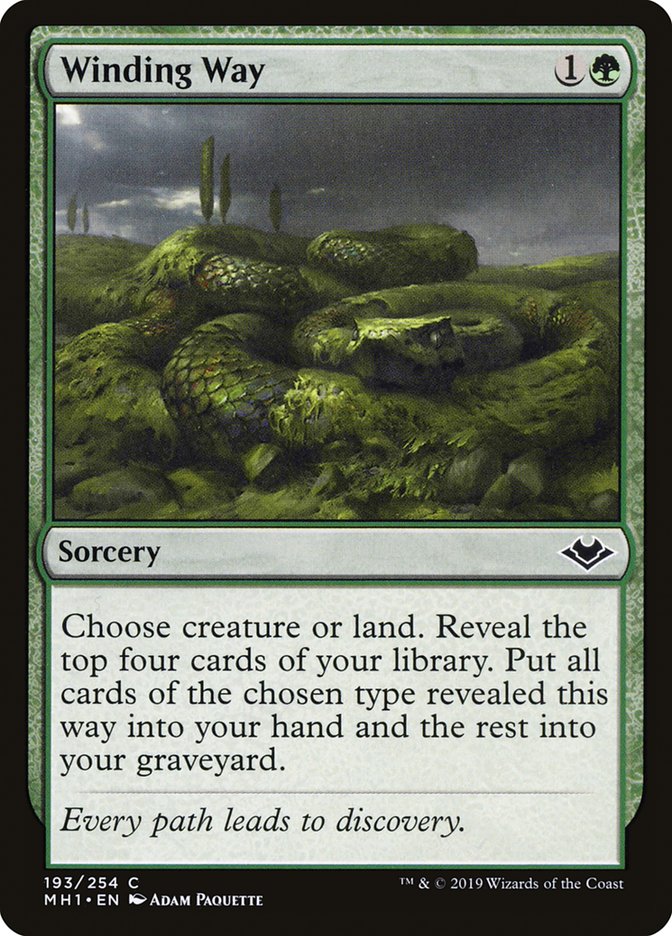
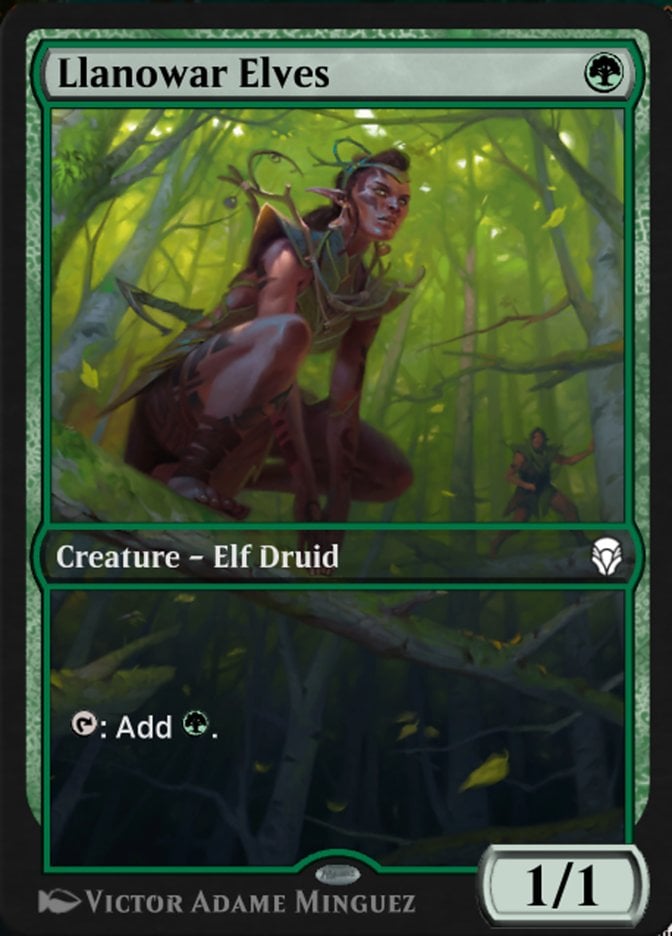
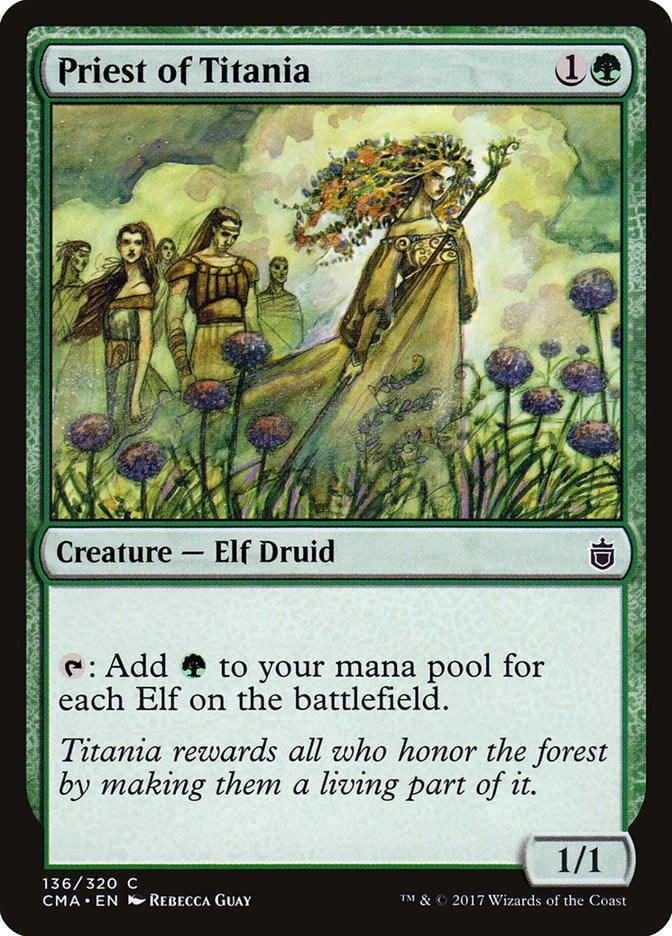
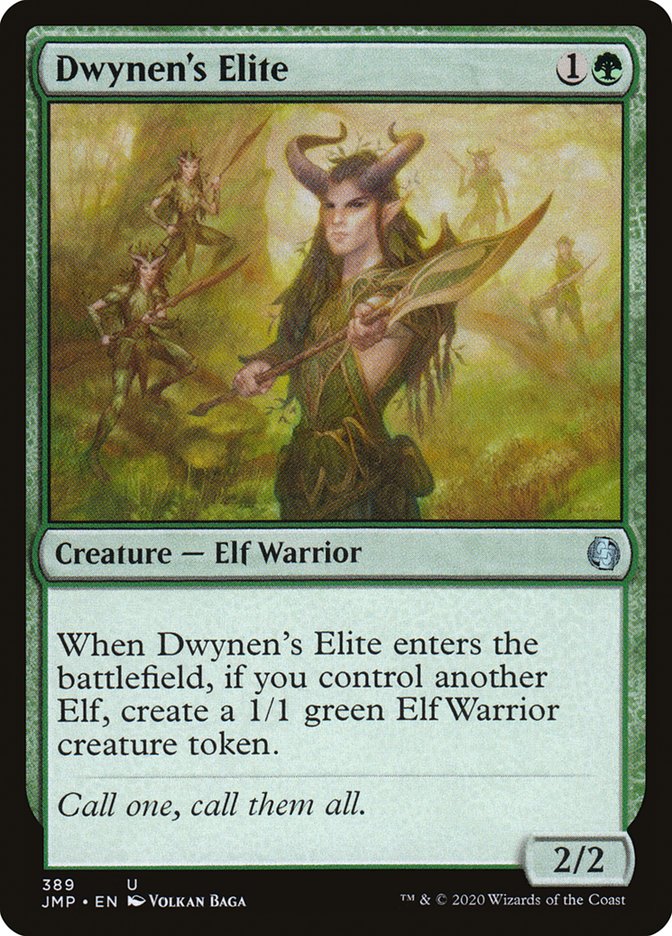

Goblins, Slivers, and Elves are some of the most popular typal decks Pauper has. While all of them are aggro decks at their core, the best of the three has to be Elves. It has access to Lead the Stampede and Winding Way to never run out of gas and potent mana dorks like Llanowar Elves or Priest of Titania to play multiple creatures in a single turn with the likes of Dwynen's Elite and set up a Beast-Kin Ranger.
This kind of strategy is somewhat underplayed in Pauper, but it can take metagames by surprise if they tend to be more grindy and remove board wipes from sideboards.
Combo Decks
Pauper has a lot of variety in combos, as in the case with walls.
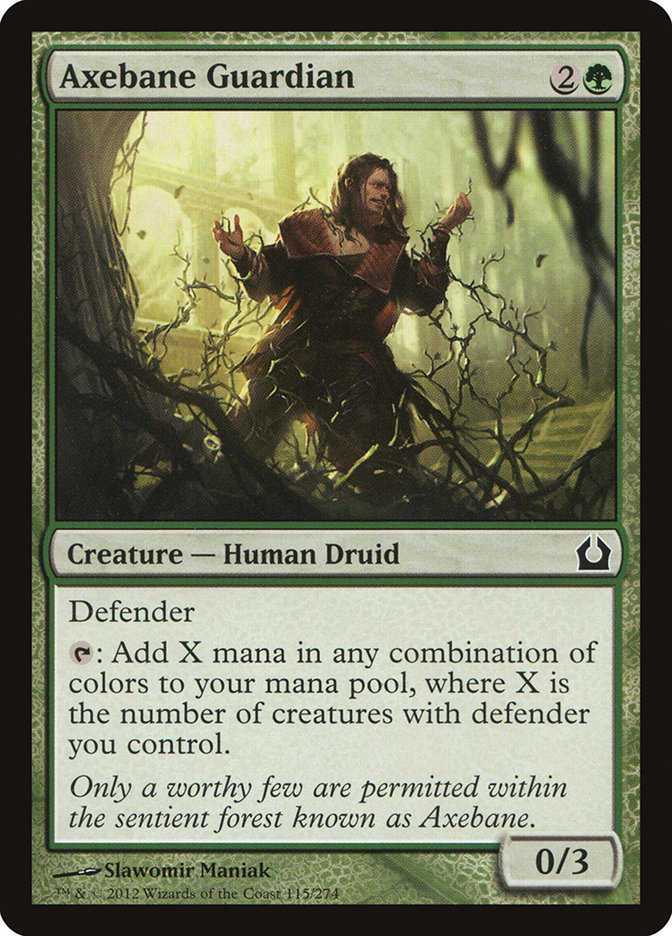
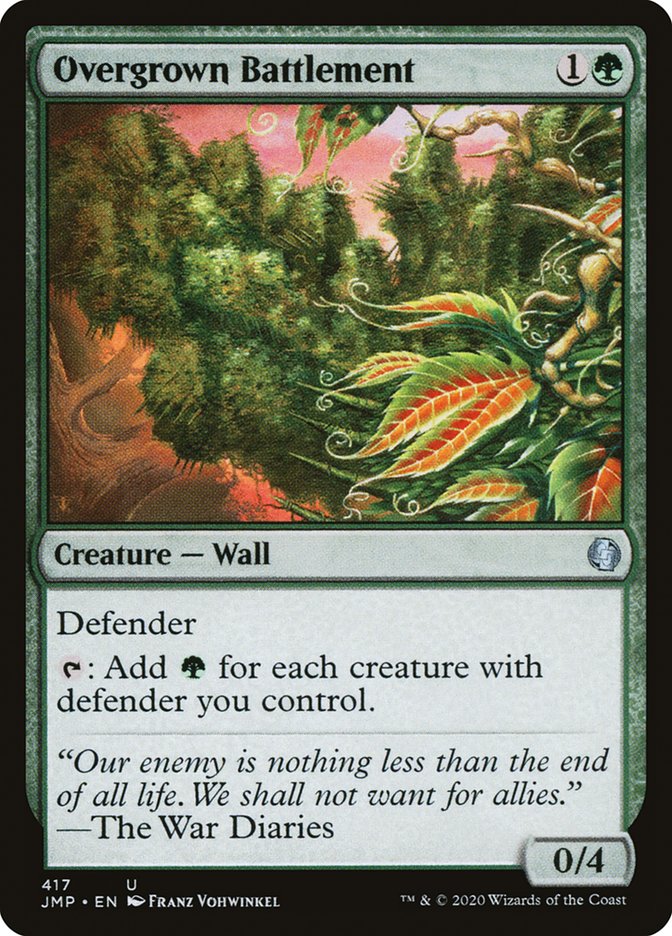
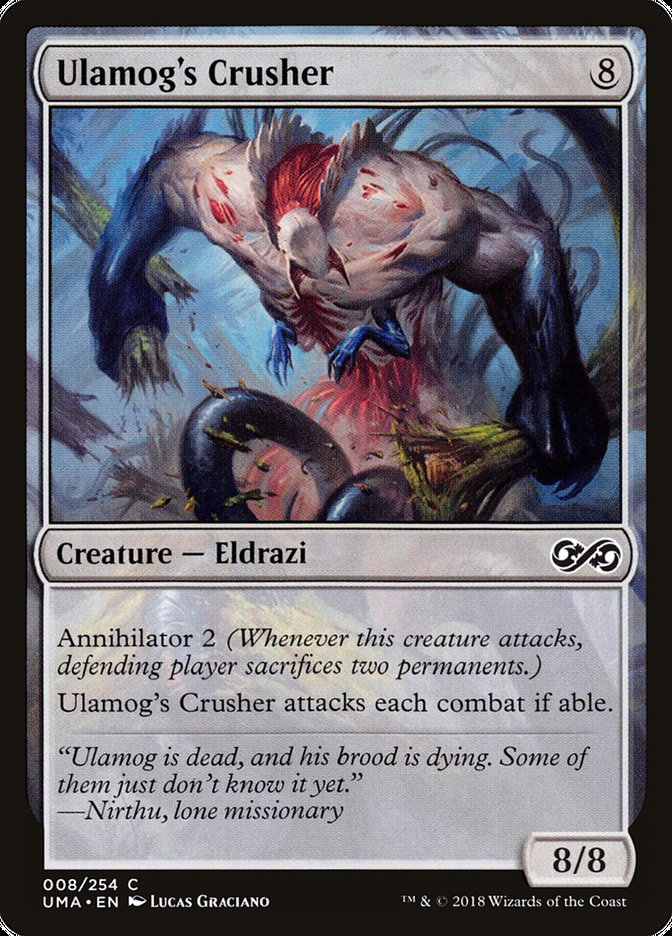
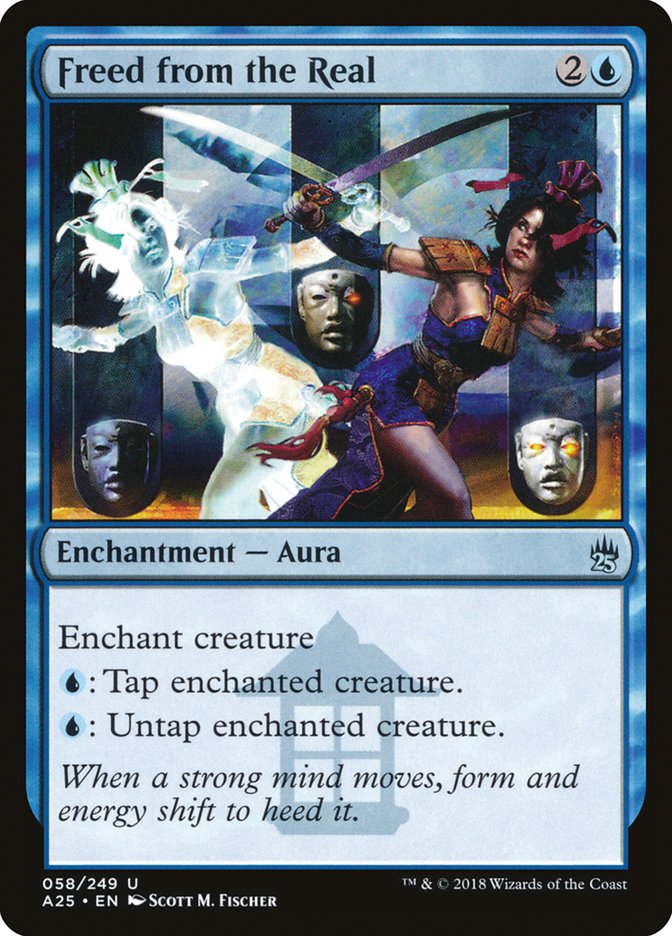
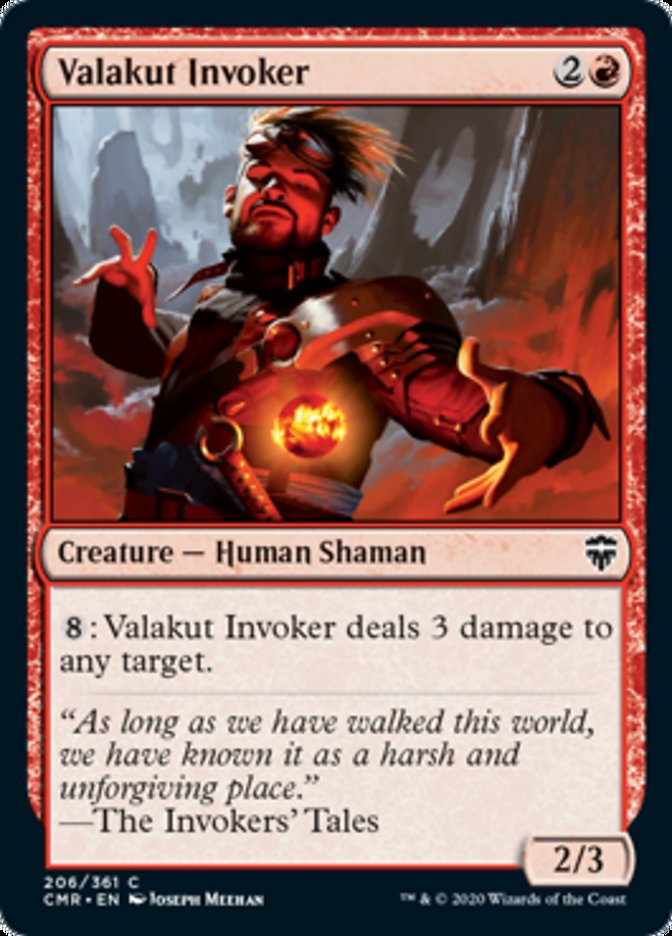
Similar to some typal archetypes like Elves, the plan is to put out multiple walls (or creatures with defender) like Axebane Guardian and Overgrown Battlement that can add tons of mana to later cast big spells very early in the game. You can beat down with Spider-Rex, Daring Dino, Iron Giant, Boarding Party, Annoyed Altisaur, and Ulamog's Crusher or combo your opponent out with Freed from the Real and Valakut Invoker.
It’s worth noting that combo decks in Pauper are very different from each other, and Goblins have a very particular way to win games in the format.
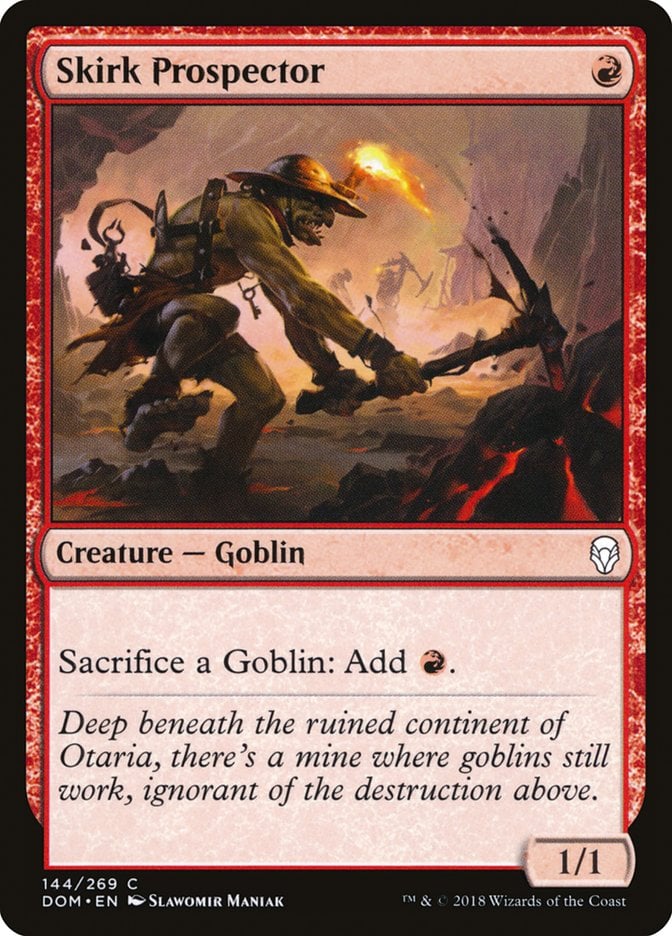
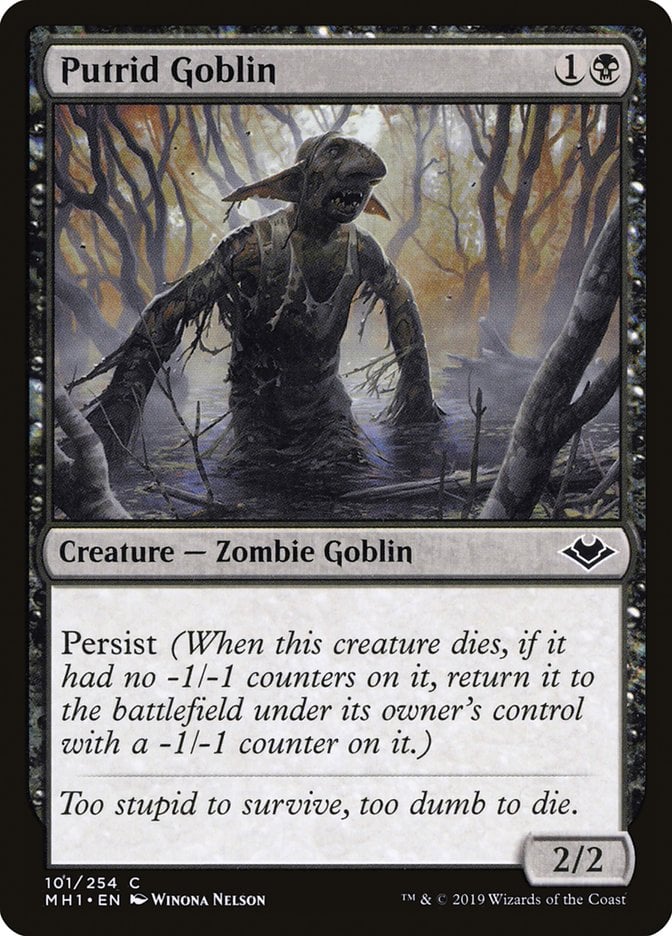
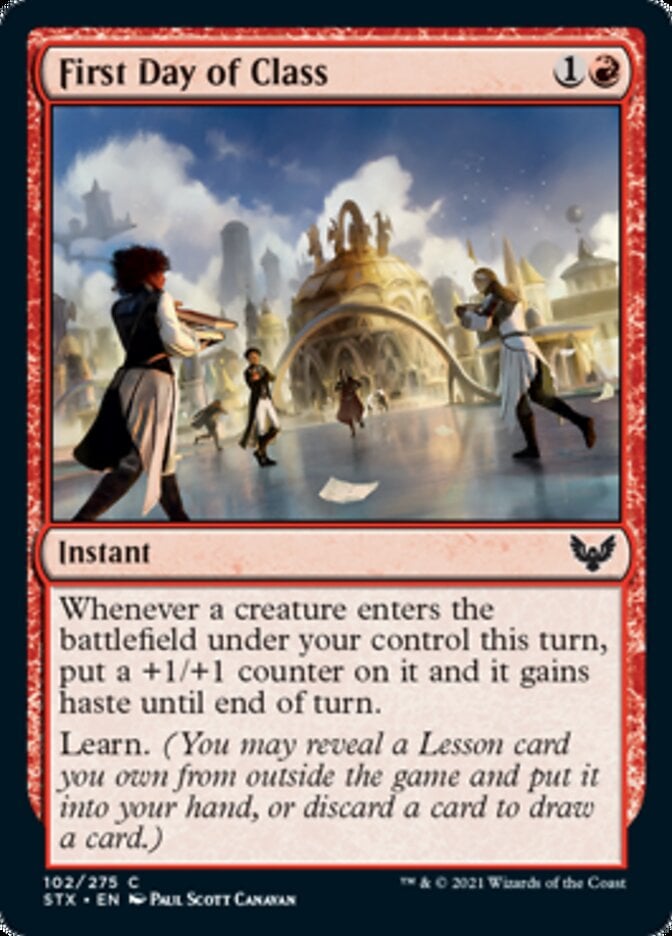
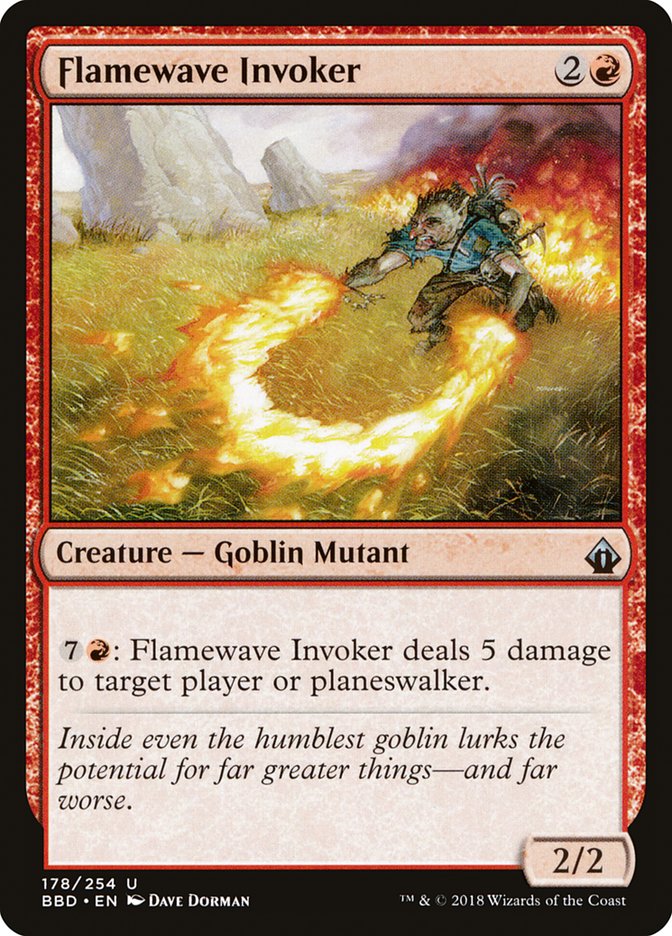
The plan is to pair Skirk Prospector and Putrid Goblin to generate infinite mana thanks to First Day of Class and use it to kill your opponents with Flamewave Invoker.
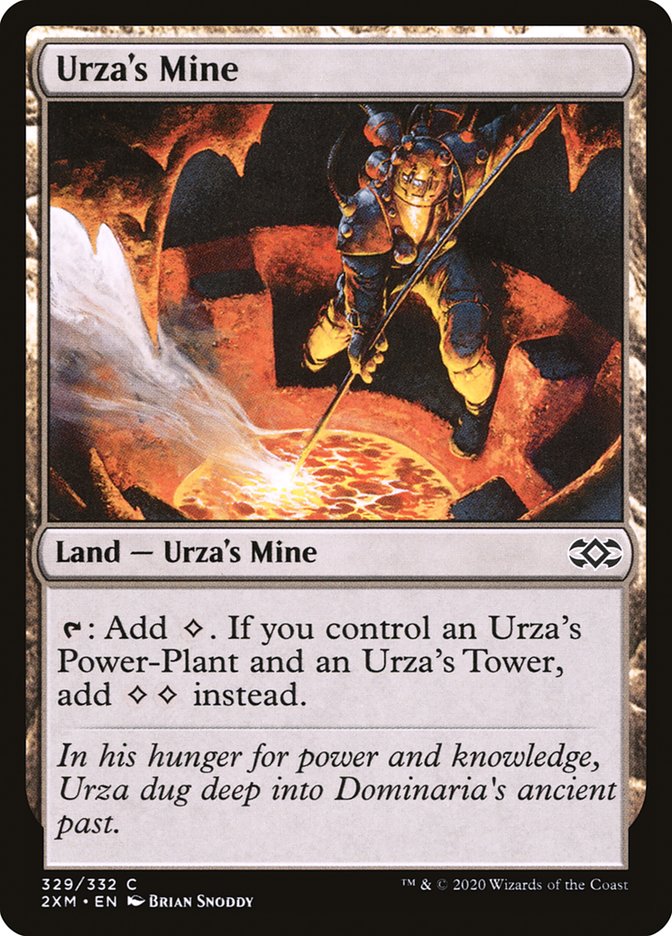
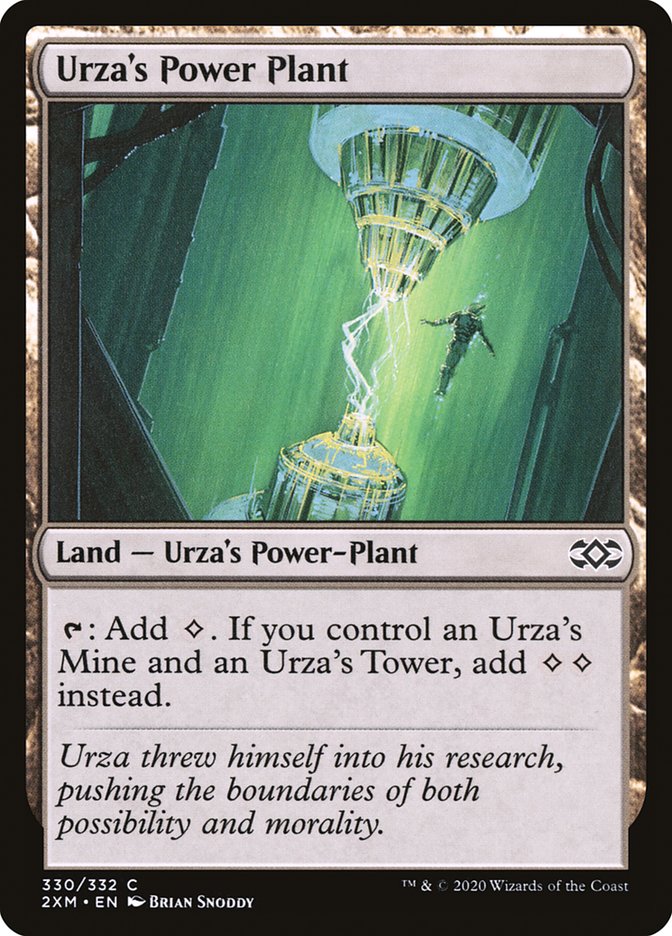
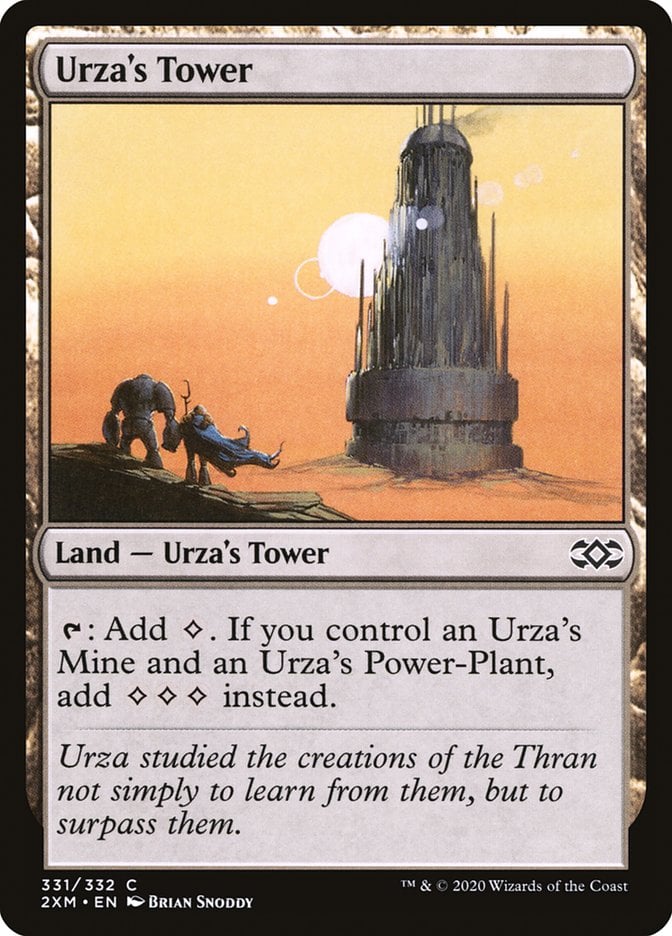
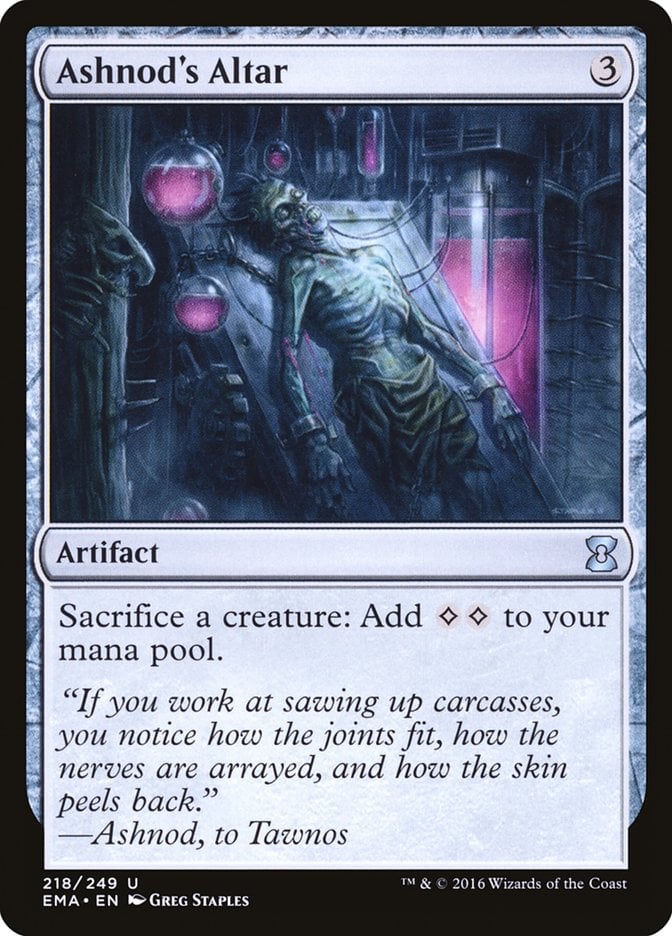
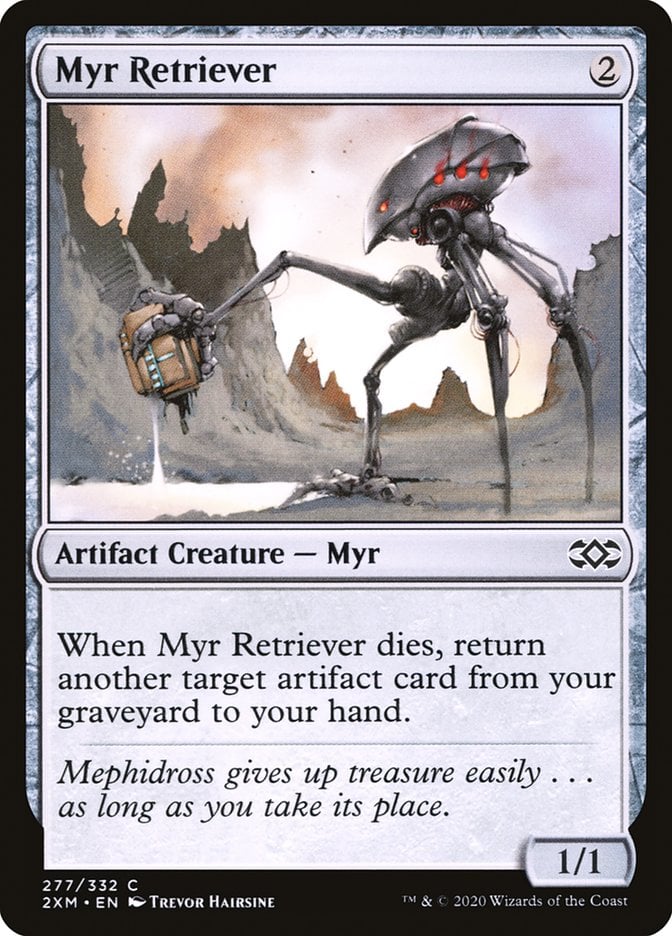
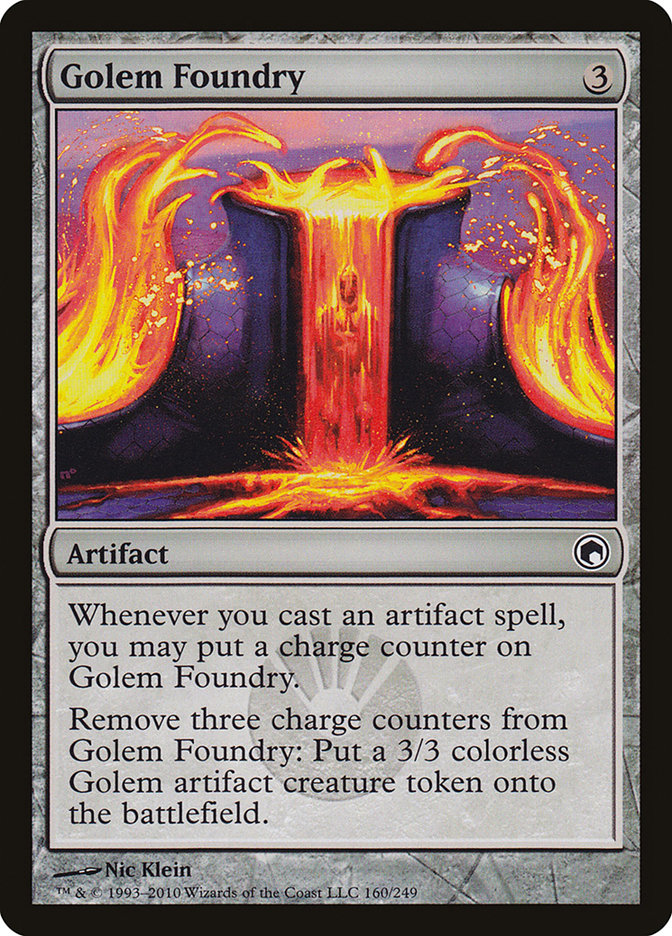
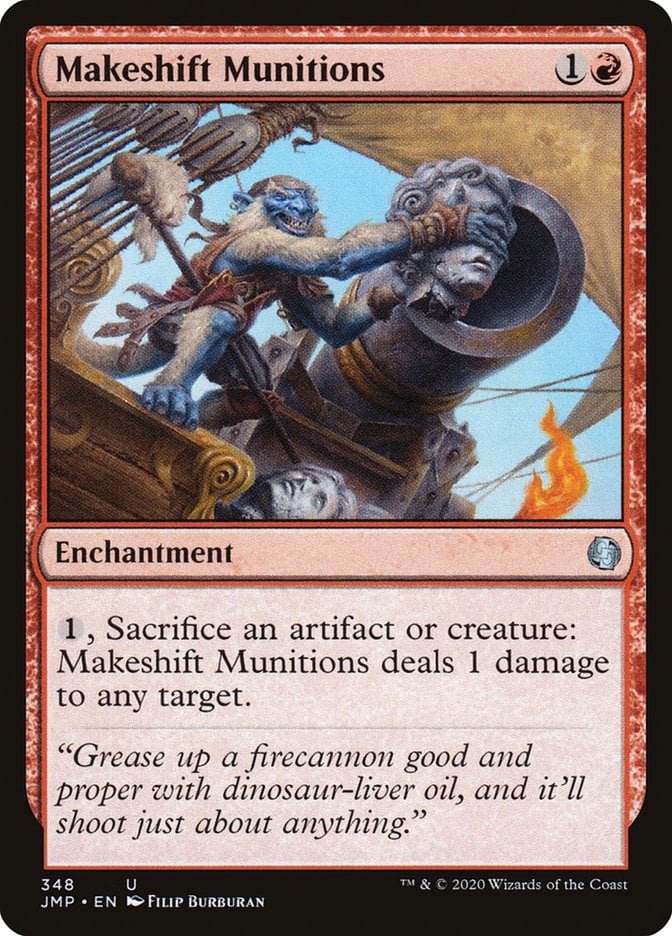
Another solid combo strategy is Altar Tron. Previously, the only way to play with the Urza lands (Urza's Mine, Urza's Power Plant, and Urza's Tower) was to use them in Ephemerate shells. However, the format has grown too fast to justify taking too many turns to set up, control, and get an edge on the game. Because of that, players decided to go with a combo approach that relies on Ashnod's Altar and Myr Retriever to loop through your library, cast big Weather the Storm to keep you alive, and finish your opponents with Golem Foundry or Makeshift Munitions.
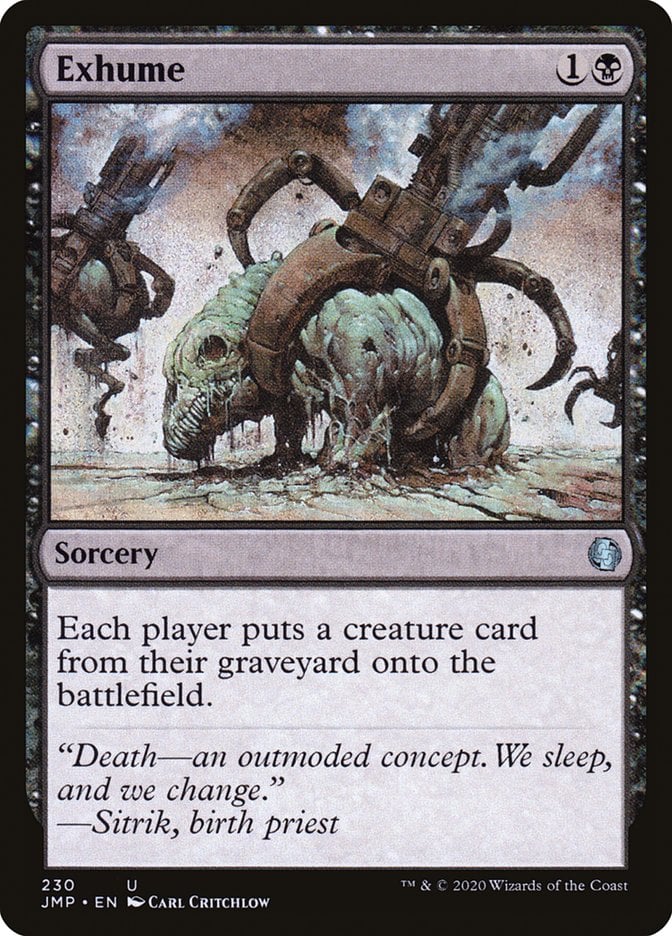
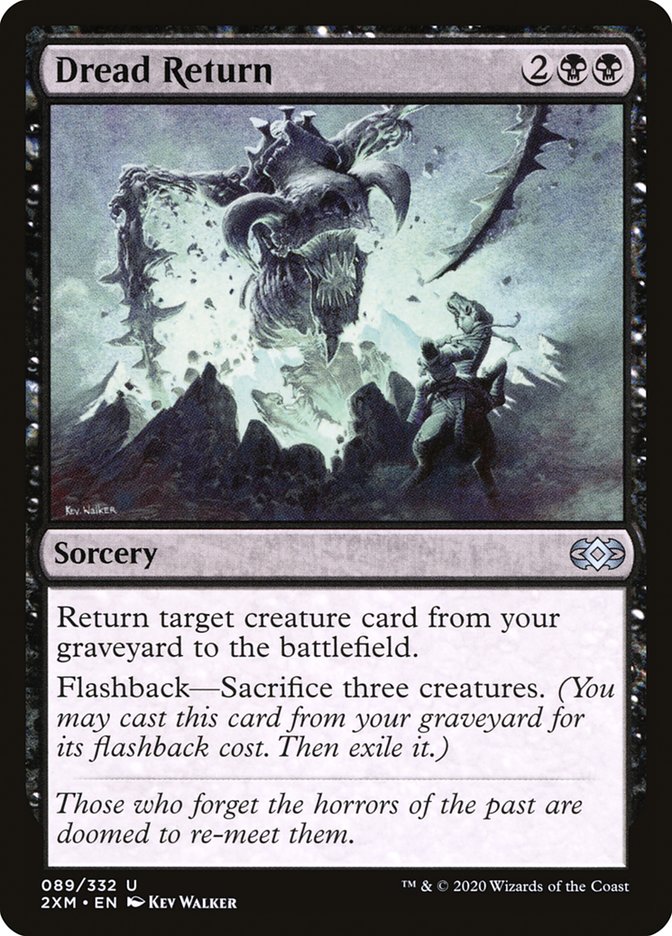
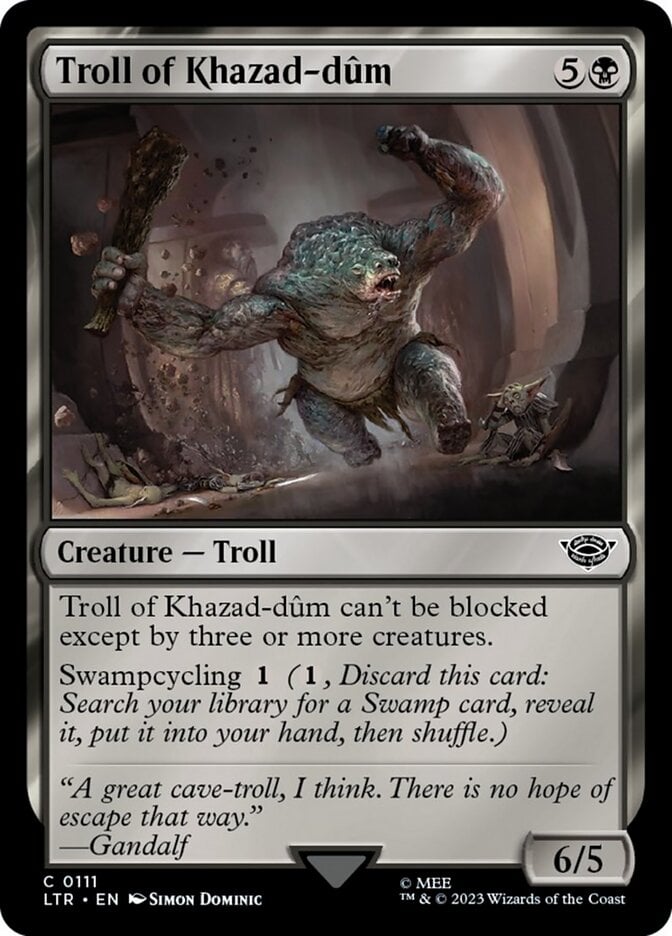

Reanimator strategies often involve cheating an Ulamog's Crusher into play with Exhume or Dread Return. Thanks to The Lord of the Rings: Tales of Middle-earth, cards with cycling like Troll of Khazad-dûm, and Final Fantasy‘s Malboro become excellent reanimation targets.
Blink Ephemerate
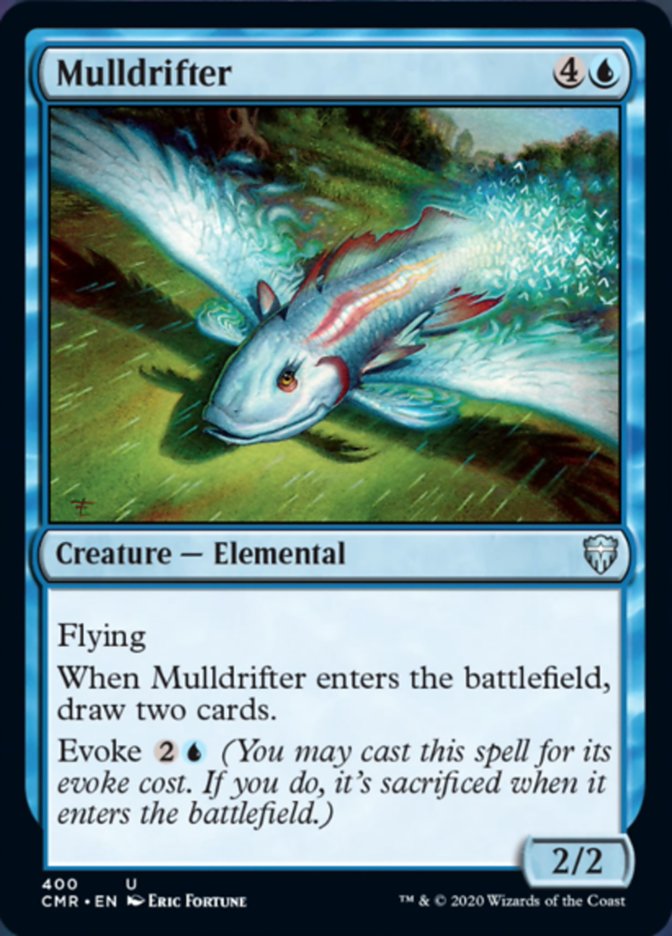
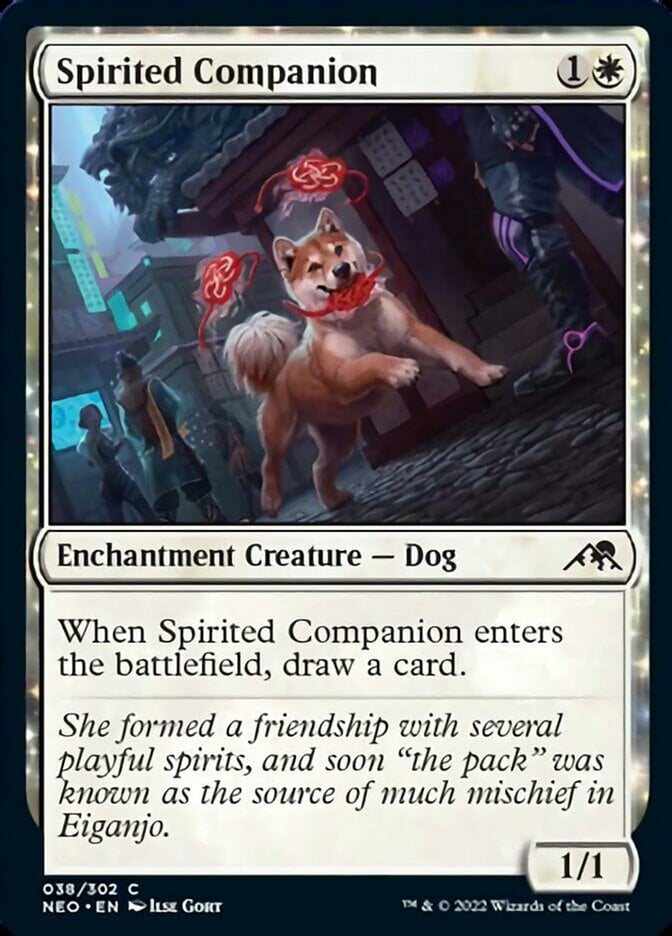
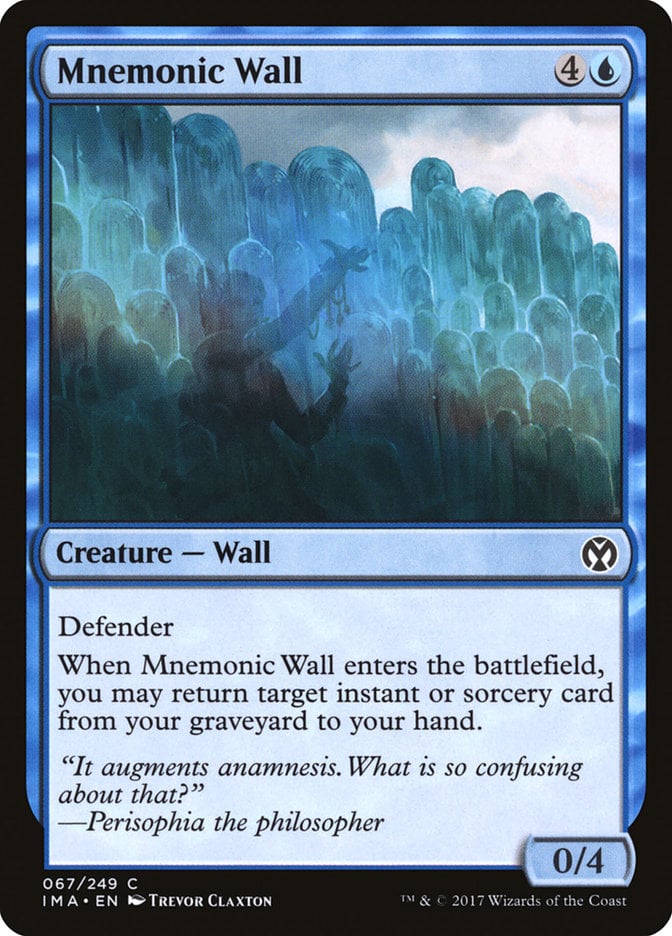
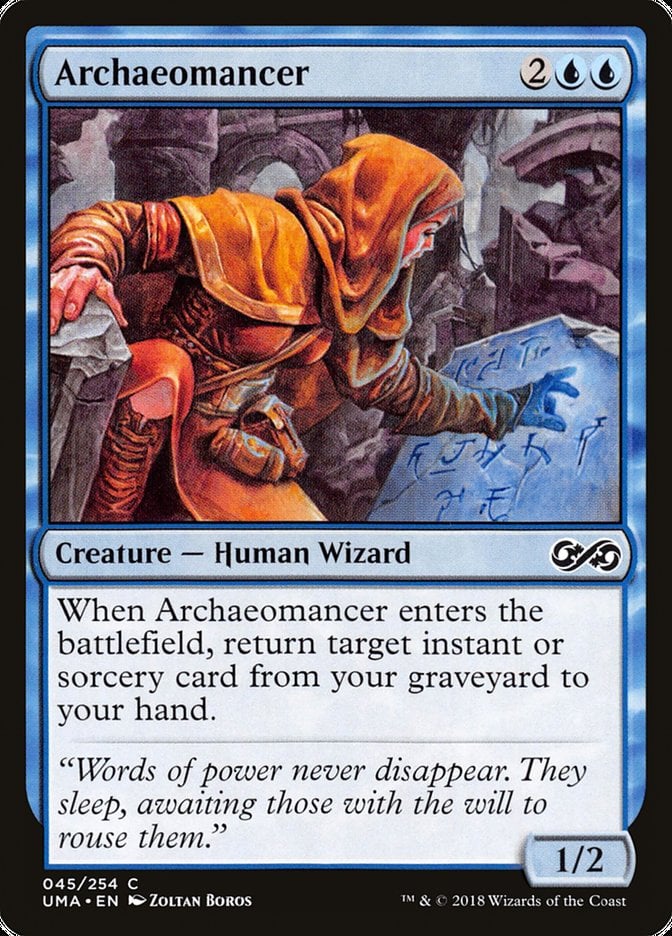
The signature card of this kind of strategy is Ephemerate. For just 1 mana, you get to “flicker” any creature you may have on your battlefield twice during a sequence of turns. This effect is particularly powerful when used with cards that provide raw card advantage, like Mulldrifter or Spirited Companion. It gets very annoying with the likes of Mnemonic Wall or Archaeomancer because it creates a loop of cards that can lock your opponents out of the game by constantly returning Ephemerate and at least one other card to your hand. This extra card can be removal or a counterspell.
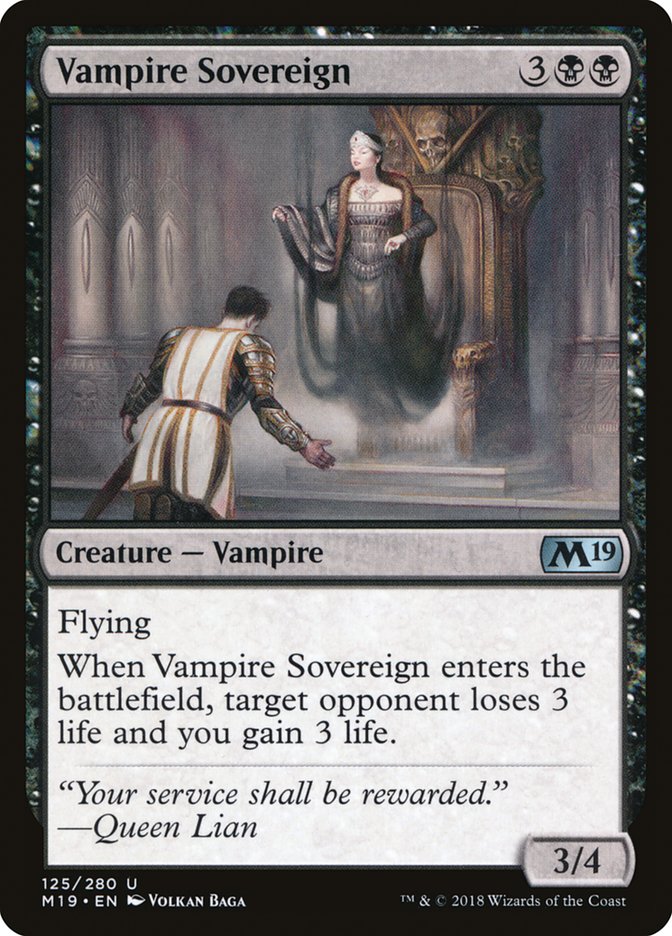
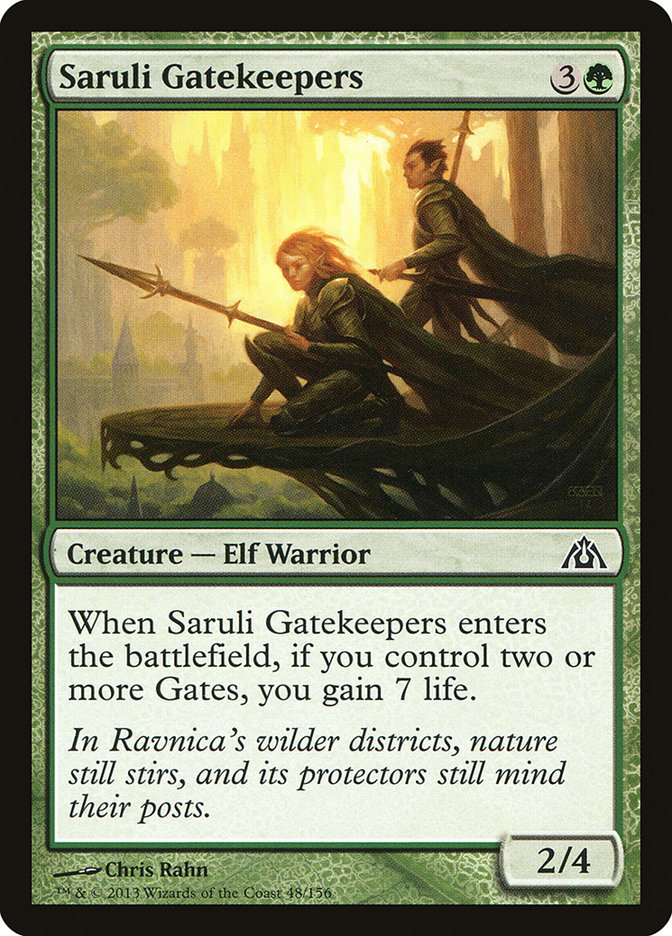
Ephemerate decks can also be seen in archetypes that don't run blue, like Orzhov () or Naya. In return, they get access to a broader range of creatures with other abilities that blue doesn't have, like Vampire Sovereign or Saruli Gatekeepers.
Storm
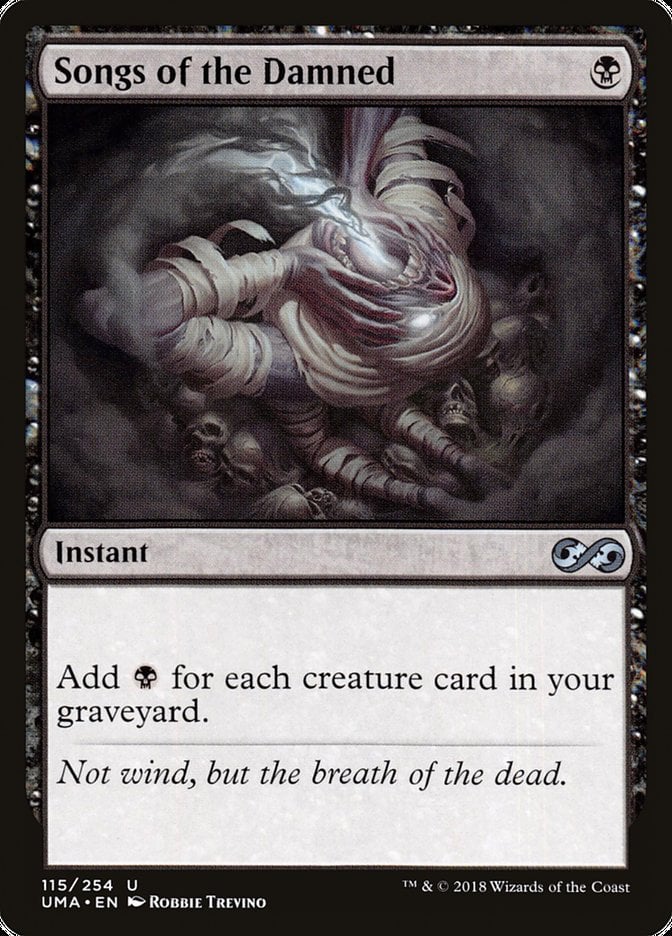
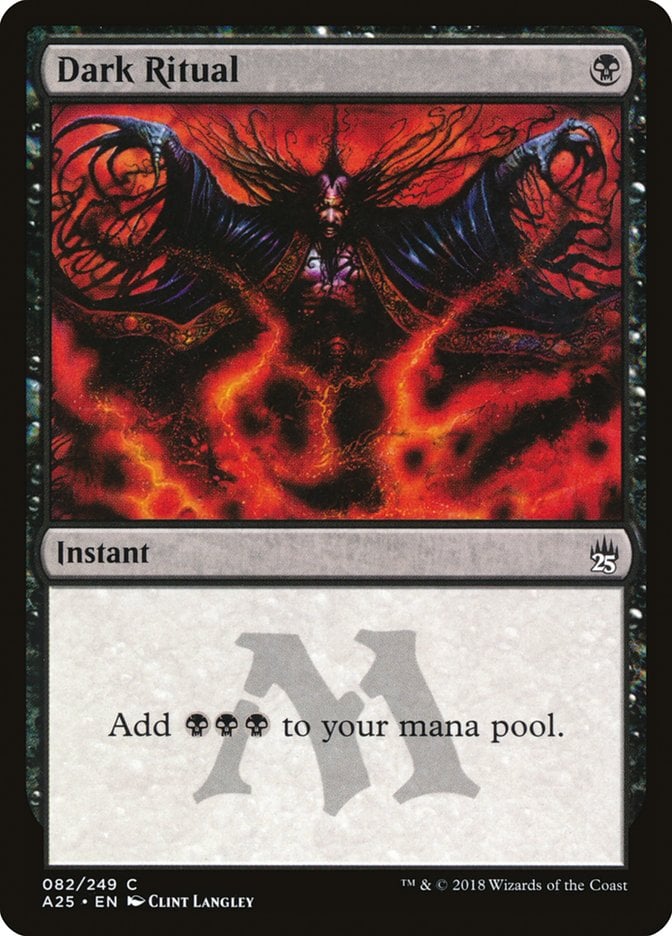
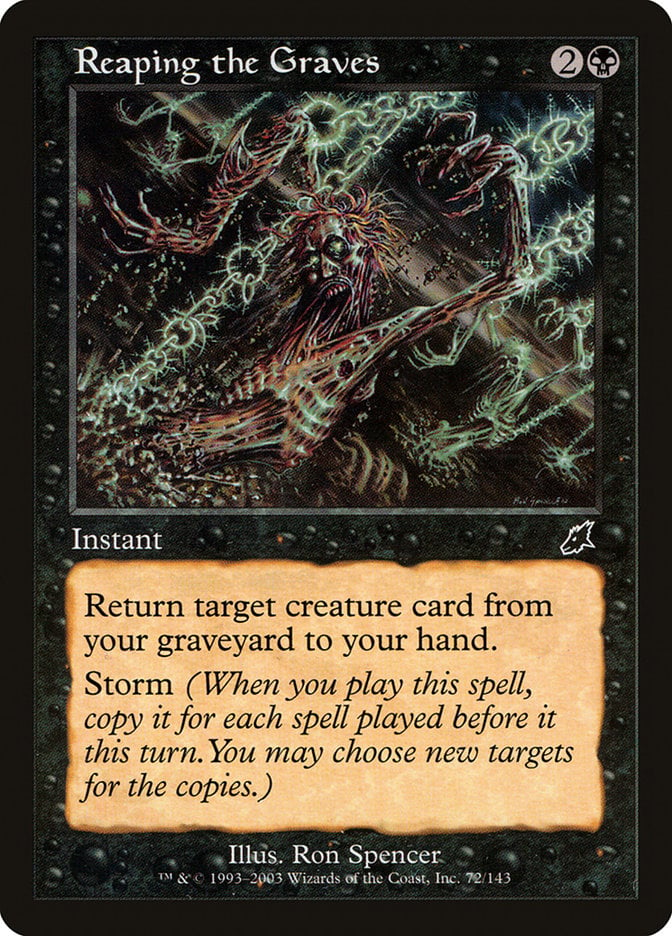
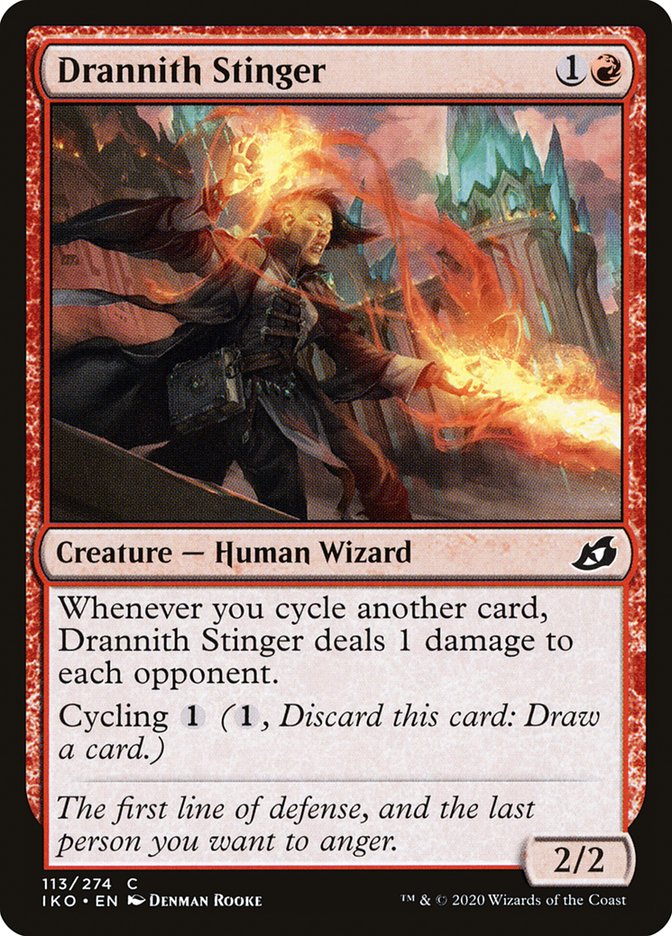
Storm is one of the strongest mechanics ever printed for Eternal formats. While most storm cards are banned from Pauper, this deck relies on creatures with cycling to hit the graveyard to later add tons of mana with Songs of the Damned, chain multiple Dark Ritual effects, and return each creature to your hand with Reaping the Graves to re-cycle every creature again until you can find a Drannith Stinger to finish off your opponents.
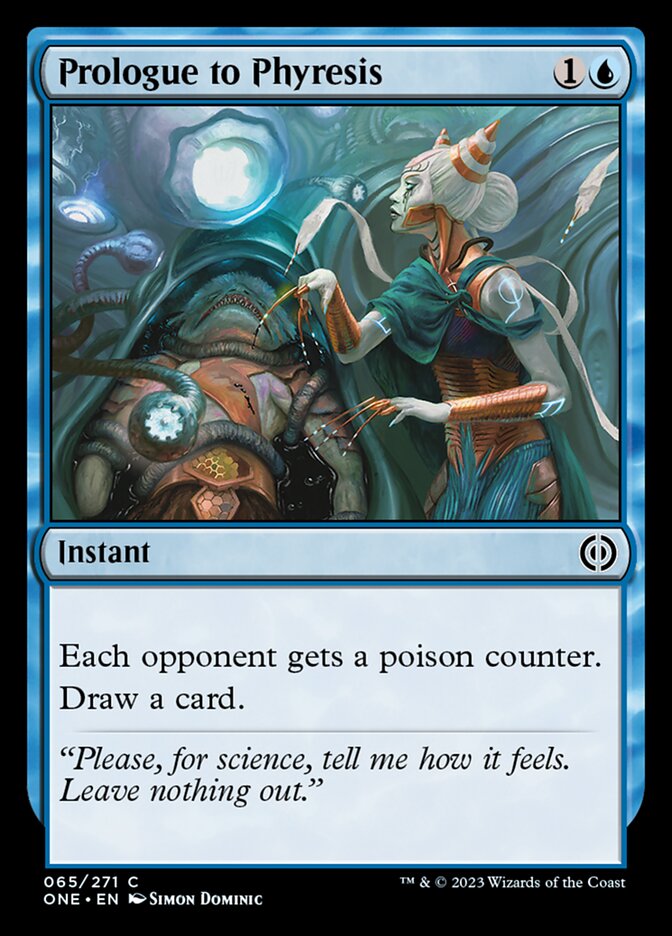
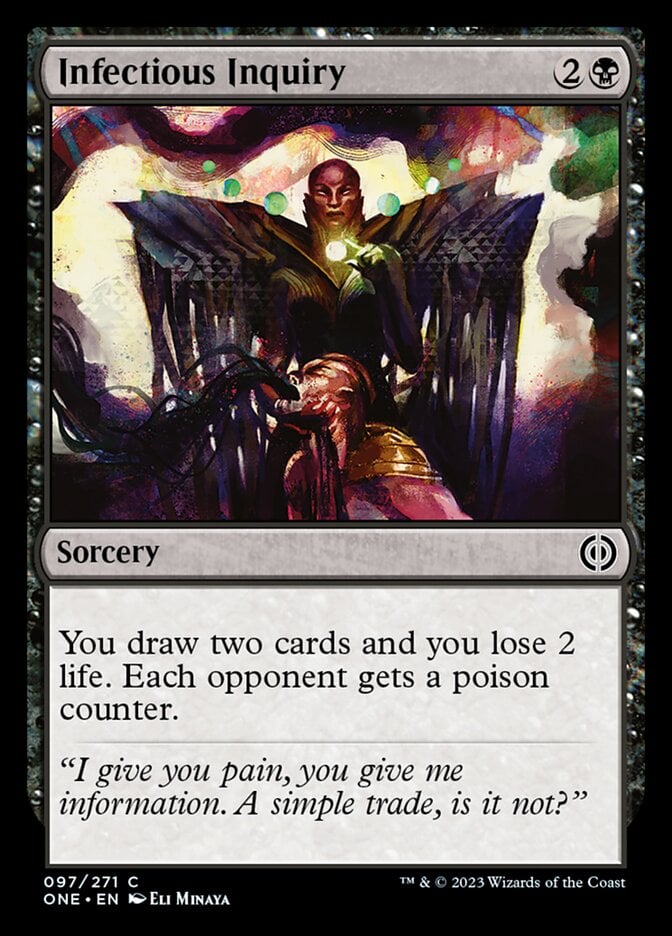
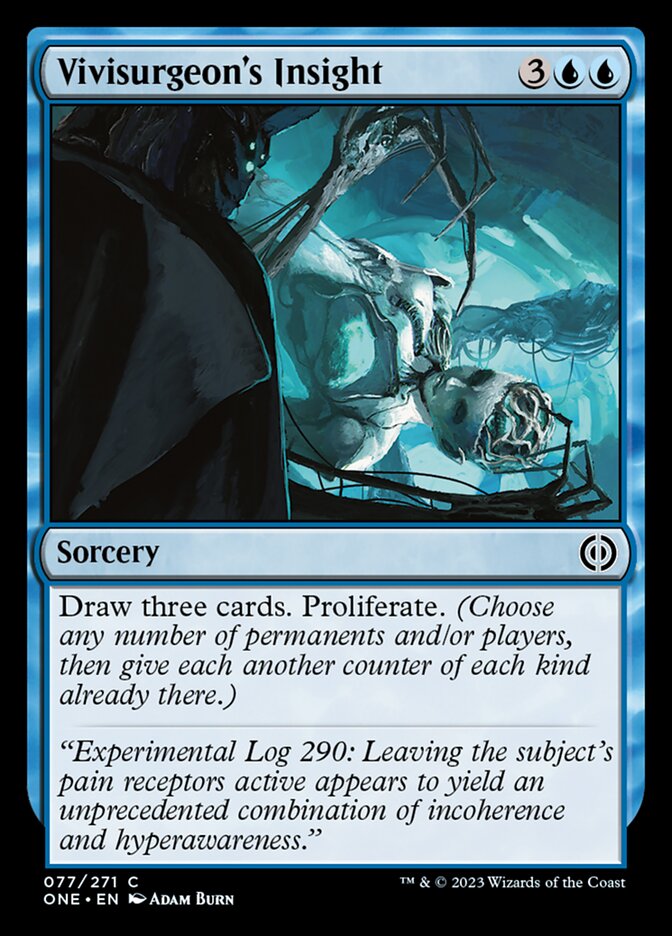
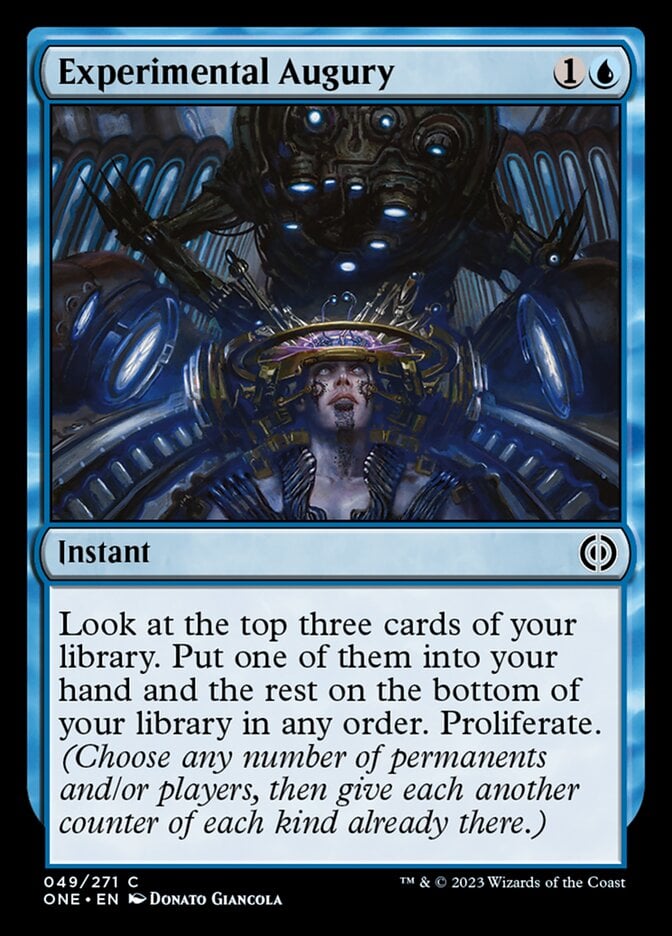
The other card with storm that isn’t banned is Weather the Storm. In Poison Storm’s case, this card only helps to keep you alive while you cast cards that grant your opponents poison counters like Prologue to Phyresis and Infectious Inquiry. You'll keep giving them extra counters with other cards like Vivisurgeon's Insight and Experimental Augury.
Pauper Decks
Rakdos Madness
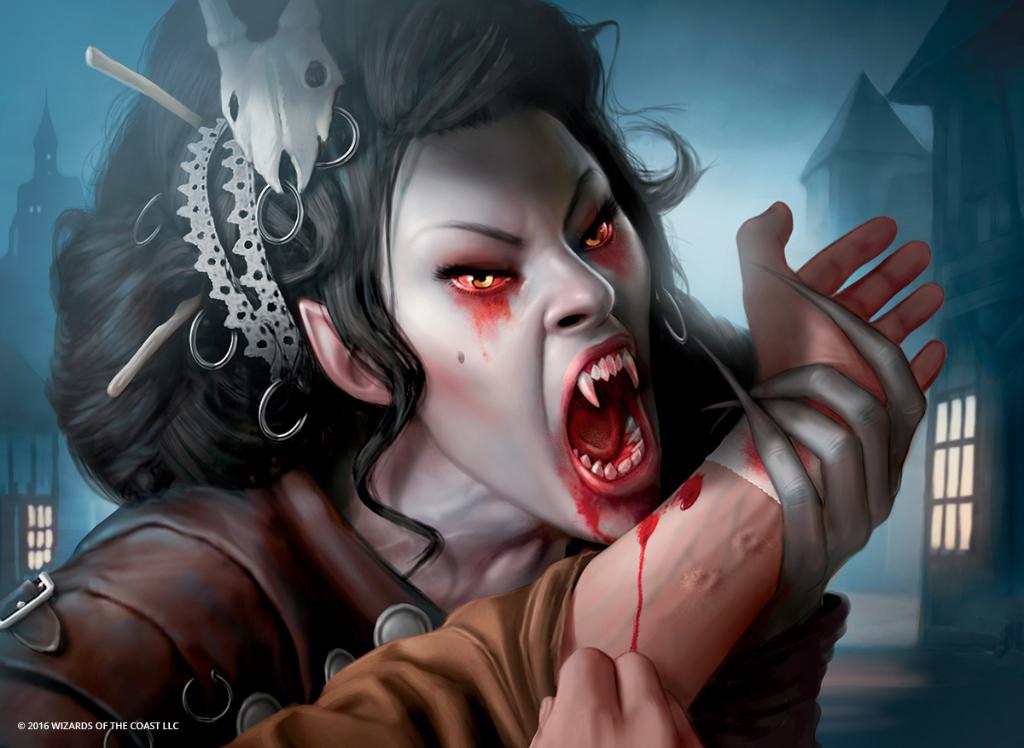
Alms of the Vein | Illustration by David Gaillet
Creature (12)
Voldaren Epicure x4
Sneaky Snacker x4
Kitchen Imp x4
Sorcery (13)
Faithless Looting x4
Vampire's Kiss x3
Highway Robbery x2
Alms of the Vein x4
Instant (16)
Galvanic Blast x4
Lightning Bolt x4
Demand Answers x4
Fiery Temper x4
Artifact (11)
Drossforge Bridge x4
Great Furnace x4
Vault of Whispers x3
Land (8)
Jagged Barrens x4
Mountain
Rakdos Carnarium x2
Swamp
Sideboard (15)
Gorilla Shaman x2
Pyroblast x2
Cast into the Fire
Smash to Smithereens x3
Trespasser's Curse x3
Nihil Spellbomb x2
Tithing Blade x2
While Rakdos Madness isn’t an unknown contender to the format, it is buffed with Sneaky Snacker, as players have called it the Arclight Phoenix of Pauper. You run the faerie rogue basically for free and you can return it to the field in multiples with little to no effort.
Aside from that, the deck itself takes a burn approach that’s different from others: It has access to drain effects to keep you alive and an inherent way to get card advantage, because whenever you discard a card, you’re essentially drawing one for free and casting a spell in the same sequence.
Grixis Affinity

Seat of the Synod | Illustration by John Avon
Creature (13)
Krark-Clan Shaman
Sneaky Snacker x4
Refurbished Familiar x4
Myr Enforcer x4
Sorcery (4)
Thoughtcast x4
Instant (14)
Galvanic Blast x3
Counterspell x2
Cast Down x2
Eviscerator's Insight x4
Reckoner's Bargain x3
Enchantment (1)
Artifact (28)
Drossforge Bridge x3
Great Furnace x2
Mistvault Bridge x4
Seat of the Synod x4
Silverbluff Bridge x3
Vault of Whispers x4
Nihil Spellbomb x2
Blood Fountain x2
Ichor Wellspring x4
Sideboard (15)
Gorilla Shaman x3
Krark-Clan Shaman x2
Blue Elemental Blast x3
Pyroblast x2
Negate x2
Counterspell
Breath Weapon x2
Grixis Affinity is one of the most flexible and resilient decks in Pauper, as it combines control concepts with cheap and efficient removal like Galvanic Blast and countermagic in the form of Metallic Rebuke while having access to powerful card draw spells like Thoughtcast, Eviscerator's Insight, and Reckoner's Bargain. The Bargain is key at keeping Affinity players alive, as gaining life in chunks of 7 for mana at the cost of a Myr Enforcer is a big deal.
Furthermore, the deck runs other cards like Blood Fountain, which provides creature recursion by returning your dead creatures to your hand.
The glue to the deck is all the artifact lands that Pauper has access to, the indestructible lands being the most annoying. Otherwise, players could rely on numerous destroy effects like Gorilla Shaman to stop players from dominating the format. The only reason the deck may perform differently than expected is that it has been heavily hated, with players using six to eight dedicated sideboard slots to battle it. Despite that, it manages to win consistently in MTGO events.
Mono-Red Burn

Lava Dart | Illustration by Tyler Walpole
Creature (11)
Goblin Tomb Raider x4
Voldaren Epicure x4
Dwarven Forge-Chanter x3
Instant (11)
Galvanic Blast x4
Lava Dart x2
Lightning Bolt x4
Fireblast
Sorcery (13)
Chain Lightning x4
Lava Spike x4
Reckless Impulse
Wrenn's Resolve x4
Artifact (12)
Great Furnace x4
Implement of Combustion x4
Experimental Synthesizer x4
Land (13)
Mountain x13
Sideboard (15)
End the Festivities x2
Smash to Dust
Pyroblast x3
Flaring Pain x2
Smash to Smithereens x3
Relic of Progenitus x4
As mentioned, a standout deck in the Pauper format is Mono-Red Burn. The bans of Monastery Swiftspear and Kuldotha Rebirth might not have much impact on the deck's win rate, but there's more to it than that. Mono-Red Burn boasts the tools to disrupt the metagame in various ways.
Jund Wildfire

Cleansing Wildfire | Illustration by Mathias Kollros
Creatures (13)
Krark-Clan Shaman x3
Mire Triton x2
Refurbished Familiar x4
Writhing Chrysalis x4
Instants (11)
Cast Down x4
Eviscerator's Insight x4
Fanatical Offering x2
Pulse of Murasa
Sorceries (4)
Artifacts (10)
Blood Fountain x2
Ichor Wellspring x4
Lembas x2
Nihil Spellbomb x2
Enchantments (1)
Lands (21)
Forest x2
Swamp x2
Slagwoods Bridge x4
Drossforge Bridge x4
Twisted Landscape x4
Bojuka Bog
Vault of Whispers x2
Mountain x2
Sideboard (15)
Duress x3
Pyroblast
Troublemaker Ouphe x2
Red Elemental Blast x3
Breath Weapon x2
Toxin Analysis
Campfire x3
Jund decks and Krark-Clan Shaman can make use of lots of tools beyond Cleansing Wildfire, Drossforge Bridge, and Slagwoods Bridge. Nihil Spellbomb is a weapon against opposing decks that use the graveyard and Writhing Chrysalis does a ton of work at the top of the curve.
Mono-Blue Delver

Insectile Aberration | Illustration by Nils Hamm
Creature (12)
Delver of Secrets x4
Tolarian Terror x4
Cryptic Serpent x4
Instant (25)
Brainstorm x4
Consider x2
Force Spike x2
Mental Note x4
Spell Pierce x2
Thought Scour x4
Snap x3
Counterspell x4
Sorcery (7)
Deep Analysis x3
Lórien Revealed x4
Land (16)
Island x16
Sideboard (15)
Murmuring Mystic x2
Annul x3
Blue Elemental Blast x4
Hydroblast x4
Steel Sabotage x2
For all the blue mages, especially the ones that like playing with Delver of Secrets in Legacy, this deck is a very similar version to it. The core plan is to manipulate your library to start attacking with Insectile Aberration as soon as possible and control the tempo of the game with the suite of counterspells and removal that this deck has at your disposal.
Origin of the Pauper Format
Magic's Pauper format has a unique origin, starting as an exclusively online format with the release of Magic: The Gathering Online (MTGO). Without an official banlist or set of rules in its early days, it created a chaotic experience for those attempting to play Pauper at local game stores (LGSs).
In June 2019, Wizards of the Coast (WotC) officially recognized Pauper, bringing significant changes. They added Pauper to their website, updated Gatherer for Pauper format searches, and allowed sanctioned events at both LGSs and larger tournaments. This recognition expanded card legality to any common card from any Magic set or product, making previously unavailable cards like Sinkhole legal in the format.
The release of Commander Legends and Modern Horizons sets significantly impacted Pauper. Commander Legends introduced creatures with the monarch ability and reprinted older monarch cards, reducing their prices on MTGO. Additionally, Annoyed Altisaur and Boarding Party synergized well together, quickly becoming a powerful strategy in the format. Modern Horizons 2 and Modern Horizons 3 introduced resilient artifact lands, artifact payoffs, and powerful storm cards like Chatterstorm, which was later banned due to its impact on the metagame. Despite this ban and subsequent Affinity bans like Atog, Disciple of the Vault, and more recently All That Glitters, the Affinity deck rose to dominance, altering the format and affecting players' enjoyment, even though the format as a whole remains diverse.
Pauper Format Panel
In response to these issues, WotC established a Format Panel to oversee the format's health. This panel, known as the Pauper Format Panel, consists of members from various parts of the world:
- Mirco Ciavatta (Italy)
- Emma Partlow (UK)
- Ryuji Saito (Japan)
- Paige Smith (USA)
- Alex Ullman (USA)
- Gavin Verhey (USA)
- Alexandre Weber (Brazil)
Their objective is to ensure fairness and fun for all players. Further details about their work can be found in Gavin's announcement.
As a result of the Format Panel's efforts, a few cards including Atog were banned to reduce the explosive power of the Affinity deck.
Double Masters 2022 introduced a downshifted version of Monastery Swiftspear, propelling the Burn archetype from a mid-tier deck to the top meta threat. But on December 4, 2023, the panel chose to ban the humble monk.
The Magic community eagerly anticipates continued monitoring and improvements from the Format Panel, with hopes of positive changes in the future.
Pauper Format Variants
Since Pauper revolves around the use of common cards, players often enjoy creating their own adaptations of the format to suit different preferences. One such variation is Pauper Commander.
As you might've guessed, Pauper Commander is a multiplayer format where any card printed at common rarity is fair game. While it adheres to the standard Commander rules, the key distinction apart from the rarity-based card legality is that your commander can be any creature printed at uncommon rarity, whether it's legendary or not.
This flexibility opens the door to a seemingly endless array of deck possibilities and variants, and allows you to relish in a multiplayer format without the financial strain associated with high levels of competition.
There are other formats based on Pauper as well. Singleton Pauper, for instance, is a two-player format that follows the same rules as regular Pauper, but with the stipulation that you can include only one copy of any card in your deck. Additionally, there's the relatively recent introduction of “Pure Pauper,” which adheres to the standard Pauper rules but limits card choices to those that were printed as commons in Standard sets, excluding supplemental ones like Modern Horizons or Commander Masters.
These are just a few examples of formats that the community has devised. In reality, the possibilities are vast. You can experiment with variations like “Pauper with companions” or “Pauper with uncommon planeswalkers” to explore new ways of playing with your common cards.
Lastly, it's worth noting that MTG Arena has its version of Pauper, which has also cultivated its own dedicated community.
Pauper Communities
Nowadays, Pauper is a big group of players, and there are many communities and sites where you can get your feet wet on the format, look for some decks, discuss plays, and get everything you need related to it.
Discord Servers
While there are a bunch of Pauper servers, most of them can only get invitations that expire so I won't post those links.
Instead, I’ll leave their names here so you can search for them on Pauper Reddit and ask for someone to give you an up-to-date link.
- Pauper Familiars: Server dedicated to the Familiars strategy.
- Draftsim: Server that has a broad audience across formats and my preferred place to post the latest Pauper content.
- Pauper Storm: If you like Storm, you'll love this Discord server.
YouTube Channels
- David Royale: My YouTube channel is dedicated to Pauper and Brews, where you can find a wide variety of content related to the format.
- Kalikaiz: Familiars Pauper Content Creator with a Storm and Combo Strategies tendency.
- Alexandre Webber: Brazilian Pauper Content Creator, member of the PFP.
- Heinsen: Italian Pauper Content Creator, member of the PFP.
- Teasdale: Pauper Content Creator that covers decks and shows full gameplay on MTGO.
- PauperGanda: Off-meta Pauper brewer.
Reddit Servers
r/Pauper: Reddit server dedicated to Pauper where you can find videos, deck techs and card/meta-discussion.
Facebook Pages
MTG Pauper: Main Facebook Group of MTG Pauper.
MTG Pauper UK: Facebook Group of MTG Pauper UK Community.
MTG Pauper Chile: Latin American Pauper Group.
- #mtgpauper: Use this hashtag to get all tweets relevant to the format on Twitter.
- Follow me on Twitter to never miss anything related to Pauper and Limited content.
Websites
- Pauper Brews: Weekly Pauper Meta Report based on online and paper tournaments.
Wrap Up
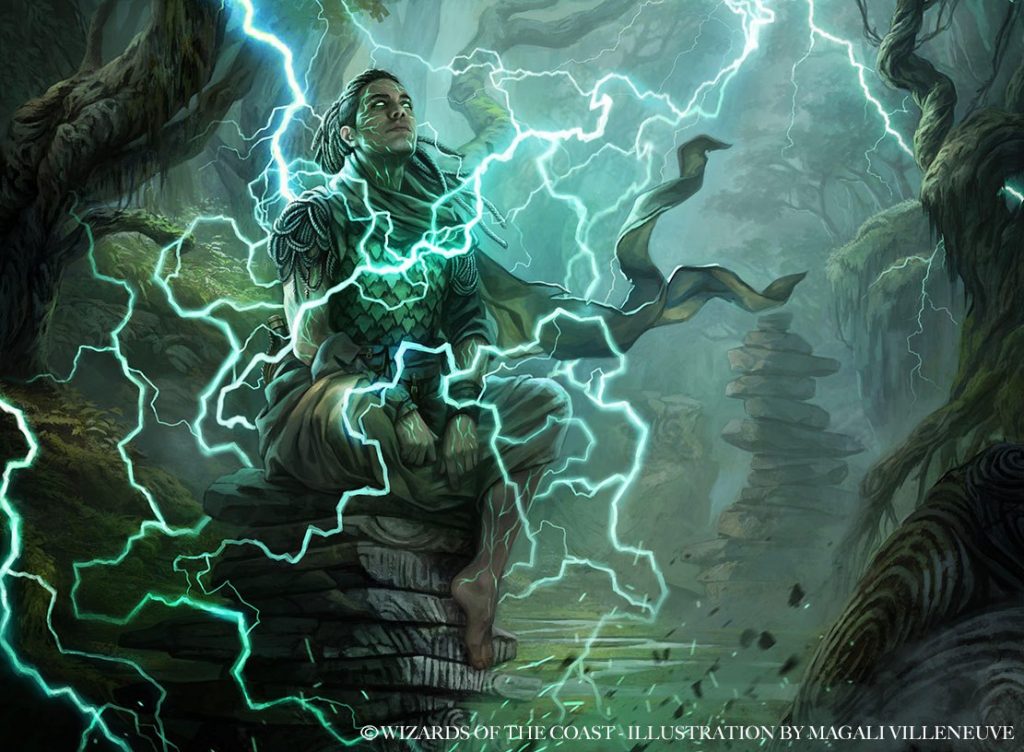
Weather the Storm | Illustration by Magali Villeneuve
If you're a Magic: The Gathering enthusiast who's ever felt the weight of your budget holding you back in Constructed formats, there's a refreshing alternative with a low average deck price that can level the playing field without emptying your wallet.
Say goodbye to the daunting price tags of mythic and rare cards that often plague other formats. With Pauper, you can craft a competitive deck with the same budget it would take to buy one bundle or a Commander precon. Plus, it has one of the best communities across MTG's formats.
Thank you so much for reading. If you enjoy the content and want to see more, remember to follow Draftsim on Twitter to never miss anything MTG-related.
Take care, and see you later!
Follow Draftsim for awesome articles and set updates:










Add Comment