Drive your car on America's most famous road courses!
You have always wanted to know what “she could do”, but you know the streets and highways are not the place. NASA gives you and your car an easy, safe, and affordable way to get on the track! No speed limits, no pedestrians, but best of all-no tickets. The NASA HPDE provide you with a certified instructor to help guide you through the event, one on one, as you learn how to handle your car at the limit. You set your own goals and go as fast as you feel comfortable going.
Basically, all you need is a safe car and a helmet. The car does not have to be fancy or fast. Students bring everything from a Hyundai to a Ferrari. Read the requirements for the other miscellaneous items required.
Anyone who is a member of NASA may participate. Minimum age is 18 (16 with parental consent). Many different types of people enter our events. The number of women who are taking our courses has steadily increased and most are very eager to enhance their driving skills. A lot of husbands and wives also team up and use only one car which makes it a little bit more convenient. There are many teenagers and young adults who receive a school entry compliments of their parents who want to teach their kids to be safer drivers. Note- All passengers must be at least 18 years old. Please see section 4.6 of the Club Codes and Regulations.
Body damage to cars very rarely occurs, however you are encouraged to check with your insurance company regarding coverage. Most standard insurance policies exclude coverage on-track, including HPDE, time trial, autocross, and racing. Double check if they tell you it’s covered. Agents have been wrong before. Ask them for a list of “exclusions” in YOUR policy and consult an expert.
With HPDE and Time Trial insurance through Hagerty, you can keep your focus where it belongs – the drive. Let us protect your car with our affordable HPDE insurance program*, offering coverage for your vehicle while it’s on the track, unlike your standard insurance plan.
What we protect:
* Track day policies underwritten by RLI. Hagerty determines final risk acceptance. Some coverage not available in all states. This is a general description of coverage. All coverage is subject to policy provisions, exclusions and endorsements.
UpshiftingUpshifting should be done smoothly. Speedshifting will shorten the gearbox life. The...
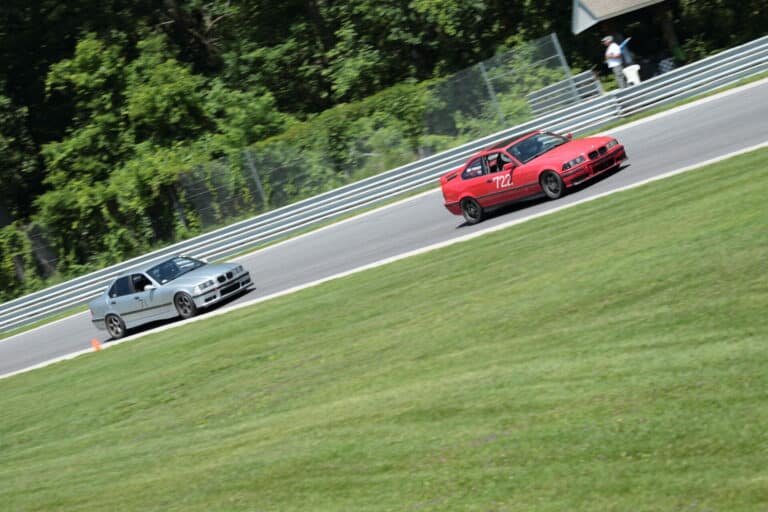
Now that you have signed up for the HPDE, you need to...
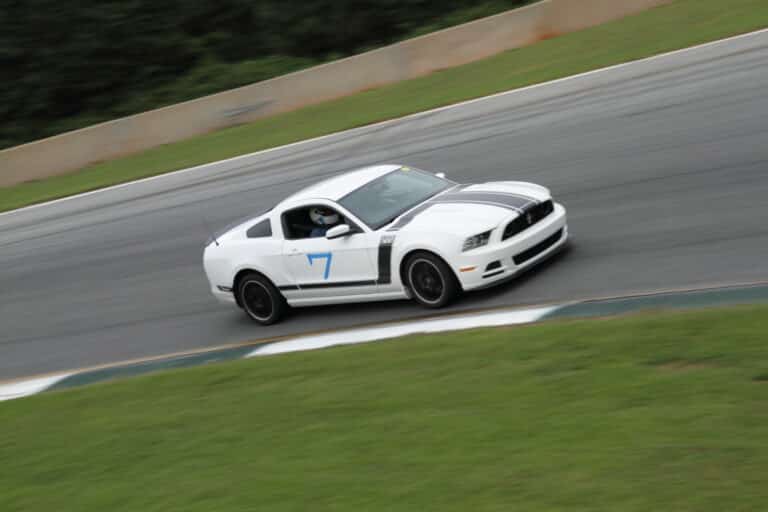
Some people believe that an occasional spin or crash is essential to...
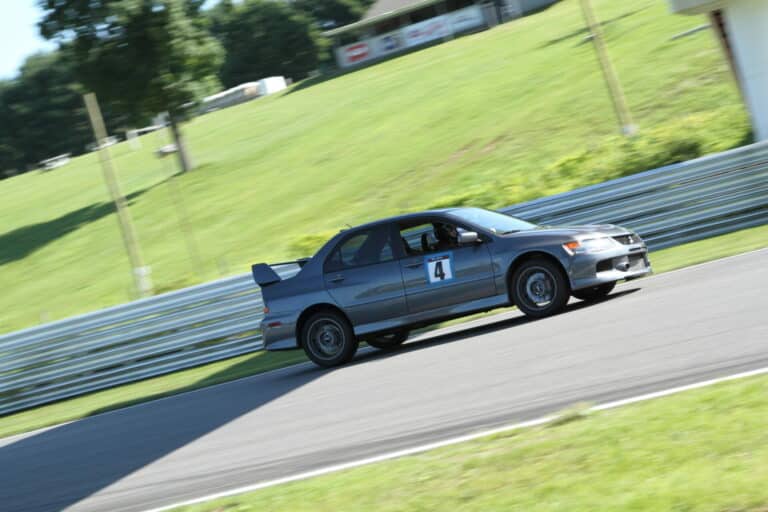
What is weight transfer? A car, at rest, distributes its weight over...
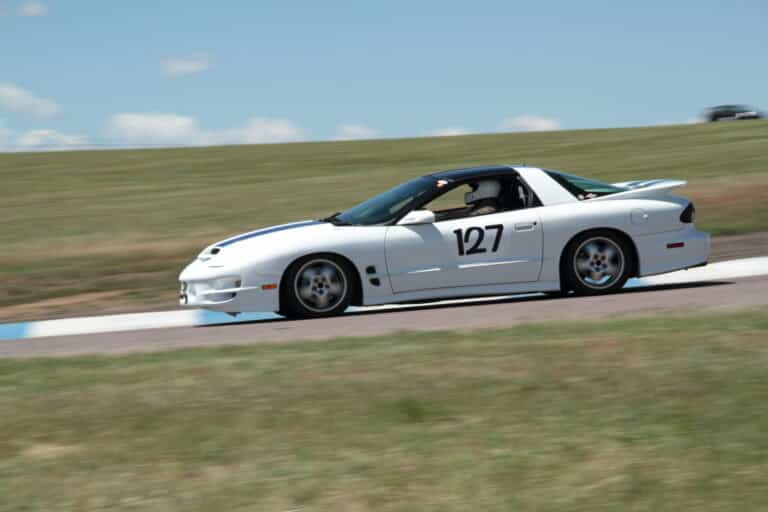
Many drivers believe that the key to driving quickly is to drive...
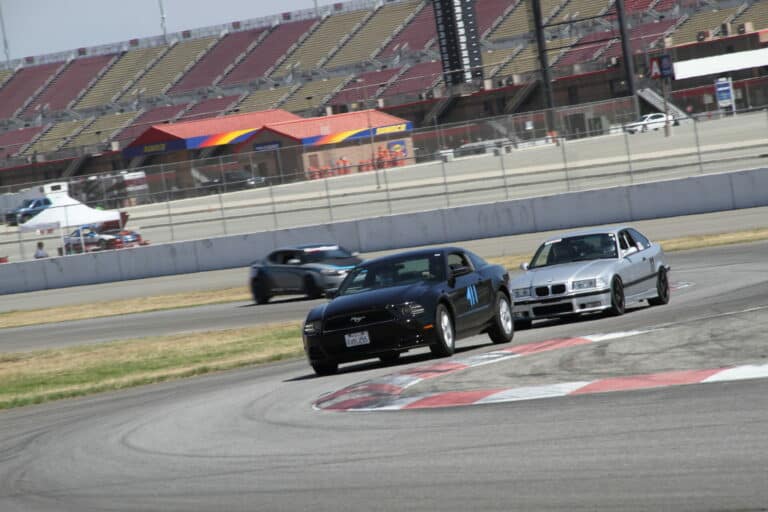
The line is the path around the track, that when driven at...
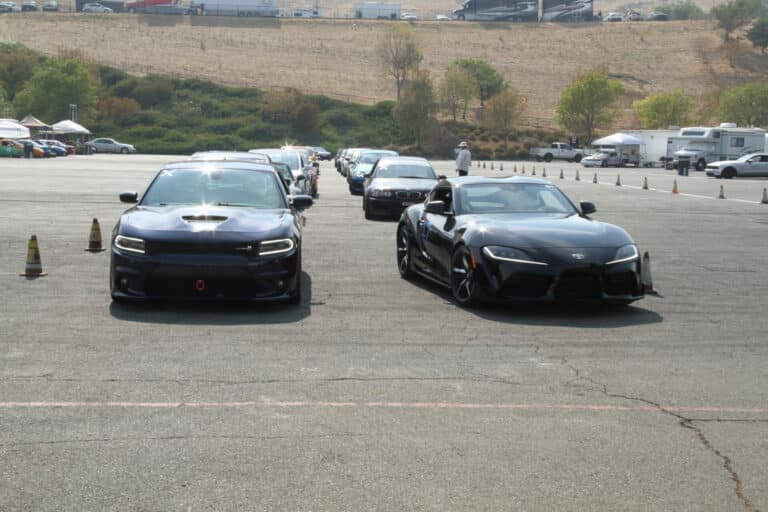
After much prodding from my friends I finally committed to going to...
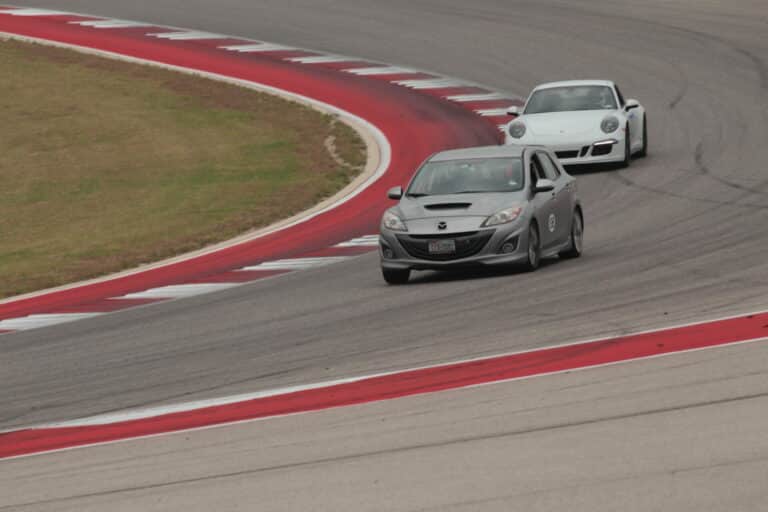
Learn the essential rules of passing during HPDE events to ensure safety...
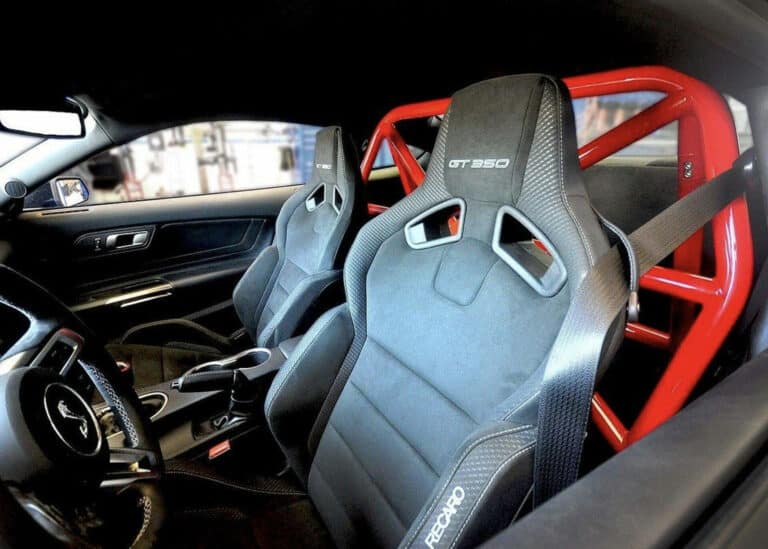
Whether your goal is to run HPDE or to be the next...
HPDE Resources
Questions and Answers to Feed Your Curiosity
NASA’s High Performance Driving Event welcomes enthusiast drivers to learn the fine points of high performance driving on America’s greatest road courses in a safe and controlled manner.
NASA will assign an instructor to you when you participate in HPDE1. Now that the pandemic is largely behind us, the instructor can ride in the passenger seat in your car and help you every step of the way, teaching you the driving line, the essentials of braking, steering inputs, smoothness and identifying the four elements of every corner. If you’re uncomfortable with an instructor in your car, you can benefit from lead-follow sessions behind an instructor in his or her car.
NASA-certified instructors are included with your entry fee at no additional charge.
It’s a reinforcement for the instruction you get on track. After each session, you and the other drivers in your HPDE group meet in a classroom to re-emphasize the principles you are putting into practice on the track, and to give you new skills to work on in later sessions.
Crashes are extraordinarily rare in HPDE, and preventing new drivers from getting in over their heads is one of the priorities with which NASA instructors are tasked. Follow the advice and guidance of your instructor and you’ll do fine.
No, in fact it’s better to learn to drive in a low-horsepower car. We do suggest it be something sporty. Anything from a sports coupe to a sports sedan will work, and of course, hot hatches are good choices, too. Manual transmissions are preferrable, but automatics will do. Leave the trucks and SUVs at home. They’re just not as much fun.
Convertibles with proper rollover protection — whether it’s from the factory or aftermarket — are eligible to participate in HPDE. You can find a list of acceptable factory and aftermarket systems here.
Download the HPDE form from DriveNASA.com and check over the items noted on the list and bring it to HPDE Tech first thing in the morning of your first event. Unless they’ve been neglected or abused, most modern cars pass tech without much trouble.
You most certainly do. For HPDE, Use a proper fitting helmet that meets Snell 2005 (SA2005; M2005) or ECE 22.05, or newer (or equivalent) standards for cars or motorcycles. standards for cars or motorcycles.
When you have been cleared to move up to HPDE2 you can drive on your own, although we encourage you to seek instruction of some kind at every level of your driving “career.”
Four. HPDE1 and 2 typically run together on track at the same time. HPDE3 and HPDE4 often run together because lap times are faster and passing rules are more open.
If you advance to HPDE4 and you want to go further, you can apply for either a Time Trial license or take the CCR test and apply for your provisional racing license.
Visit DriveNASA.com, sign up for a NASA membership, then register for an event in your area.
Special insurance is not required but certainly recommended. NASA recommends purchasing affordable HPDE and Time Trial insurance coverage through Hagerty for your vehicles during the event.
Take advantage of Hagerty’s Track Day Insurance coverage so you can focus on what matters: the drive.
What we protect:
Latest HPDE News Around The Country
We all know that racing improves focus, sharpens reflexes, builds confidence and relieves stress. Racing with NASA also can put you on a path to […]
NASA Northeast driver Dillon Brennan was giving a ride to a passenger in HPDE4 at New Jersey Motorsports Park’s Thunderbolt course, where he had to […]
Triple the rear spring rate and throw on a set of new tires, and the Fit that was formerly pushy now feels pointy. Making the most of the car’s […]
Next time you get the urge to complain about how far away a track is, think about how far Luke Johnson had to go to take advantage of his GR […]
NASA was one of the first groups to organize an HPDE program way back in 1991. Today people all over the country get to enjoy driving their cars at […]
What HPDE Drivers Say
Getting Started in HPDE