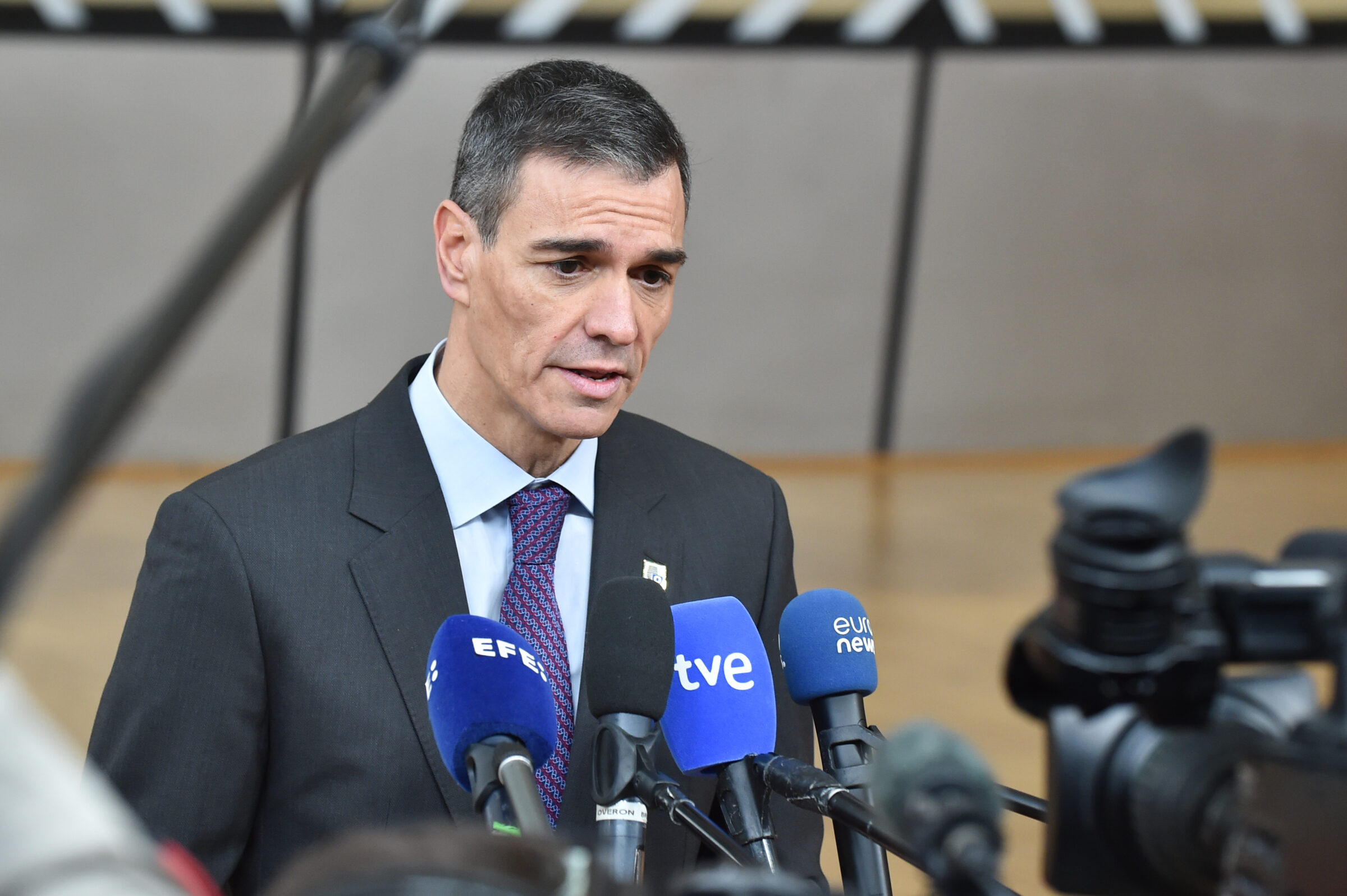
Spain’s 500,000 migrant regularisation — pragmatism or pull factor?
Spain’s move forces a harder conversation. Is it better to pretend half a million workers do not exist, or to regulate the reality already on the ground?
Spain’s move forces a harder conversation. Is it better to pretend half a million workers do not exist, or to regulate the reality already on the ground?
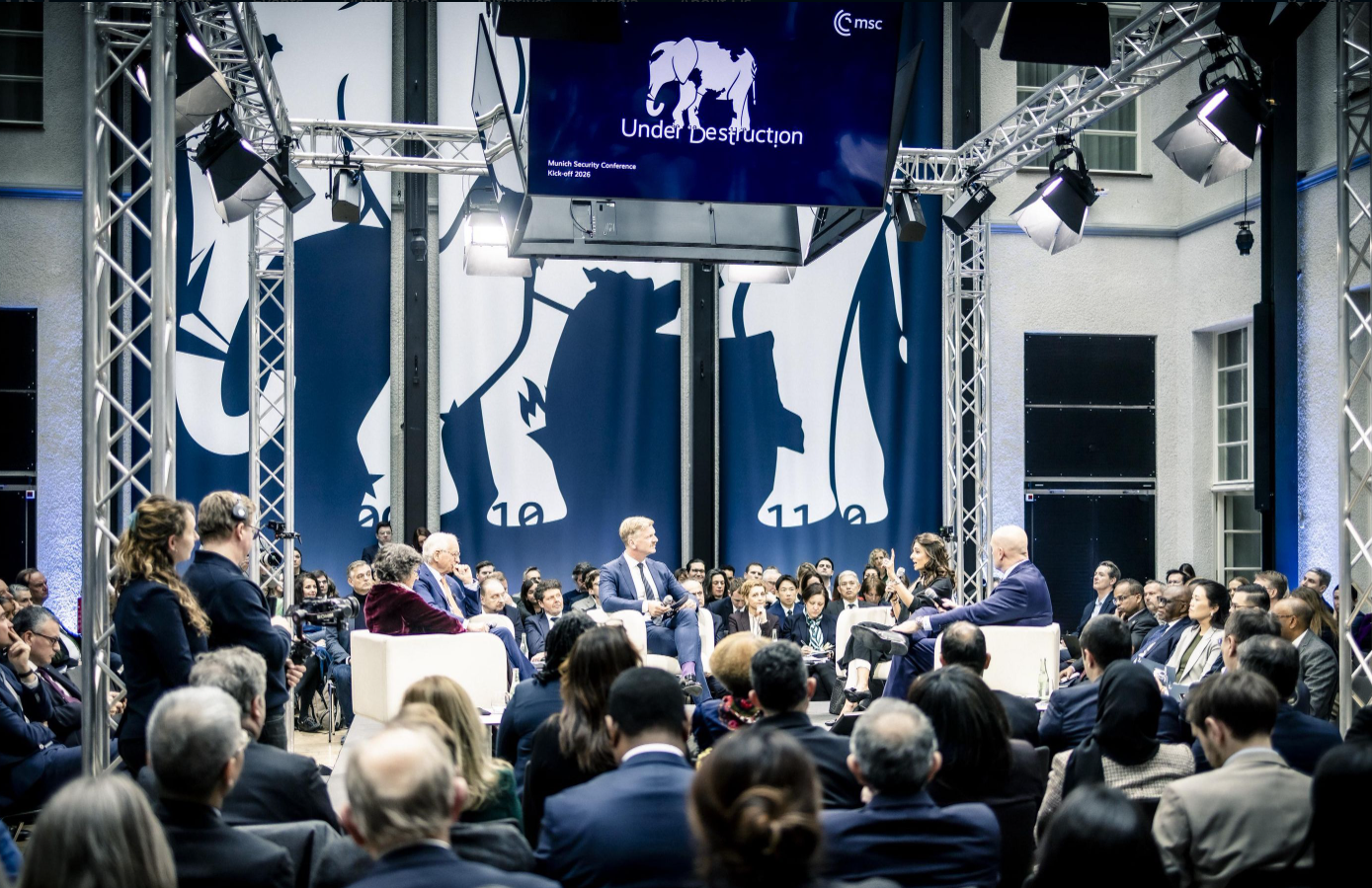
The US under current management is a critical threat to Europe+ democracies — the UK, Norway, Canada, as well as Japan, South Korea, Taiwan, Australia and New Zealand. This weekend’s Munich Security Conference is the place to start planning counter-measures.
In Europe, goods and people mostly move freely — but services are still largely stuck behind a web of national bureaucracy. We are, in effect, sanctioning our own economies, warns MEP Barry Andrews.
At their ‘leaders’ retreat’, we are seeing the curtailing of EU democracy in the name of saving Europe’s economy. They should be unleashing citizens’ demand for a stronger, independent Europe.
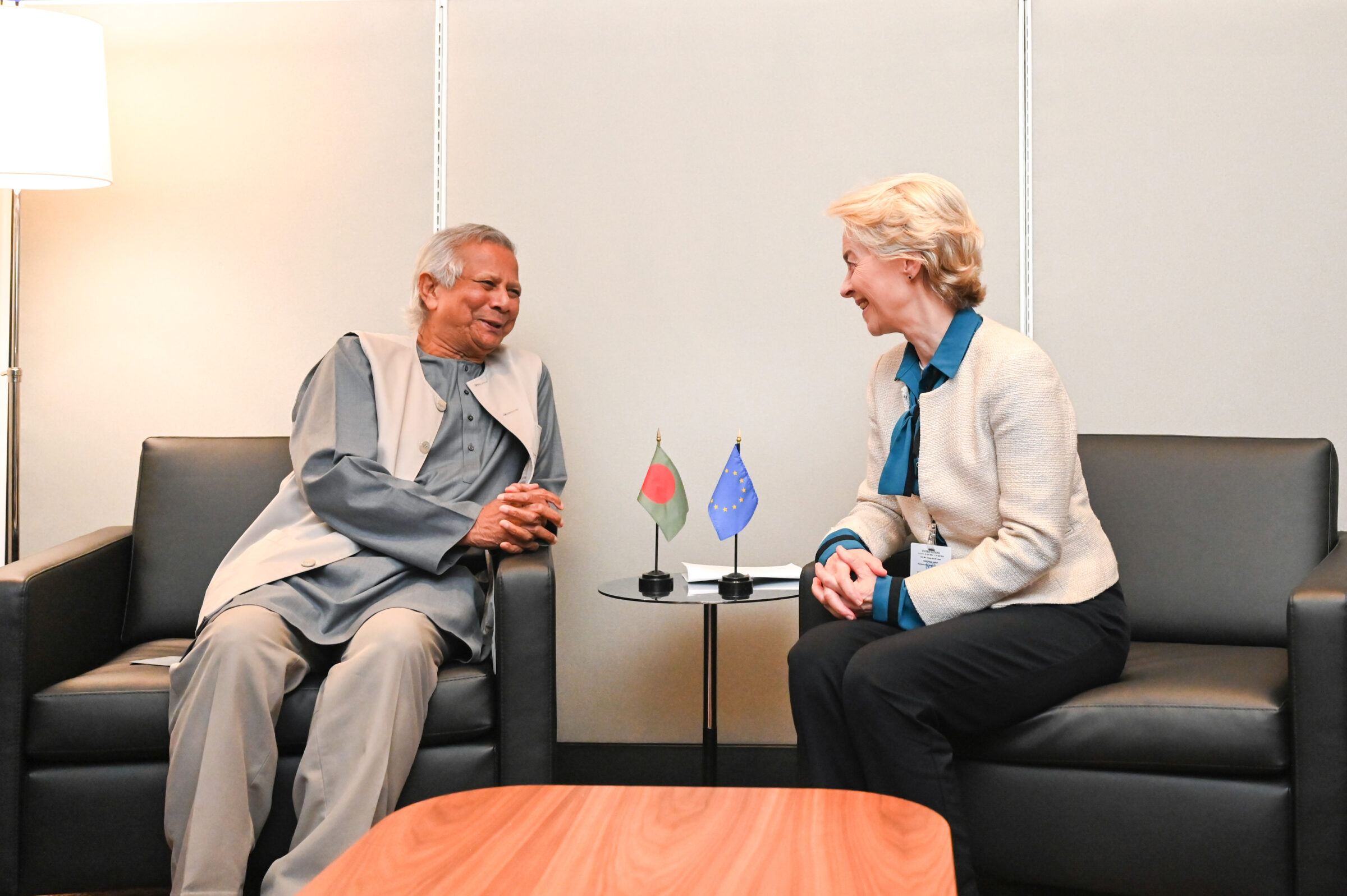
Bangladesh remains one of Asia’s leading jailers of journalists — with it’s election on Thursday, and Brussels negotiating a Partnership and Cooperation Agreement (the bloc’s first with a South Asian nation), the EU has never been in a stronger position, writes the Committee to Protect Journalists.
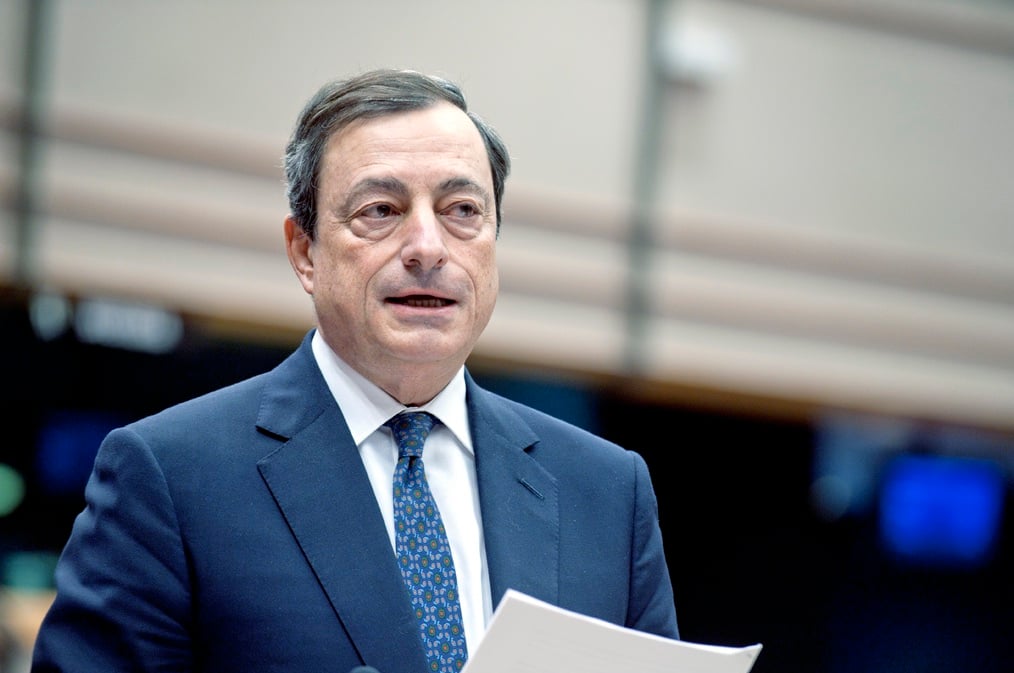
Big and small European companies are most concerned about the lack of skilled staff. So why is this not a key topic at the EU leaders’ retreat on 12 February in the Alden Biesen castle, when ‘simplification’ of legislation is?
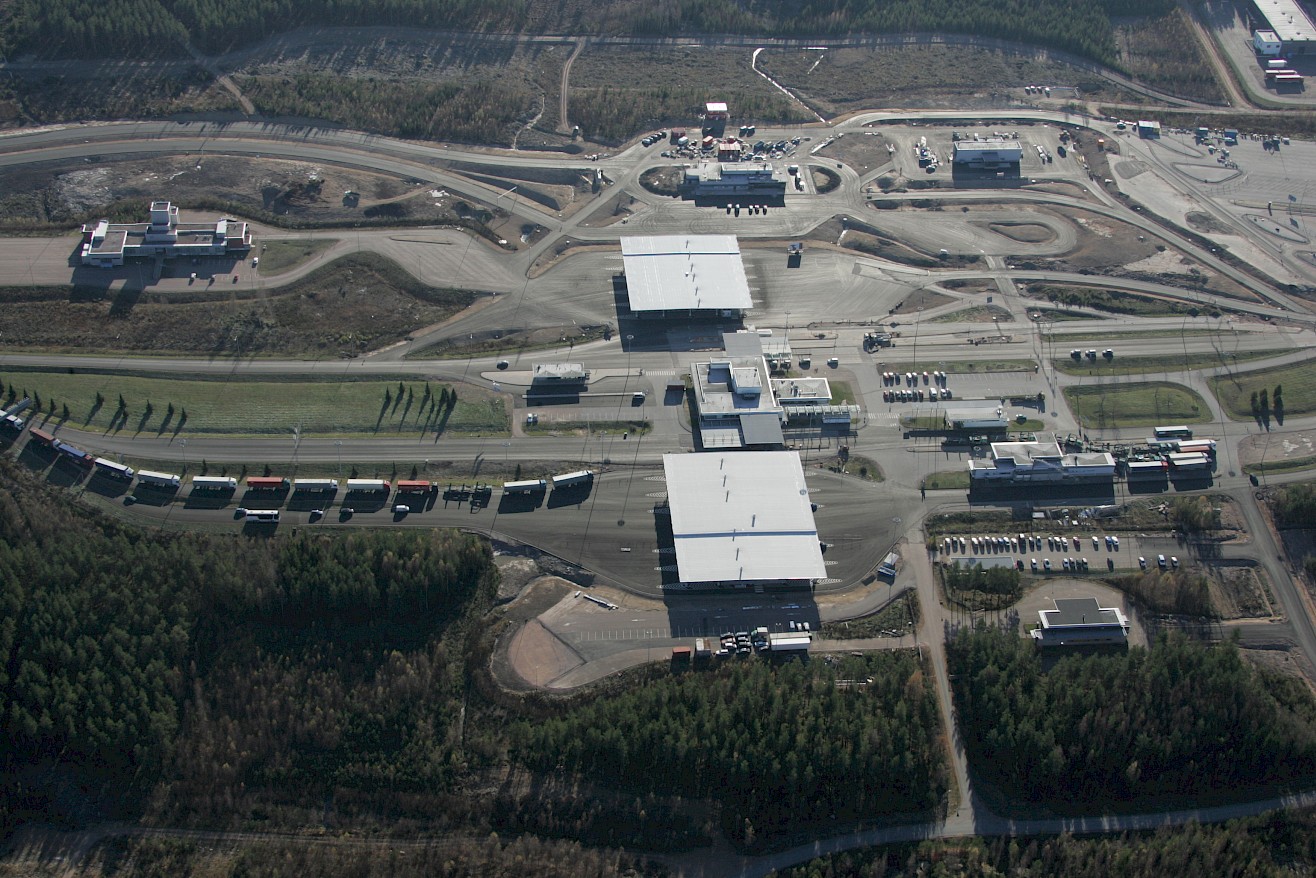
As the EU Commission implements its Preparedness Union Strategy announced in March 2025, Finland stands among the very few member states that have already operationalised what Brussels is still designing.
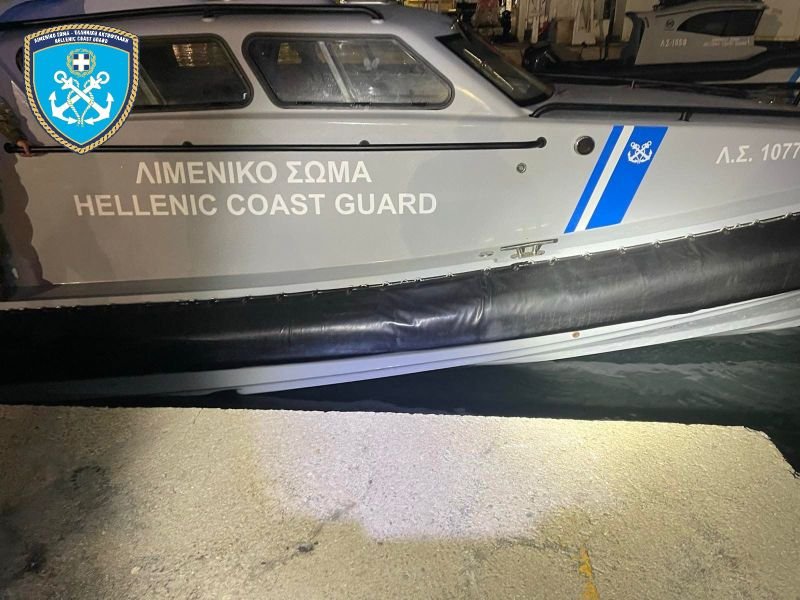
This week’s fatal collision between a Greek coast guard vessel and a migrant boat off the island of Chios has once again brought European maritime enforcement practices under scrutiny, raising questions about accountability and balance between border control and the protection of human life at sea.
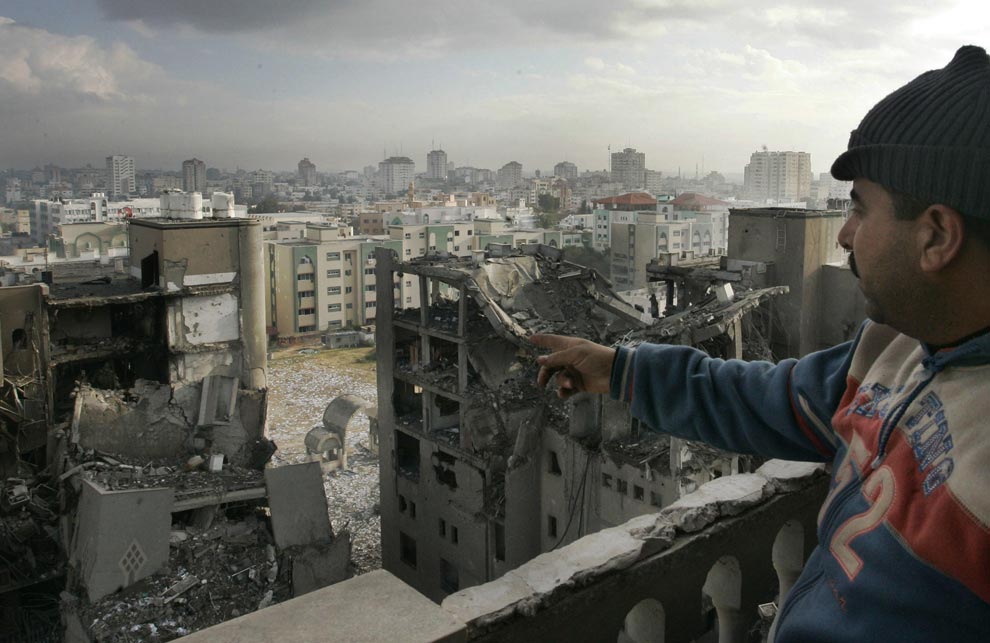
Gaza is treated as a temporary humanitarian problem rather than a long-term political failure requiring accountability, protection, and reconstruction. Once the violence becomes less visible, so does the obligation to act, writes Mahmoud Shehada in Gaza.
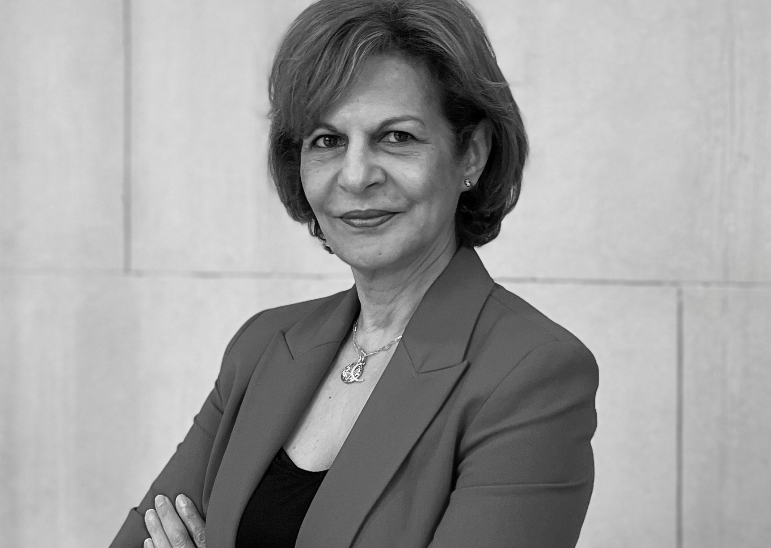
The new EU narrative on India reflects a modesty, pragmatism and flexibility that has long been absent from its dealings with the Global South. The unhelpful habit of dividing the world into democracies and autocracies is fading, replaced by a grudging acknowledgement that the EU is a middle-sized power which must work harder to find its place in a multipolar world, writes Shada Islam.
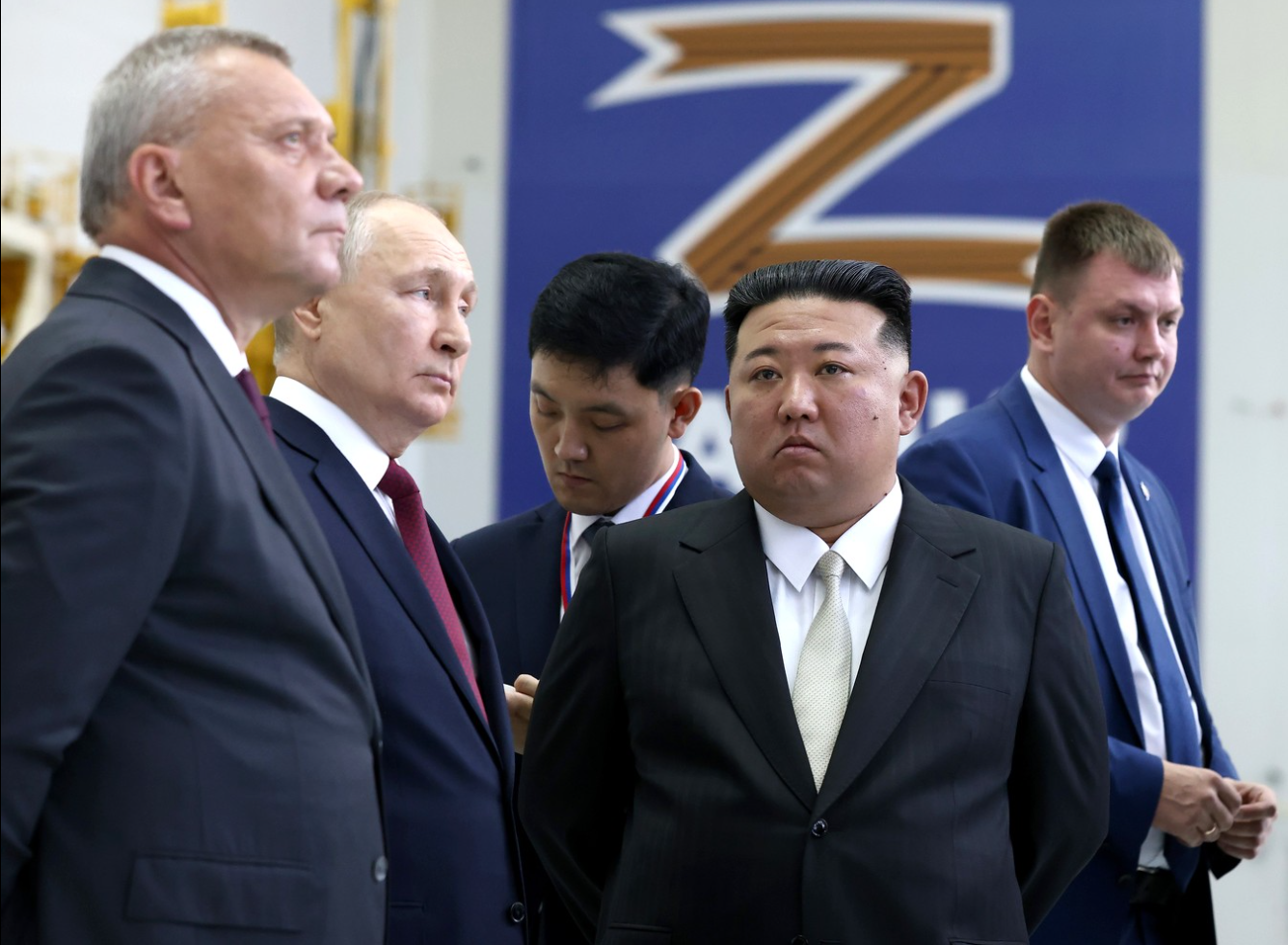
The EU decisionmakers have not updated the North Korea sanctions list in almost two years, even though the DPRK is fighting a war in Europe.
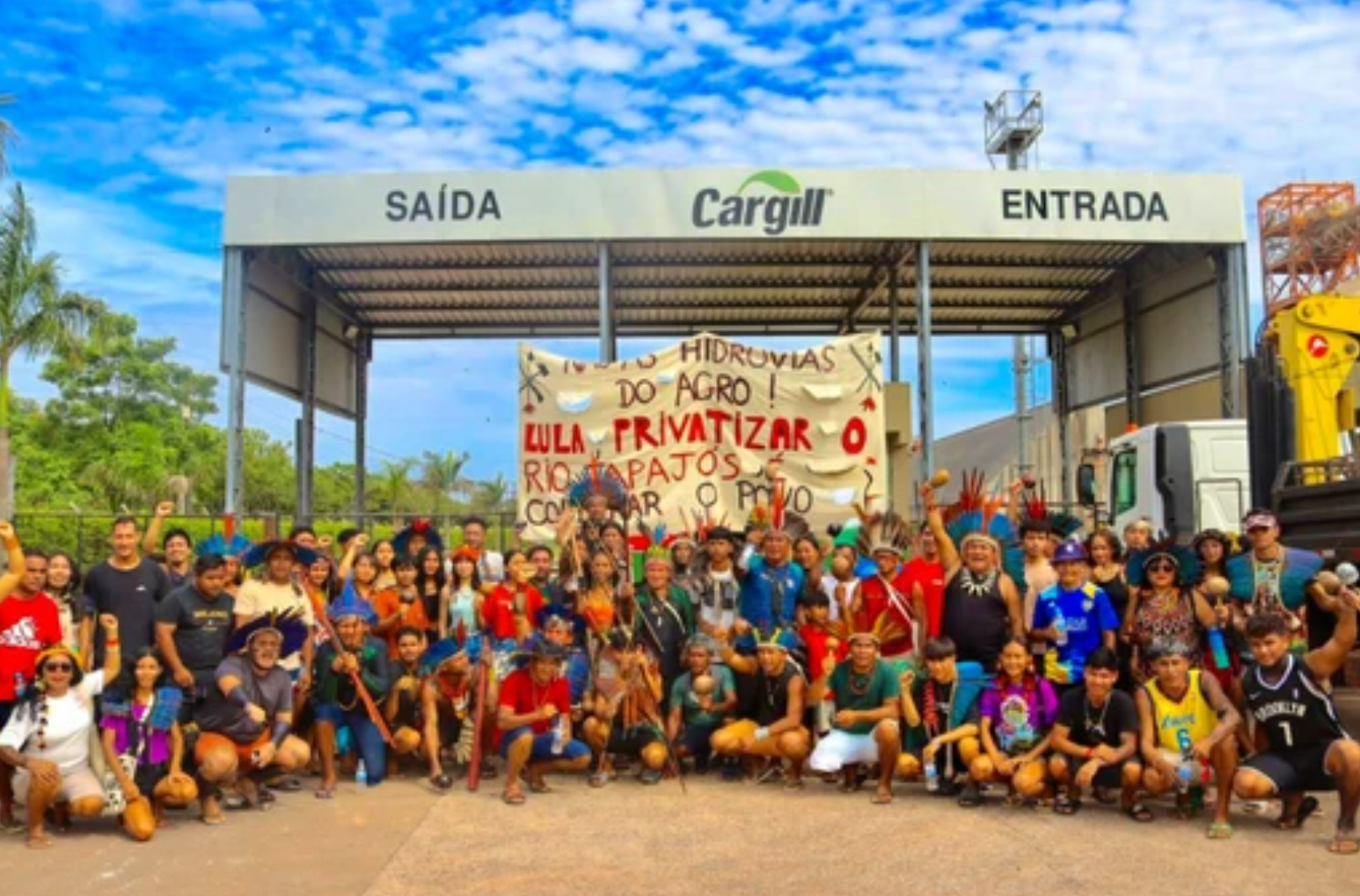
In Brazil’s Tapajós region, hundreds of Indigenous people have been protesting for days outside a Cargill export facility, opposing a federal decree that opens Amazonian rivers to private concessions and expanded dredging.
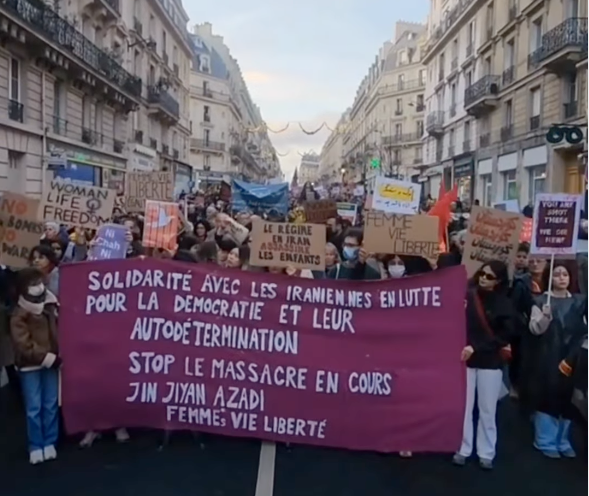
Any approach to current events in Iran that is driven primarily by self-interest and opportunism – condemning human rights abuses perpetrated by the regime, while readily ignoring violations by other actors – risks alienating the Iranian population in the long term, regardless of whether the Islamic Republic endures or not.
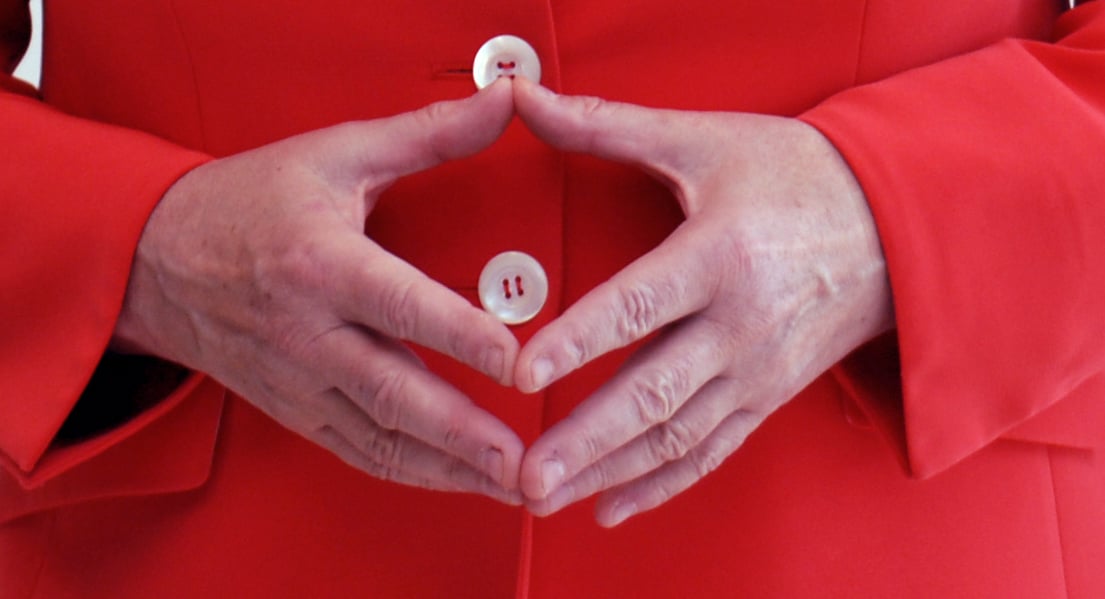
Ten years ago, Germany symbolised Europe’s ‘Willkommenskultur’ (Welcome Culture). Chancellor Angela Merkel’s decision to open borders to refugees in 2015 was framed as a moral and historical responsibility. What has happened since?
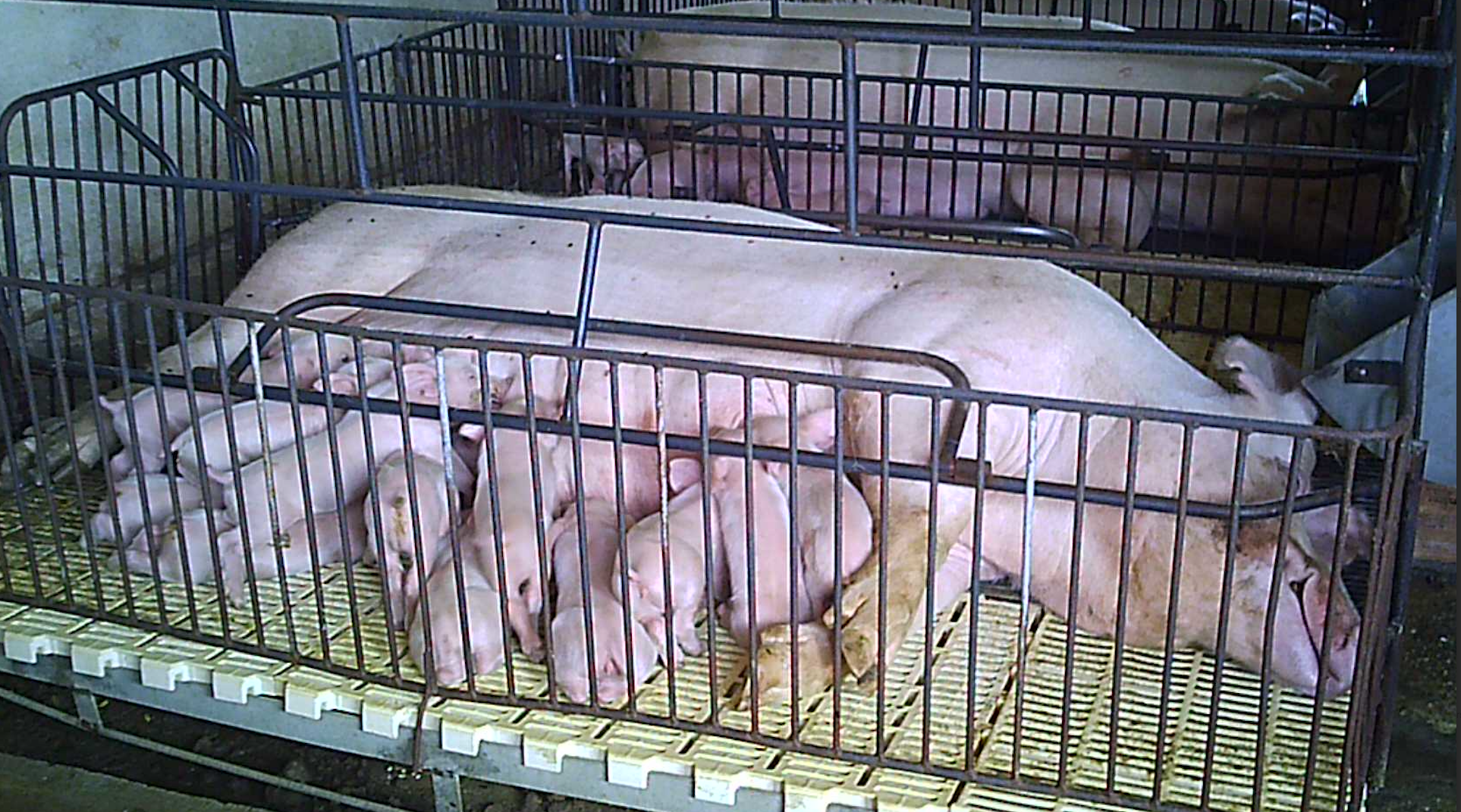
Without meaningful safeguards, the EU-Mercosur agreement – as it stands – risks locking the EU into a system that expands imports of meat produced under conditions that fall far below EU regulations. The deal would lower tariffs — without requiring imported products to meet equivalent European animal welfare standards.
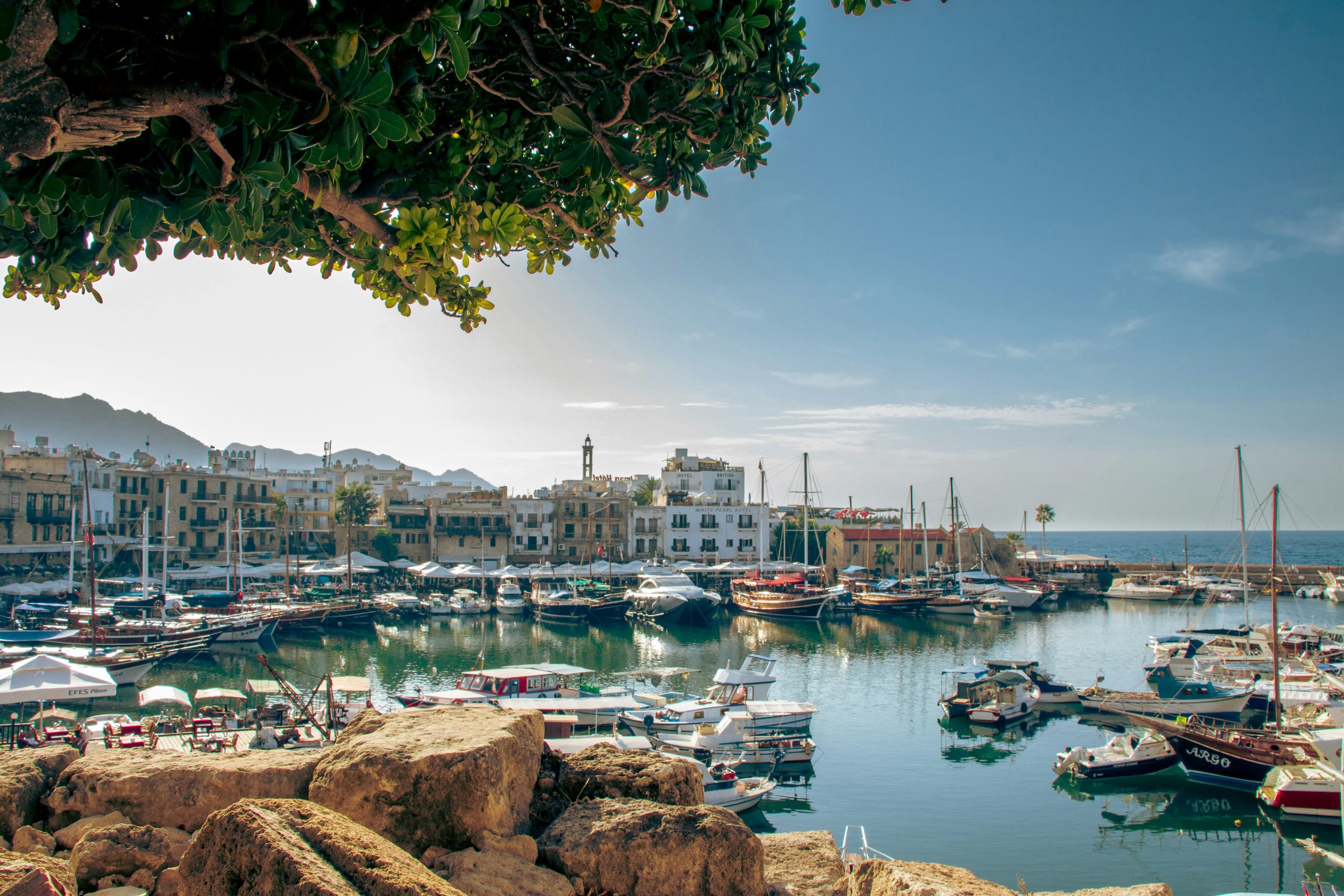
Cyprus is in the first month of its EU presidency. The island took the role having spent more than a decade dismantling its reputation as a permissive financial hub, not least for wealthy Russians, and repositioning itself within the Western political, economic and security framework.
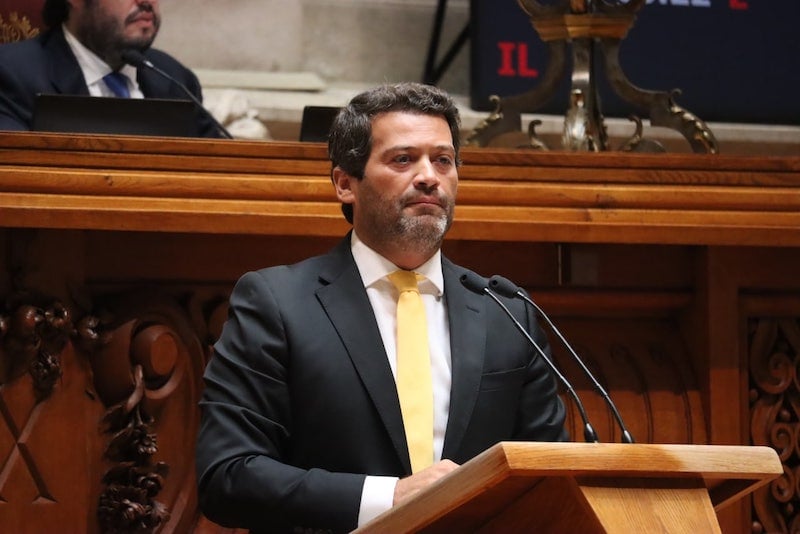
The far-right founder of Portugal’s Chega (“Enough”), André Ventura, is a former sports TV commentator from the world of showbusiness — and came a close second in January’s presidential election on an anti-Roma, anti-Muslim, racist and sexist platform.
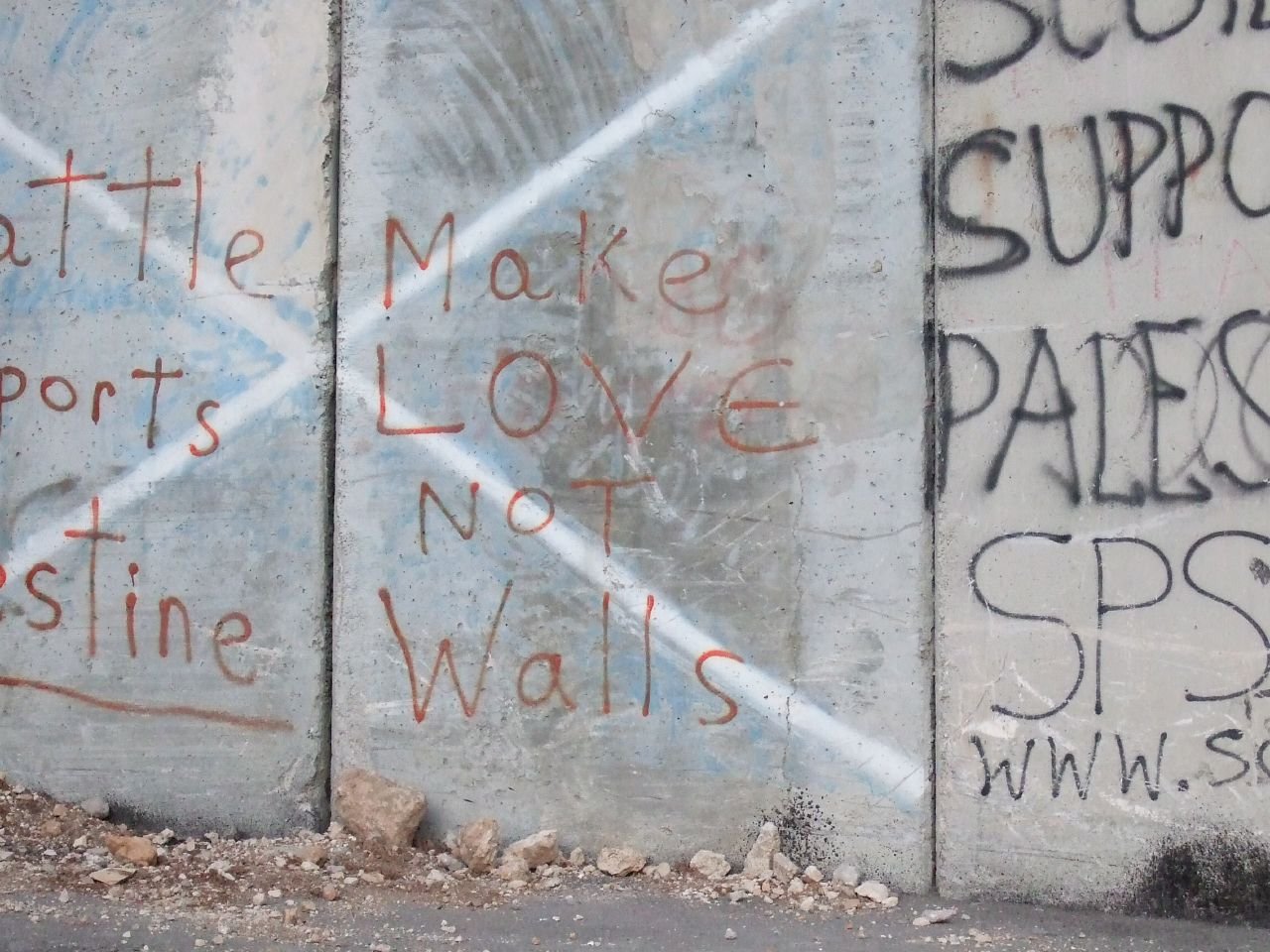
The EU and the West’s premise is simple and comforting: Hamas must go, Israel will not rule Gaza, and therefore a reformed Palestinian Authority must step in. But this consensus rests on a political fiction, writes Khalil Shikaki, director of the Palestinian Center for Policy and Survey Research in Ramallah.
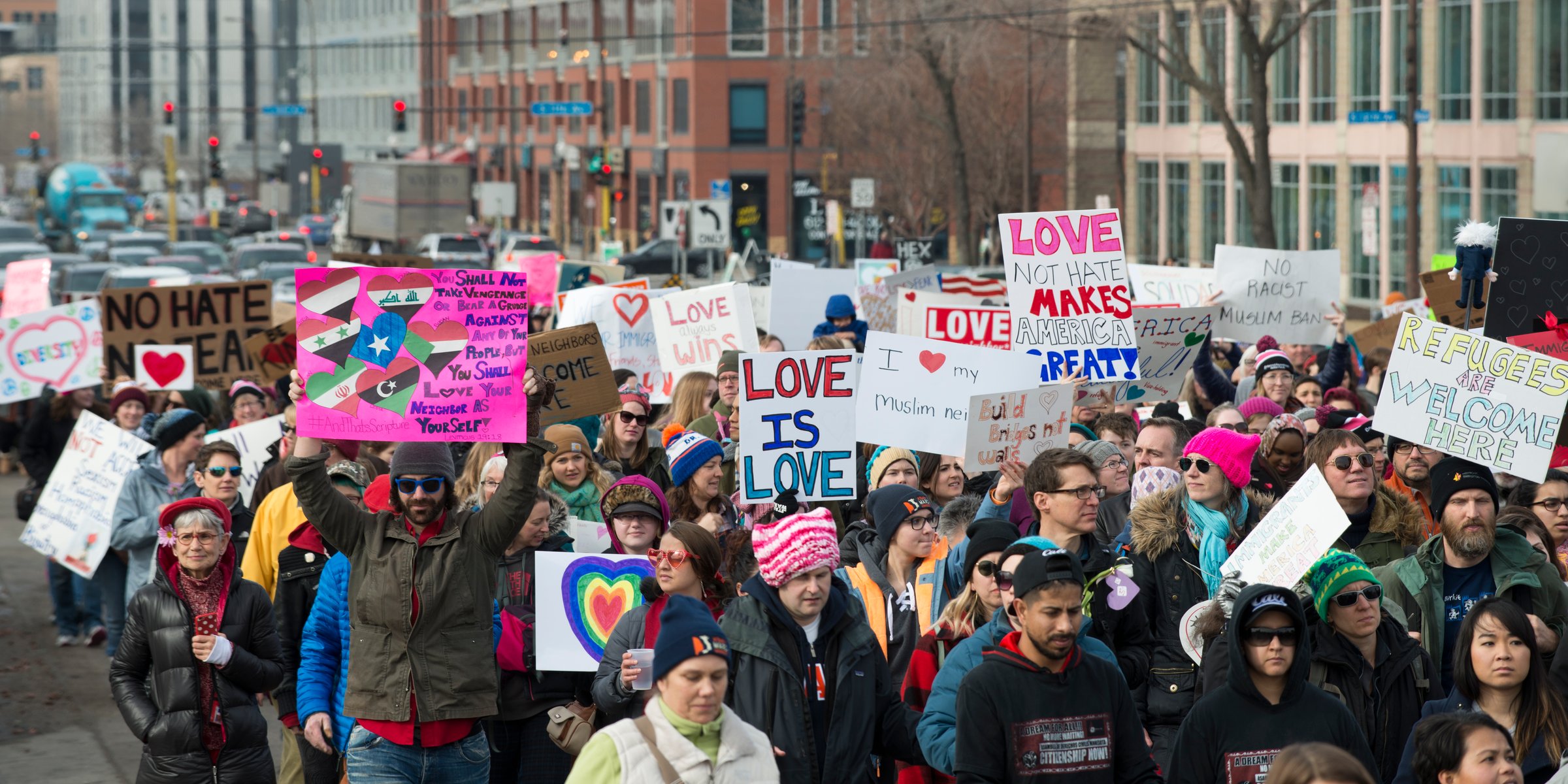
For Europeans, order is something the police restore under law, not something the army imposes under executive will. Fortunately, EU member states built constitutional architecture to prevent what the US Insurrection Act enables.
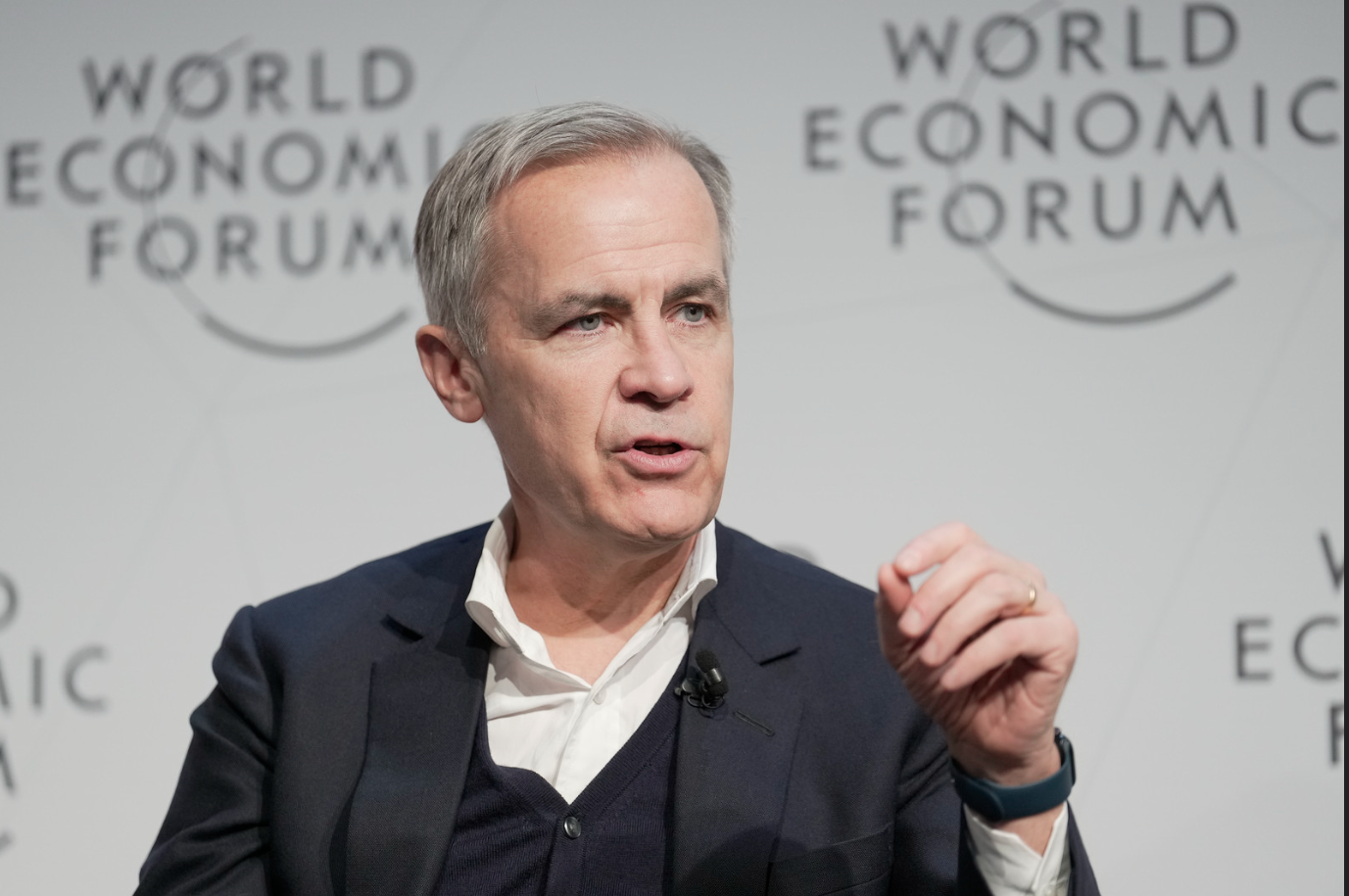
Canada’s prime minister Mark Carney had a proposal at Davos — ‘middle states’ should work together, not taking sides between the US, Russia or China, but defending free trade and international law. This is a nice idea, but the question is whether it is powerful enough to calm the world and restore some order to the chaos.
