![OpenAI (creator of ChatGPT) will invest $500bn [€422bn] over the next four years into AI infrastructure. For comparison, the EU Commission wants create €200bn in investment towards AI infrastructure](https://static.euobserver.com/2023/05/258406f96541ba09a95c130f68a18555.jpg)
Why is the EU struggling to scale artificial intelligence?
OpenAI spends more on AI than the whole EU. Europe is lagging in the innovation race — here’s why, and how it plans to catch up.
OpenAI spends more on AI than the whole EU. Europe is lagging in the innovation race — here’s why, and how it plans to catch up.
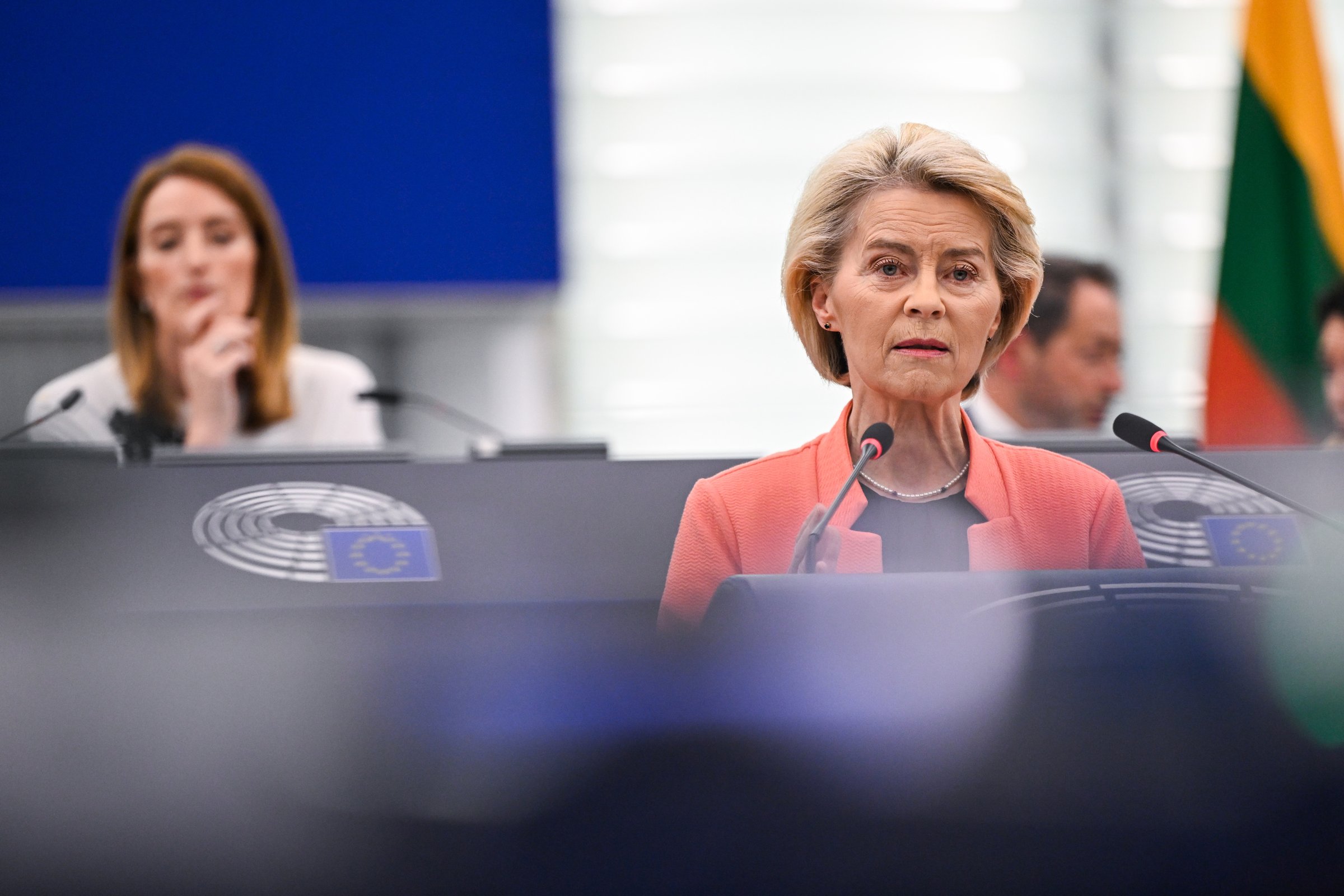
EU leaders will discuss simplification and competitiveness and even a ‘Buy European’ strategy at their informal retreat on Thursday — but others see a simple focus on competitiveness as self-defeating, writes Wester van Gaal.
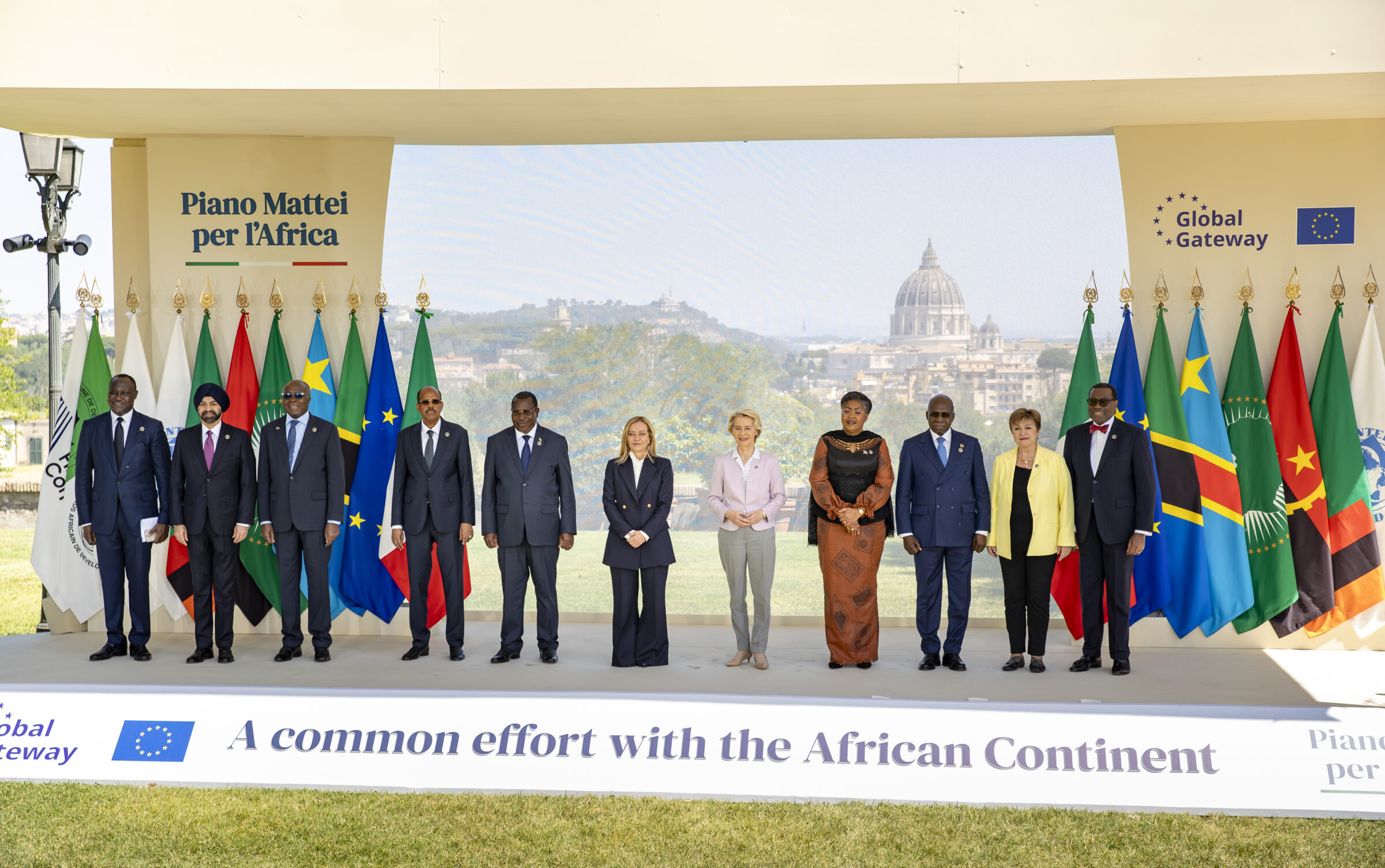
Italian premier Giorgia Meloni hopes on Friday to cement her status as one of the bridges between Europe and Africa, as African leaders roll out the red carpet for her in Addis Ababa.But there are several crises brewing, writes Ben Fox.
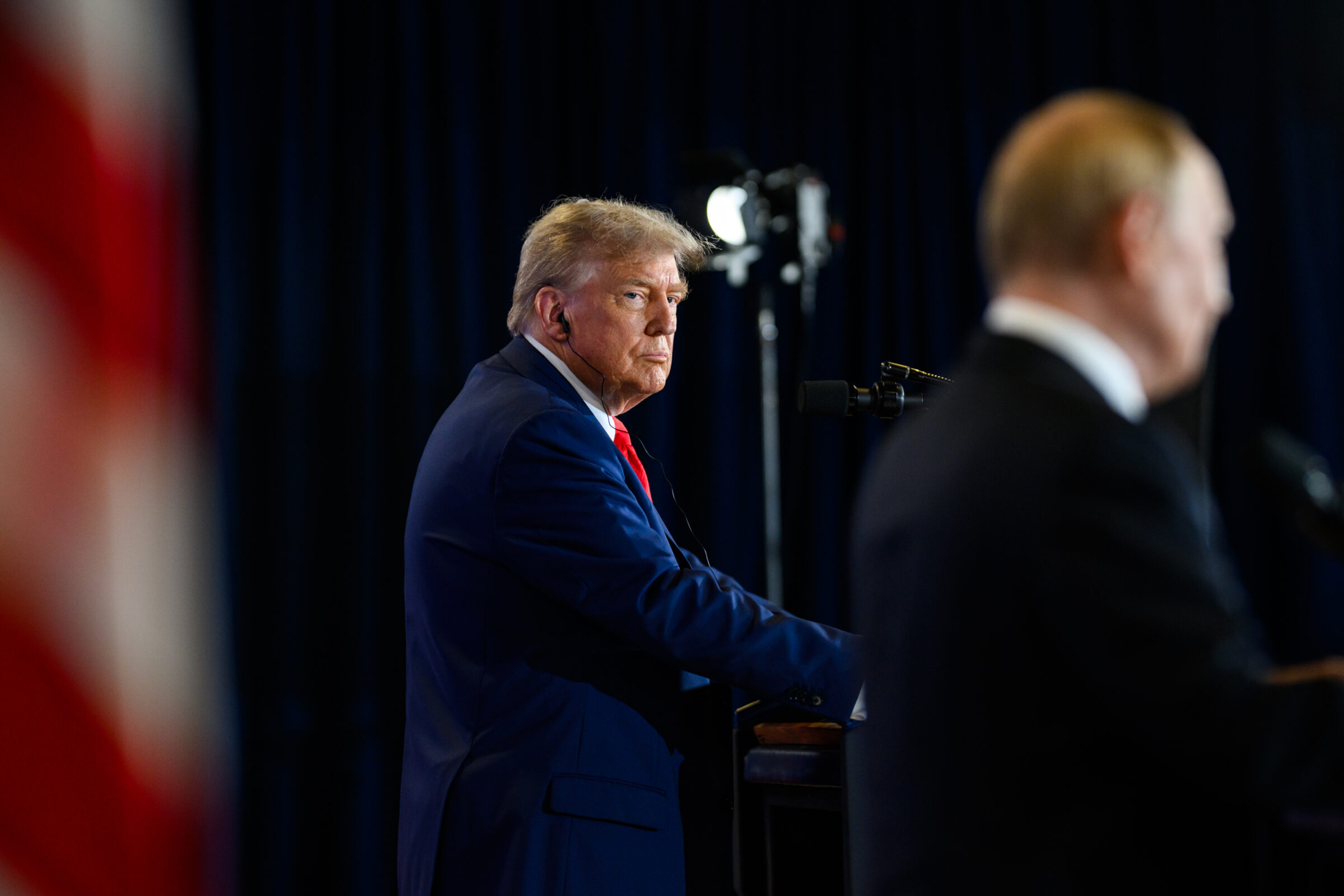
Any new US-Russia deal on strategic nuclear bombs would have mostly “symbolic” value, as France and Germany focus on tactical threats instead.
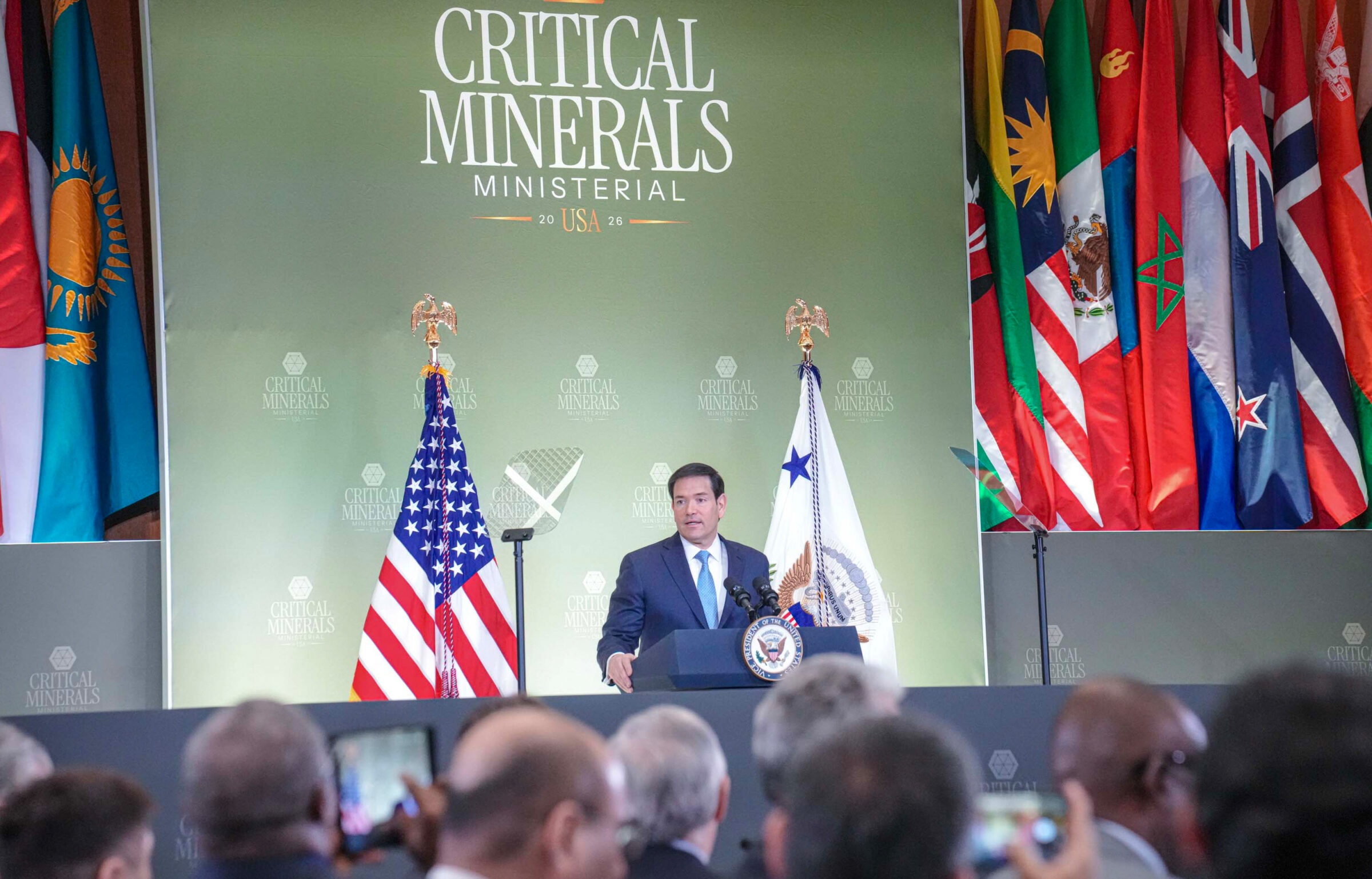
The promise of an EU-US deal on critical minerals is one of the most significant cases of a transatlantic trade alliance since the start of Donald Trump’s second presidential term. What could this mean for Europe and supply chains?
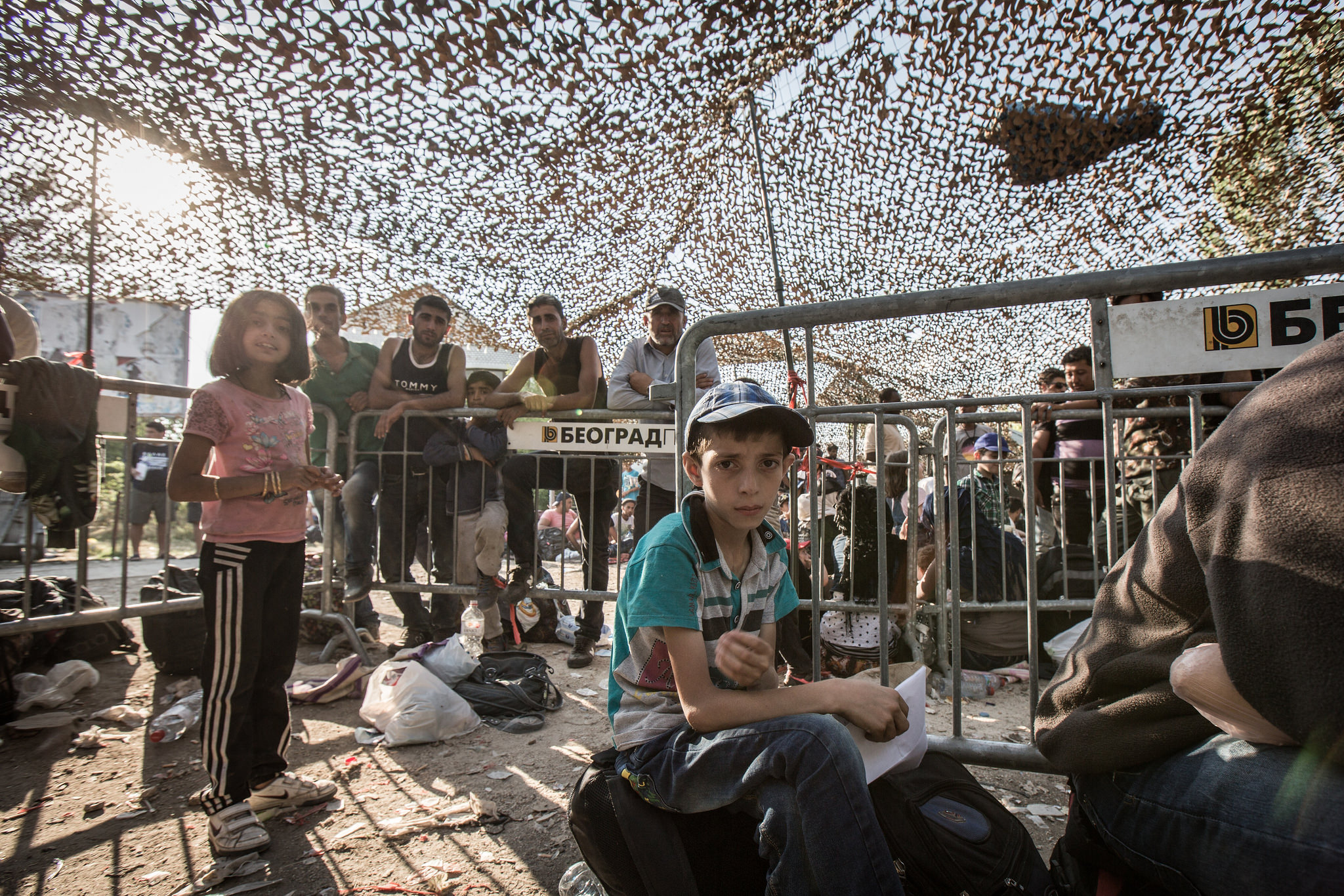
Most commitments made by EU states in December to receive asylum seekers arriving primarily in Italy and Greece are actually alternative forms of support.
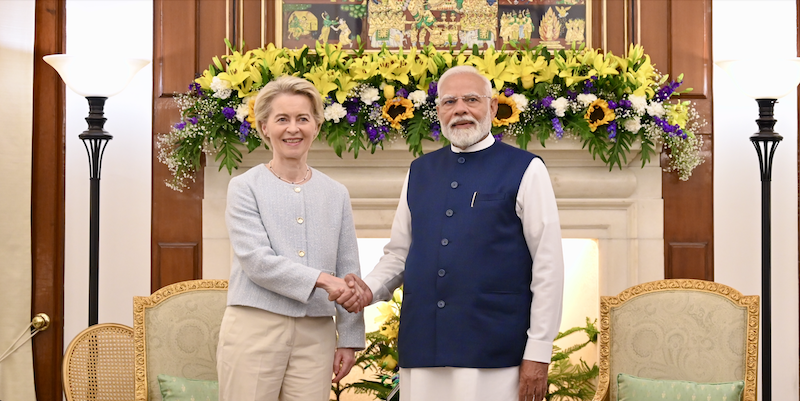
Why the EU-India trade deal sparks both praise and pushback — explained.
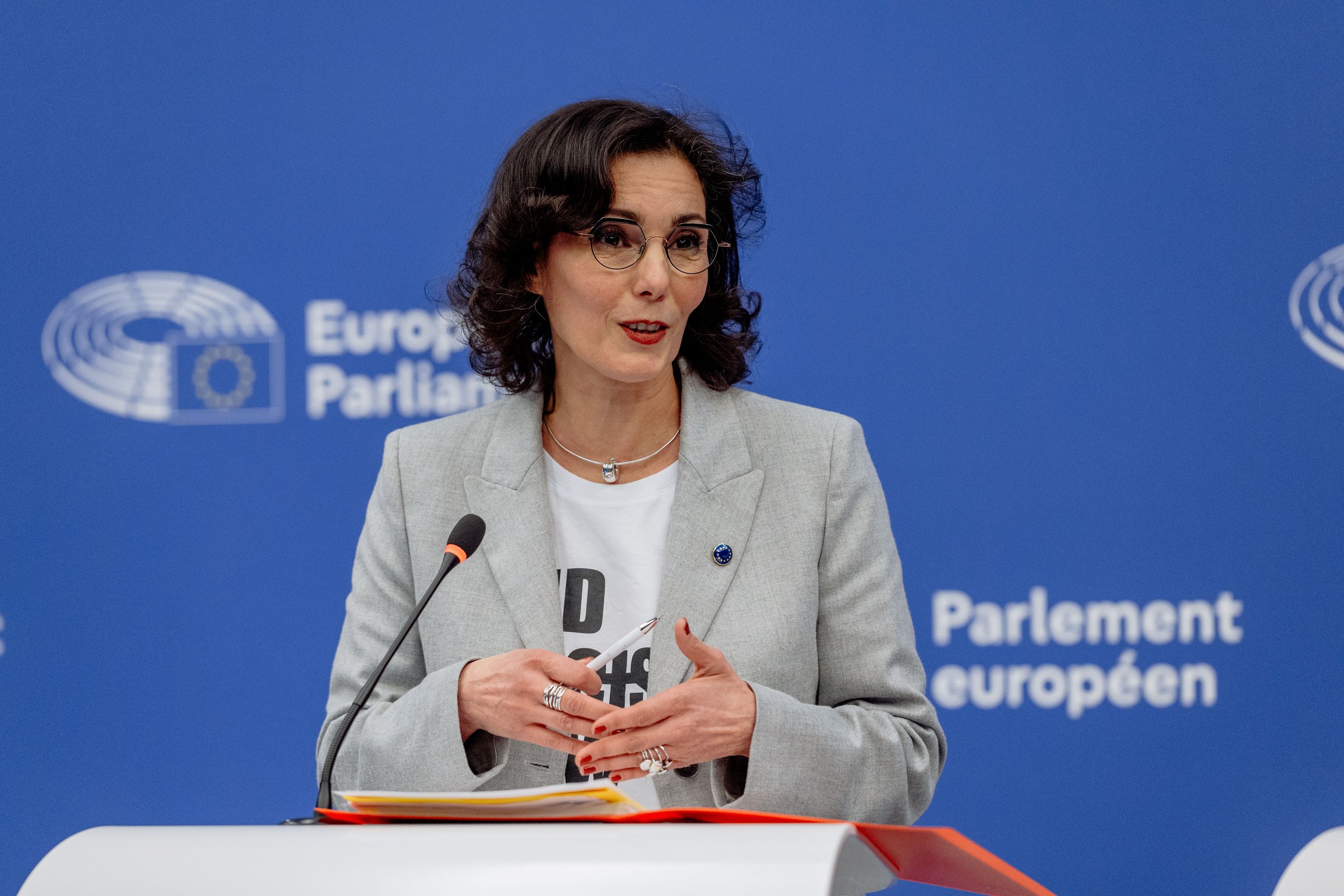
The EU Commission wants to create new partnerships with the private sector to plug the gaps left by falling aid budgets. But it still lacks imagination.
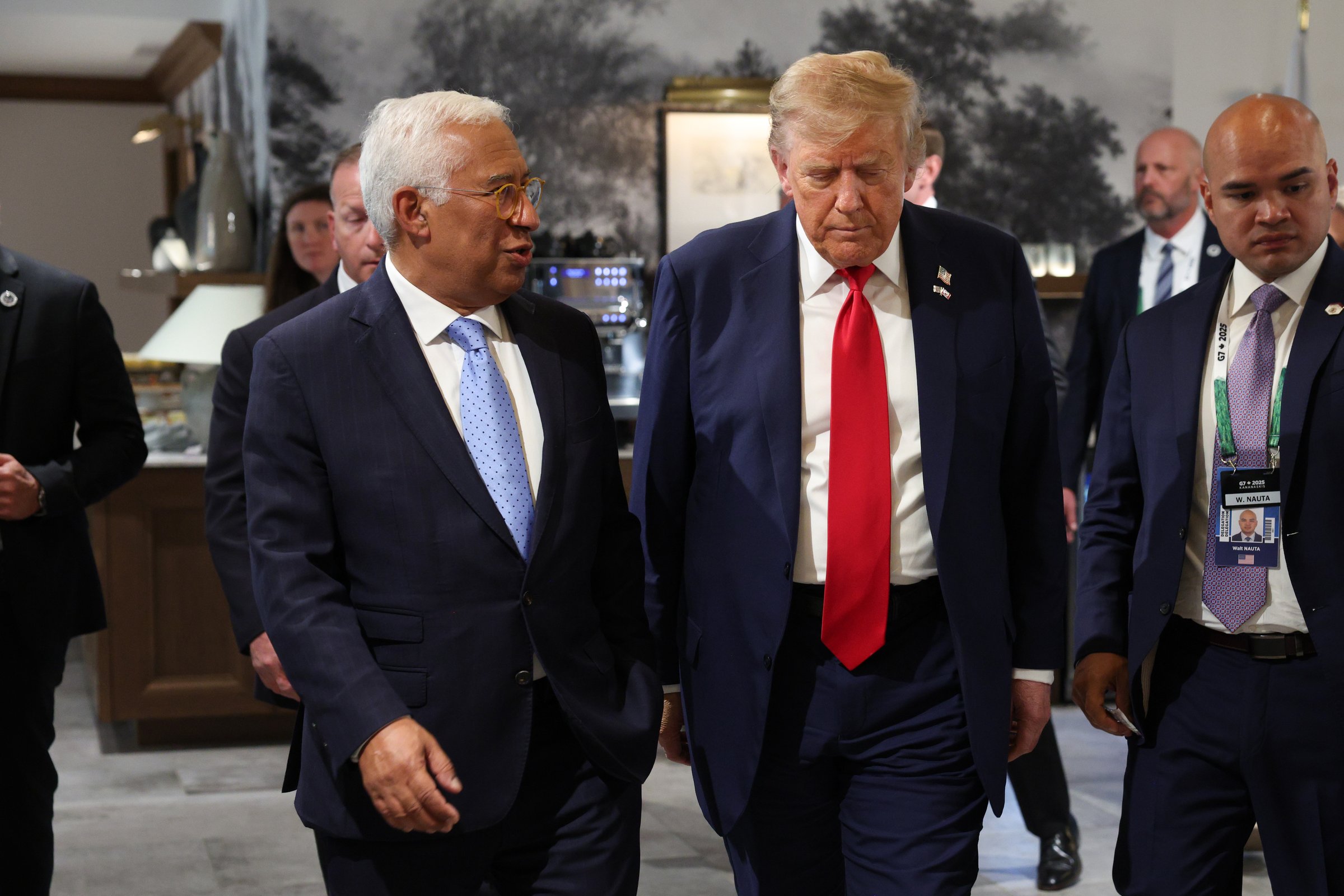
Europe is the largest holder of US debt, which it could use as leverage. But even if governments could coerce investors into selling trillions in US holdings, Europe would be first to suffer.
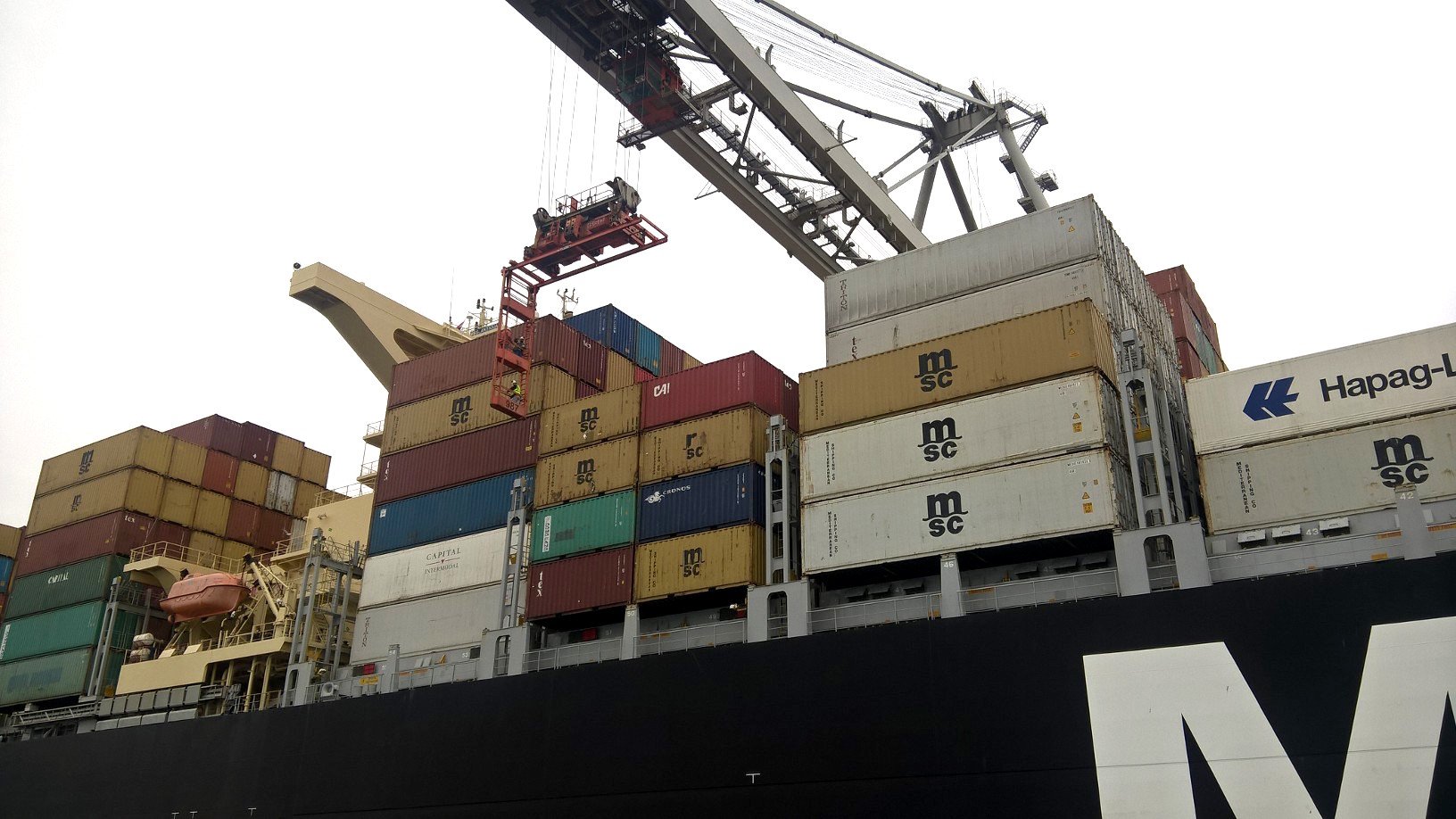
The fate of the EU’s trade relations with the United States and Mercosur lie in the hands of the European parliament, where a simple majority will determine ratification or rejection.
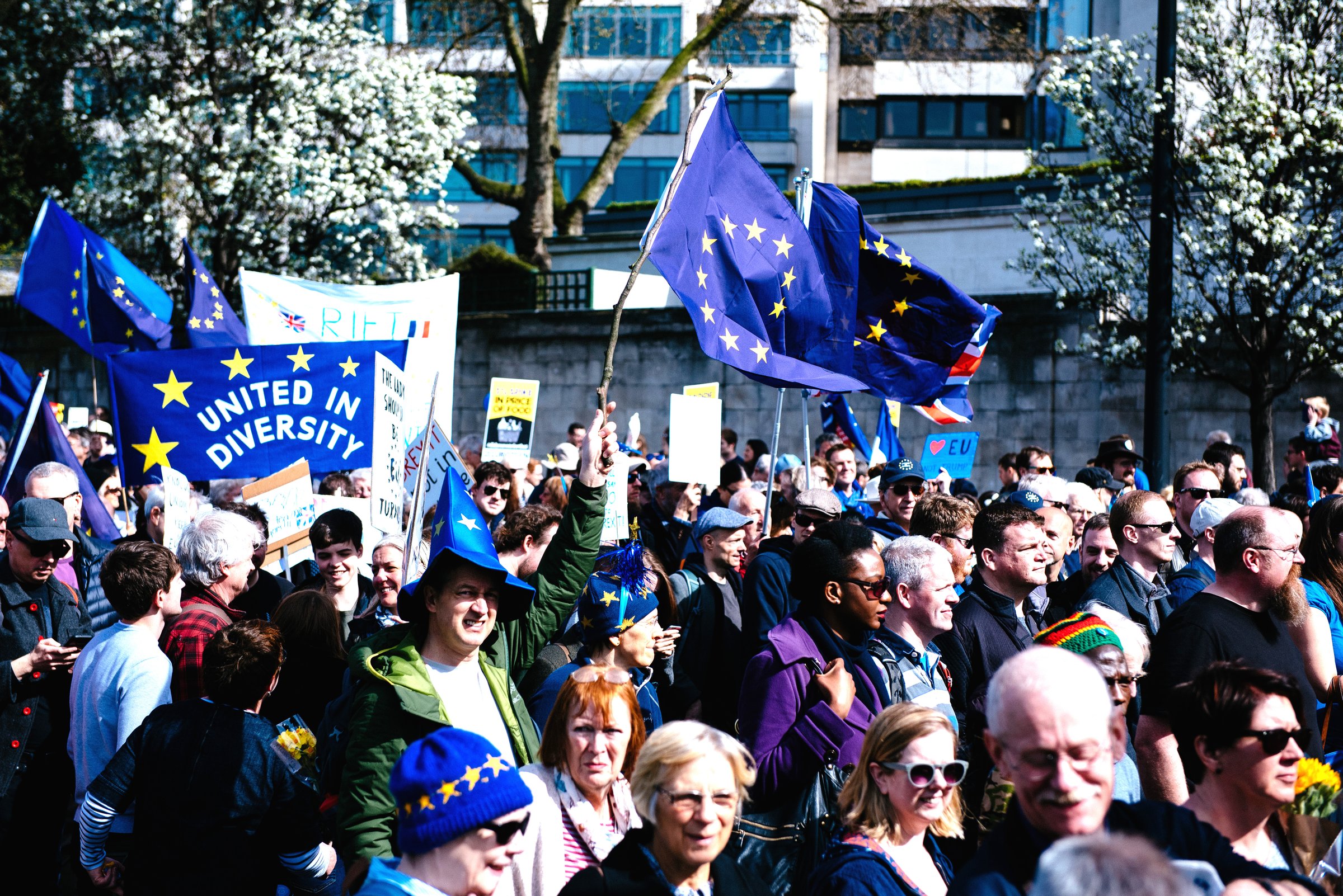
UK prime minister Keir Starmer spent much of 2025 trying to persuade people there was substance to his ‘reset’ on EU-UK relations, which he’s been talking about since taking power in July 2024.
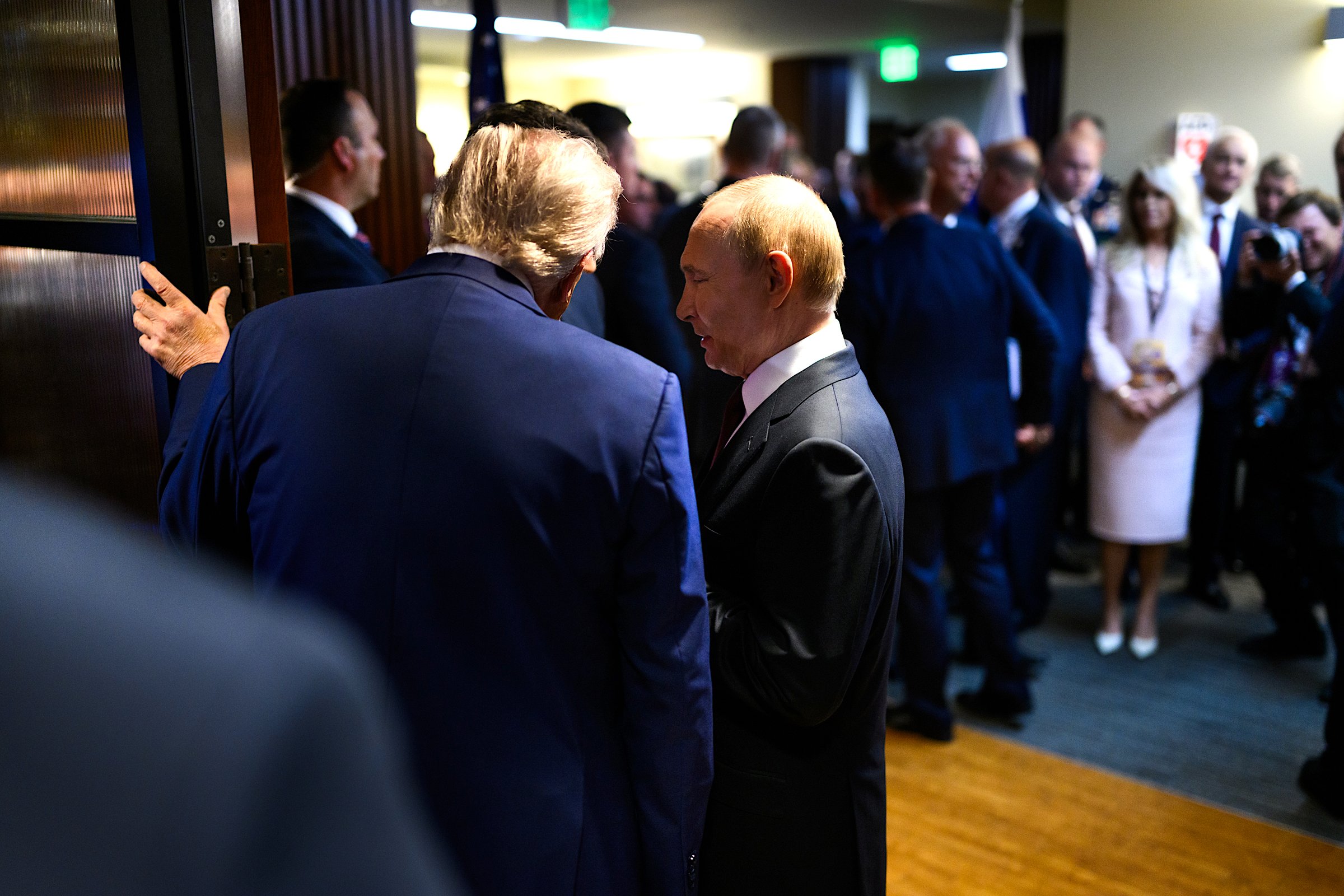
The US show of power in Venezuela could make a Ukraine ceasefire less likely, despite new Paris talks on Western peacekeeping troops.
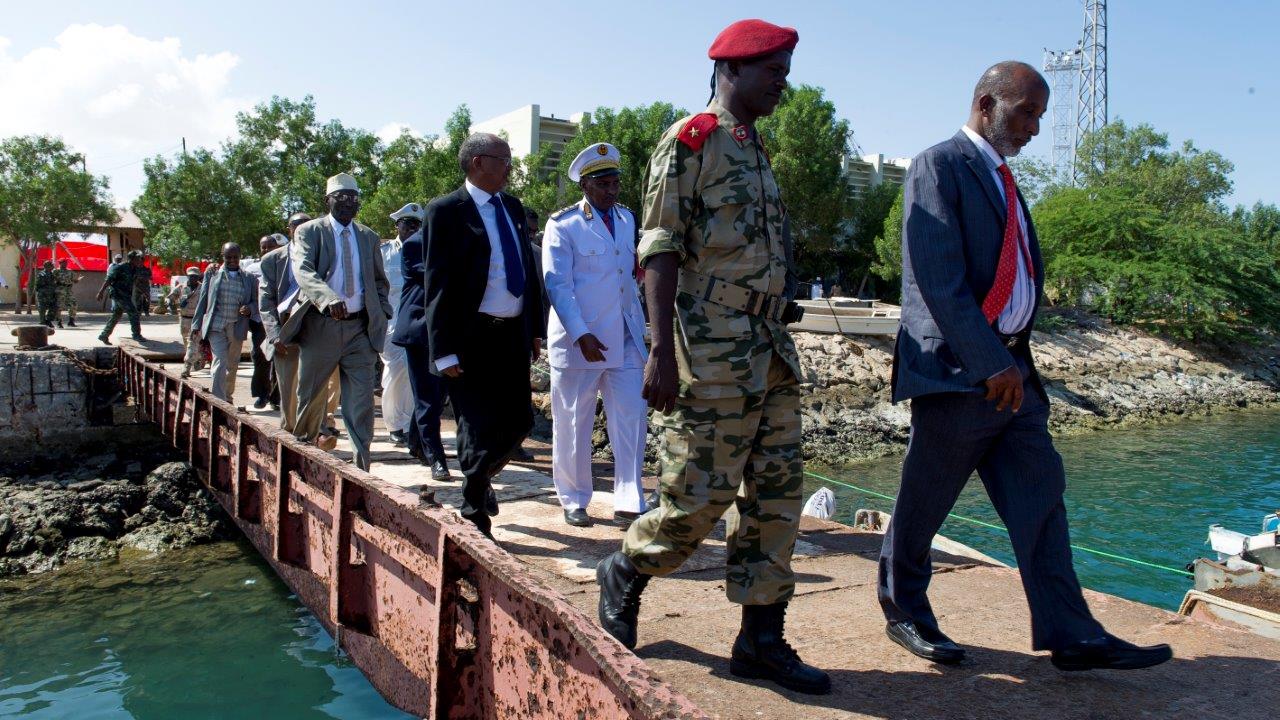
Speculation is growing that Donald Trump will join close ally Israel in recognising the breakaway republic of Somaliland — in a move that would deepen its existing rift with Brussels about the Horn of Africa.

Europe debates shorter workweeks as Poland pilots a four-day model without pay cuts, following mixed experiences and perspectives from the UK, France, Spain, Lithuania and Greece, balancing productivity, wellbeing and competitiveness concerns.
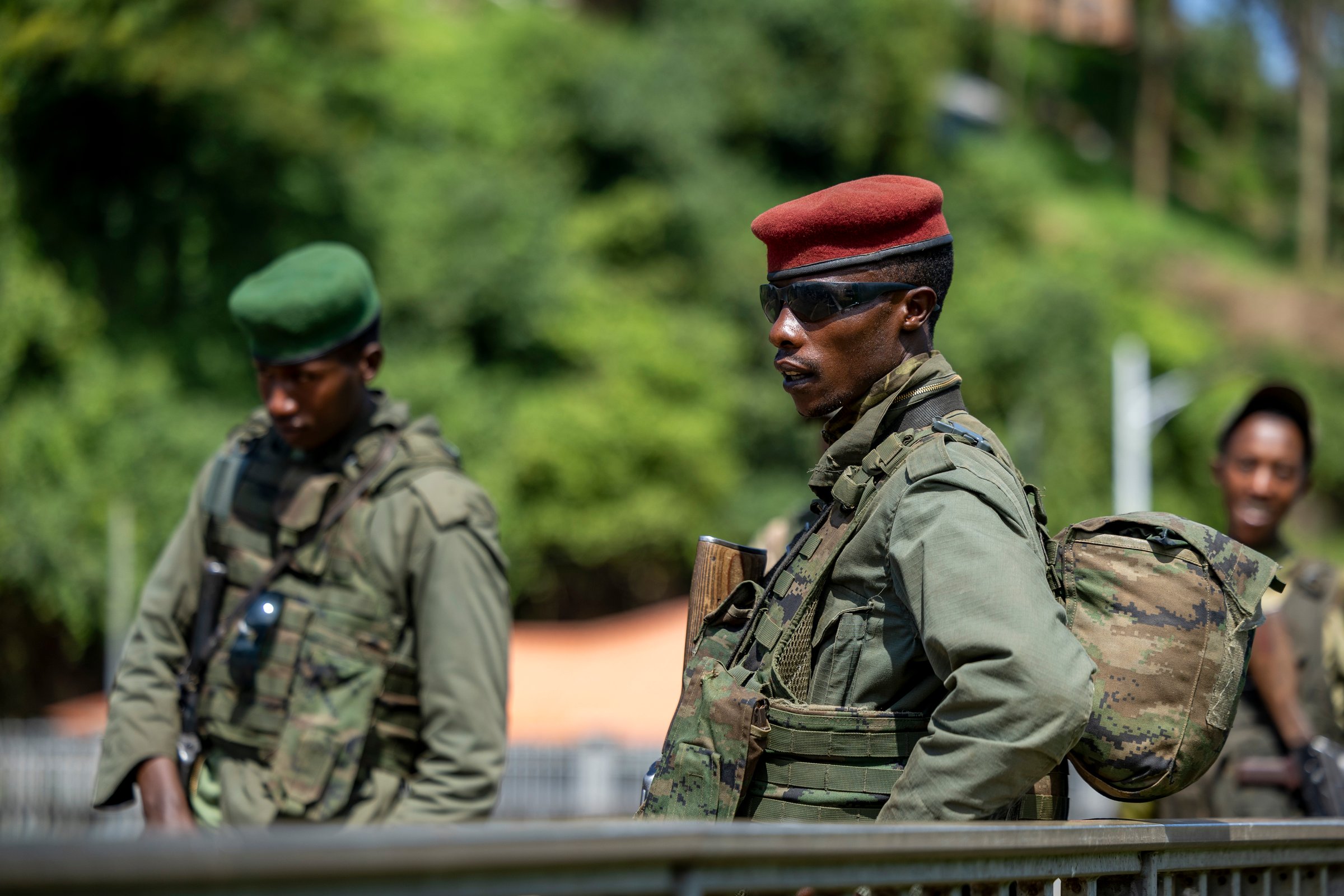
A transactional peace deal brokered by president Trump has paved the way for massive US investment in DR Congo and Rwanda, but the fighting in eastern DR Congo continues.
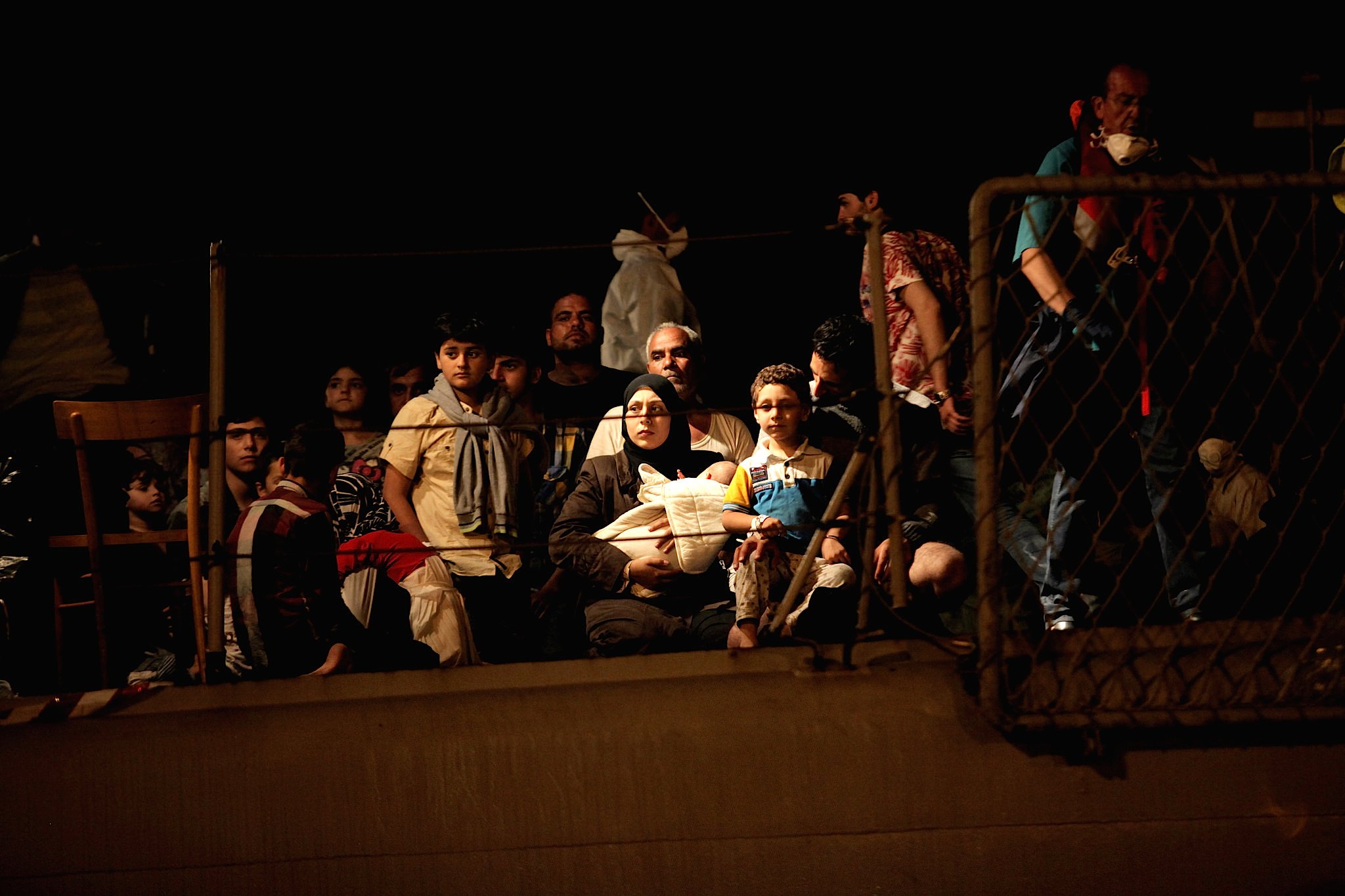
Across Europe, efforts are underway to rewrite the 1951 Refugee Convention. Fear of migration is testing the limits of our humanity.
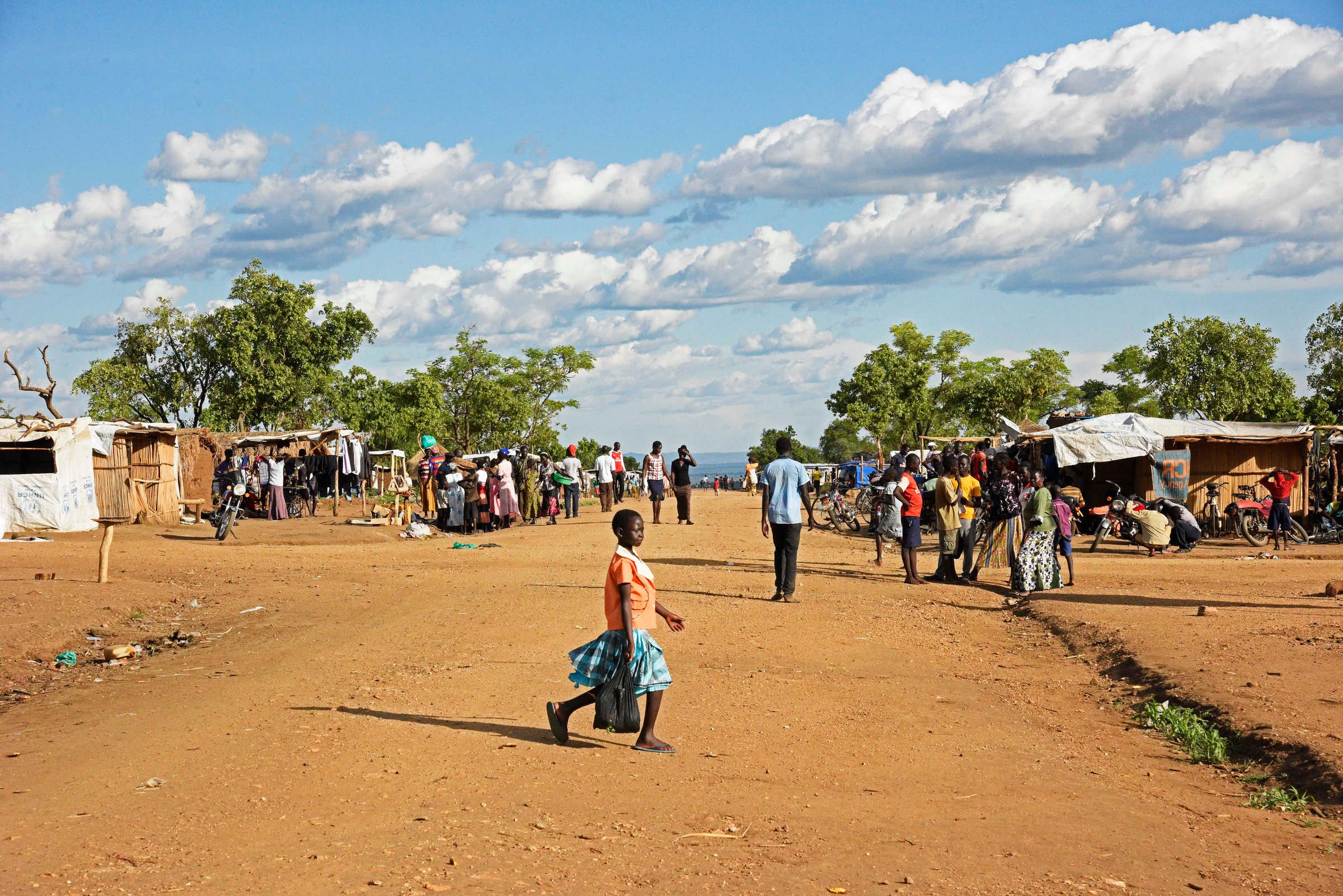
An internal document from the home affairs ministry outlines Austrian plans to turn east African countries into “transit hubs” for rejected asylum seekers — regardless of where they come from.
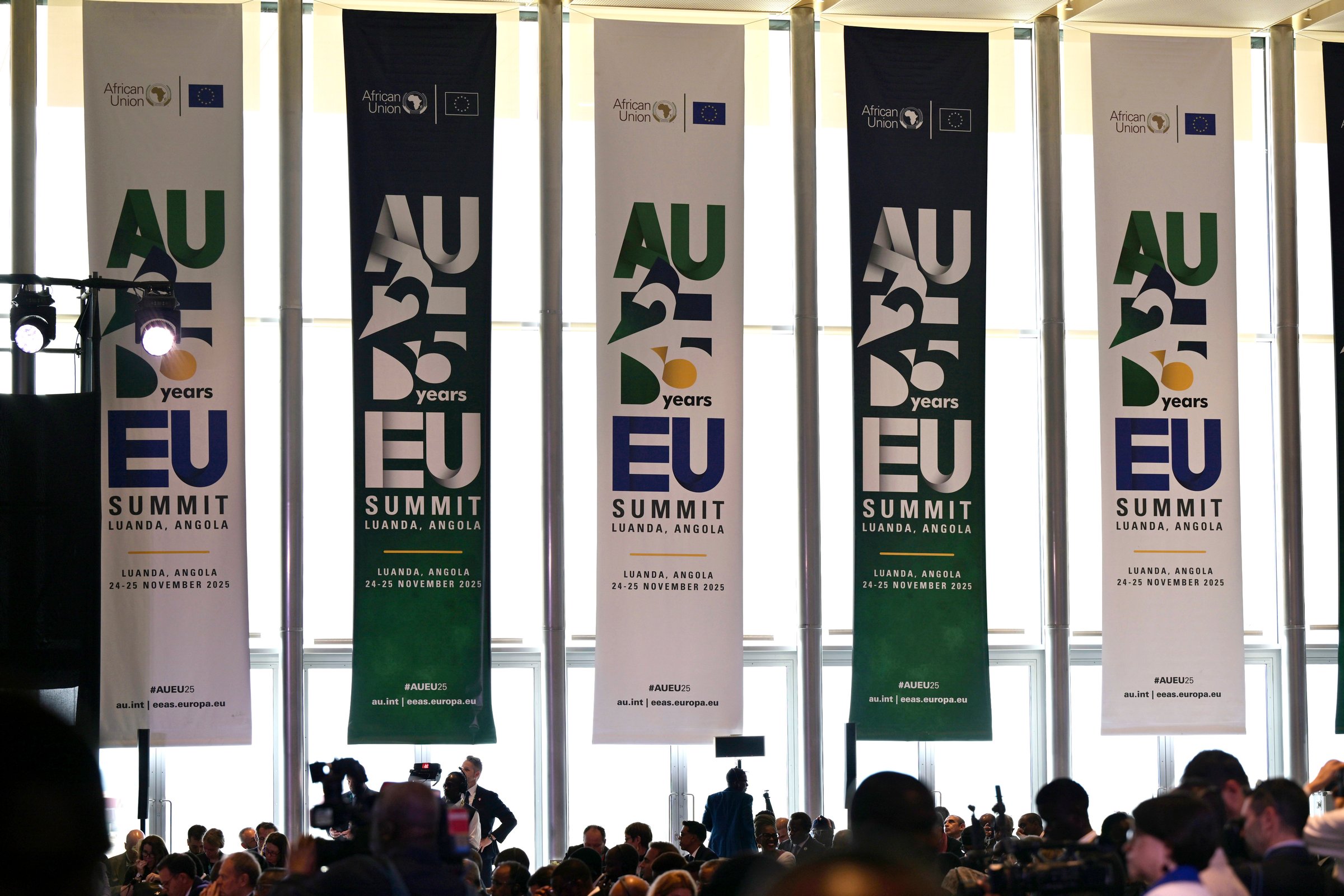
Having made a series of major financial commitments ahead of last weekend’s G20 summit in Johannesburg, there was little left for the EU-AU summit days later.
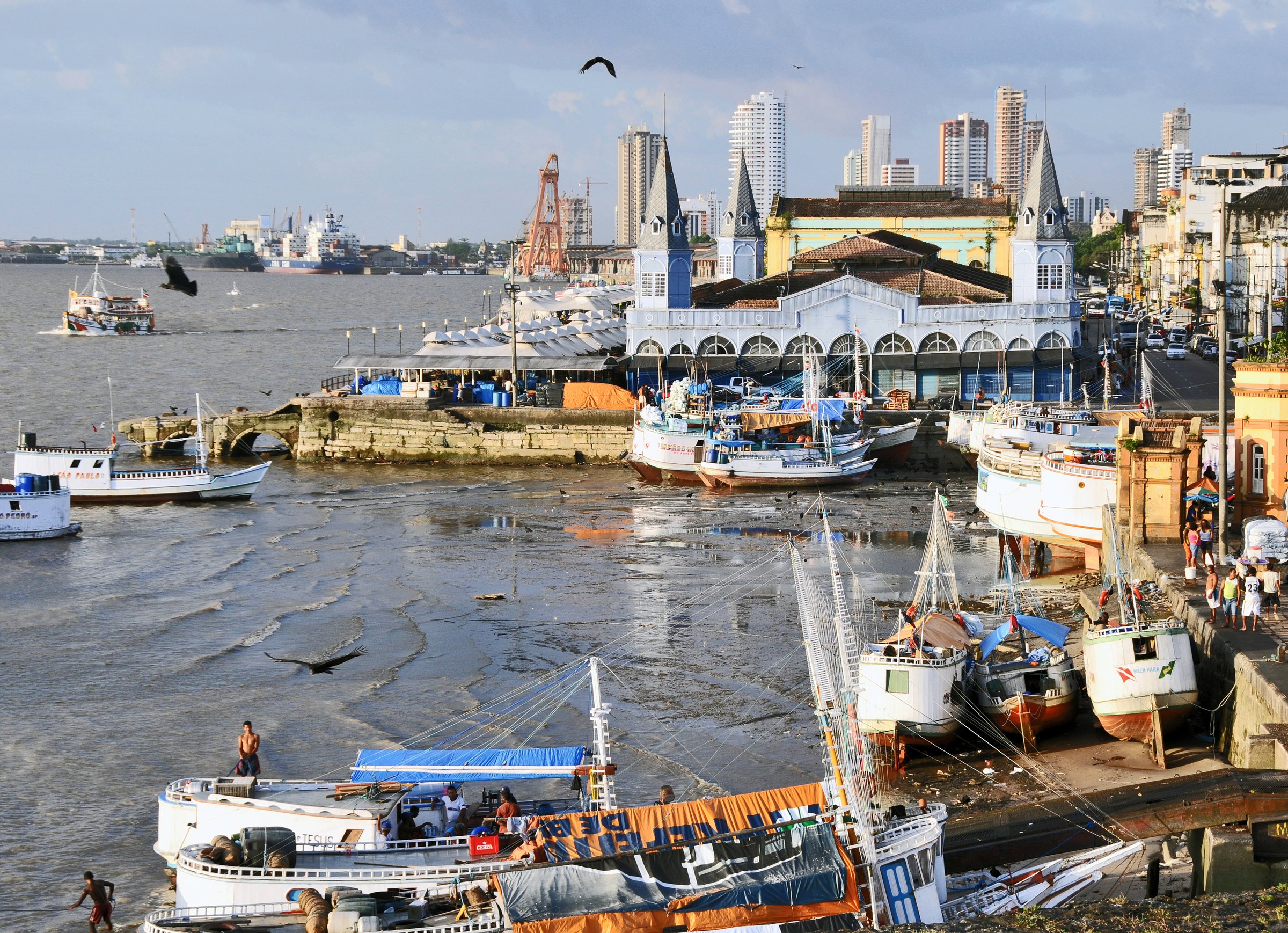
African leaders are pitching for investment in green growth and industrialisation, as Western powers fail to deliver on climate finance commitments.
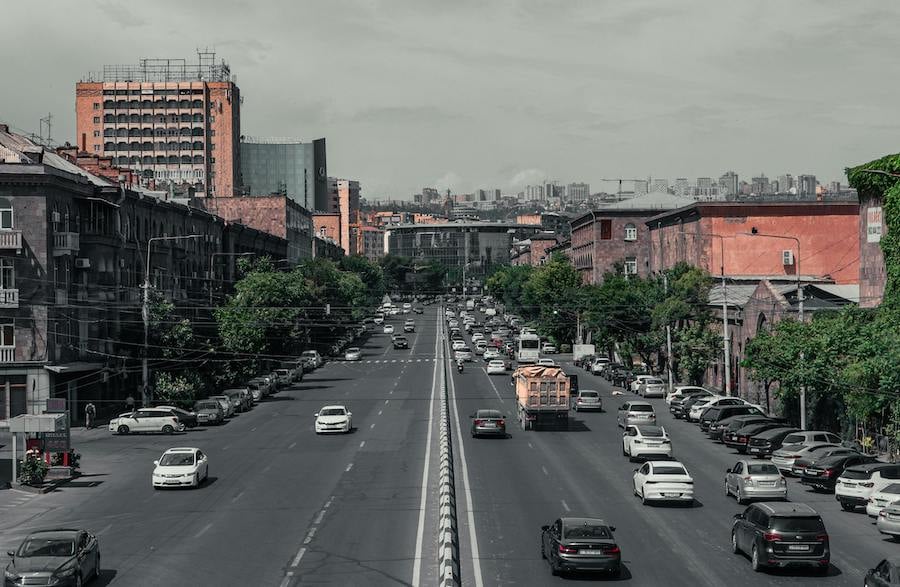
As Georgia rapidly moves away from its pro-European course, Armenia is quietly emerging as the EU’s next ally in the South Caucasus. But despite its European aspirations, it’s heavily dependent on Russia for energy and trade.
