Listen: Is the EU rolling back its pesticide rules?
A banned chemical, a divided nation, and Europe’s shifting rules: France reopens a heated debate over pesticides, public health, and industry pressure — as the EU hints at rolling back protections
A banned chemical, a divided nation, and Europe’s shifting rules: France reopens a heated debate over pesticides, public health, and industry pressure — as the EU hints at rolling back protections
Are Europeans truly ready for a Russian threat? As Ukraine endures war and peace talks stall, Léa Marchal examines EU defence preparedness, spending gaps, and the warnings of President Zelensky. Is Europe acting fast enough? The short answer is no.
From Italy to Poland, Europe’s far right keeps radicalising. New extremist parties, shifting norms, social media and democratic fatigue—how did the unthinkable become mainstream politics across the continent today now?
The EU welcomed the reopening of the Rafah crossing between Gaza and Egypt earlier this week. Meanwhile, Israeli authorities are blocking many NGOs from delivering humanitarian aid in Gaza, raising concerns over violations of the agreed peace plan. Will the EU take a stand on these human rights breaches?
As Europe races for green tech, mining projects spark protests from Sweden to Portugal. With China’s dependence looming, is the EU abandoning environmental caution to secure a critical raw materials supply? Does this mean we are observing a shift from a precautionary approach?
Abortion bans pushed Polish women to seek risky or costly alternatives. Now the EU faces a showdown: can a new solidarity fund guarantee safe access across borders, or will politics block women’s rights again?
Spain wants to regularise half a million undocumented migrants. Meanwhile, the rest of Europe is busy toughening migration rules. Is Spain the very last country on the continent to have a positive message around migration?
France and several EU states want to ban social media for under-15s over mental health risks, but a lack of enforcement looms large. An e-ID system could enable age verification and revive debate on an EU-wide age limit.
Train accidents, floods in Valencia – every disaster in Spain strongly reignites political battles. Using tragedy for political gain is widely condemned. Is this a typical Spanish thing, or is the taboo weakening?
What exactly did European Parliament vote for around the EU–Mercosur trade deal, what could the judges decide, and how much power does this really give lawmakers over one of the EU’s biggest trade agreements?
Germany and France have been trying to maintain a friendship since the 1960s — a friendship that is supposed to guide the rest of the continent. However, this doesn’t really work anymore. Why do they struggle to find a united position on Donald Trump’s ongoing threats? Could this lack of unity hamper Europe’s response?

In this episode of Europe Talks Back, Evi Kiorri speaks with Ina Delić, youth engagement officer at Caritas Europe, and part of the very generation she’s advocating for, about the lived reality of Europe’s housing crisis, and what it means for young lives and futures.
Loneliness doesn’t stop at city limits or country borders. In this episode of Europe Talks Back, Evi Kiorri explores how isolation takes root in both Europe’s bustling cities and its quiet rural towns.
In this episode of Europe Talks Back, Evi Kiorri explores what life is really like far from the cities, speaking with Emanuele Monaco, who left urban life to build a distillery in rural Puglia, Italy.

In this episode of Europe Talks Back, Evi Kiorri examines how digital tools, remote work, and workplace expectations are taking a toll on us and whether the growing push for a legal right to disconnect can help turn things around.
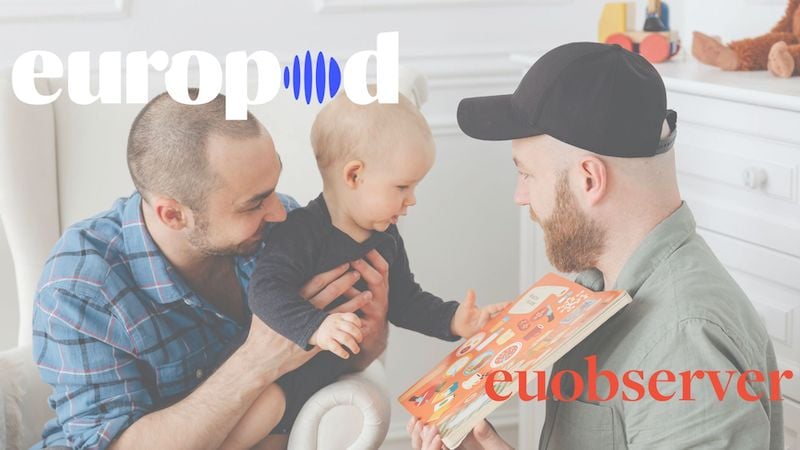
What does it really mean to be a rainbow family in the European Union? In this episode of Europe Talks Back, Evi Kiorri explores the promise and the shortcomings of the European Certificate of Parenthood, a regulation meant to ensure that parenthood rights are recognised across all 27 EU countries.
In this episode of Europe Talks Back, Evi Kiorri explores how Europe’s so-called culture wars are used to divert attention from structural economic issues.
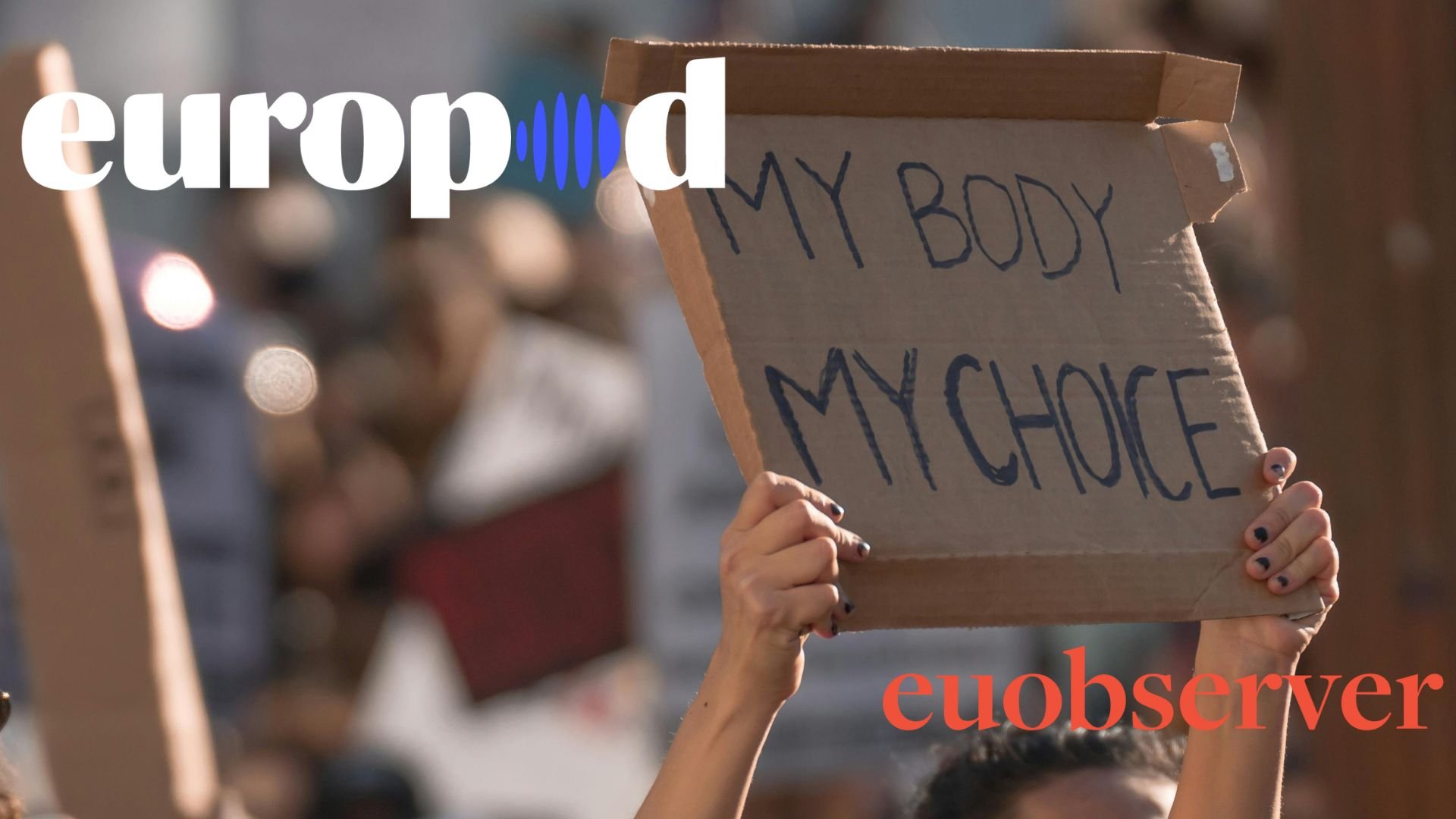
In this episode of Europe Talks Back, Evi Kiorri examines the historical and current influence of religious institutions on abortion policy across Europe, and the political forces maintaining these restrictions.
Why is the legal recognition of femicides a taboo? And, beyond that, are we doing enough as societies to respond effectively to femicides?
Some European countries are already testing the four-day workweek, and the results are in higher productivity, happier employees, and less burnout. But while some are working less, others are working more, like in Greece, where a six-day workweek has been introduced in certain sectors.
