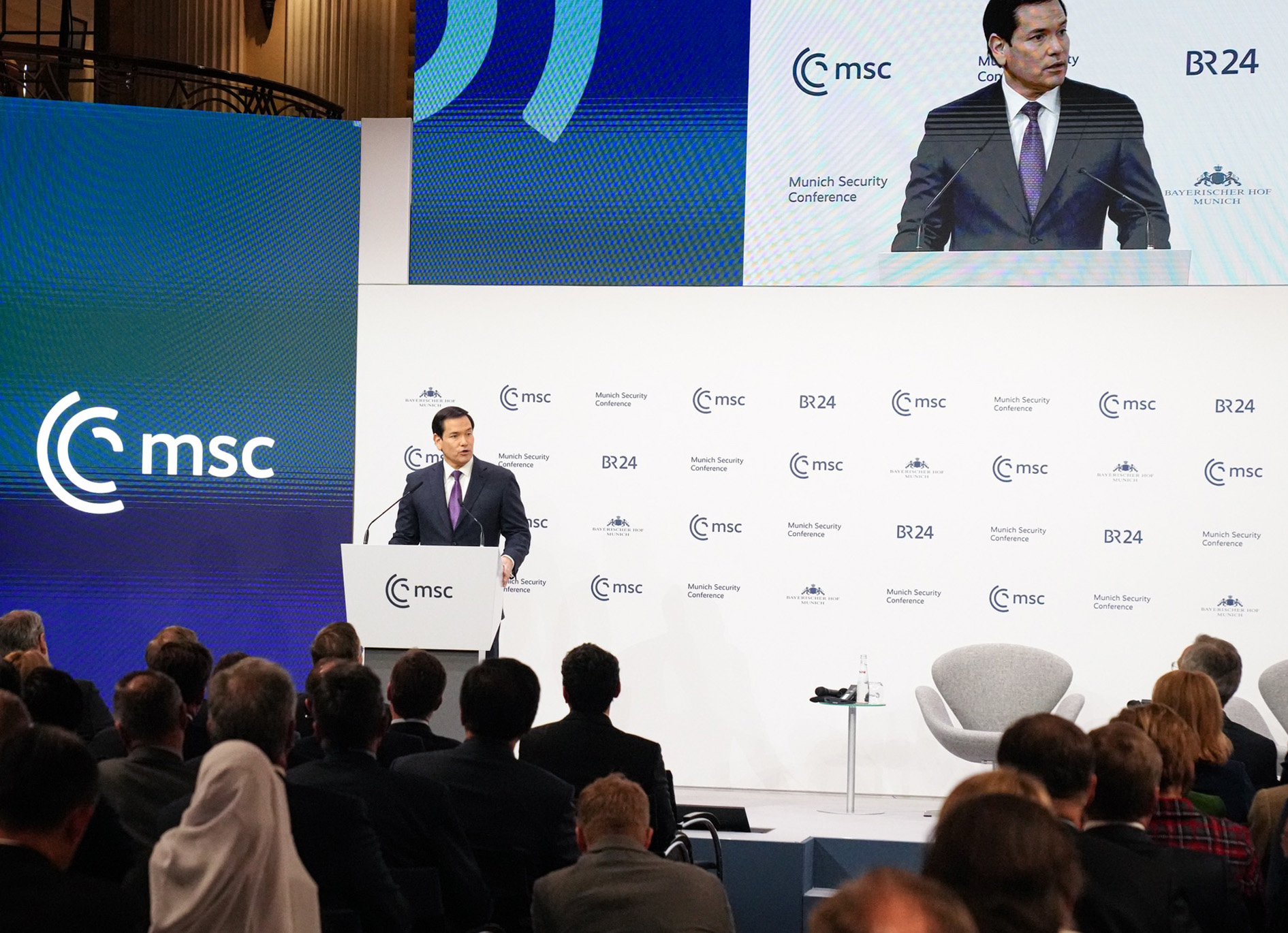
Rubio ‘reassures’ EU in Munich, still trumpets far-right values
The EU’s political elite gave a standing ovation and breathed “relief” after a US message of “reassurance” in Munich, even though it was larded with far-right tropes.
EUobserver provides reporting on the war in Ukraine, tracking the Russian invasion, EU accession negotiations, and military assistance. We analyze Ukraine’s reconstruction, energy security, and the legal status of frozen Russian assets. Our coverage monitors Kyiv’s integration into the EU single market and the European Union’s long-term financial support strategies.
The EU’s political elite gave a standing ovation and breathed “relief” after a US message of “reassurance” in Munich, even though it was larded with far-right tropes.
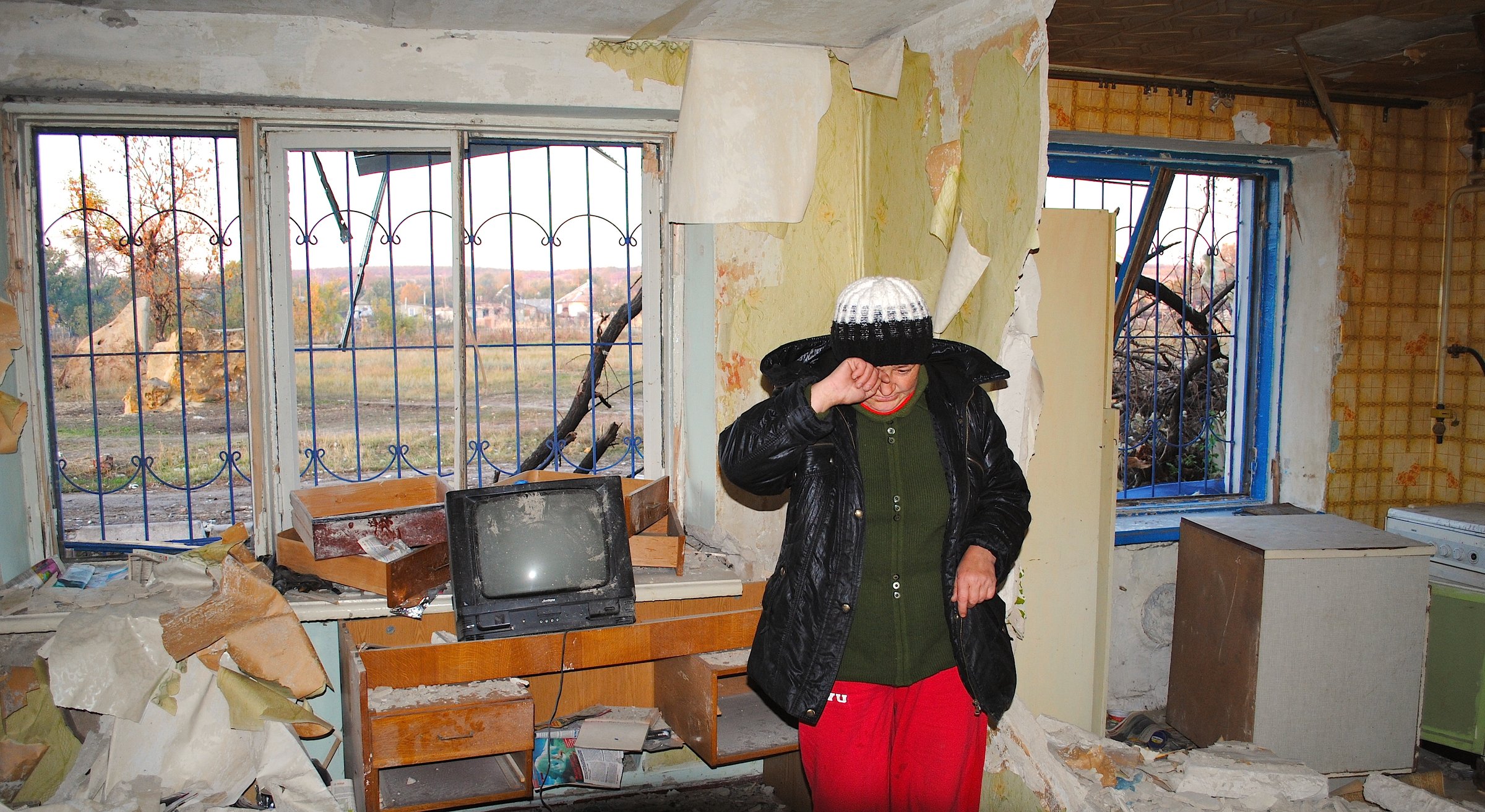
“There were more civilians killed and injured in 2025 than in the previous three years,” Bernadette Castel-Hollingsworth, who heads the UN refugee agency’s division in Ukraine, told EUobserver
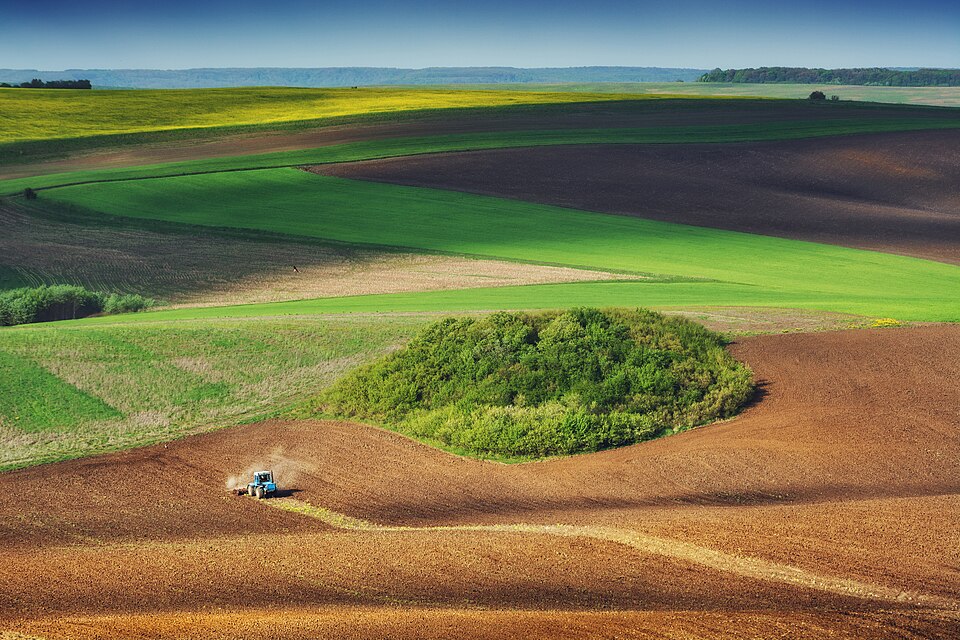
Ukraine’s agriculture industry has faced numerous challenges since Russia’s 2022 invasion. While farmers have battled to maintain production, Ukraine’s exports have caused friction with EU member states. What began as an emergency lifeline for a country at war has evolved into a structural shift — one now testing political solidarity inside the EU.
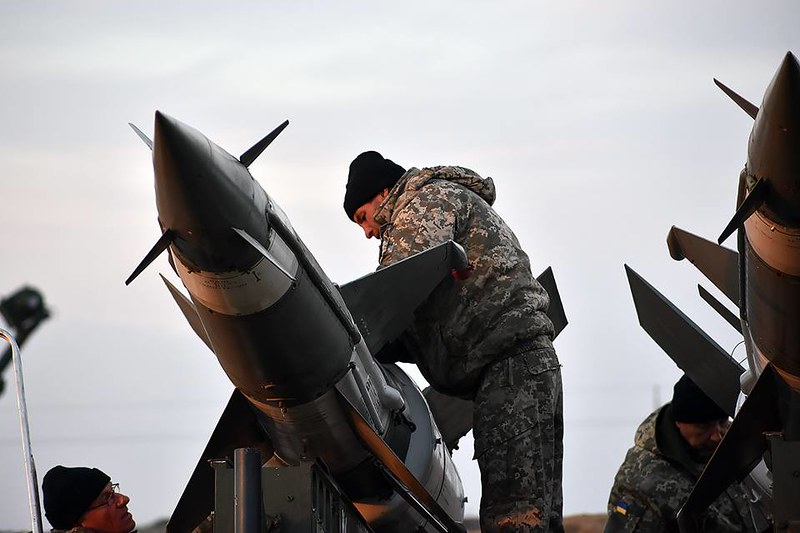
Ukraine will set up 10 export hubs across Europe to sell surplus military equipment, giving the EU access to new, battle-hardened technology.
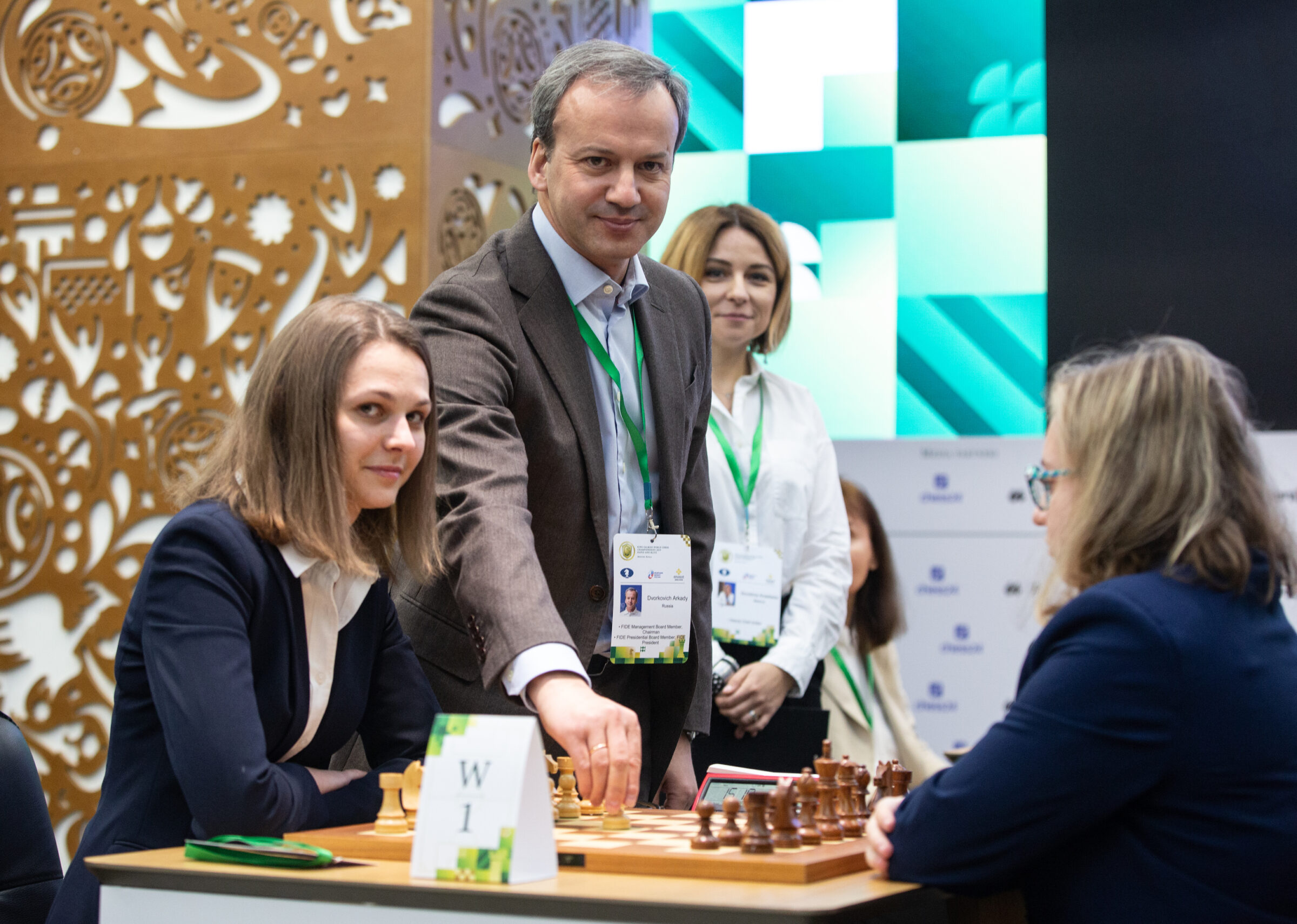
Russia’s world chess king and Asian sanctions-busters feature in the draft new round of EU measures, which also cover chemical weapons, killer drones, mercenaries in Belize, crypto, and salt.
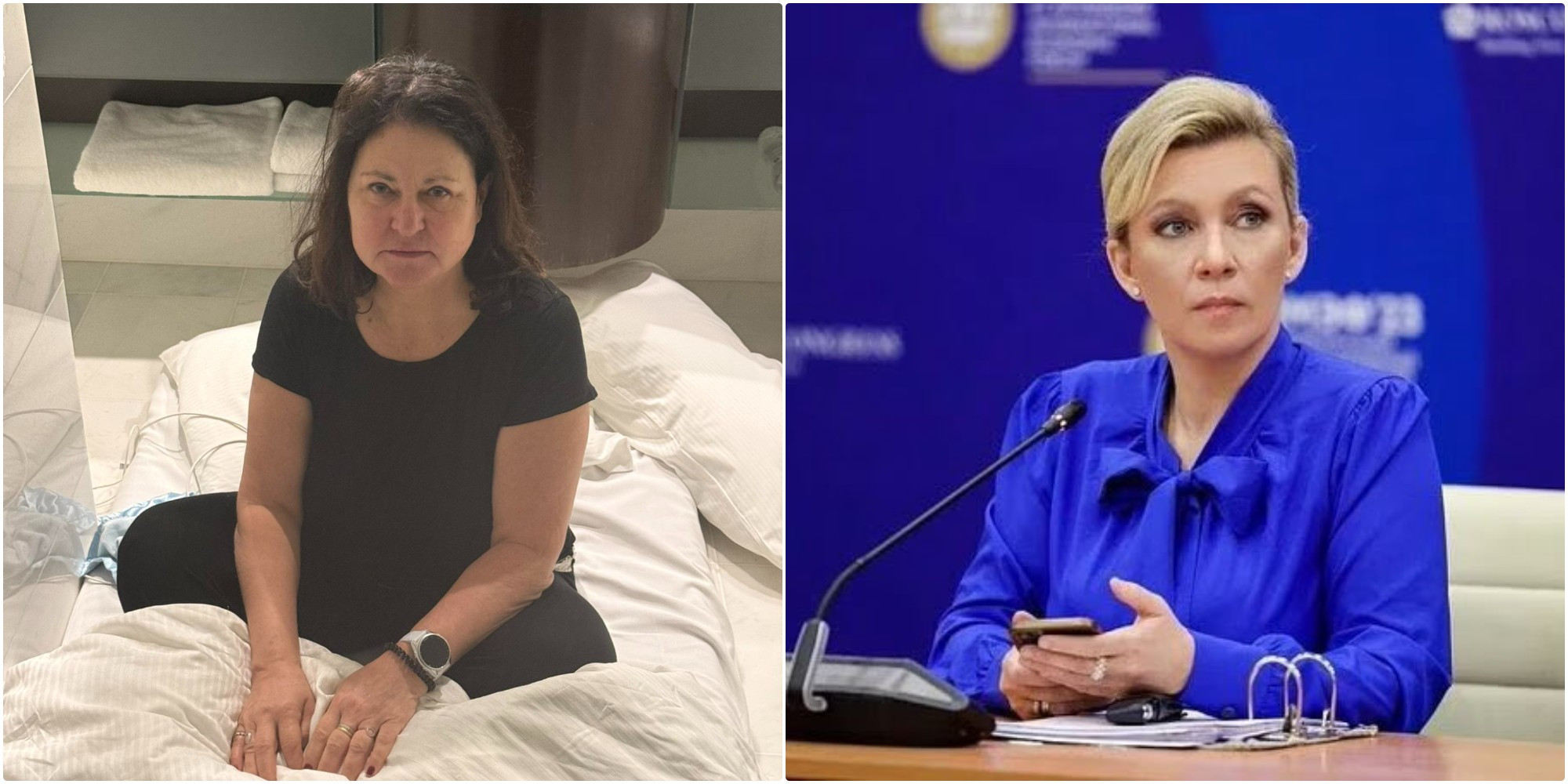
The head of the EU delegation in Kyiv, Katarína Mathernová, says the Ukrainian capital is facing a winter humanitarian catastrophe, due to Russian attacks on the heating supplies.
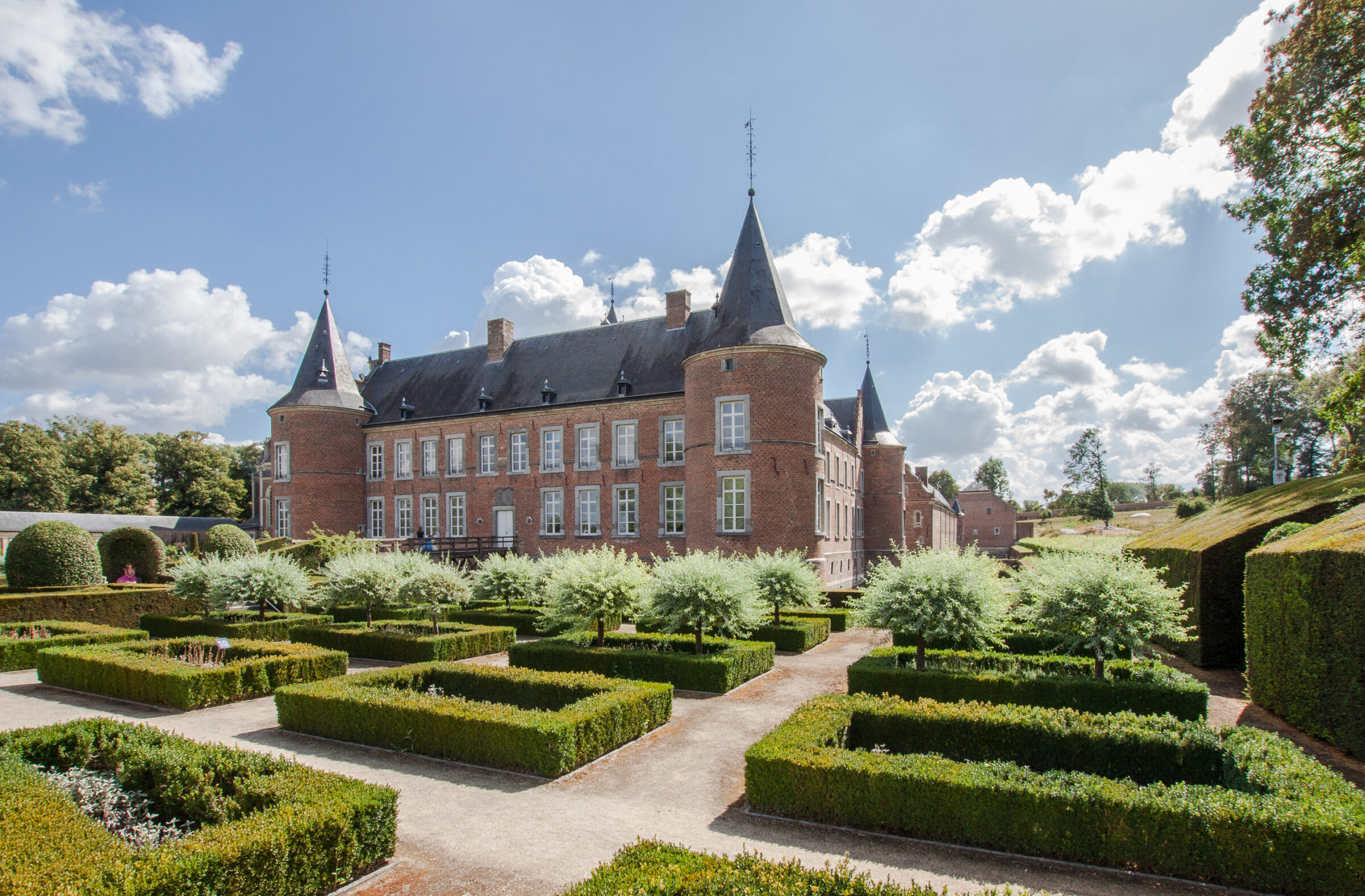
This week, EU leaders will meet in Alden Biesen to discuss economic reforms and competitiveness, while the Munich Security Conference takes place from Friday to Sunday. In Strasbourg, MEPs will vote on housing, defence, climate, migration, and Ukraine aid.
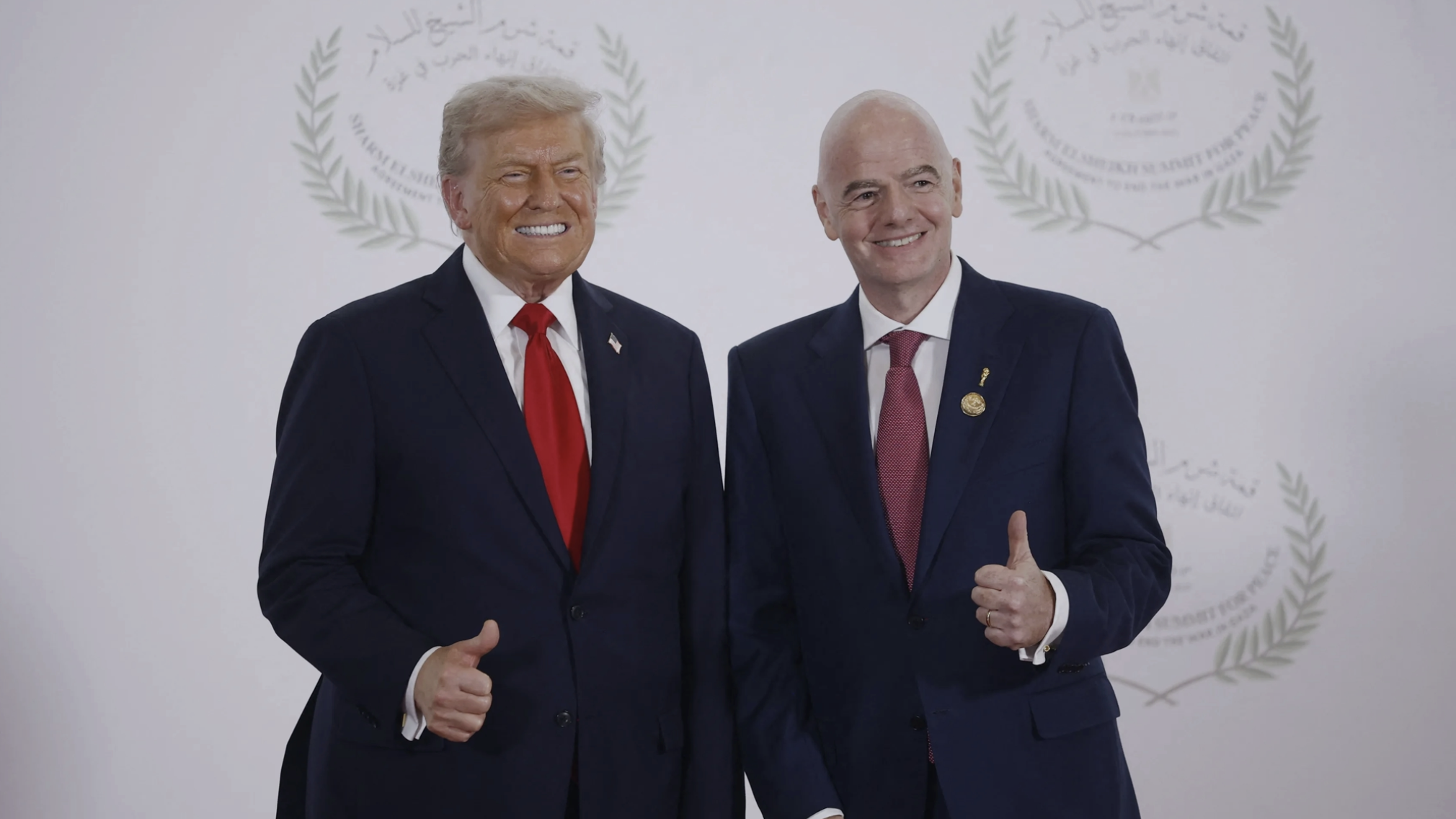
The European Commission has voiced opposition to Russia’s reinstatement in international football, following FIFA’s announcement that it is ready to lift the ban imposed in 2022 after Moscow’s invasion of Ukraine.
Are Europeans truly ready for a Russian threat? As Ukraine endures war and peace talks stall, Léa Marchal examines EU defence preparedness, spending gaps, and the warnings of President Zelensky. Is Europe acting fast enough? The short answer is no.
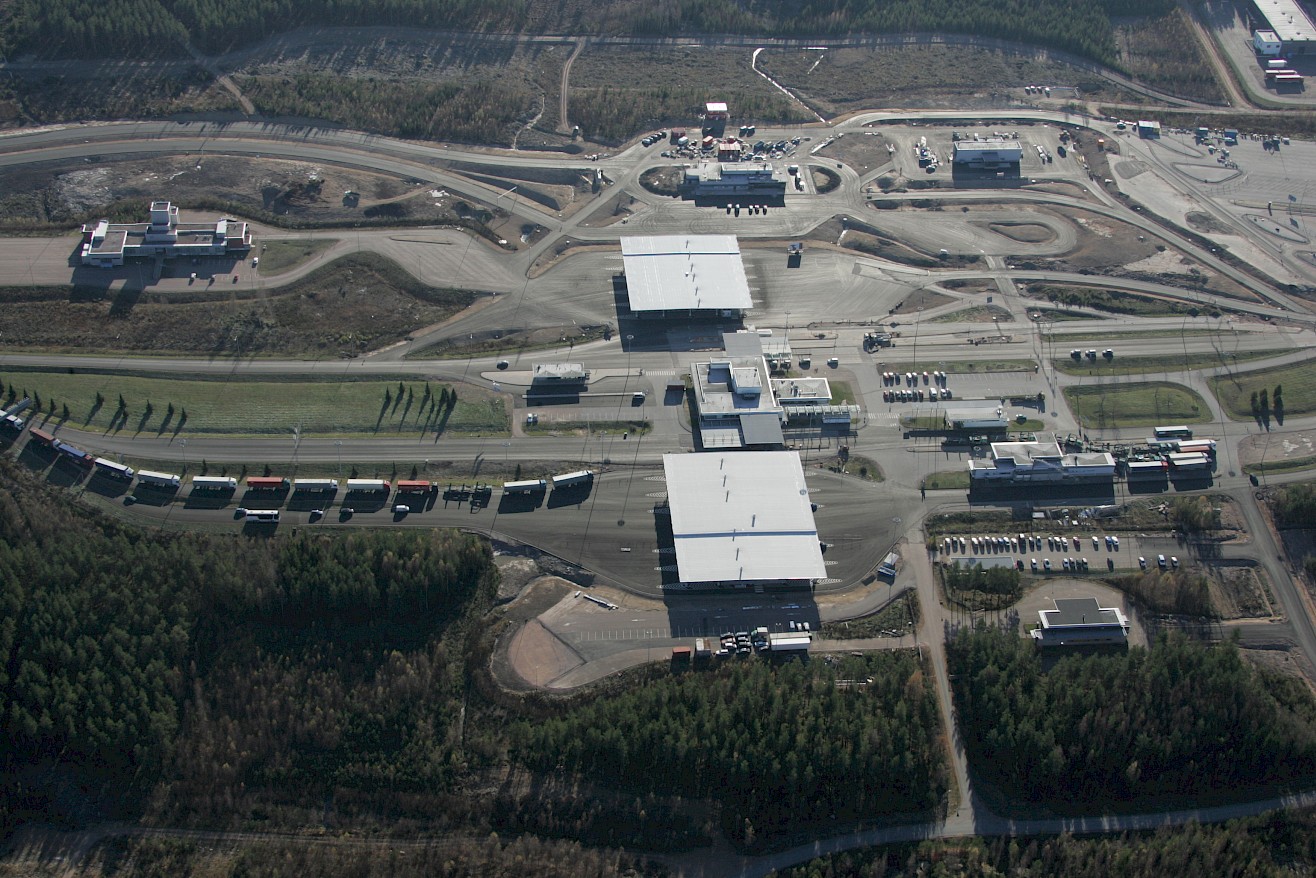
As the EU Commission implements its Preparedness Union Strategy announced in March 2025, Finland stands among the very few member states that have already operationalised what Brussels is still designing.
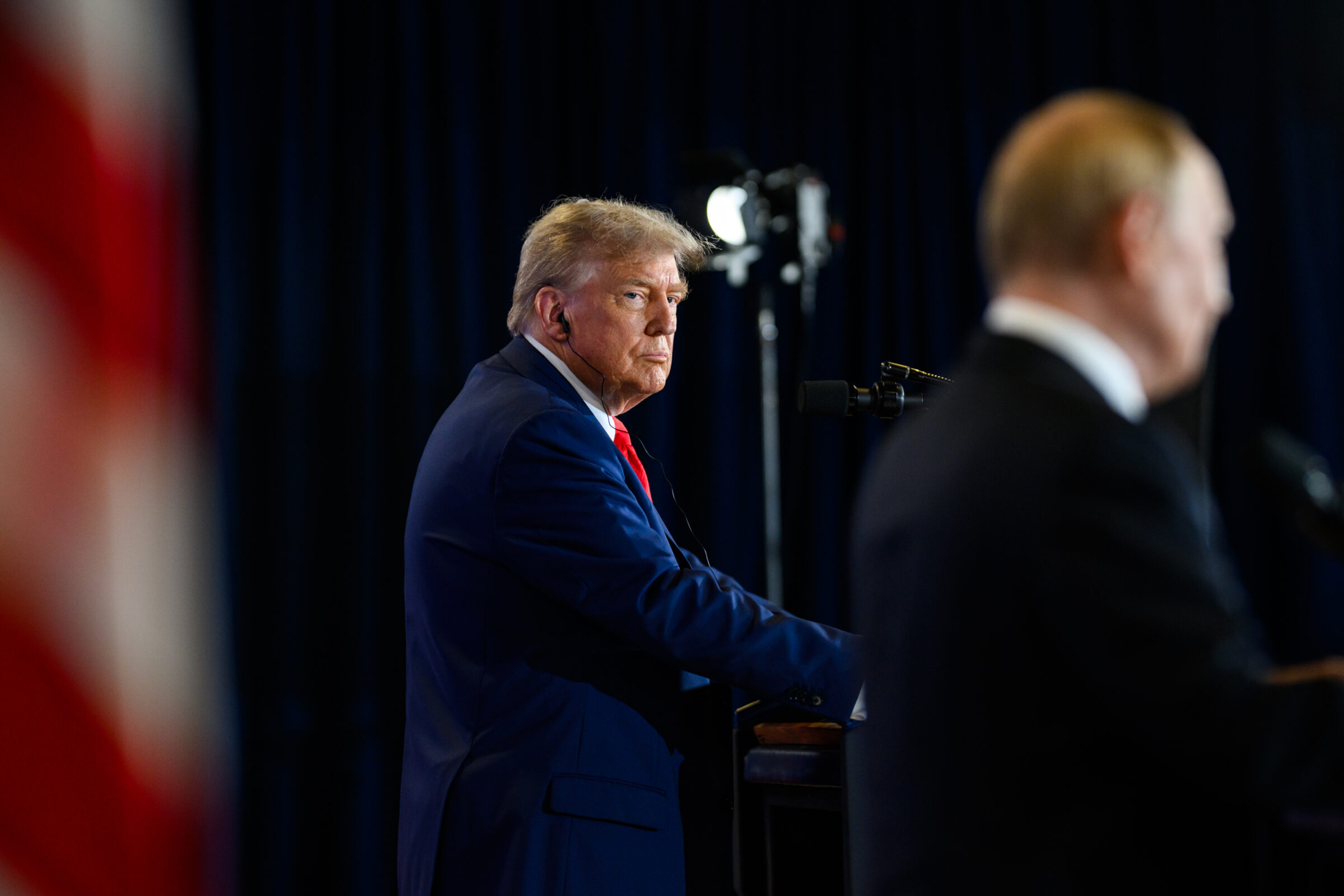
Any new US-Russia deal on strategic nuclear bombs would have mostly “symbolic” value, as France and Germany focus on tactical threats instead.
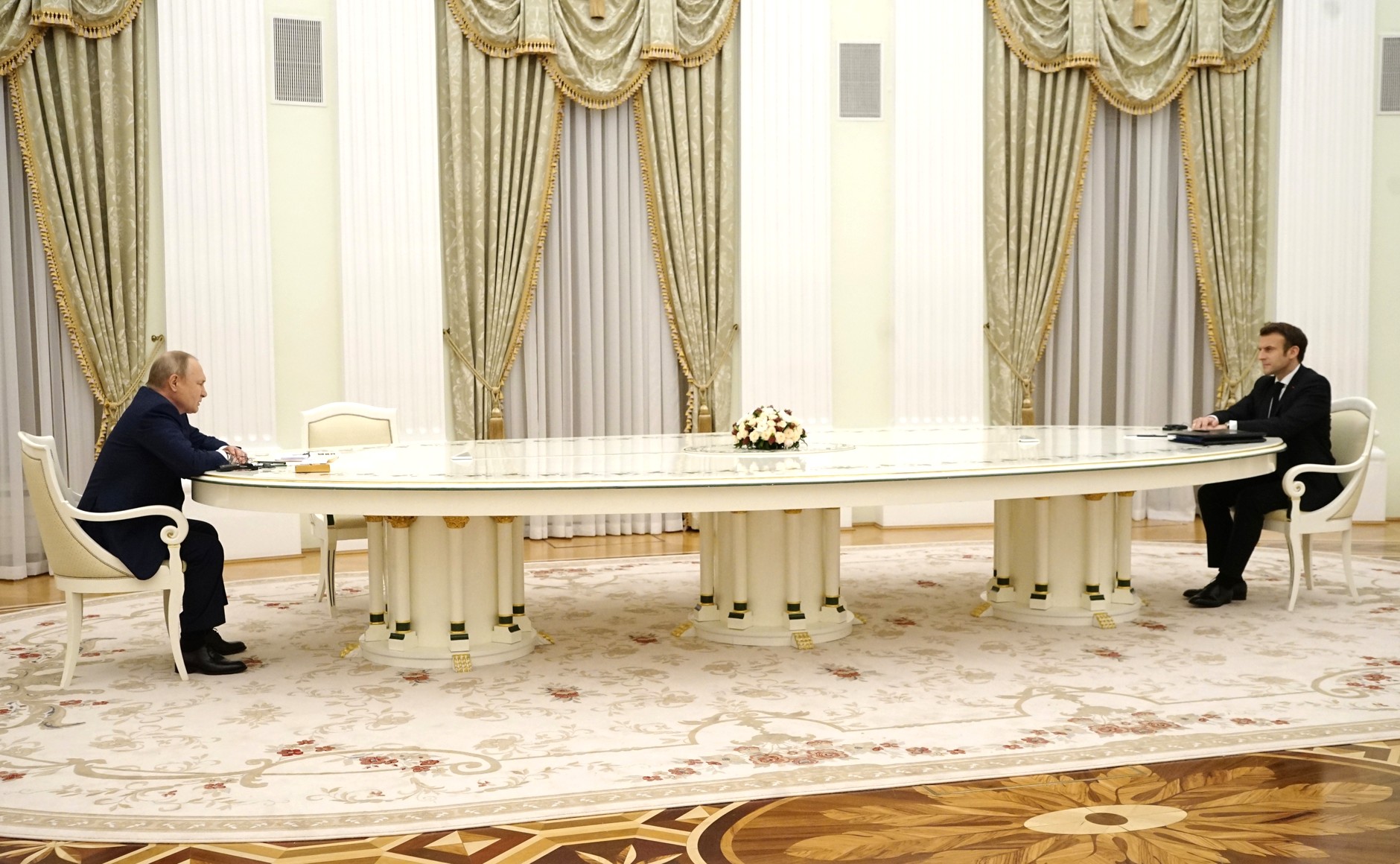
The move would de facto end Russian president Vladimir Putin’s diplomatic isolation by the West over his full invasion of Ukraine.
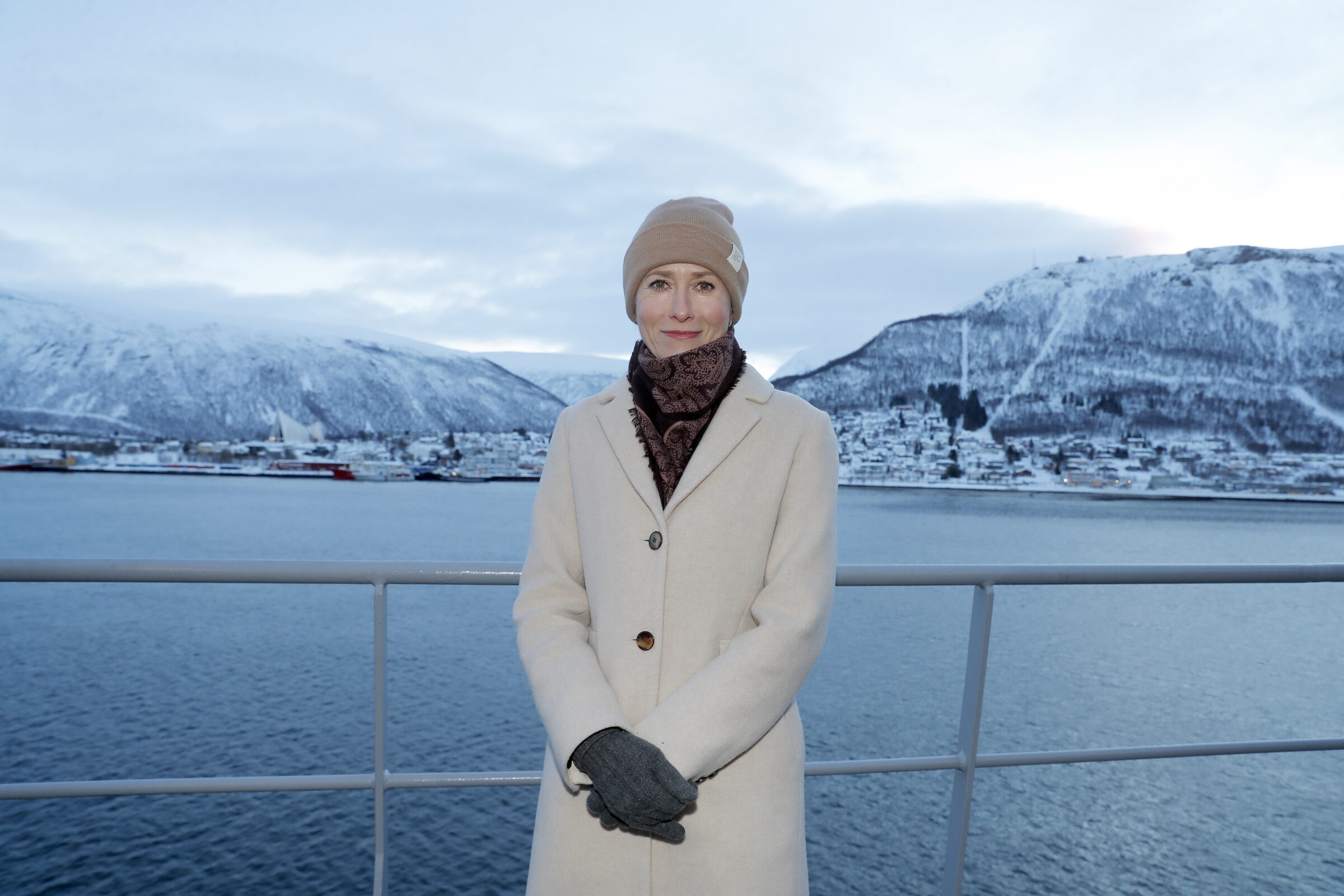
EU foreign policy chief Kaja Kallas said she didn’t know “what comes next” with US claims on Greenland, but Europe remained sure Russia was a long-term threat.
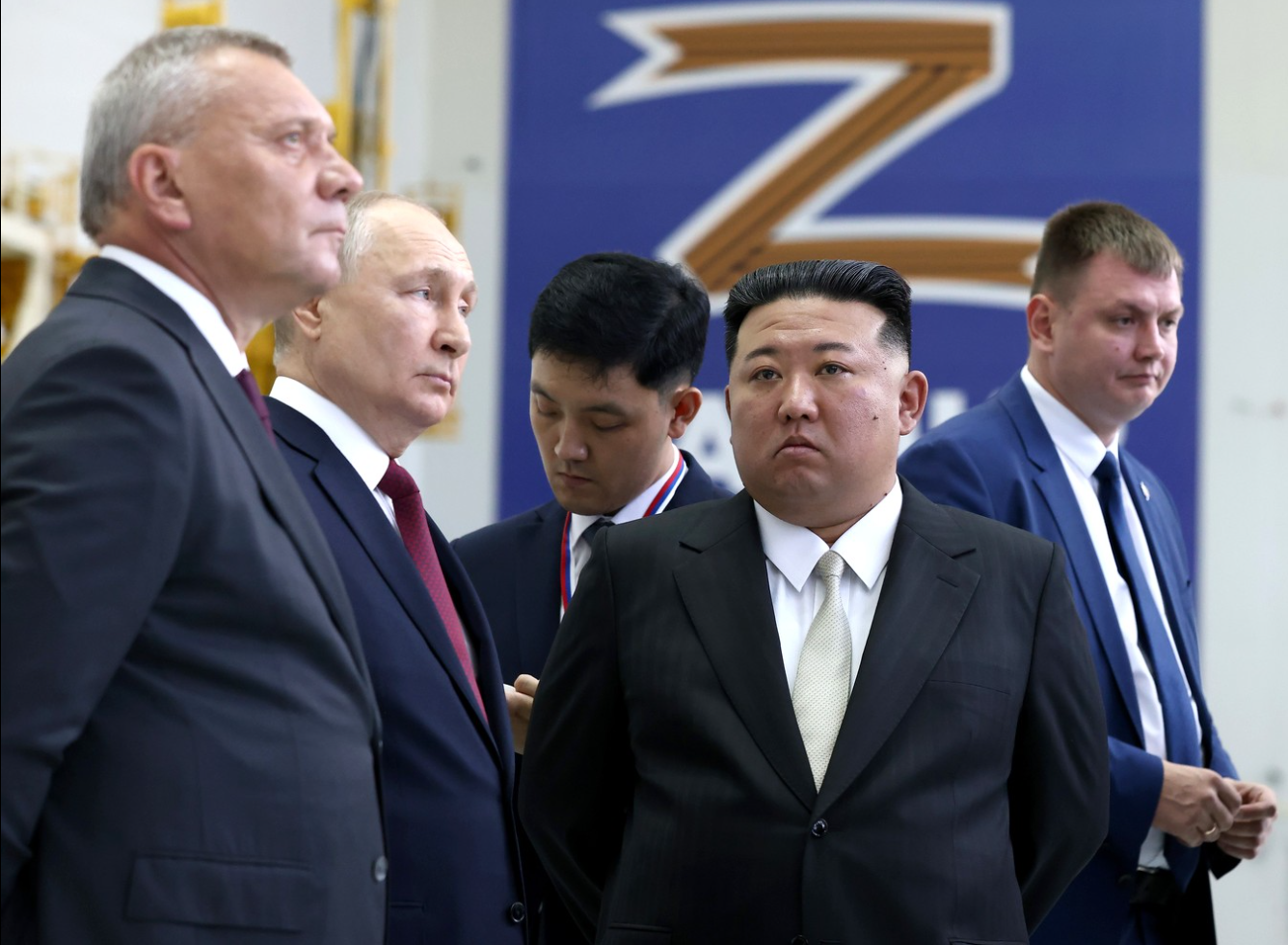
The EU decisionmakers have not updated the North Korea sanctions list in almost two years, even though the DPRK is fighting a war in Europe.
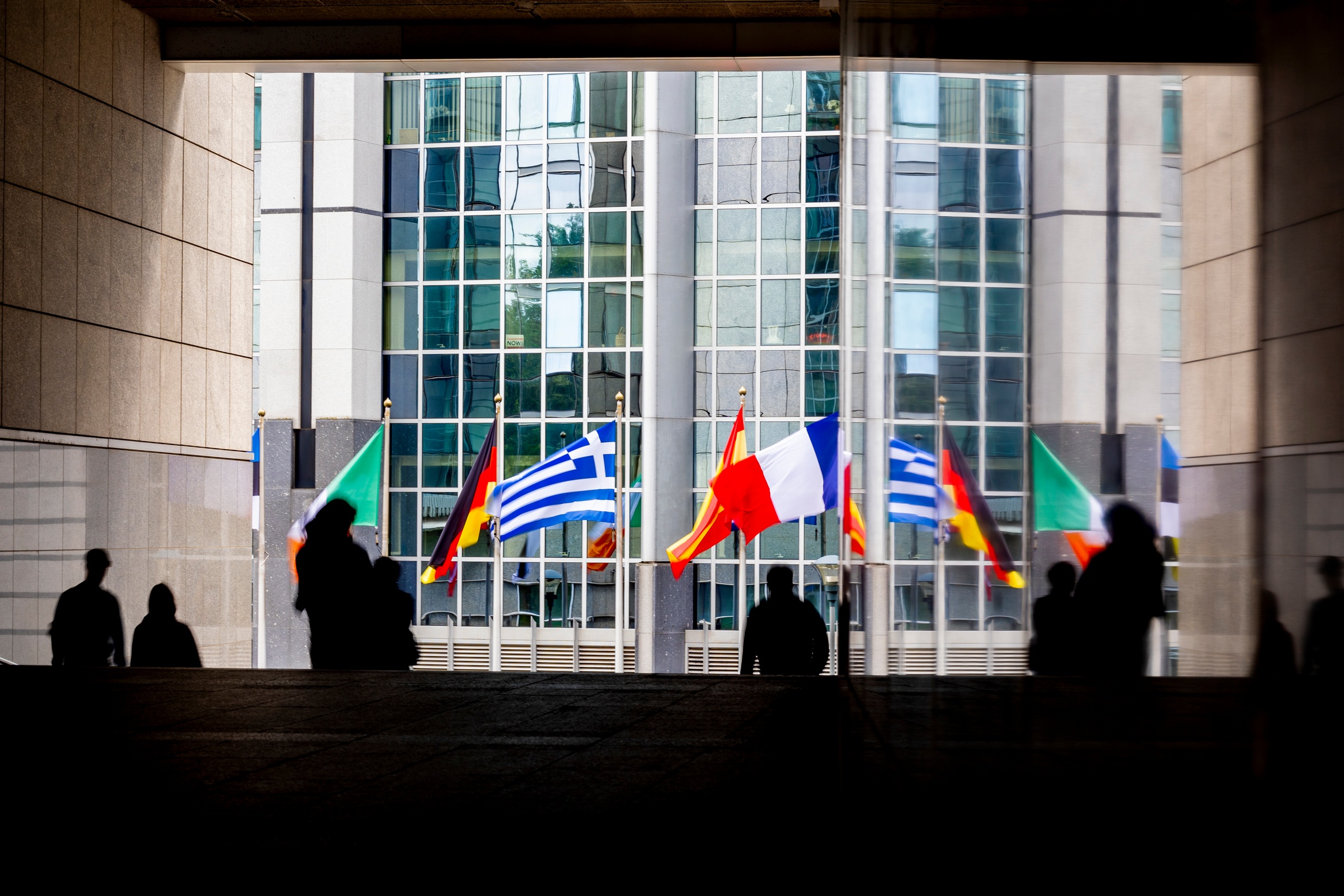
This week, the EU advances its agenda with new Russia sanctions, a potential deal on the €90bn Ukraine aid package, the EU’s budget amendments, and talks on the US-EU trade deal.
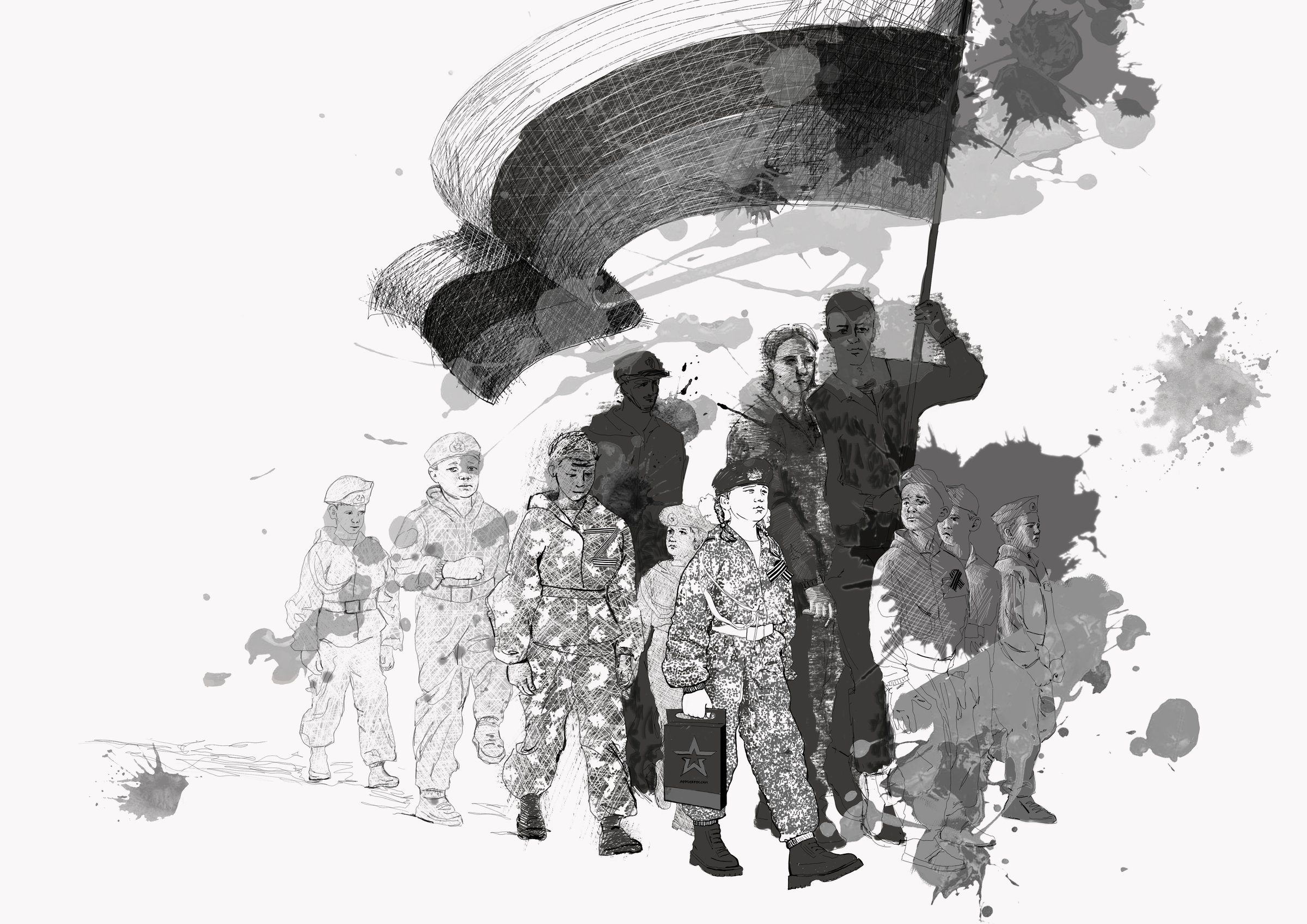
When Russian forces occupy a Ukrainian town, schools are often targeted first. An investigation into hundreds of Telegram posts from Russian propaganda channels operating in occupied Ukraine since 2022 reveals a systematic campaign to militarise and indoctrinate children through schools.
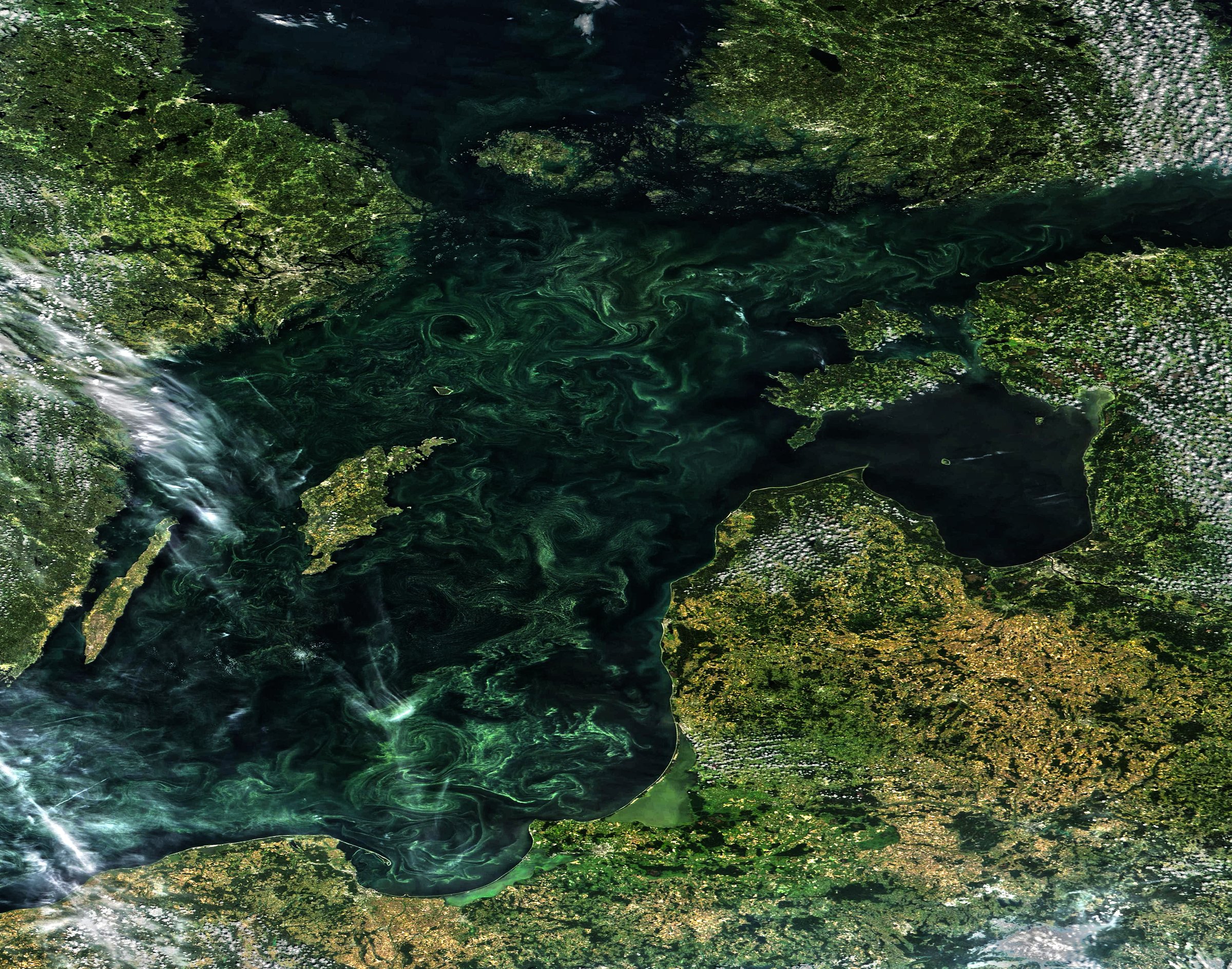
Coastal EU states have signalled a harsher crackdown on Russia’s ‘shadow fleet’, as Ukraine peace talks falter.
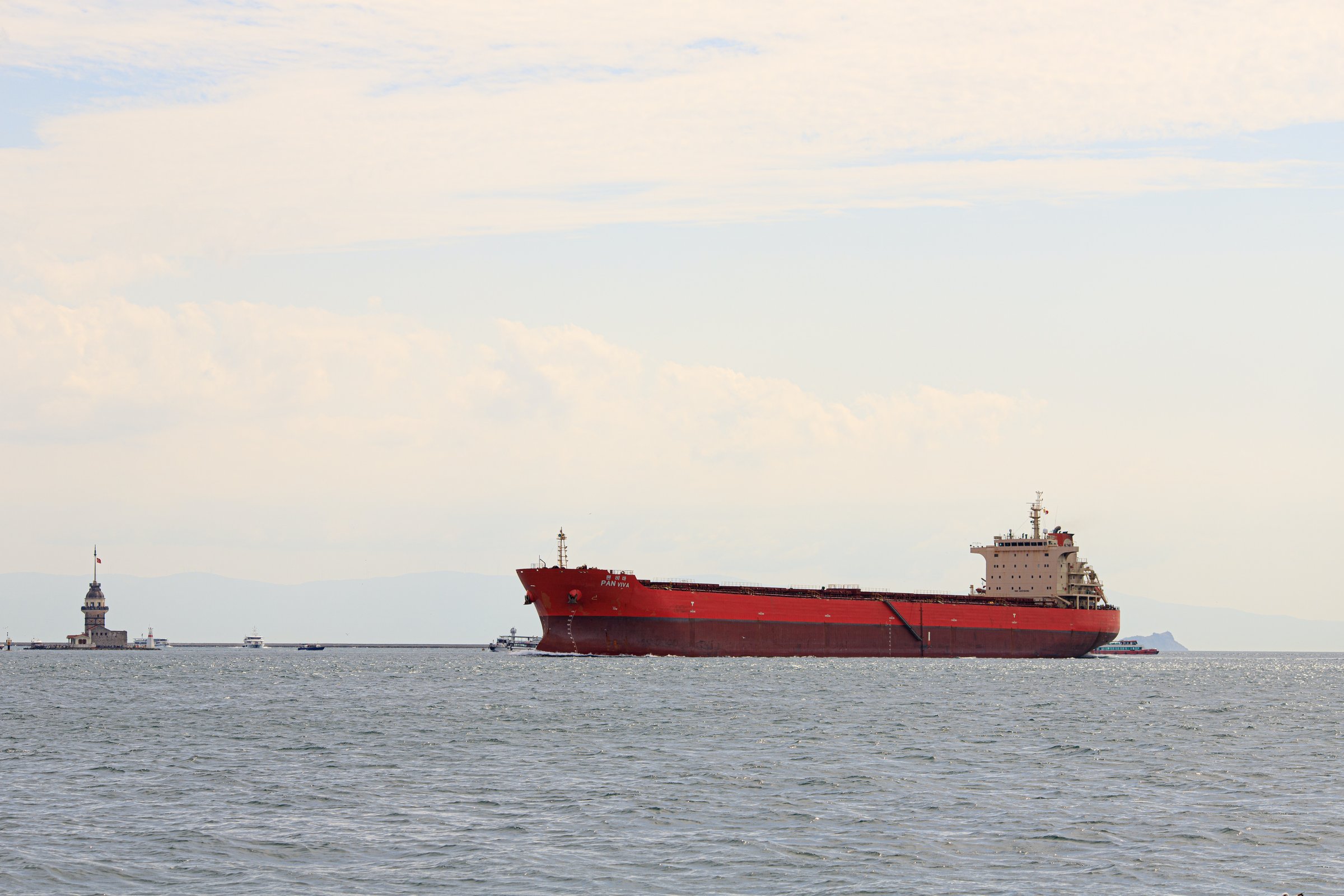
The EU’s plan to finally cut off Russian gas imports is facing mounting resistance from within the bloc, as legal threats, long transition periods and enforcement loopholes risk prolonging Europe’s financial ties to Moscow years after the invasion of Ukraine.

The exhibitionist display of raw power is no longer Russia’s alone. As the United States drifts toward “might is right” governance, a necropolitical oligarchy takes hold — one that only a politically unified Europe might counter, argues Anton Shekhovtsov.
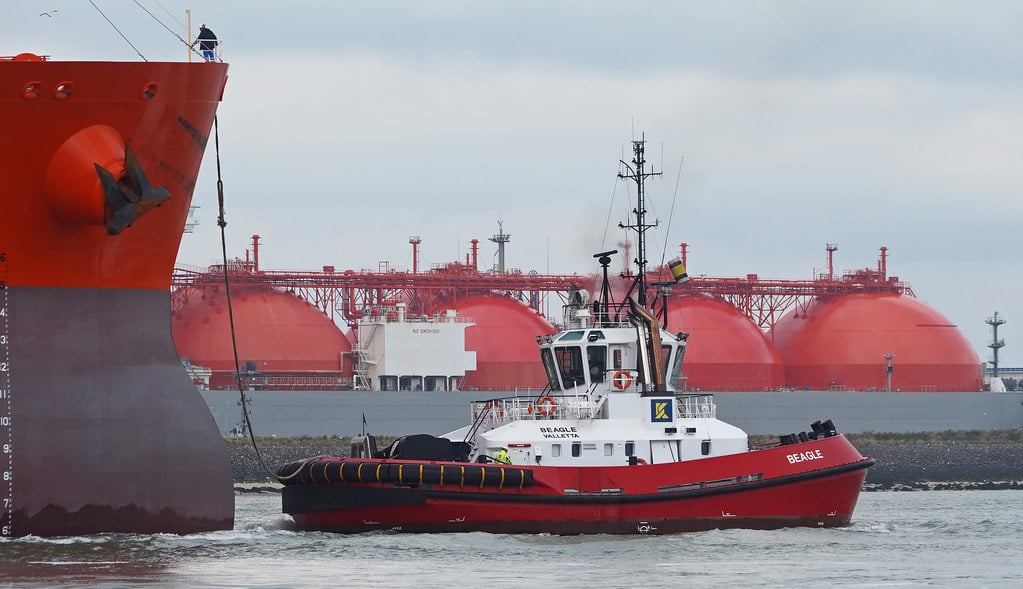
The United States remains an important supplier of LNG gas to the EU, says the European Commission — even as Donald Trump ramps up trade-war threats in order to seize Greenland, and experts warn it creates a potentially high-risk geopolitical dependency.
