The validation proves with documentation that computer systems used in industrial production adequately fulfill their automatic functions and contribute to ensure the traceability of produced batches and meets GMP regulations.
On September 25, 2015, world leaders adopted a set of 17 Global Goals with the mission to end poverty, protect the planet, and ensure prosperity for all as part of the 2030 Agenda for Sustainable Development.
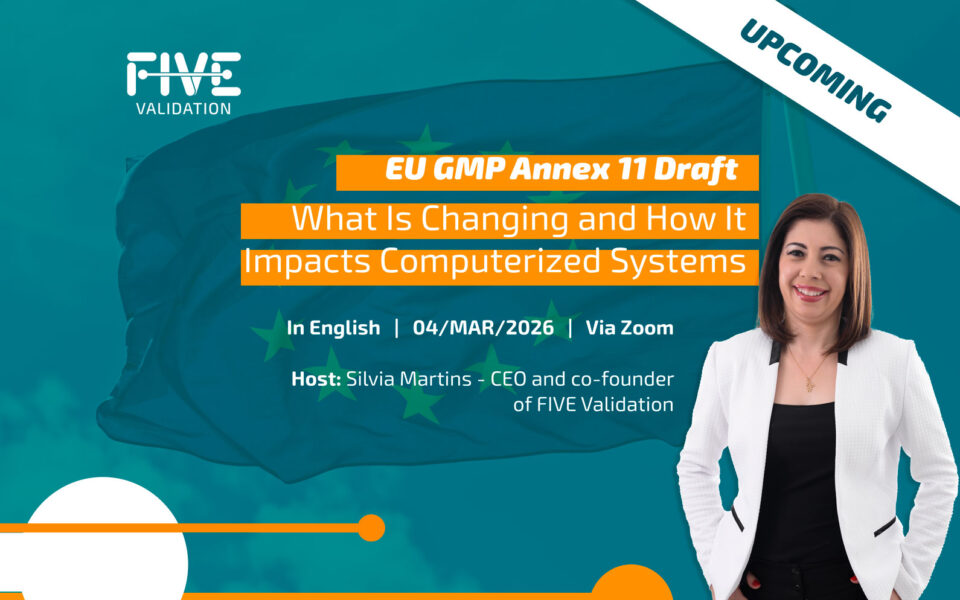
This webinar will provide an overview of the EU GMP Annex 11 draft revision, focusing on its impact on computerized systems, validation strategies, data integrity, and modern digital environments within regulated industries.
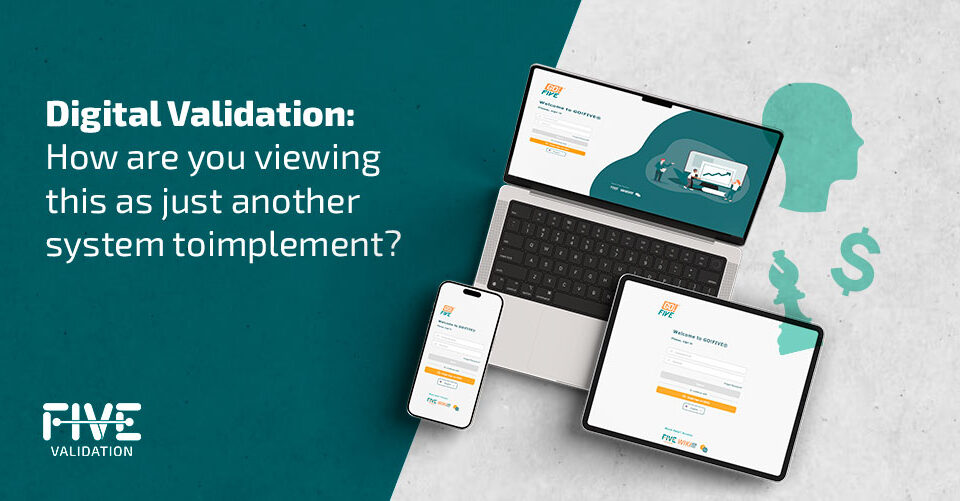
How are you viewing this as just another system to implement? Digital transformation has accelerated faster than most organizations anticipated. Some companies have already positioned themselves ahead of the curve, embracing digital validation not as an operational detail, but as a strategic enabler.
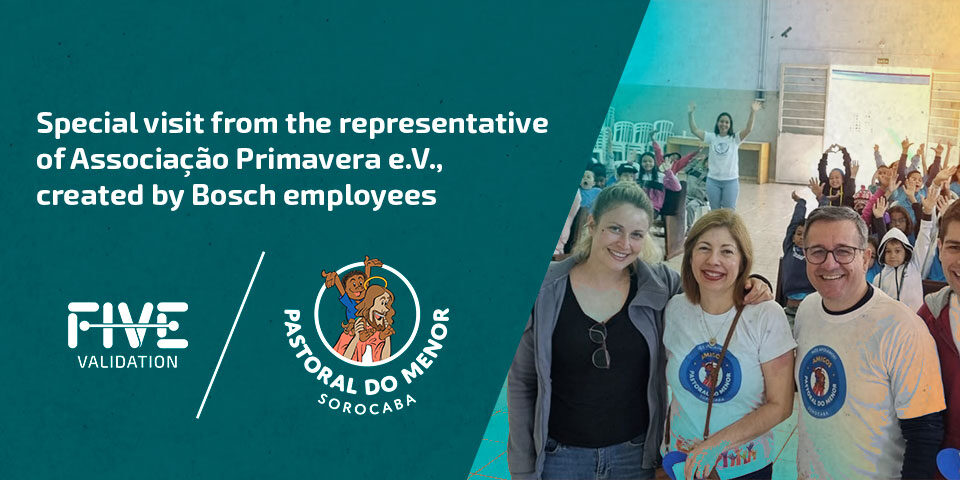
The organization that trusted and invested in this project is Associação Primavera e.V., created and sustained by Bosch employees. On July 14th, 2025, and August 4th 2025, we were honored to welcome Annika-Verena Häcker, the company’s representative and a volunteer with the initiative.
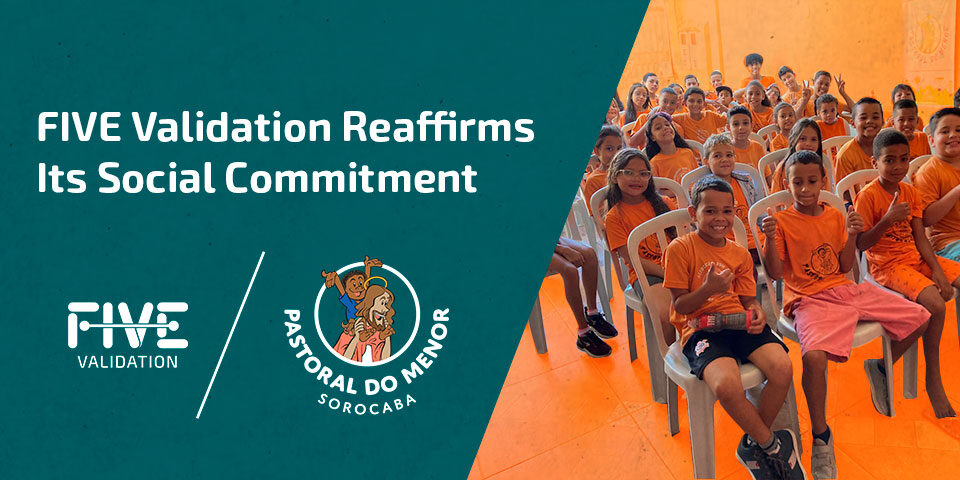
On May 5th, 2025, the FIVE Validation team had the opportunity to experience the spirit of solidarity present at Pastoral do Menor de Sorocaba during a visit to a center, called CEC, spread to neighborhoods in Sorocaba, Brazil, one of the largest among the nine Community Educational Centers (CEC) managed by the organization.
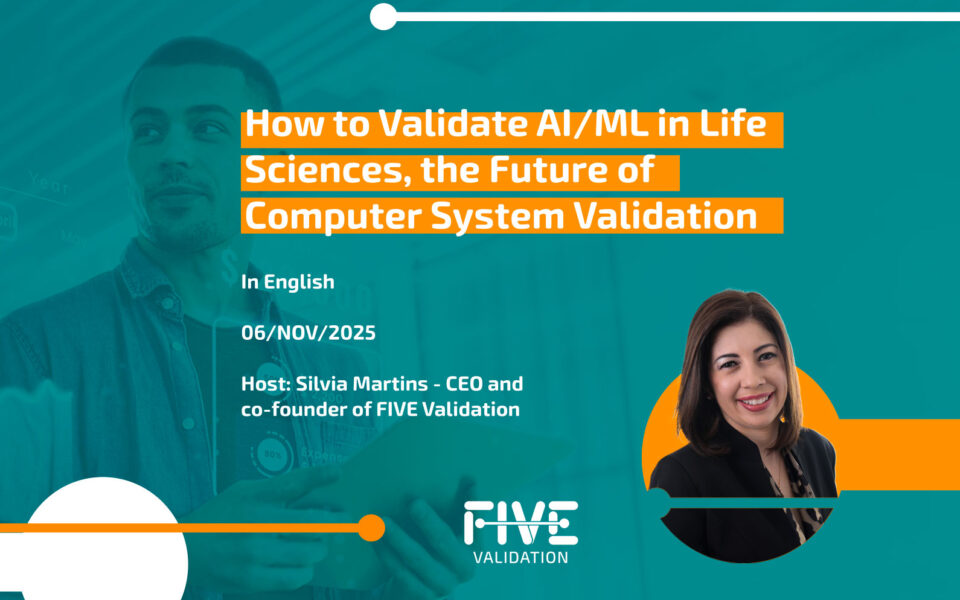
Artificial Intelligence and Machine Learning are transforming the Life Sciences industry. But how can we validate these technologies under GxP requirements?
In recent years, many leaders in the Life Sciences industry have heard the same message over and over: “You need to apply AI and Machine Learning now, or your competitors will, and they’ll make faster, smarter decisions.” It sounds convincing. And it’s true: data-driven decision-making has the power to replace assumptions and intuition with insights based on real patterns.
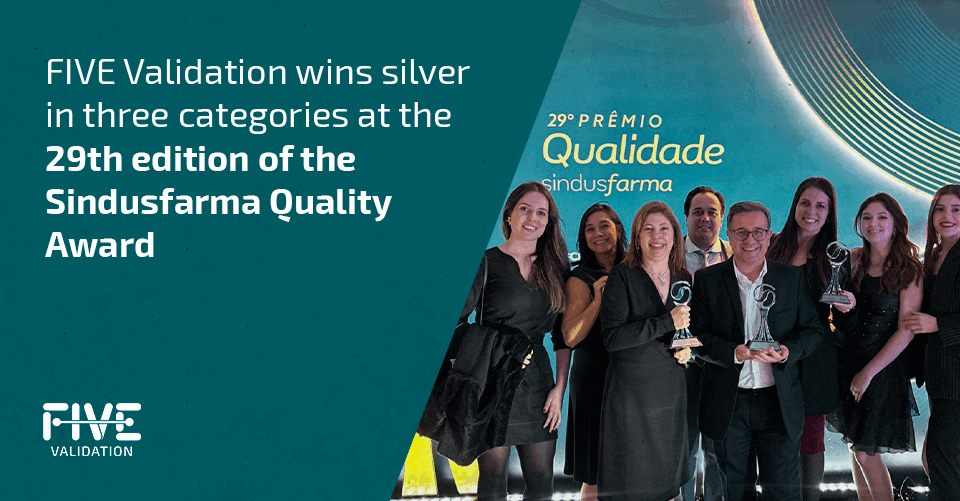
FIVE Validation was recognized at the 29th edition of the Sindusfarma Quality Award with silver medals in three categories, consolidating its position among the leading service providers and solution partners for the Brazilian pharmaceutical sector.
In many Life Sciences organizations, sharing data between business units, manufacturing sites, or legal entities is essential for operational efficiency and regulatory reporting.
Heating, Ventilation, and Air Conditioning (HVAC) systems play a fundamental role in maintaining air quality in cleanrooms and controlled environments used in pharmaceutical and biotechnology manufacturing.
In the pharmaceutical, biotechnology, and medical device industries, ensuring that computerized systems work correctly is crucial. This is where GAMP5® Second Edition comes in.
In the Life Sciences industry, validation is a crucial process to ensure compliance with regulations, maintain data integrity, and guarantee product safety.
Life sciences companies—pharmaceutical, biotech, and medical device—operate under strict regulations and must validate the consistency of their products and processes.
Industrialized AI refers to taking artificial intelligence (AI) technologies beyond experimental stages and integrating them at scale within an organization’s core operations.
In Life Sciences companies, AI is being used for tasks such as automating manufacturing processes, optimizing clinical trials, analyzing patient data and several other critical applications for the pharmaceutical, biotechnology and medical products industries.
Life Sciences companies, particularly biopharmaceutical and medical product companies, are highly regulated and need to prove that their product and its manufacturing and development processes are robust.
Patient safety is impacted by the integrity of critical records, data, and decisions, as well as aspects related to the physical attributes of the products.
The integration of Artificial Intelligence (AI) into the Life Sciences industry brings innovative potential, from drug discovery to personalized medicine. However, incorporating AI into GxP (Good Practice) environments, which are governed by regulations to ensure product safety and efficacy, introduces additional challenges in AI validation.
Este website utiliza cookies para melhorar a sua experiência. Cookies são necessários para que o site funcione corretamente. Esta categoria inclui apenas cookies que garantem funções básicas e fortalecem a segurança do site. Estes cookies não armazenam nenhuma informação pessoal. Caso queira, veja nossa política de privacidade ACEITARREJEITAR
Privacy & Cookies Policy
Privacy Overview
This website uses cookies to improve your experience while you navigate through the website. Out of these cookies, the cookies that are categorized as necessary are stored on your browser as they are essential for the working of basic functionalities of the website. We also use third-party cookies that help us analyze and understand how you use this website. These cookies will be stored in your browser only with your consent. You also have the option to opt-out of these cookies. But opting out of some of these cookies may have an effect on your browsing experience.
Cookies são necessários para que o site funcione corretamente. Esta categoria inclui apenas cookies que garantem funções básicas e fortalecem a segurança do site. Estes cookies não armazenam nenhuma informação pessoal.