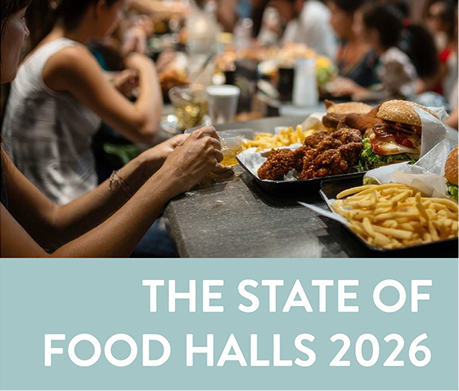
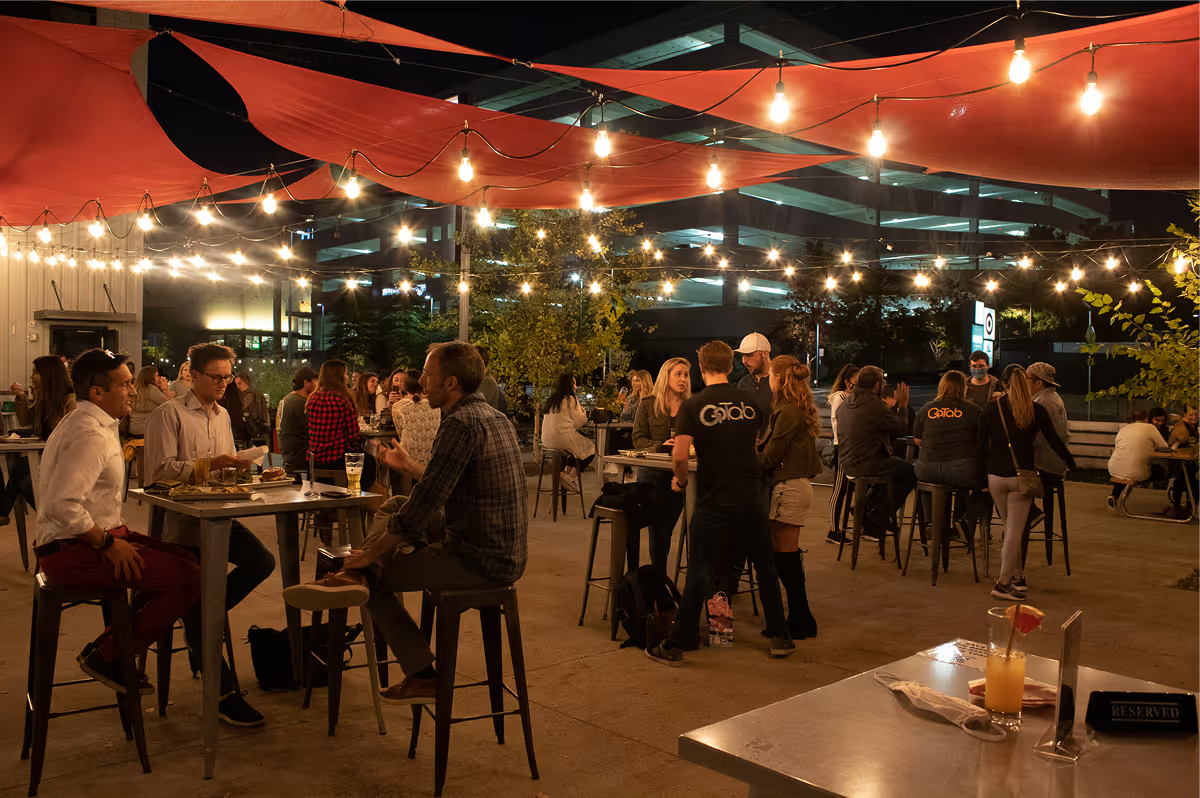
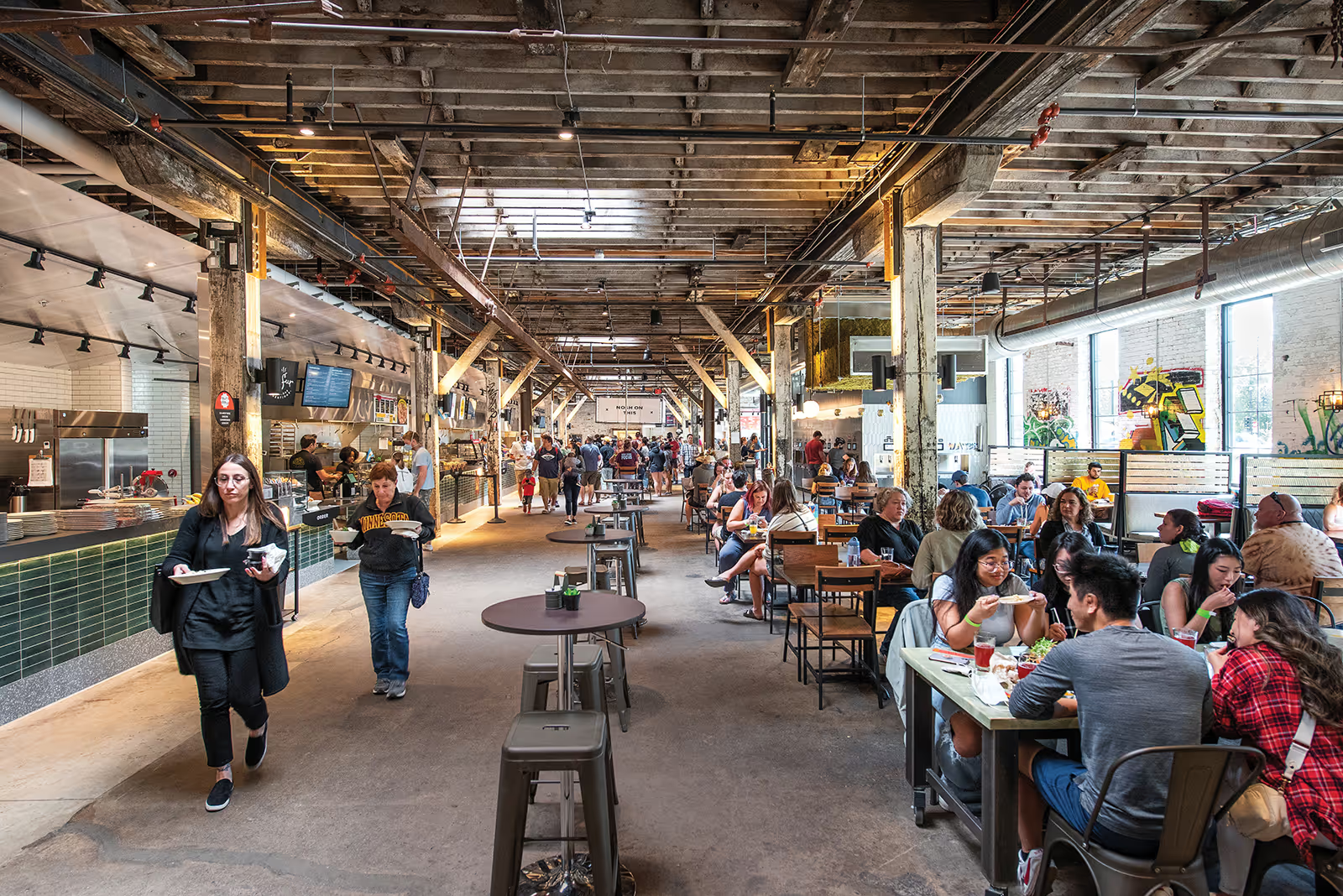
GoTab and The Market at Malcolm Yards are partnering to host a first-of-its-kind Food Hall Conference designed to help property stakeholders understand the real opportunities and challenges of developing and operating modern food halls.
Through case studies, panels, and operator-led discussions, attendees will learn what makes high-performing food halls work, why others struggle, and how owners and developers can create concepts that truly activate their communities.

Days

Hours
Minutes
Seconds


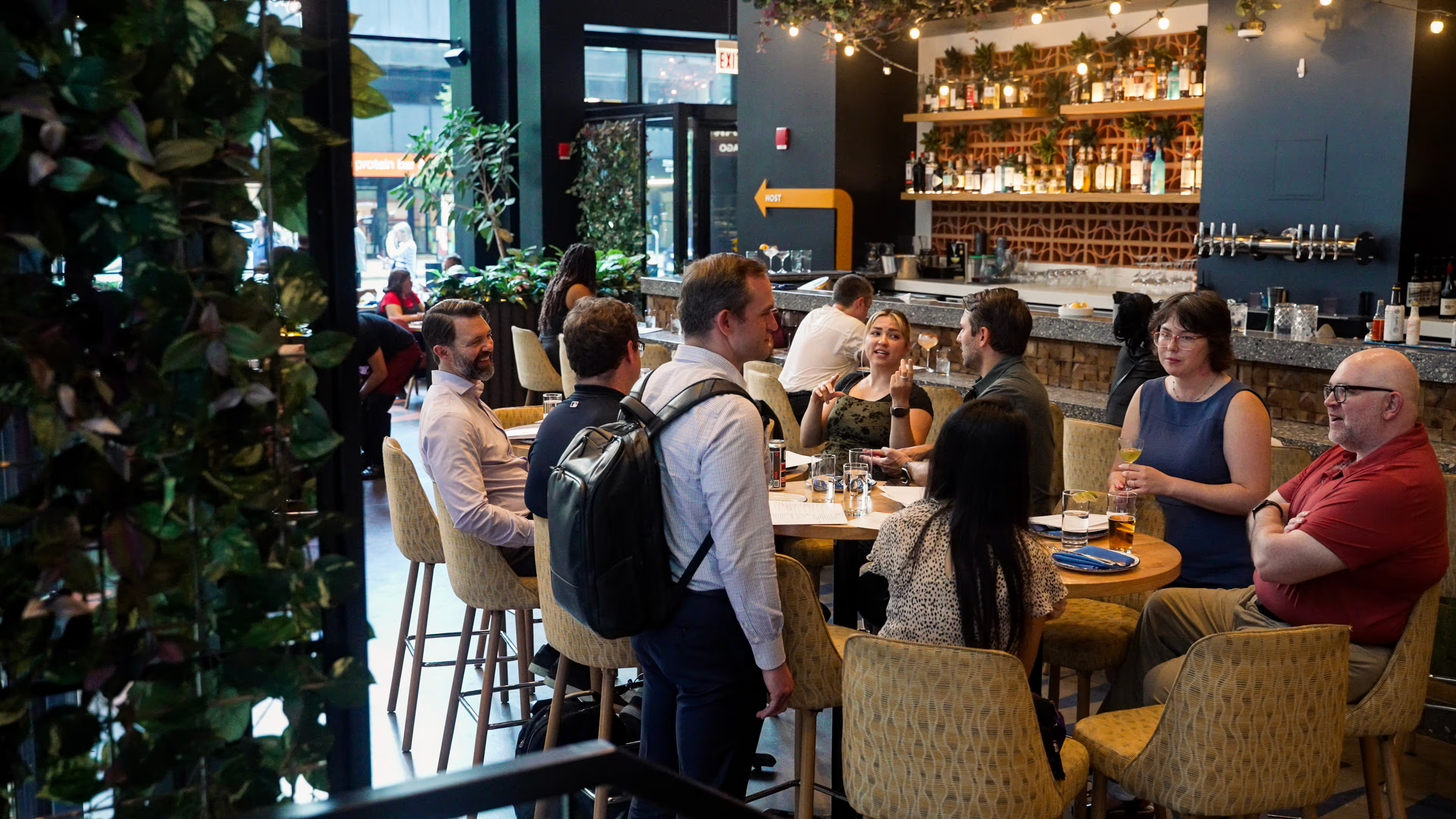
The event will break down the legislative hurdles, operational complexities, and technology infrastructure required for success, from navigating permitting and policy barriers to designing workflows that drive efficiency, guest satisfaction, and sustainable revenue.
APRIL 14
APRIL 15
- Check-in, grab coffee and breakfast
- Light sponsor intros looping on screens
A keynote-style session / fireside chat examining the evolution of food halls, post-pandemic shifts, and what today’s performance data says about long-term commercial real estate viability.
Food halls don’t come with a playbook—and this panel proves it. Hear directly from owners who’ve put real money, time, and risk on the line as they share what worked, what didn’t, and what they’d do differently if they were starting today. From financial models to tenant relationships to unexpected challenges, this session is all about the unfiltered truth.
In partnership with leaders from the Urban Land Institute community, this panel will explore the evolving role of food halls as powerful real estate anchors. Once viewed as experiential amenities, food halls are now driving foot traffic, increasing dwell time, activating underutilized spaces, and strengthening mixed-use developments. From adaptive reuse projects to ground-up urban developments, food halls are becoming strategic tools for placemaking and long-term asset value. Panelists will examine how developers underwrite these projects, structure partnerships, balance tenant mix, and measure performance beyond traditional retail metrics. We’ll also discuss the risks, capital considerations, and operational realities that determine whether a food hall becomes a true anchor or just a novelty. For developers, investors, and operators alike, this session offers a candid look at how hospitality and real estate intersect and why food halls are increasingly at the center of the conversation.
.
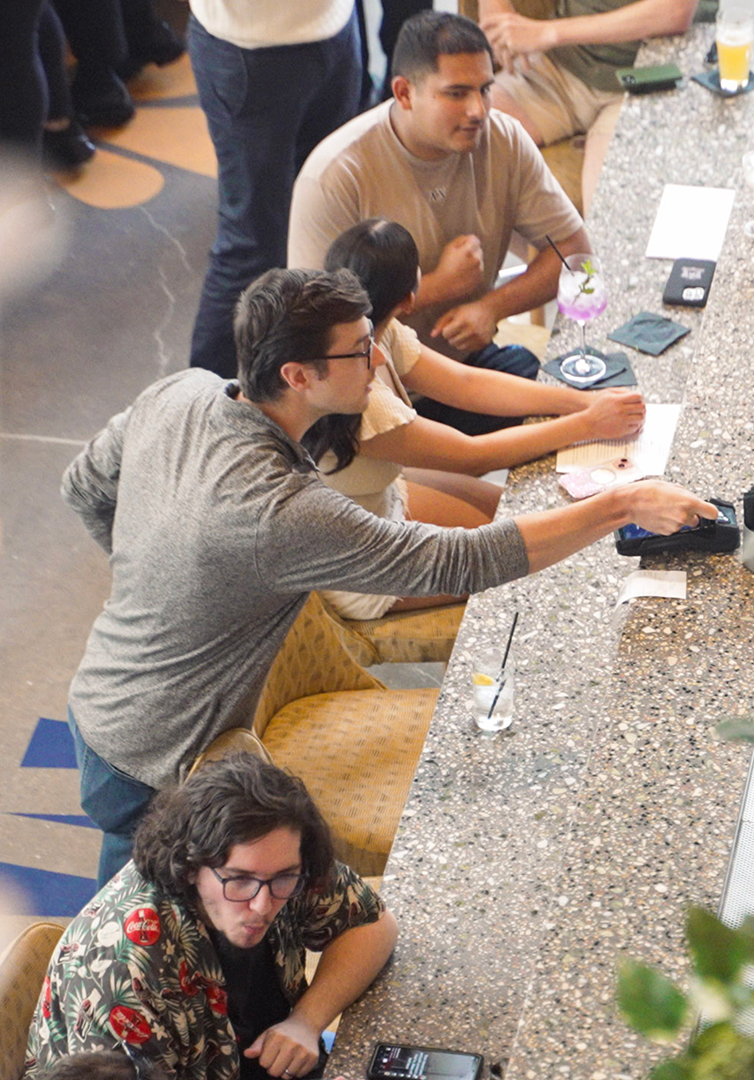
This panel explores the operational, financial, and guest experience tradeoffs between self-pour technology and traditional staffed bar models. Panelists will break down what works best based on venue size, alcohol mix, staffing realities, and guest behavior. From labor efficiency and revenue optimization to dwell time and responsible service, this session will offer real-world insights into how different bar formats impact both the bottom line and the guest journey. Attendees will leave with a clearer framework for choosing the right model for their concept.
Food halls succeed when they evolve faster than consumer expectations. This panel explores how modern food hall design has shifted from simply showcasing food to creating flexible, social destinations built for ongoing reinvention. Panelists will discuss design strategies that support community connection, changing tenant mixes, entertainment programming, and future-proof operations—along with lessons learned from what hasn’t worked. Attendees will leave with practical insight into how design decisions can unlock long-term adaptability and success.
As food halls evolve into destinations, eatertainment is reshaping how guests engage with food and beverage—from pickleball and arcades to live events and immersive experiences. This panel explores how operators and developers are integrating entertainment into food halls in ways that increase dwell time, boost per-capita spend, and encourage repeat visits, while keeping operations manageable and food quality high.
This panel brings together experienced food hall operators to unpack what it really takes to run a complex, multi-vendor environment day to day. Panelists will share how they manage guest flow, vendor coordination, staffing, technology, and service standards at scale—without creating chaos. Expect tactical insights, hard-earned lessons, and real-world examples of what actually works.
Food halls are complex by design.Multiple vendors. Shared spaces. Blended service models. High-volume beverage programs. Distributed labor. And operators who are expected to deliver both hospitality and profitability at the same time.In this practical, no-nonsense 45-minute session, Ryan Gromfin will break down exactly how food hall operators can replace operational chaos with scalable systems that drive consistent profit. Drawing from his experience as a chef, restaurateur, and founder of The Restaurant Boss, clickBACON, and Scale My Restaurant, Ryan will share the frameworks he uses to help independent operators increase margins, build high-performing teams, and create operational clarity — even in the most complex environments. This session is designed specifically for food hall owners, developers, and multi-unit operators who want to move from reactive problem-solving to proactive leadership.
We’ll close the day the same way we approached it: practical, focused, and forward-looking.Instead of ending with inspiration alone, we’ll leave you with a clear, concise 30-day action checklist — a distilled set of priorities pulled directly from the day’s keynotes and panels. What should you implement first? What can wait? What will actually move the needle? This closing segment will help you decide.

%201.png)

.png)
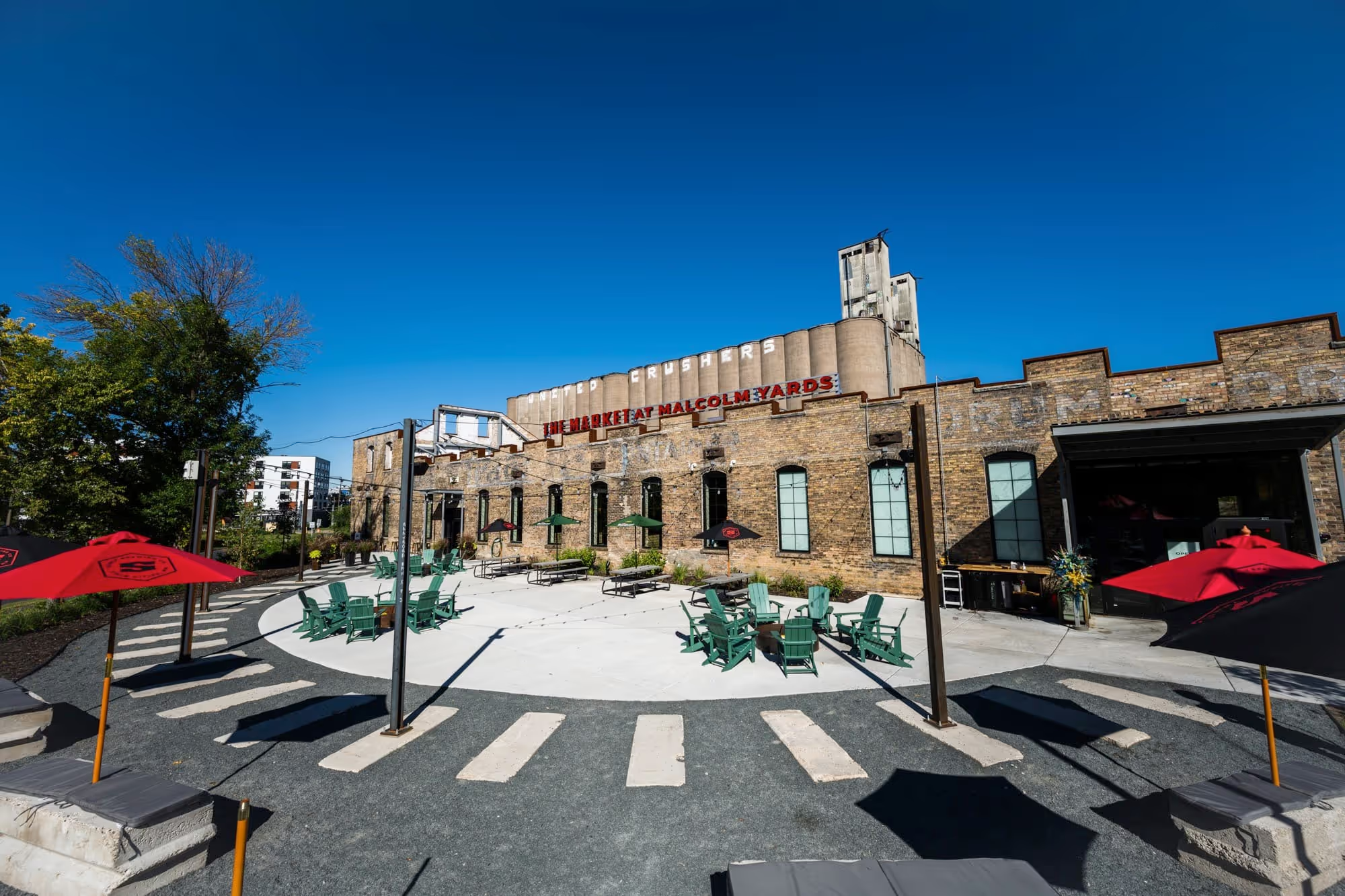
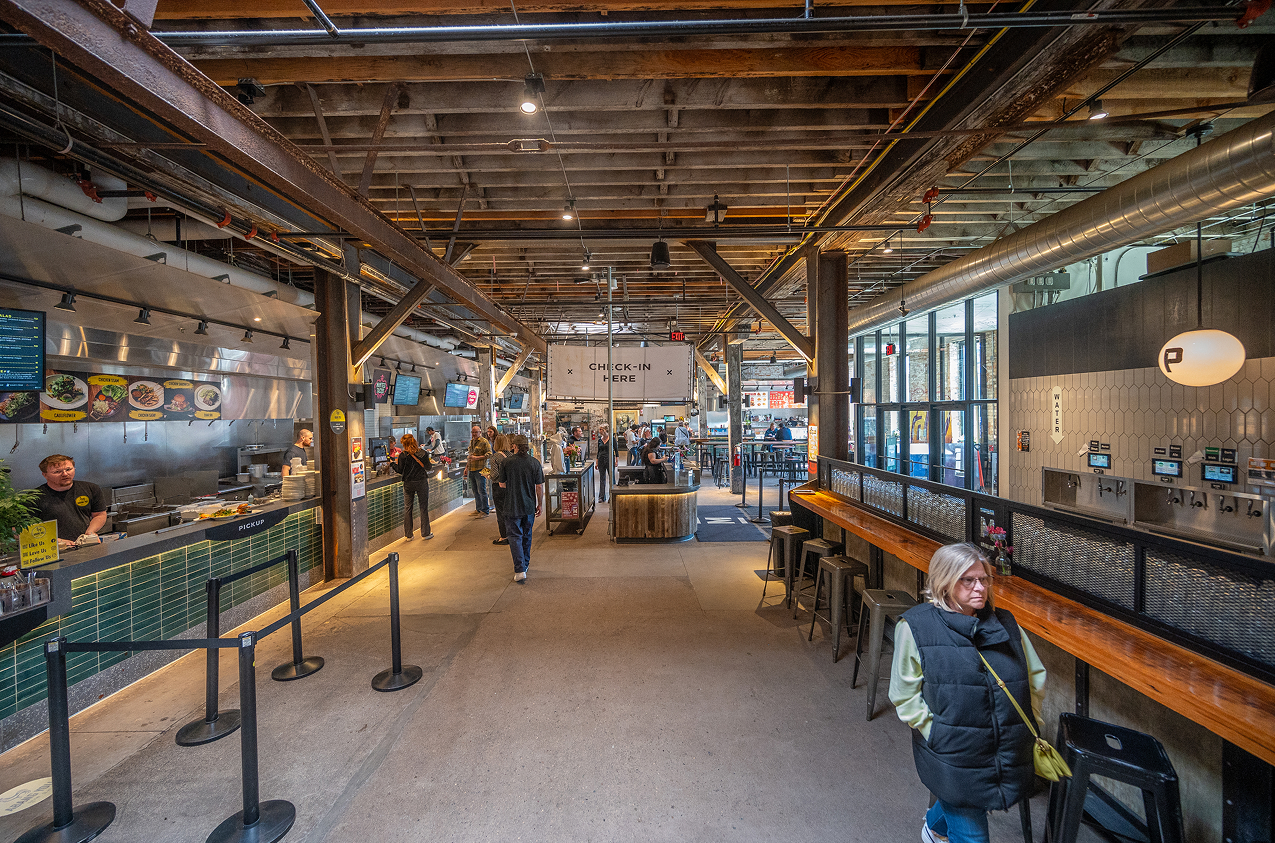
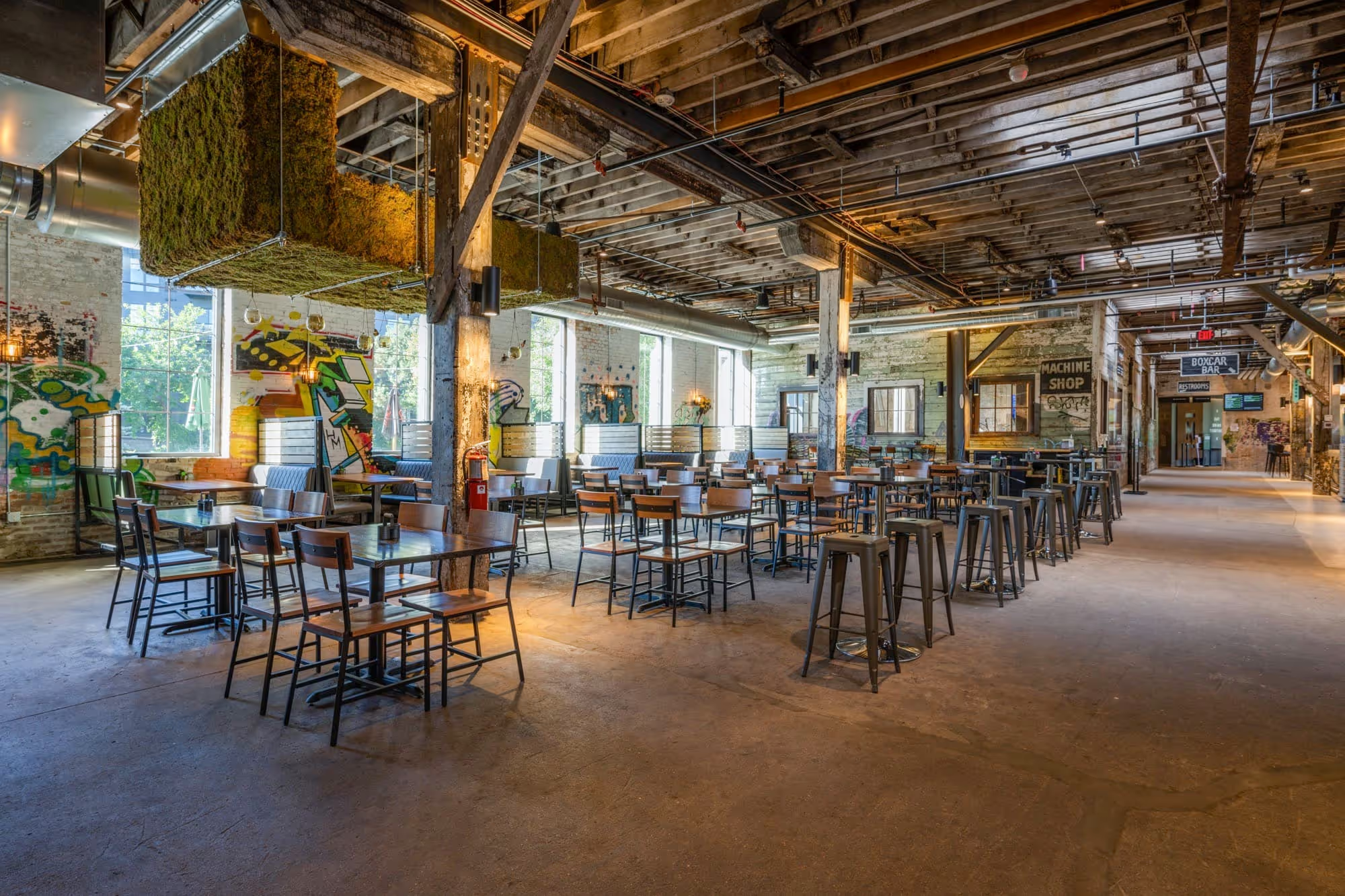
The Market at Malcolm Yards is a premier example of modern food-hall innovation: a vibrant, mixed-use destination blending local culture, diverse cuisine, and community activation. With thoughtfully curated vendors offering a range of flavors and experiences, the Market delivers exceptional guest engagement and hospitality.
More than just a food hall, Malcolm Yards serves as a neighborhood anchor. Its dynamic atmosphere, rotating events, and commitment to community connection make it a benchmark for what food halls can be: inclusive, experiential, and central to urban development. Attendees of the Future of Food Halls Conference will see firsthand how spaces like the Market at Malcolm Yards redefine dining, gathering, and neighborhood life.
.jpg)
.jpg)
.jpg)
.jpg)
.jpg)