
Gevo addresses the market need of renewable alternatives to diversify sources for fuels and chemicals.
We are commercializing the next generation of advanced renewable fuels with sustainable aviation fuel, renewable premium gasoline, renewable natural gas, and chemicals and plastics that have the potential to enhance the rural economy across America’s Heartland.
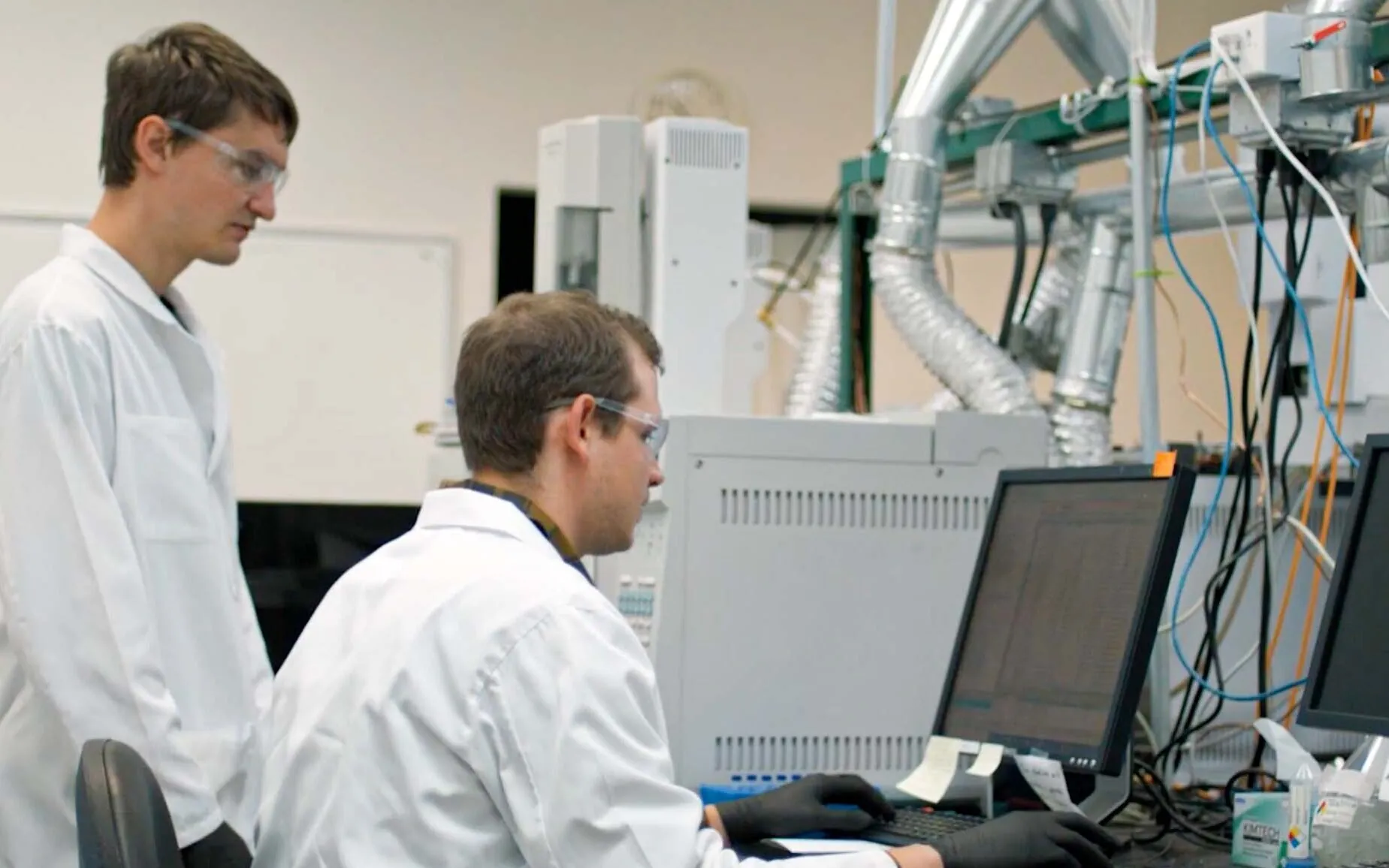
To make our energy-dense liquid hydrocarbons, Gevo uses low-carbon renewable resource-based carbohydrates as raw materials and is developing renewable electricity and renewable natural gas for use in production processes, resulting in additional resources that can reduce costs and add attributes that appeal to global markets. Our products perform as well or better than traditional fossil-based fuels in infrastructure and engines, and add value derived from the work of American farmers and innovators.

In addition to addressing the problems of fuels, Gevo’s technology also enables plastics, such as polyester, to be made with more renewable ingredients.
Gevo’s ability to penetrate the growing segments of the fuels market depends on the price of oil and the value of abating carbon emissions, attributes that fuel customers around the world care about. Gevo believes that its proven, patented technology, which enables the use of a variety of bio-based feedstocks to produce price-competitive products such as gasoline components, jet fuel, and diesel fuel, yields the potential to generate project and corporate returns that justify the build-out of a multi-billion dollar business.
Gevo Firsts Show a History of True Innovation
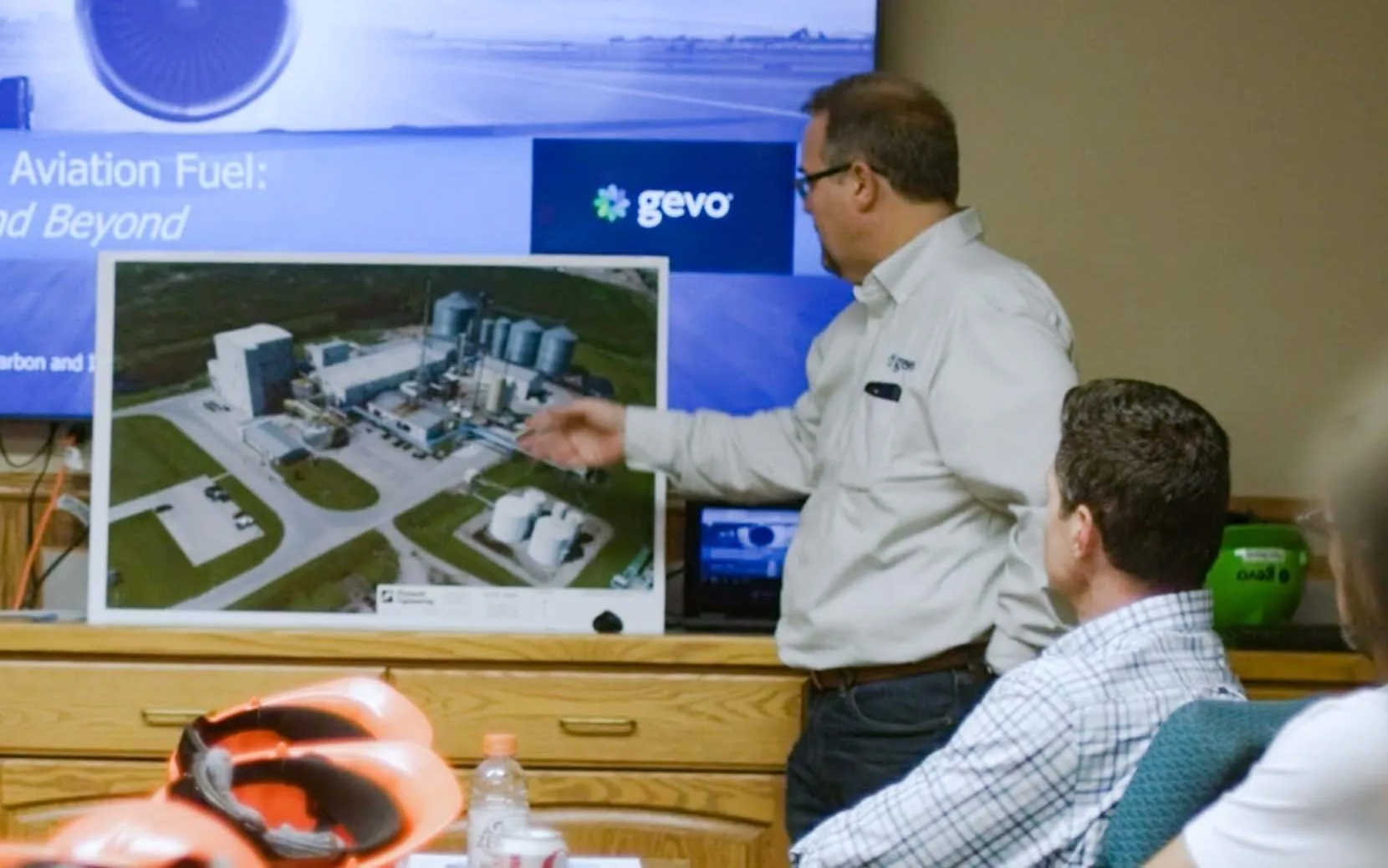
Gevo’s business is based on a circular economy, where incorporating efficiency and renewable energy increase value throughout the supply chain. But it doesn’t happen overnight: Our process is evolving as we take in innovative ideas from laboratory and technological development. When implemented these groundbreaking concepts lead to firsts in reality, and the list, already long, continues to grow.

2010
First to make renewable Avgas

2010
First to make fully renewable synthetic butylene rubber

2011
First to produce alcohol-to-jet and gasoline at demonstration plant scale
2011
First to make
fully renewable p-xylene and PET for bottles, films, and fibers
2012
First to prove commercial isobutanol (IBA) fermentation at scale
2014
First successful demonstration of side-by-side commercial scale production of ethanol and isobutanol

2014
First ATJ SAF flights (U.S. Navy Warthog)
2014
First to alcohol to polymer grade bio-based propylene from alcohol

2015
First to fly with ATJ made from wood waste, flown by Alaska Airlines

2015
First commercial sale of IBA-blended gasoline at retail

2016
First to obtain ASTM approval for ATJ
2016
First to demonstrate ATJ work at O’Hare

2017
First commercial sale of renewable premium gasoline

2017
First ATJ in Australia, flown by Virgin Australia

2018
First ATJ Business Aviation off-take agreement (AvFuel)

2019
First to receive ISCC+ Global Sustainability Certification for ATJ

2019
First long-term,
take-or-pay ATJ agreement (Delta Airlines)

2019
First to design an integrated net-zero alcohol and hydrocarbons plants with off-the-grid capability

2020
First to obtain certification from Roundtable for Sustainable Biomaterials (RSB) for corn for ATJ

2021
First to do peer-reviewed, published LCA of ATJ
2022
First to design a large-scale ATJ plant

2022
First to break ground on a large-scale ATJ Hydrocarbon Facility (Lake Preston, SD)

