
Whether it’s responding to emergencies, improving access to nutritious food, strengthening health systems, or expanding economic opportunities, our work is rooted in trust, collaboration and local leadership.
Global Health

INSPiRE: Women's & Newborn Health
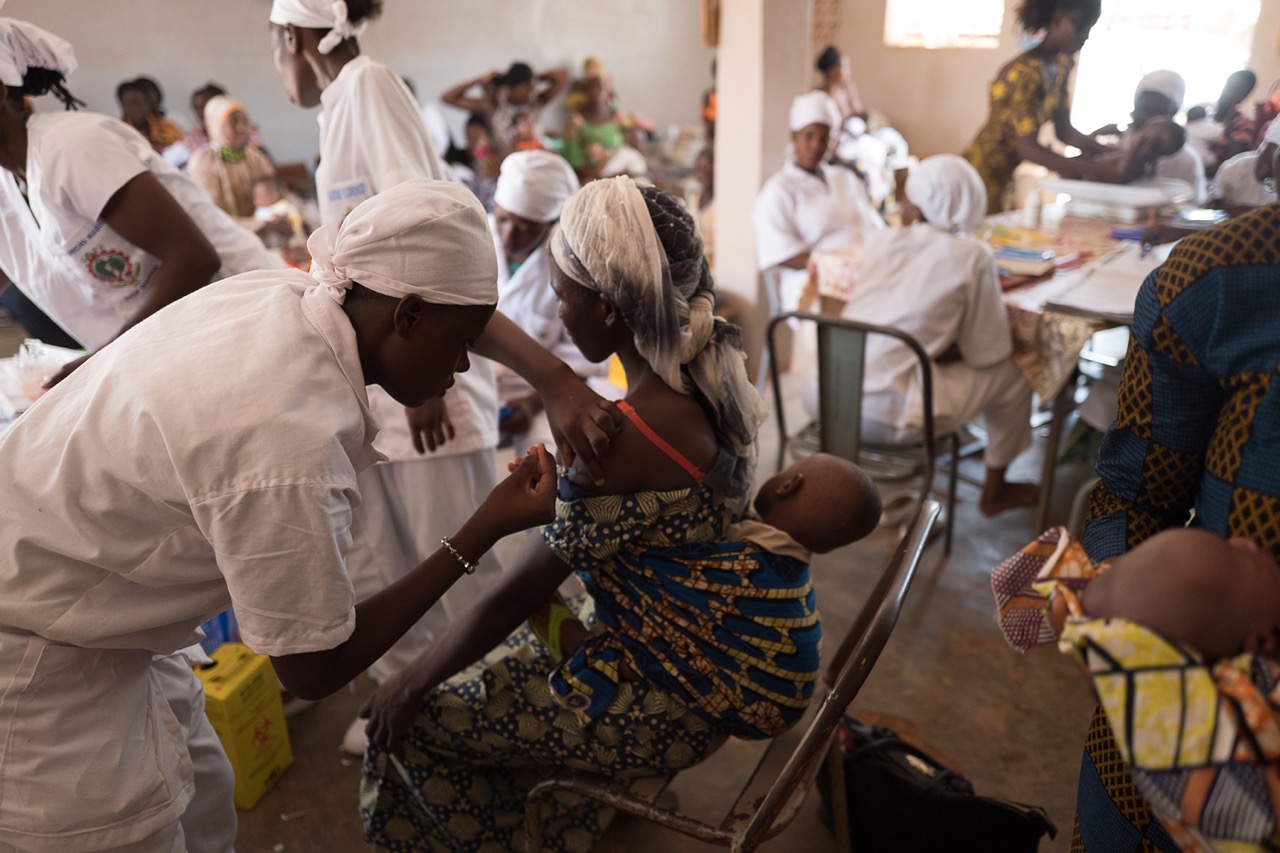
In West Africa, poor access to quality health care leaves women and newborns facing among the world’s highest risks of preventable death during the critical pregnancy and post-pregnancy periods. Global Communities — through partner IntraHealth International — is working with countries in the region to improve that situation through INSPiRE: Women’s & Newborn Health in West Africa.
INSPiRE: Women's & Newborn Health
In West Africa, poor access to quality health care leaves women and newborns facing among the world’s highest risks of preventable death during the critical pregnancy and post-pregnancy periods. Global Communities — through partner IntraHealth International — is working with countries in the region to improve that situation through INSPiRE: Women’s & Newborn Health in West Africa.
Healthy Start
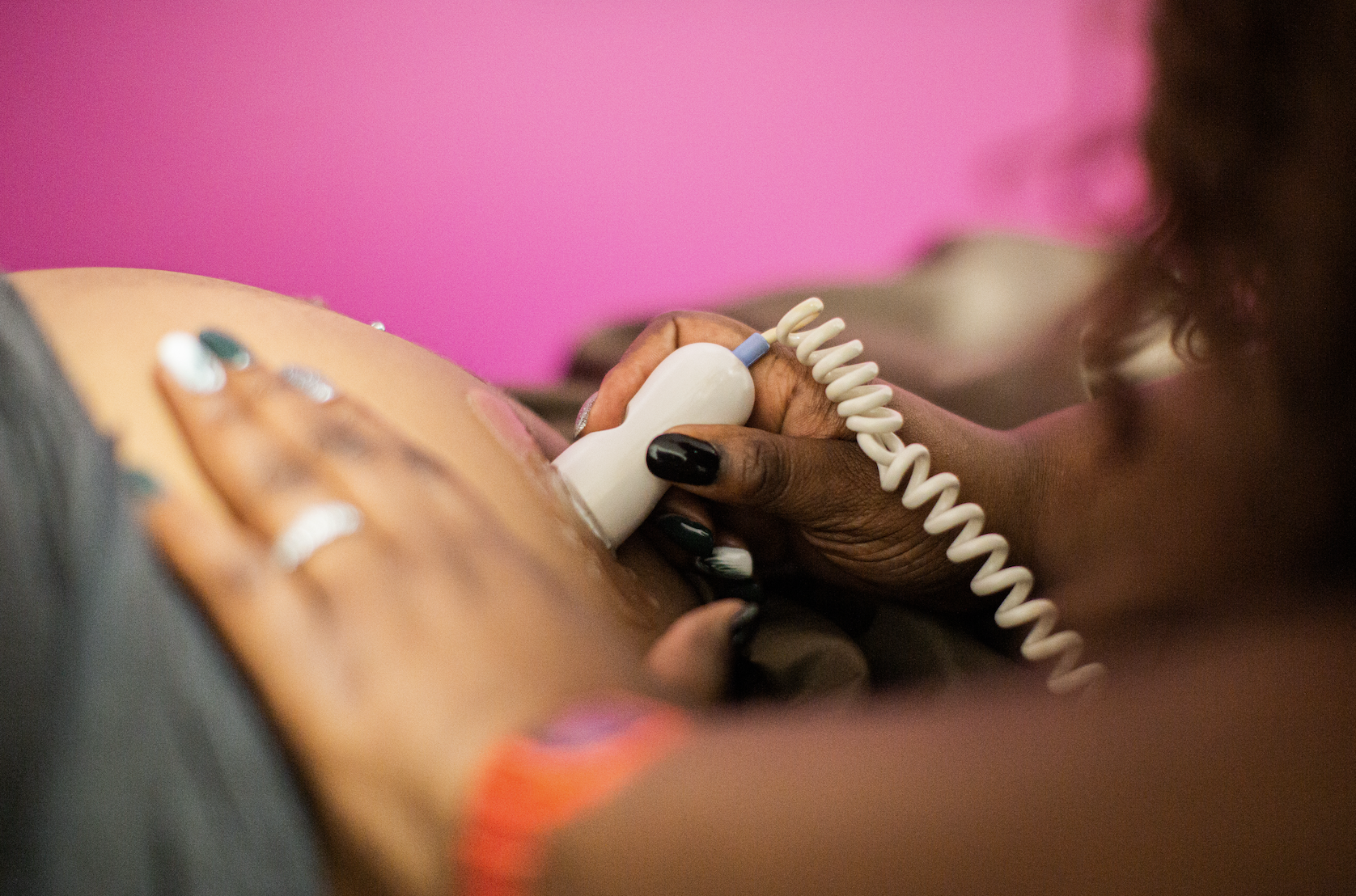
We connect farmers, including women and young people, to fair markets so they can sell their harvests, earn reliable incomes, and support their families. By backing small businesses and cooperatives, we create jobs, expand opportunities, and build stronger local economies.
Healthy Start
We connect farmers, including women and young people, to fair markets so they can sell their harvests, earn reliable incomes, and support their families. By backing small businesses and cooperatives, we create jobs, expand opportunities, and build stronger local economies.
Classroom to Care (C2C)
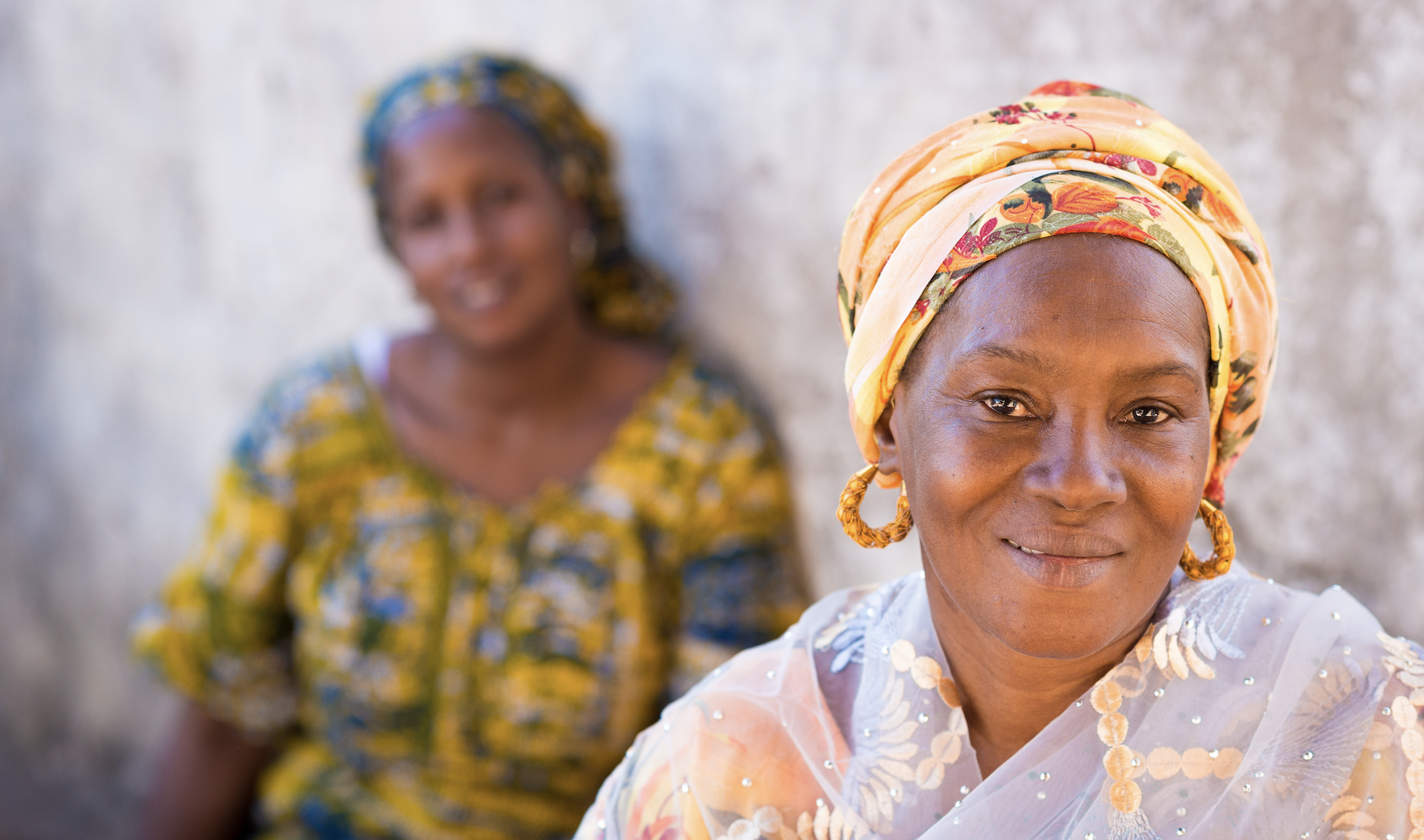
West African countries like Mali, Niger, and Senegal face a critical shortage of health workers, especially in rural areas, contributing to high rates of maternal and child mortality. The Classroom to Care (C2C) project, led by Global Communities’ partner IntraHealth International, is laying the foundation to change that situation.
Classroom to Care (C2C)
West African countries like Mali, Niger, and Senegal face a critical shortage of health workers, especially in rural areas, contributing to high rates of maternal and child mortality. The Classroom to Care (C2C) project, led by Global Communities’ partner IntraHealth International, is laying the foundation to change that situation.
Food Systems
School Meals
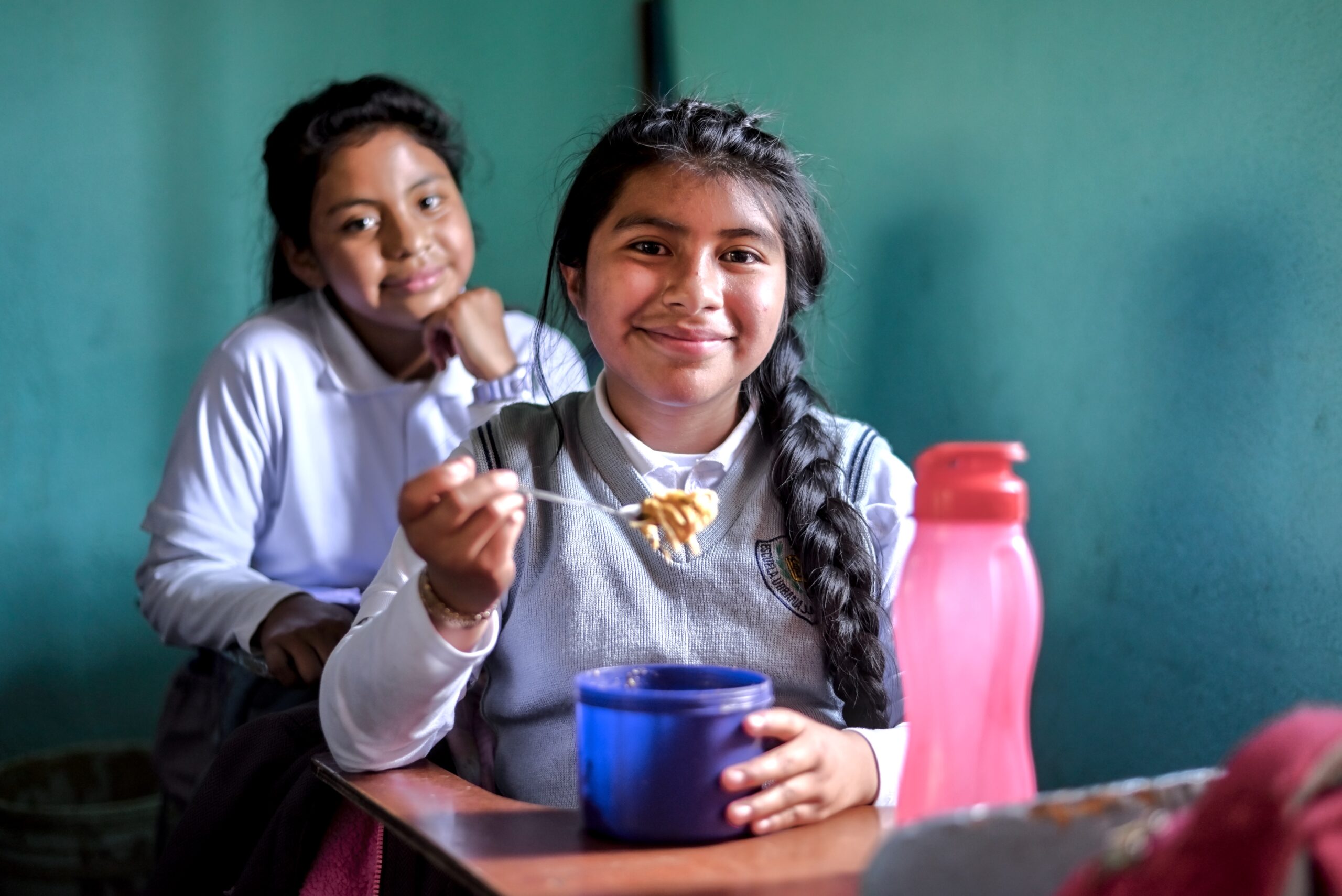
Globally, an estimated 300 million school-aged children lack access to a nutritious daily meal — a simple intervention proven to improve health, fuel learning, and spark economic opportunity. For more than two decades, Global Communities has partnered with governments, donors, and communities around the world to design and deliver holistic school meal programs that are evidence-based and sustainable.
School Meals
Globally, an estimated 300 million school-aged children lack access to a nutritious daily meal — a simple intervention proven to improve health, fuel learning, and spark economic opportunity. For more than two decades, Global Communities has partnered with governments, donors, and communities around the world to design and deliver holistic school meal programs that are evidence-based and sustainable.

AfriScout
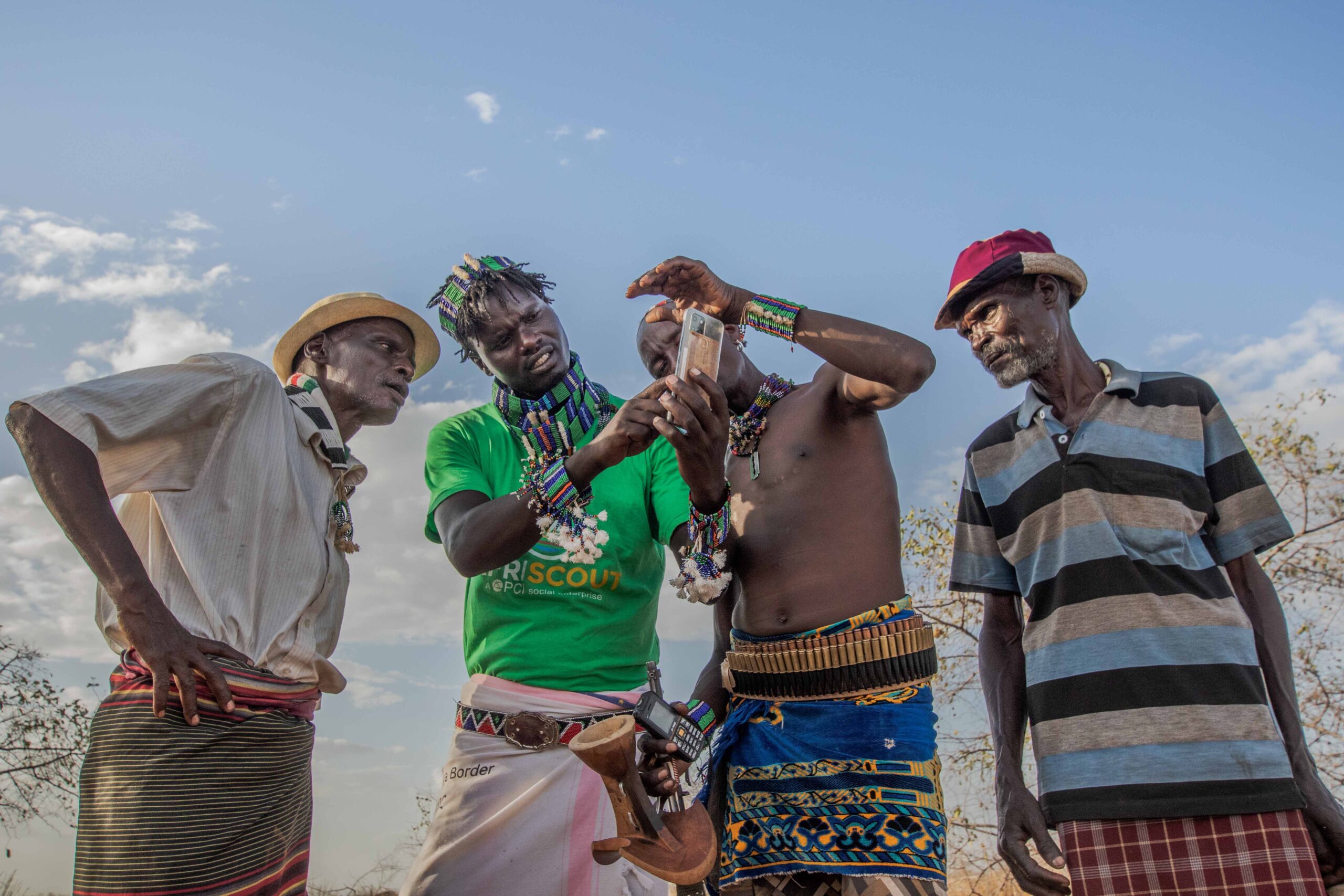
Pastoralist families across Africa rely on their herds of cattle, sheep, goats, and camels for food, income, and survival. But erratic weather patterns and widespread land degradation are putting this way of life under severe strain. Nearly 70% of Africa’s grasslands are degraded, making it harder for these nomadic herders to find healthy pasture and water. AfriScout, a mobile app developed by Global Communities, is helping change that reality.
AfriScout
Pastoralist families across Africa rely on their herds of cattle, sheep, goats, and camels for food, income, and survival. But erratic weather patterns and widespread land degradation are putting this way of life under severe strain. Nearly 70% of Africa’s grasslands are degraded, making it harder for these nomadic herders to find healthy pasture and water. AfriScout, a mobile app developed by Global Communities, is helping change that reality.
Financial Inclusion

Women Empowered (WE)
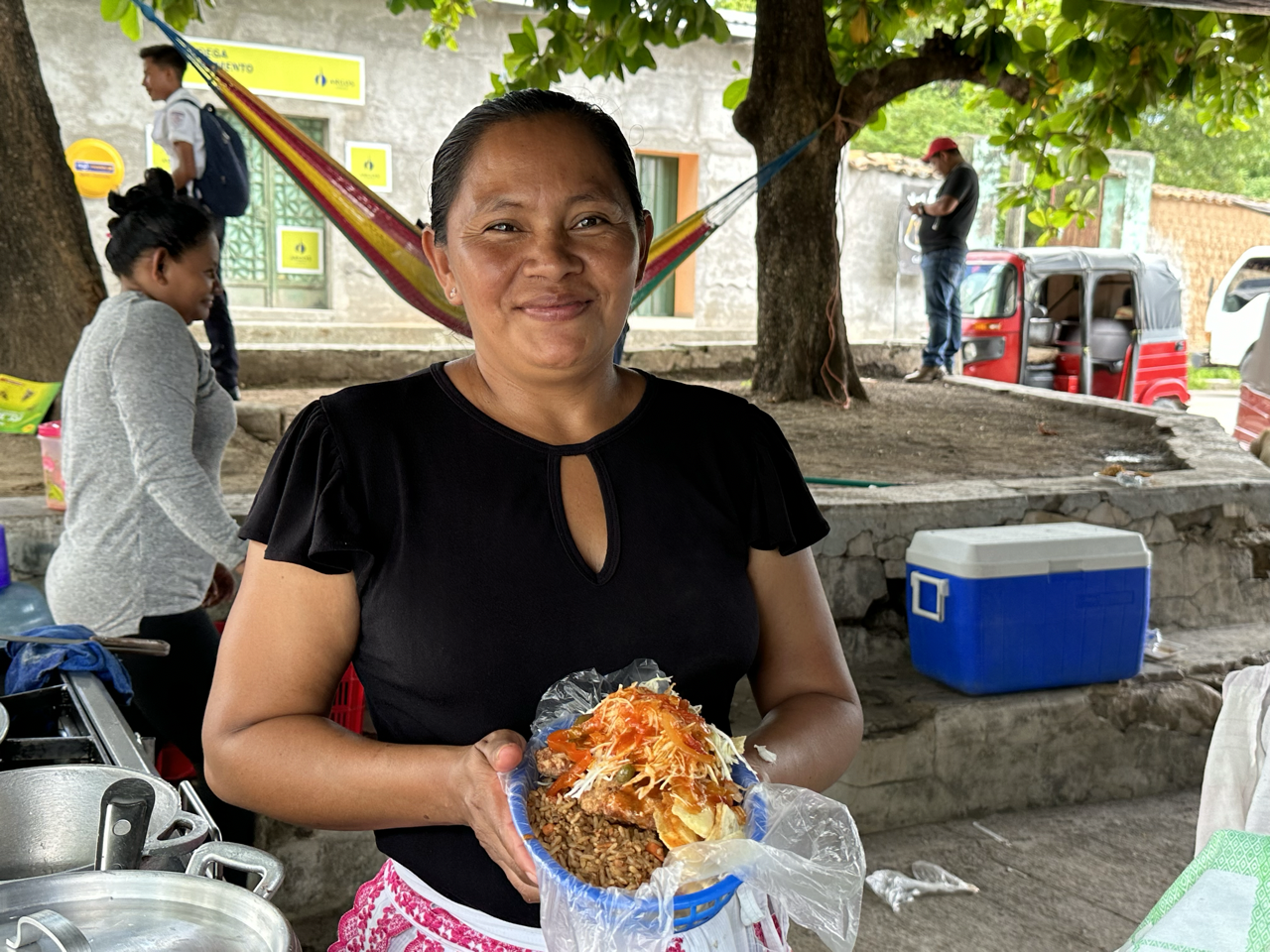
Women Empowered (WE) is a savings and lending group initiative that equips women with the tools to build financial independence, strengthen leadership skills, and foster collective action. Implemented by Global Communities across Latin America and Africa since 2009, WE is designed to meet women where they are — whether recovering from crisis, launching small businesses, or leading health and education efforts in their communities. The program is rooted in trust, collaboration, and practical training, helping women turn aspirations into action.
Women Empowered (WE)
Women Empowered (WE) is a savings and lending group initiative that equips women with the tools to build financial independence, strengthen leadership skills, and foster collective action. Implemented by Global Communities across Latin America and Africa since 2009, WE is designed to meet women where they are — whether recovering from crisis, launching small businesses, or leading health and education efforts in their communities. The program is rooted in trust, collaboration, and practical training, helping women turn aspirations into action.
Humanitarian Assistance
Syria LIFE
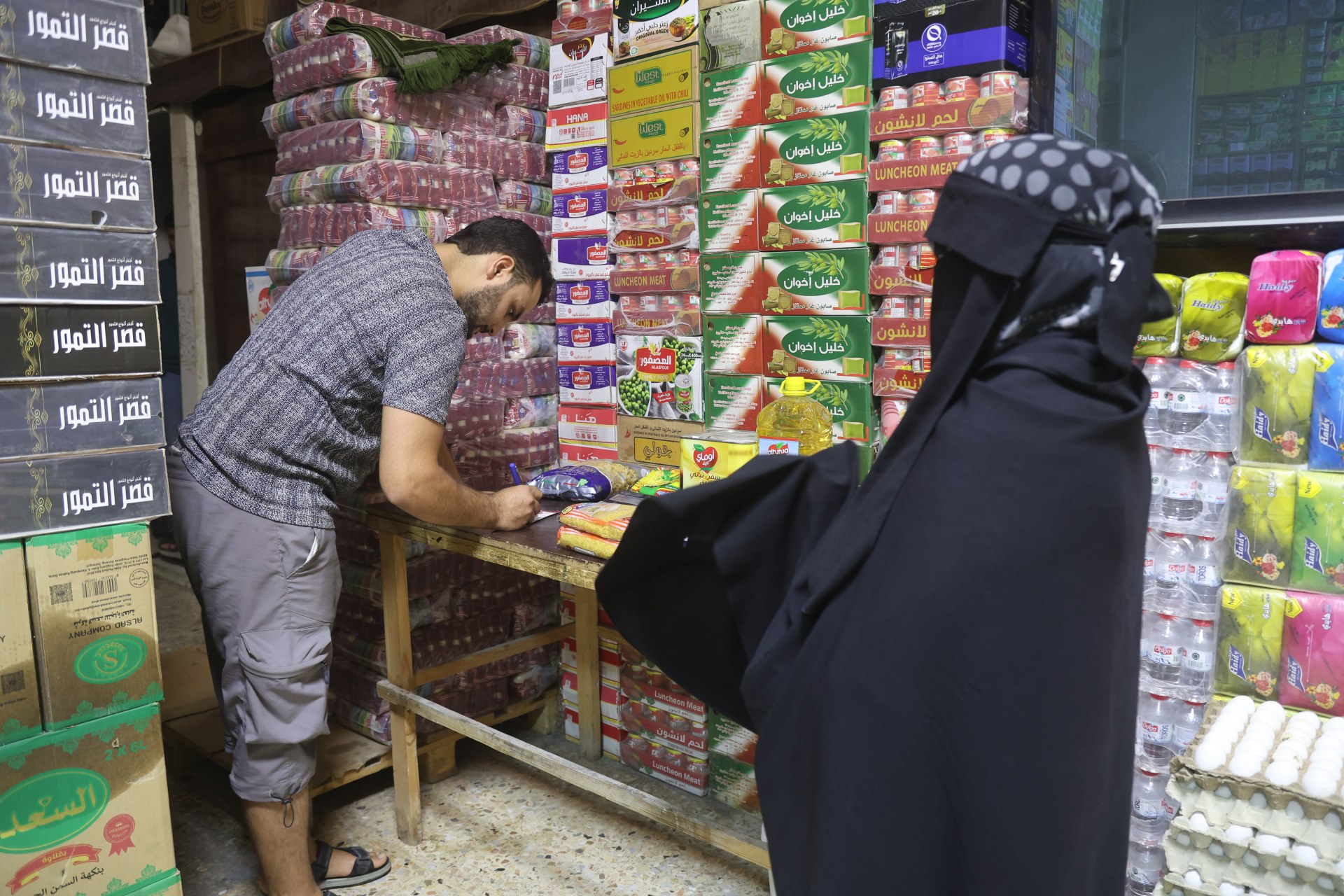
More than 75% of people in Syria still rely on humanitarian assistance after years of conflict. Our Lifesaving Interventions for Emergencies (LIFE) program helps families in the hardest-hit areas of northwest and northeast Syria with essentials like food, clean water, safe shelter, and protection services. Many of the communities we serve, including ethnic and religious minorities, were displaced by ISIS and remain especially vulnerable.
Syria LIFE
More than 75% of people in Syria still rely on humanitarian assistance after years of conflict. Our Lifesaving Interventions for Emergencies (LIFE) program helps families in the hardest-hit areas of northwest and northeast Syria with essentials like food, clean water, safe shelter, and protection services. Many of the communities we serve, including ethnic and religious minorities, were displaced by ISIS and remain especially vulnerable.
