This is not a new philosophy, in fact, over several years several people, from celebrities to dermatologists, have mentioned this as an approach to skincare and makeup to be more in touch with our skin.
As consumers are becoming more aware of climate change, sustainability, and the environment, they are also becoming more aware of what goes on their skin and into their bodies. And here’s an interesting fact that they’ve come to understand: replacing synthetic ingredients with compatible, natural ingredients and using just what is necessary for the hair and skin instead of taking on a whole plethora of products.
Skinimalism
The minimalism movement inspires skinimalism with its focus on a “less is more” approach toward material possessions and has become a lifestyle for many people.
An inclination toward a “less is more” philosophy in makeup and skincare, commonly known as “skinimalism,” focuses on improving skin health through diligent skincare practices, emphasizing hydration, and choosing lightweight, breathable makeup products.
Individuals are increasingly embracing their natural skin, favoring minimal makeup aesthetics.
Multifunctional ingredients as a part of skinimalism
This has introduced multifunctional ingredients into products – ingredients that can give multiple benefits when used in a product for skincare, essentially cutting down on non-necessary ingredients.
With skinimalism on the rise, there has also been a demand coming up for multifunctional ingredients.
Skincare and self-care
In recent years, a lot of light has been shed on mental health and its correlation with physical health. With the growing importance of understanding and practicing good mental health through therapy, meditation, spirituality, and many other forms, has also come about the concept of accepting and celebrating one’s attributes, and caring for them.
Self-care then, in one way, comes out through skincare, haircare, and makeup – tackling concerns like acne and aging – and finding ingredients and ultimately products that work for your body and help take care of your skin, inside out.
Certain concerns are very prevalent today and are top-of-the-mind for consumers, to which they strive to find the right solutions.
Biggest skincare concerns for consumers today
- Anti-aging: Consumers are increasingly seeking skincare products and treatments that target signs of aging, such as fine lines, wrinkles, and loss of firmness.
- Acne and Blemishes: Acne and blemishes remain a common concern for consumers of all ages, with many seeking effective solutions to combat breakouts, reduce inflammation, and minimize the appearance of acne scars. Demand for acne-fighting ingredients and products continues to be strong.
- Hyperpigmentation and Uneven Skin Tone: Uneven skin tone, dark spots, and hyperpigmentation are prevalent skincare concerns, particularly among those with sun-damaged skin or skin of color.
- Sensitive Skin and Irritation: Sensitivity issues, including redness, irritation, and allergic reactions, are significant concerns for consumers with sensitive or reactive skin. There is a growing demand for gentle, hypoallergenic skincare products formulated with soothing ingredients to calm and protect sensitive skin.
- Dryness and Dehydration: Dry skin is a common skincare concern, exacerbated by factors such as harsh weather, indoor heating, and frequent hand washing. Consumers seek hydrating skincare solutions, including moisturizers, serums, and masks, to replenish moisture and restore skin barrier function.
- Environmental Damage and Pollution: With increasing awareness of environmental factors such as pollution, UV radiation, and blue light from electronic devices, consumers are looking for skincare products that offer protection against environmental damage and help strengthen the skin’s natural defenses.
- Green, natural skincare: There is a growing preference for clean, natural, and non-toxic skincare products, driven by concerns about ingredient safety, environmental sustainability, and personal health. Consumers seek transparency in labeling and formulations free from potentially harmful ingredients such as parabens, phthalates, and synthetic fragrances.
Tackling skincare concerns with Innovative Technology
Consumers are interested in skincare innovations that harness advanced technologies such as peptides, stem cells, probiotics, and biotechnology to address specific concerns and deliver visible results. Demand for cutting-edge ingredients and formulations continues to drive product development.
Now, what if you could tackle skincare concerns with innovative technology that could focus on skinimalism, i.e. multifunctional ingredients for product formulations?
Polymers play a vital role in the personal care industry, contributing to the texture, stability, and performance of items like shampoos, conditioners, lotions, and cosmetics. Their use enables the industry to create innovative products that meet consumer demands for efficacy, aesthetics, and functionality while ensuring stability and shelf life. For e.g. synthetic polymers like polyethylene glycols (PEGs), polyvinylpyrrolidone (PVP), and acrylic polymers are commonly used as emulsifying, thickening, and stabilising agents, allowing formulations to maintain consistency. Polymers like silicones are prized for their ability to impart a smooth, silky feel and act as a protective barrier to the skin or hair.
A sustainable alternative: advanced biopolymers
Biopolymers, then, provide a sustainable, natural alternative to synthetic ingredients in products and exhibit excellent bioactivities. They can be extracted from nature from sources like renewable feedstock or as by-products from waste streams.
The con to using biopolymers has been the lack of performance on par with their synthetic counterparts, and compatibility issues.
Greenitio, with its AI-based platform technology, has not only developed biopolymers that exhibit higher performance and compatibility but has also unlocked ingredients that are multifunctional, providing solutions to skincare concerns like acne and aging, moisturization, and UV protection.
Tackling acne, aging, UV protection, and other skin concerns with advanced multifunctional biopolymers
Chitosan is a unique and special biopolymer for several reasons, making it a valuable ingredient in various personal care products. Plant-based chitosan is derived typically from fungal sources such as mushrooms. These fungi produce chitosan-like compounds without the need for crustacean shells from animals.
If you’re interested you can learn more about vegan chitosan, which we dove into depth on our blog on vegan chitosan here.
Plant-based chitosan derivatives are extremely tough to produce but offer multiple benefits for products in the cosmetics and personal care space. Unlocking the potential of vegan chitosan represents a pioneering venture in the realm of sustainable and cruelty-free skincare.
Greenitio, with its platform technology has unlocked these benefits through its products Chitobela and Chitobe.
Chitobela and Chitobe: An overview
Chitobela and Chitobe find applications in skincare, haircare, and sunscreen protection. These versatile ingredients, complemented by their bioactivities and environmental benefits, offer multifunctional properties such as:
Chitobela
- Use cases: Moisturising, emulsifiers, thickeners
- Bioactivity: Anti-microbial, anti aging, anti-acne
- Applications: Skincare and haircare products
Chitobela can be used in a variety of personal care products such as creams specialising in anti-aging and anti-acne treatments, lotions, serums, shampoos, and many more.
Chitobe
- Use cases: Film forming and conditioning
- Bioactivity: Anti-microbial, anti-acne, antioxidant
- Applications: Skincare, haircare, and sunscreen products
Chitobe can be used in a variety of beauty products such as sunscreens, hair masks, conditioners, serums, lotions, creams specialising in anti-acne treatments, and many more.
Advancing self-care through multifunctional ingredients in cosmetics and personal care products
Advancing self-care with multifunctional ingredients is a transformative approach in modern skincare, offering consumers innovative solutions that streamline their beauty routines while delivering effective results and meeting consumer demands. Multifunctional ingredients are versatile powerhouses that offer multiple benefits in a single product, allowing consumers to address multiple skincare concerns with simplicity and efficiency. By incorporating these ingredients into skincare formulations, brands can empower consumers to achieve their skincare goals more effectively while maximizing convenience and simplicity in their daily routines. Advancements in ingredient technology are driving innovations for natural products, offering consumers even more options to customize their self-care rituals and achieve healthy, radiant skin.
Are you a brand looking to incorporate high-performance, multifunctional ingredients into your products? We’ve made it easier for you to access the information and resources you need here:
]]>Biopolymers and Beauty
Polymers impart several characteristics to the personal care and cosmetics products manufactured and used every day – thickness, solubility, emulsification, preservation, conditioning, or exfoliation properties, among others.
Traditionally, synthetic polymers have constituted these properties in your products. With the rising awareness about the health and environmental problems that synthetic polymers can cause, consumers are demanding the use of more natural, perhaps vegan ingredients that can be used to replace synthetic ones.
With trends like ‘skinimalism’ and multifunctional ingredients taking over, it’s necessary that brands not be left behind and take steps to make sure they stay relevant. Advanced biopolymers, such as Greenitio’s, help brands stay on these trends and provide several other benefits.
Biopolymers and Brands
Even when brands have recognized the challenges of sustainability and climate change, and noticed an increased awareness in consumers’ demands, it has usually been difficult for them to switch to completely sustainable ingredients due to a lack of high-performing sustainable alternatives.
Initially, biopolymers in their primary form were the only alternative to synthetic polymers. While different biopolymers boast different excellent properties and bioactivities, brands faced issues when integrating them into their products as they would lack performance.
With the sudden change in consumer demands and regulations post-2020, brands have had to accelerate their plans to transition to natural ingredients and stay compliant. Almost 24,000 formulations have been reported to have no ready alternatives.
Bridging the sustainability gap between beauty and brands
Bridging the sustainability gap requires changing formulations and ingredients to more natural ones. A fundamental component of formulations are biopolymers, and to prevent brands’ hesitation in adopting biopolymers, the shift towards advanced biopolymer derivatives is necessary.
These innovative compounds offer a compelling solution to the pressing need for sustainable alternatives in personal care products. They exhibit higher performance at par with synthetic ingredients while retaining its primary characteristics, such as biodegradability and bioactives.
Here are 7 benefits to brands using advanced biopolymers in their formulations to bridge the sustainability gap:
- Embrace Sustainability: Biopolymers offer a sustainable alternative to traditional synthetic polymers, which are derived from non-renewable resources. Brands can reduce their environmental footprint, tackle greenwashing, and contribute to a more sustainable future.
- Meet Consumer Demand: There is a growing demand from consumers for eco-friendly and natural products, which brands can meet by adopting advanced biopolymers and ultimately enhancing brand reputation and loyalty.
- Comply with Regulations: As regulations governing the use of synthetic polymers become stricter, brands may face challenges in complying with these regulations. Biopolymers offer a viable solution, as they are often derived from natural sources and are generally considered safer and more environmentally friendly.
- Enhanced Performance: Advanced biopolymers have been developed to offer performance characteristics comparable to synthetic polymers. Brands can leverage these innovative biopolymers to ensure that their products deliver the same level of performance while meeting sustainability goals.
- Visible Innovation: Adopting biopolymers allows brands to differentiate themselves in a crowded market by offering innovative and sustainable products. This can help brands attract new customers and stay ahead of competitors who have yet to embrace biopolymer technology.
- Boost Brand Image: Consumers are increasingly conscious of the environmental and social impact of the products they purchase. By using biopolymers, brands can enhance their image as responsible corporate citizens committed to sustainability and environmental stewardship.
- Stay Cost-Effective: Advancements in technology and increased demand are driving down the costs of biomaterials. In the long run, investing in biopolymers will lead to cost savings through improved efficiency, reduced waste, and enhanced brand reputation.
Chitosan as a biopolymer
Chitosan stands out as a truly remarkable substance, renowned for its diverse range of applications and impressive properties. It’s a versatile ingredient, and its biodegradability, biocompatibility, and antimicrobial properties make it a favorite in the fields of medicine, agriculture, wastewater treatment, personal care, and cosmetics. As a natural, renewable resource, chitosan embodies the principles of sustainability, offering a promising solution to the growing demand for eco-friendly alternatives.
Plant-based chitosan, derived from fungal sources like mushrooms, embodies all of Chitosan’s properties, and is, most importantly vegan. If you’d like to learn more about chitosan, we previously did a more detailed article, which you can find here.
Unlocking vegan chitosan for multifunctional benefits
Chitosan is an extremely difficult biopolymer to unlock for its additional benefits. Greenitio, with its technology and process, has been able to develop products that meet the sustainability requirement of consumers, and the performance requirement of brands.
Additionally, Greenitio has pioneered multifunctional benefits from vegan chitosan, where, in addition to its existing properties such as anti-microbial properties, Greenitio’s products also unlock benefits like anti-acne and anti-aging. These multifunctional benefits help reduce the overall cost of the end product by lowering the count of ingredients and the cost that would have to be paid for these ingredients.
Multifunctional benefits also promote the current practice of ‘skinimalism’, one of several trends that consumers are adopting as they shed excessive and unwanted products and purchases.
Chitosan derivatives, especially, vegan chitosan derivatives, are the next big ingredient to be unlocked for beauty, as they find use from products in personal care to cosmetics.
Chitobela and Chitobe at a glance
Chitobela and Chitobe, the two advanced multifunctional vegan chitosan-based ingredients from Greenitio find applications in skincare, haircare, and sunscreen boosting.
These are versatile ingredients, complemented by their bioactivities and environmental benefits, such as:
Chitobela
A plant-derived versatile biopolymer developed for skincare and haircare products. Its bioactive properties fight off microbes, ageing, and acne, giving your skin and hair a rejuvenated look and feel.
- Use cases: Moisturising, emulsifiers, thickeners
- Bioactivity: Anti-microbial, anti ageing, anti-acne
- Applications: Skincare and haircare products
Chitobela can be used in a variety of personal care products such as creams specialising in anti-aging and anti-acne treatments, lotions, serums, shampoos, and many more.
Chitobe
A plant-derived versatile biopolymer developed for skincare, haircare, and sunscreen product applications, and complemented by its nourishing effects and film-forming capabilities. It ensures comprehensive care and also boosts UV protection.
- Use cases: Film forming and conditioning
- Bioactivity: Anti-microbial, anti-acne, antioxidant
- Applications: Skincare, haircare, and sunscreen products
Chitobe can be used in a variety of beauty products such as sunscreens, hair masks, conditioners, serums, lotions, creams specialising in anti-acne treatments, and many more.
To learn more about the products, please visit Greenitio.
Why Greenitio?
Greentiio started out with a clear goal in mind – save the planet, one ingredient at a time. And that’s what we’re doing – we’re bridging the gap between consumer calls and brand requirements with high-functioning biopolymers.
Both Chitobela and Chitobe exemplify Greenitio’s mission to deliver sustainable, high-performing ingredients that meet the evolving demands of consumers and brands alike. By harnessing the power of plant-derived biopolymers, Greenitio is not only transforming the beauty industry but also paving the way towards a more sustainable and environmentally conscious future.
When choosing Greenitio, brands align themselves with a partner committed to driving positive change in the beauty industry. With a focus on innovation, sustainability, and performance, Greenitio empowers brands to meet consumer expectations while contributing to a greener, more ethical beauty landscape—one ingredient at a time.
Are you a brand looking to incorporate high-performance, multifunctional ingredients into their products? We’ve made it easier for you to access the information and resources you need here:
]]>Biopolymers in cosmetics and personal care products
In the personal care industry, natural biopolymers sourced from plants, algae, and microorganisms are gaining prominence due to their biodegradability, low environmental impact, and diverse functionality.
Some examples of biopolymers include:
- Hydrocolloids such as xanthan gum and guar gum extracted from plants
- Alginate derived from brown seaweeds, for skincare products.
- Chitosan, derived from chitin found in crustacean shells, is gaining traction in hair care formulations. Vegan chitosan can be derived from fungal sources.
Several more biopolymers such as cellulose and pectin are being adopted in the industry.
What makes vegan chitosan unique in the beauty industry?
Chitosan is a unique and special biopolymer for several reasons, making it a valuable ingredient in various personal care products. Traditional chitosan is derived from chitin, a natural polysaccharide found in the exoskeletons of crustaceans like shrimp and crabs.
Plant-based chitosan, which we’ll be talking about in the upcoming sections, is derived typically from fungal sources such as mushrooms. These fungi produce chitosan-like compounds without the need for crustacean shells.
Here are some characteristics that make chitosan special:
- Biodegradability: Chitosan is biodegradable and environmentally friendly, aligning with the growing demand for sustainable and eco-friendly materials.
- Biocompatibility: Chitosan exhibits excellent biocompatibility with human tissues. This property makes it suitable for use in biomedical and personal care applications without causing irritation or adverse reactions on the skin. Vegan chitosan, especially, is suitable for consumers who are vegan or looking to adopt sustainable vegan products in their lifestyles.
- Positive charge and film-forming capabilities: Vegan chitosan retains the positive charge and film-forming properties inherent to chitosan. This makes it valuable in personal care formulations, contributing to improved adhesion, conditioning, and film-forming capabilities in products like hair conditioners and skincare items.
- Inherent Antimicrobial Activity: Vegan chitosan possesses inherent antimicrobial properties, a quality attributed to the positively charged amino groups in the chitosan molecule, which can interact with negatively charged microbial cell membranes. It has demonstrated effectiveness against a broad spectrum of microorganisms, including bacteria and fungi, making it suitable for extending shelf life.
- Reduced Allergenic Concerns: An additional advantage of vegan chitosan is its reduced likelihood of causing allergic reactions, making it a preferred choice for individuals with shellfish allergies. This addresses a common concern associated with chitosan derived from crustacean sources.
- Preservative Properties: In skincare formulations and cosmetic products, vegan chitosan can serve as a natural preservative. By inhibiting the growth of bacteria and fungi, it helps maintain the integrity of the product over time, reducing the need for synthetic preservatives that may raise concerns among consumers.
- Improved Hair Condition: In hair care products, chitosan’s positive charge allows it to adhere to the hair surface, leading to enhanced conditioning effects. It can improve the texture and manageability of hair, making it a valuable component in conditioners and styling products.
- Applications in Personal Care: Vegan chitosan’s antimicrobial properties are particularly beneficial in personal care products like creams, lotions, and serums. It contributes to product preservation, ensuring that these formulations remain free from microbial contamination and safe for consumer use.
- Sustainable Sourcing: Vegan chitosan offers a more ethical and sustainable sourcing option compared to animal-derived chitosan. Avoiding crustacean shells reduces the environmental impact associated with the seafood industry and aligns with cruelty-free practices.
The potential of biopolymers
Natural biopolymers have found it difficult to gain wide acceptance in the beauty industry due to their limiting inherent properties. While they are the most natural and sustainable alternative to synthetic polymers, natural biopolymers, in their primary form, cannot match the performance, efficacy, and physical properties that synthetic polymers exhibit.
Greenitio, a company producing high-performance, cost-effective biopolymer derivatives as eco-friendly alternatives to petrochemical ingredients, has been able to unlock the potential of vegan chitosan to bring to consumers at large the benefits of biopolymer derivatives.
Unlocking the potential of vegan chitosan
Unlocking the potential of vegan chitosan represents a pioneering venture in the realm of sustainable and cruelty-free skincare.
Greenitio, using computer simulations and green chemistry has designed and synthesized vegan chitosan-based biopolymer derivatives that have unlocked its potential, putting it on par with relative synthetic ingredients.
The three facets of Greenitio’s sustainable products
- Bio-based and biodegradable: Using vegan chitosan derived from mushrooms, Greenitio’s biopolymer derivatives are bio-based, bio-active, and bio-degradable.
- Green chemistry and bio-like process: By replacing chemical processes with bio-like processes, Greenitio’s process also uses fewer resources and wastes less energy. Free from toxic chemicals, the products are also non-GMO.
- Additional multi-functional properties: Greenitio has unlocked the power and potential of vegan chitosan by using its inherent properties and unlocking additional multi-functional properties such as anti-aging and sunscreen-boosting properties.
Plant-based chitosan derivatives are extremely tough to produce, but offer multiple benefits for brands in the cosmetics and personal care space:
- Reduced supply chain burden: When just one ingredient can impart several properties to a product, there are fewer ingredients to be used, effectively reducing the complexity of brands’ supply chain
- Readily biodegradable: The complete biodegradability of biopolymers, especially vegan chitosan, makes products safe from an environmental and health perspective.
- Enhanced transparency and sustainability: Biopolymers offer a more ethical and sustainable sourcing option, even more so when they are plant-based. Add to that its biodegradability and biocompatibility features to contribute to a circular economy.
- Unlocking additional properties is the bonus that brands and consumers have been waiting for – this helps products have multiple properties in one, reducing the layers that go on the skin and embracing a “less is more” approach that is favoured by consumers. Anti-aging effects and sunscreen-boosting capabilities in one product mark a promising avenue in the development of next-generation skincare solutions.
- Greener production process: Greenitio’s bio-like processes replace chemical synthesis and production processes.
Introducing Chitobela and Chitobe
From Greenitio’s efforts to change the world one ingredient at a time, have come two products: chitobela and chitobe.
Chitobela
Chitobela is a vegan chitosan-derived biopolymer developed for skincare and haircare products.
Its bioactive properties fight off microbes, aging, and acne, giving skin and hair a rejuvenated look and feel. Its use cases include applications such as moisturising, emulsifiers, and thickeners.
It also provides enhanced bioactivity with anti-microbial, anti-aging, and anti-acne properties.
Chitobe
Chitobe is a vegan chitosan-derived versatile biopolymer developed for skincare, haircare, and sunscreen product applications. It is complemented by its nourishing effects and film-forming capabilities and ensures comprehensive care with UV protection boosting.
It has use cases in film forming and conditioning applications and provides enhanced bioactivity with anti-microbial, anti-acne, and antioxidant properties.
With restrictions being placed on the ingredients that can be used in cosmetics and personal care products, ingredients such as chitobela and chitobe offer excellent alternatives, being:

Advancing sustainable beauty with chitobela and chitobe
As the demand for eco-friendly and cruelty-free cosmetics continues to rise, Greenitio has successfully unlocked the potential of vegan chitosan biopolymer derivatives with enhanced multi-functional properties. These derivatives not only offer effective benefits such as moisturization, anti-aging, and acne-fighting properties but also serve as natural preservatives and sunscreen boosters.
With products like Chitobela and Chitobe, biopolymer derivatives are poised to revolutionize the cosmetics industry, providing consumers with sustainable, ethical, and high-performance alternatives for their skincare needs.
We invite you to learn more about Chitobela and Chitobe HERE and explore how Greenitio is helping change the world – one ingredient at a time.
Are you a brand looking to adopt enhanced yet natural ingredients for your formulations? Please feel free to reach out to Greenitio HERE and request a sample.
]]>As consumers increasingly seek personalized and science-backed solutions, the intersection of technology and nature is poised to revolutionize skincare routines.
Here are key trends that will shape skincare products and routines in the coming months:
1. Inclusivity and Diversity:
The significance of inclusivity and diversity is resonating within the skincare industry. A heightened emphasis is being placed on the development of products that cater to a diverse array of skin tones and types.
Marketing and advertising strategies are transforming, with a commitment to more genuine and varied representation. Consumers, in their pursuit of authenticity and inclusivity, will be drawn to brands that embrace a wide spectrum of beauty standards and foster a sense of belonging.
The definition of beauty will further broaden to encompass a more diverse range of skin colors, ages, genders, and backgrounds, giving way to personalised skincare.
2. Personalised skincare:
Recognising different skin types, allergens, etc. has given way to a future of personalised skincare. In recent years, the rise of indie brands and several product lines focused on specific skin types and ingredients have come up, enhancing inclusive and health-friendly routines.
The integration of advanced technologies such as AI and machine learning is revolutionising the industry by offering consumers customized skincare recommendations tailored to their unique skin type, concerns, and lifestyle factors.
The emergence of applications and devices designed to analyze individual skin conditions, track changes over time, and propose personalized product regimens is anticipated. The accessibility of tailored products, meticulously formulated to meet individual needs, is expected to rise, ushering in a truly bespoke skincare experience.
This shift towards personalization marks a significant departure from generic skincare routines of the past, eliminating the reliance on mass-produced products that may not cater to specific needs. Instead, technology is set to empower consumers, enabling them to make well-informed choices about their skincare and ensuring optimal results.
3. Science-based evidenced ingredients:
Advancements in scientific research are propelling skincare formulations into a realm of increasing sophistication, unveiling the intricacies of skin biology. There will be a surge of products that will include science-backed ingredients meticulously designed to target specific skin concerns.
A notable focal point in this evolution is the rise of microbiome-focused skincare. Recognizing the pivotal role played by the skin microbiome—the community of microorganisms residing on the skin—products supporting a balanced and diverse skin microbiome are set to gain widespread popularity.
The utilization of peptides in skincare stands as another promising avenue of development. These short chains of amino acids exhibit efficacy in addressing various skin issues, such as diminishing the appearance of fine lines and wrinkles.
Key ingredients to be replaced in this area are non-renewable ingredients like synthetic polymers. Synthetic polymers, derived from fossil fuels, are used in cosmetic and personal care products and impart several properties such as functionality, texture, etc. While they are useful, they are harmful to health and the environment. are a natural alternative that can replace synthetic polymers and provide biodegradability and other properties.
However, most biopolymers currently aren’t as effective as synthetic polymers. This is why high-performance, high-quality, readily biodegradable natural polymers, backed by science and technology, are a necessity and an effective bio-alternative. has developed such biopolymers, aided by AI, proprietary technology, and green chemistry, for cosmetics and personal care products.
The intersection of skincare and genomics is also a dynamic area worthy of attention. The prospect of personalized beauty routines based on genetic profiles may well represent the future of skincare.
Ongoing research is also uncovering new biopolymers, their potential benefits, and their effective use to ensure their integration into a diverse array of skincare products.
4. Sustainability and eco-friendly products:
Sustainability has emerged as an influential driving factor across diverse industries, driving consumer purchase decisions. The skincare sector is no exception – in the year 2024 and beyond, consumer expectations will center around eco-friendly and sustainable skincare products, prompting an industry-wide shift.
This transformation includes innovative packaging solutions, such as refillable containers and the adoption of biodegradable materials, along with a growing demand for cruelty-free and vegan formulations. Brands are under escalating pressure to curtail their carbon footprint, reduce waste, and commit to ethically sourcing ingredients.
In the coming years, sustainability will become an indispensable standard for skincare brands. The concept of sustainability within skincare is nuanced, extending beyond the environmental impact of products to encompass ethical considerations like fair labor practices and responsible ingredient sourcing. A particularly promising trend in this landscape is the adoption of eco-friendly, plant-based, and biodegradable ingredients, such as .
Consumers are becoming increasingly aware of their lifestyles – from what they’re eating to what they’re putting on their skin. This has ignited an interest in the raw materials, and the ingredients being used in skincare products, contributing to health and well-being as well as environmental well-being.
5. Tech-enabled skincare:
The integration of technology into skincare routines is becoming increasingly profound, with the use of technologies like AR/VR, AI, and smart devices. E.g. smart mirrors and skin scanners are poised to provide real-time data on skin condition, empowering users to make well-informed decisions regarding their skincare regimen. The adoption of telemedicine and health consultation platforms is extending to dermatology, facilitating remote consultations with skincare professionals.
Augmented reality (AR) applications will enable consumers to virtually try on skincare products, facilitating informed decisions before purchase. This immersive experience enhances the online shopping journey, alleviating uncertainties associated with buying skincare products without in-person testing. Artificial intelligence (AI) is slated to play a significant role in skincare diagnostics and recommendations, giving rise to personalised diagnostics and routines.
6. Exosomes:
Exosomes are nanovesicles discharged by stem cells. These minute structures have demonstrated superior penetration into the skin, enhanced absorption capabilities, and a unique ability to shield skincare actives. Once absorbed, they emulate the body’s innate healing mechanisms and exhibit effectiveness in addressing concerns such as pigmentation, rosacea, lines, wrinkles, and the visible signs of scars. Exosomes are notably prevalent in the realm of microneedling, where a specialized treatment is employed to deliver concentrated stem cells deep into the layers of the skin.
7. Skinimalism:
The minimalism movement is focused on a “less is more” approach toward material possessions and has become a lifestyle for many people. There is also an inclination toward a “less is more” philosophy in makeup and skincare, commonly known as “skinimalism,” which is expected to further ascend in popularity throughout 2024. Individuals are increasingly embracing their natural skin, favoring minimal makeup aesthetics. The focus will revolve around improving skin health through diligent skincare practices, emphasizing hydration, and choosing lightweight, breathable makeup products.
8. Hair care:
Body care has long been a focus for beauty, and along with skincare, hair care is also becoming a focus for consumers. While there aren’t elaborate routines for hair care, there has been an emergence of products targeting specific conditions and hair types. Traditional practices are also finding a resurgence, such as oiling the hair before a shower, majorly done in India, or the trend of rinsing hair with rice water, done in several parts of Asia. The connection between good, healthy hair and scalp care is also linked to the effects on the condition of the skin. Improper hair care can lead to various skin problems due to the accumulation of dirt, oil, and pollutants, ranging from acne to infections.
Surfactants are essential components in shampoos, playing a crucial role in cleansing by reducing the surface tension of water and allowing it to spread more easily. Common surfactants in shampoos include sodium lauryl sulfate and ammonium lauryl sulfate. While these surfactants effectively remove dirt, oil, and product residues from the hair, they have adverse effects. The potentially harmful effects of surfactants in shampoos include scalp irritation, dryness, and increased sensitivity, especially for those with pre-existing skin conditions. Additionally, certain sulfate-based surfactants have been associated with stripping natural oils from the hair, leading to increased brittleness and reduced moisture retention.
To mitigate these concerns, many consumers are turning to sulfate-free and milder surfactant formulations in search of gentler alternatives that maintain hair health while minimizing potential side effects. , which are bio-based and biodegradable alternatives to traditional surfactants, are also gaining traction.
9. Self-care and self-love:
In recent years, there has been a spotlight on mental health problems, especially problems, and perceptions towards one’s body, skin, and hair. Acceptance of diverse skin tones and types, hair types, and body types is leading to more inclusive beauty.
“Skincare is self-care” is both a trend and a mechanism, furthering the acceptance of one’s physical features and promoting self-love and care.
The way forward
In recent years, more attention has been paid to holistic well-being, from the food we eat to the material of our clothes, to what we’re putting on our skin. This concept of well-being is reflected in the beauty industry as well, with a holistic approach to products – from natural polymer derivatives to evolving hair care and looking at evidence-based ingredients. The key here has been the advancement of research and technology, leading to a fusion of nature and technology for several applications, as well as the concern about sustainability from consumers. Minimalism in beauty and self-care is being reflected in these trends.
]]>Greenwashing in the beauty industry
The beauty industry often falls prey to greenwashing, where brands claim eco-friendliness without tangible actions. Several examples of greenwashing include:
- Misleading Packaging Claims: Some companies market products that give the impression of sustainability. However, the product itself might not align with these claims. For instance, a brand might promote shampoo in a recyclable bottle, yet the formula contains environmentally harmful ingredients.
- ‘Natural’ but Still Chemical-Loaded: Certain beauty brands market their products as “natural” or “organic,” leading consumers to believe they’re free from synthetic ingredients. However, these products might still contain chemicals that aren’t necessarily eco-friendly or safe.
- Limited Transparency in Supply Chain: Brands may boast about sustainability without providing comprehensive information about their entire supply chain. This lack of transparency makes it challenging for consumers to assess the actual environmental impact of the product.
- Inadequate Verification or Certification: Some companies claim their products are environmentally friendly without obtaining credible certifications or third-party verification. Without official endorsements, these claims might lack credibility.
- Short-Term Green Initiatives: Brands occasionally engage in short-term sustainability campaigns or limited-edition eco-friendly lines without implementing long-term strategies or significant changes in their overall practices.
- Greenwashed Marketing Campaigns: There have been instances where marketing campaigns heavily emphasize environmental consciousness, but the brand’s actions or practices contradict these claims. This discrepancy between messaging and reality can mislead consumers.
It’s easy to blame companies, and there are times when brands have been found intentionally guilty. Other times, brands have contributed to greenwashing unintentionally. However, the rise of indie brands and a growing consumer base demanding a shift to eco-conscious beauty products has highlighted the big problem that the industry faces: the unavailability of high-performance sustainable alternatives.
EU Greenwashing Directive
To support authentic sustainability and stop consumers being misled by greenwashing claims, the EU Parliament on 17 January 2024 signed off an anti-greenwashing directive.
Under the legislation:
- Companies operating within the European Union will be prohibited from making ambiguous statements regarding the environmental effects of their products or services unless substantiated by evidence.
Examples of scrutinized claims include terms like ‘eco-friendly,’ ‘environmentally friendly,’ ‘natural,’ ‘recycled,’ and ‘biodegradable.’
- Another area of dispute involves assertions substantiated by carbon offsetting. Companies will face a prohibition on designating their products or services as ‘climate-neutral’ or ‘carbon-neutral’ if they depend on offsetting to equalize their emission records. This restriction arises from widespread apprehension regarding the credibility of certain carbon offsetting programs.
- The Directive will also disallow assertions that blend advancements in a specific area or regarding a particular product with the overall environmental impact of the company.
The changes are said to take effect in early 2026 as EU member states now have a two-year window to incorporate the directive into their respective national laws.
This Directive will affect all businesses within different industries, including the cosmetics and personal care industry, where several cases of such greenwashing have been surfacing over the past few years. The European Union approximates that 75% of products traded within the bloc presently feature an environmentally friendly assertion, yet evidence presented indicates that over 50% of these claims are either unclear or deceptive.
The pursuit of sustainable alternatives
In the beauty industry, the pursuit of high-performance sustainable alternatives faces challenges due to limited availability and efficacy. While there is a high demand for eco-friendly products, sourcing sustainable ingredients without compromising efficacy remains a hurdle. For instance, pigments in makeup often rely on synthetic dyes, challenging the creation of vibrant shades using natural alternatives. Additionally, preserving products without traditional preservatives poses difficulties, impacting shelf life.
Moreover, skincare formulations reliant on synthetic polymers deliver unparalleled results, yet eco-friendly alternatives struggle to match their performance. Natural alternatives can also have different textures, a look and feel different from what consumers are usually used to. This also limits their mass-market adoption.
There are several formulations and non-renewable ingredients for which no alternatives currently exist. According to Business of Fashion, some 24,000 formulations in the cosmetics industry currently have no ready alternatives, green or otherwise.
There is also a gap in the understanding of ingredients and products to be used. The European Chemicals Agency lists 2,495 substances banned from use in cosmetic products marketed for sale or use in the bloc. But the US Food and Drug Administration only lists 11, making it more challenging for American consumers to find safer, greener options. The Environmental Working Group, a non-profit watchdog, studied lab tests of 51 sunscreen products in 2021 and found that only 35% of products met the EU standard, compared with 94% that passed the US standard. [Source]
Additionally, sustainable ingredients and alternatives can also be quite expensive, and in trying to bring a product to consumers that is both effective and affordable, it can be difficult to integrate natural alternatives.
Biopolymers: a Sustainable Alternative
Biopolymers are natural polymers derived from renewable sources like plants, biomass, and microorganisms, and present a compelling alternative to traditional petrochemical-based synthetic polymers. Their production involves natural processes, significantly reducing reliance on fossil fuels and mitigating carbon footprints. They are finding use as an alternative to plastics in several industries in terms of packaging, and also as alternatives to synthetic polymer ingredients.
Biopolymers hold a significant advantage: their biodegradability. Unlike conventional plastics and engineered synthetic polymers that persist for centuries, biopolymers break down naturally, facilitating a circular economy model. They decompose into non-toxic components, minimizing environmental harm and contributing to waste reduction.
Moreover, biodegradable natural polymers offer versatile applications across industries. From packaging materials to medical devices and textiles, these materials showcase compatibility with diverse manufacturing processes, fostering innovation without compromising sustainability goals.
In the beauty industry, biopolymers are proving to be an effective replacement for synthetic polymers in skincare, haircare, and cosmetic products. While biopolymers hold promise, their widespread adoption still remains a challenge.
Cost, scalability, and performance limitations compared to traditional ingredients have hindered their mainstream integration, however, collaborative efforts between biotechnology startups, research institutions, and an eco-conscious mindset shift of governments are bringing in innovations and solutions to traditional biopolymers.
Embracing authentic sustainability
Maximizing the potential of natural polymers in everyday use requires precise optimization using appropriate technology and processes. This requires fusing green chemistry and technological advancements to deliver enhanced biopolymers that will contribute as a truly sustainable alternative while delivering the benefits of traditional formulations and perhaps more. For example, Greenitio, leveraging chitosan’s potency, pioneers an advanced biopolymer, heralding a groundbreaking era for cosmetic brands. Employing AI-driven design and expertise in green chemistry, Greenitio reshapes chitosan’s inherent traits, delivering a stable, enhanced product. This showcases the pivotal role of cutting-edge technology in crafting future-ready formulations, exemplifying the fusion of innovation and natural resources for functional applications.
These biopolymers have a range of benefits at par with traditional ingredients and can lessen brands’ contribution to greenwashing by:
- Being true to the packaging claims: When ingredient labels say exactly what is in your product, consumers will be less hesitant to buy your products, elevating your brand’s image and value.
- Being a completely natural alternative: Plant-based biopolymers aren’t just derived from renewable sources, they are also vegan.
- Ensuring transparency: Biopolymers can contribute to supply chain traceability, giving consumers information on their product’s origins, and, being biodegradable, communicating a clear message about their environmental impact.
Greenitio’s enhanced biopolymers provide the added benefits of:
- Providing enhanced bioactivity and health benefits: these biopolymers provide a multitude of benefits such as anti-aging, anti-acne, anti-microbial, and anti-oxidant properties.
- Being cost-effective as compared to other products in the market: Sustainable alternatives have long been too expensive to bring to the mass market for adoption, but Greenitio’s technology, processes, and benefits help bring a premium product to everyone while still being affordable.
- Easily integrating into existing products and manufacturing processes: Their processes integrate into current manufacturing processes, reducing the time it takes to integrate into products.
- Lowered carbon footprint: The use of fewer resources, less wastage, and technological prowess can help lower carbon footprint between 80-87% (by Greenitio’s estimate).
- Reducing supply chain burden: They provide enhanced bioactivity and health benefits – all in one product – which means brands need not source or use several ingredients in their products, satisfying the ever-growing minimalist consumer base.
Greenitio’s biopolymers are backed by science-based evidence, which means that none of our claims are ambiguous, and neither are they false.
Bringing innovations to market
With consumer mindsets shifting to more eco-friendly products, and regulators implementing stricter eco-conscious frameworks and regulations, authentic sustainability is a brand’s best tool and strategy to bring absolutely sustainable products to market. It’s not easy to change formulations – the R&D costs can be very high; but so can launching an entirely new line of products, marketing them, and selling them. Embracing biopolymers represents a tangible step towards a greener future, and integrating high-performing, renewable ingredients can pave the way for authentic sustainability versus greenwashing.
Pursuing authentic sustainability
In the pursuit of authentic sustainability, the beauty industry confronts the pervasive challenge of greenwashing. Greenwashing also risks alienating the consumer, while embracing sustainability authentically can boost the brand’s value. And, the shift towards authentic sustainability transcends mere product innovation—it embodies an industry-wide revolution and is a paradigm shift away from greenwashing towards genuine environmental stewardship. It’s a collective stride towards coexisting harmoniously with our planet, where transparency, innovation, and commitment converge to redefine beauty industry norms for a more sustainable tomorrow.
]]>What are microplastics, and how are they harmful?
Microplastics are tiny pieces of plastic that measure less than 5 mm in length, come in various forms, and are now becoming a topic of widespread concern.
Two types of microplastics exist: manufacturers intentionally produce small plastic particles to be added into products which are called primary microplastics, while environmental conditions lead to the formation of secondary microplastics through the breakdown of large plastic items.
While secondary microplastics come about due to the breakdown of large plastic items due to environmental factors like sunlight, heat, mechanical action, and weathering, primary microplastics have applications in various day-to-day products in cosmetics, personal care, and home care items, such as skin care items, detergents, soaps, toothpaste, among others. Manufacturers intentionally add microbeads, microfibers, and liquid polymers as examples of primary microplastics in beauty products for performance, function, or other specific needs.
These microplastics enter the environment and can cause ecosystem disruption and impact biodiversity. They also impact the food chain by moving up the chain through bioaccumulation in organisms, reaching up to higher level organisms like humans, causing toxicity and health issues.
Microplastics are difficult to detect and remove from the environment because of their small size and widespread distribution, ultimately ending up in the environment where they persist for a long period.
Researchers have found their presence to be everywhere – in human lungs, in excrement, in blood, in placentas, and now, also in packaged bottles of water.
In Germany, researchers uncovered that a whopping 97% of children between the ages of 3 and 17 years have plastic and microplastic debris in their bodies, likely from being exposed in their homes, via their clothing, food, and in their surrounding environment.
However, microplastics are not the only synthetic polymer-based ingredients around.
Other non-renewable ingredients in daily-use products
Silicones in conditioners
Conditioners are a very common product in most homes, used several times a week by people. But do you know what helps conditioners impart silkiness and shininess to our hair? Silicones and polymer ingredients in conditioners contribute to enhanced hair texture, shine, and manageability resulting in the appearance of healthier, more polished hair. These ingredients form a protective coating around the hair shaft, smoothing out cuticles and preventing moisture loss.
However, their use has raised safety, health, and environmental concerns. Over time, these substances can accumulate on the hair, leading to a build-up that may weigh down strands and reduce volume. Additionally, some individuals may experience adverse reactions, such as irritation or allergic responses, to specific silicones. From an environmental perspective, silicones do not easily biodegrade, and when they wash down our drains, they contribute to long-term ecological impact.
PEGs in skincare and cosmetics formulations
An example of a non-renewable polymer ingredient used in daily care products is Polyethylene Glycol (PEG). PEG is a petroleum-based polymer that is commonly found in skincare and cosmetic formulations. It is used for various purposes, such as thickening, and moisture retention, and as a solvent for other ingredients.
While PEG can offer functional benefits in personal care products, it is derived from non-renewable fossil fuel sources, raising concerns about sustainability and environmental impact.
Other examples of non-renewable ingredients in skincare and cosmetics products
Another example of a non-renewable polymer ingredient used in daily care products is Polyacrylamide. Polyacrylamide is a synthetic polymer that is often used in hair care products such as styling gels and creams. It provides benefits like enhancing texture, improving product consistency, and aiding in the styling process. However, like other non-renewable polymers, it is derived from petrochemical sources.
Contribution to the cosmetics and personal care industry
A lot of the beauty and personal care products we use today wouldn’t be possible if not for these polymer ingredients. These synthetic polymeric ingredients impart a lot of benefits to our products:
- They enhance texture, improve product consistency, and contribute to the overall performance and efficacy of various personal care items.
- Enhance the stability and shelf life of formulations, ensuring that the products maintain their desired qualities over time.
- In skin care, certain polymers may provide a luxurious feel, aiding in the application and absorption of lotions or creams.
- Microplastics contribute to the texture and exfoliating properties of skincare and personal care products. They offer a smooth and polished feel during application, aiding in the removal of dead skin cells. They also offer product stability properties and abrasive properties.
Harmful effects on humans and the environment
However, there are drawbacks to synthetic polymers. We’ve seen just how harmful microplastics are for humans and the environment, and these lesser-known synthetic polymer ingredients are just as hazardous. They wash down our drains and enter our aquatic systems, posing potential health risks through absorption or ingestion.
Moreover, as petroleum-based, these polymers contribute to greenhouse gas (GHG) emissions and wastage.
Challenges for the beauty industry
Consumers are becoming more aware and demanding eco-friendly, sustainable products. Specifically, consumers are:
- demanding transparency regarding product ingredients, sourcing, and manufacturing processes. This has prompted cosmetic companies to provide detailed information to meet consumer expectations.
- showing a growing interest in clean beauty, favoring products with minimal use of synthetic ingredients, preservatives, and harmful chemicals.
- Their preference for ethical sourcing and clean beauty has sparked the rise of certification labels and eco-friendly brands.
- Their demand for eco-friendly products has stimulated innovation in the cosmetics industry. And prompted research and development to create sustainable alternatives to traditional synthetic ingredients. One such solution that has come up is natural polymers.
- embracing refillable packaging options, encouraging companies to adopt more sustainable packaging solutions, and reducing single-use plastic waste.
- seeking educational resources to understand the environmental impact of certain ingredients.
- Spearheading a movement on natural beauty globally
However, it’s still challenging for the cosmetics and personal care industry to find bio-based alternatives that will:
- exhibit performance, efficacy, and texture comparable to synthetic polymers
- be cost-effective while balancing sustainability
- solve the problem of high R&D costs due to uncertainties regarding cost-effectiveness while the pressure to comply with regulations also stands
- Integrate bio-based alternatives into existing supply chains
- meet stringent regulatory standards for eco-friendly products
- keep the supply chain active with readily available raw material
The solution to Synthetic polymers: Natural polymers
A solution to the synthetic polymer ingredients found in cosmetics and personal care products is the adoption of natural polymers. These biodegradable alternatives, derived from renewable sources like plants, biomass, and microorganisms, offer a more sustainable choice. However, natural polymers also have their own set of challenges. As we saw above, it can be difficult for natural polymers to meet the standard that synthetic polymers have set out.
Despite these challenges, ongoing research and innovation are focused on overcoming these limitations, making natural polymers a promising avenue for enhancing the sustainability of cosmetic and personal care products. Greenitio is such a pioneering startup that is working on unlocking the potential of natural polymers through AI-aided technology and has designed high-performing natural polymers that unlock a ton of benefits and bring specific solutions to challenges faced by the cosmetics and personal care industry.
What might products, cost, production, and processes look like with natural polymers’ potential unlocked?
- Eco-Friendly Production: Natural polymers are derived from renewable sources, reducing dependence on fossil fuels and promoting environmentally friendly manufacturing processes.
- Biodegradability: Unlike synthetic polymers that persist for extended periods, natural polymers are biodegradable, contributing to reduced environmental impact and supporting circular economy models.
- Consumer Appeal: As consumer awareness grows, products with natural polymers appeal to eco-conscious consumers, expanding market reach and improving brand image.
- Regulatory Compliance: Utilizing natural polymers aligns with increasingly stringent global regulations for sustainable and eco-friendly products, ensuring compliance with international standards.
- Supply Chain Integration: Natural polymers can help turn around supply chains and make them more green and may also reduce the burden put on supply chains currently for certain chemicals and ingredients.
- Cost-Effectiveness: While it may take some time to make natural ingredients as cost-effective as synthetic ones, it’s easy to see one taking prevalence over the other.
- Reduced Carbon Footprint: Embracing natural polymers contributes to lower carbon footprints, aligning with global efforts to combat climate change and promoting responsible production practices.
- Diversification of Product Lines: Successful integration of natural polymers enables companies to diversify their product lines, meeting the demands of environmentally conscious consumers with a broader range of sustainable options.
- Long-Term Viability: Natural polymers offer a sustainable solution with long-term viability, contributing to the resilience of the cosmetics and personal care industry in the face of evolving consumer preferences and regulatory landscapes.
Delving into natural alternatives
Synthetic polymers and microplastics have provided various benefits through cosmetics and personal care products over the years. However, they pose considerable health and environmental challenges and risks, and the current spotlight on microplastics is effectively proving this, having unveiled a broader issue in the industry – its dependence on synthetic polymer ingredients. Natural polymers, here, prove to be an effective solution and a great opportunity for the industry to integrate into their skincare, haircare, and other daily-use products. Products like Greenitio’s plant-based natural polymers help address the many challenges that the industry currently faces.
]]>Overcoming Challenges in Sustainability
Overcoming challenges in sustainability is a multifaceted challenge demanding collaborative efforts, innovative solutions, and resolute commitments from all sectors of society.
Balancing cost-effectiveness with scalability, ensuring widespread adoption, and optimizing manufacturing processes remain critical focus areas. Moreover, sustainable alternatives must match or exceed the performance and functionality of synthetic polymers, including properties such as durability, strength, flexibility, and stability in their various applications across industries.
Overcoming challenges in sustainability also requires the unlocking of sustainable finance, along with collaborative efforts between policymakers, industries, and research institutions, which are imperative for a seamless transition to a more sustainable future:
- Industries can collectively work on improving the scalability, cost-effectiveness, and performance of their sustainable solutions through shared knowledge, research initiatives, and technological innovations.
- Policymakers can facilitate this transition by creating supportive regulations that incentivize the adoption of eco-friendly materials and practices.
- Researchers can drive enhancements by exploring new materials, refining production techniques, and improving sustainable alternatives.
There has been a shift in consumer demand, especially post the pandemic, and consumers, armed with knowledge, have become catalysts for change. Their influence on market dynamics has pushed policymakers to bring in more environmentally friendly regulations, and industries to adopt more sustainable products as well as environmentally and socially friendly practices.
To remain competitive, cosmetics and personal care companies are increasingly integrating sustainability into their business models – including, but not limited to, sourcing eco-friendly ingredients, adopting natural formulations, reducing carbon footprints, and using sustainable packaging.
Adopting natural formulations and ingredients in the beauty industry
The pursuit of sustainability is driving innovations in the industry, but biopolymers have been gaining popularity in the personal care industry due to their eco-friendly and sustainable nature. They have diverse applications, across various products, and offer numerous benefits with their use. Here are some key applications of biopolymers in the personal care industry:
- Skincare, sunscreens, and protective formulations: biopolymers like hyaluronic acid and xanthan gum provide hydration and plumpness and act as emollients and moisturisers. Some biopolymers also create thin films over the skin’s surface, enhancing smoothness and protecting against environmental stressors. Biopolymers also assist in stabilising sunscreen formulations while also contributing to their texture and spreadability.
- Hair care: Biopolymers such as guar gum or hydrolyzed proteins can act as conditioning agents. They also contribute viscosity to shampoos and conditioners, offering a pleasant texture without weighing down the hair.
- Natural surfactants and cleansers: Biopolymers like saponins or algal extracts can serve as gentle cleansing agents in facial cleansers or body washes.
- Anti-aging and anti-wrinkle products: Biopolymers like peptides or plant-based polymers are used as substitutes for collagen, helping to reduce the appearance of wrinkles and improving skin elasticity.
- Microencapsulation: Biopolymers are used in microencapsulation techniques to encapsulate active ingredients, enabling controlled release in products like lotions or serums.
Other nature-based Innovations for a Sustainable Future
While several challenges like scalability and performance persist, technology, innovation, and research have been key to developing more innovative solutions replacing conventional products and methodologies and finding diverse applications across industries:
Biopolymer Reinforcement for Packaging Solutions
The integration of plant-based biopolymers in packaging solutions has emerged as a promising avenue to reduce the environmental impact of traditional plastic packaging. By leveraging the natural properties of biopolymers, manufacturers can produce durable and versatile packaging materials that offer enhanced biodegradability and compostability.
This shift not only mitigates the burden on landfills but also minimises the risk of harmful pollutants leaching into the soil and water systems, ultimately reducing our reliance on traditional plastics.
It fosters a more sustainable approach to product packaging and distribution.
Eco-Friendly Remediation with Biosurfactants
Surfactants, conventionally, have been the compounds utilised for the cleansing and foam-creating actions in shampoos, body washes, and cleansers, and have been petrochemical-based.
Beyond their use as alternatives in personal care products, Biosurfactants, in turn, have demonstrated significant potential in environmental remediation efforts. These biodegradable compounds exhibit remarkable abilities to facilitate the degradation of hydrocarbons and other pollutants. It makes them valuable tools in the restoration of contaminated sites and the mitigation of oil spills. By harnessing the natural properties of Biosurfactants, environmental engineers and scientists can effectively accelerate the remediation process.
Generally, it minimises the ecological impact, restoring ecosystems and safeguarding biodiversity for future generations.
Precision Delivery Systems with Microcapsules
The versatility of microcapsules extends beyond personal care applications, finding utility in developing precision delivery systems for various industries like agriculture and pharmaceuticals.
In agriculture, for instance, microcapsules enable targeted delivery of fertilisers and pesticides, reducing the overall environmental footprint of agricultural practices. By minimising the dispersion of chemicals into surrounding ecosystems, these microcapsules facilitate more controlled and efficient nutrient and pest management.
It promotes sustainable agricultural practices and safeguarding soil and water quality for long-term ecological resilience.
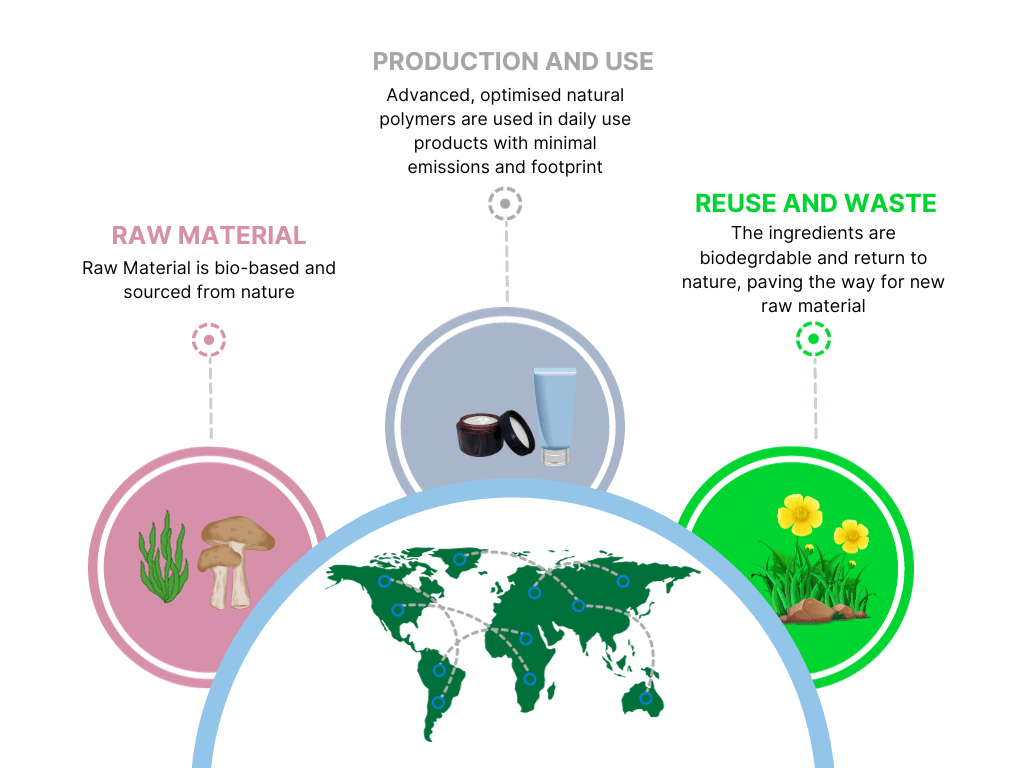
It’s time to commit to nature
Nature works in an organised, structured, and cyclical manner, and it is time to take inspiration from nature and look at processes holistically from birth to end – or what has been defined as the circular economy.
In a circular economy, the emphasis is on products sourced from nature and designed to return or be reused until they reintegrate into nature.
To support a circular economy, and humanity’s future, there has been a strong shift towards eco-friendly materials and sustainable practices. Eco-friendly materials are finding applications in various industries from construction to personal care. Moreover, sustainable practices and materials also help bring down emissions and lower carbon footprints. For e.g.biofuels derived from biomass can significantly lower emissions compared to traditional fossil fuels, with estimates suggesting reductions between 60 to 90% in CO2 emissions. And, plant-based biopolymers can potentially reduce carbon emissions by a notable margin. Greenitio found reductions in emissions of up to 90% for its products, especially if sourced sustainably and produced using renewable energy.
Embracing sustainability: A collective commitment for a resilient future
In navigating the current and complex situation of climate change and a transition to a sustainable future, embracing sustainable alternatives emerges not just as a choice but as a collective responsibility. Bringing such solutions to the mass market and adopting them will lead to a more resilient future and better living standards. Consumer demand coupled with regulations and governance have triggered a strong industry-wide shift towards eco-friendly materials and sustainable practices, pivotal for wider adoption of products and practices, and ultimately achieving the 2030 Agenda.
]]>Importance of natural polymers and vegan ingredients in personal care products
Natural polymers are pivotal in cosmetic formulations due to their biodegradability and compatibility with skin. These compounds impart properties like product texture and stability while minimizing skin irritation, giving our cosmetic and skincare products the look and feel that we are so used to. Simultaneously, vegan ingredients, free from animal derivatives, uphold ethical and environmental values in cosmetics. Their plant-based nature aligns with sustainability, reducing reliance on animal resources, and contributing to climate-adaptive solutions. With consumers increasingly prioritizing eco-conscious choices, the surge in demand for sustainable beauty products underscores the importance of natural polymers and vegan ingredients, propelling the industry towards a more ethical and environmentally friendly landscape.
Vegan ingredients and sustainability
Vegan ingredients in cosmetics represent a pivotal shift towards sustainable, ethical, and environmentally conscious beauty practices, spearheaded by a growing consumer base inclined towards ethical consumption. Embracing plant-based alternatives reduces reliance on animal-derived components, inherently addressing ethical concerns about animal exploitation. By abstaining from animal-derived ingredients like beeswax or lanolin, the cosmetic industry not only upholds ethical values but also lessens its impact on animal habitats and ecosystems, supporting biodiversity. It also mitigates issues linked to deforestation, water usage, and greenhouse gas emissions linked to livestock farming.
However, the use of vegan ingredients goes beyond being an ethical choice to being skin and health-friendly.
Vegan ingredients in cosmetics and skin care products offer a multitude of skin-friendly benefits, possessing inherent qualities that are conducive to skin health, such as being rich in vitamins, antioxidants, and essential fatty acids. They tend to be lighter and less likely to clog pores, reducing the risk of irritation or allergic reactions. Moreover, their natural origins contribute to formulations that are nurturing and soothing, suitable for sensitive skin types.
Embracing natural polymers in formulations
Natural polymers have diverse applications in the personal care sector. They can be sourced from renewable materials and replace their synthetic counterparts. Their biodegradability, their biocompatibility, and their ability to stabilize formulations and improve texture position them as eco-conscious choices. There are several natural polymers like cellulose, alginate, hyaluronic acid, xanthan gum, and chitin that are gaining recognition in cosmetics and skin care products, but each of these has different properties and uses.
Natural polymers don’t just impart texture and stabilizing properties but also impart bio-actives and several functional properties to products, upgrading product quality while minimizing the number of ingredients.
For example, Chitin, extracted from mushrooms, offers unique advantages for beauty formulations due to their presence in fungal cell walls. Chitosan, an advanced natural polymer derived from chitin, is becoming a sought-after ingredient in various products due to its biodegradability and compatibility with the skin. Chitosan’s advanced characteristics such as its ability to retain moisture, promote wound healing, antioxidant properties, and anti-microbial properties make it an appealing ingredient to use in formulations targeting hydration, anti-aging, and skin regeneration. Its molecular structure facilitates its use in creams, serums, and masks.
To unlock the true power of natural polymers for use in daily applications, they need to be optimised by using the right technology and processes. Greenitio harnesses the potency of chitosan to engineer a cutting-edge biopolymer, unlocking revolutionary potential for cosmetic brands. Through AI-aided design and green chemistry expertise, it transforms chitosan’s inherent properties, ensuring a stable and optimized product showcasing the indispensable role of advanced technology in the creation of next-gen, utilizable formulations.
Sustainable formulations and environmental impact
The synergy between natural polymers and vegan ingredients drives sustainable formulations and offers eco-friendly alternatives. Their renewable sourcing and biodegradability significantly slash the carbon footprint, aligning with eco-conscious practices contributing to blue beauty.
It reduces the environmental impact that these products have by diminishing reliance on resource-intensive, synthetic compounds, and can essentially help brands reduce ingredients, reducing their environmental impact, while giving their consumers an effective product.
Increasing consumer awareness
This is being supported by the rising awareness and demands from consumers:
- 86% of Europeans say they are ready to change their daily consumption to protect the environment, and 90% of Europeans and 91% of the French considered sustainability to be a priority purchase criterion in 2022.
- A separate 2023 survey of 2,414 U.S. adults revealed a similar change in purchasing habits: 62% of people say they “always or often” seek products to purchase because they are sustainable for the environment, which is up from just 27% in 2021.
- Additionally, 55% of consumers are willing to pay more for eco-friendly brands and are ready to pay a 12% premium for sustainable products.
Challenges brands are facing in their sustainability journey
Formulating for sustainability, while moving away from synthetic ingredients and incorporating natural polymers and vegan ingredients poses several challenges for products, such as:
- Stability: Natural polymers and vegan ingredients can pose stability and consistency issues.
- Shelf Life: Stability affects the shelf life of products. Maintaining consistency and preventing ingredient degradation over time is a significant challenge for brands.
- Sourcing and Supply Chain: Sourcing reliable and consistent supplies of natural polymers and vegan ingredients can be challenging, particularly when ensuring ethical and sustainable sourcing practices. Dependence on seasonal variations and geographical constraints can affect availability.
- Quality: Achieving the desired texture, and consistency in products while using natural polymers and vegan ingredients can be tricky.
- Performance: Balancing efficacy with natural and plant-based components without compromising product quality poses a formulation challenge.
- Preservation: Finding effective preservation methods without resorting to conventional synthetic preservatives can be demanding. Maintaining product safety and longevity while adhering to natural and vegan principles requires innovative preservation techniques.
- Regulatory Compliance: Meeting regulatory standards and ensuring compliance while formulating with natural and vegan ingredients adds complexity. Navigating through regulations while using newer, natural alternatives demands rigorous testing and documentation.
Crafting sustainable beauty
Advancements in stabilizing techniques and novel extraction methods enhance ingredient stability and availability, fostering more reliable formulations. Additionally, emerging trends like upcycling agricultural by-products for cosmetic use and integrating cutting-edge biotechnologies highlight promising directions for sustainable beauty.
Continual advancements in sustainable beauty spotlight innovative strides in advanced natural polymers. Researchers are delving deeper into advanced polymer technologies sourced from renewable materials, like algae or mushrooms, to revolutionize cosmetic formulations. These cutting-edge polymers offer enhanced biodegradability, improved stability, and customizable properties, addressing previous challenges in natural polymer formulations. Breakthroughs in biotechnological processes and nanoencapsulation techniques further amplify the efficacy of these polymers, unlocking new avenues for eco-conscious cosmetics.
By harnessing these advancements, the beauty industry can navigate towards a future where sustainable formulations, propelled by advanced natural polymers, redefine both product efficacy and environmental impact.
Advanced natural polymers for sustainable beauty
When we talked to brands looking to make their formulations more sustainable, we were often faced with questions regarding the performance, quality, and compliance of natural polymers. To combat these challenges, Greenitio has developed technology and processes in line with years of research, technological breakthroughs, and green chemistry principles. If you’d like to know more, please reach out to us here.
]]>Why is the ban significant?
Several countries have voluntarily proposed regulations to end certain aspects of plastic pollution, e.g. the ban on added microplastics to consumer products under the REACH regulation in Europe, or the Modernisation of Cosmetics Regulation Act (MoCRA) in the US.
However, this landmark ban proposes an internationally, legally binding instrument on plastic pollution, that’d place an emphasis on a holistic approach and also address the ‘full life cycle’ of plastics versus solutions around recycling or waste treatment.
The transboundary nature of plastics and synthetic polymers
The ban acknowledges the transboundary nature of plastic pollution and emphasises the importance of a full-cycle approach and global cooperation to combat it.
In the November 2023 meeting of the third session of the Intergovernmental Negotiating Committee (INC) for the ban, The Executive Director of the UNEP, Inger Andersen shared: “The resolution passed at UNEA 5.2 (the fifth United Nations Environment Assembly in 2022) called for an instrument that is, and I quote, ‘based on a comprehensive approach that addresses the full life cycle of plastic. Not an instrument that deals with plastic pollution by recycling or waste management alone. The full life cycle. This means rethinking everything along the chain, from polymer to pollution, from product to packaging.” She added, “We need to use fewer virgin materials, less plastic, and no harmful chemicals. We need to ensure that we use, reuse, and recycle resources more efficiently. And dispose safely of what is left over. And use these negotiations to hone a sharp and incisive instrument to carve out a better future, free from plastic pollution.”
The lifecycle of a plastic
Plastic is primarily derived from fossil fuels, which are then processed into plastic polymers through processes like polymerisation. These synthetic polymers can be moulded into different products, or added as chemicals to products for applications in various industries – from industrial uses to personal care products. The finished products are distributed and consumed globally, in various forms, shapes, and sizes through logistics and transportation.
At the end of their lifecycle, they are treated as waste and disposed of through landfills, incineration, or recycling.
- If not properly recycled, plastics end up releasing toxins into the soil through leaching in landfills, or the air through incineration.
- Certain plastics that are not easily recyclable end up staying in the environment for a long time and break down into microplastics, endangering ecosystems, impacting soil and marine life, and potentially human health.
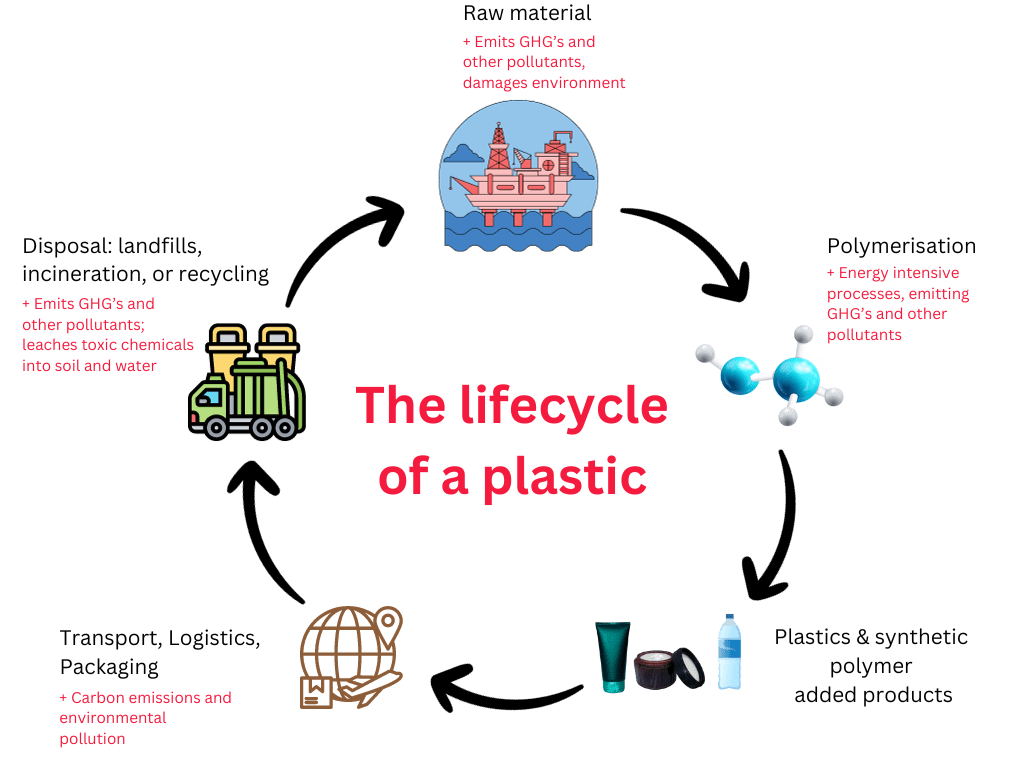
Synthetic polymers, commonly used in various industries for their durability and versatility, have contributed significantly to the mounting environmental crisis. With an estimated 11 million metric tons of plastic waste entering the oceans each year, the ecological impact is profound.
The UN’s ban is a critical step toward curbing this catastrophic trend.
Solutions to the plastic lifecycle
Among solutions including stakeholder collaboration, a comprehensive look at the plastic lifecycle, and a shift towards the circular economy, the committee has recognised innovation as a key solution to tackling the impact of climate change. It is necessary to bring in sustainable alternatives and technologies, promote sustainable design, and limit waste generation.
Keeping in mind the beginning of the lifecycle as well as the end, plant-based biopolymers, biosurfactants, and microcapsules act as a viable alternative – bio-based, biodegradable, and functional.
Green Innovations and practices as a response to synthetic polymers
Remarkable Surge in Research
The ban has instigated a remarkable surge in research and development efforts focused on the exploration and implementation of plant-based biopolymers and biosurfactants. This surge in innovation has not only accelerated the discovery of eco-friendly alternatives but has also paved the way for developing cutting-edge technologies. It has helped towards the development of sustainable manufacturing practices that prioritise environmental sustainability and reduce carbon footprints.
Plant-based biopolymers, biosurfactants, and microcapsules as alternatives
Embracing plant-based biopolymers
As the world grapples with the challenges posed by the ban, researchers and innovators are increasingly turning to plant-based biopolymers as a sustainable alternative.
These biopolymers, derived from renewable resources such as corn, sugarcane, and cellulose, offer comparable properties to their synthetic counterparts. At the same time, it significantly reduces the environmental footprint.
Biopolymers, sourced from natural origins, e.g. algae or plant starches, serve as sustainable alternatives in cosmetics, offering versatile applications in skincare formulations or as biodegradable packaging materials.
Moreover, their biodegradable nature ensures a more eco-friendly end-of-life cycle, mitigating the long-term environmental impacts associated with traditional polymers.
The Rise of Biosurfactants
Complementing the shift toward biopolymers, the utilisation of biosurfactants has gained traction in various industries.
These surface-active compounds, derived from living organisms, exhibit excellent emulsifying and cleaning properties. They are being increasingly adopted as substitutes for their synthetic counterparts in diverse applications e.g. in industrial processes and especially in consumer products such as detergents and cosmetics.
Integrating biosurfactants not only enhances product sustainability but also fosters a healthier ecosystem by minimising the release of harmful chemicals into the environment.
Harnessing the Potential of Microcapsules
In parallel, the development of microcapsules has garnered attention for its multifaceted applications across industries.
These tiny spheres, typically composed of biodegradable materials, offer a promising solution for the controlled release and targeted delivery of various substances with applications in pharmaceuticals, fragrances, nutraceuticals, and personal care and cosmetics. Their biocompatible nature and ability to encapsulate sensitive compounds with precision.
Microcapsules increase the shelf life of products, and maintain acidity and pH levels, and advanced microencapsulation technology like Greenitio’s can help with custom anti-microbial properties, making them suitable for use in food and cosmetic products.
Microcapsules in precision delivery systems
Integrating microcapsules in various sectors has revolutionised precision delivery systems, optimising resource utilisation and minimising waste. By enabling targeted release and controlled dispersion of substances such as fertilisers, pesticides, and pharmaceuticals, microcapsules have not only enhanced product efficacy, but they have also mitigated environmental risks, ensuring minimal ecological disruption and promoting sustainable industry practices.
Resurgence of practices involving nature and technology
Amid efforts to revive rural economies and encourage eco-friendly agricultural methods, the focus on plant-based biopolymers has sparked a rejuvenation in farming practices. These sustainable approaches prioritise cultivating bio-based resources, nurturing biodiversity, and diminishing dependence on fossil fuels.
Additionally, the extensive integration of Biosurfactants has led to significant advantages, particularly in enhancing water quality and curbing environmental pollution. Through the substitution of traditional, synthetic surfactants with biodegradable alternatives, industries have notably minimised the release of hazardous chemicals into water systems. This proactive measure safeguards aquatic ecosystems, ensuring the preservation of delicate marine life.
Positive impact of the UN ban
The UN’s ban has stimulated global awareness and consciousness regarding the pressing need to address plastic pollution and has heightened awareness, catalysing widespread advocacy for sustainable living practices. It has encouraged individuals, businesses, and policymakers to prioritise environmentally friendly alternatives. By addressing the entire lifecycle of plastics and bringing a spotlight on the lesser-known issue of synthetic polymers, this initiative has laid the groundwork for a paradigm shift in human behaviour and industrial practices.
The ban has helped spur greener and cleaner innovations and practices, bringing in the next generation of materials and concepts. It is also increasing the adoption of solutions such as plant-based biopolymers, biosurfactants, microcapsules, as well as plant-based plastics and fashion, signifying a paradigm shift toward a more sustainable and environmentally conscious approach by companies.
By leveraging innovation and fostering cross-sector collaborations, we can pave the way for wider adoption of environmentally friendly alternatives and increased innovation.
]]>
In the modern day and world of living, we have many items that allow us convenience and comfort. A lot of these items ranging from plastic products to unseen ingredients in our skincare items contain synthetic polymers, which impart properties like convenience, durability, versatility, and functionality to the products. For a long time, synthetic polymers allowed us to manufacture products that provided us the ability to live better lives and boosted the economy. Now, we’re facing consequences from the other side of the coin.
Synthetic and natural polymers
Polymers are repeating chains of monomer units that bind our material world and are synthetic or natural. Synthetic polymers are man made and fossil fuel based. Examples include nylon, polyethylene, polyester, Teflon, and formulations in everyday products. Natural polymers occur in nature, can be extracted, and are often water-based. Examples of naturally occurring polymers are silk, wool, DNA, cellulose and proteins.
The backbone of everyday life
Synthetic polymers have been engineered by scientists and engineers and form the backbone of several items in our everyday life, including plastics and microplastics. Micro plastics are tiny pieces of plastics which are intentionally added to products to impart properties like functionality or versatility to the product, for e.g., microbeads which impart exfoliating properties to scrubs. They are used in various industries such as in the personal and home care industry, and also have applications in agriculture and packaging. Another way they can also occur is when larger plastic items break down in the environment.
Synthetic polymers, among their many other properties, are engineered for their durability, which means that products made from these items can persist in the environment for a long time even after we are done using them. Since they are smaller particles of less than 5mm, microplastics can’t be detected by our current water treatment systems in most places, and end up being washed down into our aquatic systems. Their presence doesn’t stop there – they find their way up the food chain to higher level organisms like humans.
Not only do synthetic polymers pose an environmental problem, but they also pose economical and health problems.
Polymers in cosmetics and personal care industry
Polymers play a vital role in the personal care industry, serving as versatile and multifunctional ingredients in various products, and contributing to the texture, stability, and performance of items like shampoos, conditioners, lotions and cosmetics. Their use enables the industry to create innovative products that meet consumer demands for efficacy, aesthetics and functionality while ensuring stability and shelf life. For e.g. synthetic polymers like polyethylene glycols (PEGs), polyvinylpyrrolidone (PVP), and acrylic polymers are commonly used as emulsifying, thickening and stabilising agents, allowing formulations to maintain consistency. Polymers like silicones are prized for their ability to impart a smooth, silky feel and act as a protective barrier to the skin or hair.
Sustainability trends in the cosmetics and personal care industry
Sustainability in cosmetics and personal care products has become a focal point due to their large carbon footprint, emissions, and their relevance to our everyday life. However, there are trends that have emerged driven by consumer demand for environmentally conscious products:
- Green chemistry and clean formulations: There’s a growing emphasis on clean and green formulations – brands are opting for safer, non-toxic ingredients reducing or eliminating harmful chemicals like parabens, sulfates and phthalates in their products. Although green chemistry principles are being employed to develop products with minimal environmental and personal impact at all stages, from sourcing to disposal, mass adoption of such products has not yet been possible.
- Circular packaging initiatives: Brands are rethinking packaging to minimize waste, involving reducing use of single use plastics, adopting recyclable or biodegradable materials and designing refillable or reusable packaging.
- Increased transparency and traceability: Consumers are becoming increasingly aware and interested in what goes into the products that they use. Efforts are being made to increase and improve transparency and traceability of products.
- Reducing carbon footprint: Companies are committing to reducing their carbon footprint by optimizing manufacturing processes, utilising renewable energy solutions, and investing in carbon offset programs.
- Water conservation, biodiversity, and ethical sourcing: Efforts are being made to reduce water usage in formulations and production processes, as it has a big impact in the industry. Special focus is also being put on responsibly and ethically sourcing ingredients, investing in fair trade practices, and ensuring sustainable practices.
- Innovative technologies: Advancements in technology, such as micro encapsulation and biodegradable alternatives, are driving sustainable innovation. Microencapsulation allows for controlled release of active ingredients, reducing waste and enhancing product effectiveness. Bio-based and biodegradable polymers, serving as an alternative to traditional, synthetic ingredients, are gaining traction for their eco-friendliness as well as their skin friendliness in everyday use.
- Social responsibility and animal welfare: Consumers are becoming increasingly conscious of ethical practices, including cruelty free and vegan products. Brand are pledging to be cruelty free, and are using alternative methods of testing to ensure the safety of their products without harming animals.
Beyond ingredients, to formulations
Among the several trends we saw in the industry, one in particular has gained traction – the shift towards incorporating natural and organic ingredients in products. However, the problem doesn’t just stop at ingredients but extends to formulations – and here’s where synthetic polymers come into play. Synthetic polymers, used in formulations to maintain consistency and provide stability are relatively cheaper than natural alternatives. Moreover, their interaction with our skin and hair and being washed away into our aquatic systems means they can make their way up the food chain and have serious health and toxic repercussions on humans and other living beings. According to Business of Fashion, there are some 24,000 formulations in the cosmetics industry that currently have no ready alternatives, green or otherwise.
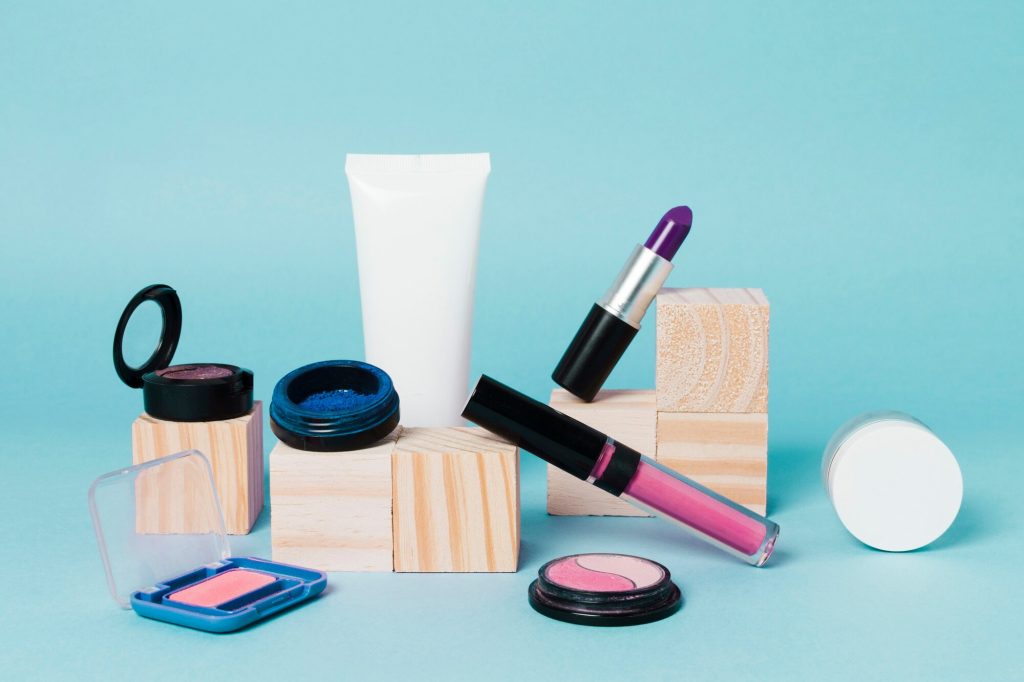
What effect does it have on business?
Recognizing the present and future threat that microplastics and synthetic polymers pose to life, several countries and organisations are coming up with their own plans and bans to phase out their use. Several laws like the ban on microplastics and synthetic polymers under REACH in the EU and the UN ban on plastics including synthetic polymers are already coming into effect, which will have a huge impact on the cosmetics and personal care industries. An estimated 13 billion USD are estimated to be lost in revenue due to lack of ready formulations.
Natural polymers: an alternative to traditional ingredients
Natural polymers and derivatives are an alternative to synthetic polymers that take us back to nature for inspiration and wisdom. Natural polymers can be extracted from nature from sources like renewable feedstock, or as by-products from waste streams. For e.g. natural polymers like cellulose derivatives and chitosan can be used in skincare and cosmetics items as thickeners, emulsifiers, stabilisers and for their moisturising properties. Other natural polymers like proteins (e.g. soy or whey proteins) can be used in shampoos, conditioners, and hair treatments to strengthen hair stands and improve texture.
By using biological and sustainable processes to manufacture natural polymers, they become both bio-based and biodegradable. Sustainable manufacturing processes offer numerous benefits such as resource efficiency, waste reduction and recycling, carbon footprint reduction, water conservation and regulatory compliance. Several processes and technology being developed and optimised can be easily integrated into current manufacturing infrastructure, with little to no additional expenditure. These processes also have lower GHG emissions and carbon footprint relative to processes for synthetic polymer manufacturing due to use of renewable raw material sources, lesser energy-intensive processes, biodegradability and positive end-of-life impact, and reduced chemical use.
Advanced natural polymers can accelerate the sustainability transition
By developing advanced natural polymers, such as the products developed by Greenitio, we can help mimic and maintain several of the properties that synthetic polymers provide, in a natural way. This can help propel companies’ adoption of natural polymers, helping them accelerate their transition to sustainable materials. Natural polymers can form the alternative for several specialty chemical formulations in the market.
]]>