Lessons From Oxytetracycline Injection Trials

Lessons From Oxytetracycline Injection Trials

 February 5, 2025HLB Management

trials
Photo by Gabriel Pugina and Jasmine de Freitas

By Ute Albrecht, Carol Tardivo, Gabriel Pugina, Larissa Nunes, Jasmine de Freitas and Gerardo Moreno

Since the approval of oxytetracycline (OTC) injection to manage citrus greening (huanglongbing, HLB) in Florida, the University of Florida Institute of Food and Agricultural Sciences (UF/IFAS) plant physiology team at the Southwest Florida Research and Education Center (SWFREC) has completed various research trials with multiple years of observations in different commercial production environments. In nearly all field trials, trees improved significantly in response to the injections in terms of fruit yield, fruit quality and juice quality. This article summarizes the most important findings and lessons learned from completed and ongoing studies.

TREE AGE AND VARIETIES

Field trials were conducted on trees ranging in age from 4 to 18 years. Regardless of the age, trees responded positively to the injections. Generally, larger relative increases in fruit yield were observed for younger trees (4 to 6 years old) than for older trees. Depending on the OTC rate, young trees responded with up to three-fold increases in yield. Responses in trials with 6- to 12-year-old trees and 18- to 19-year-old trees ranged from 25% to 60%. When two years of injections were completed, increases were even higher.

Aside from tree age, tree responses were affected by the location of the trial, grove care, scion and rootstock variety, and other factors. Most trials were conducted with Valencias, but Hamlins and Duncan grapefruits also responded positively to the injections.

APPLICATION RATES

The term ‘rate’ is often referred to as the concentration of OTC [e.g., 5,500 parts per million (ppm) or 11,000 ppm], which does not indicate the actual amount of OTC a tree receives. For example, if 100 milliliters of a 5,500 ppm or 11,000 ppm OTC solution is injected, the amount of OTC the tree receives is 0.55 or 1.1 grams, respectively. If only 50 milliliters is injected of either solution, the tree receives 0.275 or 0.55 gram of OTC, respectively. To avoid confusion, ‘rate’ is expressed here as the amount (grams) of OTC delivered per tree per year.

For young trees, the responses to the injections were better the more OTC was injected. For example, when trees received 0.15 gram of OTC per year, the yield increased by 20% to 40%. But when they received 0.75 gram of OTC per year, the yield doubled or tripled in comparison to non-injected trees. The same principle applied to the fruit and juice quality: More OTC resulted in a larger fruit size, a better peel color, a better juice color, a higher Brix and a higher Brix/acid ratio. 

In older trees, higher rates (1.1 to 1.65 grams of OTC) generally resulted in higher yields and better juice quality than lower rates (0.55 to 0.825 gram of OTC), but differences among rates were not prominent. However, when the amount of OTC per tree was divided into two or three portions and delivered evenly spaced around the trunk, the efficacy increased considerably, regardless of the rate. This means that injecting smaller amounts of OTC on two (or more) sides of the trunk is more effective than injecting a large amount on only one side of the trunk.

In 18-year-old Hamlin and Valencia trees, injection of 0.825 gram of OTC each on two opposite sides of the trunk (1.65 grams of OTC per tree total) increased fruit yield by 32% (Hamlin) and 48% (Valencia). The pounds solids per box of fruit increased from 4.3 to 4.9 (Hamlin) and from 4.4 to 5.1 (Valencia).

Higher OTC rates increased the amount of OTC detected in the (whole) fruits at harvest. Residues were below the maximum allowed tolerance when injections were completed by June and the interval between injection and harvest was 180 days or longer. The maximum allowed tolerance of OTC administered by injection is 10 parts per billion.

INJECTION TIMING, METHOD AND LOCATION

Injections that were administered in different months (March to September) were all effective. In fact, injecting later in the year resulted in a higher Brix than injecting earlier. However, when injections were performed in August or September, OTC residues in the fruit increased considerably, even when there were 180 days between injection and harvest. It is therefore advised to have all injections completed by July.

When comparing injections using syringe-type injectors (e.g., Chemjet Tree Injectors) and FLexInject injectors, both produced equal results in terms of yield and fruit/juice quality.

Regarding trunk injury, injectors with smaller tips are preferred, especially for young trees. Two sizes of tips are available for the FLexInject injectors, requiring a 13/64-inch or a 17/64-inch drill bit. Chemjet injectors are used with an 11/64-inch drill bit. When injecting young trees, a smaller drill bit will cause considerably less trunk injury (like bark cracking) than a larger one. Recurring injections should never be performed into the same injection site. 

Although both scion and rootstock injection are effective in terms of yield and fruit quality, injecting into the scion may result in a higher frequency of bark cracking and longer cracks than injecting into the rootstock. This is especially true for young trees. Aside from genetic differences between scion and rootstock, the smaller diameter of the scion may be the main reason for the higher incidence of cracking.

Older trees exhibit considerably less bark cracking, regardless of whether injections are performed into the scion or rootstock. When the trunk of the tree is short, injections are better made into the rootstock to give the OTC more time to disperse before reaching the scaffold branches, thus reducing sectoring.

OTHER FINDINGS

Phytotoxic effects (mostly leaf yellowing) were observed in response to injection in some but not all trials, regardless of the month in which they were performed. Most phytotoxic effects were moderate and only temporary. Severe effects, like leaf and fruit drop, were rare and restricted to small sectors of the canopy (those closest to the injection site).

Although not eliminated, phytotoxicity was reduced when the OTC was delivered in two portions on opposite sides of the trunk. Administering smaller amounts of OTC on two or three points around the trunk also reduced sectoring.

Phytotoxicity is not related to the pH of the solution. The solubility of the OTC decreases greatly above a pH of 2, and the dissolved OTC deteriorates within hours, especially under hot conditions.

Lastly, it must be kept in mind that bacterial reductions caused by one injection are not permanent. Controlling the psyllid vector remains essential for HLB management. Naturally, good tree care is important to prepare trees for injection and to help with recovery.

Acknowledgments: The authors thank the Citrus Research and Development Foundation and U.S. Department of Agriculture National Institute of Food and Agriculture for financial support.

Ute Albrecht (ualbrecht@ufl.edu) is an associate professor; Caroline Tardivo, Gabriel Pugina and Larissa Nunes are Ph.D. candidates; and Jasmine de Freitas and Gerardo Moreno are biological scientists, all at the UF/IFAS SWFREC in Immokalee.

Teenager Awarded for Investigation of Alternative Trunk-Injection Treatment

Teenager Awarded for Investigation of Alternative Trunk-Injection Treatment

 June 28, 2024 AwardsHLB ManagementResearch

treatment
Tanishka Balaji Aglave is studying trunk injection of curry leaf extract is an HLB treatment.
Photo credit: Society for Science

Tanishka Balaji Aglave of Valrico, Florida, received the $10,000 H. Robert Horvitz Prize for Fundamental Research for her investigation into a natural alternative treatment against citrus greening disease (known as huanglongbing, or HLB).

Aglave, a 15-year-old who attends Strawberry Crest High School and grew up on a citrus farm, injected the trunks of infected citrus trees with an extract from the curry leaf tree. The curry leaf tree, Murraya koenigii, is highly attractive to the Asian citrus psyllid, which vectors the bacterial causative agent of HLB, but it is not a carrier of the disease. In Aglave’s experiment, curry leaf extract was used to treat HLB-infected trees through trunk injection, with oxytetracycline as the standard control.

She found through tests that this potential method could effectively and sustainably manage HLB. The experiment will be repeated in the coming season to validate the current findings, and experimental plants will be observed for the next two years as a continuation of the experiment.

See a summary of Aglave’s research here.

The H. Robert Horvitz Prize for Fundamental Research is awarded to the project that represents the best in fundamental research which furthers understanding of science and/or mathematics. The project promotes the understanding of natural phenomena without clearly defined applications toward processes or products in mind. The winner will use the award to cover post-secondary educational expenses.

The award is named for 2002 Nobel Prize winner in Medicine or Physiology, H. Robert Horvitz, who served as chair of the Society for Science’s board of trustees from 2010 to 2019. Horvitz is the David H. Koch Professor of Biology at the Massachusetts Institute of Technology (MIT), an investigator of the Howard Hughes Medical Institute, a neurobiologist at Massachusetts General Hospital, a member of the MIT McGovern Institute for Brain Research and a member of the MIT Koch Institute for Integrative Cancer Research.

Source: Society for Science

Rejuvenate HLB Trees With Precision Nutrient Management


Rejuvenate HLB Trees With Precision Nutrient Management Image
By Daniel Cooper on January 28, 2025
By Meryam Manzoor, Jamie D. Burrow, Taylor Livingston and Tripti Vashisth

Effective nutrient management and accurate nutritional analysis are critical for tree growth and maximum yield. Historically, nutrient management for healthy citrus trees involved annual leaf sampling from July to August, with subsequent fertilization plans based on a single nutrient analysis. Almost all commercial citrus groves in Florida are affected by huanglongbing (HLB). HLB-affected trees have small, weak root systems that need a constant supply of nutrients to meet their nutritional needs. Studies suggest that small, frequent doses of fertilizer improve the tree health and production of HLB-affected trees.

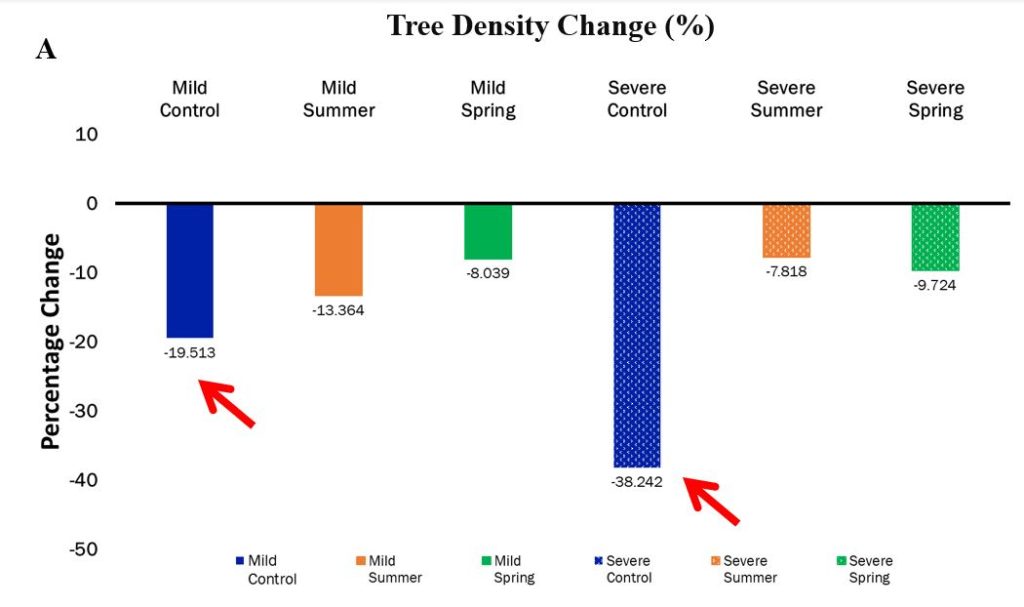
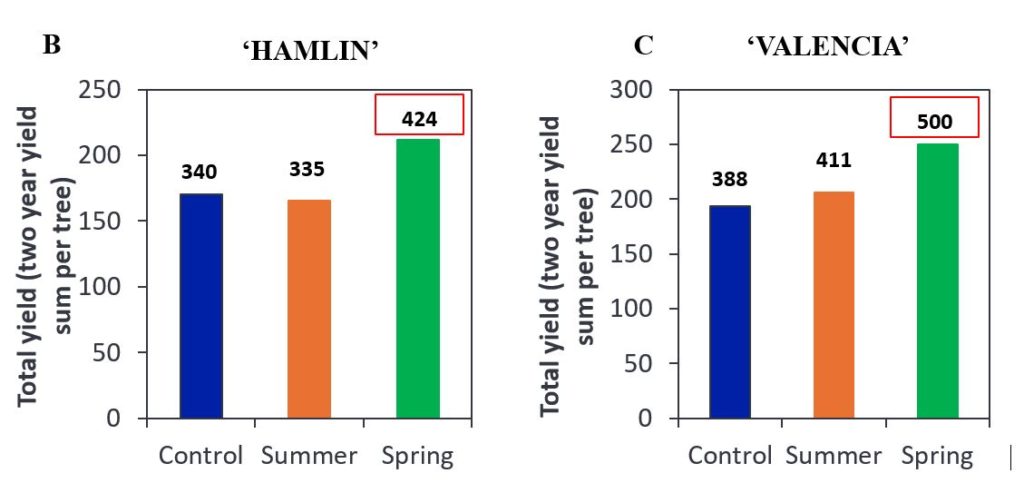
The widespread prevalence of HLB needs new approaches for managing fertilizer programs by regular leaf sampling to identify tree nutrient status and requirements.  University of Florida Institute of Food and Agricultural Sciences (UF/IFAS) researchers conducted a field study on sweet oranges to improve and revise the leaf nutrient sampling guidelines for HLB-affected trees. The goal was to determine the optimal sample collection method and assess the frequency of leaf sampling required per year to capture the tree’s nutritional status effectively and adjust fertilizer accordingly. nutrient management Percent change in Hamlin tree density in two years For this study, emerging spring and summer flushes were tagged on HLB-affected (mild and severe) Hamlin and Valencia trees in a Central Florida grove over two years. The leaves were collected four times per year for nutrient analysis. Results of both spring and summer leaf analysis were used to develop the fertilization plan. Two years of evaluation indicate that fertilization based on leaf nutrient analysis resulted in improved tree health with increased canopy growth and less decline in both varieties. Spring leaf nutrient levels correlated to canopy density. Yield illustrated that nitrogen and iron support tree canopy health in the spring. These nutrients promote healthy leaves and vegetative growth. nutrient management Total fruit yield sum for two years Later in the year, potassium and boron became more crucial as the focus shifts toward fruit development and quality. This shows at least two leaf samples (June and September) are needed to improve the canopy and fruit growth of HLB-affected trees. Interestingly, a random leaf sample is comparable to spring flush in the June and September period.
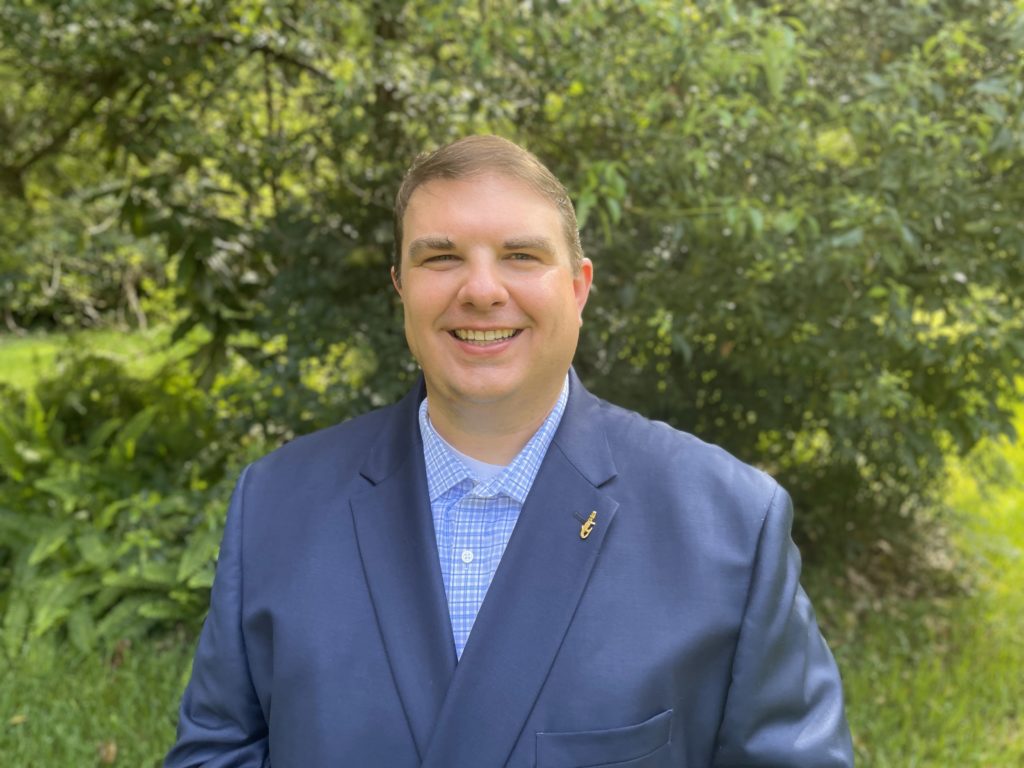
Meryam Manzoor is a visiting scholar, Jamie D. Burrow is an Extension program manager, Taylor Livingston is a biological scientist, and Tripti Vashisth is associate center director and associate professor — all at the UF/IFAS Citrus Research and Education Center in Lake Alfred. Sponsored Content

Fertilizer Considerations for HLB-Affected Citrus

Fertilizer Considerations for HLB-Affected Citrus

By John M. Chater and Davie Kadyampakeni Soil fertility is a keystone to a productive citrus grove in Florida. In the era of huanglongbing (HLB), the need to fine-tune soil fertility takes on even more importance. fertilizer The sandy soils found in citrus-growing regions of the state are great for drainage to reduce flooding stress of citrus trees in many cases, but this soil type comes with drawbacks.

One is low cation exchange capacity, which limits availability of nutrients to tree roots. Another drawback is that fertilizer applied during the growing season, especially in summer months, can be washed through the soil profile and out below the rootzone (or rhizosphere), where the roots meet the soil and take up nutrients.

In the University of Florida Institute of Food and Agricultural Sciences (UF/IFAS) citrus breeding program, many efforts have been made to keep important citrus germplasm and commercially available varieties productive in the grove. One of the key observations by researchers is that fertilizers, particularly controlled-release fertilizers (CRF), seem to help keep trees healthier during the rainy growing season, thus promoting canopy density and fruit set.

There are many different blends and products of CRF fertilizer, and some may be better for citrus growing in the HLB environment than others. CRF releases small amounts of fertilizer as the rain comes down, which allows for a steady stream of nutrients to be available. Use polymer-coated micronutrients in the fertilizer product. Solely coating the macronutrients is likely not as helpful. For optimal response, it is encouraged to apply CRFs of 6-, 9- or 12-month duration two times per year to ensure continuous year-round nutrient availability.

When customizing fertilizer blends, growers need to pay attention to soil and leaf tissue testing. Consult UF/IFAS Extension agents or faculty for guidance.

John M. Chater is an assistant professor, and Davie Kadyampakeni is an associate professor, both at the UF/IFAS Citrus Research and Education Center in Lake Alfred. Sponsored Content

UF/IFAS team secures $5M USDA grant to expand avocado production into Central Florida, combat Laurel wilt disease

Expanding avocado production into Central Florida

Lourdes Mederos
Scientists with the University of Florida have secured a $5 million grant from the U.S. Department of Agriculture to combat the lethal Laurel wilt disease and the redbay ambrosia beetles responsible for it.

The research aims to improve control and mitigation practices for avocado production in Florida. The grant, from the USDA’s National Institute of Food and Agriculture, will also support the testing of new varieties for their tolerance to cold and disease. This initiative is poised to extend avocado cultivation beyond Miami-Dade County, fostering growth and sustainability beyond the Sunshine State’s avocado production industry.

“Laurel wilt is the most devastating disease to avocado trees in the world,” said Jeffrey Rollins, Ph.D., principal investigator and a professor of plant pathology at the UF Institute of Food and Agricultural Sciences, who’s leading the research team. “Trees infested with this pathogen die within four to eight weeks.”

The pathogen is transmitted to trees by four to five ambrosia beetle species and through root grafts of adjacent avocado trees.

As part of the grant objective, UF/IFAS will host a 90-minute virtual seminar on Dec. 19, “Introduction to a New Grant: Sustaining Avocado Production in the Face of the Lethal Laurel wilt Disease,” beginning at 3 p.m. The free informational workshop is open to growers, researchers and interested investors who want to learn more about the grant’s scope and how it will shape the future of avocado farming in Florida. To participate, attendees must register in advance at this Zoom link.

Avocado varieties grown in Florida are touted for their nutritional benefits. With more than 50 varieties, each is rich in protein, potassium, iron and vitamins.

“Growers are interested in increasing commercial acreage in Central Florida, thanks to a variety of conditions, one being warmer climates shifting to the north. Currently, avocadoes can be found growing as far north as Polk County,” said Jonathan Crane, Ph.D., a co-principal investigator and a tropical fruit crop specialist at UF/IFAS Tropical Research and Education Center. The grant will support research to expand the market.

However, the South Florida avocado industry has been severely impacted by Laurel wilt with production reduced by about 50%, he said.

Laurel wilt was first detected in Florida’s commercial avocado production area of Homestead in 2012. Initially, the disease was spread by one species of the redbay ambrosia beetle, said Crane.

“The pathogen has now spread to 10 ambrosia beetle species five of which we know can transmit the disease,” he said. “That completely complicates everything. There is more at stake because the problem stretches beyond Florida into other avocado-producing states, posing significant risks.”

The disease has destroyed over 350,000 avocado trees in Florida, said Rollins.

“We are working to avoid what could be an ecological disaster as the beetle also attacks native trees in the Laurel Family as well as avocado trees,” he said.

This significant funding amount will support a trans-disciplinary research team of 12 scientists across the state, leading efforts for the next five years that is aimed at sustaining the Florida avocado industry and expanding avocado production both in South Florida and into Central Florida to accommodate the increased demand.

Meanwhile, UF/IFAS scientists have developed several mitigation efforts and best practices. The new grant will enable UF/IFAS researchers to explore additional innovative pest-management techniques, plant breeding, modeling and genetic solutions to mitigate the impact of this disease.

“The industry is battling the Laurel wilt disease with proven pruning practices to open the groves to increased light and wind, which suppress the ambrosia beetle activity,” said Rollins. “Some growers are injecting fungicide to reduce tree losses, and many growers are replanting lost avocado trees.”

The research team’s goal is to provide growers, investors and the public with the latest proven tools for disease detection, diagnosis and management. Through workshops, community events and bilingual resources, they want to empower stakeholders with science-based solutions while ensuring their concerns are addressed. By integrating research findings into practical strategies, these efforts will help protect the avocado industry and preserve this iconic fruit industry for future generations.

The objective is to understand beyond the dynamics of the disease and biology of the pest in hopes of stopping the beetle in its tracks.

“We are factoring in the need to understand the disease’s movement to better predict its spread,” said Rollins. “As we continue to refine our mitigation practices and share successful strategies, we are also committed to developing new approaches.”

Over the years, Rollins has taken a genetic look at the pathogen for its abilities and strengths that also help uncover weaknesses. “The danger doesn’t stop at Florida’s borders. Laurel wilt is a threat, with its spread already reaching Texas and Kentucky and potentially could devastate California.”

California, home to 90% of avocado production in the United States, is valued at more than $1.6 billion, said Rollins.

“As this disease progresses, its environmental impact grows, attacking native trees and numerous members of the Laurel plant family,” said Crane. “The disease has caused substantial economic losses and has threatened the viability of commercial avocado production.”

By finding cost-effective measures to manage Laurel wilt, researchers seek to ensure the continued sustainability of avocado production that Florida has enjoyed and beyond, he said.

Meanwhile, UF/IFAS researchers have reported an increase in acreage in Central Florida dedicated to avocado cultivation that is in response to the growing demand for avocados in this region.

The development of cold-tolerant avocado varieties as part of the grant’s initiative has the potential for growers in Central Florida to expand their operations.

With its world-class expertise in agricultural research, UF/IFAS researchers are committed to ensuring that Florida avocados thrive and expand despite the challenges posed by Laurel wilt.

“This project represents a significant step forward in safeguarding the state’s agricultural heritage and the livelihoods of those who depend on it,” said Rollins.

Apply Brassinosteroids to Improve Hamlin Brix


Apply Brassinosteroids to Improve Hamlin Brix Image By Daniel Cooper on November 12, 2024 Hamlin By Fernando Alferez and Divya Aryal
Brassinosteroids (BRs) are a class of plant growth regulators with several effects on plant growth and development. University of Florida Institute of Food and Agricultural Sciences (UF/IFAS) work in the last few years has shown that BR treatments may influence internal maturity in Hamlin sweet orange if performed at the right time.

Research has determined that a treatment of 186 milliliters of BR (0.1%) per 100 gallons of water applied just once at the right time of fruit maturation has the most consistent results. For mature trees 7 years or older, 1 gallon of the prepared solution per tree is typically used for full tree coverage.

In Hamlin, significant differences in Brix were seen when treatments are performed in a time window between mid-November and mid-December, with harvesting occurring two weeks after treatment. In these conditions, an increase in Brix from 7.9 (controls) to 8.9 (BR-treated trees) was realized.

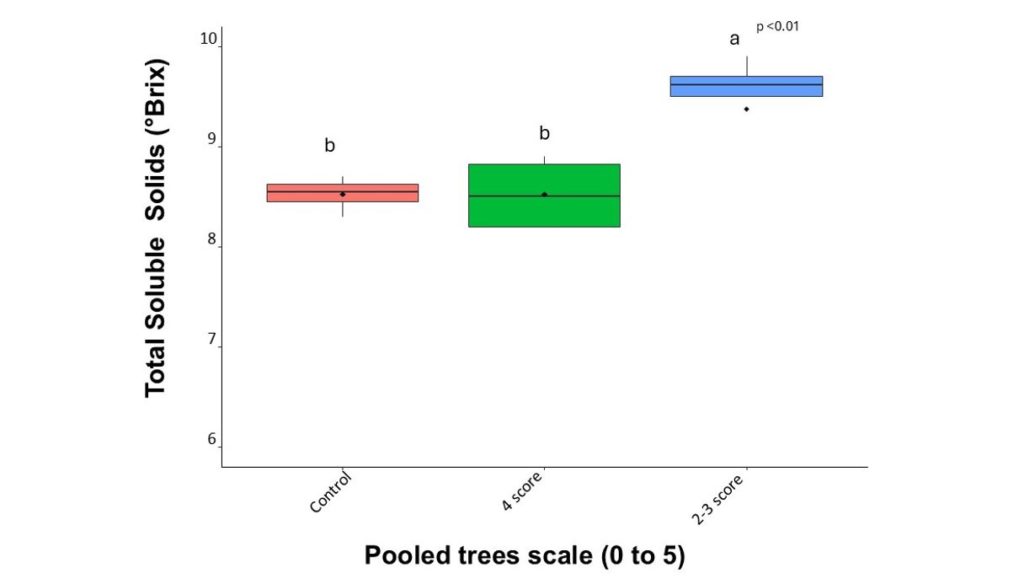
Results may vary depending on tree health status. Trees in better shape respond better to the treatments. Using a tree health scale from 0 (healthy looking trees with a dense canopy) to 5 (abundant limb dieback, scarce canopy with small leaves and blotchy mottle symptoms), there were better consistent results in trees ranking at 2 or 3. (Trees ranking at 0 or 1 were not available.) A score of 2 or 3 is consistent with trees that are still retaining a dense canopy and show no twig dieback.  Hamlin The graph shows results when Brix is pooled as a function of tree health status. By doing this, the differences are even more pronounced, with BR-treated trees at a score of 2 to 3 showing Brix at 9.5 as compared to BR-treated trees that were at a score of 4 (declining trees) showing no differences with non-treated controls (Brix around 8.4).

Research is now investigating the use of BRs in trees that have recovered a dense healthy canopy after oxytetracycline treatment. It is hypothesized that the better health status will result in a better response to the BR sprays and better fruit quality.

Acknowledgement: This research is supported with funding from the Citrus Research and Development Foundation (grants 22-003 and 24-001).

Fernando Alferez is an associate professor, and Divya Aryal is a graduate Ph.D. student — both at the UF/IFAS Southwest Florida Research and Education Center in Immokalee. Sponsored Content

Top Pruning Evaluated as HLB Strategy

Top Pruning Evaluated as HLB Strategy

 October 30, 2024BrazilHLB ManagementPruning

top pruning

A Brazilian study evaluated the effects of top pruning on orange trees located on the edges of an orchard as part of an HLB management strategy. The pruning was an attempt to attract the HLB-spreading psyllid from external areas to the orchard edges and control it, reducing its dispersion into the orchard.

Fundecitrus and Embrapa Cassava and Fruits conducted the research, and the São Paulo Research Foundation (FAPESP) and Fundecitrus financed it. An article about the study,  Topping sweet orange trees as Diaphorina citri bait on the farm edge for huanglongbing management: Opportunities and limitations, was published in Scientia Horticulturae.

Pruning stimulates the emergence of shoots at the top of the plants, which is the Asian citrus psyllid’s main source of food and place for reproduction and development.

The study compared, over three harvests, plots of sweet orange trees of different varieties pruned only at the top, at around 4 meters in height, and others that were not pruned. At the edges, it was observed that trees with top pruning every 30 to 45 days on alternate rows showed twice as much sprouting on average as unpruned trees. In some varieties, the psyllid population was 70% higher, and the cumulative incidence of HLB was 90% higher when compared to plants that were not pruned.

However, due to failures in controlling the psyllid, the technique was unable to reduce the dispersion of the vector and the spread of the disease into the interior of the plot. The interior of the plot was not pruned during the study.

Embrapa researcher and article co-author Eduardo Girardi assessed the results of the study as important but drew attention to the need for rigor in controlling the insect. “It was evident in some varieties, such as Hamlin, that top pruning stimulated greater sprouting, and this is capable of attracting more psyllids,” Girardi said. “However, at the same time, this practice on the edges increases the risk of a high insect population if there is not very good control using effective insecticides at the correct rotation and frequency.”

The study also noted that frequent top pruning reduced plant production and, therefore, this practice on borders should not be recommended without great care with vector management. “If insect management fails, the insect infestation in plants with intense sprouting will be greater and, consequently, the risk of increasing the disease will be very high,” said Fundecitrus post-doctoral fellow and study co-author Deived Cavalho.

Also participating in the study were researchers Camilla de Andrade Pacheco, Isabela Vescove Primiano, Daniela Kharfan, Alécio Souza Moreira, Francisco Ferraz Laranjeira and Renato Beozzo Bassanezi.

Source: Fundecitrus

CRAFT’s New Director Discusses Program Progress

CRAFT’s New Director Discusses Program Progress

Image By Daniel Cooper on October 28, 2024 director Steven Hall

Recently, Steven Hall joined the Citrus Research and Field Trial (CRAFT) Foundation as its new executive director. The CRAFT Foundation is a private 501(c)(3) direct support organization of the Florida Department of Agriculture and Consumer Services Division of Plant Industry. It was incorporated in June 2019 to act as mechanism to direct and manage a broad-scale field-trial program to determine the efficacy of various HLB treatments that had been individually tested and showed promise but needed to be further studied in commercial citrus groves.

Please share a little about your background.
HALL: I grew up on my family’s farm outside of Malone, Florida. I attended the University of Florida (Go Gators!), where I received a bachelor’s degree in food and resource economics with a minor in agricultural law. I continued my education at Samford University in Birmingham, Alabama, receiving a dual master’s degree in environmental management and juris doctorate from Cumberland School of Law. After graduation, I joined the Florida Department of Agriculture and Consumer Services Office of General Counsel where I served in various capacities. This includes as the department’s general counsel for over five years, for three commissioners of agriculture, and as the assistant deputy commissioner of agriculture for Commissioner Wilton Simpson. I am a sixth-generation Florida farmer, and I continue to lead my family’s farming operation in Jackson County. I live in Tallahassee with my wife, Tiffany Hall, and our two children. I am a member of the Alpha Gamma Rho (AGR) fraternity and serve as the president of the AGR Education Foundation.

What are some of your key priorities in your new role?
HALL: My goals and priorities for CRAFT are to build on the foundation laid by the board of directors, my predecessors and our team to continue the mission of the program efficiently and effectively. Thanks to the leadership of Commissioner Simpson and Senate President-Designate Ben Albritton, the Florida Legislature has steadily grown the funding of the CRAFT program for the last five years, including nearly $17 million in state and federal funding for this fiscal year. My goal is to continue working with our state and federal partners, including the U.S. Department of Agriculture Multi-Agency Coordination Group and the Citrus Research and Development Foundation, to be a part of the revitalization of Florida’s iconic agricultural commodity. I am thankful for the tireless work of my predecessor Tamara Wood and her dedication to CRAFT and the citrus industry. She has truly made the transition into my new role seamless.

To date, how many acres have participated in CRAFT?
HALL: The CRAFT Foundation has two primary programs. The original CRAFT program participants have over 16,000 acres of new plantings and resets. More than 71,000 acres have been treated as part of the Existing Tree Therapies (ETT) program. In its first five years, CRAFT has more than 300 participating entities that are conducting nearly 1,400 projects that have received, to date, over $30 million. We are starting to see exciting results from the first couple of program years and will be sharing some of these success stories over the coming months.

What have been the most popular types of projects growers are pursuing in the latest CRAFT cycles? HALL: The ETT program has been popular as growers are taking advantage of the opportunity to treat their mature trees with novel therapies to mitigate the effects of HLB. Last year, the program enrolled over 63,000 acres, and we expect to add an additional 25,000 acres to this program year. Our website (craftfdn.org) includes a publicly accessible anonymized database that provides growers the opportunity to evaluate projects in their area to assist them with their future planting and treatment planning.

What is the status of the current cycle of applications?
HALL: This year, CRAFT has received approximately $17 million in state and federal funding for growers. We expect to fund approximately 1,750 acres of new and reset plantings and approximately 25,000 acres for the ETT program. The application window for CRAFT Cyle Six and ETT Round Three opened on Aug. 1 and will close on Nov. 1. (Editor’s note: See announcement of extended deadline for Cycle Six.) Interested applicants should visit our website to review the program rules and submit an application The application process is straight-forward, and the data submission procedures are designed to be grower-friendly. Our amazing staff (Tina Buice and Carisa Keller) are focused on assisting our participants with their project designs and data entry. I invite all growers to contact us if they have any questions.

For growers interested in submitting a proposal for CRAFT, what do they need to do?
HALL: My best advice is to visit the craftfdn.org website to review the rules and take a look at the online application. This will help interested applicants gather the necessary information to make submitting the application as easy as possible. We are available to answer any questions and assist applicants as needed.

What do growers need to do to improve their chances of getting their application approved?
HALL: The participation requirements have evolved over the years of the program. If a grower looked at the program and decided against applying in the past, I would encourage them to take another look at this year’s program rules. They may be surprised at how accessible the program is to growers of all sizes. In fact, the state funding comes with a requirement that at least 60% of the appropriated funds be made available for “small” growers (owning under 2,500 acres).

Do you anticipate continued funding for future CRAFT cycles?
HALL: Yes! Albritton and Simpson have indicated their dedicated and ongoing support for the program. Governor Ron DeSantis approved this year’s state budget, which included $15 million in CRAFT funding. I am thankful for their leadership and look forward to their continued support. Matt Joyner and the staff at Florida Citrus Mutual have been tireless advocates for the citrus industry and the CRAFT program. My goal is to continue to prove the value of the program and ensure that citrus growers across the state know they can participate.

Is there anything else that you would like to add?
HALL: I am passionate about the future of Florida agriculture. My family has been farming in Florida for six generations, and I hope many more. I spent the first 19 years of my professional career at the Florida Department of Agriculture and Consumer Services advocating for policies that support and advance Florida agriculture and our farmers. When I was recruited to this new role as the executive director of CRAFT, I saw this as an opportunity to work more directly with the growers of Florida’s iconic citrus industry. I believe that there is a future for the citrus industry in Florida, and I am excited to help ensure that potential is realized.

Hurricane Milton Preparation and Resources

Read on blog or Reader Site logo image Citrus Industry Magazine Read on blog or Reader Hurricane Milton Preparation and Resources Image By Daniel Cooper on October 7, 2024 Hurricane Milton Hurricane Milton is currently expected to be a major hurricane when it makes landfall on Florida’s west coast on Oct. 9. It will likely impact a large portion of the state. Florida citrus growers are strongly advised to make storm preparations now.

In anticipation of the hurricane and its aftermath, Florida Citrus Mutual has canceled its crop estimate luncheon that was scheduled for Oct. 11 in Zolfo Springs.

Florida Gov. Ron DeSantis amended an executive order, declaring a state of emergency for 51 counties. The Florida Department of Transportation (FDOT) announced it has suspended the size and weight restrictions for divisible loads on any vehicles transporting emergency equipment, services, supplies, and agricultural food commodities, including avocados, citrus, corn, sod and tomatoes. The vehicles described in the FDOT Emergency Road Use permit may travel all days at all hours. The permit is set to expire Oct. 21 or in the rescission of Executive Orders 24-208.

The Florida Department of Agriculture and Consumer Services (FDACS) has provided resources for assisting agricultural workers and vehicles with critical access to agriculture facilities:
Memo from FDACS requesting law enforcement to assist agricultural service vehicles and farm employees in obtaining access.
Memo from FDACS requesting county emergency management offices to assist agricultural service vehicles and farm employees in obtaining access.
Template letter requesting access to be completed on official company letterhead for farm employees. This documentation can be distributed to farm employees in impacted areas. These memos only request support and do not guarantee access to an area should law enforcement need to restrict it due to hazardous or dangerous conditions.

Growers who experience crop losses due to Hurricane Milton may be eligible for financial assistance from the U.S. Department of Agriculture (USDA). Before starting any cleanup or repair activities, producers intending to apply for USDA assistance must report farm damage to their local USDA Service Center. To report damage or loss, email the Farm Service Agency (FSA) disaster group inbox at SM.FPAC.FSA.FLFSA.Disaster@USDA.GOV. Indicate the county of loss in the subject line. It is critical that producers keep accurate records to document damage or loss, including photos with the date and time, and to report losses to their local USDA Service Center as soon as possible. Await authorization to begin cleanup activities. Learn more about USDA disaster assistance programs here.

Additional resources:
See the University of Florida Institute of Food and Agricultural Sciences Hurricane Preparedness For Citrus Groves document.
Review the FSA producer checklist for pre-storm and post-storm preparedness and emergency programs administered by FSA.
Access information on Hurricane Milton from the Florida Department of Emergency Management at FloridaDisaster.org.
Ensure Wireless Emergency Alerts are turned “on” in your mobile device settings.
For real-time traffic information throughout the state, visit FL511.com.

Source: Florida Fruit & Vegetable Association Sponsored Content

The Future of Citrus

 September 4, 2024BreedingHLB ManagementResearch

future
Nian’s Wang’s lab has doubled in size to help speed up his citrus breeding work.

By Rob Gilbert, ragilber@ufl.edu

Last month I went to Lake Alfred for a look at the future of the citrus industry. You’ll like what I saw.

BREEDING EFFORTS

What I saw first was a lab focused on finding an HLB-tolerant tree that has doubled in size since my last visit to the Citrus Research and Education Center. Nian Wang can produce twice as many gene-edited seedlings as he could a year ago, thanks to investments from the University of Florida and the Florida Department of Citrus to expand the lab, buy equipment and hire more scientists.

Next, I saw the future in a research grove and in an early-career researcher. John Chater joined the University of Florida Institute of Food and Agricultural Sciences (UF/IFAS) two years ago and has hundreds of trees in the field so he can assess which ones perform best. Having him on the citrus breeding team makes it more likely that we’ll make the best selections of promising cultivars.

I toured the grove with Chater and plant breeders Jude Grosser, Fred Gmitter and Manjul Dutt. The trees looked like the citrus trees of 20 years ago. Healthy trees don’t necessarily mean profitable ones, but it’s the first hurdle to clear. Chater’s enthusiasm for the science and his laser focus on delivering solutions to growers make me optimistic that the best of Gmitter and Grosser’s work will get to your groves as quickly as we can scientifically validate the selections.

COMMUNICATING WITH CRDF

The same day I visited the lab and grove, I spoke to the future of the industry in a meeting that Citrus Research and Development Foundation (CRDF) Chief Operating Officer Rick Dantzler arranged with Morgan Porter and Aaron Himrod.

Porter chairs the CRDF board of directors, and Himrod chairs CRDF’s Research Management Committee. They’re both growers who want to continue to be growers 10, 20 or even 30 years from now.

CRDF has been a bridge to channel your investments into citrus science. I am grateful for the support that has helped UF/IFAS advance its knowledge of irrigation and fertilization in infected groves, develop promising new varieties and better understand how to kill the bacteria that causes greening.

Yet production has continued to decline, so I expected direct and frank talk, and I got it. I understand the industry’s frustration with the pace of science. While I can’t accelerate that pace, I can and have expanded operations so that we can do more of it as we seek solutions for your groves.

As I consider how to marshal our resources to continue to fight HLB, it’s critical that I see what’s happening in the field and hear key industry leaders’ reaction to it.

Much attention has been focused on Ute Albrecht’s work on trunk injection. Dantzler, Porter and Himrod see great hope in injections and asked for administrators like me to fast-track her work. They also asked for more Albrechts to work on more antibiotics — even if we have to divert resources from elsewhere — because that’s what they see as the best bet for solvency until we have resistant trees.

SOLID SCIENCE

As much as I understand the need for speed, our greatest value is to be a trusted scientific source. While Albrecht’s work is promising, she is the first to acknowledge that there can be downsides, and she’ll cover some of that in next month’s issue.

Solid science takes time, but it protects you from choices that could ultimately cost you time (and money) as you work toward a healthy, profitable grove in the era of HLB.

Meanwhile, I will continue to support Albrecht, Chater and our entire citrus research team. And I will continue to visit with Dantzler, Porter, Himrod and you for a two-way conversation about the future of the industry.

Rob Gilbert is the University of Florida’s interim senior vice president for agriculture and natural resources and leader of UF/IFAS.

Editor’s note: J. Scott Angle will be returning to this position in September 2024.