

Science Advisory Group (SAG)
Purpose
Friends of Herring River (FHR) has an organizational history that is rooted in scientific discovery and decisions informed by science, namely the case-building for and adaptive management approach of the Herring River Restoration Project (HRRP). Whereas the initial Board of Directors for FHR included several trained scientists, there are fewer engaged now that the HRRP is in Phase 1 construction and FHR continues to evolve. The FHR Board has also evolved to reflect the evolution of FHR and the need for the Board to concentrate more on oversight, governance, and fiduciary matters. The FHR Board of Directors and staff therefore supports the creation of an advisory body to ensure an accurate, objective, and comprehensive science focus endures. This body shall be named the Science Advisory Group (SAG) and shall liaise directly with the FHR Board and/or its delegate.
Science Advisory Group (SAG)
The SAG shall consist of 3-9 active members, with at least 1 member of the FHR Board as a liaison. It is not an official body within the HRRP. SAG leadership may reflect a chair or co-chair leadership model, as appropriate given prevailing circumstances at any point in time. The SAG will be less formal than a structured Committee, mostly meeting and communicating ad hoc regarding opportunities for ongoing research and the development of science-based educational materials, including contextualizing and interpretating data, to inform the broader public and any interested parties.
Charter
The SAG’s activities will include, but are not limited to, the following:
- Review and opine on FHR’s communications and activities which are rooted in science
- Help convene and lead scientific events and talks related to the Herring River Estuary, on behalf of
FHR (examples include organizing the annual Herring Count Workshop for the Wellfleet Herring Run group; walks covering science-driven topics designed to educate the participants; and sharing observations, photos, data, and analysis about relevant activities within the Herring River estuary and Wellfleet, Massachusetts area via written communications and events organized by FHR or for which FHR is asked to participate) - Evaluating and overseeing research studies/initiatives as desired/appropriate for topics supported by the Herring River Technical Team (HRTT) but which may not receive funding via the HRRP
- Providing information/advice to the HRTT as requested
- Support to the archival/documentation efforts of FHR that relate to scientific information and data and other general topics as appropriate given certain SAG members’ history with FHR and the HRRP; this effort would include the maintenance of an up-to-date bibliography of publications directly related to the work of the HRRP
Last author: J. Fouse
Quick Links
SAG Members 2024
Barbara Brennessel, PhD
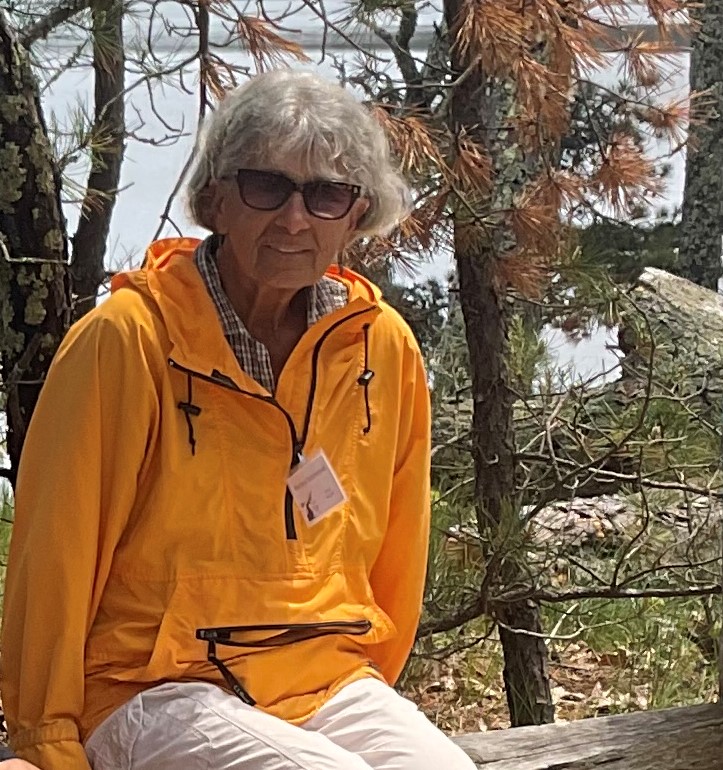 Trained as a biochemist at Fordham and Cornell, Barbara taught at Wheaton College until her retirement in 2013. She studies diamondback terrapins, river herring and shellfish. In each case, she has written a book about the subject. Barbara is a member of the Wellfleet Conservation Commission and volunteers with the Wellfleet SPAT Science Research Committee, IFAW and Wellfleet Bay Wildlife Sanctuary.
Jackie Fouse, PhD
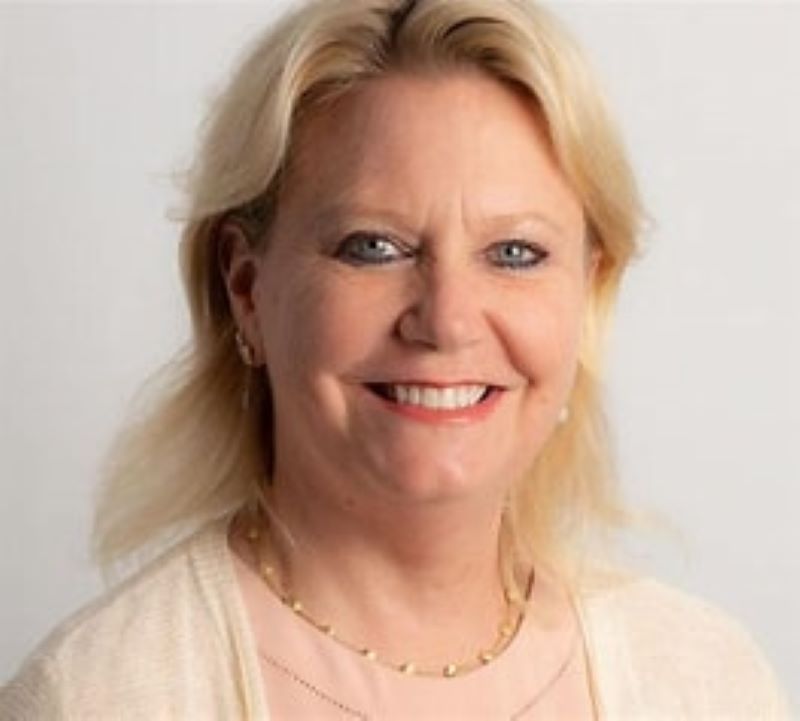 Jackie has had a 40-year international corporate career, mostly in the healthcare industry. She most recently served as CEO of Agios Pharmaceuticals in Cambridge, MA. She has B.A. and M.A. degrees in economics and a Ph.D. in finance. In 2017 she decided to pursue a Master’s in environmental management from the Yale School of Forestry & Environmental Studies. She completed that program in 2019, during which time she participated in research with the Herring River Restoration Project team. She is highly interested in not only contributing to the restoration of the Herring River, but also in the preservation of the unique attributes of the Cape Cod ecosystem at large. Jackie and her partner have owned their home in Wellfleet since 2009.
John Portnoy, PhD
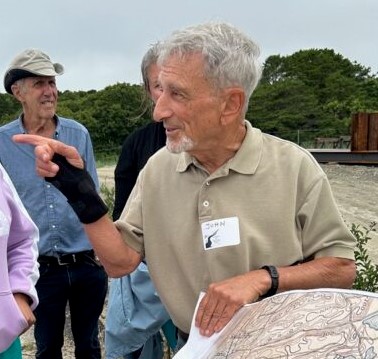 John holds degrees in biology (BA), wildlife biology (MS) and marine ecology (PhD). He worked as a National Park Service ecologist on Cape Cod for 29 years conducting research on a range of topics in wetland ecology and biogeochemistry, with the latter focused on wetland elemental cycling. He has volunteered on the Town of Wellfleet Natural Resource Advisory Board, Conservation Commission, Mayo Creek Restoration Committee and Open Space Committee. Since retirement from the NPS, he has continued to volunteer with the Cape Cod National Seashore and Friends of Herring River.
David Shapiro
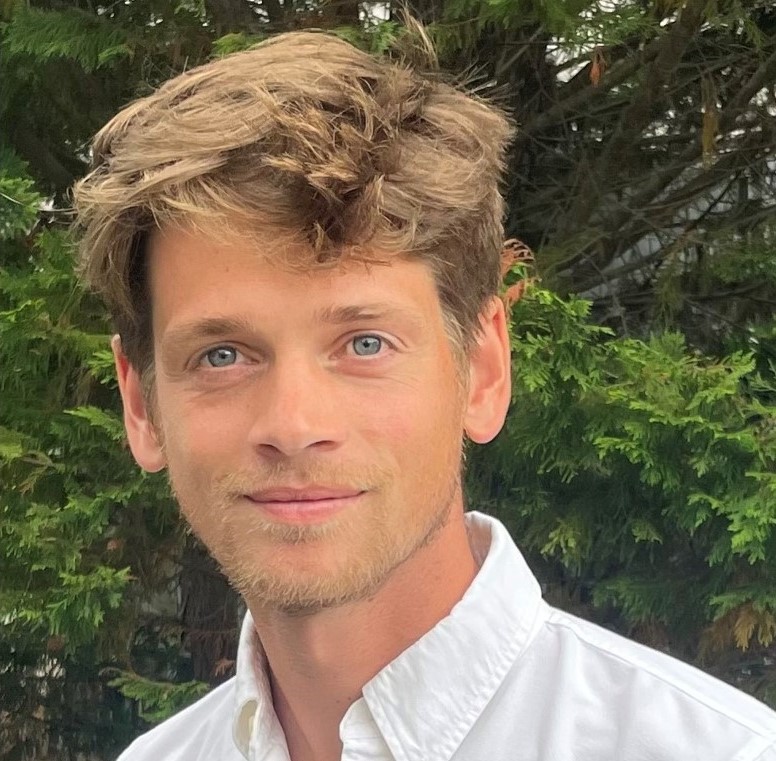 David is Adult Programs Teacher Naturalist with Mass Audubon Cape Cod. In this role, he works to develop and deliver environmental education programs to students across Cape Cod. Prior to his current role with Mass Audubon, David taught environmental education programming at the NEED Academy, a residential environmental education program in Truro, MA, that provides week-long experiences in the Cape Cod National Seashore for local grade 5 students. David also worked as an interpretive park ranger with the Cape Cod National Seashore for six seasons.
Friends of Herring River
1580 Route 6, #5
Wellfleet, MA 02667
(508) 214-0656
info@herringriver.org
SUPPORT US
FOLLOW US
