
Hale Ao o Ka Moamoa
Our research agenda focuses on the design and deployment of sustainable computational things. As data centers suck up water, and increase global power demand– as we lurch towards a trillion devices in the modern Internet-of-Things, as computing becomes more centralized and inaccessible – we design and build alternative computing systems from the literal ground up, including battery-free, decentralized, distributed, often energy harvesting, and energy-efficient computing devices that are intended to mitigate the ecological impacts of climate change, respect community and culture, enable new health focused applications, and increase accessibility of computing and intelligence. Learn more about our team, projects and research, and recent news.

Check out some press Highlights in Popular Science, Scientific American, Bulletin of the Atomic Scientists, Independent, The Wall Street Journal, CNET, Communications of the ACM, BBC Newsday, Smithsonian, Guinness Book of World Records, Seeker, ACM Tech News, Mongabay, and Crain’s Business.
Lab Director Biography #
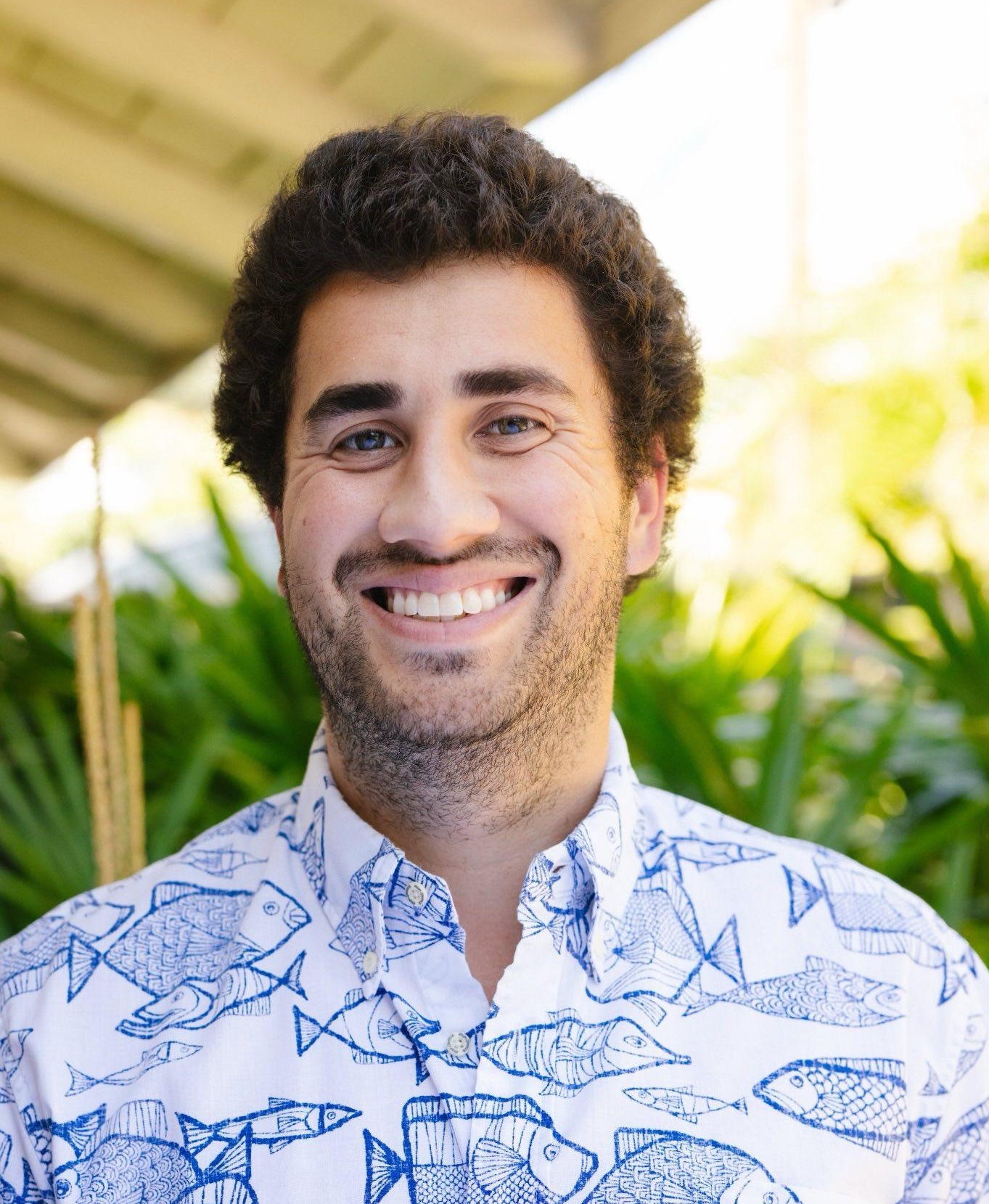
Josiah Hester is Associate Professor of Interactive Computing and Computer Science at Georgia Tech. He leads the Center for Advancing Responsible Computing at Georgia Tech’s College of Computing and serves on the leadership team of the Brook Byers Institute for Sustainable Systems. Josiah works in sustainable computing broadly, specifically around low power and energy harvesting Internet-of-Things for large-scale sensing in conservation, smart homes, and disaster preparedness. His work also spans redesigning computing systems for lower ecological impact, rural healthcare technologies, and place based computing and STEM curricula for K-12. He was honored with a Presidential Early Career Award for Scientists and Engineers (PECASE) in 2025 by the Biden administration for his work. He was named a Sloan Fellow in Computer Science in 2022 and was named one of Popular Science's Brilliant Ten in 2021. His work has been featured in the Wall Street Journal, Scientific American, BBC, Popular Science, Communications of the ACM, and the Guinness Book of World Records, among many others.
Partners and Affiliations #
We work closely with the Center for Advancing Responsible Computing and the Brook Byers Institute for Sustainable Systems on campus at Georgia Tech. We mainly partner with Tribal, Native, non-profit and multi-institutional collectives for social impact work.
| STRONG Manoomin Collective | Purple Maiʻa Foundation | Ulu Lahui Foundation |
|---|---|---|
 |
 |
 |
Funding #
Our lab is generously funded by the National Science Foundation under multiple awards:
- SCC-IRG: Edge AI, Biofabrication, and Data Science for Disaster Preparedness and Community Wellbeing in Hawaii (CNS-2531574)
- DESC: Type 2: Delphi: Life-time aware design frameworks for sustainable edge devices (CCF-2324861)
- SCC-IRG Track 1: Strengthening Resilience of Ojibwe Nations Across Generations (STRONG) (CNS-2233912)
- Focused CoPe: Strengthening Resilience of Manoomin, the Sentinel Species of the Great Lakes, with Data-Science Supported Seventh Generation Stewardship (RISE-2209226),
- HCC: Small: Toolkits for Creating Interaction-powered Energy-aware Computing Systems (IIS-2228983),
- CAREER: Enabling Dynamic, Adaptive, and Reliable Battery-free Embedded Computing (CNS-2145584),
Past NSF awards include: CNS-2107400, CNS-2106562, CNS-2137784, EECS-2030251, CNS-2044053, ECCS-1912694, CNS-1915847, CNS-1850496, CNS-2032408, CNS-2038853.
We are also funded under multiple projects from the Advanced Research Projects Agency for Health (ARPA-H), the National Institutes of Health, the Defense Advanced Research Projects Agency (DARPA), and the Army Research Office (ARO). We also gratefully acknowledge the Alfred P. Sloan Foundation, VMware, Google, Dolby, and 3M for research support over the years.


