子らの髪みな柔らかき花祭 (Hanamatsuri, lit. “Flower Festival,” is a celebration of Siddhartha Gautama’s (the Buddha’s) birthday on April 8th)
fingertips far from my heart tomorrow it will snow
心から遠い指先あすは雪
the X on Miffy’s mouth warm
ミッフィーのくちのばってんあたたかし
dodgeball with a bang Valentine’s Day
ドッジボールずどんとバレンタインの日
being iron until scrapped spring rain
鉄屑になるまで鉄でいる穀雨 (穀雨: “grain rain” — refers to the microseason “Guyu,” approx. April 20 – May 5) (Note: First part literally reads “remaining as iron until turned into scrap iron”)
putting on a stamp where a moment ago there was a small bird
切手貼るさっき小鳥がいた場所に
the deer I’m supposed to ride still hasn’t arrived Kabukicho
乗るはずの鹿がまだ来ぬ歌舞伎町
carrots– my childhood friend is suddenly pretty
にんじんやおさななじみの急にきれい
spotting a cloud I’d like to try on last days of winter
羽織りたい雲を見つけて寒明ける
cold after a bath regaining the weight of today
湯ざめして今日の重さを取り戻す
eighty-eighth spring night my body becoming slightly transparent
八十八夜少し透けたくなる体 (Note: 八十八夜, lit. “88th night,” marks the 88th day after the start of spring when the planting season begins just before the start of summer)
peel the peaches while bringing the memories to room temperature
思い出を常温にして桃を剝く
cigarette butts like screams Yukihiko Memorial Day
絶叫のような吸い殻幸彦忌 (Honoring the anniversary of the death of haiku poet Yukihiko Settsu [Oct. 13])
moonlight– the foam that was a mermaid once
月光やかっては人魚だった泡
Hazuki Natsu (b. 1968 in Shizuoka Prefecture) won the 36th Gendai Haiku Association New Face Award in 2018. She started writing haiku in 2008 under the influence of her mother. She gained experience over the years through various haiku gatherings, including the Modern Haiku Association’s Tuesday classes (under instructor Yasuko Tsushima). Natsu joined the haiku group/journal Kei (「奎」) in 2017, and is a member of the Gendai Haiku Association and the executive secretary of the Kanagawa Gendai Haiku Association (Yokohama Block Leader). Her haiku collection The Perfect Box (ぴったりの箱) was a finalist for the 76th Gendai Haiku Association Prize in 2021. In 2022, she won the 7th Yukihiko Settsu Memorial Prize and was a member of the selection committee for the 8th Yukihiko Settsu Memorial Prize in 2023. Her latest haiku collection, When I Was a Mermaid, was released on June 22nd, 2025.
first snow– taking the shape of a ribbon running away
初雪やリボン逃げ出すかたちして
my friend’s child smells like my friend– crunchy pear
友の子にともの匂ひや梨しやりり
turned into scarves the beasts gather once more
襟巻となりて獣のまた集ふ
I stay home and chew gum spring break
家にゐてガム噛んでゐる春休み
white plum blossoms– after a hundred years, a hundred years later
白梅や百年経てば百年後
after I get off the swing life today . . .
ふらここを乗り捨て今日の暮らしかな
wishing they could be my eyes grapes
わたくしの瞳になりたがつてゐる葡萄
vaguely starting to dance plum blossom viewing!
曖昧に踊り始める梅見かな
like setting out to sea the smell of branches broken by the weight of snow
出航のやうに雪折匂ひけり
first day of fall– your elbows through the ginger ale
秋立やジンジャーエールに透ける肘
I swim as though holding you tight– summer river
抱きしめるやうに泳ぐや夏の川
altocumulus clouds I’ve already been forgiven
ひつじ雲もう許されてしまひけり (Note: The Japanese word for altocumulus clouds literally translates as “sheep clouds” — may be a Christian allusion between sheep and forgiveness)
on the balcony the insect’s insides are yellow
バルコンにて虫の中身は黄色かな
autumn river– above the shadows there are fish
秋川や影の上には魚のゐて
like a pirate stuffing melon in my mouth
海賊のやうにメロンをほほばれる
cat in heat– the cellophane tape amber-colored
恋猫やセロハンテープ飴色に
Year of the Tiger: wrapping the scarf around and around and around
寅年のマフラーぐるぐるぐるぐる巻き
it cuts through drift ice and cervical vertebrae piano wire
流氷も頚椎も切るピアノ線
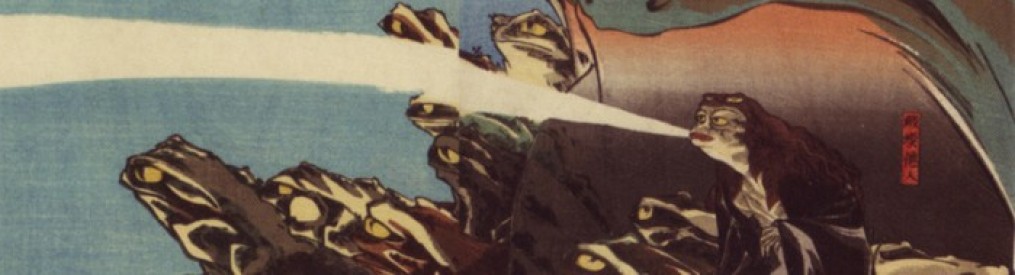
gathering transparency the frog’s palms
透明を集め蛙のてのひらは
strong spring storm prayer always comes with darkness
春疾風いつも祈りは闇とともに
fingers brighten when the ladybug is released
指明るし天道虫を逃がすとき
during the heat of early summer crisp sheets!
薄暑さながらぱりぱりのシーツかな
wheat harvest– the window’s tension rod slanted
麦秋や窓辺の突っ張り棒斜め
fireflies in the distance the aquarium gets wet
蛍とほく水族館は濡れてゐる
last night the window showed me stars today spring lightning
ゆふべは星けふは春雷見せる窓
watching the people not dancing while dancing
踊りつつ踊らぬ人を見ておりぬ
white clouds– the me that doesn’t show up in hymns
白雲や聖歌に出てこないわたし
the neighbors are watching, too fireworks like cast nets
おとなりも見てゐる投網めく花火
spring chill– giant springs hidden in the couch
花冷のソファーにひそむ巨大発条
vernal equinox– the kendama’s string is unassuming
春分や剣玉の糸くすませて
blond and short-haired this is how he sweats
金髪かつ短髪こんな風に汗 (golden hair and short hair sweating like this)
Marine Day: a cutter that won’t hurt anyone
海の日の誰も傷つけないカッター
flash of lightning– heavy machinery also slumps over when it sleeps
稲妻や重機も眠るときうつむき
autumn night: Felis’s tail is lively
秋の夜の猫座なら尾の躍動感
the peaches are gathered together without touching
集つてゐて桃達の触れ合はず
absent from the insect cage for three hundred days
虫籠に三百日の不在かな
bundling flowers in their second bloom everyone’s an enemy
帰り花束ねて誰も彼も敵
silent trees as the woolly aphid’s hometown
綿虫のふるさととして黙す樹々
left behind at the Kamakura Festival the gummy bear’s dark color
かまくらに残れるグミの昏さかな
the sound of insects– me included and us
虫の音や私も入れて私たち
Ruri Noguchi* (野口る理, b. 1986) is a haiku poet and member of the Gendai Haiku Association. She was born in Tottori Prefecture and grew up in Tokushima Prefecture, and she currently lives in Shibuya-ku, Tokyo.
Noguchi started writing haiku in high school after attending Jakucho Setouchi’s literature course. She completed her Master’s degree at the University of the Sacred Heart. In 2011, she launched the haiku web magazine Spica (スピカ) with Saki Kono and Hanako Eto. Her first haiku collection, Crunchy (しやりり, 2013), was a runner-up for the fifth Hiroaki Tanaka Award. In 2017, she was selected for the anthology Milky Way Galaxy Power Plant (天の川銀河発電所) .
With her discerning, intellectual style, haiku poet Nenten Tsubouchi has called her a poet of the new “expressionists” (表現派) as opposed to the “impressionists” (感動派). [Information translated from Wikipedia]
*[Her name might also be Romanized as “Luri” since the る is written in hiragana and the 理 in kanji]
the pitcher is a wolf in a winter field white breath
ピッチャーは冬田の狼 息白し
war plays piano with cold claws
つめたい爪で戦争がピアノ弾いてゐる
neglecting to dissect the textual variant summer cat
異本文(ヴァリアント)腑分け怠る夏の猫
the dandelions that aren’t yellow are all dead
黄色でないタンポポはみな死んだのさ
when you blow on a dandelion it scatters the skull
タンポポを吹けばとびちる髑髏かな
this May the boys and girls all wear black
この五月少年少女みな黒衣
clutching her bag summer clothes girl has strong fingers
鞄つかむ夏着少女の指つよし
down the aisle of the night train a crow went running!
夜行列車の通路を鴉が駈けて行った!
winter is dreadful gulls crouched at every post
冬は怖し杭毎に鷗の伏せり居り
hydrangeas resemble a crowd of demon faces!
紫陽花は鬼面の群に似たるかな
if you put green onions in a rotten persimmon it looks like postwar ruins
腐れ柿にネギ挿せば戦後の廃墟と見ゆ
seedless persimmons are not persimmons in the first place
種子のない柿はそもそも柿ではない
watching the waterfall after autumn rain the baby’s head cold
秋雨あがり滝見る嬰児の頭寒し
when I snap off the green onions annelida
冬葱をぷつりと断れば環形動物(アンネリダ)
cut off the water god living in the green onions!
葱に住む水神をこそ断ちませい!
when I eat oysters white fog creeps through the withered field
牡蠣食へば枯野を白き霧の這ふ
taking up arms the ants come out a hole in spring
武装して蟻の出てくる春の孔
the boat rows out on green vegetable juice November
青汁に舟の漕ぎ出す11月 Note: aojiru (“green juice”) is a drink made from leafy green vegetables, often kale
time’s ghosts come raining down on the white ship
時の霊ら白き舟にて雨(ふ)り来たる
hiding spite in my pocket I set fire to the field
ポケットに悪意を秘めて野火を焚く
night always sprints to attend to the dying moon
夜はいつも疾走して月の死を看取る
a witch lives in the “deko” of the dekopon
デコポンの「デコ」には魔女が住んでいる NOTE: dekopon — a sweet, seedless satsuma orange
lily rebellion I haven’t killed a single person
百合の反乱われは一人も殺さざりき
typhoon approaching the cats transform and fly through the sky
台風近し猫ら変身して空を飛ぶ
still autumn in the text but it seems to be snowing on the annotations
本文秋のまま註に雪降るらし
annotate too much and winter will never leave the text
註淫すれば本文を冬去らず
some silverfish survived winter by eating the annotations
註を食って冬生き延びた紙魚も居て
the text is cold I carve annotations into the crypt
本文寒し地下納骨堂【クリプト】に註を彫る
snowing hard in the shape of the word “winter”
「冬」の字のかたちして雪が降りしきる
the winter wind goes note-note-note note-note-note
註註註註註註と冬の風 (The word “note” is acting as an onomatopoeia, pronounced “chu” in Japanese–the wind sounds through the annotations in the text. Thanks to Rin Namakura for the clarification!)
coldest time of year– even the moon sounds like it’s eating persimmons
大寒や月も柿食ふ音がする
next winter let’s play in the field of dogtails*
次の冬は犬じゃらしの野原で遊びませ (Could also be read as “dog toys” but may be more likely a play on “cattails” or something similar)
did the cricket steal your voice katydid?
こほろぎに声盗られしかきりぎりす
that kind of thing doesn’t bother me the katydid says
そんなこと口惜しからずときりぎりす
leaving Hasunuma on a bike . . . the devil
蓮沼を自転車( チャリ ) で立ち去る悪魔かな
fill my casket with citrus incense
棺桶に柑橘の香をたきこめて (Note: 香をたきこめて means to burn incense so that the scent soaks into clothes, etc.)
Taijiro Amazawa (天沢退二郎,1936-2023) “was a Japanese poet, translator, and scholar.
“Born in Tokyo on 21 July 1936, Amazawa studied at the University of Tokyo alongside Shigehiko Hasumi. From 1964 to 1966, he continued his studies at the University of Paris before becoming a teacher of French medieval literature with a focus on the Holy Grail and King Arthur. He was also a translator of medieval poets, such as Chrétien de Troyes, Marie de France, Jean Renart, Rutebeuf, Adam de la Halle, Robert de Clari, Jean de Joinville, Philippe de Commines, Charles Perrault, Julien Gracq, and François Villon. He was the co-founder of the magazine Kyoku.
“Amazawa gained notoriety in 1957 with a biography of the poet Kenji Miyazawa. He published collections of poetry in the 1960s and 1970s, with the latter turning towards prose poetry. In 1985, he was awarded the Jun Takami Award for Jigoku nite [In Hell]. In 2001, he was awarded the Yomiuri Prize in the poetry category and the Medal of Honor with Purple Ribbon for Yūmei gūrinka. In 2009, he became a member of the Japan Art Academy and was decorated with the Order of the Sacred Treasure the following year.
“Amazawa died in Inage-ku on 25 January 2023, at the age of 86.” (Wikipedia)
As you can see from the English-language Wikipedia article, Amazawa was not known as a haiku poet. However, he was interested in the form and wrote many haiku poems throughout his life that were eventually published as Amatai’s Haiku Notebook (あまたいの句帳) [Amatai was his nickname], which contains about 1,200 haiku, often experimenting with the boundaries of the form’s structure and content in interesting ways.
living with brown-eared bulbuls, I pick up their language bit by bit
鵯と暮らし鵯の言葉も少しずつ
the strait is a handkerchief wrapping up a lock of your hair, a lock of my hair
海峡はいちまいのハンカチ君の遺髪ぼくの遺髪をつつむ Note: 遺髪 (“ihatsu”), hair of the deceased retained as a keepsake
autumn comes gathering for instance beautiful notebooks
秋が来る美しいノートなどそろえる
on the grassy plain man and beast obediently bombed
草原に人獣すなおに爆撃され
on the vertical line of the crease in the soldier’s pine green pants the sorrowful city
門松の青さの兵のズボンの折り目の垂直線のかなしい街
north wind train its passengers a crow and me
北風列車その乗客の烏とぼく
crow is Christ smoke rises in the blue beyond
からすはキリスト青の彼方に煙る
mudskippers my backlit muddy petals
むつごろうわが逆光の泥はなびら
tasting the candied sweet potatoes a girl who forgot her fairy tales
芋飴なめて妖精譚(フェアリーテール)わすれた少女
in the frozen sky there are three suns death is one
凍空に太陽三個死は一個
on the shore I know what tomorrow will bring
海辺にてあしたのことも解りますの
the old guerilla has seen all the godless sea
老ゲリラ無神の海をすべてみたり
your lips bloom into jet-black tadpoles
きみの唇漆黒の蝌蚪に花ひらく
live-cut sashimi violent waves all the rest scatter
生きづくり激波その他すべては散り
there’s an island where the snow falls with countless sorrows
ちよろずのかなしみの雪ふる島あり
Gaishi Sakaguchi (1901-1989) was the pen name of Shujiro (秀二郎) Sakaguchi, a poet who wrote tanka, haiku, and freeform haiku. He graduated from the Kyushu University School of Medicine in 1926, where he also learned haiku under Zenjido Yoshioka (see: https://longdream.wordpress.com/category/poetry/yoshioka-zenjido/). He opened a clinic in Manchuria (Dalian), and after the war, opened another clinic in his hometown of Sasebo. Later, he became the director of Saikai Hospital. From around the age of 60, he started working as a ship doctor on voyages to Africa and other places around the world. He serialized Ship’s Log (航海日誌) in Kaitei (海程, Distance at Sea), the famous haiku journal (led by Kaneko Tohta) that he had joined in 1962. He presided over Haiku Base (俳句基地) from 1953-1967 and Acute Angle (鋭角) from 1968. He passed away on September 20, 1989, at the age of 87. His haiku collections include North Wind Train (北風列車, 1950), Cloudmaking (雲づくり, 1983), and his last book, Black Recollections: My Haiku Journey (黒の回想 わが俳句遍歴 [publication date unavailable]).
the lions are not available for viewing winter sunlight
ライオンが検査でゐない冬日向
bruised apple the nights I cannot hold you I wish that I could die
傷林檎君を抱けない夜は死にたし
the rancid odor of a runaway sultry night
饐えかへる家出の臭ひ熱帯夜
thin ice– taking a customer at age sixteen
薄氷や十六歳で客を取る
the same woman wearing different swimsuits on the flyer
同じ女がいろんな水着を着るチラシ
the thrift shop smells of snow, smells of fire
古着屋の雪の匂ひと火の匂ひ
blazing heat– the homeless people are always sleeping
炎天や家なきものは常に寝て
autumn deepens her middle-aged eyes like a girl’s
秋深む中年の目が少女のやう
watching with the hostess a rival business burn
キャバ嬢と見てゐるライバル店の火事
Shinjuku Park doesn’t have swings or a sandbox
新宿公園ぶらんこも砂場もない
a graveyard where cicadas cry till dusk is the landscape of my heart
夕暮れまで蟬泣く墓地が原風景 Note 原風景 “original landscape,” the mental landscape, real or imagined, that shapes your worldview from childhood
I’ve seen it before in the birth canal red autumn sunset
産道で見たことのある秋夕焼
numb with cold on the way to becoming human . . .
悴んで人間になる途中かな
that food stall only appears in snowstorms at night
かの屋台吹雪く夜だけにあらはるる
becoming taciturn thinking of winter as winter
寡黙なること冬を冬だと思ふこと
becoming food for winter crows to get out of this town
この町を出るため寒鴉の餌に
if you dig up the frozen field, a pile of bodies
凍畑を掘れば重なり合ふ骸
translucent white– crawling with maggots
透き通るやうな白さや蛆がわく
vomiting on the telephone pole three cold days, four warm
電柱に嘔吐三寒四温かな Note: 三寒四温 (“three cold, four warm”) refers to late winter/early spring when the weather is inconsistent, half the week cold, half warm.
holding a birdcage the funeral procession goes to the extinct volcano
鳥籠を抱く葬列が死火山へ
envying short-lived insects
短命の虫をうらやましく思ふ
closing their eyes to pray and kiss chorus of cicadas
黙禱もキスも目を閉づ蟬時雨
burning caterpillars I make them butterflies in my head
毛虫焼く頭の中で蝶にして
in the glove there are five gentle darknesses
手袋にやさしい闇が五つある
the night is just as long as I can’t die
死にきれぬ分だけ夜が長くなる
the sperm in my hand warm winter night
手に受けし精子あたたか冬の夜
her dress gets wet carrying the goldfish home
ワンピース濡らして金魚持ち帰る
Tsubasa Kitaoji’s grave– also a toilet
北大路翼の墓や兼トイレ
the starry sky is hard and the moon isn’t rotating
星空が硬くて月が自転しない
lonely death: a neatly folded blanket
孤独死のきちんと畳んである毛布
cold toilet seat the Kabukicho of my youth
便座冷ゆわが青春の歌舞伎町
the train after the last train is in the snow
終電の次の電車は雪の中
every time I turn around the fireworks are fading
振り返るたび消えかけの花火あり
I will hang myself from the same pillar as the windchime
風鈴と同じ柱で首吊らむ
the hot towel on the mountain of hot towels has frozen over
おしぼりの山のおしぼり凍てにけり
high autumn sky dashing a poisonous fish
天高し毒持つ魚を叩きつけ
I have a yukata pattern that only I can wear
俺にしか着れない浴衣の柄がある
day duty throws out Monday’s goldfish
日直が捨てる月曜日の金魚
every blossom I photograph comes out a grave
どの花を撮つても墓の写り込む
clear winter day– grandma baked into a heap
冬晴れやこんもりと祖母焼き上がる
hot-pot in the dark– I can’t translate ikotsu into English
闇鍋や遺骨を英語に訳せない ikotsu: cremated remains 闇鍋: lit. “dark pot”–an event where each guest brings a secret ingredient to make a stew and everyone eats it in the dark
I’ll hibernate until my blood turns blue
血液が蒼くなるまで冬眠す
getting out of bed as though half-evolved
蒲団から進化の途中のやうに出る
revolutionary to shit the bed– heading into winter
Tsubasa Kitaoji (b. 1978) is a haiku poet from Yokohama City in Kanagawa Prefecture. He discovered the freeform haiku of Santoka Taneda and started writing his own while in the fifth grade. When he met the teacher Sei Imai at Yokohama High, he was intrigued by his fixed-form haiku. In 1996, he became a founding member of City (街), which was published by Imai. When he graduated from Aoyama Gakuin University, Kitaoji left his job at a publisher of adult entertainment magazines after six months and became a freelancer. During that period, he participated in the launch of the poetry magazine Erection with Nao Iwasa and Chiaki Shibata, and, through his connection to Imai, who was also a scriptwriter, started writing original stories for adult manga in Weekly Manga and other magazines. In his mid-twenties, Kitaoji started working for a haiku publisher, and he met other haiku poets–like Makoto Aida and Yoshihiro Kato–and began performing as a haiku poet. In 2009, he appeared in the 100-haiku anthology Shinsen21.
In 2011, Kitaoji met Gensho Ishimaru and formed the “Corpse School” (屍派). That same year, he was invited to join the editorial team of a tanka magazine. In 2012, he took over the art community center in Kabukicho from Makoto Aida and renamed it Sand Castle (砂の城). In 2015, he selected about 2,000 of the 20,000 haiku he had composed in Kabukicho and published them in his first haiku collection, Angel Drool (天使の涎). The cover was done by manga artist Hideki Arai [whose series Kiichi!! I would recommend! –Editor’s note]. His book won the 7th Hiroaki Tanaka Award in 2016. Yusuke Tani is one of his pupils, and poet Ayaka Sato has affectionately called Kitaoji her “hidden teacher” (裏師匠).
The Corpse School is characterized by a self-deprecating and crude/vulgar style, and the media has referred to the haiku from this movement as “Outlaw Haiku.” Sometimes incorrectly referred to in the media as a freeform haiku poet, Kitaoji is a fully seasonal haiku poet, although he is not restricted to traditional seasonal terms but by a “seasonal feeling” (季感). As a school of thought, it is related to the work of Shuson Kato and follows the tradition of the “Human Exploration School” (「人間探求派」).
exhausted my real voice spills out– the wine shines
つかれはてて肉声こぼるや酒光る
even quiet movements are so loud
ひそと動いても大音響
coughing out the things I want to say
咳こんでいいたいことのあふれけり
when the whale’s eye meets the human eye a giant star appears
鯨の目人の目会うて巨星いず
dead winter tree my pale white sickness hanging there
冬木立真白き病気ぶらさがっている
has the sea been clear for sixty million years, whales?
六千万年海は清いか鯨ども
when I lay down my book my wounded friend lays his down, too
本おけば痛みの友も本を置き
piercing through the hazy dark of night cherry blossoms fall!
朧夜の底をつきぬけ櫻は散るぞ
I even took my flesh off eating rice cakes in the cold
肉までもぬいだ寒さで餅をくい
I wake up without an address
目が醒めて居どころがない
in the old pond a light rain plays circles, circles…
古池に小雨あそんで円や円
vanishing among various people me
色々の人々のうちにきえてゆくわたくし
the teapot’s mouth looks like it wants to speak– autumn deepens
物云いたげな急須の口や秋深し
if I stretch my back the sky is all around
背をのばせばどこまでも天
I cast the book aside and head out to read a gust of wind
書を捨てて風のひとふき読みに出かける
the throat of the horse drinking fresh water– autumn sky
清水のむ馬ののんどや秋の空
my strength fades and becomes a cloud
力が抜けて雲になっている
like the mother of sea and mountains– fragrant evening primrose
海山の母のごとくや月見草
mother’s back– the sound of wooden sandals hitting her heels
母の背やかかとに下駄のあたる音
for a moment there’s a gap in the great big sky now run
一瞬大空のすき間あり今走れ
pain in my body with each and every breath: long night . . .
身の痛みひと息づつの夜長かな
the way cigarette smoke lingers so does life
煙草のけむりたなびく方に命たなびき
plopping down on an unnamed star
名もない星にぽとりとおちる
the whale’s back splits the ocean last year and this
鯨の背のぐいと海切る去年今年
when I stretch my back the heavens are all around
背をのばせばどこまでも天
news of a friend’s death– in the cramped bathroom only my tears fall
友の訃やせまき厠にただ涙落つ
time flies when you watch the children laugh
子供等の笑い顔みて時疾し
the kid eating persimmons his eyes laugh in the color of persimmons
柿喰う児柿いろの中で眼が笑い
Mikio Narita (1935-1990) was primarily known as an actor. He appeared in dozens of films between 1963 and 1990, the year he died from stomach cancer (linitis plastica). A favorite of legendary director Kinji Fukasaka, Narita acted in many of his films, most notably in the Battles Without Honor or Humanity series. However, he may best be known to Japanese audiences for his role in the TV series Detective Story (1979-1980), in which he played Chief Detective Hattori. His final film, Zipang, was released only a few months before his passing.
In addition to acting, it turns out that Narita enjoyed writing haiku. He wrote 17-sound haiku but also freely experimented with the form, often writing works more in line with freeform haiku poets like Santoka. These poems were collected posthumously in the book The Whale’s Eye (鯨の目, 1991).
オッペルの象が出ていく春の家 “Oppel and the Elephant”: a story by Kenji Miyazawa; Oppel enslaves an elephant but is crushed to death by the elephant’s friends
passing by without shooting my dad the scenery
とうさんを撃たずに過ぎてゆく景色
the swamp where my mom keeps coming back to life
かあさんがなんども生き返る沼地
from far away a fish with a human face comes to comfort me
遠くから人面魚が来るなぐさめに
stapling together kchak-kchak the whitecaps
ホチキスでぺちぺち綴じる波頭
my family sleeps like an underwater landscape
家族が眠る水底の景色みたい
the pencil wants to write, the bird wants to be born
えんぴつは書きたい鳥は生まれたい
holding the knife you told me to hold
持っててと言われて持っているナイフ
I give the name of a cloud to each party concerned
関係者各位に雲の名をつける
carelessly exhaling the scent of peaches
うっかりと桃の匂いの息を吐く
the alternative plan is snow and the amended plan is also snow
代案は雪で修正案も雪
vanishing from fingers that touched the twilight
たそがれに触れた指から消えるのね
ripples rising to my ankles childhood home . . .
足首にさざなみたてて生家かな
the darkness of March waters up to my wrists
三月の水の昏さが手首まで
first love– my moonstar shoes brand new
はつこいや月星シューズおろしたて Note: 月星, moonstar (sometimes written Moonstar, MoonStar, or MOONSTAR) is a Japanese shoe brand
flesh and blood pass beyond the screen door
にくしんが通る網戸のむこうがわ
cutting daikon and greater burdock, then you
大根も牛蒡も切ってさてあなた
one year– two AA batteries
いちねんや単三乾電池が二本
the scent of pears from the answering machine
洋梨の匂い 留守番電話から
this umbrella opens with the scent of night
この傘は夜の匂いのまま開く
passing by the snap of an ampoule’s neck
アンプルの首折る音とすれちがう
Tuesday’s wrists in gentle mud
火曜日の手首やさしい泥の中
returning with an “I’m home” midsummer at the bottom of the well
ただいまと帰る真夏の井戸の底
flames (I can’t) black smoke (breathe) blue sky
炎(息が)黒煙(できない)青い空
again mom steps on the edge of my blanket
またママがぼくの毛布の端を踏む
toes dream about the water’s edge
つまさきは波打ち際の夢をみる
Guinea from head to toe
踵から頭のてっぺんまでギニア
the empire strikes back in the dressing room
帝国の逆襲がある試着室
the ship finally makes its way from the left arm to the right
左腕から右腕へ舟はたどりつく
upper arms and pampas grass longing to touch the moon
二の腕もすすきも月に触れたがる
until they came out of their pockets the fingers were birds
ポケットを出るまで指は鳥でした
suddenly flying off the list of names a single bird
名簿からふいに飛び出す鳥一羽
if a promise had a scent hyacinth
約束を匂いにすればヒヤシンス
I don’t think I’ll go to China or to Heaven
行かないと思う中国も天国も
birds densely packed on the page
びっしりと鳥が詰まっている頁
tofu sticking through a hole in the collander December
笊の目を豆腐はみでる十二月
the word that’s missing from the sign is probably spring
看板の欠けた一字はたぶん春
body barely maintaining its shape
かろうじてかたち保っているからだ
barely the blue of the bird on the keychain
かろうじてキーホルダーの鳥の青
just one more until the perfect spring
完璧な春になるまであとひとり
stuffing Mother’s mouth goldenrod
母さまのお口に詰める泡立草
full moon in the sky wafer on my lips
空に満月くちびるにウエハース
hijiki, hijiki, it’s the rain asking you to dance
ひじき、ひじき、踊ってくださいと言う雨だ (Note: hijiki is a dark, edible seaweed)
morning comes and the sky is blue, and somehow, I’m sorry
朝がきて空が青くて、なんか、ごめん (Note: Two different online sources have this poem written in two different ways — it also appears like this: “朝がきて、空が青くて、なんかごめん,” which would look more like this in English: “the morning comes, the sky is blue, and I’m a little sorry”)
in the spot where there should be a comma Chishu Ryu
読点を置くべき箇所に笠智衆 (Note: Chishu Ryu was a favorite actor of Yasujiro Ozu, appearing in almost all of his films, including Tokyo Story)
the fig and the pomegranate which one is the night?
無花果と柘榴どちらが夜ですか
rain and gardenias are born from a sneeze
くしゃみから雨と梔子は生まれ
between my fingers between the scissors god is
ゆびのすきまはさみのすきまかみさまは
muttering revenge the smell of vinegar
ほうふくとつぶやいてみる酢の匂い
a first time is still lurking in my body
はじめてがいまだひそんでいるからだ
there’s a bird crying out for China in the pit of my stomach
ちゅうごくと鳴く鳥がいるみぞおちに
there are male and female doorknobs the scent of snow
ドアノブに雌雄があって雪匂う
slightly dead at a break in the row of ginkgo trees
ちょっと死ぬ銀杏並木の途切れ目で
silently passing through the tanker the first day of spring
タンカーをひっそり通し立春す
when it snows a puzzle that takes an hour to complete
雪降れば一時完成するパズル
reiko nakahara (b. 1955 in Gifu) is a senryu poet who debuted in Shinko Tokizane’s Senryu Perspectives (川柳展望) in 1989. In 2004, along with tanka poets Hiroyuki Ogihara (荻原裕幸) and Susumu Maruyama (丸山進), she founded the Nejimaki Haiku Association. She became a judge for Asahi Shimbun‘s Tokai Senryu Circle (東海柳壇) in 2010.
Her collections include Scattered Flowers Poetry Collection (散華詩集, 1993), Alice in the Dressing Room (脱衣場のアリス, 2001), and Wafer on My Lips (くちびるにウエハース, 2022). She is the co-author of The Best of Modern Senryu (現代川柳の精鋭たち, 2000) and An Introduction to Modern Senryu (はじめまして現代川柳, 2020), and editor of I Want to Read Until I’m an Adult the Tanka, Haiku, and Senryu of 15-Year-Olds 3: Worry and Strength (大人になるまでに読みたい15歳の短歌・俳句・川柳 ③なやみと力, 2016).
grilling sardines the radio gabs about everybody’s business
目刺焼くラジオが喋る皆ひとごと
prying out the silver nails apple crate
銀色の釘はさみ抜く林檎箱 Note: According to one commentary, this recalls a time when nails were saved and reused, so getting a gift box like this with newer nails was a delight
curtains: they cannot cover the spring dawn
窓掛の春暁を覆ひ得ず
when I go down to the hydrangeas my room is empty
紫陽花に吾が下り立てば部屋は空ら
if you have a kind heart the satsuki azaleas will fall
親切な心であればさつき散る
spring evening– after-dinner antacids
春宵や食事のあとの消化剤
oden simmering various faces pass by
おでん煮えさまざまの顔通りけり
good friends the two women moon-viewing…
仲よしの女二人の月見かな
yellow leaves falling: low-sodium soy sauce for me…
黄落の我に減塩醤油かな
spring moon– the dog also seems to move with a purpose
春月や犬も用ある如く行く
day turns to night and I’m still holding a parasol
昼が夜となりし日傘を持ちつづけ
when I stretch out the measuring tape, a diving beetle
巻尺を伸ばしてゆけば源五郎
I cleaned the house like a matador
闘牛士の如くに煤を払ひけり
I aim the light directly at the barley sprouts searching for something
麦の芽にぢかに灯を当て探しもの
scent of rice grains comes on strong– the bedroom’s darkness
出穂の香のはげしく来るや閨の闇
sea bream tail sticking out of the lunchbox a cold draft
折詰に鯛の尾が出て隙間風
desolate winter tie a ribbon on it and it’s a gift
冬ざるるリボンかければ贈り物
the red of the one on the dice spring mountains
骰子の一の目赤し春の山
the town where I used to live! night stalls all along the slope
曾て住みし町よ夜店が坂なりに
autumn night: I make sure the clocks match and go to sleep
秋の夜の時計に時計合せ寝る
all spring evening just sitting in the bathhouse attendant’s booth
春宵を番台にただ坐りをり
red and blue fighting sunset!
赤と青闘つてゐる夕焼かな
if I were to drop the goldfish bowl a flower on the pavement
金魚玉とり落しなば鋪道の花
in the setting sun someone standing anxiously
夕焼の中に危ふく人の立つ
serge sleeve the cigarette pack is light
セルの袖煙草の箱の軽さあり Thanks to yanoz for figuring out that セル (“seru”) is probably short for the word “serge,” which is a kind of fabric.
the entrance just left open overgrowth…
玄関のただ開いてゐる茂かな
drifting through the darkness of the night lake a paulownia leaf
夜の湖の暗きを流れ桐一葉
all alone in the autumn breeze– my wife’s bath towel
秋風に孤つや妻のバスタオル
such beauty! the cherries and the night rain
美しやさくらんぼうも夜の雨も
tempura shrimp tail red winter sky
天ぷらの海老の尾赤き冬の空
a paulownia beyond the paulownia the napping village
桐の木の向う桐の木昼寝村
entering winter a cigarette in my left hand
冬に入る煙草を持つは左の手
I like it as soon as I arrive summer resort
来てすぐに気に入つてゐる避暑地かな
two or three brooms that should be sweeping summer’s fallen leaves
夏落葉掃くべき箒二三本
dead of winter fragrant to the tips of my shoes
冬ざるる靴の先までかぐはしく
mushroom hunting– straight ahead to the temple’s toilet
茸狩や寺の厠へまっすぐに
open the hood a basket of persimmons a basket of chestnuts
ボンネット開け柿の籠栗の籠
starting to fall on the false daphne snowflakes
楪に落ちはじめたり雪の粒
something shameful discarded in the field of Chinese milk vetch
恥づかしきものげんげ田に捨ててあり
in the north wind detergent bubbles press together
北風に洗剤の泡押し合へる
omu-rice I reckon the caterpillars will be out soon
オムライス毛虫そろそろ出る頃か
starry night my mother reading in white socks
星月夜読書の母の白ソックス
Soha Hatano (波多野爽波, 1923-1991) was the penname of Yoshihide Hatano, a haiku poet born in Tokyo. He studied haiku under Kyoshi Takahama, became a member of Hototogisu (ホトトギス), and founded the haiku magazine Blue (青) when he was thirty. The year he was born, Hatano was trapped under the house during the Great Kanto Earthquake but was saved by an uncle. He started reading and submitting to Hototogisu in 1939 and won an award in 1940. He was drafted in 1943 and sent to northern China in 1945. When the war ended, he was a second lieutenant in the army. Following his death in October 1991, Blue ceased publication with the December 1991 issue. His grave is located at Entsuji Temple in Kyoto, where a marker bears his poem: “drifting through the darkness of the night lake a paulownia leaf” (夜の湖の暗きを流れ桐一葉).
His poetry collections include A Flower on the Pavement (舗装の花, 1956), Teacup (湯呑, 1981), and Dice (骰子, 1986).
passing through the cogon grass ring in praise of capitalism
資本主義礼賛茅の輪くぐりけり Note: Walking through a large ring made from cogon grass is a summer purification ritual
take it off take it off softer than tokoroten
脱いで脱いで心太より柔らかで Note: tokoroten — noodles made from agar jelly, often eaten cold in the summertime
first gusts of spring going around to look at typewriters
春一番タイプライター見物へ
spring chill– making a lover from foil
花冷えや銀紙でこいびとつくる
white moth! the shogunate won’t be restored anytime soon
白き蛾よ幕府よみがえらぬすぐには
light snow and a nosebleed: it’s been a long time
あわゆきと鼻血のひさしぶりである
entering the empty dam student council
からっぽのダムへと入る生徒会
sunflower– I’m only told it’s outside his jurisdiction
ひまわりや管轄外とだけ言われ
the stuffed dog so very young winter stars
剥製の犬幼くて冬の星
Akafuku– every interruption joyful
赤福やあらゆる中止喜し Note: Akafuku was established in 1707 as a teahouse to welcome guests to the Ise Grand Shrine, named after an expression meaning “sincere happiness.” They make famous red bean mochi.
headache medicine I guess the rainy season must have started
頭痛薬なるほど梅雨の明けにけり
children appear in the evening calm first pitch
夕凪にこども現れ始球式
straw hat in charge of photographing the first pitch
むぎわらぼうし始球式撮る係なり
replying, keep your head down! red dragonfly
うつむいていろと返信赤とんぼ
tying a turban October vigil
ターバンを巻き十月の不寝番
handed a transverse flute in the cool autumn air
横笛を手渡され秋冷の中
going to the plum grove while I still have lacrimal glands
梅林へゆく涙腺のあるうちに
flavorless rice porridge– on April first it will end
白粥や四月一日には終わる
appropriately requested on the anniversary of Hitler’s death
ヒトラーの忌に頼まれて然るべく
the reward pizza is an oval dark under the trees
恩賞のピザ楕円なり木下闇
please come to the evening rainbow under control
コントロール下の夕虹へ来てください
blue tarp-covered tank: the end of autumn
ブルーシート被りタンクの秋の暮
red spider lilies attending the round table discussion
まんじゅしゃげ円卓会議通りけり
bedroom– Reiko’s portrait like a ripe persimmon
寝室や熟柿のごとく麗子像 Note: 麗子像 (Reiko-zou) refers to a series of portraits that Ryusei Kishida (1891-1929) made of his daughter, Reiko, perhaps the most famous being Reiko Smiling (1921).
the castella’s depiction finely detailed a cold wave comes
カステラの描写細密寒波来る
mouths closed the crowd at the plum bonsai exhibition
口閉じて盆梅展の人だかり
it didn’t even rain but the graduation ceremony was canceled
何も降らなくて卒業式中止
the hiragana quickly take shelter in the spring sea
ひらがなはすぐに避難を春の海
I can’t sleep! taking a bus to the plum grove
眠らぬよ梅林行きのバスに乗り
can’t find the dice Hinamatsuri . . .
さいころの見当たらぬ雛祭かな Note: Hinamatsuri, also known as the Festival of Dolls or the Girls’ Festival, is held on March 3rd.
I don’t think it’s a feigned illness March snow
仮病とは思わねど三月の雪
tulips shouldn’t bloom in the wardrobe . . .
チューリップ咲くはずのない箪笥かな
first bonito this guy returning from the handshake event
初鰹この人握手会帰り Notes: “first bonito” is a kigo that refers to the first bonito fish caught in the early summer; a handshake event is for fans to meet celebrities and idols and shake their hands (often this takes the form of men paying to shake girl idol singers’ hands)
dry rainy season the belly dancer’s late arrival . . .
空梅雨のベリーダンスの遅刻かな
looking for a good child to birth a sundial
日時計を産める優良児を探す
appealing the ban on laying my head in your lap blossoms go to leaf
膝枕禁止嘆願花は葉に
on grandma’s death day, winning an award after wetting the bed . . .
祖母の忌のおねしょのあとの受賞かな
airport– getting hemorrhoids on the Day of Defeat
空港や痔のはじまりの敗戦日 Note: August 15th is the Day of Defeat, known as Victory over Japan Day (or V-J Day) in America
Tomoaki Okamura (岡村知昭) is a haiku poet. He joined Seigen in 1996 and has gone on to be active in several haiku communities. He is also a member of the Gendai Haiku Association. His first collection of haiku, Appropriately, was released in 2016. It contains over 300 haiku written between 1996 and 2014. The cover refers to him as “The Dark Horse of the Haiku World.”


 Entry No. 1
