Table of contents
- Introduction
- What is Protein?
- Why is protein important?
- How much protein do you need every day?
- Is there a max amount of daily protein?
- Are there limits of protein per meal?
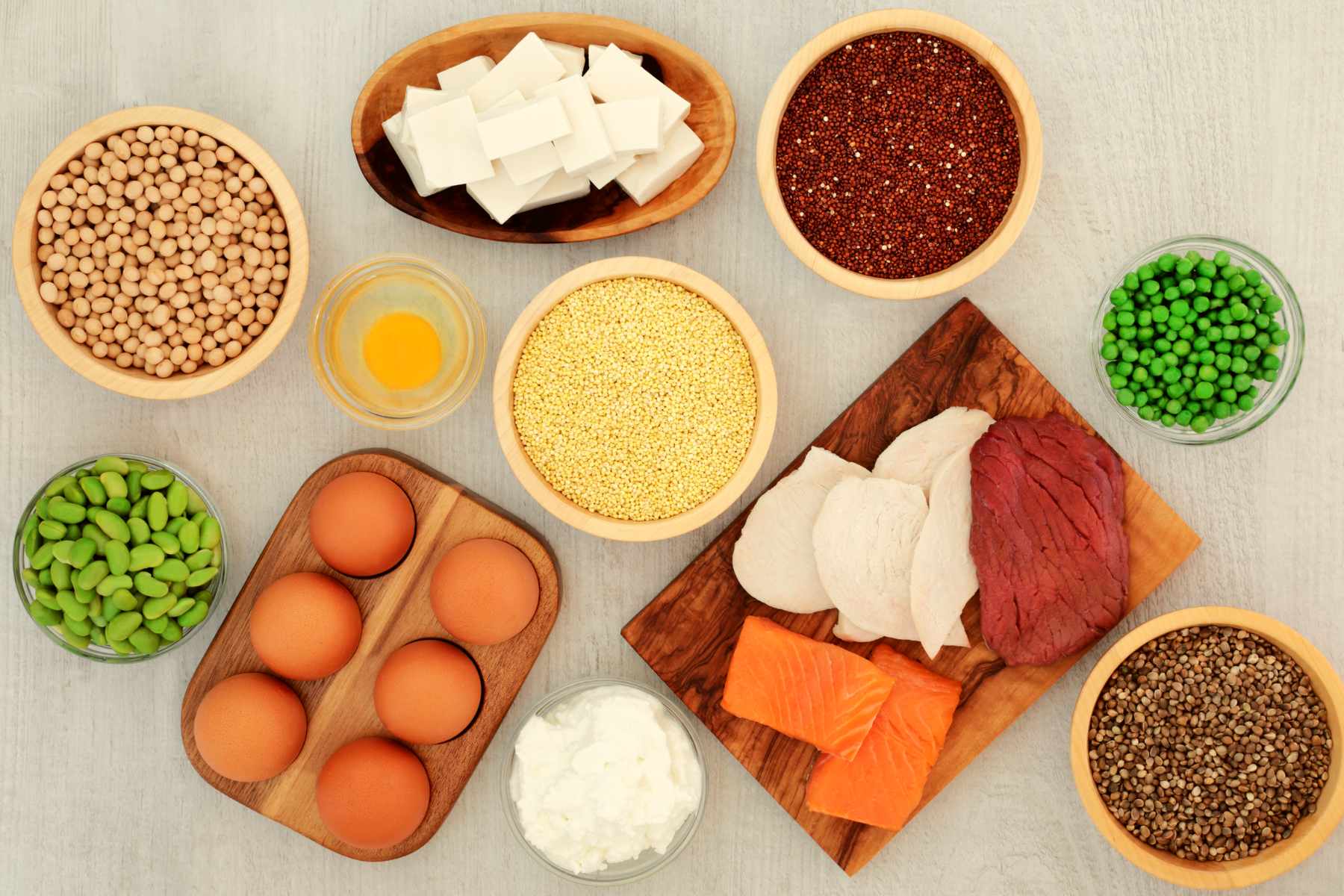
- What are the best sources?
- What are the best protein sources for vegetarians and vegans?
- What are low-cost sources of protein?
- What are the best low-calorie sources?
- How should I time my protein intake?
- Do I need to eat protein before going to bed?
Introduction
Navigating opinions on protein can feel like diving into a sea of conflicting advice, especially when you’re trying to improve your body composition. Whether you’re trying to add some muscle or looking to lose a little fat, the question stands: How much protein should I eat daily? Does it matter when I eat protein? What are the best protein sources? This article is a quick and simple guide, covering what protein is, types of protein sources, and how much protein you should eat every day based on varying goals and populations.
Let’s dig in!
What is Protein?
Proteins are a collection of molecules made up of amino acids. They play such important roles in bodily functions such as muscle development, hormone production, and tissue repair. In the most literal way, protein builds you and helps you sustain life.
| Common name | Main function | Examples | Calories per gram |
|---|---|---|---|
| Protein | Structure and repair | Meat, eggs, whey | 4* |
Proteins are constructed from individual amino acid building blocks. The human body requires 20 amino acids (at least 9 of which need to be consumed in your diet), and they all play their own role in biological functionality. These amino acids can be categorized into three groups: essential, non-essential, and conditionally essential.
| Amino acid type | Description | Examples |
|---|---|---|
| Essential amino acids | These amino acids, which the human body cannot synthesize, must be obtained through diet. | Histidine, Isoleucine, Leucine, Lysine, Methionine, Phenylalanine, Threonine, Tryptophan, Valine |
| Non-essential amino acids | Amino acids that the body can produce on its own and usually do not depend on dietary intake. | Alanine, Asparagine, Aspartic acid, Glutamic acid, Serine |
| Conditionally essential amino acids | Some health conditions and illnesses may require the dietary intake of these amino acids. The specific needs can vary depending on age, the nature of the illness, and other variables. | Arginine, Cysteine, Glutamine, Glycine, Proline, Tyrosine |
Why is protein important?
Proteins are the building blocks of body tissue and are involved in virtually every cell function, including the structure, function, and regulation of the body’s tissues and organs. Proteins also involve metabolic functions such as glycemic control or tissue repair.
Eating adequate protein is essential for maintaining muscle mass, particularly during aging and physical activity. Protein not only helps prevent muscle mass loss, a common issue as people age, but it also supports defense against disease and bone loss.
Whether it’s the role of proteins in enzymes or wound healing, it’s crucial not just to meet your minimum protein requirements but also to strive for an optimal daily intake. While protein deficiency is not typically common in developed countries, it’s vital to ensure you meet your minimum intake for optimal health and body composition goals.
How much protein do you need every day?
Recommendations for protein intake are based on a variety of factors. At the core of these factors is demand and need. For instance, those participating in a weight loss program are more at risk of muscle loss than those eating to maintain their weight and who are mildly active. I’ll delve into specific recommendations for each category. However, you’ll notice that recommendations for groups outside the general population are similar.
General Population
The general population is the broad and diverse collection of generally healthy individuals within most communities. Alternatively, you can define the general population by what they are not: they are not contending with any severe diseases or illnesses, nor are they engaged in endeavors such as purposeful fat loss, bulking, or intensive athletics.
The recommended protein intake from the RDA for the general population is 0.8g/kg of body mass per day (about 0.36g/lb). However, there’s growing evidence that higher intakes may be more appropriate, even for individuals who are not resistance training. A general target of 1.2–2.2g/kg per day (about 0.55–1.0g/lb) is often recommended
Fat Loss
Individuals who intentionally engage in a caloric deficit to lose weight are putting themselves at greater risk of muscle loss, poorer tissue repair, or even decreased immune function.
These individuals should increase their protein intake and reach the middle or higher end of the recommended 1.2-2.2g of protein per kilogram of body mass daily (approximately 0.55 to 1.0 grams per pound). If you’re also engaging in resistance training and attempting to reach deficient body fat levels, some experts recommend intakes as high as 3.1g of protein per kilogram of fat-free mass.
Bulking
Individuals trying to gain muscle mass and participate in progressive overload training will need more protein than the general population due to the repair and building of muscle tissue.
These individuals should increase their protein intake and start with the middle or higher end of the recommended 1.6-2.2g of protein per kilogram of body mass daily (approximately 0.73 to 1.0 grams per pound).
Athletes / Exercise
Protein needs can vary depending on the intensity and duration of your athletics. For instance, an ultra-marathon runner will have different protein needs than those of a golfer.
If you are engaging in light exercise or have a generally sedentary lifestyle, starting with the lower end of the recommendation of 1.2-2.2 grams of protein per kilogram of body mass (approximately 0.55 to 1.0 grams per pound) per day is advisable. However, if you’re involved in more intense exercise or athletic activities, beginning with the middle or higher end of the recommendation is recommended.
| Population | Protein Intake Recommendation |
|---|---|
| General Population | General: 1.2-2.2g/kg body mass per day (approx. 0.55-1.0g/lb) |
| Fat Loss | General: 1.2-2.2g/kg body mass per day (approx. 0.55-1.0g/lb) |
| For athletes and resistance trainees: 1.6-2.2 grams per kilogram of body mass daily (approx. 0.73-1.0g/lb). Intakes slightly higher may benefit physique athletes who aim to get extremely lean. | |
| Bulking | 1.6-2.2g/kg body mass per day (approx. 0.73-1.0g/lb). Assumes engagement in resistance training. |
| Athletes/Exercise | Light exercise: 1.2-1.6g/kg body mass per day (approx. 0.55-0.73g/lb) |
| Intense exercise: 1.6-2.2g/kg body mass per day (approx. 0.73-1.0g/lb) |
Is there a max amount of daily protein?
Generally speaking, healthy individuals do not have an upper limit of safety in protein intake. However, certain diseases may require you to limit your protein intake. Additionally, personal preference and economic ability can be determining factors.
Smaller studies have shown that a high-protein diet (2.51–3.32 g/kg/d) over one year yields no adverse side effects. Studies have also examined even higher intakes and their impact on body composition and natural alterations in energy expenditure, and they found that excess intake does not lead to spontaneous weight gain.
That said, more extended studies done in the general population have not been tested. We don’t know the effects of very high protein intakes outside of specific small resistance-trained and athletic populations. Additionally, there isn’t heavy evidence to suggest that exceeding specific amounts adds dramatically to results in muscle protein synthesis or satiety.
Therefore, sticking to the primary or higher end of the recommendations for your population is generally advised, and personal experience and health should be considered when aiming for intake levels higher than those that have been more adequately vetted.
Are there limits of protein per meal?
The current body of literature suggests that the limit of protein uptake in a meal can be pretty high – your body can absorb and utilize at least 100g in a single meal. Barring digestive difficulty with actual overfeeding, it would appear that we can use most of the protein we eat. To ensure that each meal maximizes protein synthesis, you should aim for at least 20g-40g per meal, depending on size, body weight, and frequency of meals. Smaller people and young people don’t need quite as much protein per meal to maximize protein synthesis, while larger people and elderly adults may need slightly higher per-meal protein doses.
Additionally, the optimal protein intake depends on physical training and overall caloric balance. While higher protein consumption on the higher end per meal may be necessary under certain conditions, such as during weight loss or intense training, focusing on total daily protein intake requirements over a few meals seems to be sufficient.
What are the best sources?
To understand what constitutes a good protein source, we must consider the criteria for “grading” or rating protein quality. Rating protein involves evaluating the content of essential amino acids (EAAs), their digestibility, and bioavailability, which collectively affect how proteins are metabolized. Currently, the Digestible Indispensable Amino Acid Score (DIAAS) is favored by the Food and Agriculture Organization (FAO) over the older standard, the Protein Digestibility-Corrected Amino Acid Score (PDCAAS).
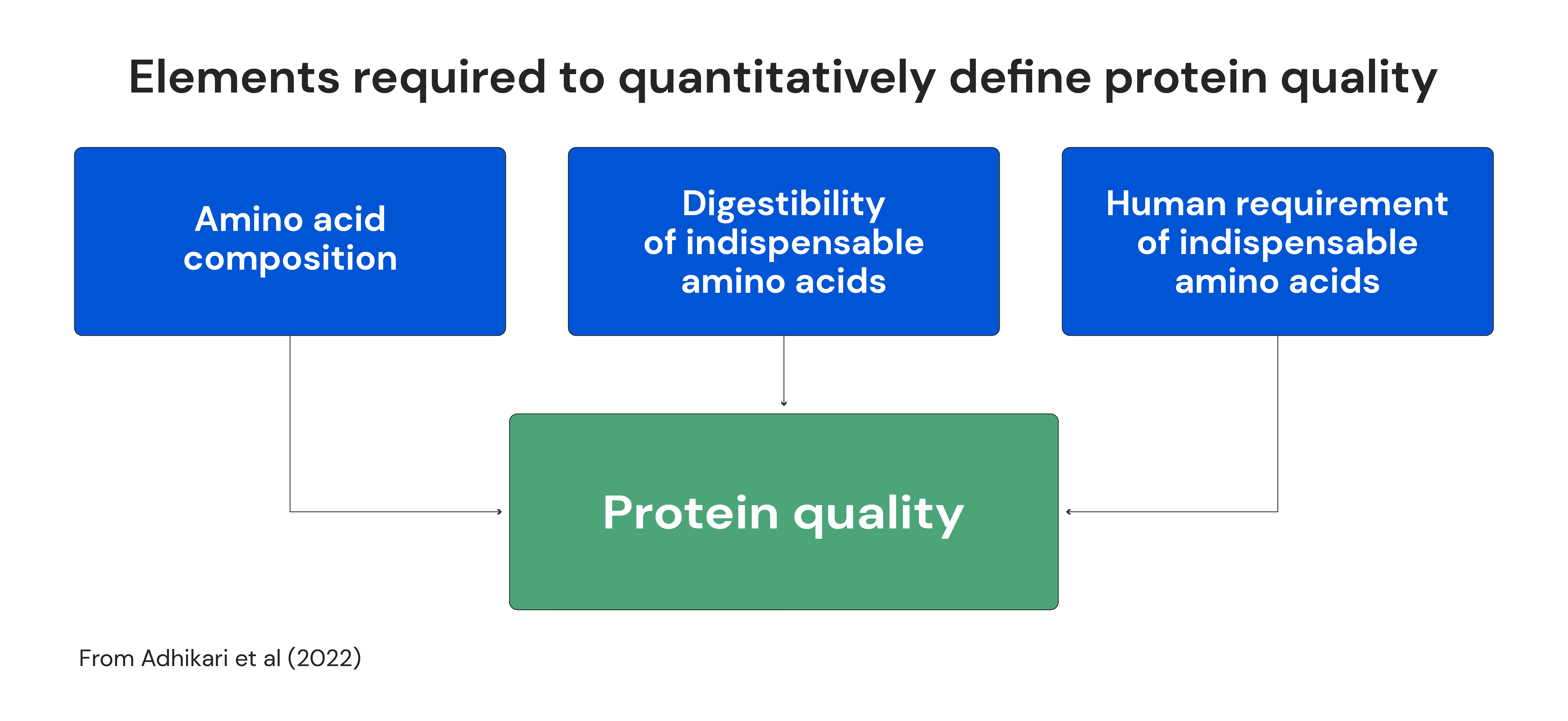
While these scores can be useful, their importance decreases with higher overall protein intake. Once adequate protein intake is achieved, these scores and ratings become less critical.
Quality of protein by source and PDCAAS & DIAAS scores
| Food | PDCAAS | DIAAS |
|---|---|---|
| Whole Milk | 1.00 | 1.43 |
| Chicken Breast | 1.00 | 1.08 |
| Whey Protein Isolate | 1.00 | 1.09 |
| Milk Protein Concentrate | 1.00 | 1.18 |
| Egg | 1.00 | 1.13 |
| Beef | 1.00 | 1.116 |
| Soy Protein Isolate | 0.98 | 0.90 |
| Pea Protein Concentrate | 0.89 | 0.82 |
| Tofu | 0.70 | 0.97 |
| Chickpeas | 0.52 | 0.67 |
What are the best protein sources for vegetarians and vegans?
As you can see from the protein quality chart, vegetarians who incorporate eggs or dairy into their diets get adequate amino acids, and like others, they simply need to hit their minimum protein requirements.
While vegans can get adequate protein in their overall diet, it’s best to ensure a variety of protein sources and focus on potential limits of amino acid profiles. One way to address this issue is to focus on complementary protein sources.
How vegans can use complementary proteins to ensure essential amino acids intake
| Foods | Lacking Amino Acids | Complementary Food |
|---|---|---|
| Legumes | Methionine, tryptophan | Grains, nuts, and seeds |
| Grains | Lysine, isoleucine, threonine | Legumes |
| Nuts and seeds | Lysine, isoleucine | Legumes |
From Titchenal et al (2024)
Using complementary sources from various food groupings can cover any concerns vegans might have. Additionally, vegans should likely shoot for the higher end of the daily protein recommendations to ensure variety and amount are easily covered.
What are low-cost sources of protein?
Protein can be costly depending on the item selected. The list below has a variety of animal and plant-based proteins that are lower in cost per gram than other protein items. Additionally, many of these protein items have options for low-fat protein.
Examples of low-cost sources of protein
| Animal-Based Protein Sources | Plant-Based Protein Sources |
|---|---|
| Eggs/Liquid egg whites | Lentils |
| Chicken | Tofu |
| Greek yogurt | Chickpeas |
| Canned tuna | Beans |
| Cottage cheese | Peas |
| Ground turkey | Nuts and seeds |
| Frozen fish filets | Edamame |
In addition to individual food items, there are a few tips on shopping for items to get the best deals.
- Buy in bulk: The price per gram drops when you buy more significant amounts of an item.
- Buy frozen: Some people don’t like frozen protein due to the eating experience compared to fresh. However, some items (like edamame or shrimp) turn out well when frozen. Pick and choose your frozen and fresh items.
- Shop wholesale: Some grocery stores have limited bulk options. If you can shop at a wholesale store, your options will increase.
- Mix animal and plant sources in meals: Animal sources typically cost more than plant-based sources. Making meals that mix these protein sources is helpful from a nutrition and cost standpoint.
- Invest in a small freezer: If you have the space and funds, a one-time freezer purchase can help you store more items.
- Preplan and prep meals: Planning can prevent food from expiring before use, save money, and reduce overshopping.
These ideas, along with sources of low-cost protein, can make getting more protein in your diet more cost-efficient.
What are the best low-calorie sources?
Many of you may be seeking protein sources that are not only affordable but also low in calories. Below is a list featuring animal and plant items detailing the grams of protein per 100 calories. You’ll notice many of these items are also on the low-cost list. Many foods high in protein are also high in fat, so if you’re looking for low-calorie protein sources, lower-fat protein options are generally also low-calorie. For example, you can have chicken breast instead of chicken thighs, sirloin steak (top round) instead of ribeye, or low-fat tofu instead of full-fat.
Protein Sources per 100 Calories
| Food Item | Protein per 100 Calories (g) | Vegan (V) |
|---|---|---|
| Tuna (Light, Water Pack) | 22.6 | |
| Whey Protein | 22.0 | |
| Cod | 21.7 | |
| Egg Whites | 21.0 | |
| Soy Protein | 20.0 | (V) |
| Chicken Breast | 19.9 | |
| Shrimp | 19.1 | |
| Scallops | 18.5 | |
| Non-fat Greek Yogurt | 18.2 | |
| Pork Loin | 17.6 | |
| Seitan | 16.0 | (V) |
| Spirulina | 15.0 | (V) |
| Low Fat Cottage Cheese | 14.4 | |
| Nutritional Yeast | 14.0 | (V) |
| Lean Ground Beef | 13.6 | |
| Turkey Breast | 13.4 | |
| Mushrooms | 13.0 | (V) |
| Spinach | 12.9 | (V) |
| Tofu | 12.0 | (V) |
| Peanut Butter Powder | 11.1 | (V) |
| Tempeh | 10.6 | (V) |
| Edamame | 10.3 | (V) |
| Lentils | 7.9 | (V) |
| Kidney Beans | 6.8 | (V) |
| Black Beans | 6.7 | (V) |
| Chickpeas | 5.4 | (V) |
How should I time my protein intake?
General Population
The key point for the healthy general population is to focus on overall protein throughout the day. While there is debate over an established upper limit of protein per meal, there is a good consensus on increasing protein intake throughout the day over a few meals. This could even be incorporated into smaller eating windows.
Training Populations
There are a few considerations for those who exercise to optimize muscle protein synthesis and recovery. If you’re training in a fed state, as long as you get adequate daily protein and eat within a roughly 4-6 hour window of your workout, muscle protein synthesis and repair should be fine.
However, if you’re training in a fasted state, it’s best to eat protein as soon as possible to avoid any unnecessary complications from training in an unfed state. Therefore, a directly post-workout meal would be ideal.
Do I need to eat protein before going to bed?
Ensuring a balanced protein intake throughout the day, including a meal with adequate protein content 3-4 hours before bed, is generally sufficient to meet our nutritional needs. There are studies on protein consumption before bedtime, but the current research is inconclusive due to the limited study size and various factors involved.
However, individuals should consider the collective whole of bedtime to ensure that eating closer to bedtime doesn’t impede good sleep hygiene. For example, eating (not just protein) before bedtime can cause issues with sleep quality, such as indigestion, heartburn, or high body temperature, depending on how much food is eaten and how close in proximity the feeding is to bedtime. If you’re going to eat protein before bed, it should be a few hours before you lie down for sleep, and you should probably minimize food volume.
So, while it’s a personal decision, make sure that eating closer to bedtime supports your sleep and that you get adequate protein throughout the day.