
Celebrating our Blue Planet


Dear Friend,
On this Earth Day, we honor bold actions taken 50 years ago to collectively work towards a healthier planet, and recognize the challenges that lay ahead. In this moment, with the world on pause, we have a unique opportunity to reflect on our blue planet. We get to watch nature recover right before our eyes, as bird song returns and the air clears.
During these last weeks the ocean, the great ventilator of the planet, has been given room to breathe. This is a great reminder that nature is resilient and can bounce back quickly. Perhaps it will inspire us to be bolder as we look towards our new future.

In the spirit of this vision, and as we celebrate our blue planet this week, MARE is excited to announce the launch of the Deep Sea Robotic Challenge. With this pilot program, being piloted by students at Richmond High School, we strive to inspire the next generation of innovators to help solve marine research challenges. And you can help too! If you are interested in learning more and joining our team as a mentor or judge, please contact Natasha Benjamin.
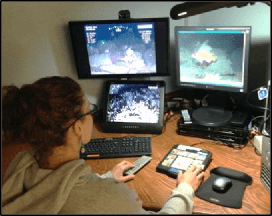
Dirk Rosen welcoming students to Deep Sea Robotic Challenge
Take care and best fishes,
Dirk Rosen
Founder and Executive Director
YOU MAKE THE DIFFERENCE!
MARE partners for intelligent ocean management, which promotes resilience, sustainability and biodiversity in our oceans. Your tax deductible gift is used in marine exploration, discovery, and protection, to ensure a healthy ocean for generations.
When you donate to MARE, you are investing in our blue planet.
 ROV EQUIPMENT AND SAMPLING OPERATIONS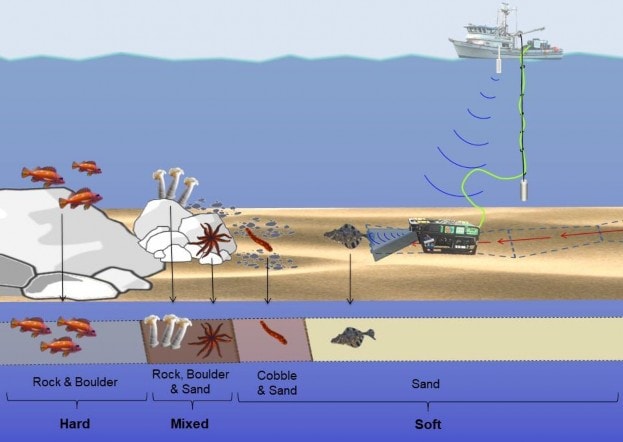
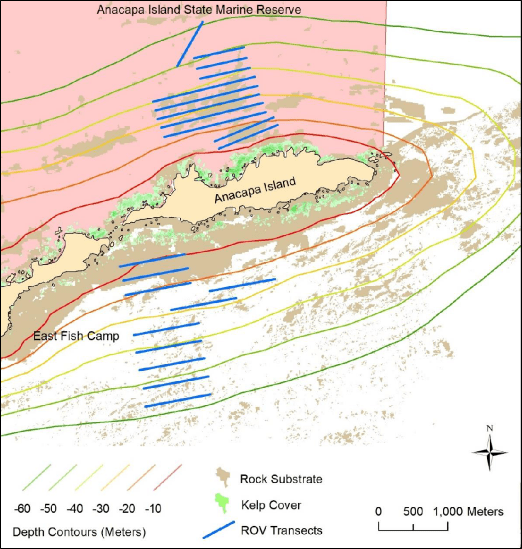
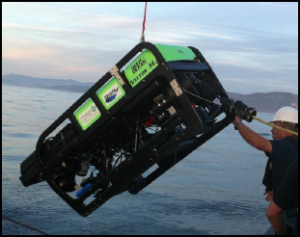 control was used to help the pilot maintain a consistent forward velocity between 0.25 and 0.5 m/sec. A pair of Tritech® 500 kHz ranging sonars, which measure distance across a range of 0.1–10 m using a 6° conical transducer, were used as the primary method for measuring transect width for both the forward an downward facing video. Each transducer was pointed at the center of view in each camera and was used to calculate the distance to middle of screen, which was subsequently converted to width using the known properties of each cameras field of view. Readings from these sonars were averaged five times per second and recorded at a one-second interval with all other sensor data. Measurements of transect width using a ranging sonar are accurate to ± 0.1 m (Karpov et al. 2006).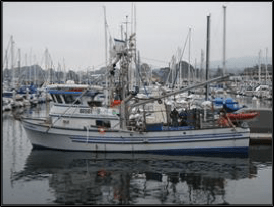
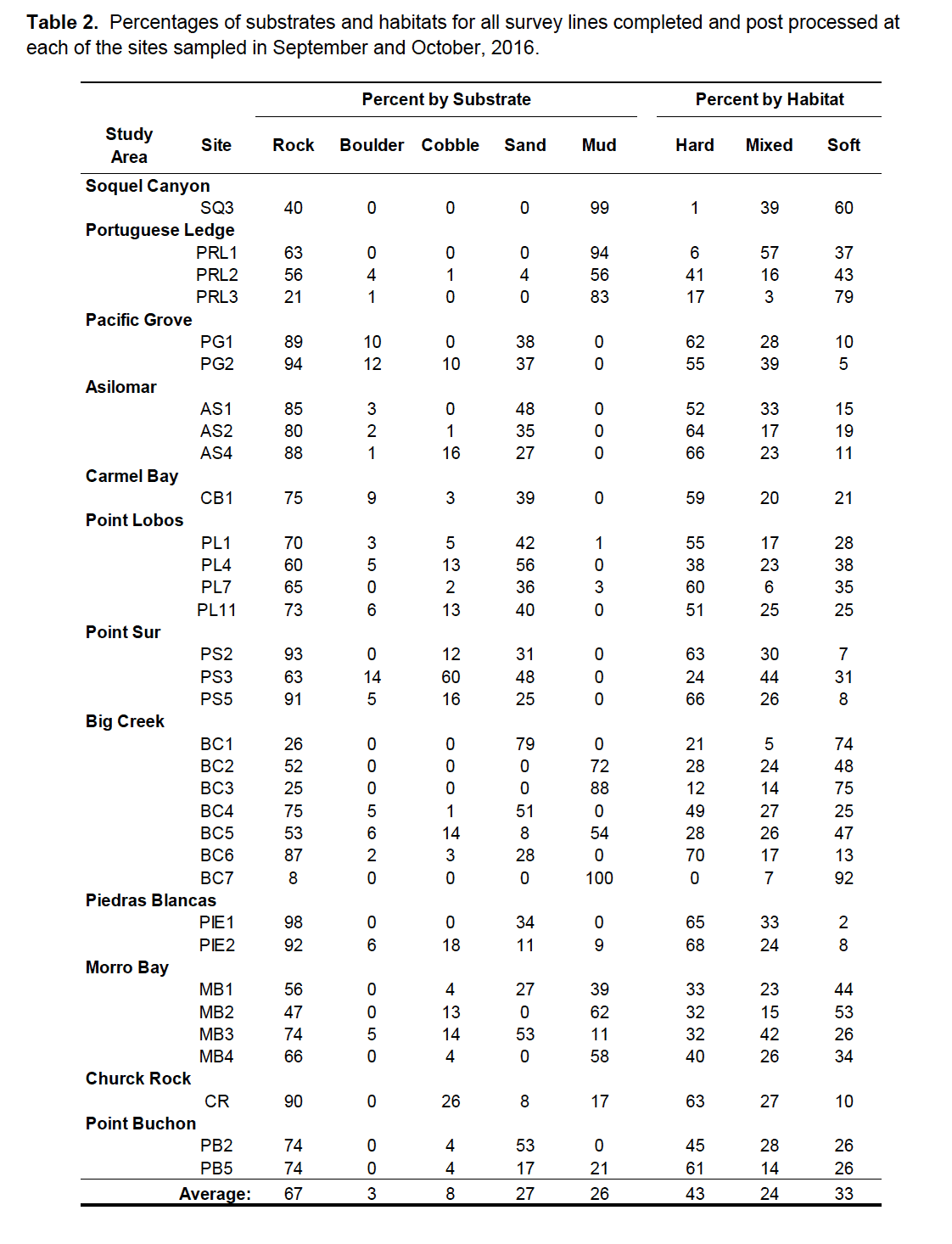
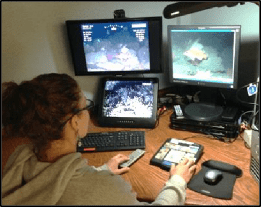
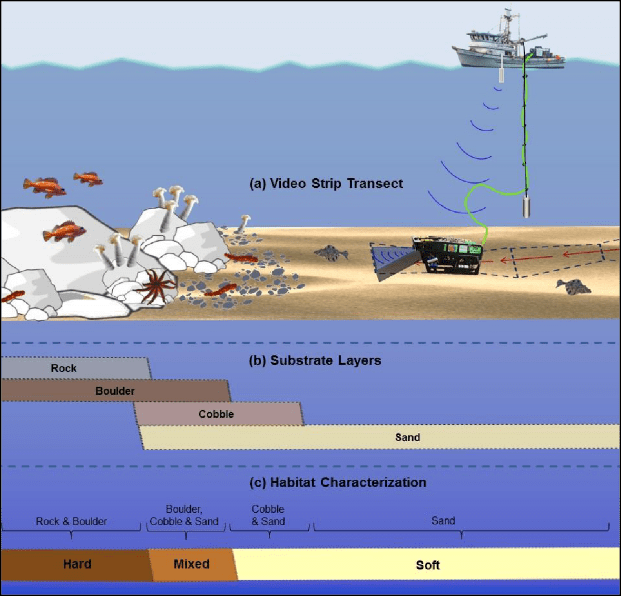
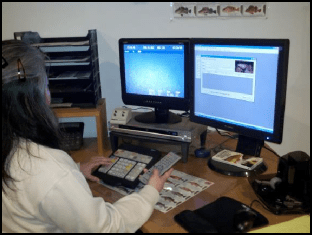 et al. (1999). The video record was reviewed and substrate types were classified independently as rock, boulder, cobble, sand or mud. Rock was defined as any igneous, metamorphic or sedimentary substrate; boulder as rounded rock material that is between 0.25 and 3.0 m in diameter and clearly detached from the base substrate; cobble as broken or rounded rock material that is between 6 and 25 cm in diameter and clearly detached; sand as any granular material with a diameter less than 6 cm (may include organic debris such as shell or bone, gravel or pebble); and mud as fine silt like material.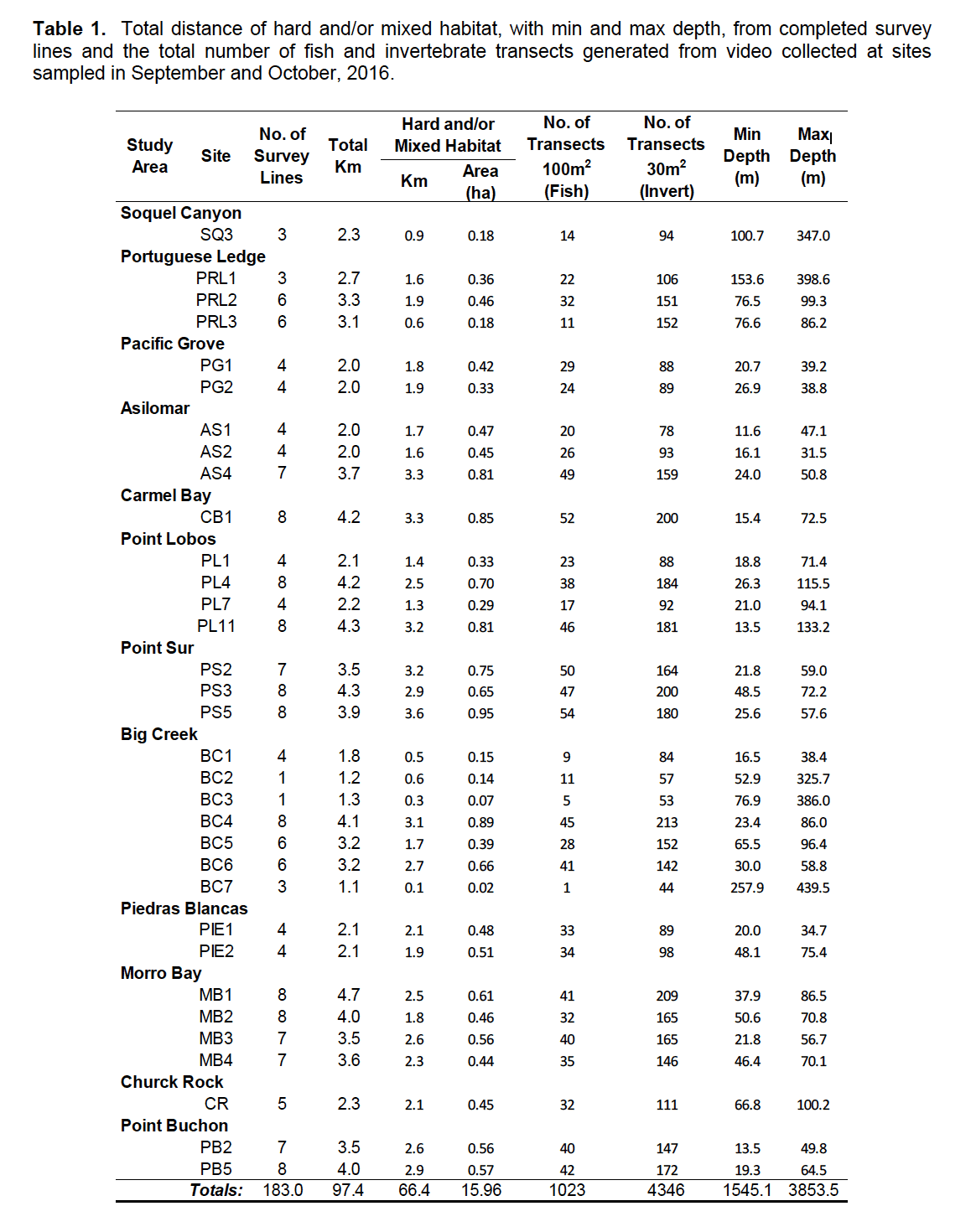
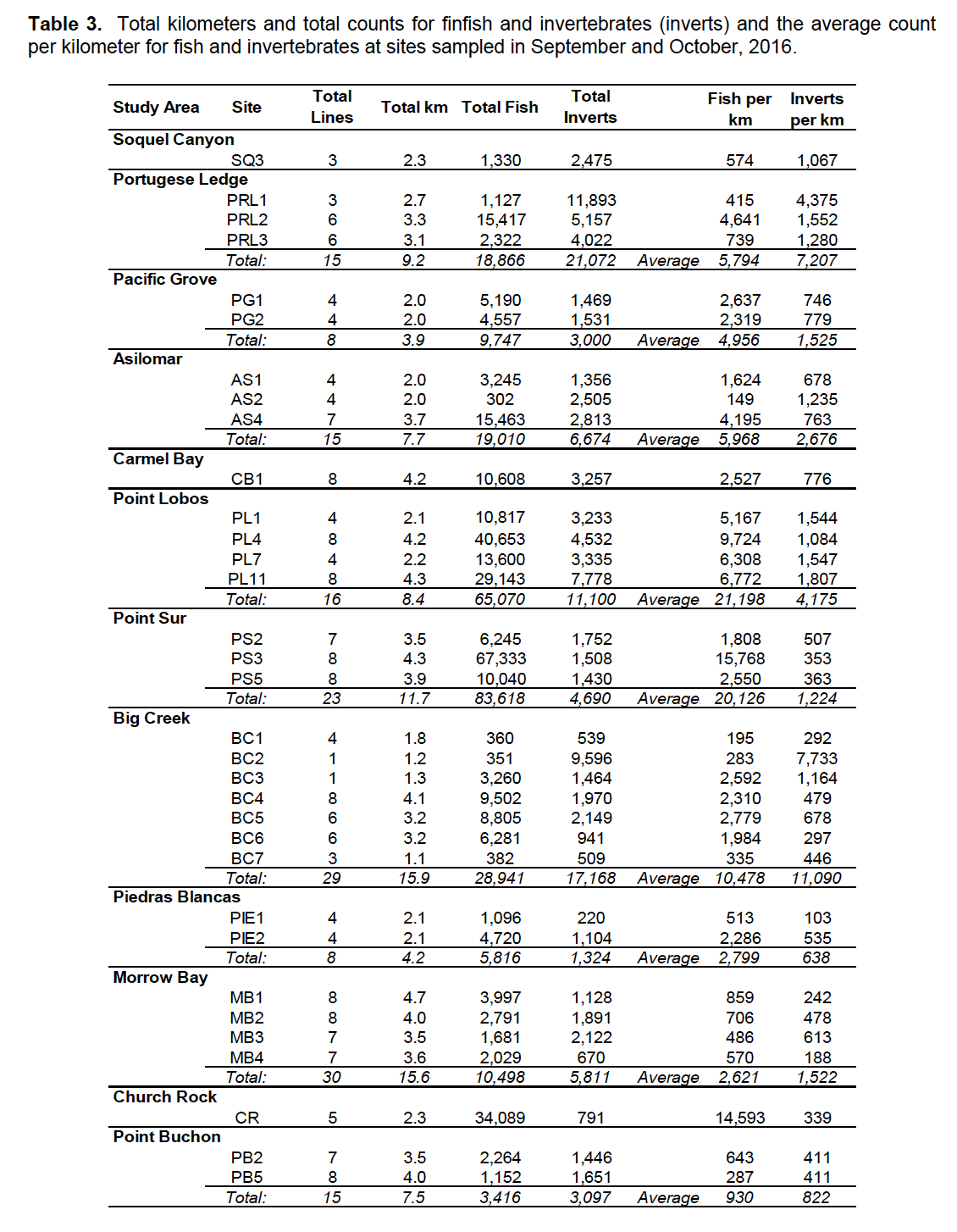
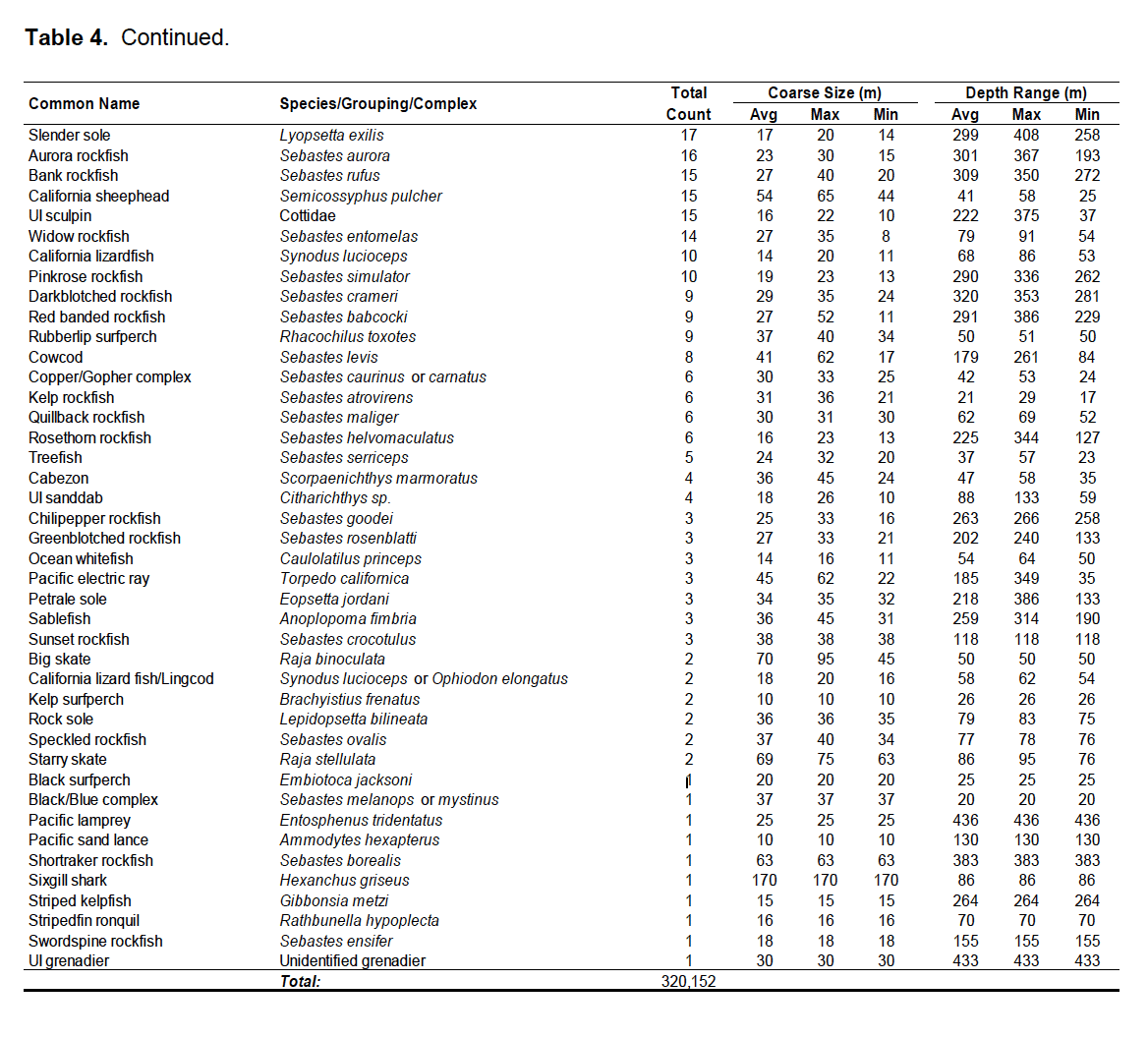
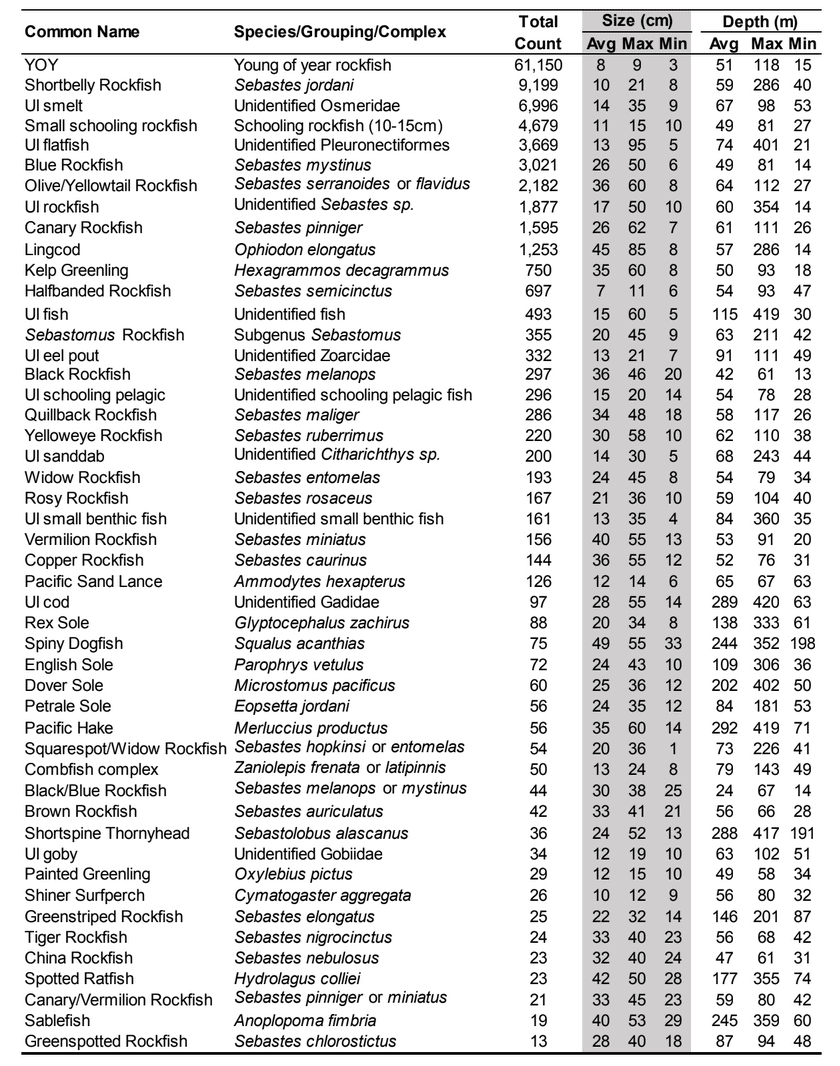
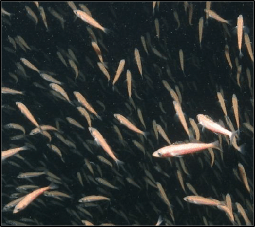 identified from video collected at all sites combined in September and October of 2016 are shown in Table 4. Of the 320,152 total finfish observed at all sites, the majority (95.5%) were identified as a rockfish species or grouping. Of the smaller rockfish species/groupings, YOY were the most commonly observed, accounting for over 80.5% of all fish observations.
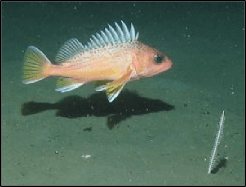 While, the small schooling rockfish species/groupings (typically <15 cm), which included Shortbelly, Halfbanded, Squarespot, Pygmy and other unidentified small schooling rockfishes, were less common, accounting for 7.3% of all fish observations. Larger rockfish species (>15 cm) were also less commonly observed, accounting for 7.7% of all fish observations. Larger epi-benthic schooling rockfish (such as Blue, Black, Olive/Yellowtail and Widow rockfishes) represented the largest proportion of the large rockfish observations, accounting for 62.2% of the total large rockfish observations. Benthic and demersal rockfish (such as Vermilion, Gopher, Canary and Copper rockfishes) accounted for 25.6% of the total large rockfish observations. Due to the low visibility conditions of the North Coast, the remaining 12.2% of the large rockfish observed were classified as unidentified rockfish.
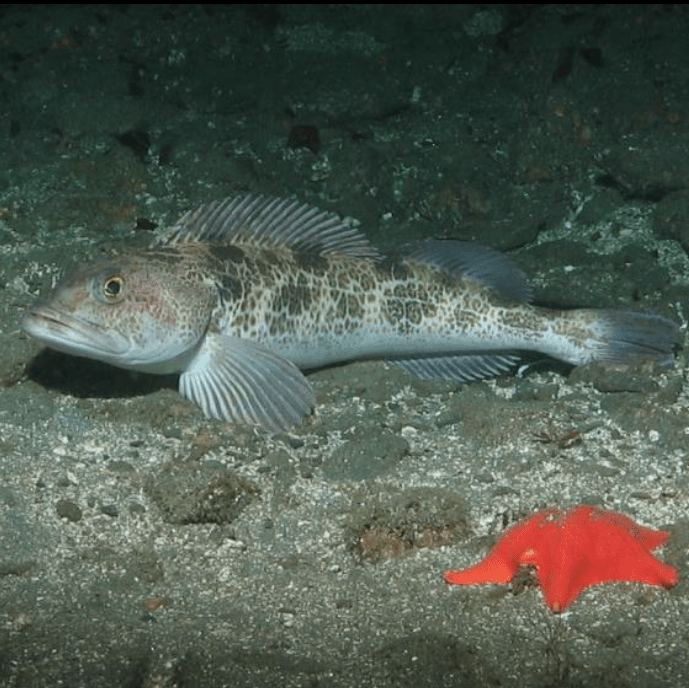
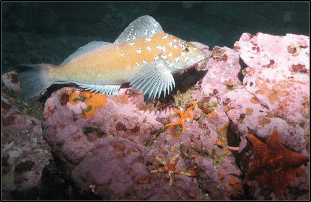 fish observations, accounting for a combined total of just 4.5% of the total fish counts. Unrecognized and unidentified fish accounted for a substantial number (57.8%) of the non-rockfish species observations. Kelp and Painted Greenling, Lingcod, flatfish and surfperch made up approximately 23% of the total non-rockfish counts, or just 1% of the total fish observations.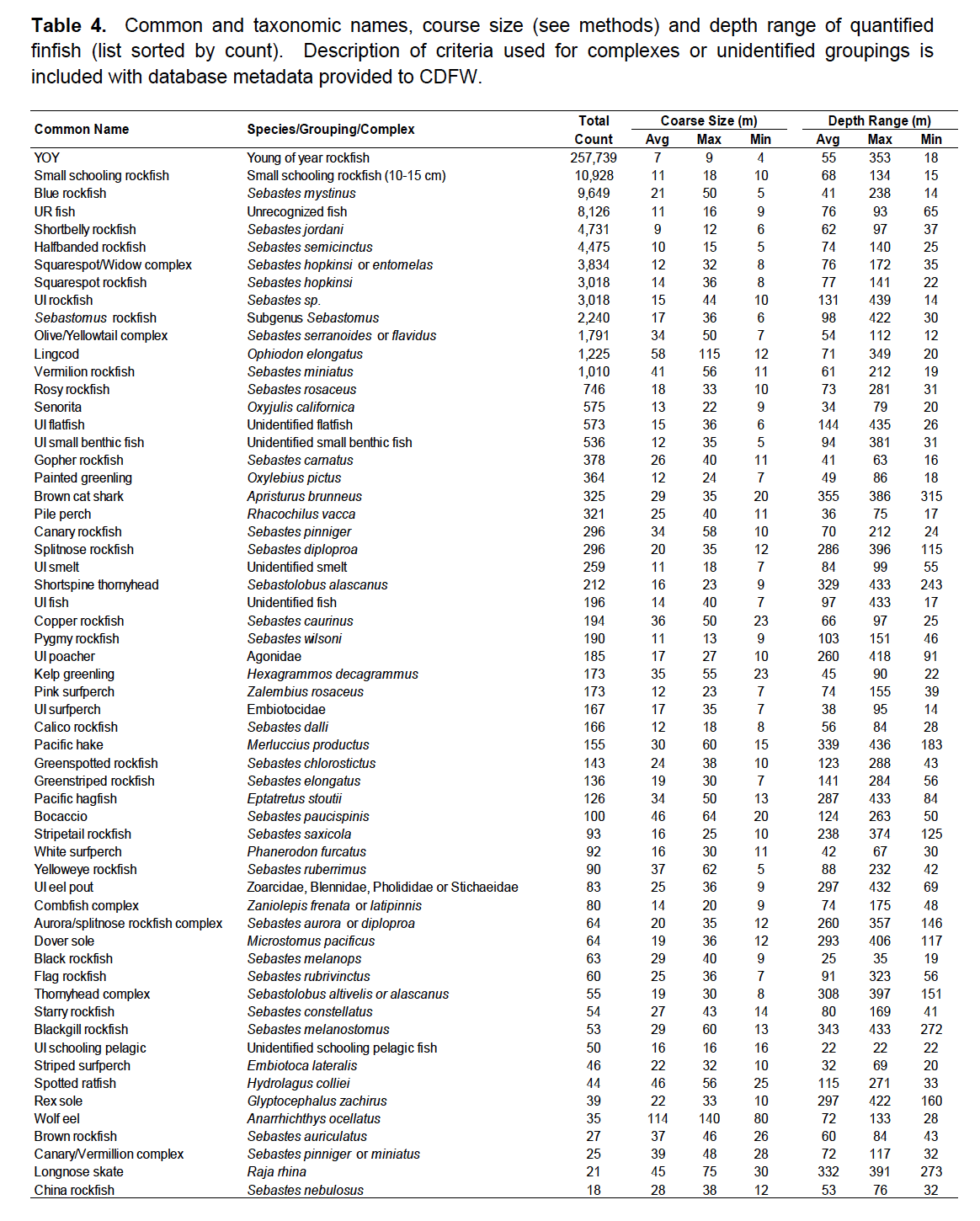
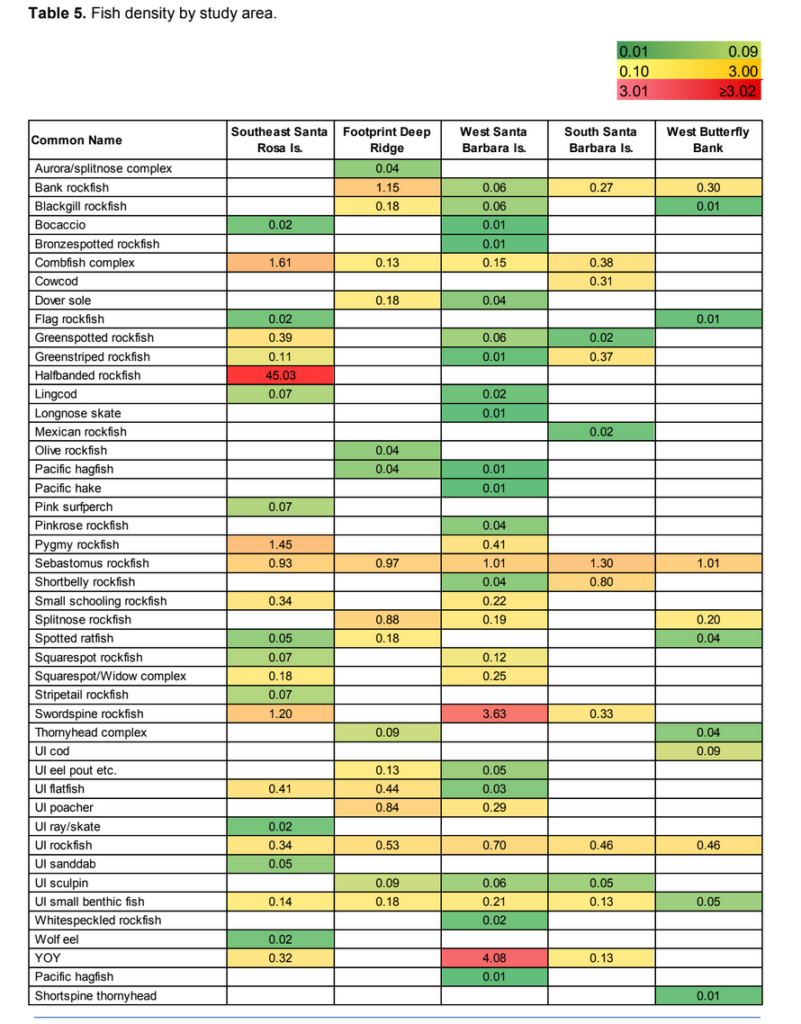
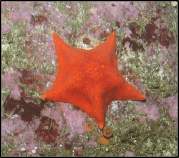 groupings (not including invertebrate patches) identified from video collected from September and October of 2016, is given in Table 5.
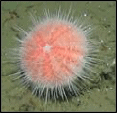 Urchins represented 19.8% of the total invertebrate observations, with 17,449 individuals enumerated from six species/groupings. White urchins were the most abundant, accounting for over 60% of the total urchin observations. The red sea urchin, purple sea urchin and fragile pink urchin were also frequently observed, accounting for 20.8%, 10.3% and 8.2% of the total urchin observations, respectively.
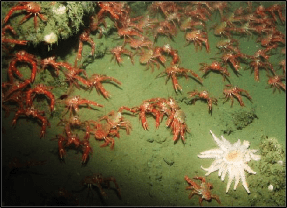 (from 10 species/groupings), crabs (7 species/ groupings), sea cucumbers (7 species/ groupings) and sponges (9 species groupings) which combined accounted for nearly 30% of the total invertebrate observations. The most abundant species from each were the white-plumed anemone, pelagic red crab, California sea cucumber and UI nipple sponge, which combined accounted for 20.3% of the total invertebrate observations.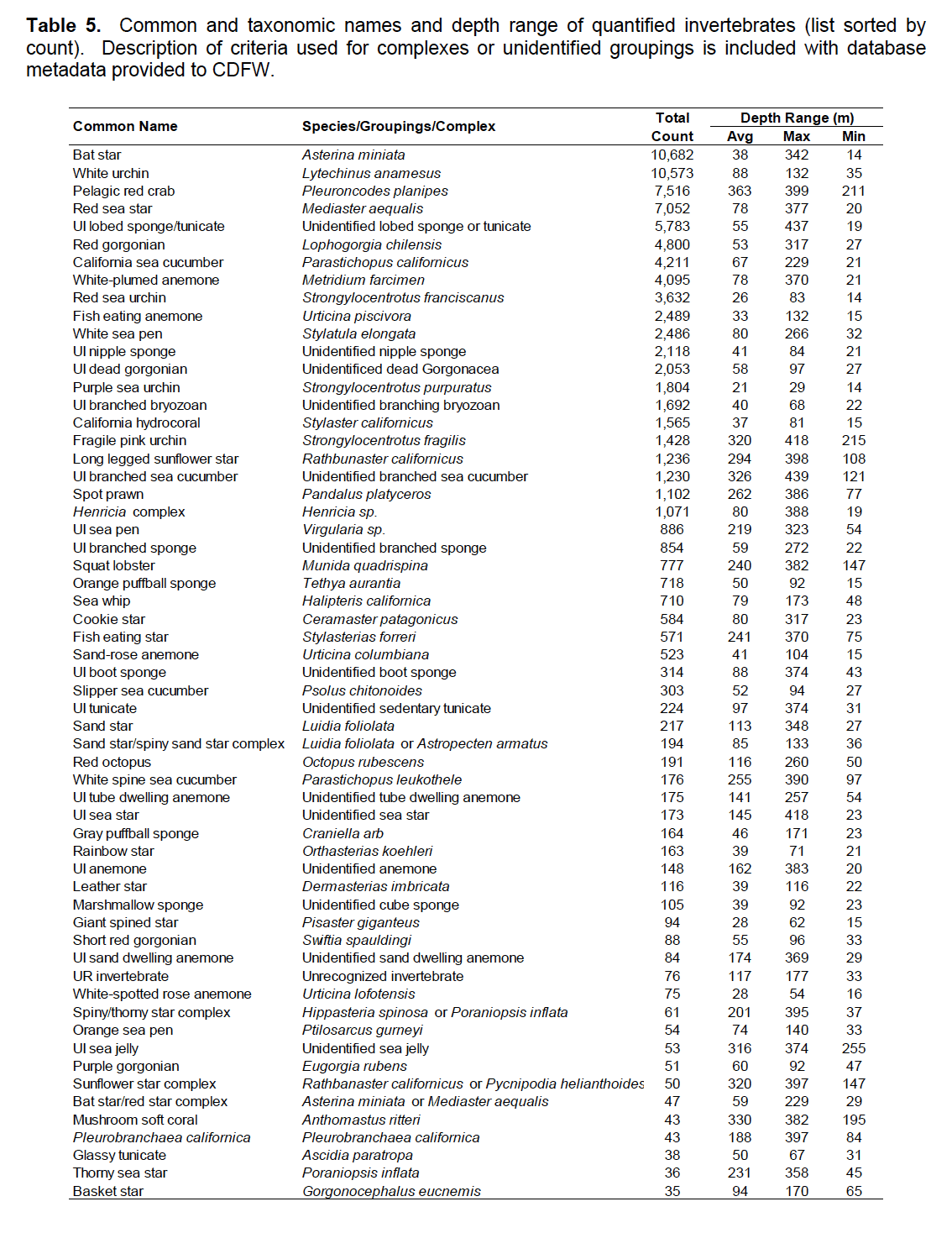
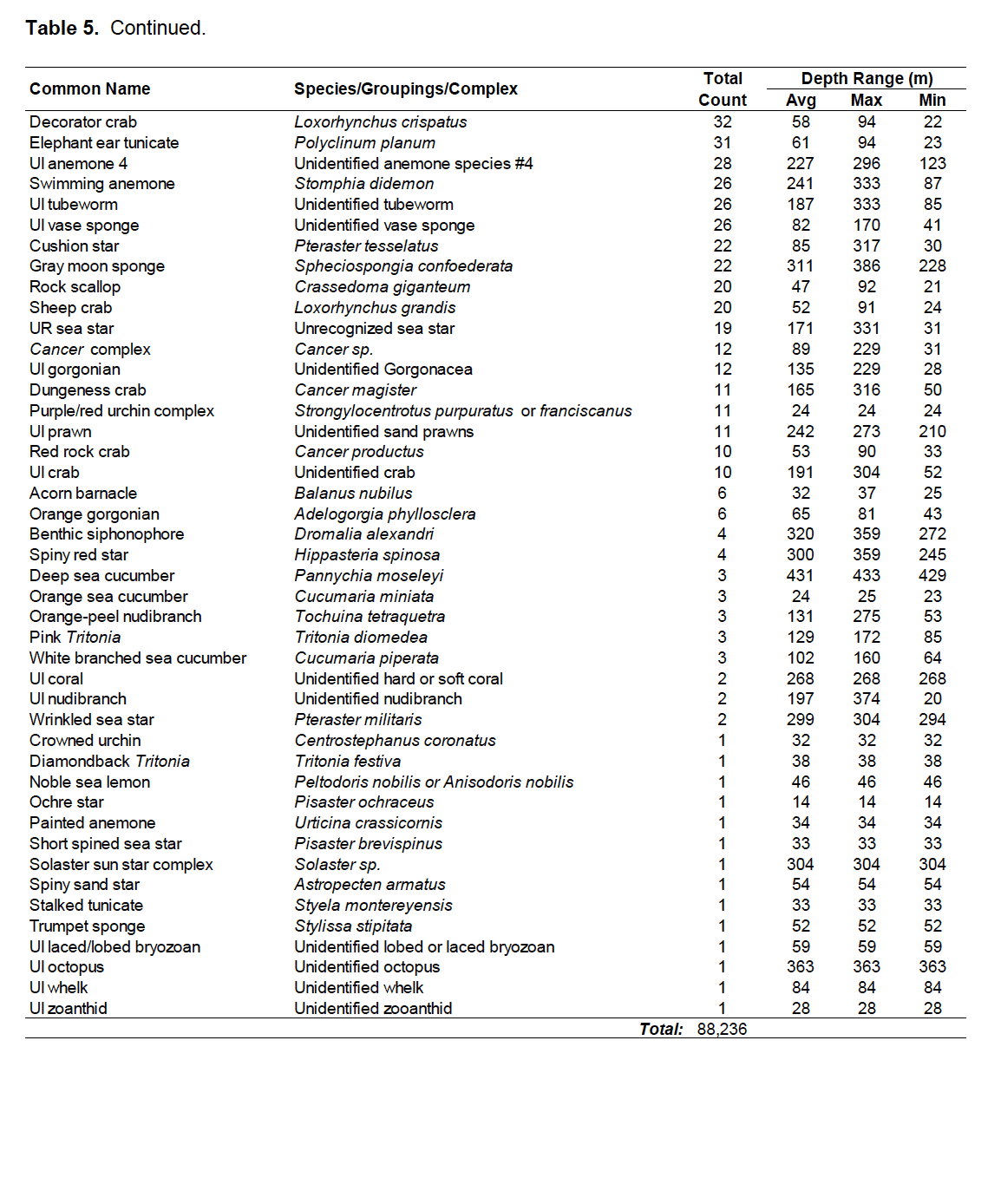
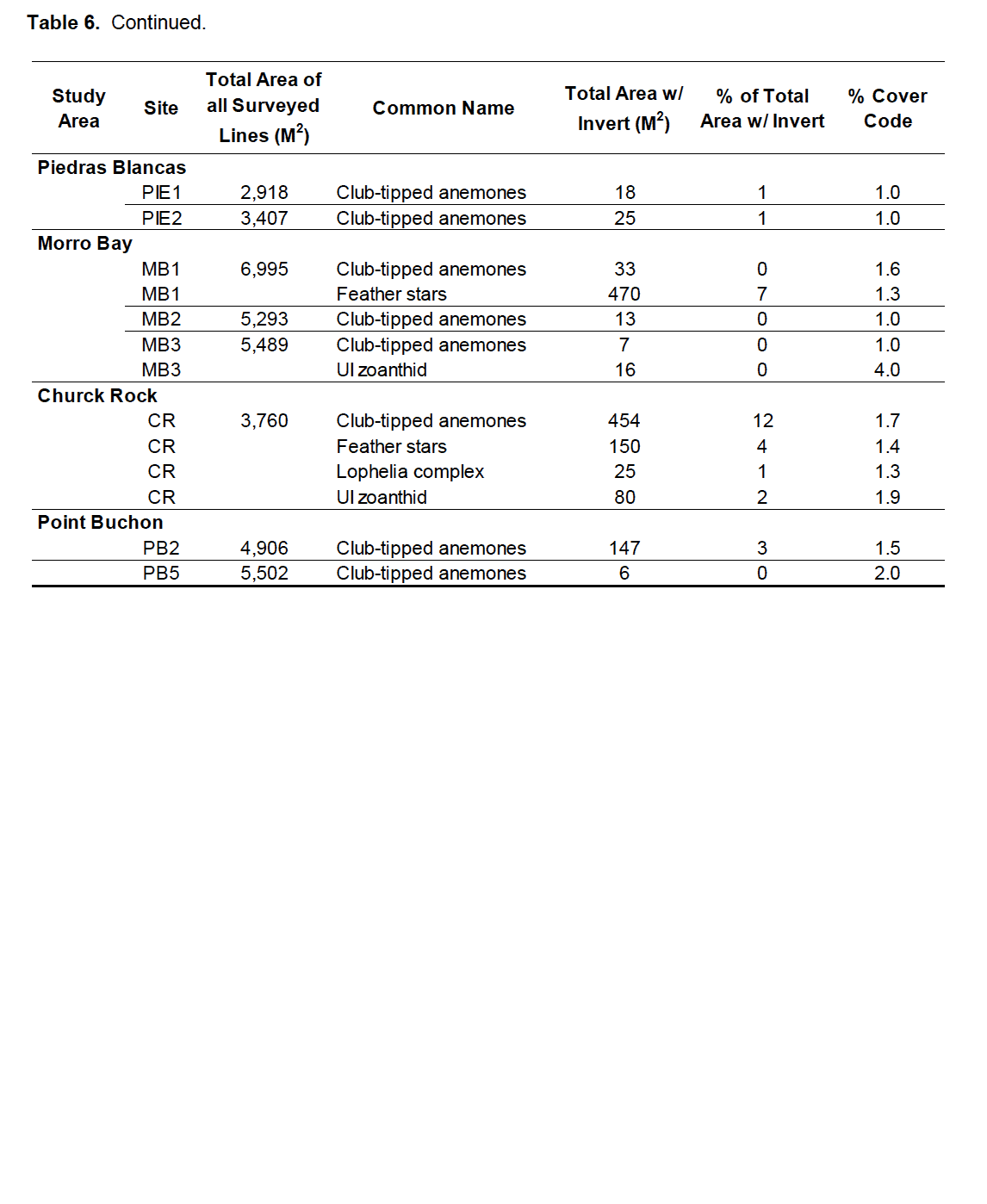
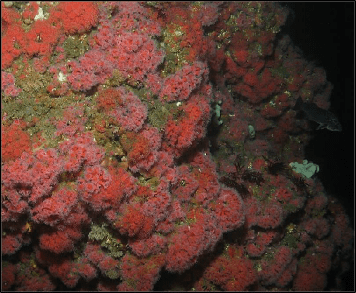 The club-tipped anemone was the most commonly observed invertebrate patch, observed on over 1,993 m2 and occurring at 25 of the 30 sites surveyed in September and October of 2016. The percent of total area containing club-tipped anemones was highest at Church Rock, where club-tipped anemones were present on over 12% of the total area surveyed there. They were also commonly observed at four of the Point Lobos sites covering 3.6% of the total area surveyed at all four sites combined.
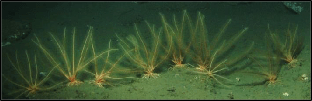 the Portuguese Ledge study location, where they were observed at all 3 sites, covering 3.4% of the total area surveyed at all three sites combined.
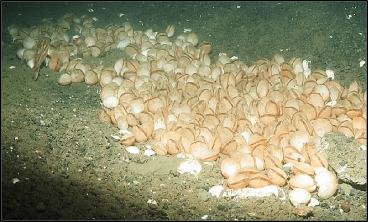 one in Point Lobos (PL4) and two at Big Creek (BC2 and BC3). UI zoanthids covered a total of 98 m2, and were only observed at three of the southern study locations, Big Creek (site BC6), Morro Bay (site MB3) and Church Rock (site CR). UI brachiopoda, market squid eggs and Lophelia complex were each present at only one site, and covered only 44 m2, 2 m2 and 25 m2, respectively.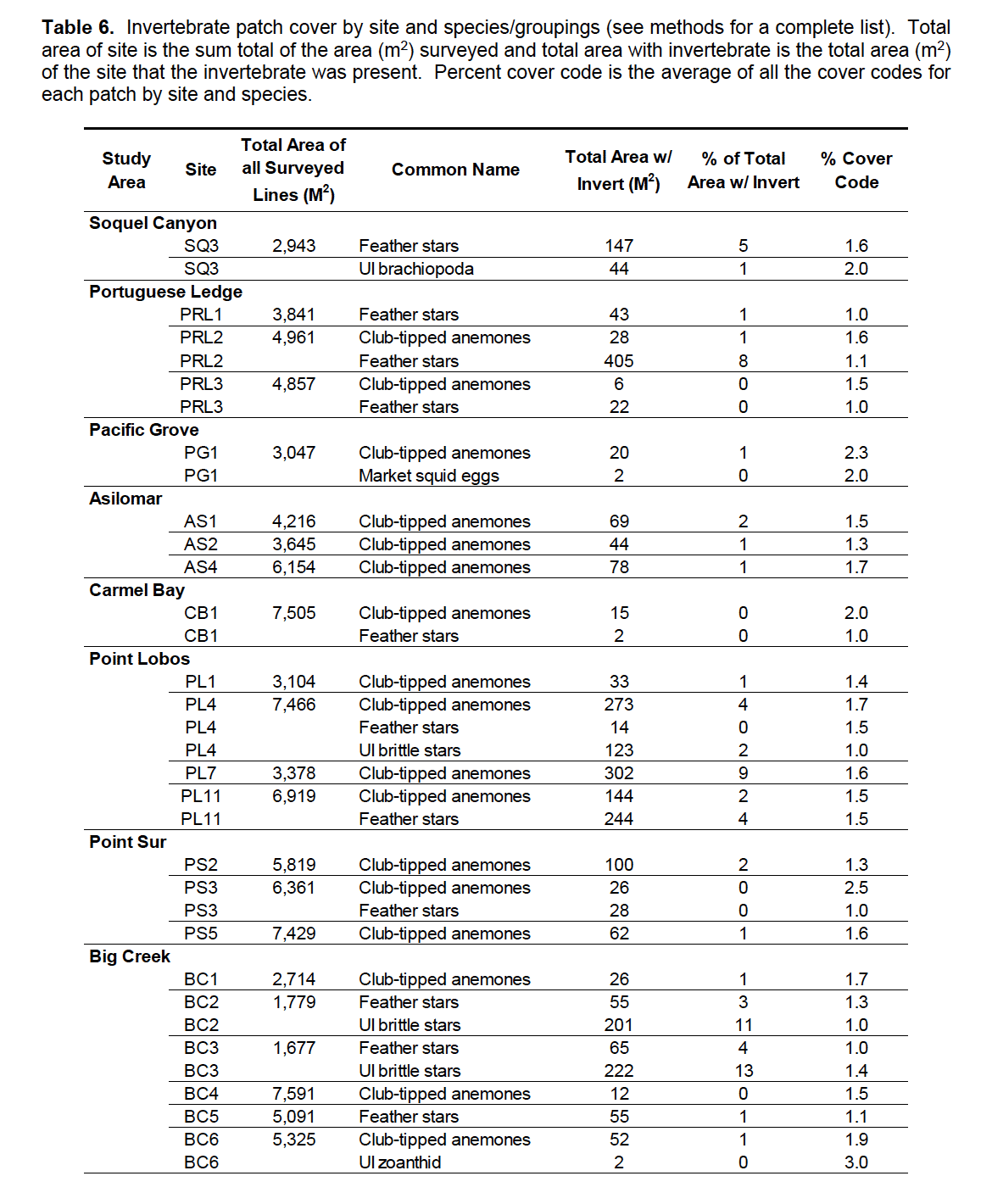
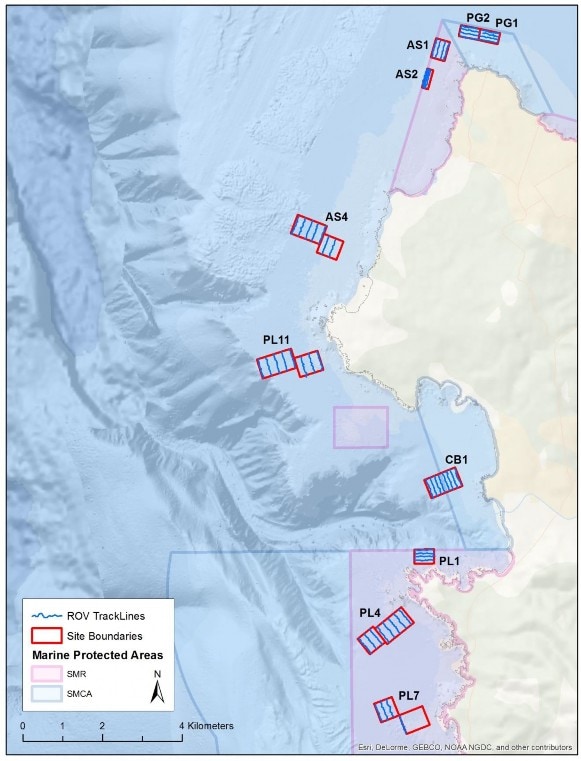
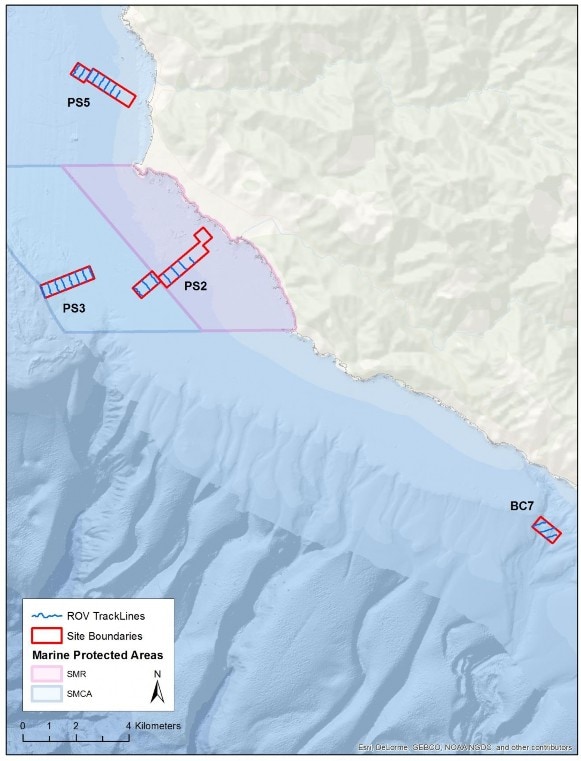
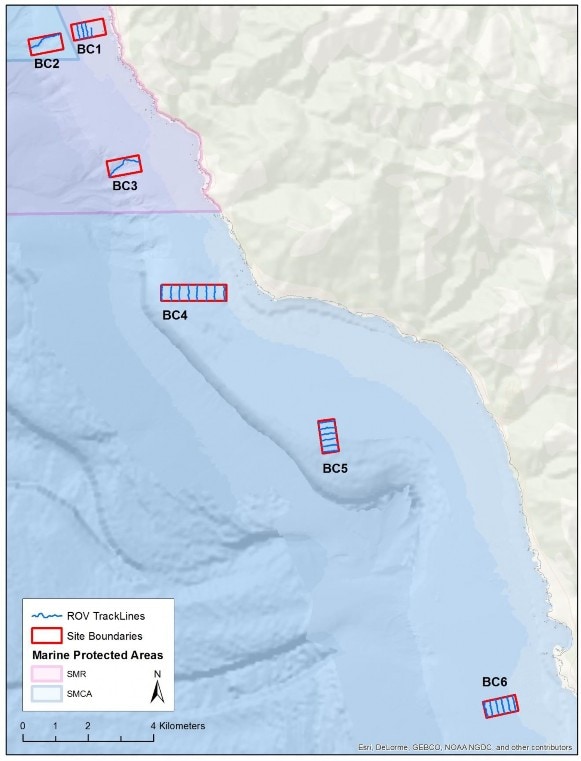
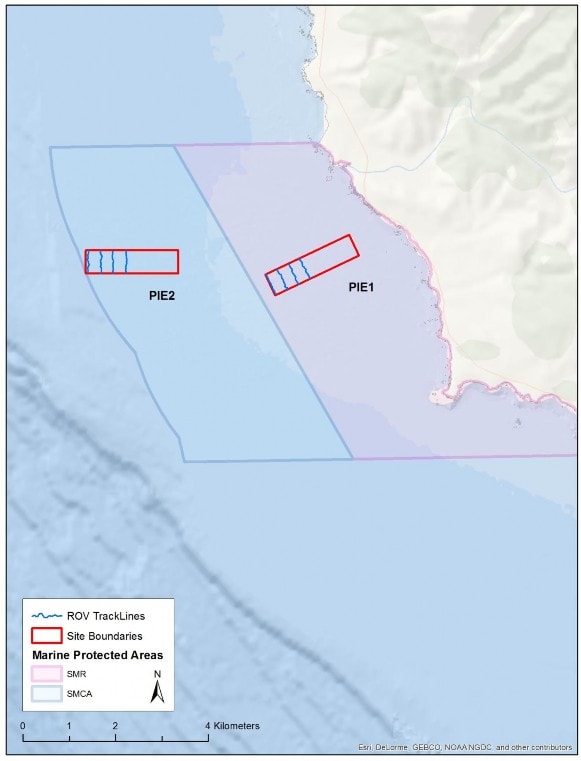
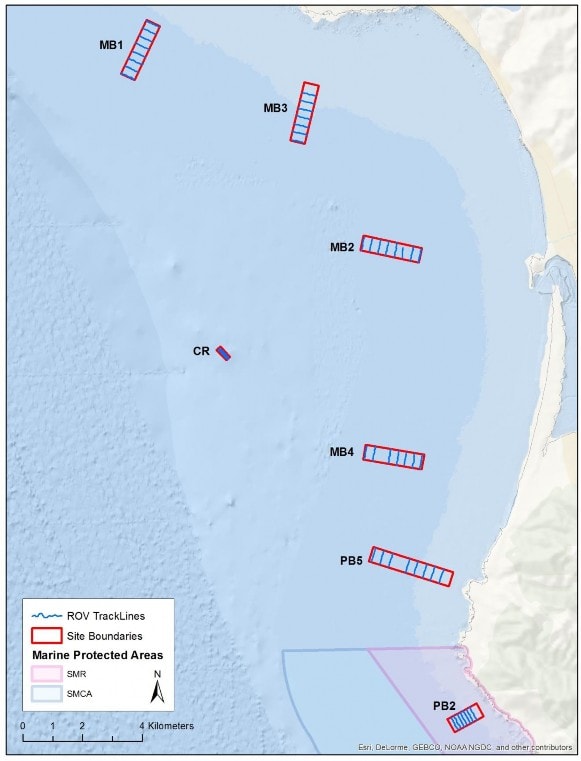
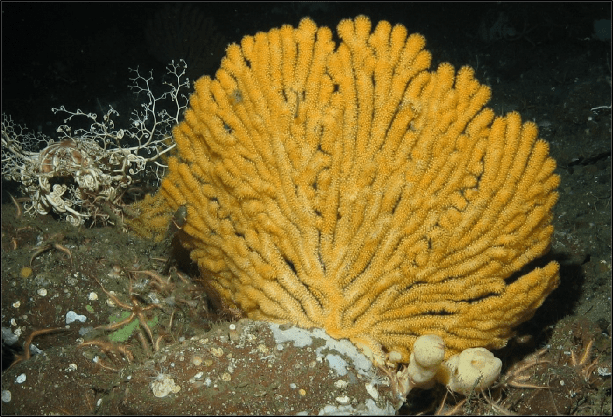
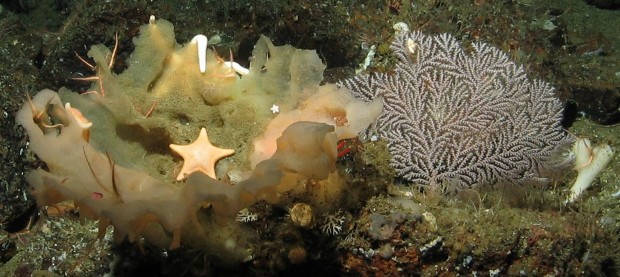
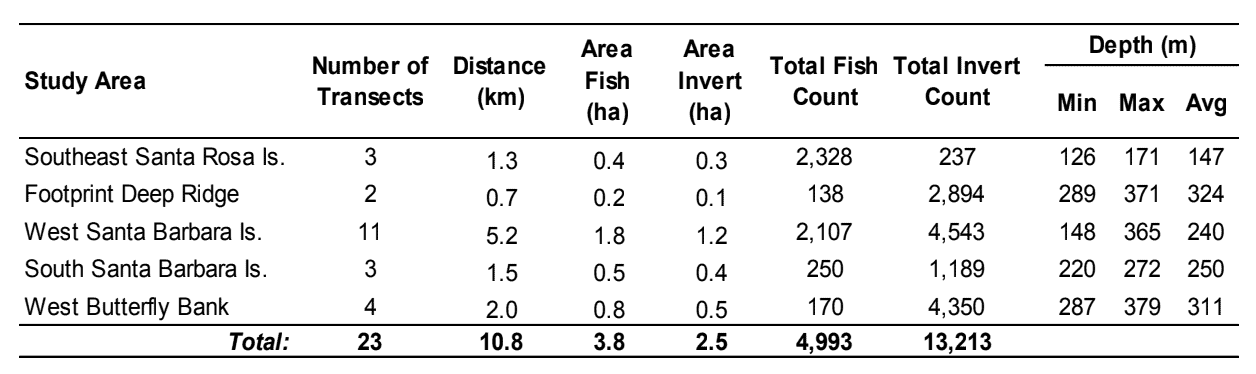
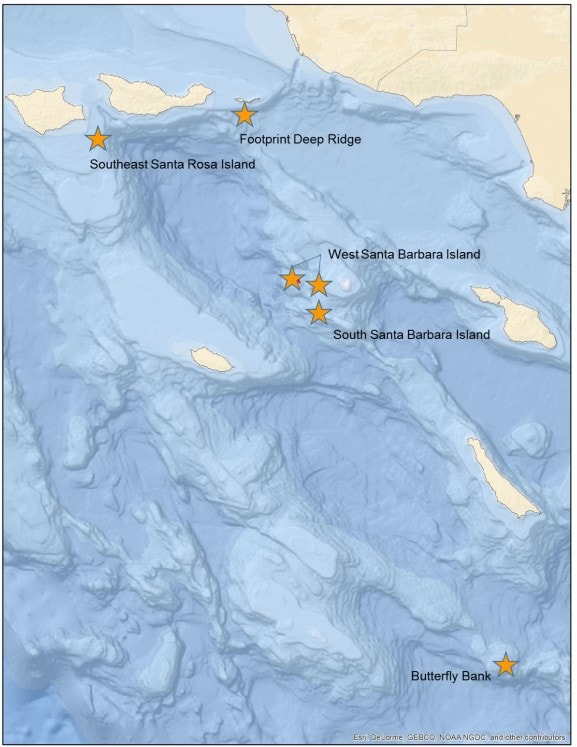
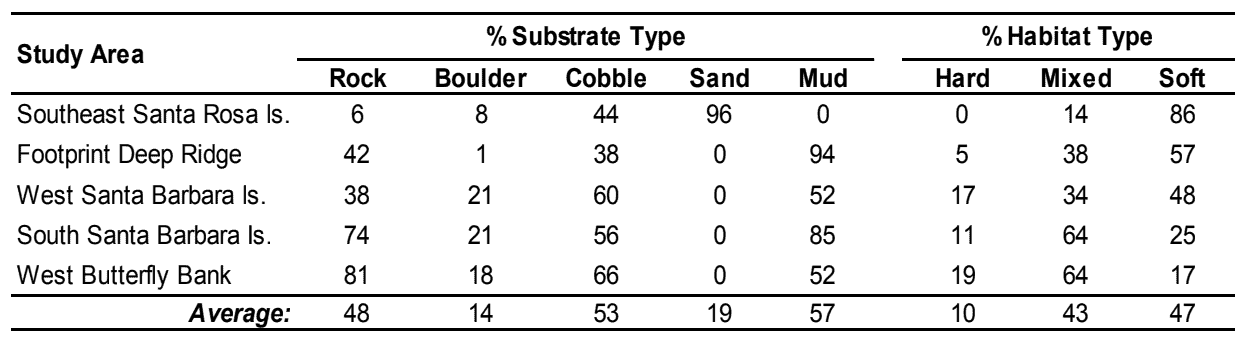
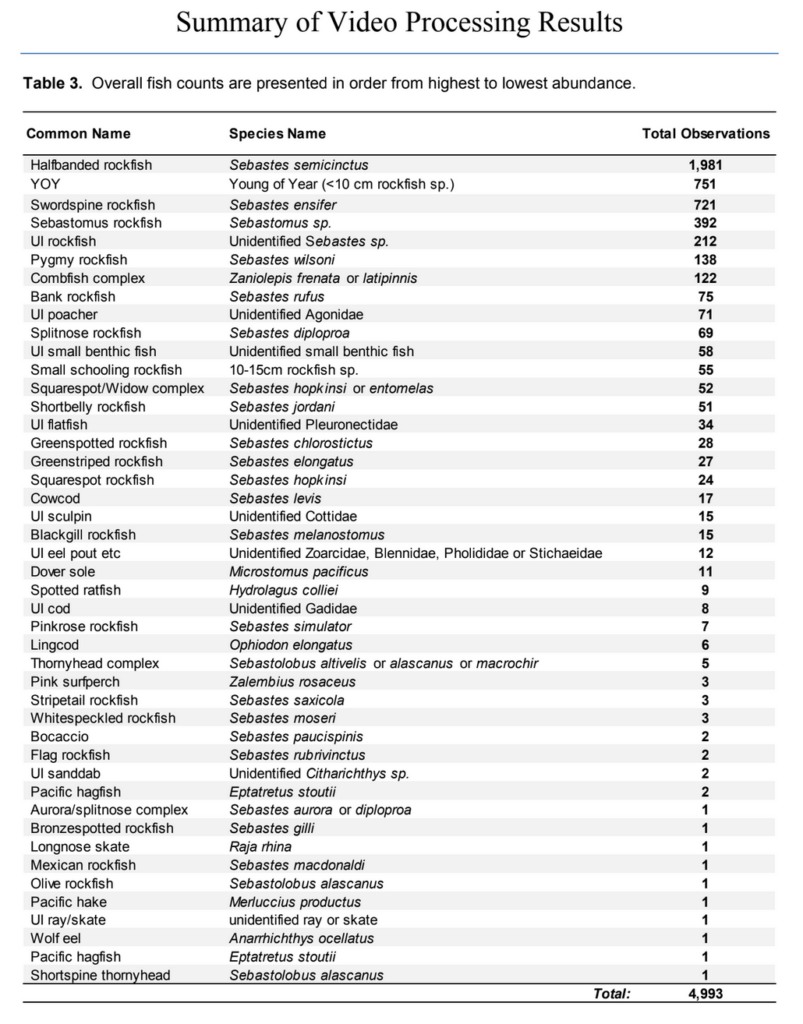
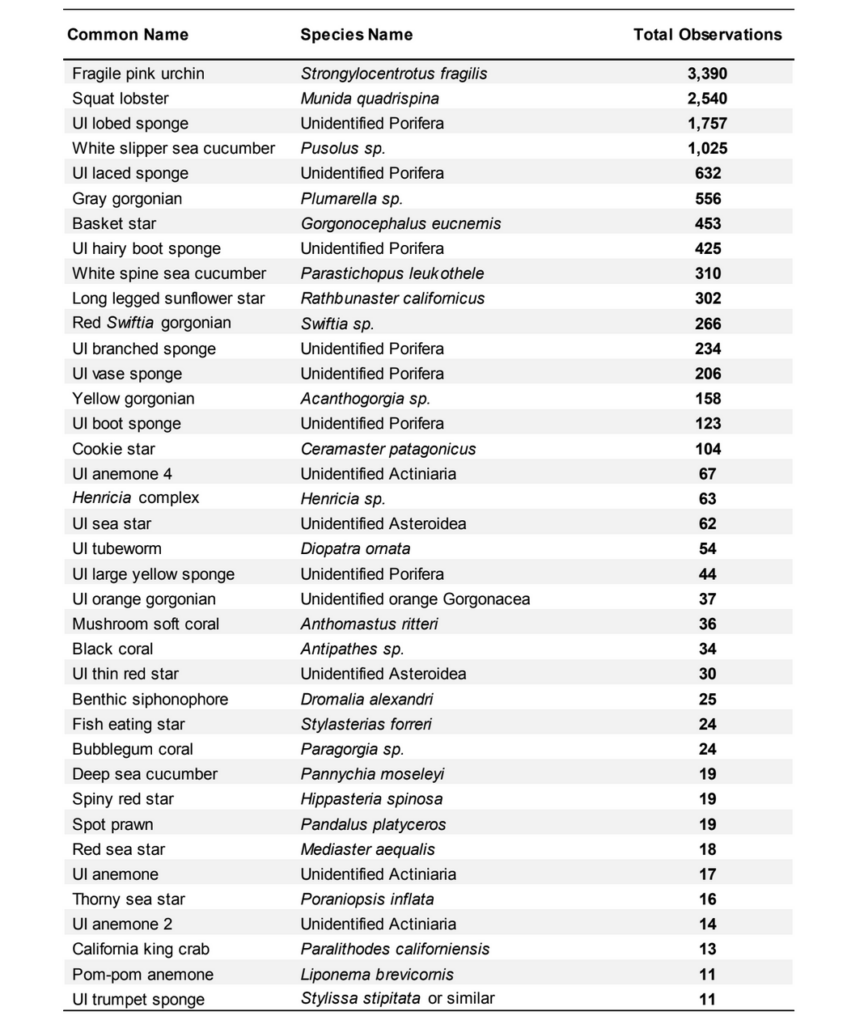
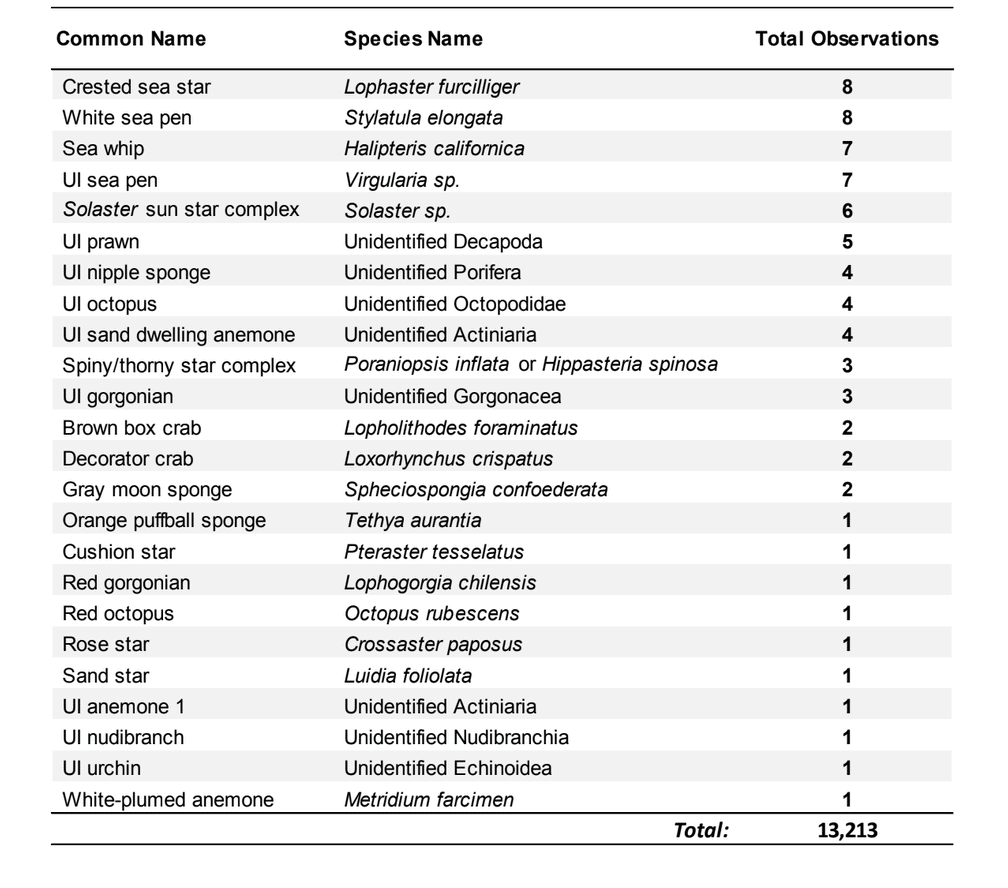
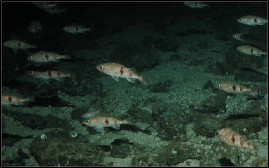
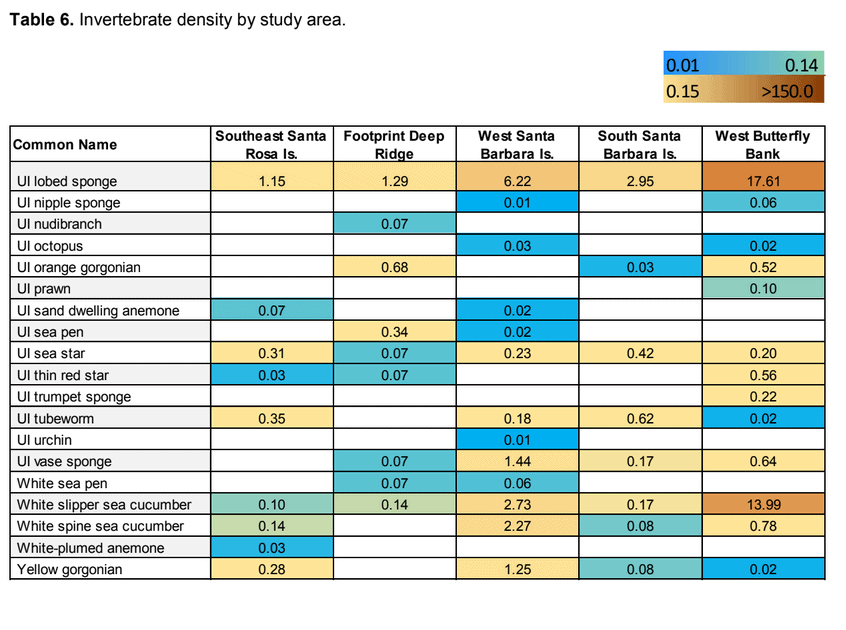
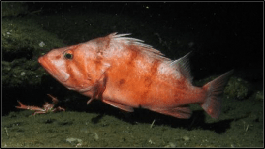 Of the 46 species/groupings observed, 30 were observed at West Santa Barbara Island, the highest of all study areas. In contrast, the lowest number of fish species observed was at West Butterfly Bank, with only 11 species/groupings observed.
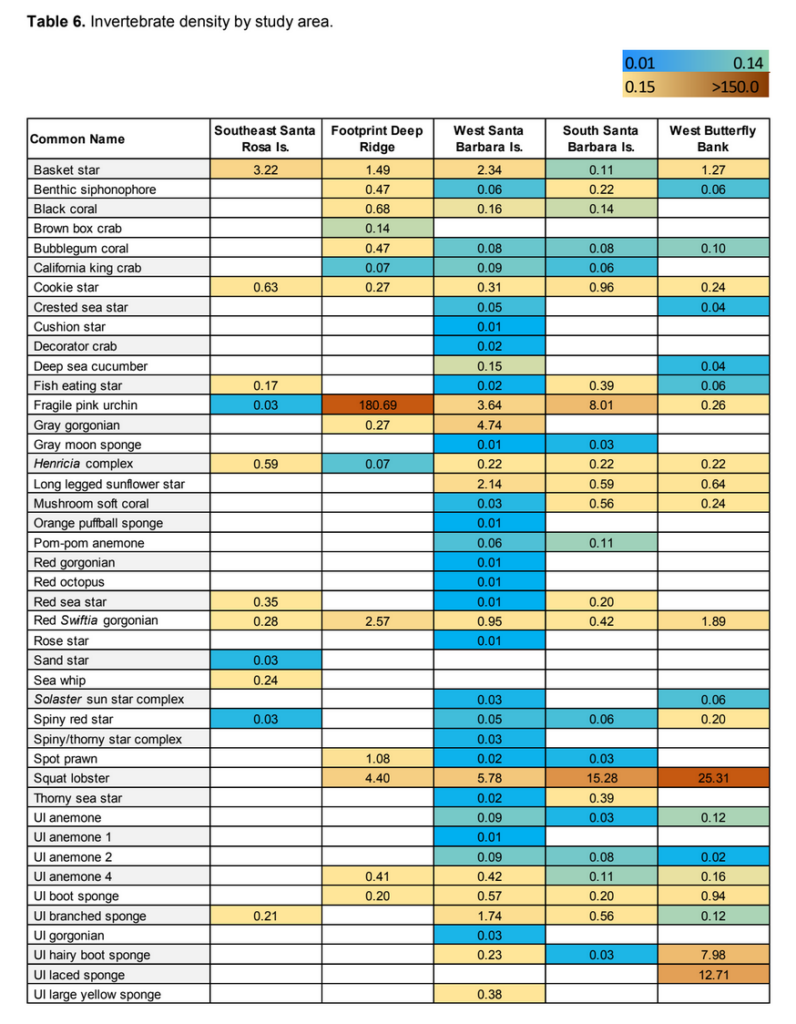
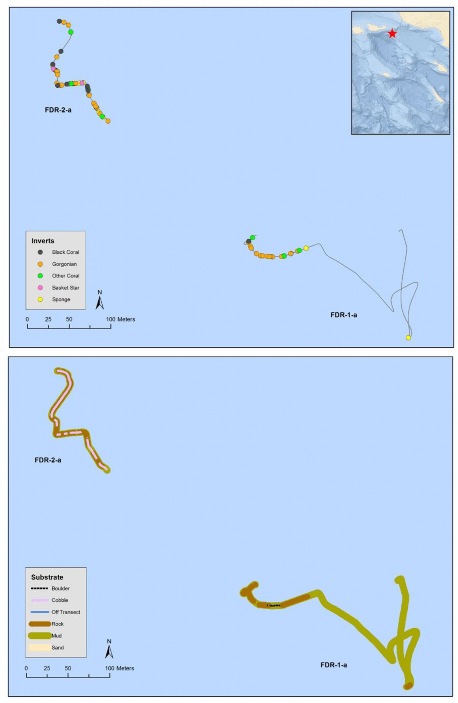
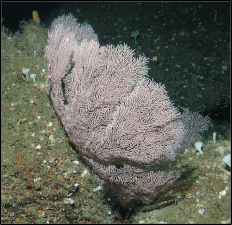 higher at West Santa Barbara Island than at Footprint Deep Ridge. Black corals were found at both the Footprint Deep Ridge and Santa Barbara Island sites, though black corals were over four times denser at Footprint Deep Ridge.
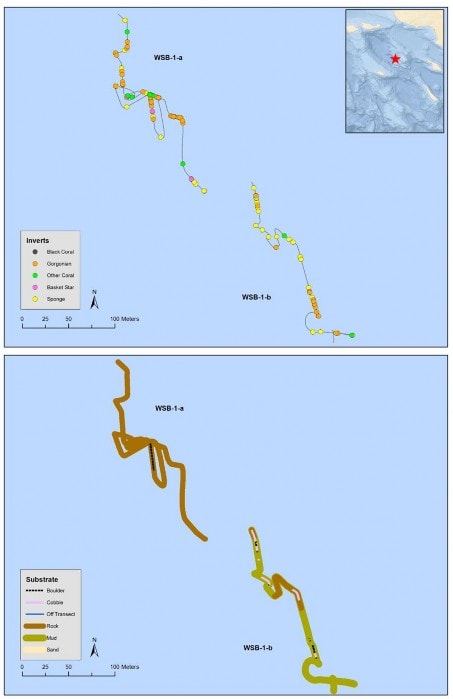
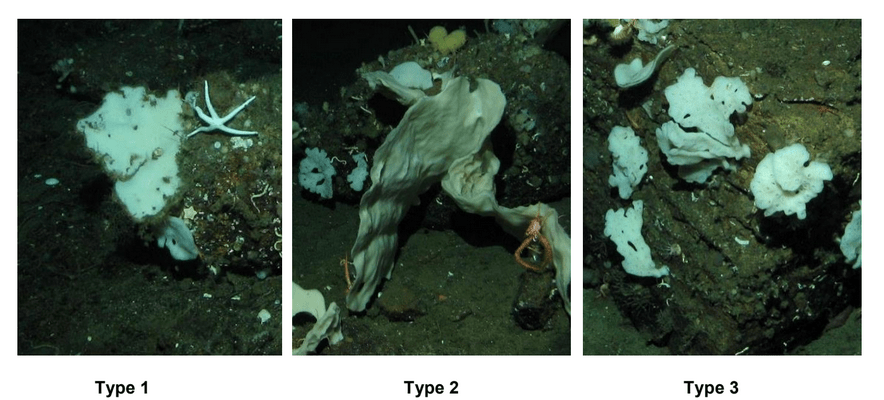
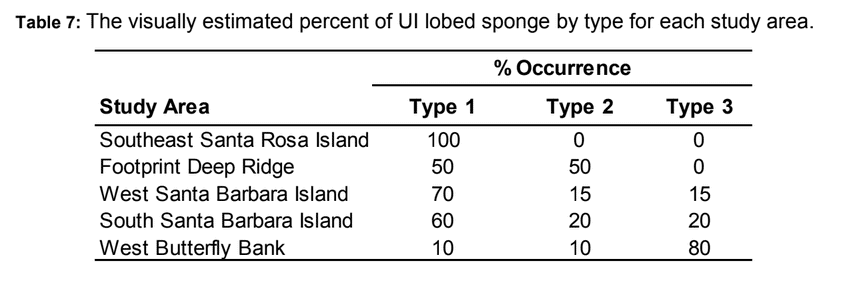
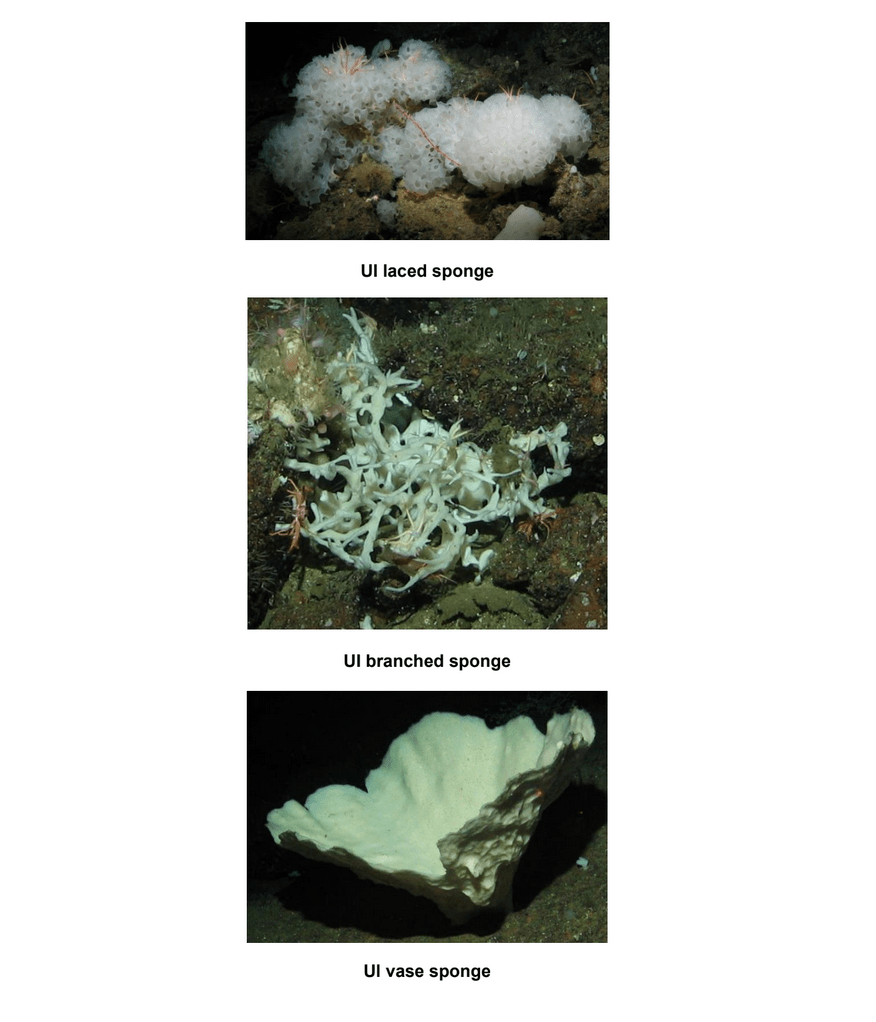
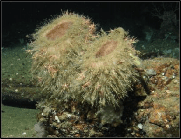 Structure forming sponges were observed at all study areas, with the highest density observed at West Butterfly Bank. At this site, three sponge types: the hairy boot sponge, UI laced sponge and UI lobed sponge accounted for over 38 sponges per 100m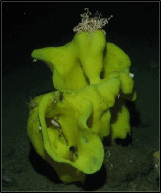
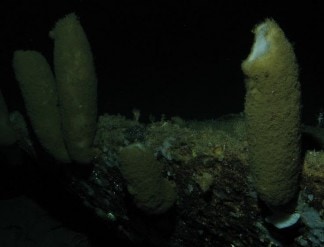
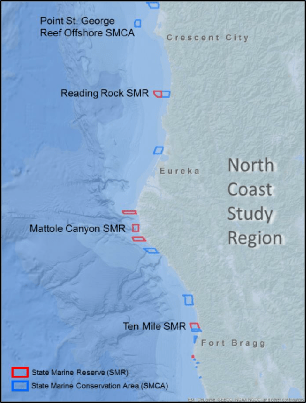
 This network was implemented in four uniquely distinct coastal regions. The final region to be implemented, the North Coast Study Region (NCSR), extends from the California-Oregon border to Alder Creek, Mendocino County. The NCSR has some of the least developed coastal areas in the state due to the remote, rugged coastline and frequently unfavorable ocean conditions, which limit access to much of the coastal and offshore waters. The NCSR lies within one of only four major temperate upwelling systems in the world, making it one of the most highly productive ecosystems that supports diverse and abundant assemblages of fish and invertebrate species.
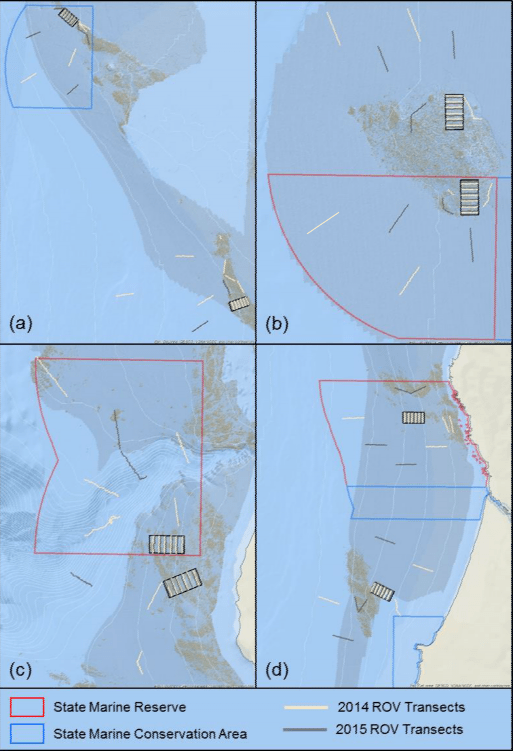
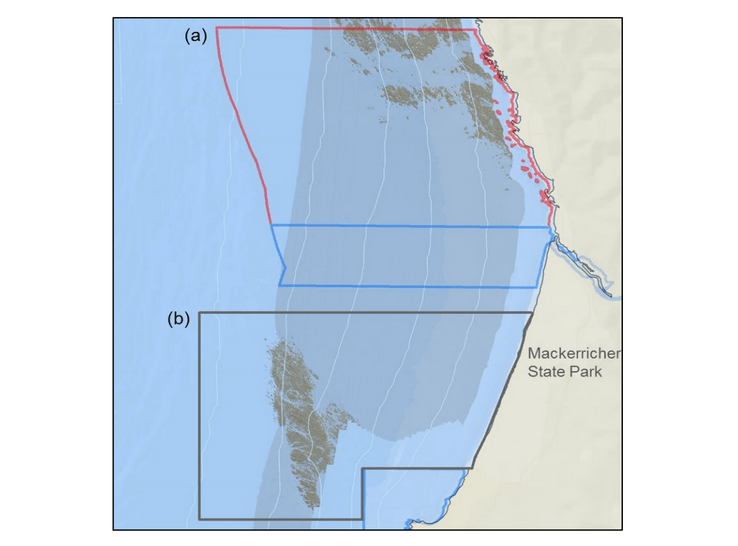
 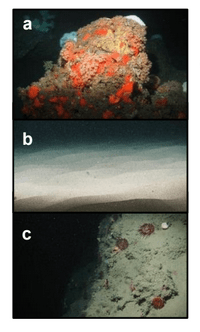 Marine Applied Research and Exploration (MARE) preformed quantitative baseline surveys within the NCSR in 2014 and 2015 with the overall goal to describe the condition of three distinctive priority ecosystem features within four MPAs and their adjacent reference study areas: a) mid-depth rock ecosystems, b) soft- bottom subtidal ecosystems, and c) deep ecosystems (including canyons).
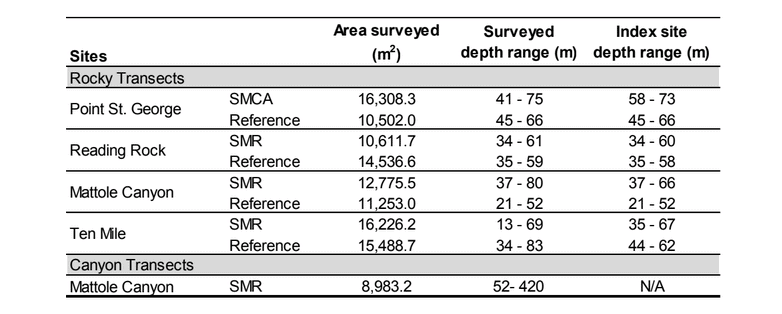
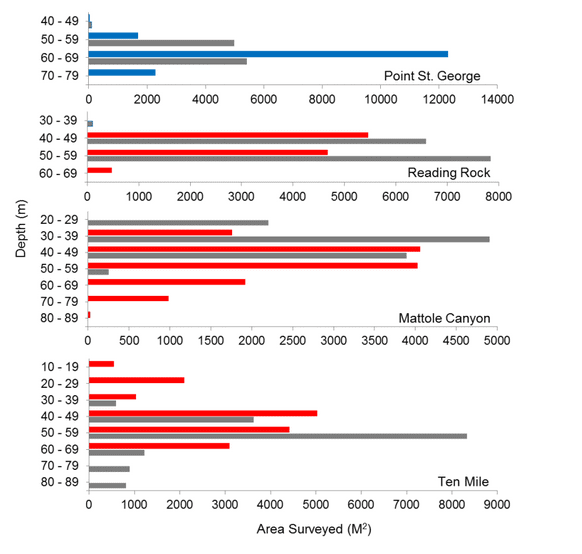
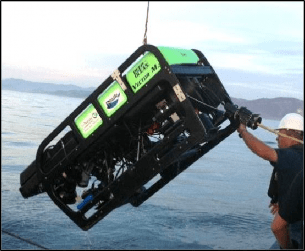
  were conducted using a remotely operated vehicle (ROV) to assess initial changes in fishes, macro-invertebrates and associated seafloor habitats. The ROV collected video and still imagery while moving along a fixed path (transect) along the sea floor. Video imagery collected was analyzed to characterize substrate, habitat types, habitat complexity (rugosity), and estimate finfish and macro-invertebrate distribution, relative abundance and density. In total, 60 ROV dives were completed surveying more than 106 km (19 ha) between 13 and 421 m deep. In addition, over 16,500 still photos were taken.
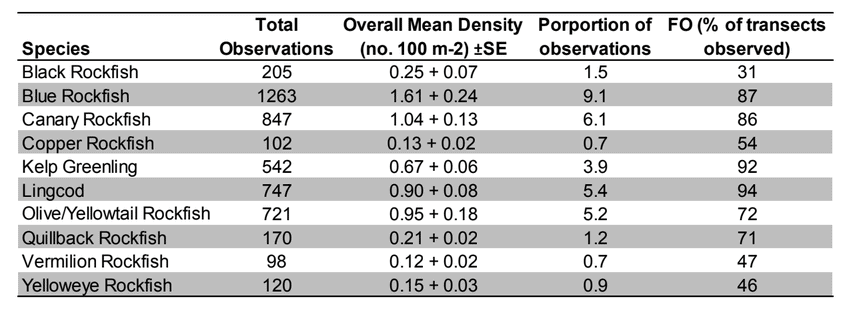
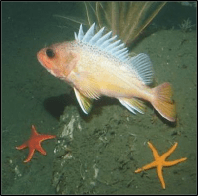
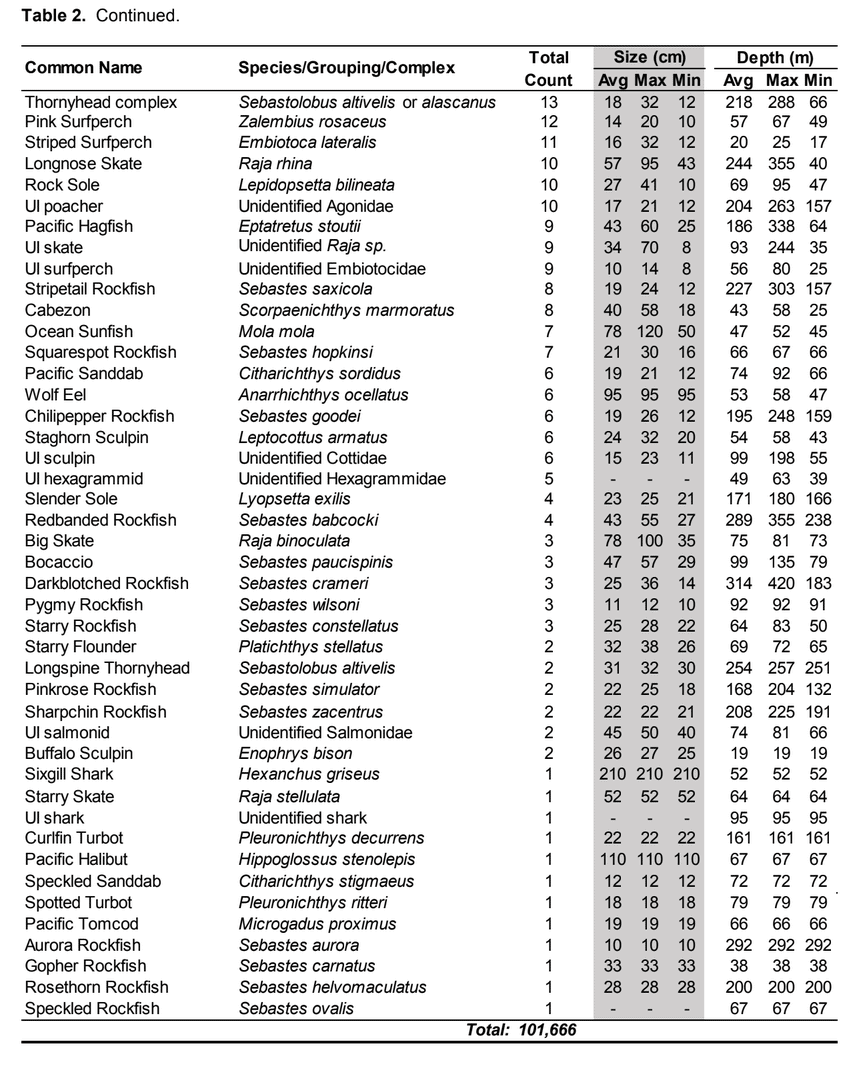
 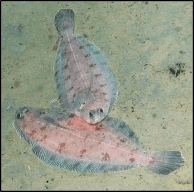 Of the 101,666 fish observed over both years, over 85% were rockfish. Young of year rockfish (YOY) were the most numerous rockfish grouping observed; with over 61,000 recorded individuals, accounting for 60% of all of the fish observations. Larger rockfish represented only 14% of the rockfish identified, with four species/groupings accounting for 80% of the observations: Blue, Olive/Yellowtail, unidentified and Canary Rockfishes. Non-rockfish species represented 15% of the fish identifications, with two groupings accounting for 71% of the total observations: unidentified smelt and
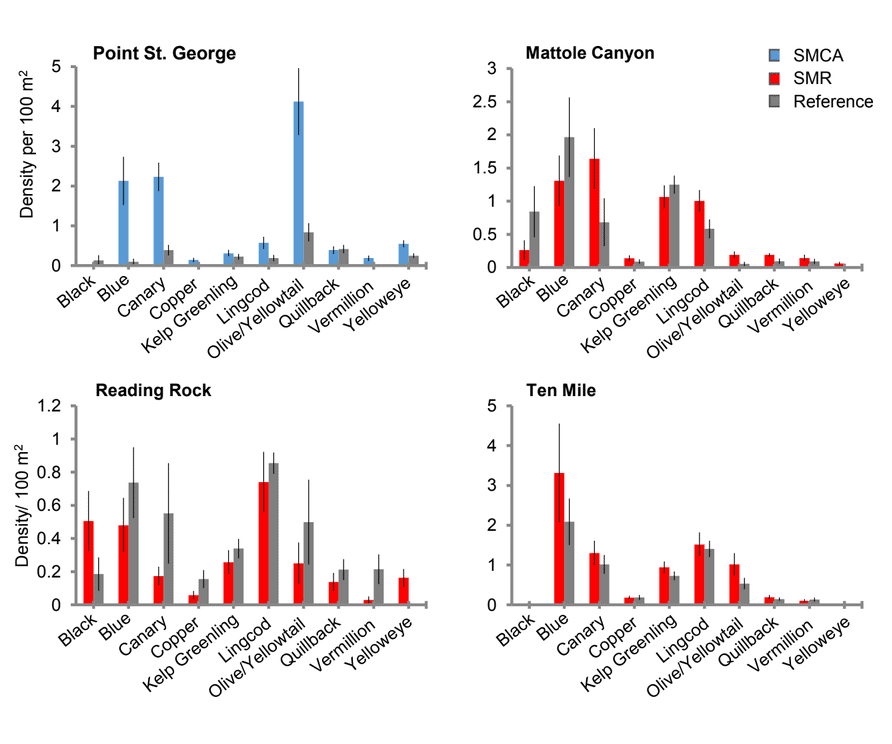
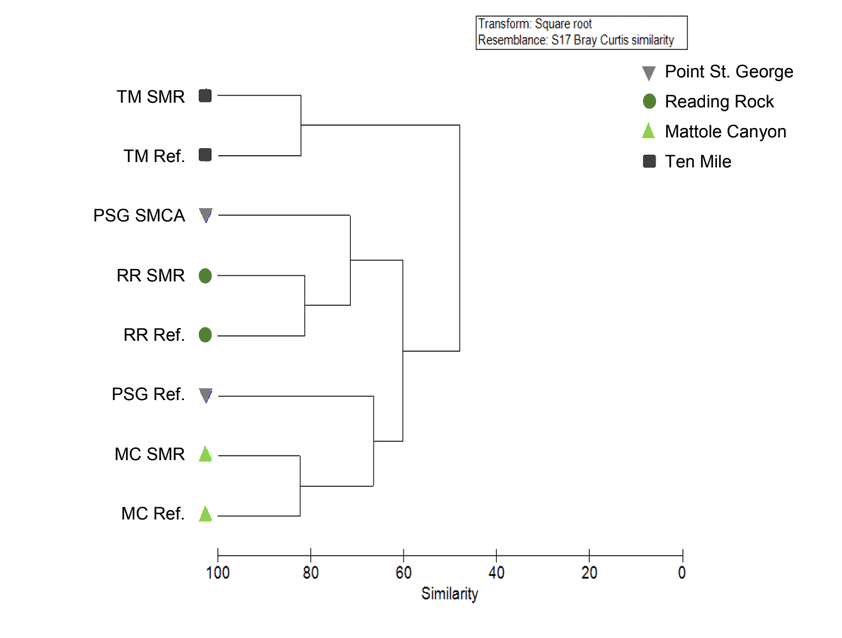
  flatfish. Overall, fish species composition and density was similar between all MPA and reference area pairs within rocky reef and soft bottom habitats. One exception was documented at Point St. George Reef Offshore SMCA within rocky reef habitats, where rockfish densities were significantly lower in the reference area than the MPA (Figure E1). In addition, Point St. George Reef Offshore SMCA had the highest density of Yelloweye Rockfish, over two times more than any other study area (Figure E1).
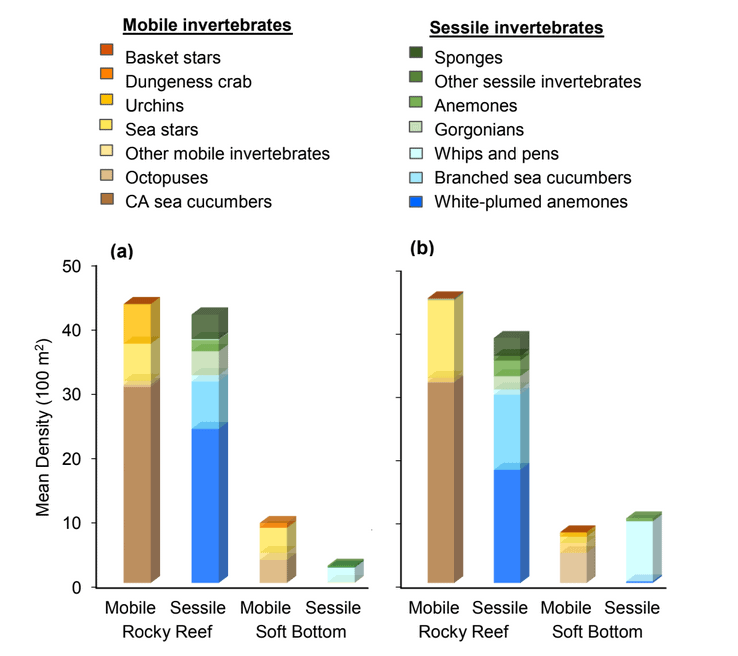
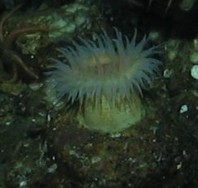
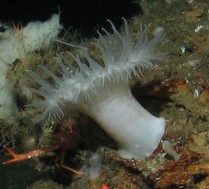
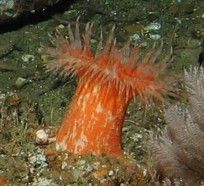
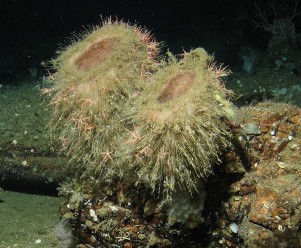
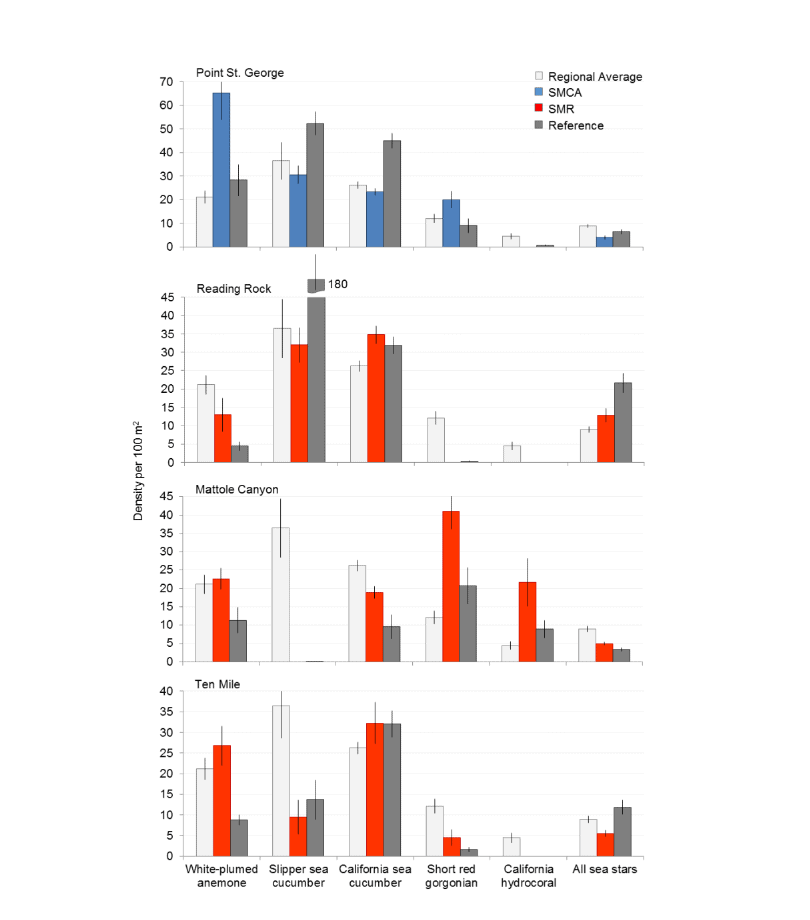
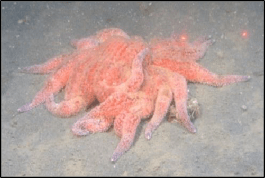
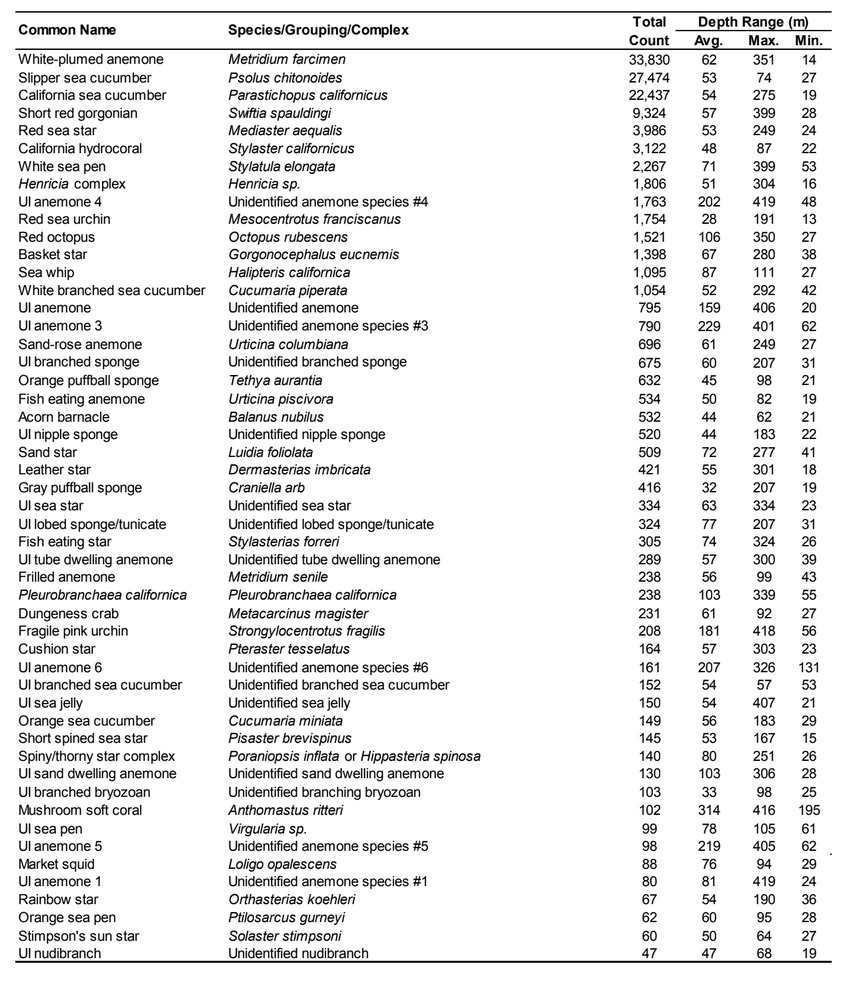
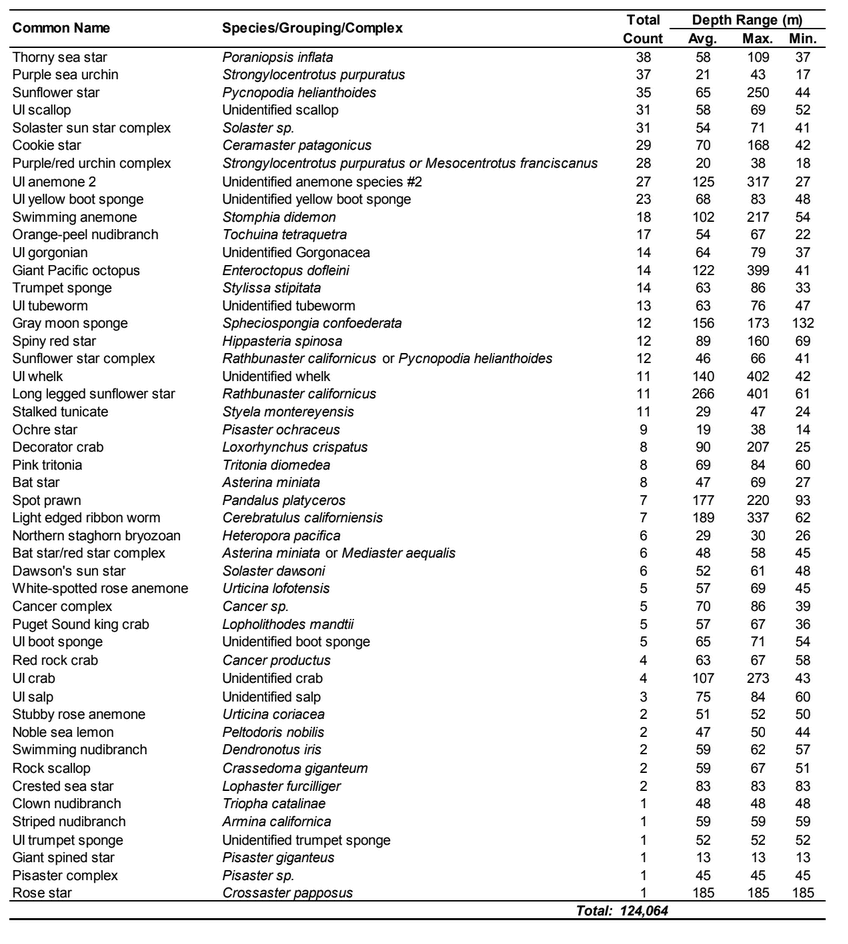
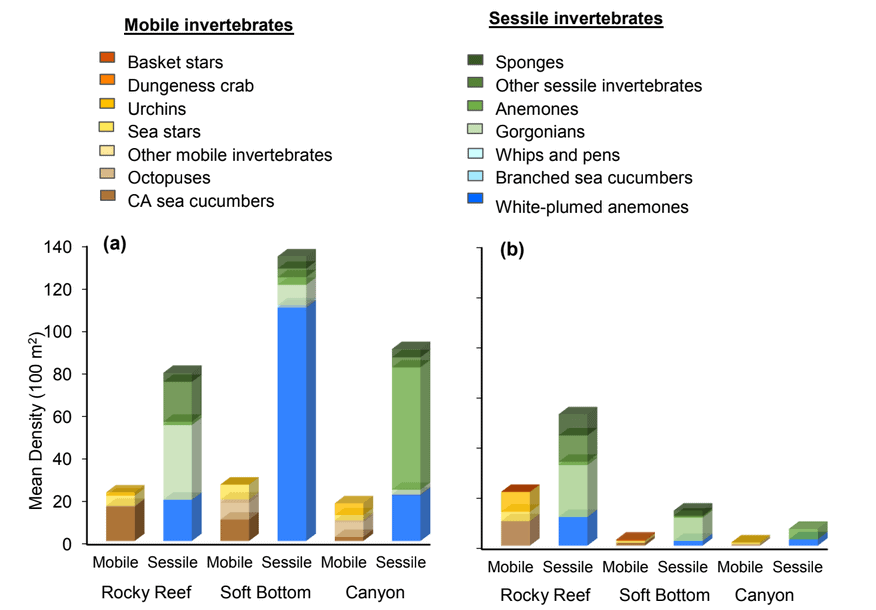
 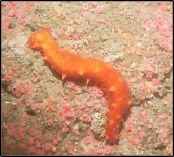 Of the 124,064 individual invertebrates enumerated, seven species/groupings represented the majority of the observations (approximately 89%) within the NCSR: white- plumed anemones, slipper and California sea cucumbers, short red gorgonians, California hydrocoral, sea stars, sea whips and sea pens. Overall, invertebrate species composition and density was similar between all MPA and reference pairs within rocky reef habitats (Figure E2). However, within soft-bottom habitats species composition and abundance varied greatly across study locations.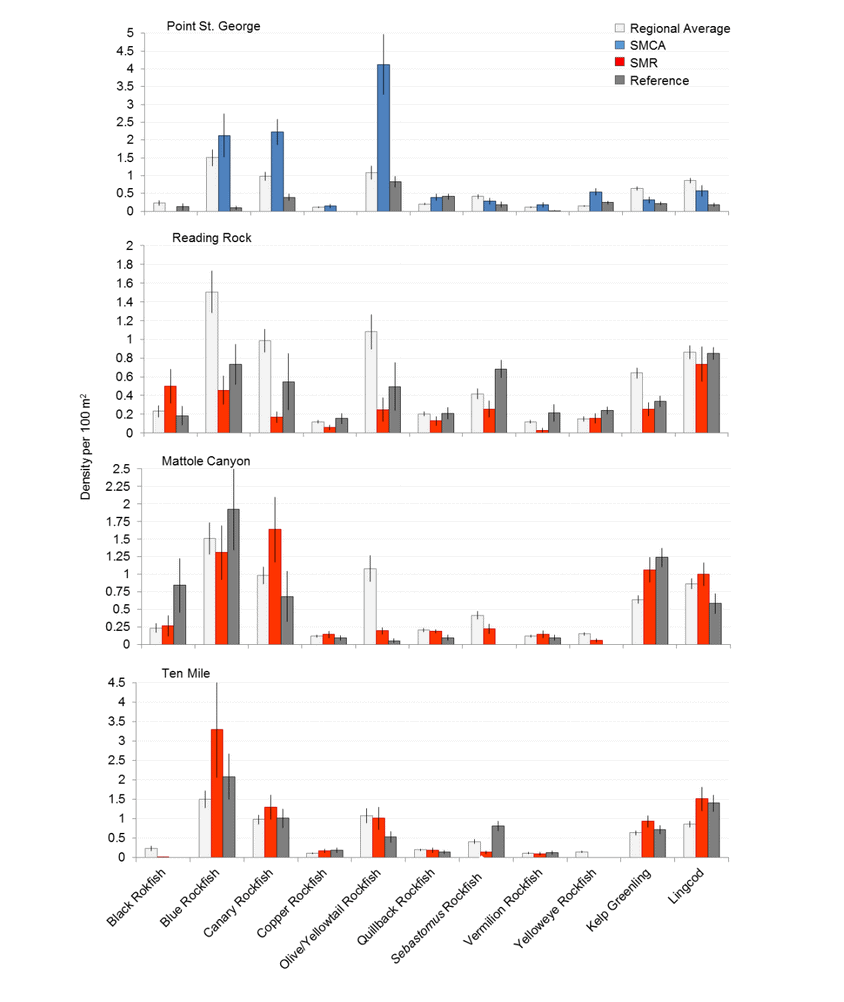
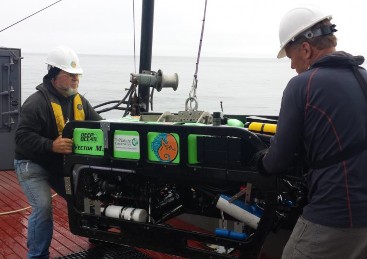
 vehicle (ROV) that is owned and operated by MARE. The ROV configuration and sampling protocols for this project were based on those developed by the project’s principal investigators in partnership with the California Department of Fish and Wildlife. The baseline assessment protocols have been used to survey MPAs of the northern Channel Islands as well as North central coast, Central coast, and South coast MPA study regions. To date, over 1,800 km of seafloor have been surveyed statewide using similar survey design and data collection protocols.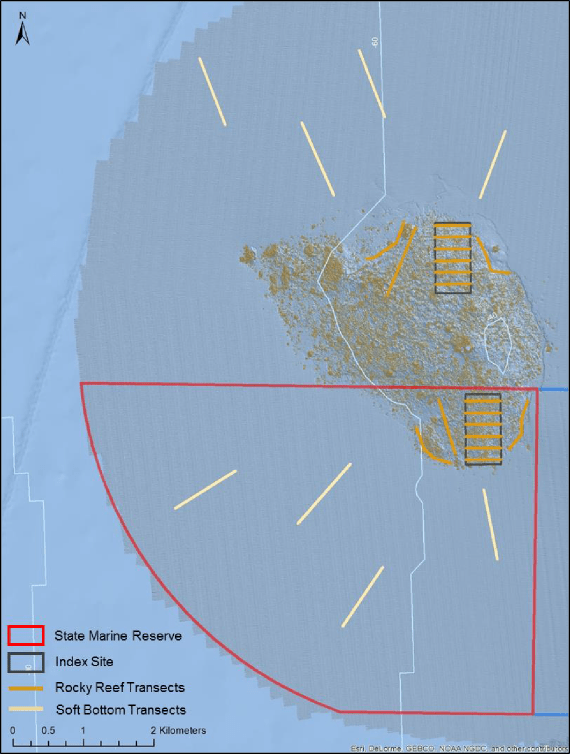
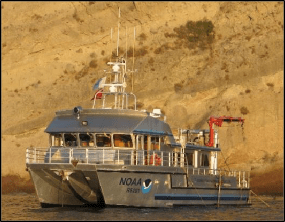
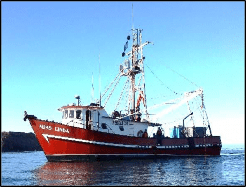 operated by Captain Robert Pedro, was used to complete both the 2014 and 2015 surveys. Surveys were conducted between the hours of 0800 and 1700 PST to avoid the low light conditions of dawn and dusk that might affect finfish abundance measurements and underwater visibility. At each site, the ROV was piloted along pre-planned transect lines and was flown off the vessel’s port side using a “live boat” technique that employed a 317.5 kg (700 lb) clump weight. Using this method, all but 45 m of the ROV umbilical was isolated from current-induced drag by coupling it with the clump weight cable and suspending the clump weight at least 10 m off the seafloor. The 45 m tether allowed the ROV pilot sufficient maneuverability to maintain a constant speed (0.5 to 0.75 m/sec) and a straight course down the planned survey line.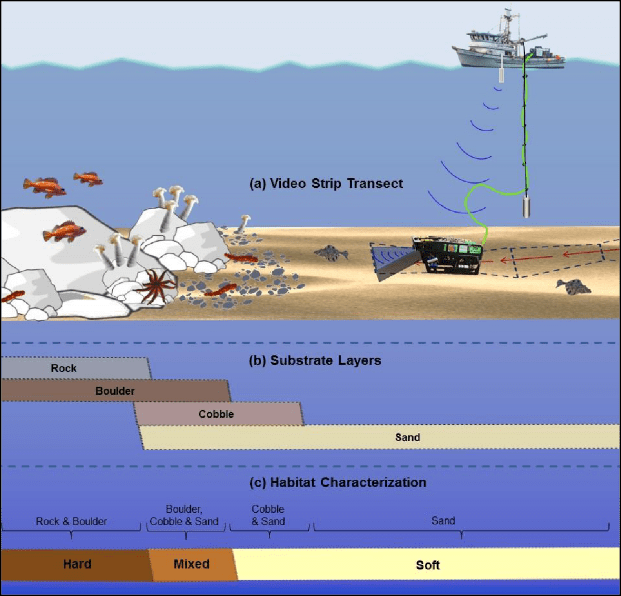
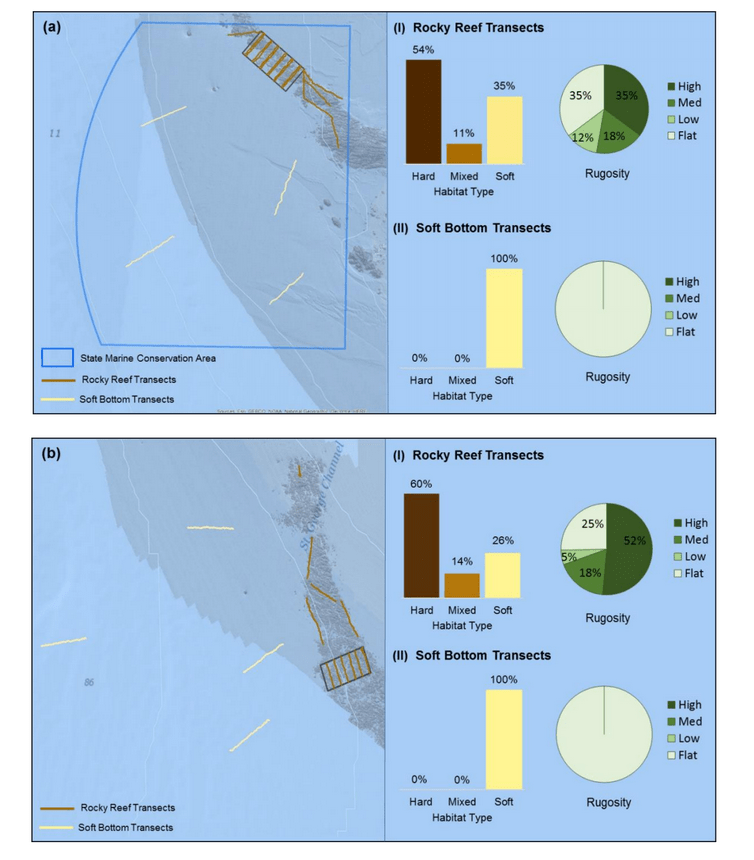
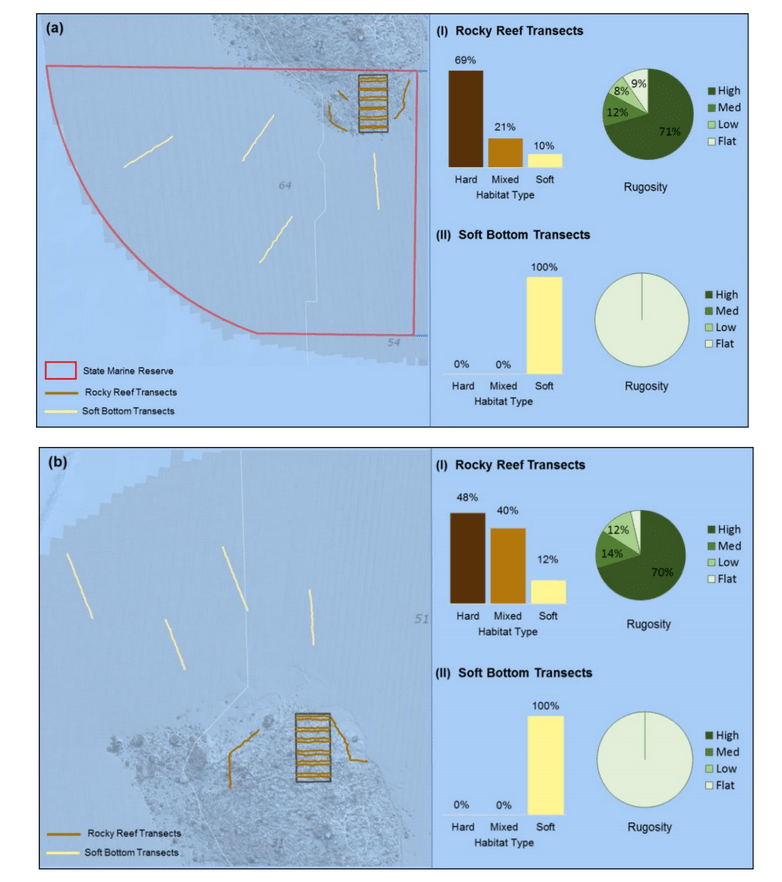
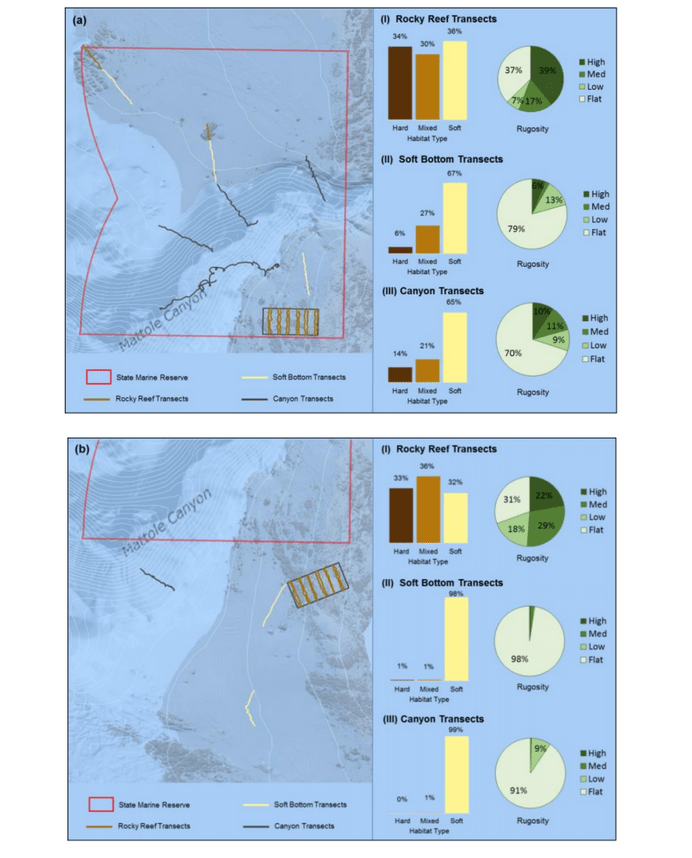
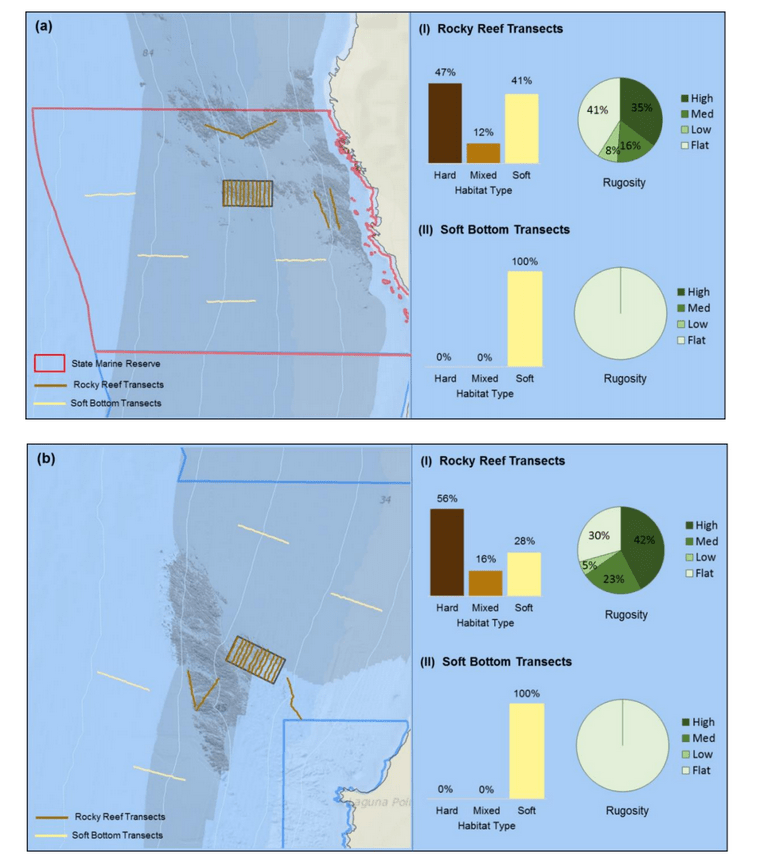
 independent habitat types: hard, soft, and mixed habitats (Figure 2). Rock and boulder were categorized as hard substrate types, while cobble, gravel, sand, and mud were all considered to be unconsolidated substrates and categorized as soft. Hard habitat was defined as any combination of the hard substrates, soft habitat as any combination of soft substrates, and mixed habitat as any combination of hard and soft substrates.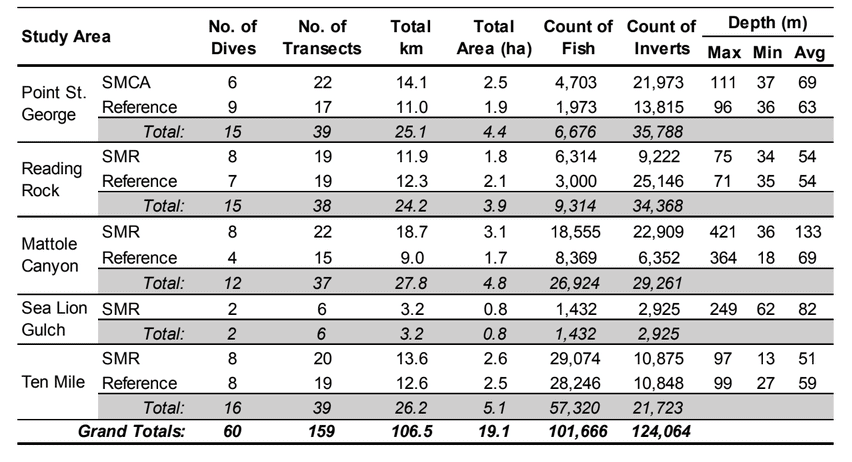
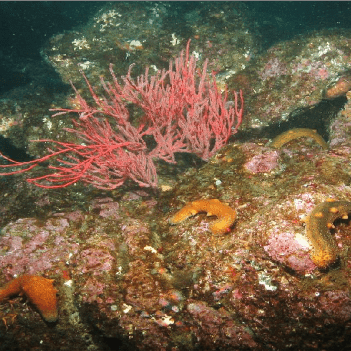
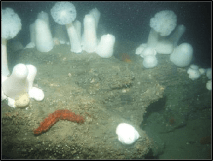 study areas was similar (Figure 8). Five macro-invertebrate species dominated observations within the rocky reef of both the SMCA and reference area: white-plumed anemones, slipper sea cucumbers, California sea cucumbers, short red gorgonians and red sea stars. While not characteristic of both study areas, basket stars were also common within the rocky reef of the SMCA.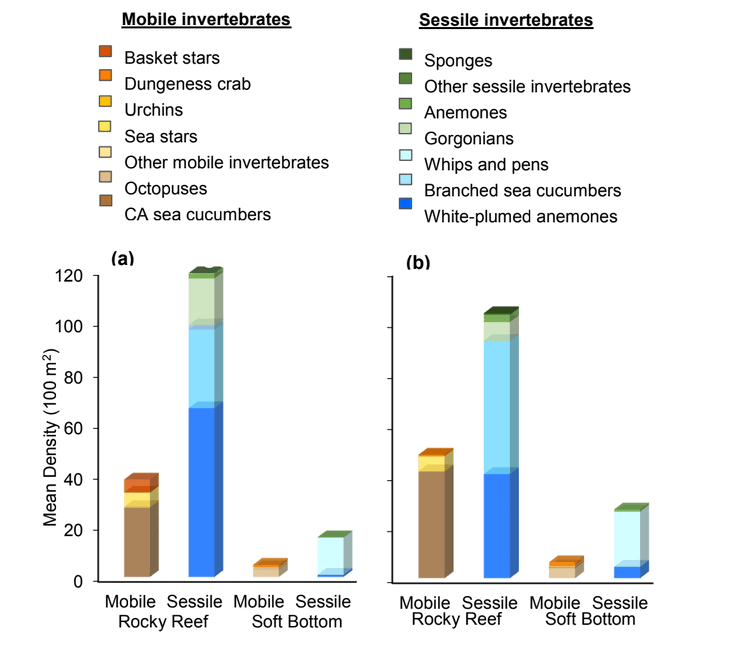
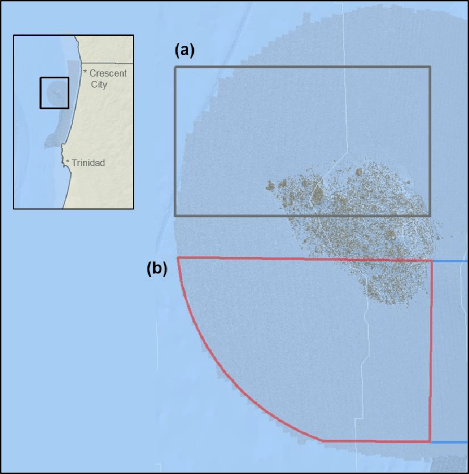
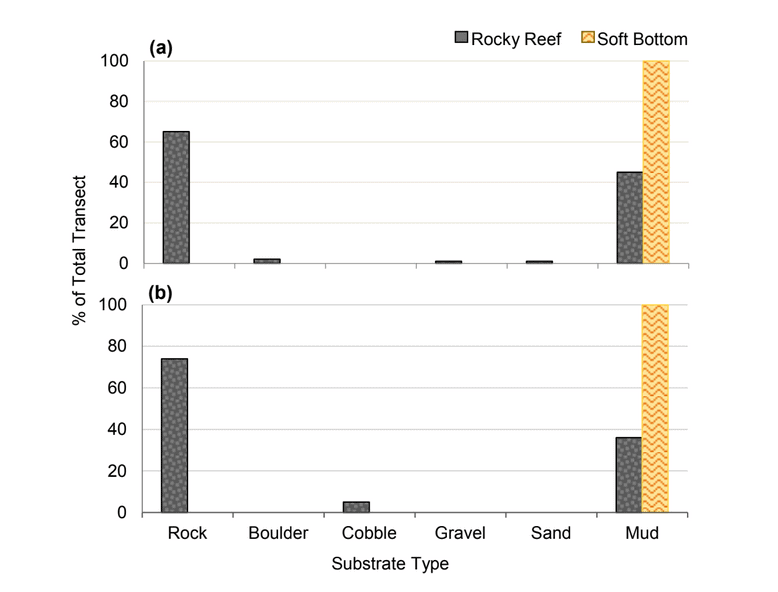
 rocky reef were composed of all 6 substrate types (Figure 10). However, the reference area contained greater amounts of boulder, cobble and gravel at the transitional portions of the rocky reef than the SMR. Transects targeting soft bottom habitats within the SMR and reference area were entirely composed of mud substrate.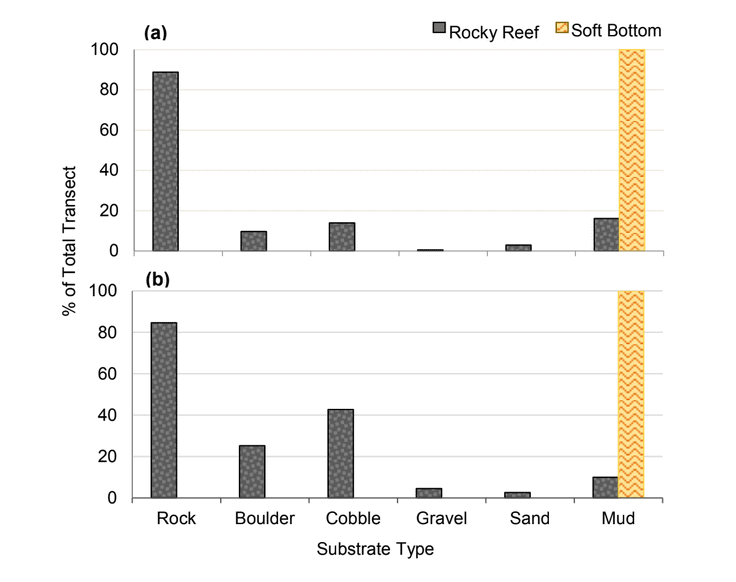
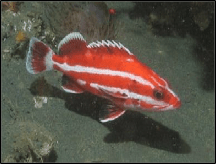
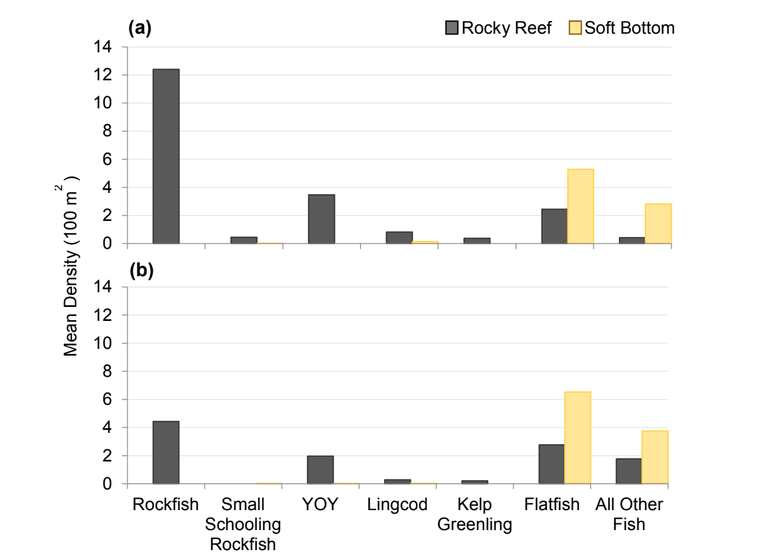
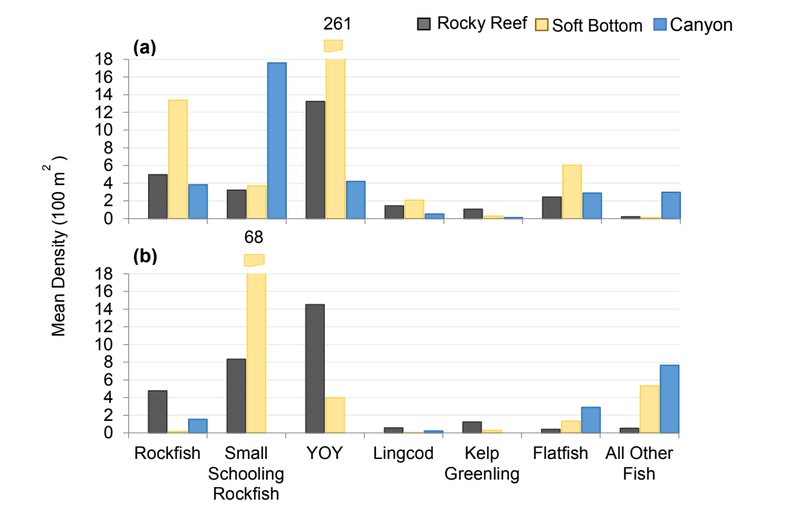
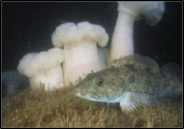 Rockfish species, Lingcod and Kelp Greenling characterized the rocky reef, even though their densities were quite low (Figure 12). Five species/groupings of rockfish accounted for 76% of the overall rockfish subgrouping density in the SMR, and over 65% in the reference area: unidentified rockfish, Olive/Yellowtail, Black, Blue, and Canary Rockfish. The epibenthic aggregating species including Blue Rockfish and Olive/Yellowtail Rockfish were commonly observed schooling around the tops of larger rock outcroppings. Another semi-aggregating species, the Canary Rockfish, was observed schooling near the sea floor close to the transition from soft bottom to rocky reef. Canary Rockfish were also observed within the rocky reef itself, but in lower numbers. Additional benthic rockfish species, such as Yelloweye Rockfish, Quillback Rockfish, Vermilion Rockfish and Rosy Rockfish, were observed intermixed throughout the rocky reef in both study areas.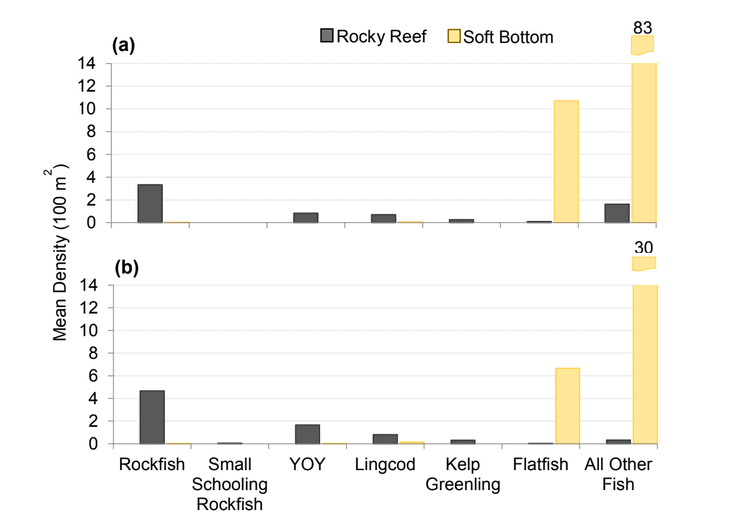
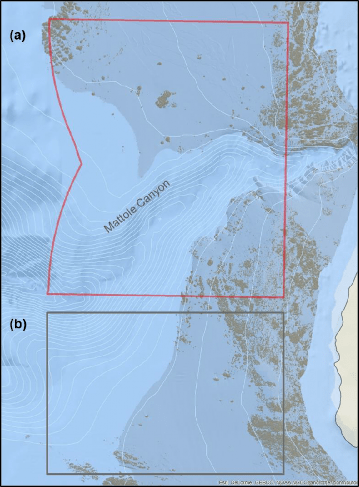
 Strong currents and large swells were common during our surveys of this location, along with strong afternoon winds and seas. These currents appeared to be characteristic of the area, as evident by the large, deep scour depressions around rock outcroppings and near the transitions between soft bottom and rocky reef. Dives targeting the canyon wall were difficult to complete due to the strong currents that swept across the shelf and accelerated down into the canyon. On the canyon floor we observed currents flushing organic materials out into deeper waters. Weather conditions changed rapidly and were not always consistent with predicted weather reports, making it a difficult location to sample. The typical work day for Mattole Canyon was short, requiring additional days beyond what was planned for this study location.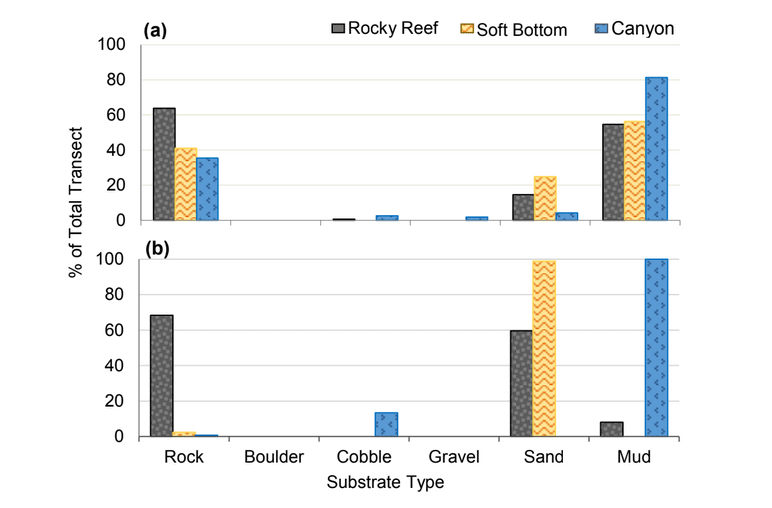
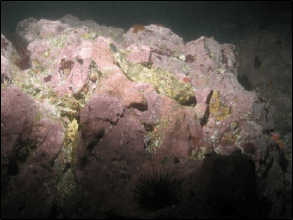 was similar (Figure 20). At both areas, transects that targeted the rocky reef were mainly composed of rock with smaller amounts of sand and mud. Rock surfaces had less sedimentation and detritus buildup than the two northernmost study locations. These cleaner rocky surfaces hosted encrusting coralline algae in the shallower portions of the rocky reef, which was not observed at any of the other study locations. We also observed less suspended fine particulate material, which may have accounted for the better water visibility, that was typically 4 to 6 m, compared to 1 to 3 m observed at other locations such as Point St. George. Transects that targeted the soft bottom were composed exclusively of sand or mud at both study areas.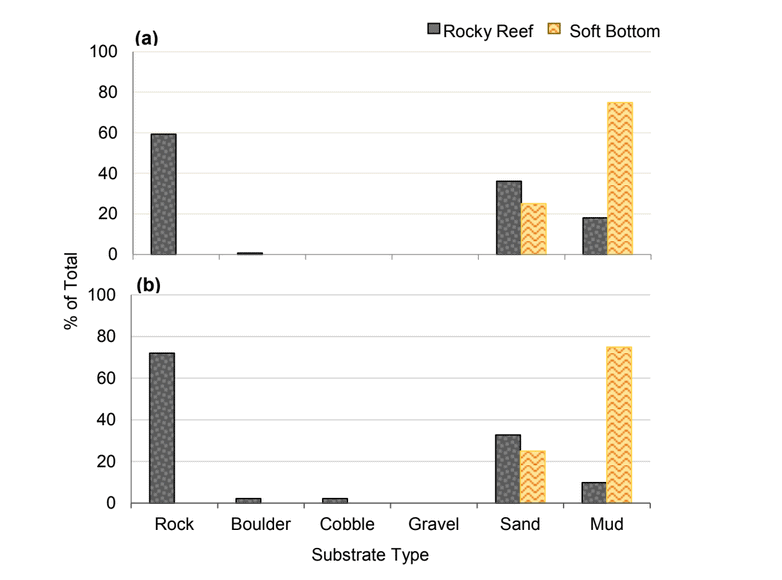
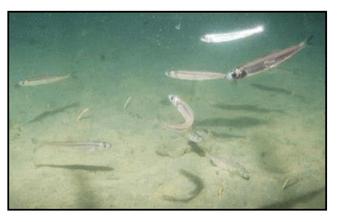 and were mainly composed of flatfish and ‘all other fish’. The ‘all other fish’ subgroup was most notably different between the two areas. Unidentified smelt were observed in large numbers at the reference area accounting for 90% of the ‘all other fish’ density, compared to only 18% within the SMCA.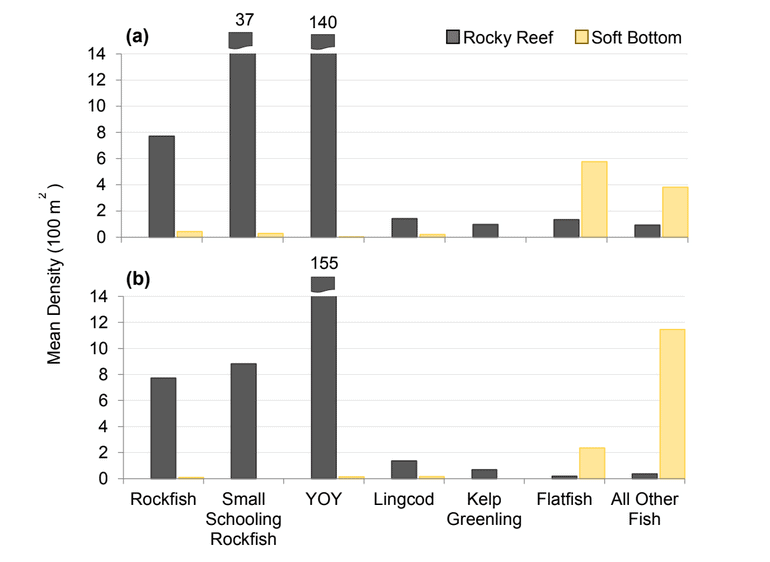
 soft bottom habitats was similar between the two study areas (Figure 23). Within the rocky reef, like the northernmost two MPAs we studied, white-plumed anemones and slipper sea cucumbers were the characteristic sessile macro-invertebrates, while California sea cucumbers were the characteristic mobile invertebrate. However, unlike the northernmost MPAs, sponges and other anemones were also abundant in the rocky reef at the Ten Mile study location.