PinnedPublished inArtificial Intelligence in Plain EnglishHow to grow a sustainable artificial mind from scratchScale free Active Inference, towards a more sustainable and explainable AIDec 5, 2024Dec 5, 2024
PinnedPublished inArtificial Intelligence in Plain EnglishPaths to the future of AIExploring some of the possible routes to reach artificial general intelligenceMar 13, 2024Mar 13, 2024
PinnedPublished inArtificial Intelligence in Plain EnglishThe tower of mind, towards a better ChatGPTHow new architectural paradigms can fix the limitations of systems like ChatGPTJul 10, 2023Jul 10, 2023
PinnedPublished inTDS ArchiveTowards a sustainable generative AI revolutionFacing the growing pains | How to steer the wild new age of the super subconsciousOct 21, 2022A response icon1Oct 21, 2022A response icon1
PinnedPublished inTDS ArchiveTowards the end of deep learning and the beginning of AGIHow recent research points the way towards defeating adversarial examples and achieving a more resilient, consistent and flexible A.IMar 17, 2021A response icon21Mar 17, 2021A response icon21
Published inArtificial Intelligence in Plain EnglishEvery prompt mattersHopes and risks of interacting with future evolutions of a ChatGPT like system, through one of the first movies that reflects on it allFeb 28, 2023Feb 28, 2023
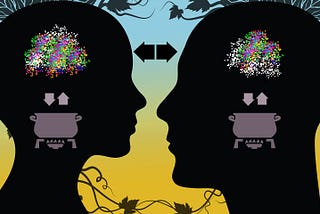
Cooking a good relationship | How to make it lastLet’s explore how we can bake a great lasting relationship by using an analogy connected to creativity, innovation processes and cooking.Jul 9, 2022Jul 9, 2022
Published inTDS ArchiveLucy says hi — 2031, AGI, and the future of A.IIn the year 2031 there is a new Alexa in town, and artificial general intelligence is one of its features. What is Lucy made of?Jun 16, 2021A response icon2Jun 16, 2021A response icon2
Published inTDS ArchiveJourney to the center of the neuronGet closer to the entities that inspire deep learning networks and may give us clues about how to move towards a more flexible kind of A.IApr 21, 2021A response icon2Apr 21, 2021A response icon2
Published inTDS ArchiveConvolutional layer hacking with Python and NumpyCreate a convolutional layer from scratch in python, hack its weights with custom kernels, and verify that its results match with pytorchMar 15, 2021Mar 15, 2021