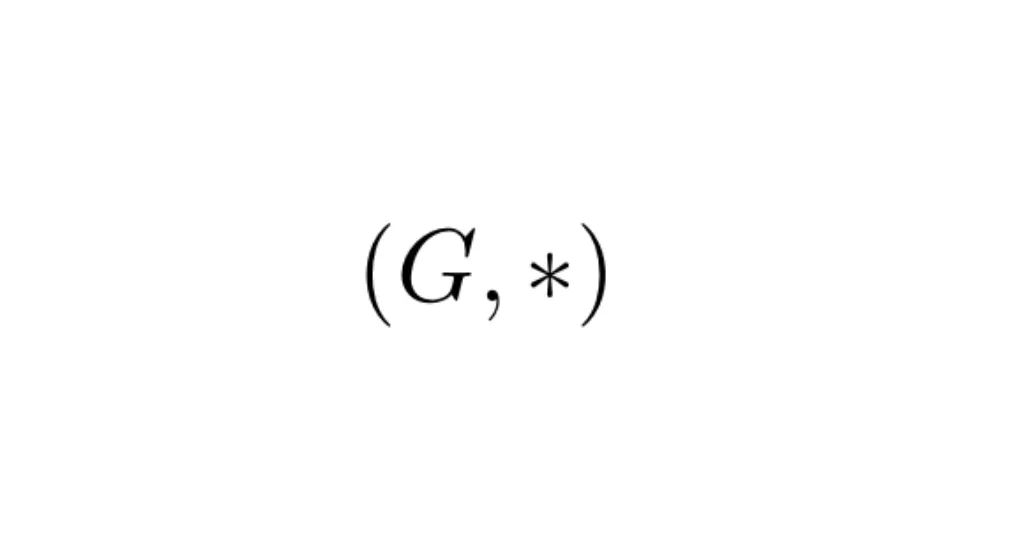
Keith McNultyHow To Think Like An AlgebraistI look at a Group Theory problem to demonstrate concepts of algebraic structure1d agoA response icon4
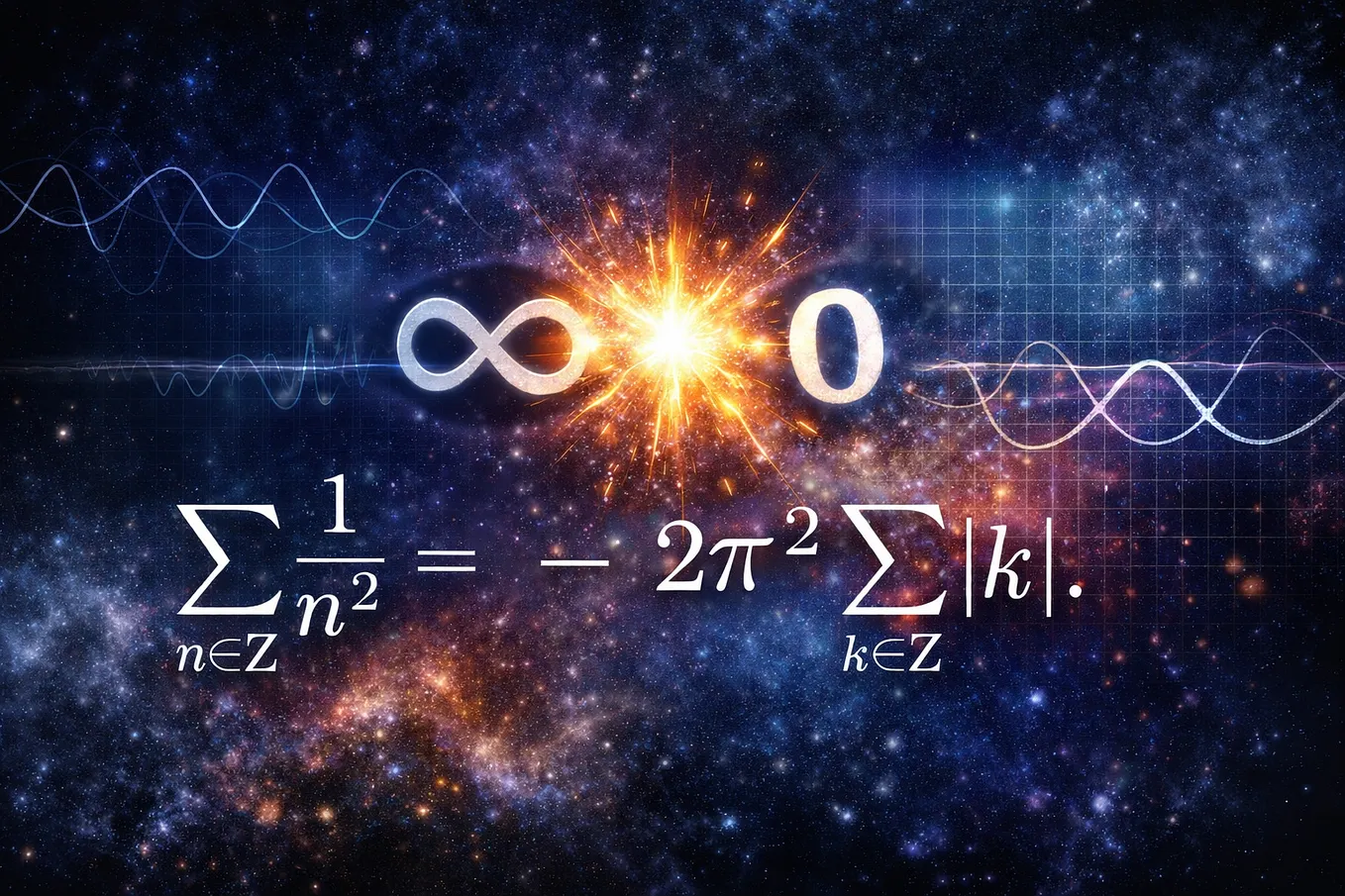
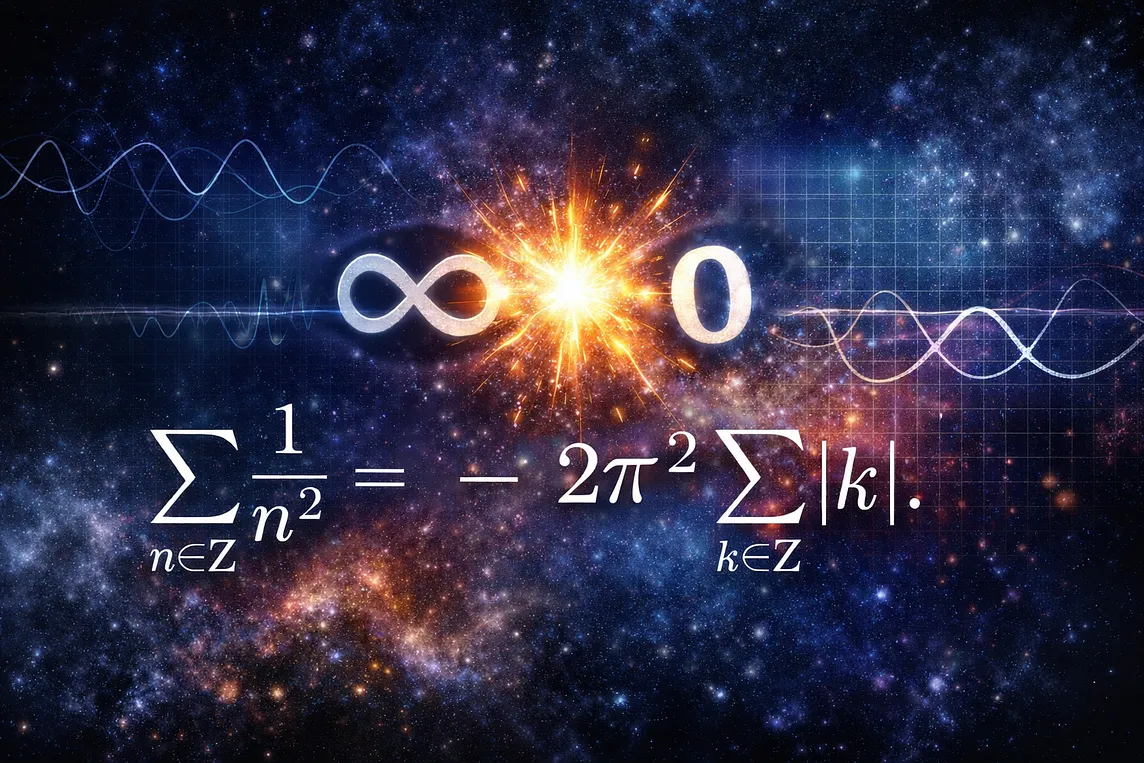
InCantor’s ParadisebyKasper MüllerInfinite Secrets of the Fourier TransformAn application of the Poisson summation formula using divergent series6d agoA response icon7
InScience SpectrumbyHarlan BrothersLavarand: A Mind-Bending Application for a Classic Symbol of the 1960sHow an icon of psychedelia became a key component of our digital security5d agoA response icon105d agoA response icon10
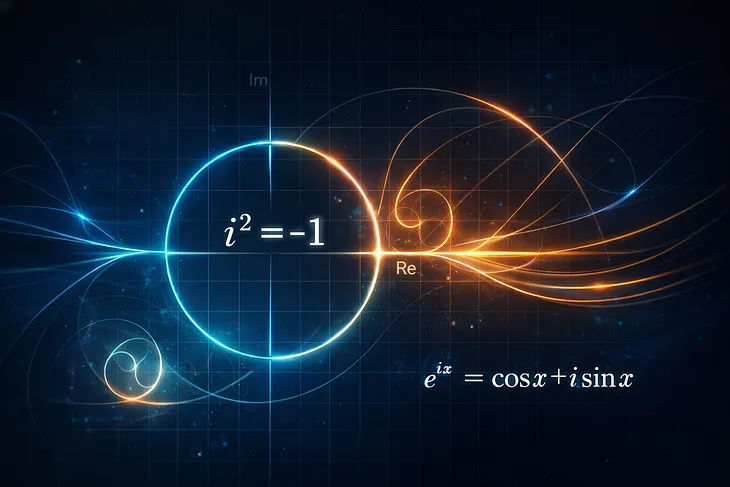
Vagelis Plevrisi: The Number That Was Invented, Mocked, and Eventually Ran the WorldThe most successful mistake in the history of mathematics was calling a number ‘imaginary’Feb 9A response icon39Feb 9A response icon39
Keith McNultyHow To Break a Math Problem Down From First PrinciplesThis problem about ‘triangular triples’ nicely illustrates the systematic, first principles reasoning that all good mathematicians useFeb 15A response icon3Feb 15A response icon3
Keith McNultyHow To Think Like An AlgebraistI look at a Group Theory problem to demonstrate concepts of algebraic structure1d agoA response icon4
InCantor’s ParadisebyKasper MüllerInfinite Secrets of the Fourier TransformAn application of the Poisson summation formula using divergent series6d agoA response icon7
InScience SpectrumbyHarlan BrothersLavarand: A Mind-Bending Application for a Classic Symbol of the 1960sHow an icon of psychedelia became a key component of our digital security5d agoA response icon10
Vagelis Plevrisi: The Number That Was Invented, Mocked, and Eventually Ran the WorldThe most successful mistake in the history of mathematics was calling a number ‘imaginary’Feb 9A response icon39
Keith McNultyHow To Break a Math Problem Down From First PrinciplesThis problem about ‘triangular triples’ nicely illustrates the systematic, first principles reasoning that all good mathematicians useFeb 15A response icon3
InScience SpectrumbyCole FrederickThe Multi-Armed BanditA Classic Reinforcement Learning ProblemFeb 15A response icon7
InScience SpectrumbyCole FrederickDegrees of Freedom, Finally ExplainedWhy Do We Use n-1?Feb 8A response icon15
InScience SpectrumbyMichael NgWhat Lies Behind AI’s Remarkable EffectivenessHow unifying frameworks of statistical patterns shape machine learning’s strengths, betray its weaknesses, and reveal what lies beyond.Feb 10A response icon12