Home

The Mohlke Lab performs human genetics research in the Department of Genetics at the University of North Carolina at Chapel Hill. We are affiliated with the Computational Medicine Program, the McAllister Heart Institute, and the Lineberger Comprehensive Cancer Center. PhD students in the Mohlke Lab are part of the Genetics and Molecular Biology (GMB) Curriculum or the Bioinformatics and Computational Biology (BCB) PhD Curriculum, part of the Biological and Biomedical Sciences Program (BBSP).
Research

Complex Trait Genetics
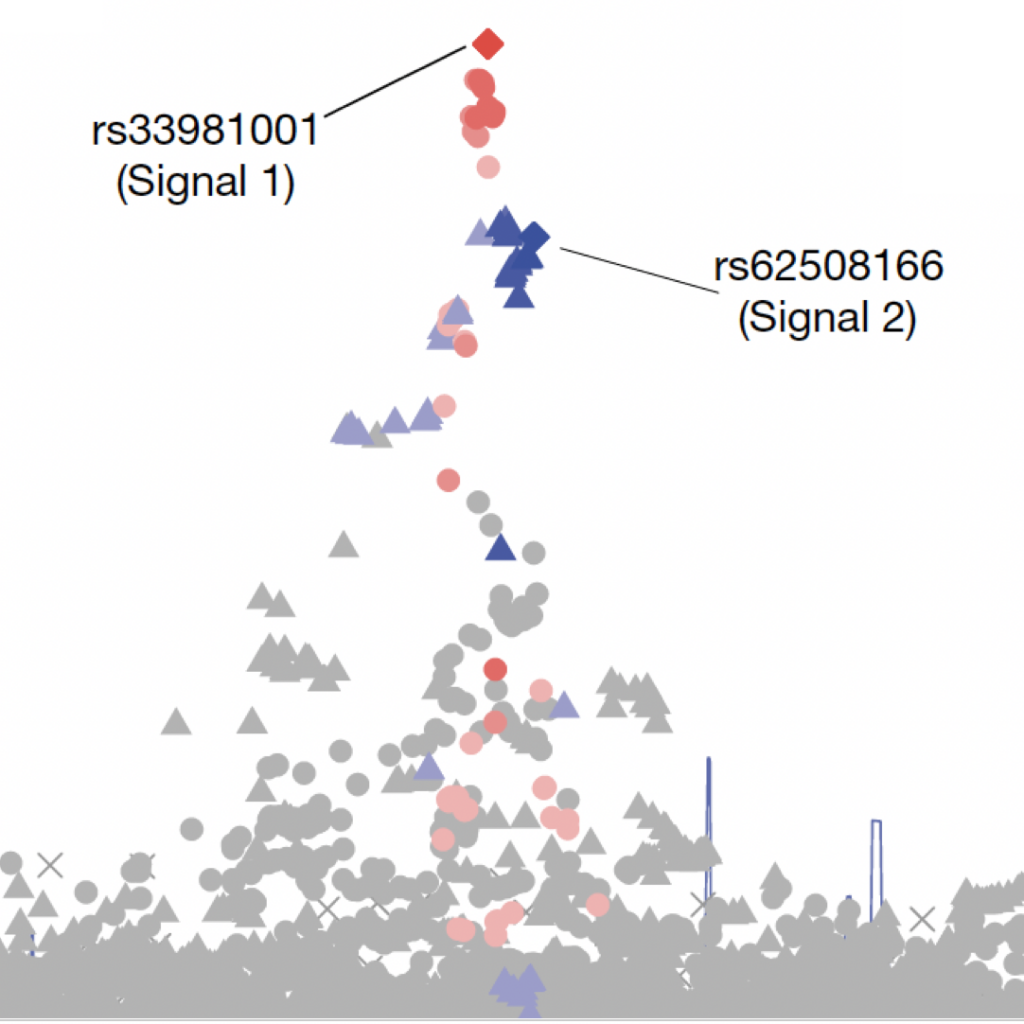
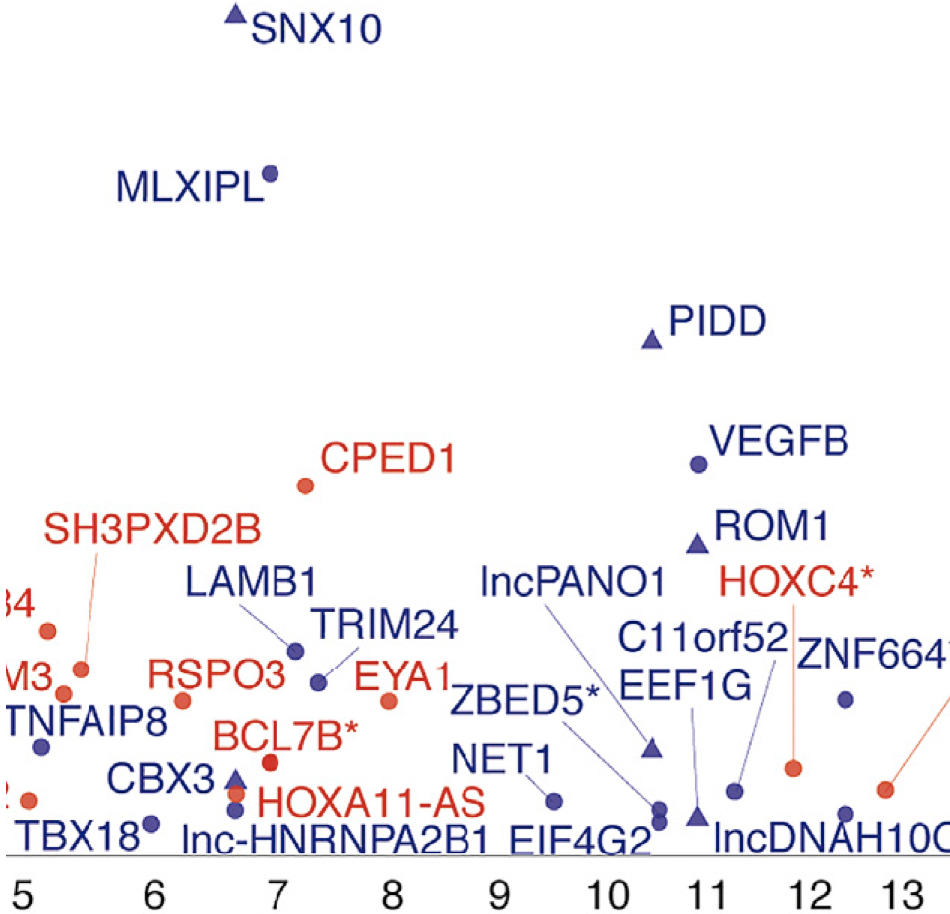
We identify genetic loci associated with type 2 diabetes, obesity, dyslipidemia and related quantitative traits.
Regulatory Genomics
We study genetic and environmental effects on epigenome and transcriptome variation in disease-relevant tissues
Disease Mechanisms
We determine how genetic variants affect genes and how genes function to influence disease processes
Recent News
January 2026 Liver expression and chromatin accessibility at cell-type resolution
Abdalla Alkhawaja and Kevin Currin published liver cell-type multiome data that reveal cell-type regulatory mechanisms not observed in bulk tissue analysis, including QTL detected in low abundance cell types that colocalized with cardiometaboluc GWAS signals.
November 2025 Skeletal muscle eQTL published in AJHG
Emma Wilson described skeletal muscle eQTL signals colocalized with cardiometabolic GWAS signals that nominated 1,342 candidate genes. Integrating eQTL across 4 tissues, she nominated 551 genes for 309 T2D signals, representing 36% of T2D signals tested.
October 2025 New GWAS for hidradenitis suppurativa
Alaine Broadaway and Quan Sun published a new GWAS meta-analysis for HS. Alaine interpreted new loci and signals with eQTL, epigenomic, transcriptomic and chromatin looping data. Rani Vadlamudi showed allelic differences in keratinocyte transcriptional activity for specific regulatory variants near SOX9 and KLF5.
October 2025 Congratulations Dr. Wilson!
Emma Wilson successfully defended her PhD thesis in Bioinformatics and Computational Biology. Emma described skeletal muscle eQTL and 1,000 GWAS signals for waist-hip ratio.
September 2025 New funding: Resources to interpret T2D GWAS signals
With MPIs Melina Claussnitzer, Anna Gloyn and Steve Parker, we will generate resources to interpret genetic signals and multi-tissue mechanisms for diabetes and related traits.
September 2025 Jayna awarded F31 predoctoral fellowship
Jayna Nicholas was awarded an F31 fellowship from the NIH to assess protein measure agreement in diverse populations using affinity-based proteomics data.
September 2025 Bronchial cell response to ozone paper published
Sarah Lester described a cell culture system with an in vivo-like pro-inflammatory response to acute ozone exposure as reflected by gene expression.
June 2025 Liver chromatin accessibility paper published in Genome Research
Kevin Currin identified liver chromatin accessibility QTL for 35,361 regulatory elements, including population-dependent caQTL, coordinated regulatory elements, and colocalizations at 667 metabolic GWAS signals.
April 2025 Welcome Milena!
Welcome Milena Deal, a PhD student in the Curriculum in Genetics and Molecular Biology. Milena will perform and analyze massively parallel reporter assay data in adipocytes.
March 2025 Genome editing of TBC1D30 and proinsulin secretion paper published in Diabetologia
Victoria Parsons led use of CRISPR-based genome editing methods, including prime editing, to make gene and variant edits at a GWAS locus for proinsulin secretion and showed that TBC1D30 regulates proinsulin and insulin secretion.
January 2025 METSIM adipose RNA-seq and ATAC-seq data released in dbGaP!
Individual-level data for genotypes, metabolic traits and (bulk) adipose RNA expression levels from the same individuals can all now be accessed through dbGaP phs000743.v3.p1
January 2025 Adipose eQTL meta-analysis and GWAS colocalization paper published in Nature Genetics
Sarah Brotman identified conditionally distinct eQTL in 2,344 subcutaneous adipose tissue samples, a study we named AdipoExpress in collaboration with Julia El-Sayed Moustafa, Li Guan, Alaine Broadaway, Kerrin Small and Laura Scott and many others. Colocalization of eQTLs with GWAS signals for 28 cardiometabolic traits identified 1,835 potential target genes; including non-primary eQTL signals increased discovery of colocalizations by 46%.
November 2024 Congratulations Dr. Parsons!
Victoria Parsons successfully defended her PhD thesis in Genetics and Molecular Biology. Tori described use of CRISPR prime editing to examine GWAS loci for proinsulin levels to identify underlying genes and variants.
November 2024 Assistant Professor Kevin Currin
Congratulations to Kevin, now an Assistant Professor in the UNC Department of Genetics
October 2024 Abdalla and Sarah win prizes at the genetics retreat
Congratulations to Abdalla Alkhawaja for winning best talk from a BCB student and Sarah Lester for winning best poster from a GMB student – way to go!
September 2024 Sarah awarded F31 predoctoral fellowship
Sarah Lester was awarded an F31 fellowship from the NIH to identify genetic contributions to variation in ozone exposure response.
September 2024 Liver eQTL meta-analysis paper in AJHG
Alaine Broadaway identified conditionally distinct eQTL in 1,183 liver samples and showed that isolating eQTL signals by conditional analysis prior to colocalization with GWAS resulted in 37% more colocalizations than using marginal eQTL and GWAS data.
May 2024 Jon wins AMP CMD award
Congratulations to Jon Rosen for winning an Accelerating Medical Partnerships Common Metabolic Diseases poster award for his analysis of massively parallel reporter assay data.
May 2024 New R01: Rare and regulatory variants for metabolic traits
With renewed funding, we will identify functional variants, genes, and adipose cell contexts for metabolic trait GWAS signals.
April 2024 Welcome Kui
Welcome new Research Specialist and lab manager Kui Sun!
January 2024 Liver regulatory mechanisms paper in HGG Advances
Gautam Pandey, with contributions from Rani, Kevin, Shelley, Jayna, Jessica, and Alaine, experimentally validated regulatory activity at chromatin accessibility QTL and GWAS loci using CRISPRi and transcriptional assays.
November 2023 Adipose cell type composition paper published in Diabetes
Sarah Brotman showed that associations between adipose gene expression levels and cardiometabolic traits are influenced by cell type composition and body mass index.
September 2023 First genome-wide association study for hidradenitis suppurativa
Alaine Broadaway co-first authored, with Quan Sun, the first GWAS paper for this common skin disorder, a collaboration with Christopher Sayed, Yun Li and others.
June 2023 New loci associated with insulin-stimulated glucose uptake
Alaine Broadaway, Shelley Moxley, Rani Vadlamudi and Emma Wilson contributed to discovery of loci for postprandial insulin resistance and showed a potential regulatory molecular mechanism at SLC2A4.
March 2023 Congratulations Dr. Brotman!
Sarah Brotman successfully defended her PhD thesis in Genetics and Molecular Biology and earned a certificate in Bioinformatics and Computational Biology. Sarah described the effects of adipose tissue gene expression, isoform usage, and cell type composition on cardiometabolic traits.
March 2023 Foundation of the NIH award
With MPI Laura Scott, we will generate single nucleus RNA-seq and metabolomics data in subcutaneous adipose tissue and identify cell type expression and metabolite quantitative trait loci.
February 2023 New genetic loci for proinsulin levels published in AJHG
Alaine Broadaway, Emma Wilson, Victoria Parsons and coauthors identified and characterized loci in the largest genetic study of proinsulin levels. Shelley Moxley and Rani Vadlamudi showed a plausible islet regulatory mechanism at MADD.
September 2022 Sarah wins Magnuson award
Congratulations to Sarah Brotman, who received a Terry Magnuson award given to outstanding graduating students in the Curriculum in Genetics and Molecular Biology.
August 2022 SARS-CoV-2 receptor ACE2 expression levels and cardiometabolic risk
Sarah Brotman and coauthors showed that adipose expression level of ACE2 is associated with cardiometabolic trait levels and adipose cell type proportions.
June 2022 Welcome new PhD students!
Welcome Abdalla Alkhawaja, a Bioinformatics and Computational Biology student co-mentored by Terry Furey; Jayna Nicholas, a Genetics and Molecular Biology student co-mentored by Laura Raffield; and Sarah Lester, a Genetics and Molecular Biology student co-mentored by Samir Kelada.
May 2022 New R01: Genetics of adipose cell-type expression and cardiometabolic traits
With MPIs Paivi Pajukanta and Laura Scott, we will identify cell-type-limited expression quantitative trait loci, adipose genes relevant to cardiometabolic traits, and genetic variants responsible for cell type effects.
April 2022 New R01: Regulatory genomics of ozone air pollution response
With MPI Samir Kelada, we will identify gene-by-environment interactions in response of airway brochial epithelial cells to the air pollutant ozone.
February 2022 Congratulations Dr. Perrin!
Hannah Perrin successfully defended her PhD thesis in Genetics and Molecular Biology and will also earn a certificate in Bioinformatics and Computational Biology. Hannah described context-dependent regulatory mechanisms for cardiometabolic traits.
January 2022 Welcome new postdoc Jon Rosen
Postdoc Jon Rosen, co-mentored by Mike Love, will lead analyses and methods development in the UNC Impact of Genomic Variation on Function project.
January 2022 Adipose spliceQTL paper published in AJHG
Sarah Brotman and Chelsea Raulerson described splice junction QTL in adipose tissue, including sQTL that colocalize with cardiometabolic GWAS signals, including at NR1H3.
January 2022 Gautam awarded AHA postdoc fellowship
Gautam Pandey was awarded a fellowship from the American Heart Association to identify genetic effects on hepatic lipid metabolism and cardiovascular disease.
December 2, 2021 One of Sarah Brotman’s outreach activities
The Shadow a Scientist program highlighted Sarah’s role as an ambassador.
November 12, 2021 Chancellor’s Science Scholar research profile
Undergraduate Abi Rohy’s research was highlighted by the Chancellor’s Science Scholar program. See the article here.
October 26, 2021 PLoS Genetics paper: Chromatin accessibility during adipocyte differentiation
Hannah Perrin and Kevin Currin described changes of accessible chromatin and gene expression levels during adipocyte differentiation. They identified GWAS variants in differentially accessible regions and demonstrated context-dependent effects on transcriptional activity.
September 1, 2021 Impact of Genomic Variation on Function
With MPIs Hyejung Won and Michael Love, we will join NHGRI’s new IGVF consortium as a characterization center. We will investigate the regulatory consequences of GWAS variants, examining effects of tissue, sex, and environmental perturbation. Many other collaborators include Yun Li and Bev Koller in the UNC Department of Genetics.
May 31, 2021 Glycemic trait GWAS published in Nature Genetics
With many co-authors from MAGIC and co-first author Cassie Spracklen, we identified and characterized loci for fasting glucose, fasting insulin, 2-hour glucose and hemoglobin A1c through trans-ancestry GWAS meta-analysis.
mohlke@med.unc.edu
Phone
919-966-2913
Office
5096 Genetic Medicine Building
Chapel Hill, NC 27599-7264
