Morse

Morse Code Letters: The Complete A-Z Alphabet Chart

Have you ever imagined sending a secret message without saying a word? Or communicating in complete silence using only short and long sounds? That is exactly what Morse code does, and at the heart of this fascinating system are the Morse code letters.

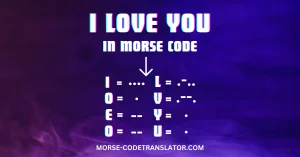
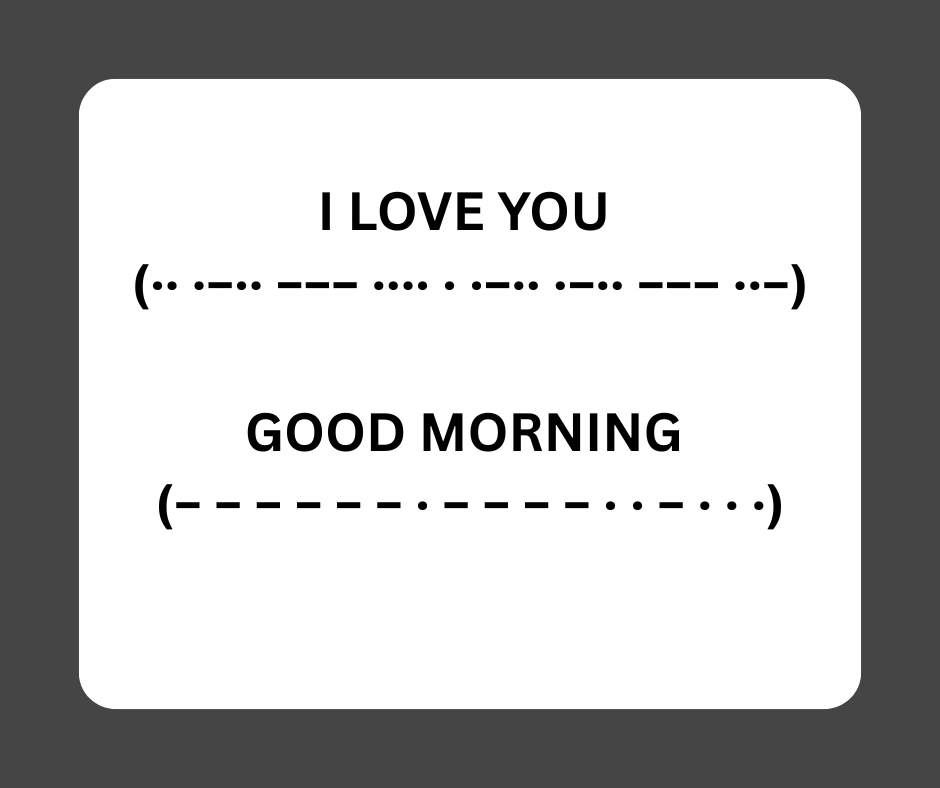
From military signals to emotional messages, such as ” I Love You in Morse code, this system is more than a part of history. It is a creative and clever way to communicate that still fascinates people in the digital age.

In this guide, you will learn what Morse code letters are, how to use them, and how our online Morse Code Translator makes learning them fun and straightforward.

Morse Code Letters

What Are Morse Code Letters?

Morse code letters are combinations of dots (·) and dashes (−) that represent each letter of the alphabet.
Invented in the early 1840s by Samuel Morse and Alfred Vail, this system allowed people to send messages over long distances through telegraph machines.

For example:
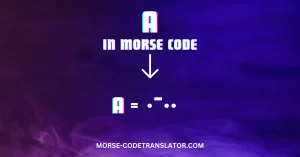
A = · −
B = − · · ·
C = − · − ·

Each pattern of dots and dashes represents one letter, allowing words to be spelled letter by letter.

Why Were Morse Code Letters Created?

In the 19th century, long-distance communication was slow and difficult. Sending letters by horse or ship often took days or even weeks.

Samuel Morse wanted to change that. He dreamed of a faster, more reliable way to send messages using electrical signals over wires.

He created a system that was:

  • Simple enough for operators to learn
  • Efficient enough to send quickly
  • Universal enough to understand worldwide

Morse code became the first digital communication system in human history, long before telephones or mobile networks.

Morse Code Letters Work

How Morse Code Letters Work

Morse code uses two types of signals:

  • Dot (·) means a short signal
  • Dash (−) means a long signal (about three times longer than a dot)

Each letter is formed by combining these signals, with short pauses between letters and longer pauses between words.

For example:
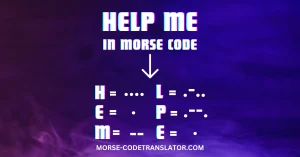
HELLO =
H = · · · ·
E = ·
L = · − · ·
L = · − · ·
O = − − −

So the word “HELLO” in Morse looks like:
…. . .-.. .-.. —
Once you learn the pattern, you can read and write Morse code fluently. Understanding the letter structure is key to understanding how Morse Code works rhythmically.

The Complete Morse Code Alphabet Chart

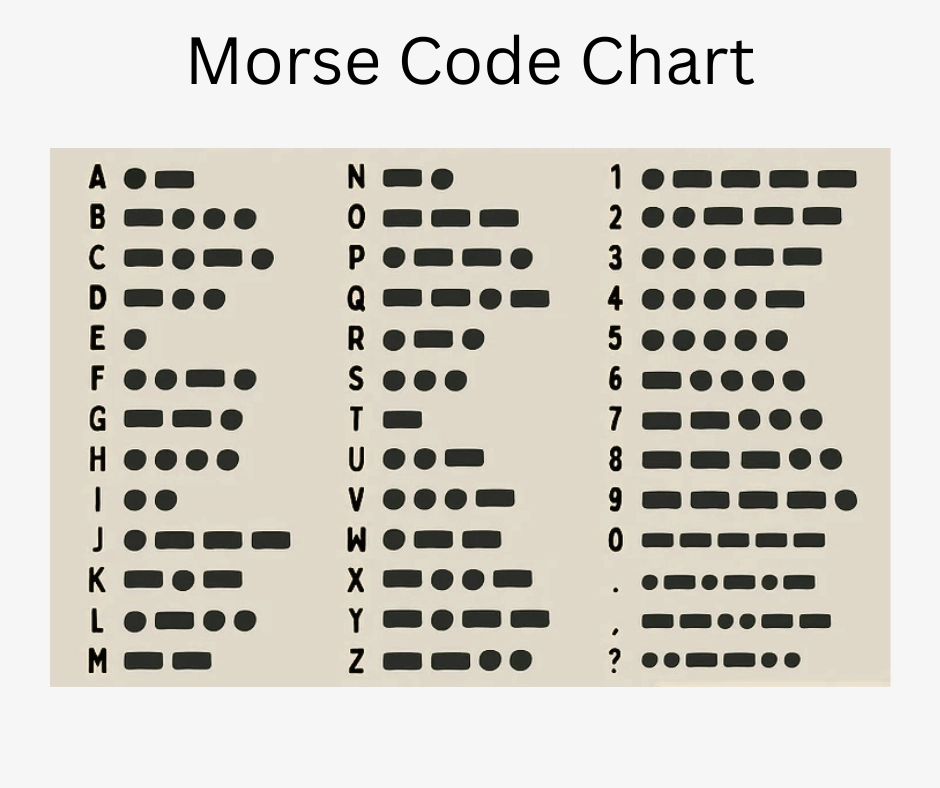
Here is a complete chart of all A–Z Morse code letters:

Morse Code chart

Fun tip: Try to memorize the rhythm instead of just the symbols. For example, C (−·−·) feels like “long short long short” when you tap or listen to it. All these codes are compiled in the comprehensive Morse Code Alphabets chart.

Learning Morse Code Letters the Fun Way

Learning Morse code might look tricky at first, but it is much easier than it seems when you use the right methods.

1. Start with Common Letters

Begin with the most used letters in English such as E, T, A, I, N, and O.
These appear in many words, so you will recognize their patterns quickly.

2. Practice with Rhythms

Each Morse code letter has a unique rhythm, like a beat in music.
Say the letters out loud or tap them gently on a surface.
Soon your brain will connect the rhythm with the symbol automatically.

3. Use Our Morse Code Translator

Instead of memorizing manually, you can use our Morse Code Translator to:

  • Convert any word or sentence into Morse code instantly
  • Display each letter’s code clearly
  • Play sound beeps for practice

It is an easy and fun way to learn Morse code and impress friends with your secret message skills.

4. Challenge Yourself with Short Words

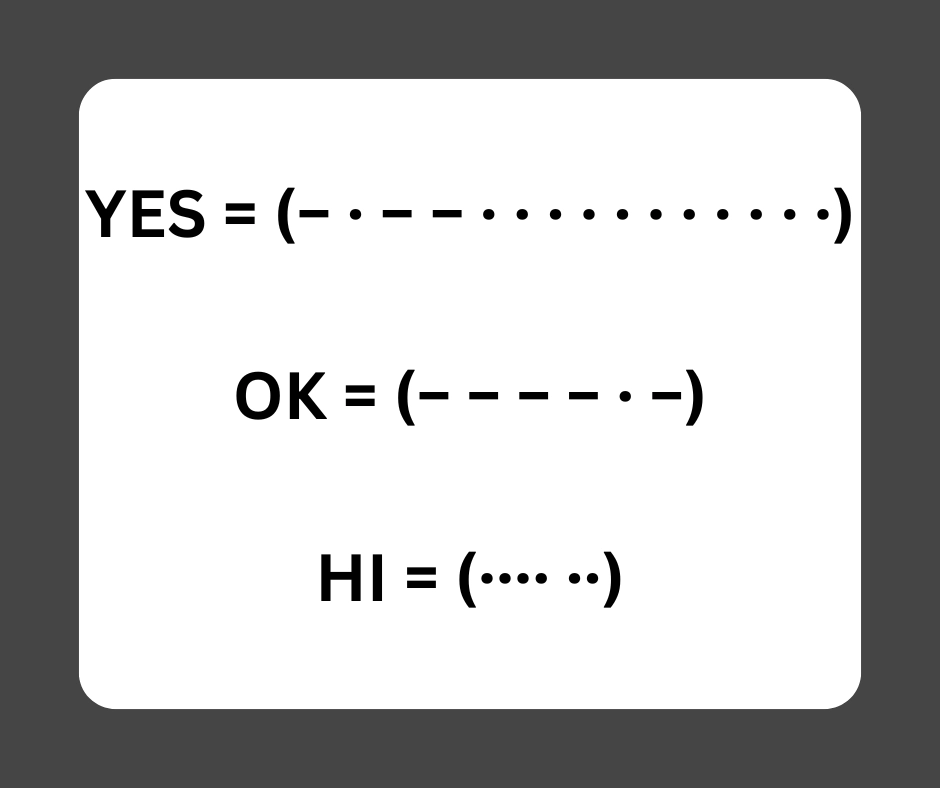
Once you learn a few letters, try small words such as:

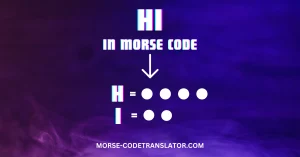
  • HI (···· ··)
  • LOVE (· − · · · − − · · · ·)
  • CODE (− · − − · − ·)

Every small practice builds your skill and confidence.

Why Morse Code Letters Still Matter Today

Even though technology has advanced, Morse code continues to have a place in modern communication. These letters must be distinguished from the patterns used for Morse Code Numbers.

1. Emergency Communication

When regular systems fail during disasters, blackouts, or poor signal conditions, Morse code can still work through flashing lights, tapping, or simple sound signals.
The famous SOS signal (··· − − − ···) is still the universal distress code used worldwide.

2. Aviation and Navigation

Pilots and sailors use Morse code to identify radio beacons or locations.
For example, airports transmit short Morse signals that represent their code letters.

3. Amateur Radio and Hobbyists

Radio operators around the world still send Morse messages as a fun and skillful hobby.
They can communicate across oceans without using the internet.

4. Hidden and Creative Communication

Many people use Morse in art, fashion, or romantic gifts. Imagine wearing a necklace that says “LOVE” or “HOPE” in Morse code.
It looks stylish and carries a hidden meaning only some people can understand.

The Art of Memorizing Morse Code Letters

It may sound hard to memorize all 26 patterns of dots and dashes, but the secret is using association techniques.

1. Visual Association

Visualize each letter’s pattern in your mind.

  • E is a single dot, very simple
  • T is a single dash, easy to recall
  • S looks like a short burst (···)
  • O has long smooth dashes (− − −)

2. Mnemonics

Create short phrases to remember patterns.
For example:

  • For C (−·−·), think “Come quickly come quickly”
  • For F (··−·), think “Fast Fast Long Fast”

3. Listening Practice

Listen to Morse code sound clips or use our Morse Code Translator audio option.
The more you listen, the more your brain remembers naturally.

How to Read and Write Morse Code Letters

Reading and writing Morse code becomes easier when you treat it like a new alphabet instead of a puzzle.

Here is how to start:

1. Understand Timing

  • Each dot has one time unit.
  • Each dash lasts three units.
  • The space between letters is three units.
  • The space between words is seven units.

This simple timing rule keeps the rhythm clear when listening or tapping.

2. Practice with Short Words and Phrases

Begin with small and meaningful words such as:

Practice Morse Code

Once you get comfortable, move on to phrases like:

Morse Code

You can use our Morse Code Translator to check your accuracy instantly.

Fun Facts About Morse Code Letters

Learning is always easier when it is fun. Here are some amazing facts that will make you love Morse code even more.

1. The First Message Ever Sent

The first Morse message in 1844 was, “What hath God wrought”. It was sent by Samuel Morse himself from Washington, D.C., to Baltimore.

2. SOS Was Not a Word

Many people think SOS stands for “Save Our Souls”, but it was chosen because the pattern (··· − − − ···) is simple and easy to recognize during emergencies.

3. Morse Code is Used in Space

NASA has used Morse code in various experiments and even for communication testing with satellites.

4. Disabled People Use Morse to Communicate

Some people with physical limitations use Morse code through blinking or slight movements. It gives them a voice when speech is difficult.

5. Morse Code is Hidden in Popular Culture

Movies, music videos, and games often include secret Morse messages. For example, in “Interstellar,” a character sends a vital message using Morse light signals.

Modern Uses of Morse Code Letters

Morse code may be an old invention, but it continues to inspire technology and creativity today.

1. In Digital Art and Tattoos

Artists and designers often hide words in Morse code within their art or tattoos. A row of dots and dashes might secretly spell “Strength” or “Courage”.

2. In Jewelry and Gifts

Morse-inspired bracelets, necklaces, or keychains carry hidden words like “Hope”, “Faith”, or “Love”. It is a stylish way to express something personal.

3. In Escape Rooms and Games

Modern puzzle games use Morse patterns as clues, testing how fast players can decode secret hints.

4. In Education and Memory Training

Teachers use Morse code to improve focus, rhythm recognition, and brain coordination among students. It sharpens memory and listening skills.

Famous Messages Written in Morse Code

Throughout history, Morse code has been used in incredible ways:

  • World War II soldiers sent life-saving information using light flashes.
  • The Titanic’s final distress call was sent in Morse code before it sank in 1912.
  • Apollo missions used Morse-style signals during space transmission tests.

These examples show how powerful and reliable Morse code letters can be, even in extreme conditions.

Tips to Master Morse Code Letters Quickly

  1. Practice 5 minutes daily with our translator.
  2. Listen instead of reading, as Morse is sound-based.
  3. Start slow, then increase your speed gradually.
  4. Use flashcards or apps to memorize common patterns.
  5. Challenge yourself by decoding real messages online.

Consistency is key. Within a week of short daily practice, you can recognize half of the alphabet easily.

Morse Code Translator: The Smart Way to Learn

Our Morse Code Translator is the easiest way to master Morse letters and send your own coded messages.

Here is what you can do with it:

  • Type any text and see it converted instantly into dots and dashes.
  • Play sound to hear how Morse code actually sounds.
  • Reverse translate Morse code back into English to test your skill.
  • Share messages with friends or on social media as secret notes.

It is both fun and educational, perfect for students, hobbyists, and anyone curious about classic communication systems. Try entering your name, your favorite quote, or even a short message like HELLO FRIEND and see it appear in Morse code instantly.

Morse Code Letters in Pop Culture

Morse code often appears in modern movies, video games, and even songs.

  • In the movie The Martian, an astronaut uses Morse lights to send data back to Earth.
  • The song YYZ by Rush begins with Morse code for the letters “YYZ”, which is the airport code for Toronto.
  • The popular game Battlefield includes hidden Morse messages in its soundtracks.

These creative examples show how Morse code still connects the old and the new worlds of communication.

Morse code is more than dots and dashes. It is history, art, science, and creativity all combined into one timeless language. Whether you are learning it for fun, for emergencies, or just to impress your friends, mastering Morse code letters gives you a unique way to communicate beyond words. 

Frequently Asked Questions

What are Morse code letters?

Morse code letters are combinations of dots and dashes used to represent each letter of the alphabet.

How can I learn Morse code easily?

Start with simple letters like E and T, use our Morse Code Translator to practice, and listen to the audio for better memory.

Can I write numbers in Morse code?

Yes, every number from 0 to 9 has its own dot and dash pattern.

Is Morse code still used today?

Yes, it is still used in aviation, radio operations, emergency communication, and even art.

What is the best way to practice Morse code letters?

Translate your name or favorite words using our online Morse Code Translator. You can also listen to Morse tones to improve your recognition skills.

Related Blogs