

Wolf Conservation Center Blog
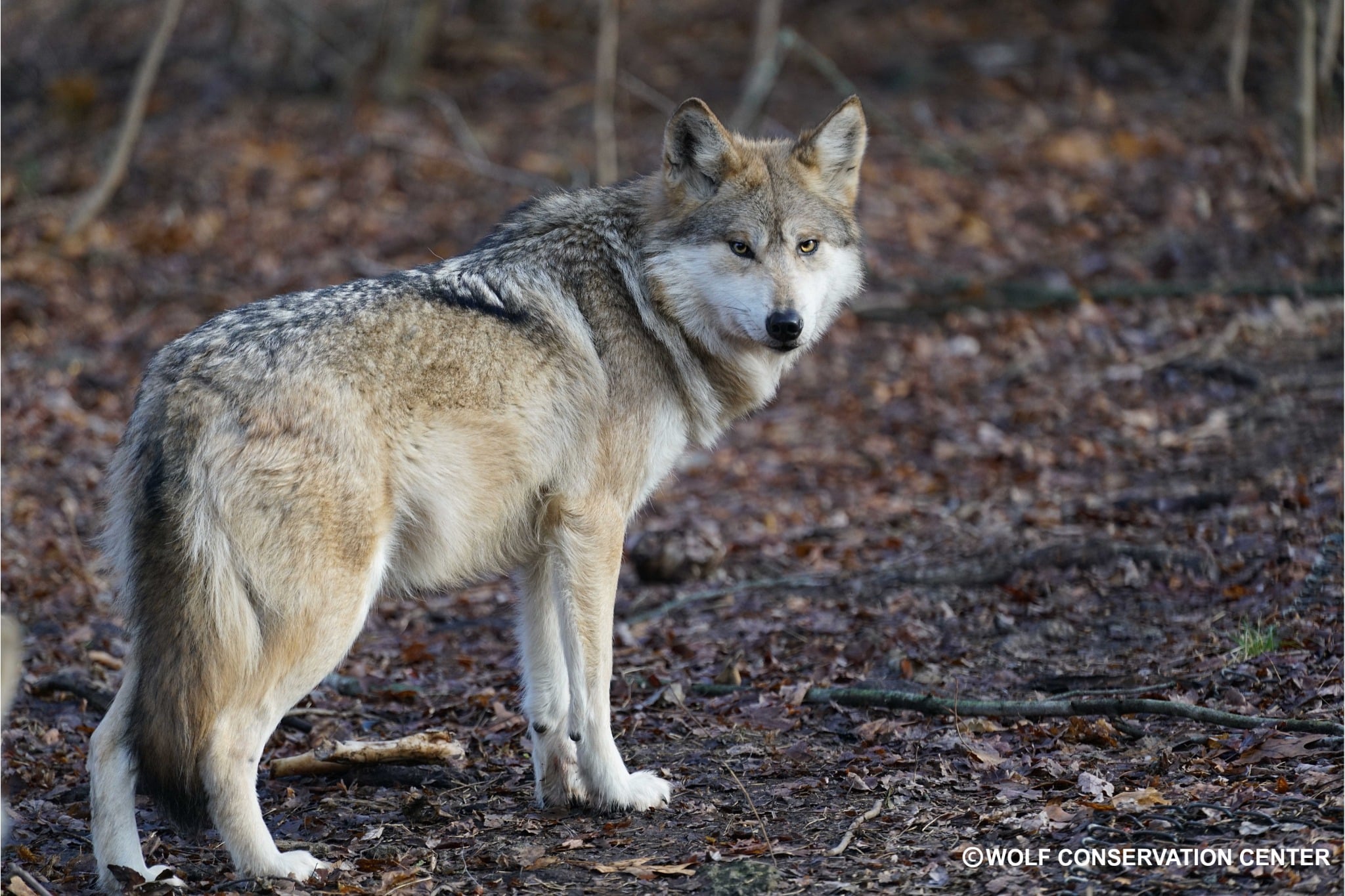
For immediate release: January 21, 2026 Albuquerque, N.M. – Taylor, the Mexican gray wolf made famous for establishing a home range last year near Mount Taylor, and returning there twice after having been removed despite a federal rule banning wolves north of Interstate 40, was found dead over the weekend on the interstate near Grants, New Mexico. “This is such an unfortunate outcome for Taylor, who showed us so much about how wolves choose their own habitats, regardless of the lines that humans draw on maps,” said Greta Anderson, deputy director of Western Watersheds Project. “But it’s also a positive development that the agencies were letting him stay outside of the artificial boundary for so long and giving him the opportunity to be wild on Mt. Taylor. His life firmly demonstrated the suitability of wolf habitat in these mountains, and we can only hope that he’s not the last wolf choosing…
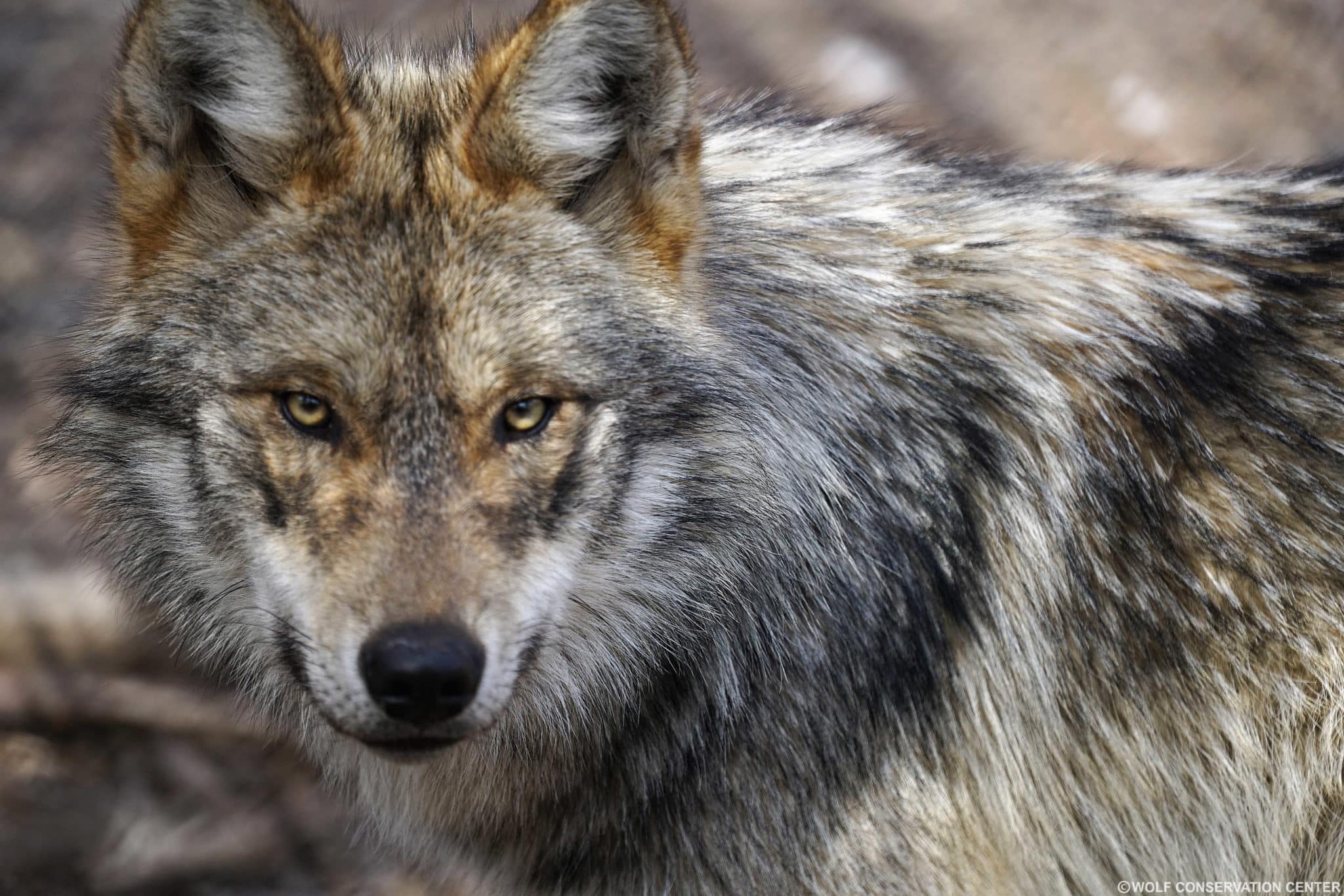
Mexican gray wolves are the rarest subspecies of gray wolf in North America, with just 286 known to live in the wild in the United States. Yet despite their tenuous status, Republican members of Congress are leading an all-out attack on the species. H.R. 4255, misleadingly named the “Enhancing Safety for Animals Act” and introduced by Rep. Paul Gosar (AZ), is scheduled for a markup in the House Natural Resources Committee on January 22. The bill seeks to prematurely remove Endangered Species Act (ESA) protections for Mexican gray wolves and would push them closer to extinction. If your Representative is a member of the Natural Resources Committee (view list), urge them to OPPOSE this damaging bill. If your Representative is not a member of the Natural Resources Committee, consider sending them a note to let them know how much you value Mexican wolves. Protections Are Key to Wild Future Mexican…
Today, prominent Congressional Democrats led members of their party in demanding the Trump administration withdraw their proposed rules that would effectively dismantle the Endangered Species Act (ESA). “These sweeping changes would fundamentally weaken our nation’s most important wildlife conservation law at a time when one million species face extinction globally,” wrote the lawmakers. “We urge the National Marine Fisheries Service and the Fish and Wildlife Service to withdraw these proposed rulemakings and instead work to implement the ESA as Congress intended: any regulatory changes should further the objectives of the ESA to conserve species and prevent extinction.” The Trump administration’s proposed rules would end blanket protections for threatened species, limit the interagency consultation process, allow economic considerations to factor into listing decisions, and make it more challenging to list a species as endangered or threatened. Over one million comments were submitted before the close of the public comment period on December 22,…
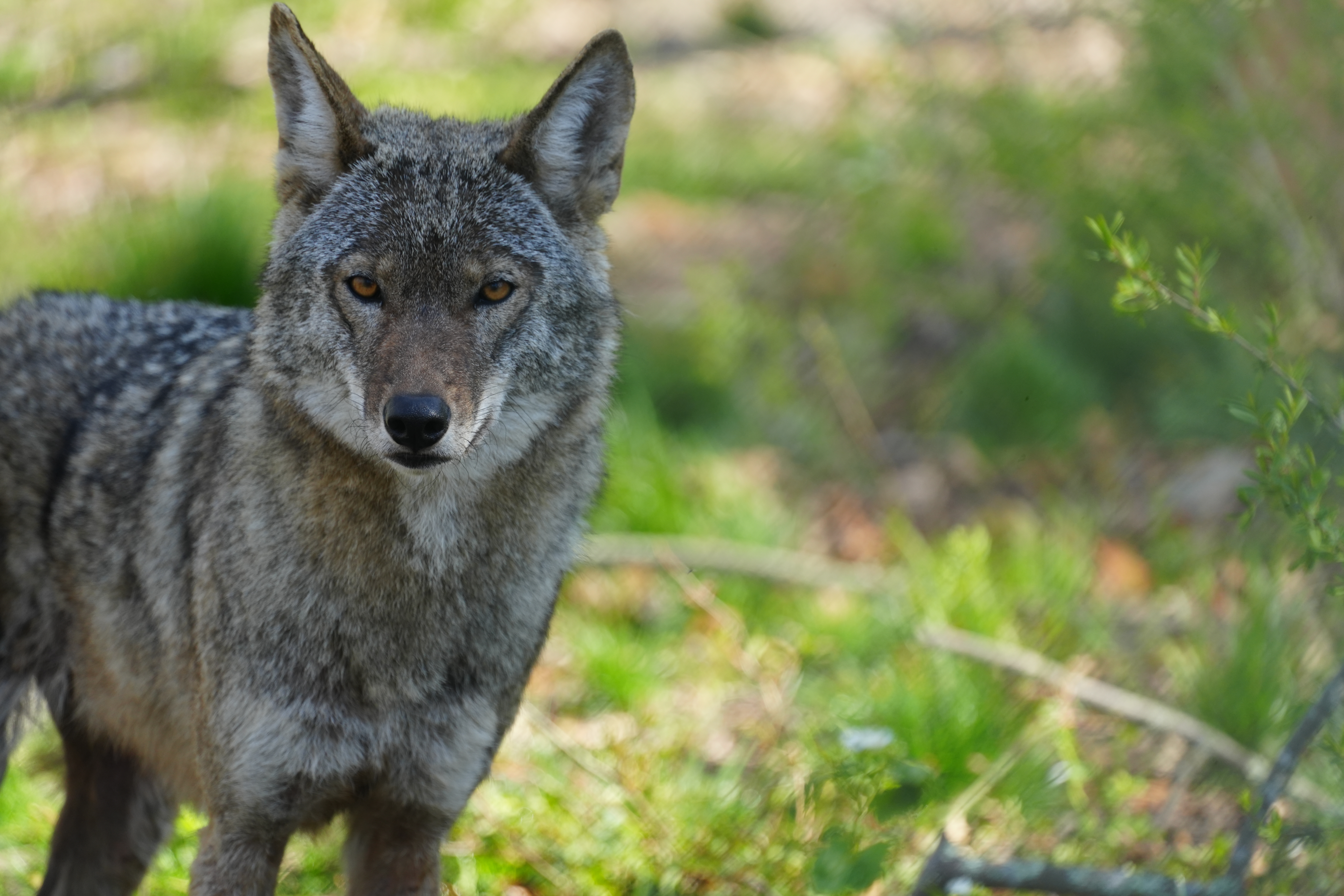
Red Wolf Ginger Begins a New Adventure
Exciting news! Red Wolf Ginger has officially embarked on a new adventure at the North Carolina Zoo! 🐺 On Saturday, the great team at Pilots to the Rescue (PTTR) took…
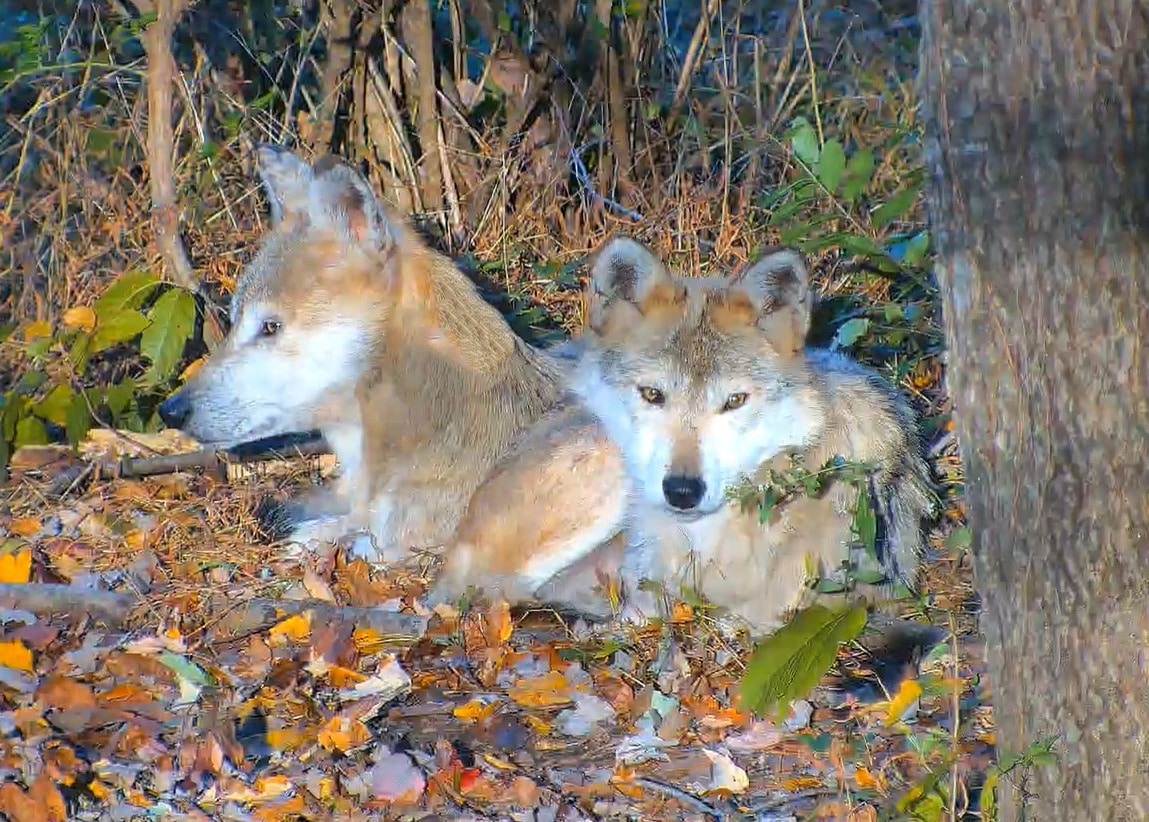
In Loving Memory of Mexican Gray Wolf Diane
Dear friends, It is with heavy hearts that we announce the passing of Mexican gray wolf Diane. She passed away on October 30th at 7 years old. Diane was born…

How the USDA’s New Beef Industry Plan Puts Wolves at Risk
Last week, the US Department of Agriculture (USDA) introduced their Beef Industry Plan aimed at “fortifying” a subset of American business owners who already receive significant subsidies and handouts funded…

Challenging Misconceptions About Red Wolf Reintroduction: Public Support Outweighs Opposition
The reintroduction of endangered wolves to their historical ranges is often framed in terms of human-centered costs and benefits–the latter, more frequently. For example, wildlife officials may emphasize potential human-wildlife…
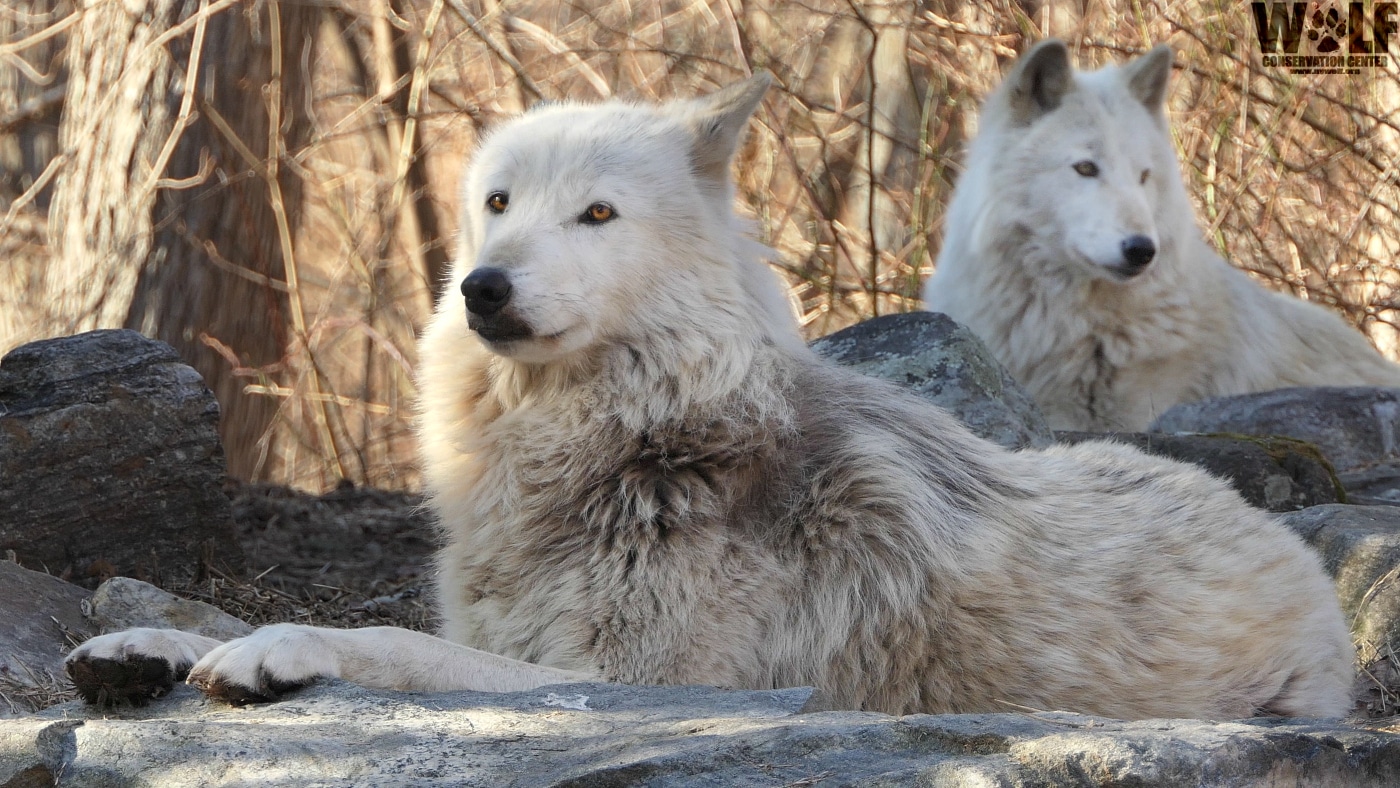
Survey Finds Strong Support for Continued Wolf Protections Across United States
A new survey found there is strong support for continued wolf protections across the United States. The survey, conducted by Drs. John Vucetich and Jeremy Bruskotter, was implemented in July…
Coyote Dispersal and Ecology in Westchester County
Last year, the Wolf Conservation Center Integrative Ecology & Coexistence Lab (WCC-IECL) initiated a study of local wildlife in Westchester County, New York, with a particular focus on coyote ecology.…
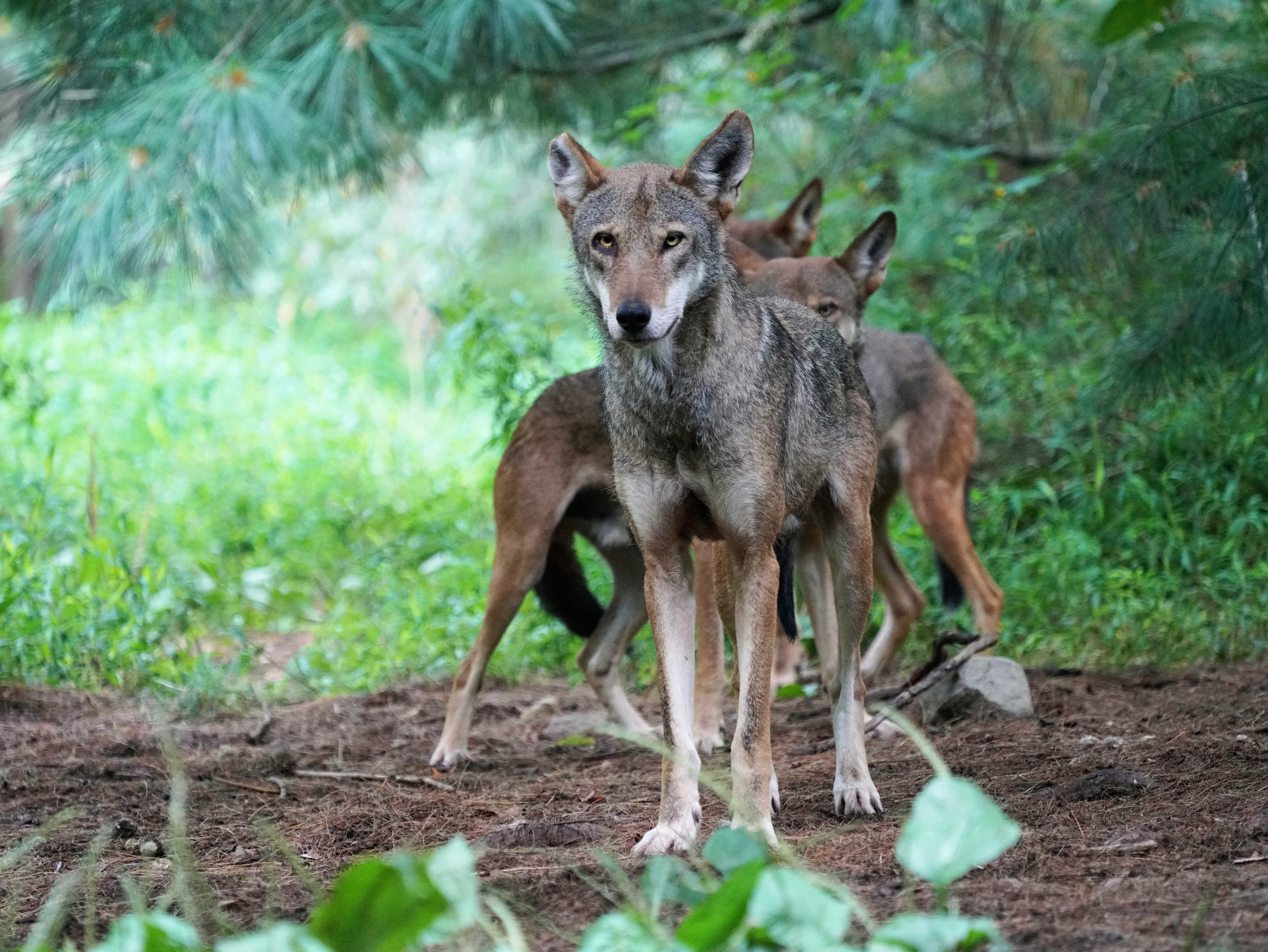
38 Years of Red Wolves in the Wild
Thirty-eight years ago, a new chapter in wildlife conservation began with a wild homecoming unlike anything seen before. The first captive-bred Red Wolves were released to the wild! In 1980,…
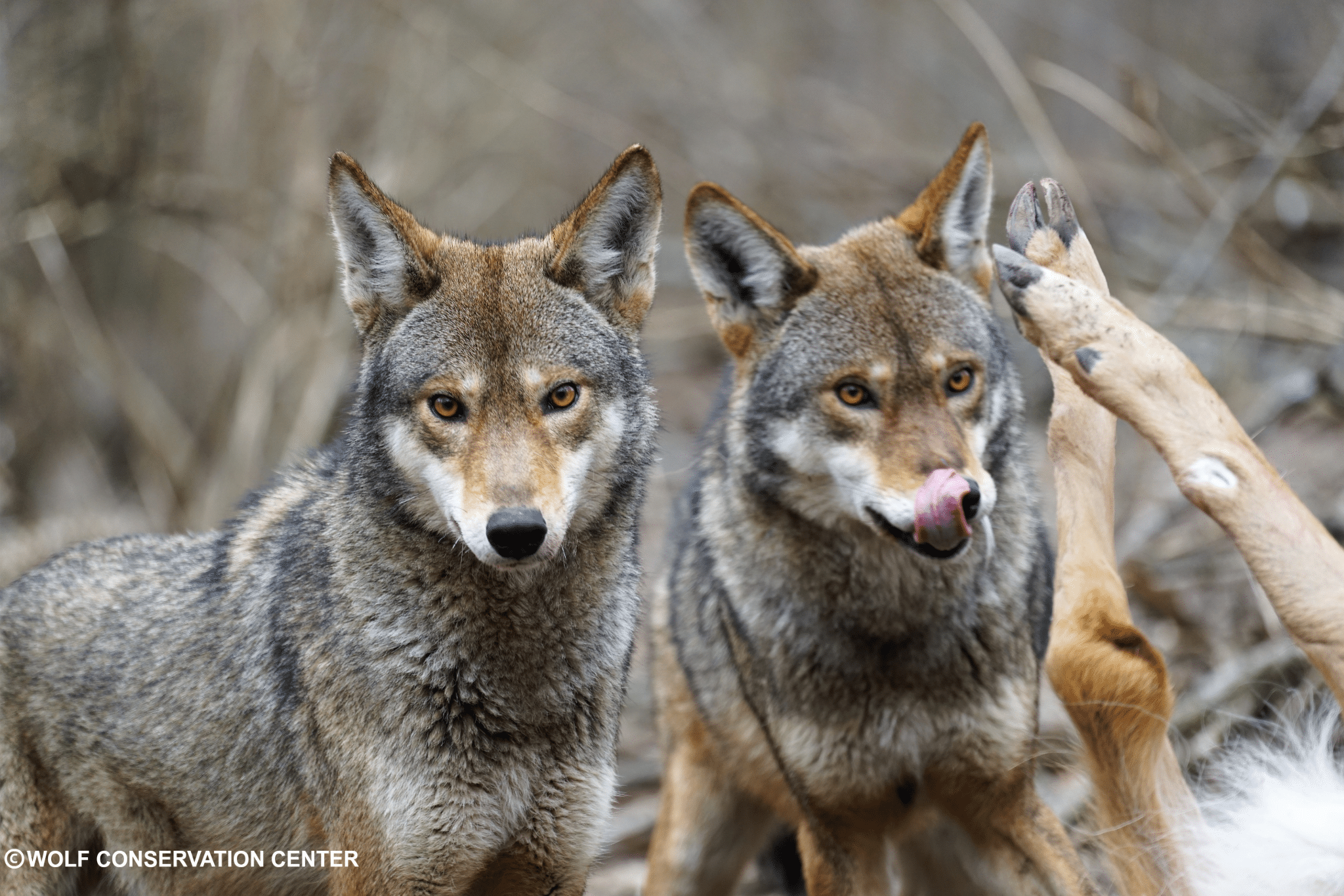
Love in the Wild: What Drives Red Wolf Pairing Success
Do opposites really attract? With Red Wolves, it just might be true. Our research partner Lovin, a graduate student at Utah State University advised by Dr. Julie Young, is helping…
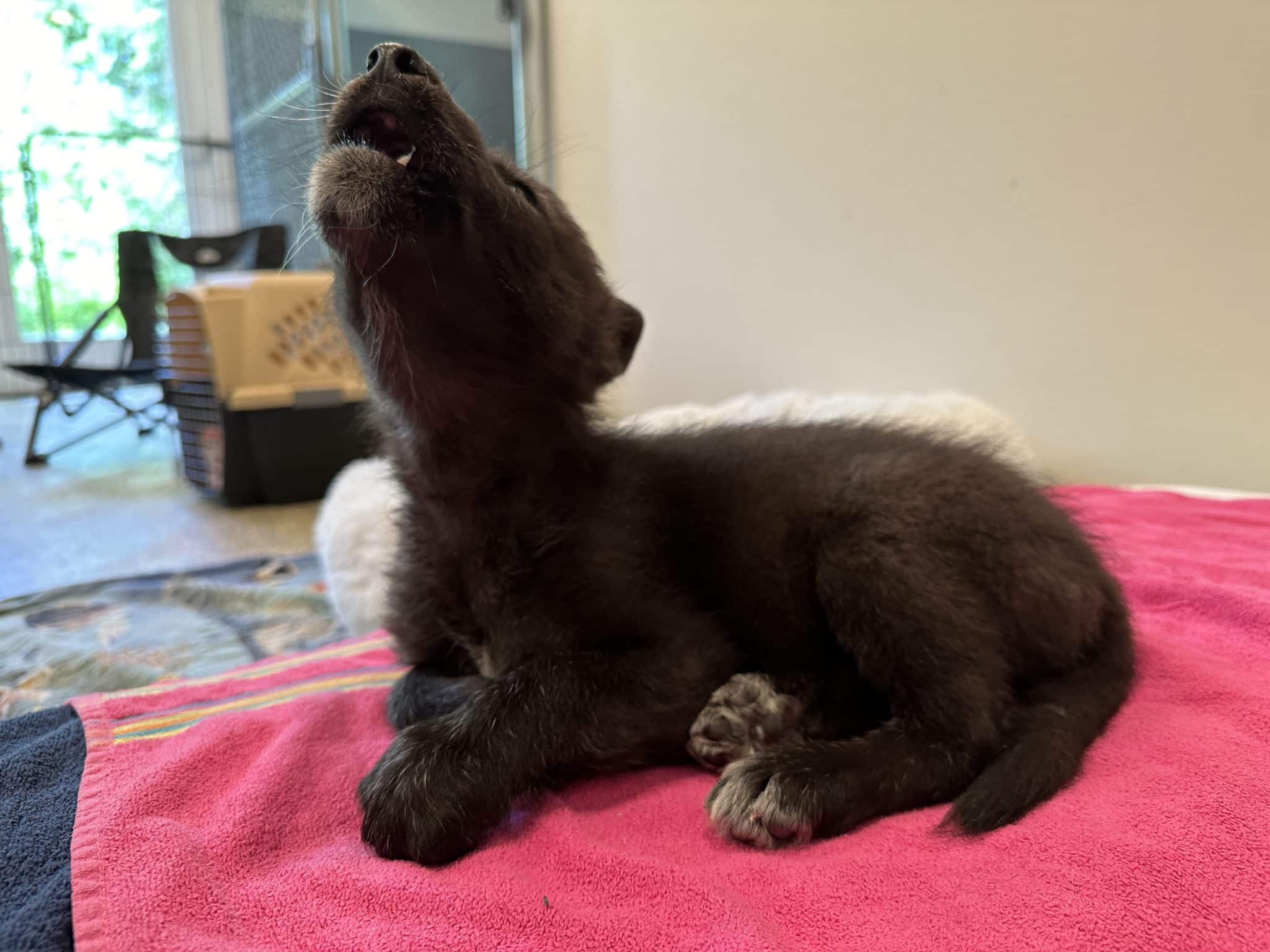
Kinari’s Nursery Tales: Moments from a Pup’s First Weeks
As our ambassador pup Kinari’s time in the nursery has come to an end, we extend our heartfelt thanks to the dedicated pup nannies, both staff and volunteers, who spent…
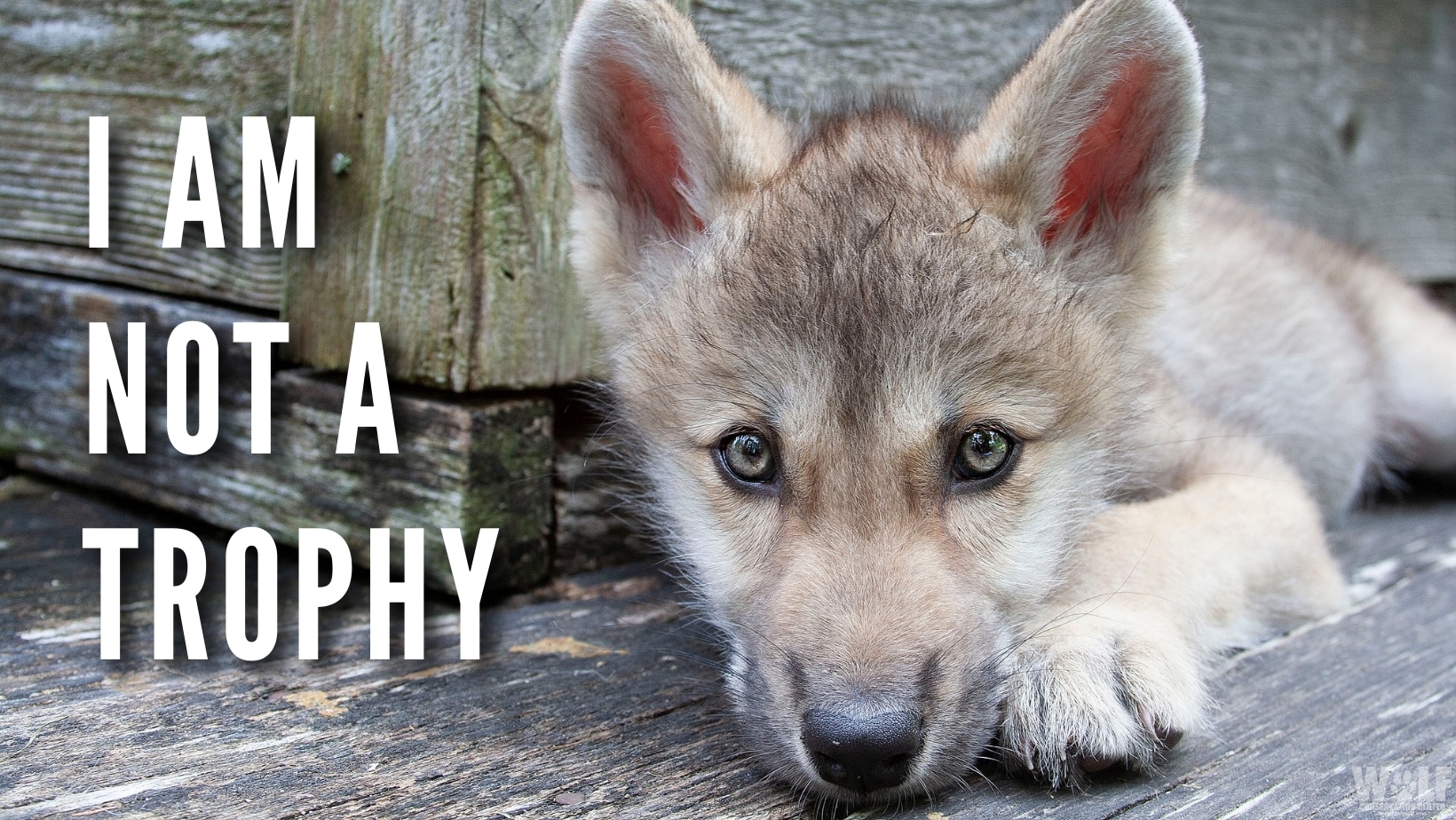
Take Action: Oppose Cruel Montana Wolf Hunting Regulations
Montana wildlife officials are proposing changes to the upcoming 2025/2026 wolf hunting and trapping season. The Fish, Wildlife, and Parks Department is accepting public comments on the proposals through August…

WCC is Learning the Power of AudioMoths
Listening to the Wild: How AudioMoths Are Helping Us Understand Gulf Coast Canids and Inform Red Wolf Recovery Over several days this past month, WCC’s Conservation Scientist Colleen O’Donnell found…

Meet Kinari: A Name as Bright as She Is
We’re so excited to officially introduce our newest ambassador pup: Kinari! Thank you to everyone who submitted and voted on names — your enthusiasm and thoughtful input helped us find…
