
Direct Services & Community Outreach
Phumulani’s mobile, multilingual survivor advocacy program is a high-impact model inspired by the pioneering work of Monsoon (Iowa) and the Asian Women’s Shelter (San Francisco). These frameworks were born from a critical necessity: ensuring that non-English speaking women and their children are never left behind.
In Minnesota, where 22% of the immigrant population is African-born—including the nation’s largest Liberian and Somali communities—mobile, culturally-responsive support isn't just an option; it is a lifeline.
We believe that those closest to the challenge are the best equipped to solve it. This is why our community empowerment programs prioritize advocates who come directly from the cultures they serve, ensuring that every intervention is rooted in shared language, deep trust, and authentic lived experience.
GET THE HELP YOU NEED NOW AND TO PREPARE FOR YOUR FUTURE.
YOU ARE NOT ALONE.
Relief, Referrals & Resources: The Architecture of Healing
🌿 Intergenerational Prevention & Protection
We work across generations to interrupt the cycles of violence and displacement. By supporting women, children, elders, and families as a collective, we invest in prevention that is relational, cultural, and enduring. This is not reactive aid; it is a commitment to the belief that healing one survivor strengthens an entire lineage.
🤲 Stability as a Foundation for Recovery
True healing cannot take root in the absence of basic needs. We understand that recovery is impossible when safety, housing, food, and healthcare are uncertain. To address this, Phumulani provides comprehensive domestic violence support that prioritizes the hierarchy of human needs:
[Image of Maslow's hierarchy of needs]- Immediate Safety & Stabilization: Establishing safe spaces for women and children to find refuge.
- Essential Access: Connecting survivors to housing, healthcare, and vital resources.
- Relational Care: Cultivating emotional support and community belonging.
- Self-Actualization: Honoring cultural identity, purpose, and the journey toward wholeness.
🌺 Culturally Grounded, Holistic Healing
Healing is never one-size-fits-all. Phumulani honors the body, spirit, and history of every survivor through holistic practices shaped by African and Indigenous wisdom. We don’t just offer services; we co-create pathways. We listen first, honoring each survivor as the ultimate expert of their own life.
Our Philosophy: The Abundance Mindset
We refuse to be defined by scarcity. At Phumulani, we operate from the radical truth that our communities are rich in the assets required for transformation:
- Abundance of Culture
- Abundance of Wisdom
- Abundance of Resilience
- Abundance of Collective Care
Our mission is to hold a sacred space where systems are challenged, healing is realized, and survivors are not merely supported—they are restored, empowered, and celebrated.
One-on-One Advocacy
Your journey is yours alone, but you don’t have to walk it by yourself. Following an initial connection, our advocates provide specialized counseling for survivors of gender-based violence. This one-on-one support is available for as long as you need it—there is no timeline on healing. We ensure our care is fluent in your language and rooted in your specific cultural context, honoring the nuances of your identity every step of the way.
🌿 Beyond Traditional Support Groups
We believe healing should feel like home. Rather than standard support groups, we host healing and resilience workshops designed through the lens of community and tradition. Our Tea Healing Circles and Tea Ceremonies offer a sacred, culturally specific space for women and their families to reconnect, share wisdom, and rebuild.
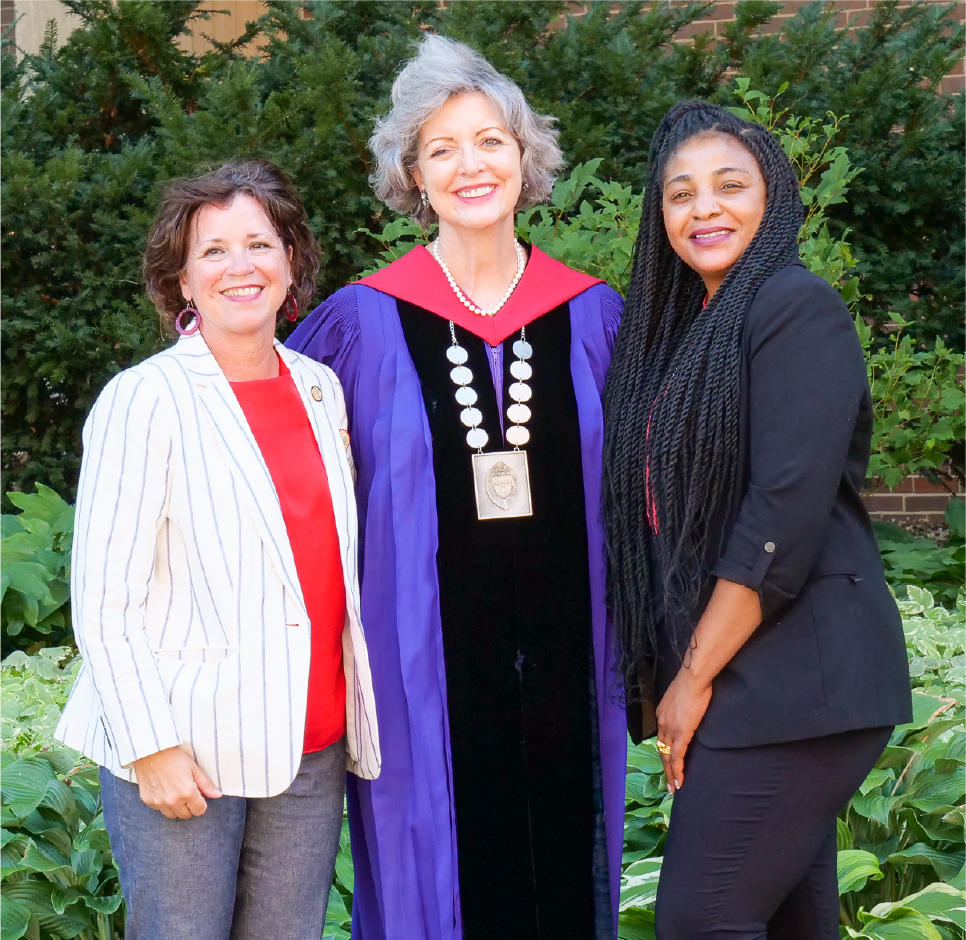
But soon after that, her life dramatically changed.
“He was saying he was not ready for the baby, and so he started doing things to punish me so I would have an abortion,” said Dondo. “He would do things like not provide food. At that time, I was in between my immigration status and getting a green card. So, sometimes I would go without food. I didn’t have access to transportation. I was isolated.”
Dondo says the abuse continued even after the birth of her son. She became homeless for several years. But she didn’t let that stop her from continuing college and eventually breaking free of her former husband.
