In Ikigai & Kaizen: The Japanese Strategy to Achieve Personal Happiness and Professional Success, Anthony Raymond offers a thought-provoking exploration of goal-setting through the lens of Eastern philosophy. Raymond’s work dives deep into the psychological and philosophical frameworks that shape our motivation, productivity, and sense of purpose.
Raymond builds his thesis around four key Eastern concepts, each contributing a unique tool to what he calls the “ultimate goal-setting toolbox”:
- Ikigai – The pursuit of one’s true calling; the reason you get out of bed in the morning.
- Lingchi – A metaphor for the slow erosion of well-being through repeated small stressors — “death by a thousand cuts.”
- Hansei – The practice of honest self-reflection, essential for learning from past mistakes.
- Kaizen – The philosophy of continuous, incremental improvement.
Rather than treating these ideas as standalone solutions, Raymond argues that their true power lies in their interdependence. This interconnectedness is a recurring theme. Ikigai without Kaizen leads to unfulfilled potential. Kaizen without Ikigai results in soulless productivity. Hansei without Lingchi lacks context. Each concept supports and enhances the others.
Raymond doesn’t stop at theory. He contextualizes these ideas through:
- Dr. W. Edwards Deming’s work in management and systems thinking
- Personal health and fitness, emphasizing the power of daily logs and habit tracking
- Relationship harmony, showing how reflection and incremental change can improve interpersonal dynamics
These applications make the book feel grounded and actionable, offering readers a way to integrate these philosophies into everyday life.
One of the book’s most compelling insights is its redefinition of success. Raymond suggests that achievement isn’t about reaching a goal, but about the tenacity to keep moving forward — even when progress feels slow or invisible.
“Success is not scoring a goal,” he writes, “but the commitment to the daily grind.”
Source: Ikigai & Kaizen by Anthony Raymond
Logging workouts, journaling reflections, and making small improvements become acts of spiritual discipline. In this view, goal achievement is less like climbing a mountain and more like chasing a rainbow.
When drafting a narrative about the peaks and valleys of life, it is much more inspiring to end the story atop a peak than in a valley. But a lifelong commitment to goal attainment is comprised of both. Whenever one mountaintop is summited, a new one is immediately visible in the hazy distance; and the climb continues. For this reason, the process of goal achievement is perhaps more akin to chasing rainbows than to climbing mountains.
Source: Ikigai & Kaizen by Anthony Raymond
Ikigai & Kaizen is ideal for those tired of quick-fix productivity hacks and are ready to embrace a more holistic, meaningful approach to personal and professional growth. Raymond’s framework offers a powerful reminder: progress is possible — one small step at a time.
What small step could I take today which may (in the long run) improve my situation?
Source: Ikigai & Kaizen by Anthony Raymond
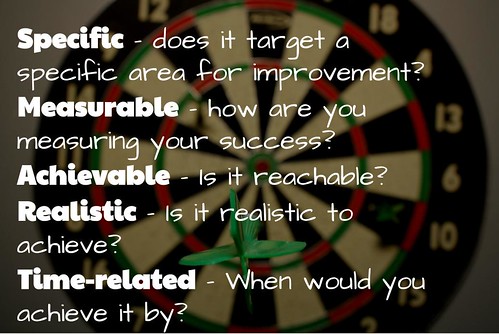
For me, it sits alongside other books such as The End of Average and Start With Why. Like those, Ikigai & Kaizen challenges conventional thinking about success and motivation. It encourages a deeper, more personal approach to growth — one that values purpose over performance metrics, and progress over perfection. This book goes beyond SMART goals to provide a whole framework.