Database Access With Python
Learning Path ⋅ Skills: SQL Libraries, SQLite, SQLAlchemy, Redis, MySQL, MongoDB, ChromaDB, Data Management, NoSQL Databases, Vector Databases, DuckDB, TinyDB, SQL Security

In this learning path, you will connect Python to a range of SQL and NoSQL database systems. You will write raw SQL queries, use SQLAlchemy as an ORM, and work with MySQL, MongoDB, and Redis. You will also explore DuckDB for analytical workloads, TinyDB for lightweight JSON storage, and ChromaDB for vector embeddings.
Database Access With Python
Learning Path ⋅ 9 Resources
Getting Started With Databases
This section covers the fundamentals of working with SQL databases in Python, from raw SQL queries to using an ORM layer with SQLAlchemy.
Tutorial
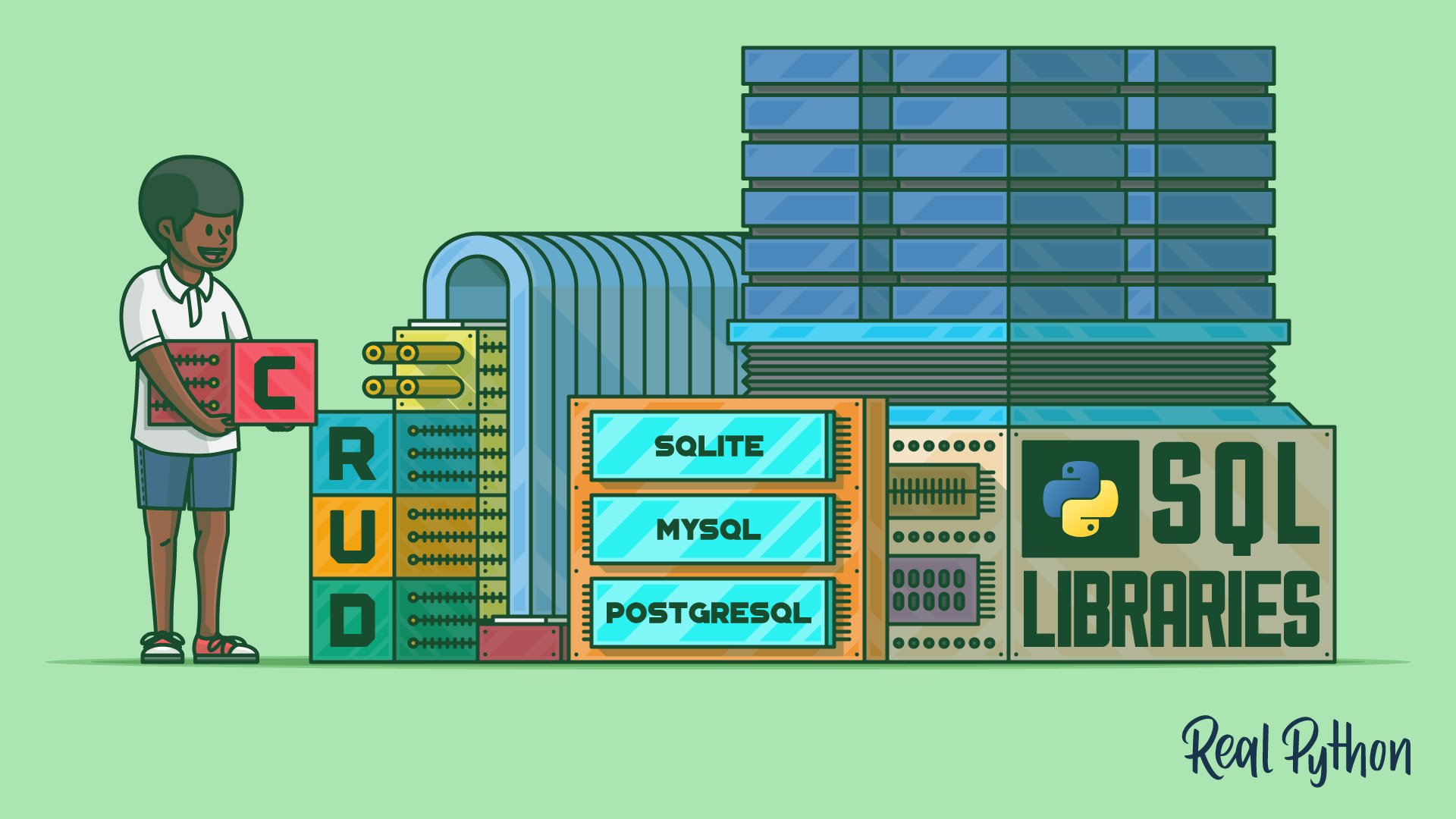
Introduction to Python SQL Libraries
Learn how to connect to different database management systems by using various Python SQL libraries. You'll interact with SQLite, MySQL, and PostgreSQL databases and perform common database queries using a Python application.
Course
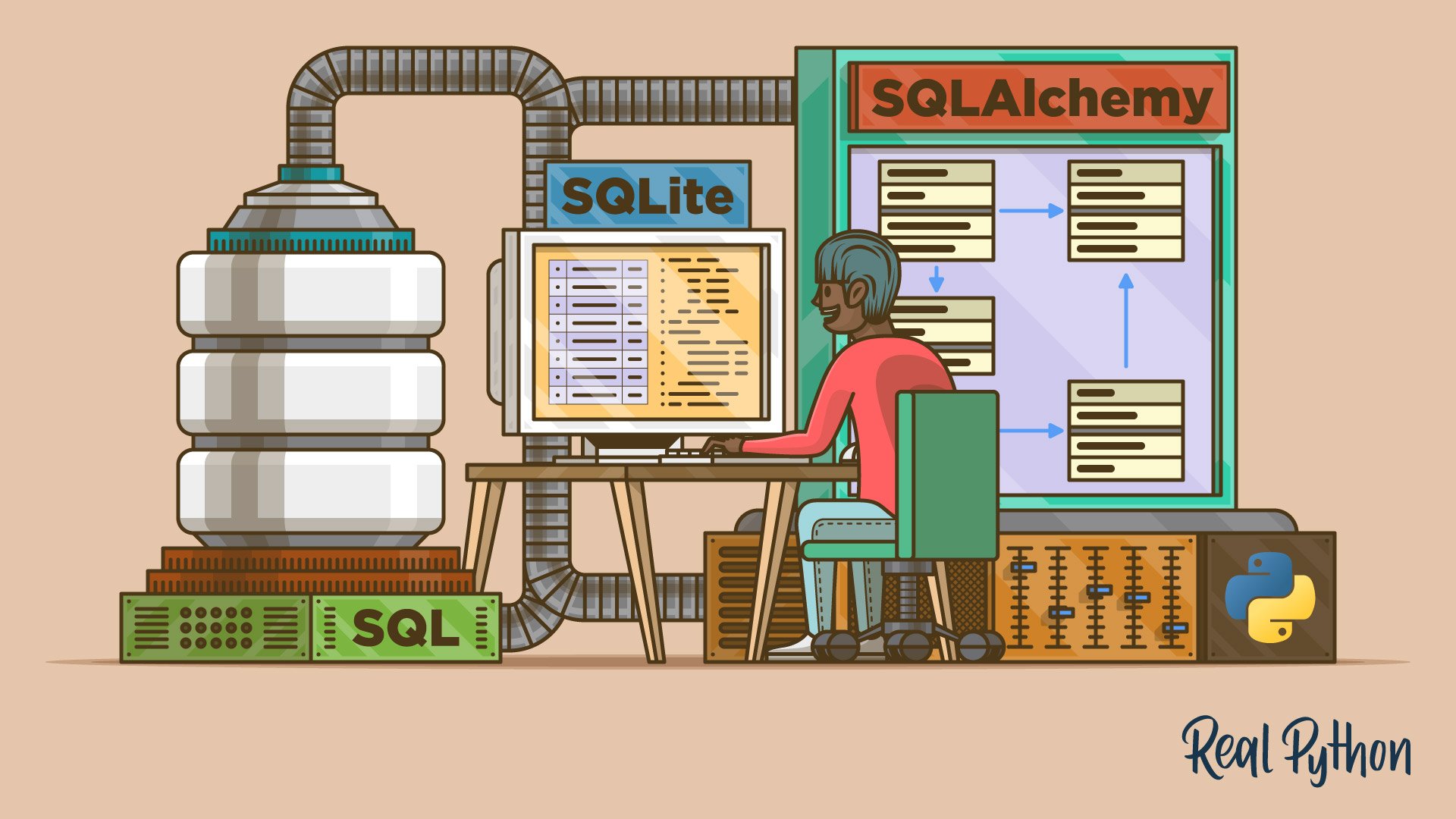
SQLite and SQLAlchemy in Python: Move Your Data Beyond Flat Files
Learn how to store and retrieve data using Python, SQLite, and SQLAlchemy as well as with flat files. Using SQLite with Python brings with it the additional benefit of accessing data with SQL. By adding SQLAlchemy, you can work with data in terms of objects and methods.

Tutorial
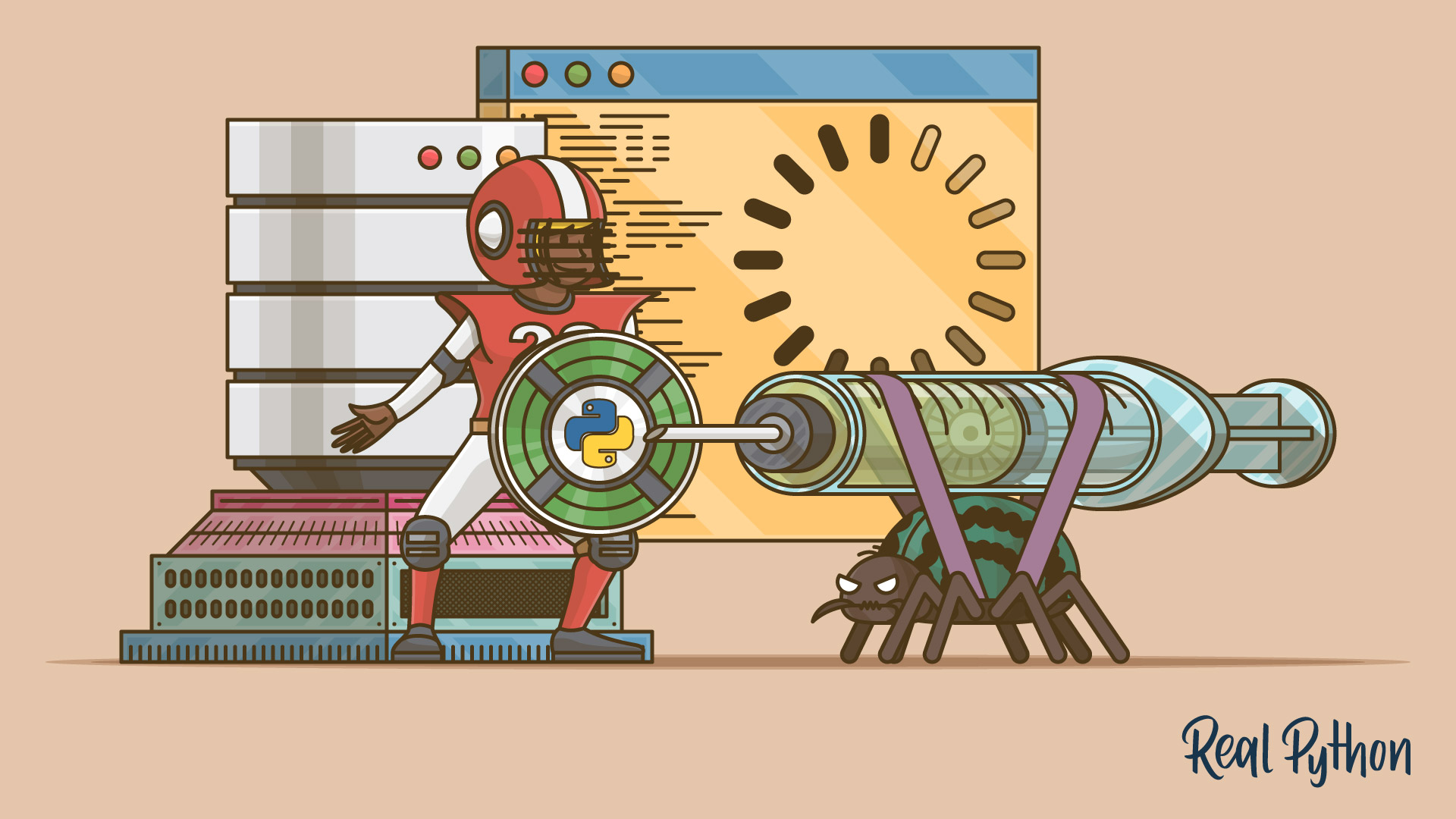
Preventing SQL Injection Attacks With Python
SQL injection attacks are one of the most common web application security risks. In this step-by-step tutorial, you'll learn how you can prevent Python SQL injection. You'll learn how to compose SQL queries with parameters, as well as how to safely execute those queries in your database.
Connecting to Specific Database Systems
Learn how to connect Python to specific database engines. You will work with MySQL, MongoDB, and Redis, covering connection setup, queries, and common patterns for each system.

Course
MySQL Databases and Python
Learn how to connect your Python application with a MySQL database. You'll design a movie rating system and perform some common queries on it. You'll also see best practices and tips to prevent SQL injection attacks.

Tutorial
Python and MongoDB: Connecting to NoSQL Databases
Learn how to use Python to interface with the NoSQL database system MongoDB. You'll get an overview of the differences between SQL and NoSQL, and you'll also learn about related tools, including PyMongo and MongoEngine.

Tutorial
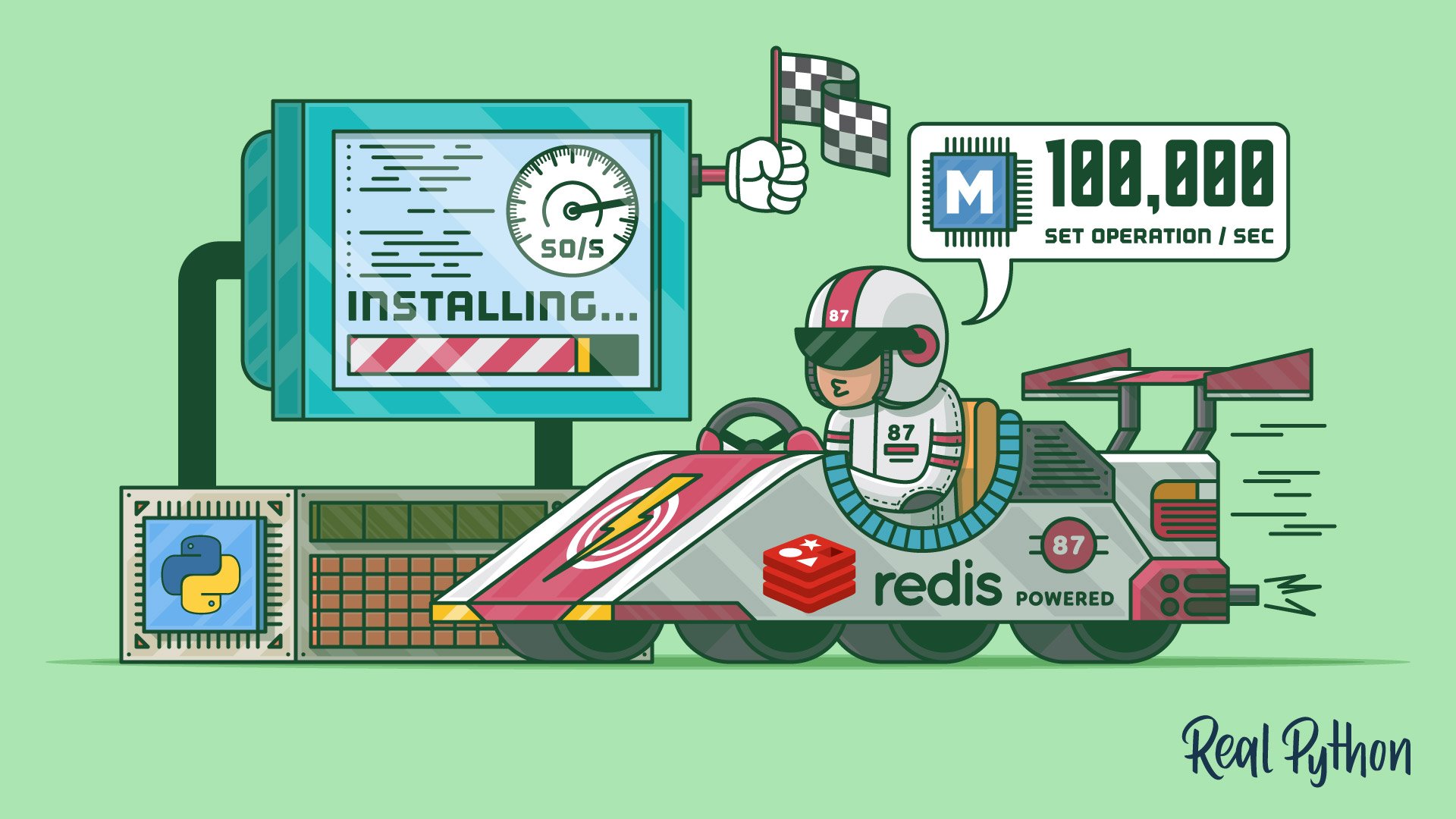
How to Use Redis With Python
In this step-by-step tutorial, you'll cover how to use both Redis and its Python client library. You'll learn a bite-sized slice of Redis itself and master the redis-py client library.
Analytical and Lightweight Databases
Explore databases designed for analytical workloads and small projects. DuckDB handles large-scale data analysis, while TinyDB provides a simple JSON-based store for lightweight applications.
Course
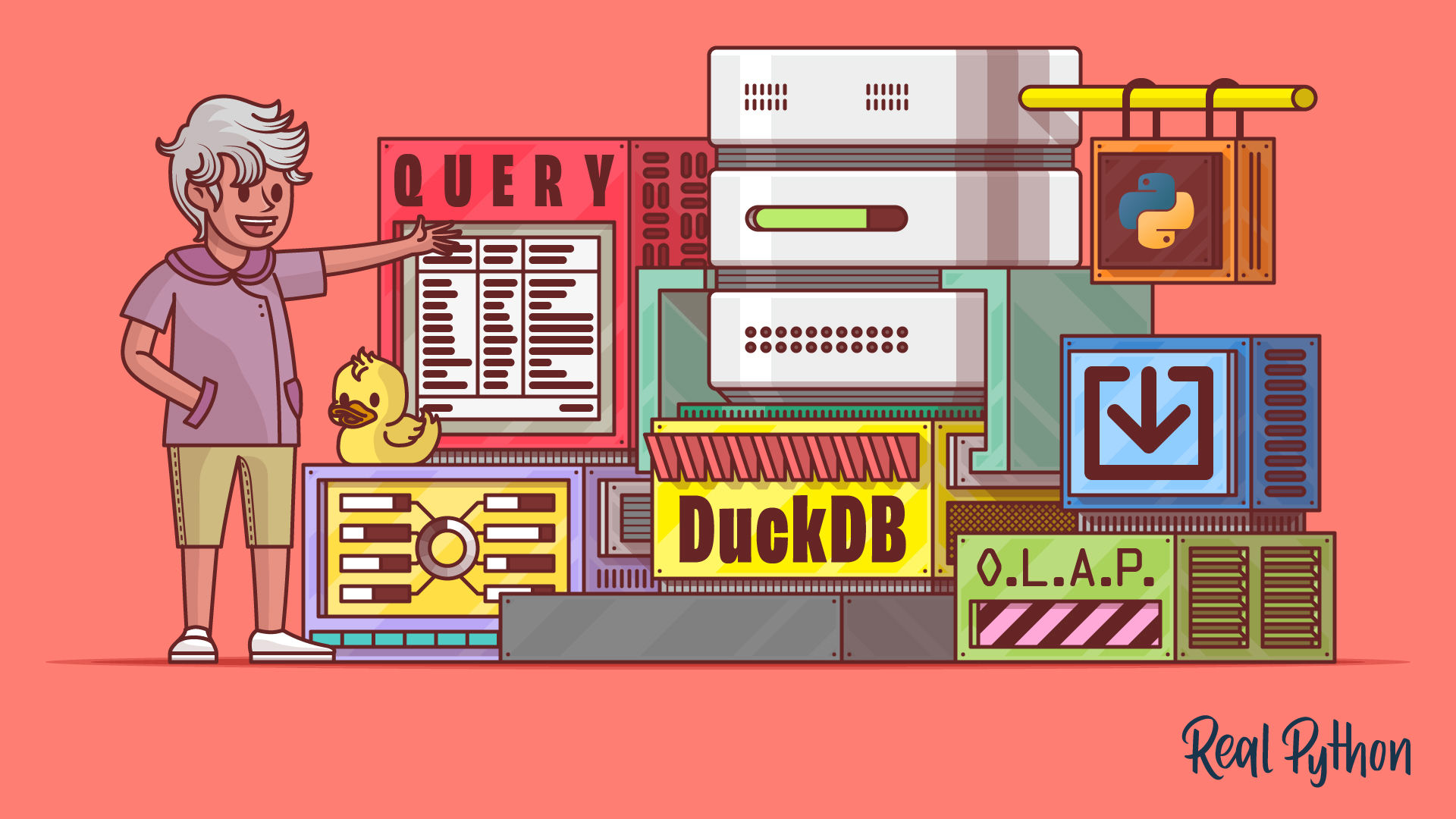
Starting With DuckDB and Python
Learn how to use DuckDB in Python to query large datasets with SQL or its Python API, handle files like Parquet or CSV, and integrate with pandas or Polars.
Interactive Quiz
Introducing DuckDB
Tutorial
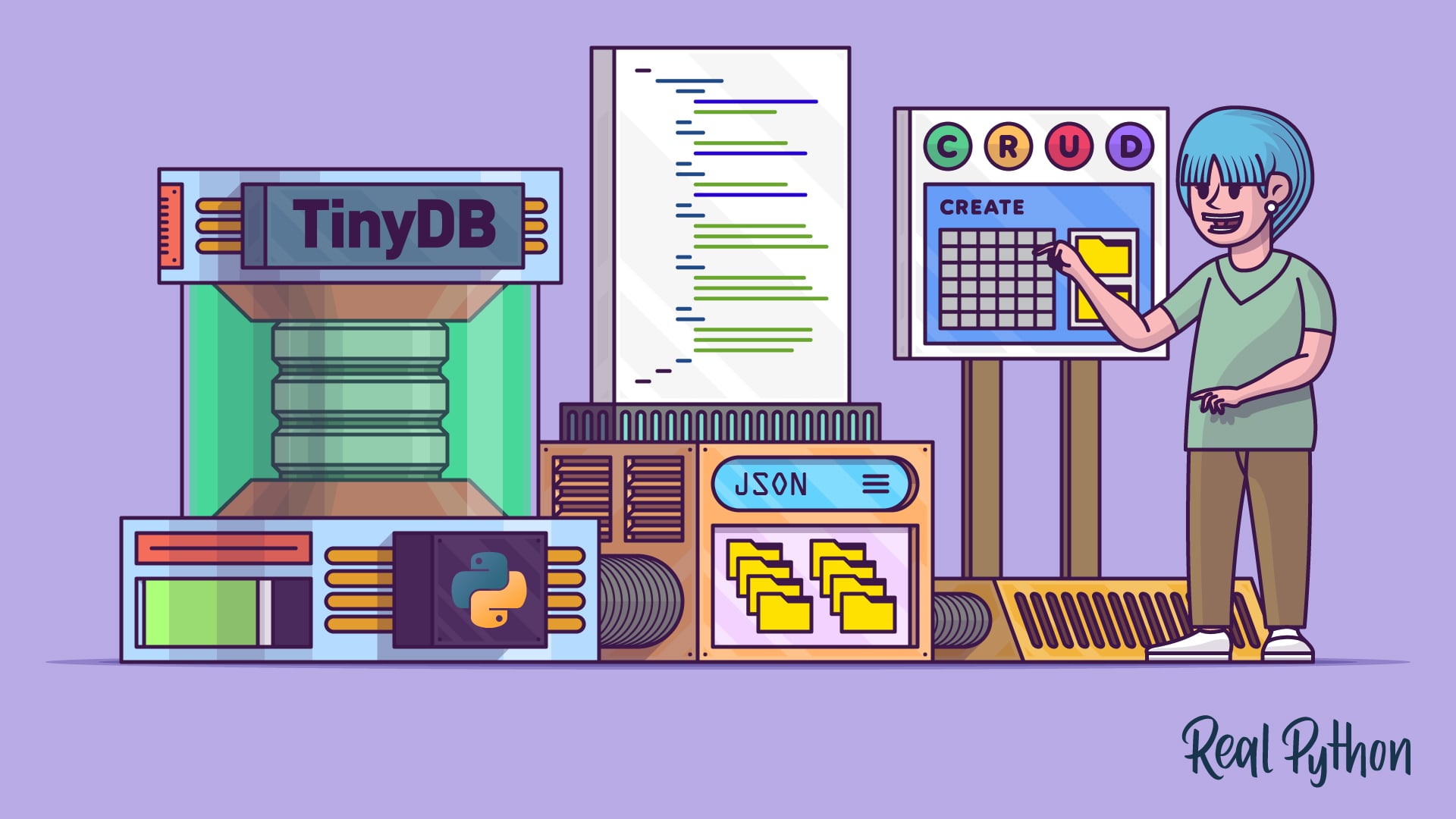
TinyDB: A Lightweight JSON Database for Small Projects
If you're looking for a JSON document-oriented database that requires no configuration for your Python project, TinyDB could be exactly what you need.
Interactive Quiz
TinyDB: A Lightweight JSON Database for Small Projects
Vector Databases and Embeddings
Learn how to store and query vector embeddings using ChromaDB, a common building block for AI-powered search and retrieval-augmented generation (RAG) applications.
Tutorial
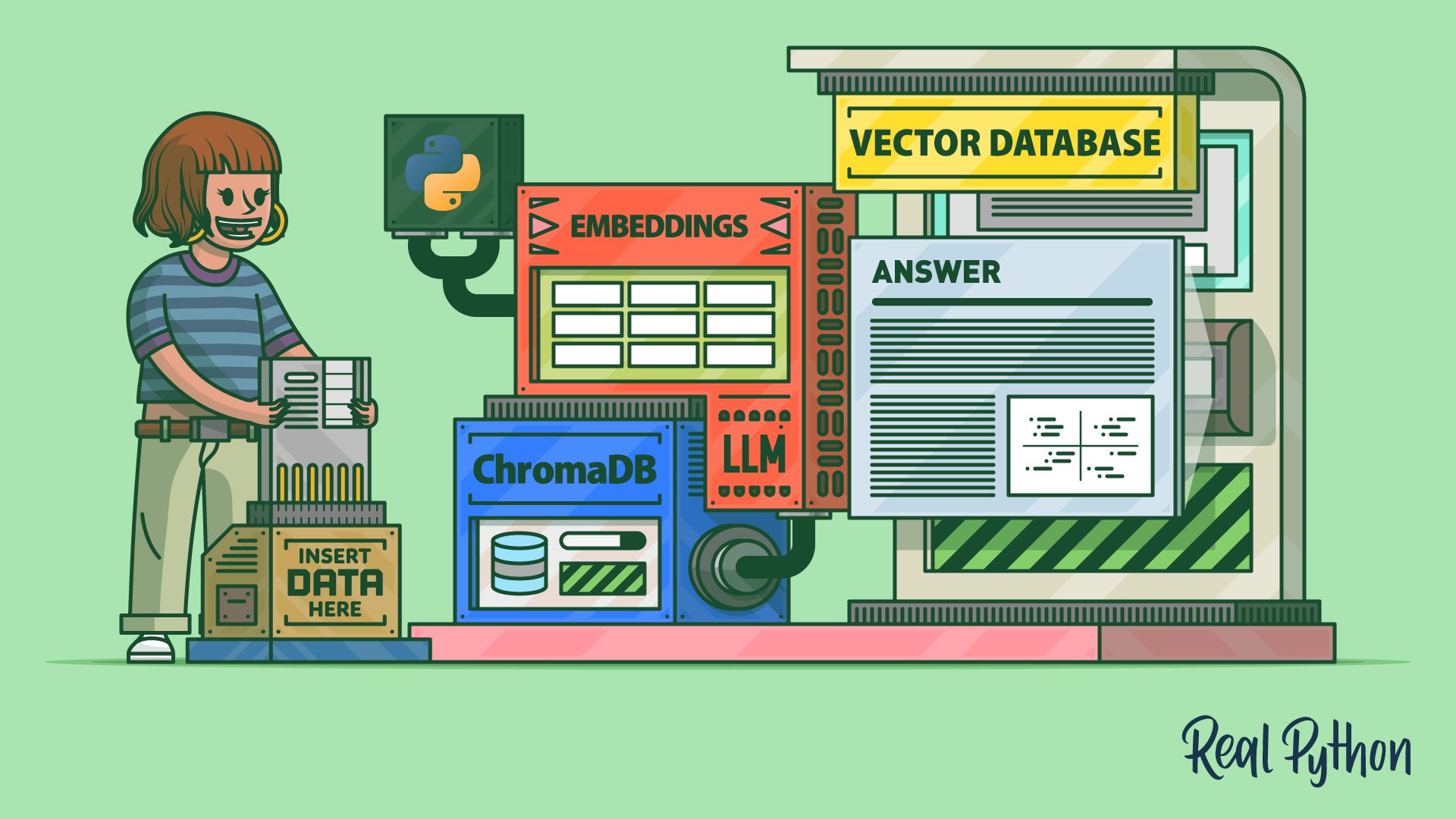
Embeddings and Vector Databases With ChromaDB
Vector databases are a crucial component of many NLP applications. This tutorial will give you hands-on experience with ChromaDB, an open-source vector database that's quickly gaining traction. Along the way, you'll learn what's needed to understand vector databases with practical examples.
Congratulations on completing this learning path! You now know how to connect Python to a variety of SQL and NoSQL databases, from SQLite and MySQL to MongoDB, Redis, DuckDB, TinyDB, and ChromaDB.
Continue your advanced Python journey with the next learning path:

Learning Path
Python Metaprogramming
4 Resources ⋅ Skills: Python, Metaclasses, Descriptors, Dynamic Code Execution, exec(), eval()
You might also be interested in these related learning paths:
Got feedback on this learning path?
Looking for real-time conversation? Visit the Real Python Community Chat or join the next “Office Hours” Live Q&A Session. Happy Pythoning!

