1What is hotel management software?
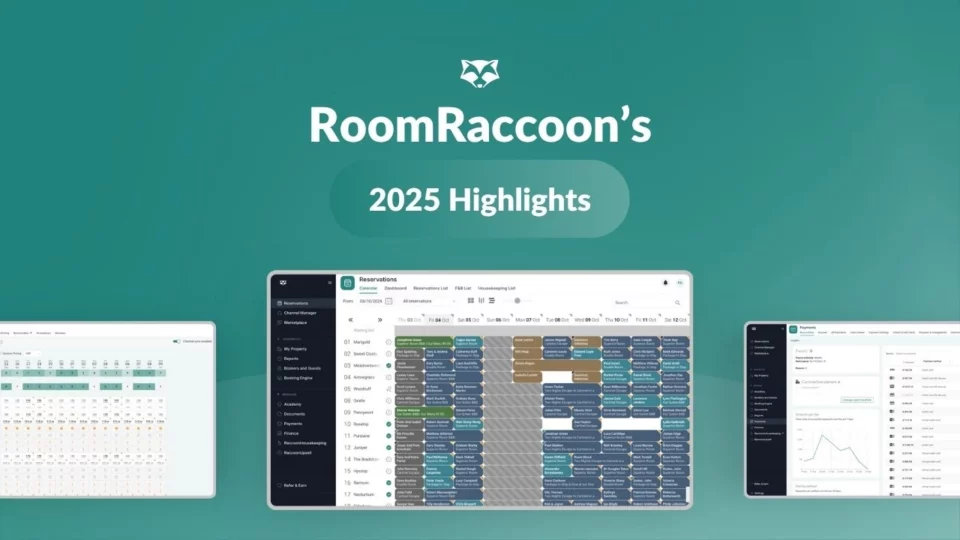
Hotel management software, also called hotel PMS software or hospitality management software, is a digital platform that centralizes hotel operations such as reservations, billing, housekeeping, and reporting. Modern PMS solutions are typically cloud-based, meaning they can be accessed from any device and updated in real time. This makes them more secure, more scalable, and easier to integrate with other hotel technology like booking engines, channel managers, and payment systems.
2Why is hotel management software important for hotels?
Hotel management software is important because it reduces manual tasks, minimizes human error, and provides real-time data on occupancy and revenue. In the US, more than two-thirds of bookings are made online according to the American Hotel & Lodging Association (AHLA), which makes digital efficiency essential. With PMS software, hotels can respond faster to guest needs, improve direct bookings, and increase overall profitability.
3What is a Property Management System (PMS) for hotels?
A property management system (PMS) is the backbone of hotel management and is often considered the same as hotel management software. It manages reservations, guest check-in and check-out, billing, housekeeping, and reporting from one dashboard. PMS software integrates with online booking engines and channel managers, ensuring that rates and availability are accurate across all sales channels.
4What is hospitality management software?
Hospitality management software is a broad category of tools designed to manage reservations, payments, staff, and guests across hotels, motels, resorts, and vacation rentals. In practice, this term often refers to hotel PMS platforms that combine booking engines, channel managers, and guest communication in one system. This type of software is critical for streamlining operations across the hospitality industry.
5What is hotel front desk software?
Hotel front desk software is used by reception staff to manage check-ins, check-outs, room assignments, and payments. It is typically part of a larger PMS solution and ensures staff have instant access to guest data, reservation history, and billing details. By automating front desk tasks, hotels can reduce wait times, improve guest satisfaction, and free up staff for more personalized service.
6What is the difference between hotel PMS software and a hotel reservation system?
Hotel PMS software manages the full range of hotel operations, while a hotel reservation system focuses primarily on processing bookings. A reservation system handles availability and rates, but a PMS adds billing, guest profiles, housekeeping, and reporting. Today, most hotel PMS solutions integrate reservation software into one complete hotel technology platform.
7What is the difference between hotel booking software and hotel management software?
Hotel booking software is designed for handling room reservations, whether online or through OTAs. Hotel management software, on the other hand, covers a much wider scope of operations including billing, guest communication, reporting, and staff management. In most US hotels, booking software is now part of an all-in-one PMS solution.
8What is the difference between a CRS and a PMS in hotels?
A central reservation system (CRS) is designed to manage room inventory and distribute rates across OTAs, GDS networks, and booking channels. A PMS focuses on daily hotel operations such as check-ins, payments, and housekeeping. Many US hotels use both systems together, but all-in-one PMS platforms are increasingly integrating CRS features directly.
9What are the main benefits of hotel PMS software?
The benefits of hotel PMS software include saving time, reducing double bookings, improving staff efficiency, and boosting revenue through more direct bookings. STR data shows that hotels using cloud PMS solutions achieve operational efficiency gains of up to 30 percent. In addition, hotels can deliver a smoother guest experience by automating confirmations, upsell offers, and feedback requests.
10What features should all-in-one hotel software include?
All-in-one hotel software should include tools for managing reservations, OTAs, direct bookings, payments, housekeeping, and reporting. It should also integrate with CRM and marketing platforms to personalize communication. US hotels increasingly demand software that combines PMS, booking engine, and channel manager in one solution to reduce complexity.
11What problems does hotel management software solve?
Hotel management software solves problems such as overbookings, manual data entry, long front desk queues, lack of reporting, and poor guest communication. By automating these areas, hotels cut costs, increase productivity, and improve guest satisfaction. Many US properties report reducing overbookings by 90% after implementing cloud PMS solutions.
12Can hotel booking software connect with OTAs like Booking.com and Expedia?
Yes, most PMS platforms include a built-in channel manager that syncs availability and rates with OTAs such as Booking.com, Expedia, Hotels.com, and Airbnb. This prevents double bookings and ensures consistency across channels. Metasearch engines like Tripadvisor and Google Hotel Ads can also be integrated, expanding a hotel’s visibility.
13Does hotel PMS software integrate with payment and accounting tools?
Yes, PMS software connects with payment gateways, POS systems, credit card processors, and accounting platforms. This integration ensures secure transactions and automates reconciliation. For US hotels, this compliance is important not only for PCI standards but also for simplifying financial audits and reporting.
14Can hotel software increase direct bookings?
Yes, PMS platforms that include a booking engine allow hotels to capture reservations directly through their website. This reduces reliance on OTAs and increases profit margins by avoiding commission fees. In practice, US boutique hotels often see a 20–25% boost in direct bookings within months of adopting a PMS with an integrated booking engine.
15How does hospitality management software improve the guest experience?
Hospitality PMS software improves the guest journey by enabling smooth check-ins, mobile access, automated messages, and personalized offers. Staff can see guest preferences, history, and special requests in one system, ensuring a more tailored and efficient experience.
16What is cloud-based hotel management software?
Cloud hotel management software is hosted online, requires no local servers, and can be accessed from any device. It offers scalability, stronger security, and automatic updates. US hotels increasingly prefer cloud-based systems because they reduce IT costs and support mobile operations.
17What is the difference between cloud hotel software and on-premise systems?
On-premise hotel software requires servers, manual upgrades, and IT staff, while cloud PMS platforms are always up-to-date, easier to scale, and more mobile-friendly. According to Grand View Research, North America accounts for 35% of global PMS demand thanks to rapid adoption of cloud technology.
18What integrations are most important in hotel management software?
Key integrations include OTA and GDS connections, payment gateways, RMS tools, CRM platforms, and accounting software. A strong PMS integrates all these systems into one platform, giving hotels better control and reducing operational silos.
19How much does hotel management software cost?
The cost depends on the hotel’s size and feature requirements. Most US vendors use subscription models, charging monthly or annually. Small hotels often pay a flat fee per room or property, while larger chains invest in enterprise PMS systems.
20Is hotel software expensive for small hotels?
No. Cloud PMS solutions are designed to be affordable and scalable. For small hotels, motels, and B&Bs, the return on investment is quick because the system reduces staff workload, prevents overbookings, and increases direct bookings.
21Is there free hotel management software and is it reliable?
Yes, free hotel software exists but usually comes with limits such as fewer OTA connections, no integrations, and little or no support. Professional PMS platforms are more reliable and secure, providing better long-term value for US hotels.
22What is the ROI of hotel PMS software?
Hotels typically achieve ROI within the first year. Savings from reduced overbookings, higher staff efficiency, and more direct bookings offset subscription fees quickly. A motel in California, for example, cut front desk workload by 40% within months of adopting a cloud PMS.
23Is cloud hotel software suitable for small hotels and B&Bs?
Yes. Cloud PMS systems are popular among small hotels, motels, and B&Bs because they are cost-effective and require no IT infrastructure. These solutions allow independents to compete with larger brands in the US market.
24Do large chains also use multi-property hotel management systems?
Yes. Large hotel groups rely on multi-property PMS software to manage reservations, pricing, and guest data across multiple hotels. This centralizes operations and ensures consistent standards across all properties.
25Can motels and vacation rentals use hotel PMS software?
Yes. Motel management software and vacation rental PMS systems are variations of hospitality software. They allow operators to centralize bookings, guest data, and payments for multiple properties from one dashboard.
26How does AI impact hotel technology platforms?
AI impacts PMS systems by enabling predictive pricing, automated guest communication, and personalized offers. US hotels use AI to increase ADR, reduce cancellations, and improve guest loyalty.
27What are the latest trends in hotel management software?
Trends include mobile-first interfaces, contactless check-in, digital keys, AI-driven pricing, and sustainability features. Independent hotels in the US are adopting all-in-one cloud solutions to simplify their tech stack.
28What is the best hotel management software in 2025?
The best solutions in 2025 are cloud-based, all-in-one PMS platforms that integrate booking engines, channel managers, payment systems, and CRM tools. HotelTechReport and STR rank solutions by usability, integrations, and customer support.
29What is the future of hospitality management systems?
The future is defined by automation, AI, and cloud adoption. The North American market for PMS software, valued at $1.43 billion in 2024, is projected to grow at 7.3% CAGR through 2030. US hotels are leading adoption of mobile-first, AI-enhanced platforms.
30How do I choose the best hotel software solution for my property?
Consider factors such as ease of use, scalability, integration options, support, and transparent pricing. Independent hotels in the US often prefer cloud PMS solutions that combine PMS, booking engine, and channel manager in one.


































 PROPERTY MANAGEMENT SYSTEM